
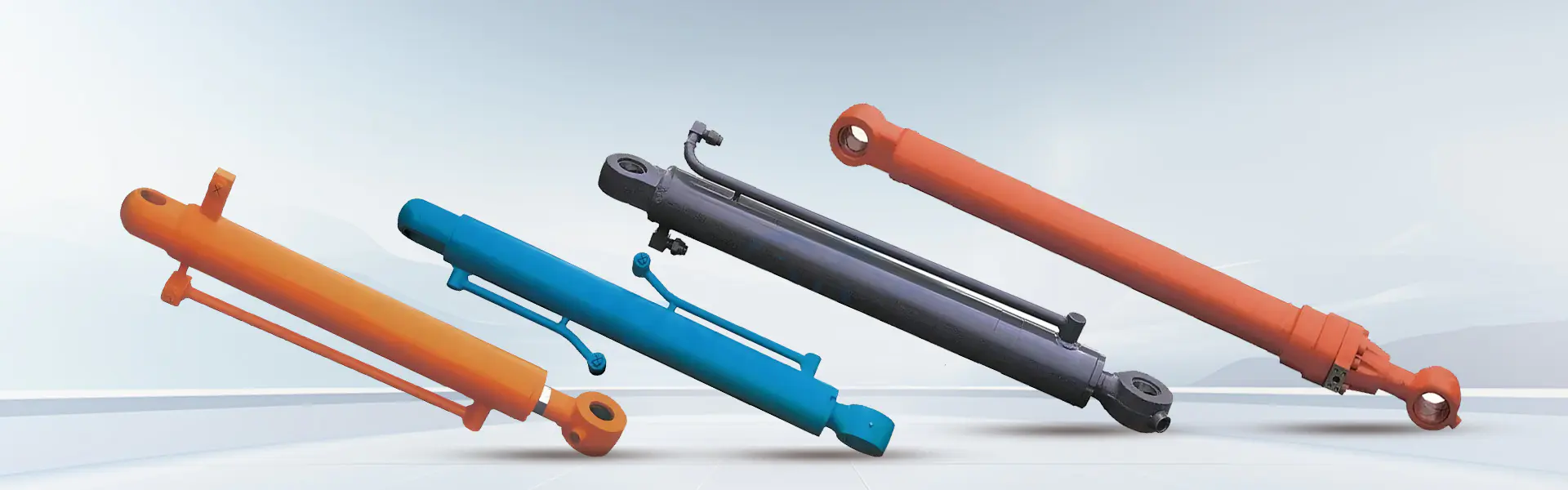
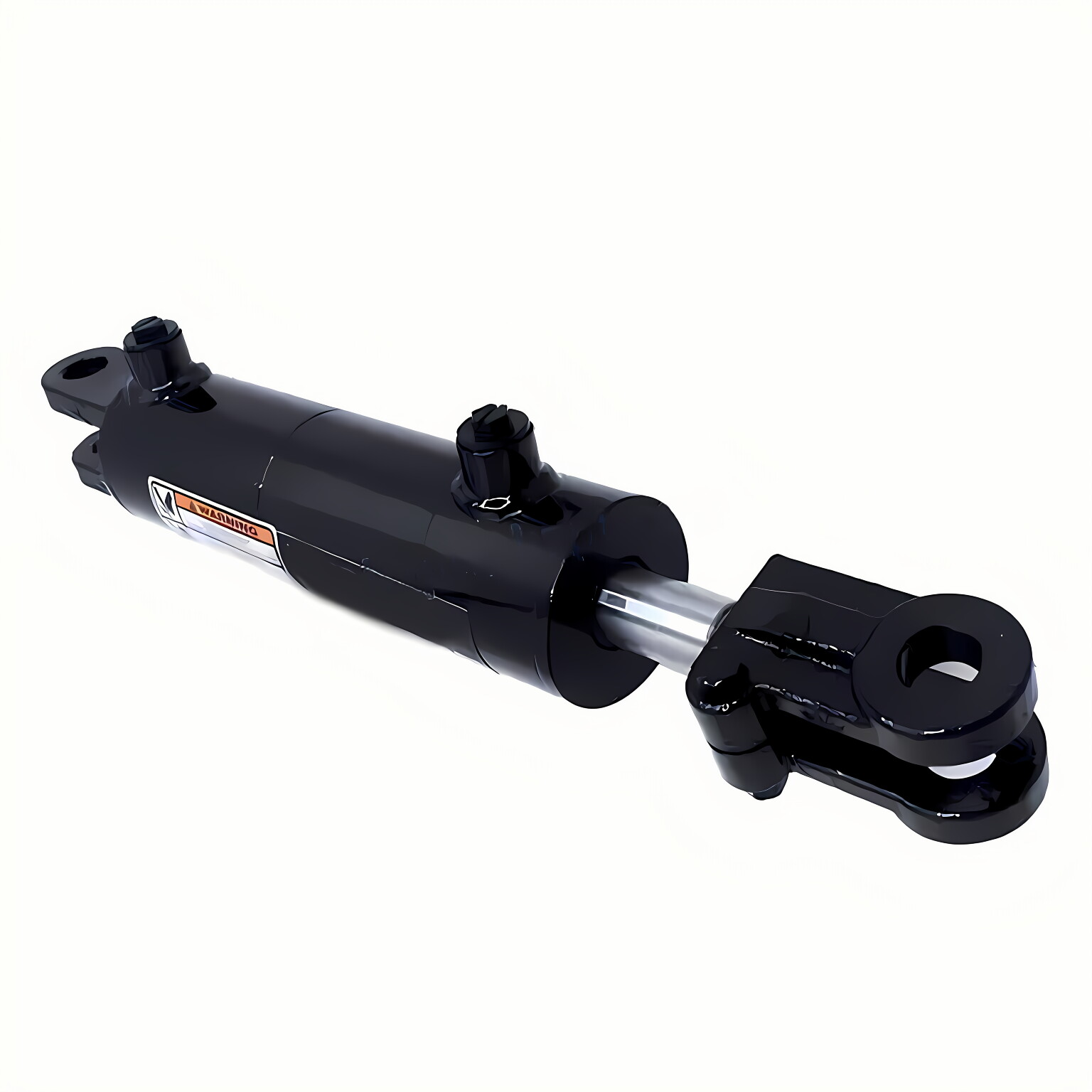
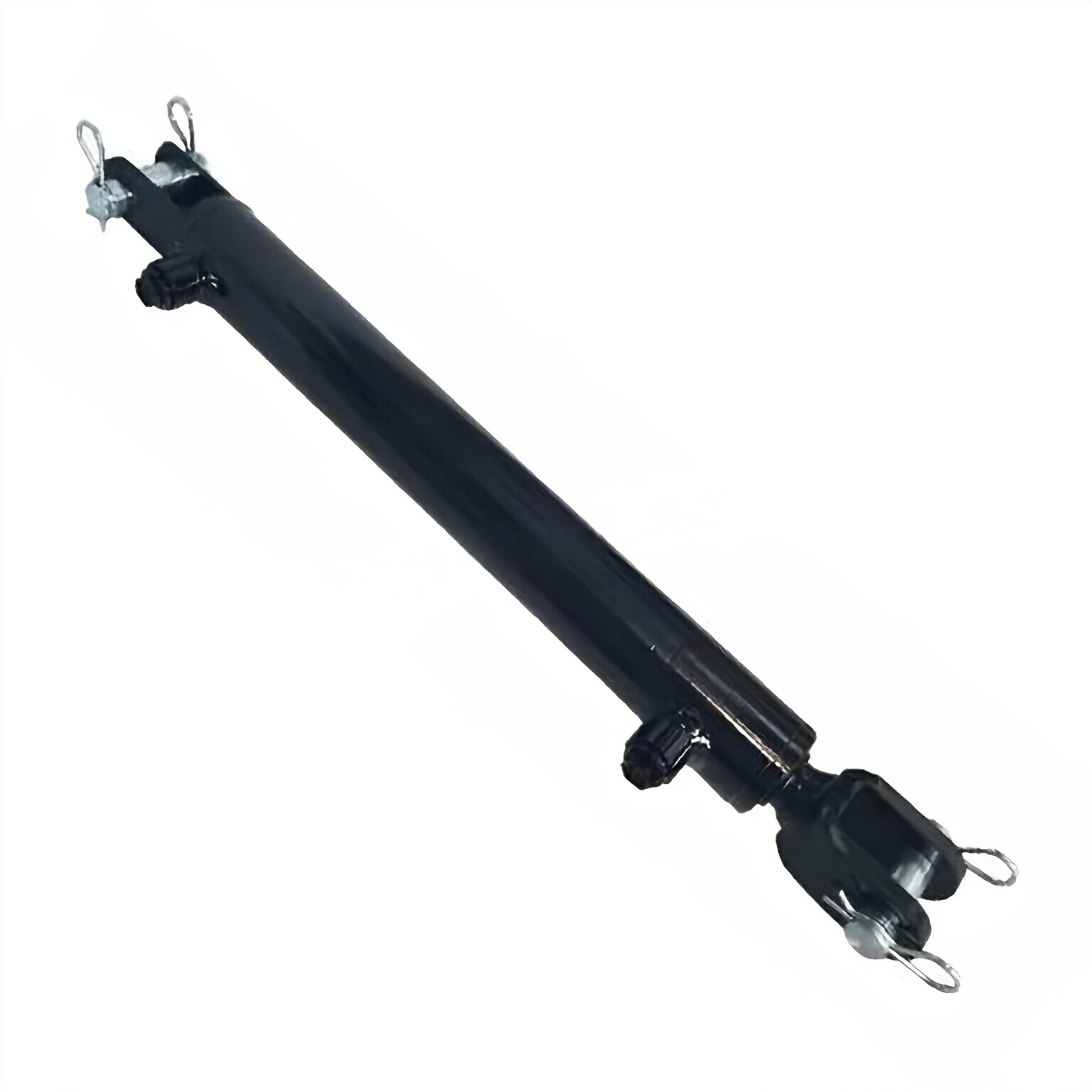
A Welded Clevis Type Cylinder is a fundamental and highly reliable component in industrial automation and heavy-duty machinery. Engineered for durability and precise linear motion, these cylinders are distinguished by their robust welded steel construction and an integral clevis mounting bracket. This clevis design allows for pivotal movement at the mounting point, accommodating misalignment and absorbing force vectors that are not perfectly axial. This makes them an indispensable choice for applications involving swing arcs or where thermal expansion and machine frame flexing are concerns. For decades, the Raydafon Group has been at the forefront of manufacturing these critical power units, combining advanced metallurgy with precision engineering to deliver superior performance in the most demanding environments, from metal fabrication and material handling to construction equipment.
The design of welded clevis cylinders offers several distinct advantages that contribute to their widespread use. The welded body, typically constructed from high-tensile steel tubing, provides exceptional strength and leak resistance compared to tie-rod constructions, allowing for higher pressure ratings and a more compact envelope. The integrated clevis is machined as part of the end cap, creating a singular, robust unit that can withstand significant side loads and moment forces. This pivotal mounting capability reduces stress on the cylinder barrel and rod, leading to longer seal life and reduced maintenance downtime. Furthermore, the streamlined design minimizes potential snag points, enhancing safety in crowded machine layouts. Raydafon Group cylinders incorporate these principles while adding proprietary enhancements in surface finishing and seal technology, ensuring smooth operation and extended service intervals.
Raydafon Group's Welded Clevis Type Cylinders are available in a comprehensive range of sizes and configurations to meet diverse application requirements. Key specifications include:
| Bore Size (inch/mm) | Rod Diameter (inch/mm) | Max Hydraulic Pressure (PSI/Bar) | Theoretical Force (lbs @ 3000 PSI) | Standard Clevis Pin Size (inch) |
|---|---|---|---|---|
| 1.5" / 40 | 0.75" / 20 | 3000 / 207 | 5,301 | 0.625 |
| 2.5" / 63 | 1.25" / 32 | 3000 / 207 | 14,726 | 0.75 |
| 4" / 100 | 2.0" / 50 | 3000 / 207 | 37,699 | 1.00 |
| 6" / 150 | 3.0" / 80 | 2500 / 172 | 70,686 | 1.25 |
| 8" / 200 | 4.0" / 100 | 2500 / 172 | 125,664 | 1.50 |
Note: Theoretical force calculation is for extend stroke (Push). Retract force is less due to rod area. Always consult Raydafon Group engineering for final application validation.
Q: What are the primary applications for a Welded Clevis Type Cylinder?
A: Welded clevis cylinders are versatile and commonly used in applications requiring robust linear actuation with allowance for angular movement. Typical uses include dump truck beds, refuse handling equipment, industrial press feeds, construction machinery (like excavator thumb actuators), material handling gates and diverters, steel mill equipment, and any system where the cylinder mounts between two pivoting points or may experience non-axial loading.
Q: How does the clevis mounting differ from other mount types like flange or foot mounts?
A: Unlike fixed mounts (flange, foot, side lug) that rigidly secure the cylinder, a clevis mount provides a pivot point at one end. This allows the cylinder to swing in a single plane, accommodating misalignment caused by the natural arc of a pivoting load, thermal expansion of the machine frame, or deflection under load. This pivotal action prevents binding and reduces stress on the cylinder's rod and seals.
Q: What are the key maintenance considerations for these cylinders?
A: Regular maintenance is crucial for longevity. Key steps include: maintaining clean, properly filtered hydraulic fluid or dry, lubricated air; periodically checking the clevis pin and bushing for wear and re-lubricating as needed; inspecting the rod surface for nicks or corrosion that could damage seals; and monitoring for external leaks. Raydafon Group designs its cylinders for easy serviceability, with readily available seal kits and detailed maintenance guides.
Q: Can Raydafon Group provide custom Welded Clevis Cylinders for unique applications?
A: Absolutely. Raydafon Group specializes in engineering custom hydraulic and pneumatic solutions. We can modify bore and stroke dimensions, rod end threading, mounting details (including clevis geometry and pin size), port locations, cushioning options, and materials of construction (including stainless steel for corrosive environments) to meet specific force, speed, environmental, or space constraints.
Q: How do I properly size a clevis cylinder for my application?
A: Proper sizing requires calculating the required force (considering load, friction, and inertia), determining the necessary stroke length, and evaluating the mounting geometry and duty cycle. Critical steps include: calculating the required bore size based on system pressure and needed force; selecting an appropriate rod diameter to withstand column strength (buckling) requirements under thrust load; and ensuring the clevis pin size and bracket are rated for the generated moment loads. Raydafon Group's application engineering team provides complimentary sizing assistance to ensure optimal and safe cylinder selection.
Q: What are the benefits of choosing a welded body construction over a tie-rod style cylinder?
A: Welded body cylinders offer several benefits: they are more compact for a given bore size as they eliminate external tie-rods; the welded construction is inherently stronger and more rigid, allowing for higher pressure ratings and better resistance to shock loads; they have fewer potential external leak paths; and the cleaner external profile is easier to keep clean and is less prone to snagging. They are the preferred choice for heavy-duty industrial and mobile applications.
Q: What fluid compatibility should I consider when ordering?
A: Standard Raydafon Group cylinders are equipped with seals compatible with standard petroleum-based hydraulic oils and lubricated air. For applications involving fire-resistant fluids (HFD, HFA, HFC), water glycol, synthetic oils, or other specialized media, it is essential to specify this during ordering. Our team will configure the cylinder with appropriate seal materials, such as Viton or Polyurethane, to ensure compatibility and long service life.
Correct installation is paramount for performance and safety. The clevis mount must be aligned so the pivot pin is perpendicular to the plane of cylinder movement. Always use the specified clevis pin with a proper retaining method (e.g., cotter pins, lock nuts). Ensure the mating clevis lugs are parallel and properly spaced to avoid binding. The cylinder should be supported during installation to avoid placing undue stress on the rod or threads. For hydraulic applications, always ensure the system is properly bled of air. Raydafon Group provides detailed installation drawings and manuals with every cylinder to guide proper assembly and alignment.
Selecting Raydafon Group means partnering with a manufacturer dedicated to precision, reliability, and innovation. Our Welded Clevis Type Cylinders are not just standard catalog items; they are the product of rigorous R&D and stringent quality control. Every cylinder undergoes thorough testing, including pressure and cycle testing, before shipment. Our global supply chain and manufacturing expertise allow us to deliver both standard and highly customized solutions efficiently. With a commitment to providing exceptional technical support and a comprehensive warranty, Raydafon Group ensures your investment delivers maximum productivity and a rapid return on investment for your machinery and automation projects.

 Raydafon