Disc Harrows are one of the most essential and versatile implements in modern tillage and seedbed preparation. As a cornerstone of efficient farming, they have evolved from simple blade arrangements to sophisticated systems designed for maximum soil penetration, residue management, and operational efficiency. For farmers, landowners, and agricultural contractors seeking to optimize their soil health and crop yields, understanding the mechanics, specifications, and proper application of a disc harrow is critical. At Raydafon Group, we combine decades of engineering expertise with a deep understanding of on-the-ground farming needs to produce disc harrows that are not just tools, but reliable partners for your land.
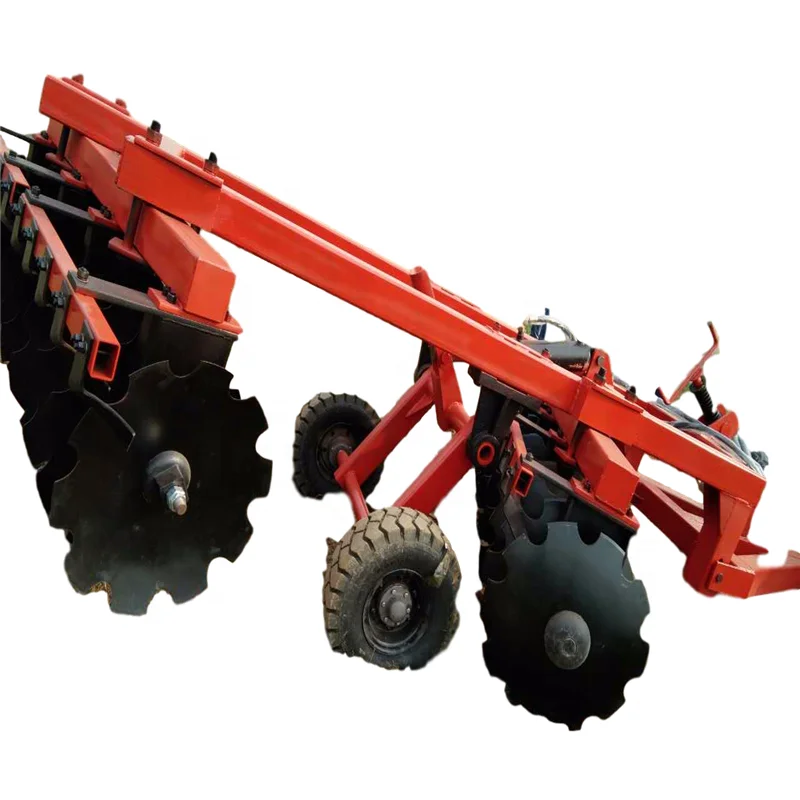
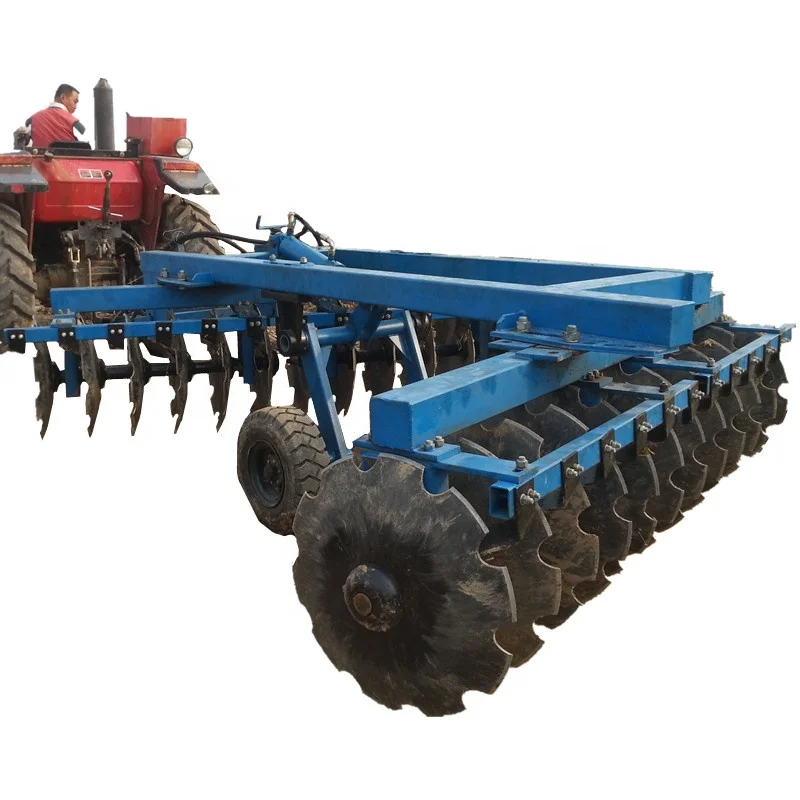
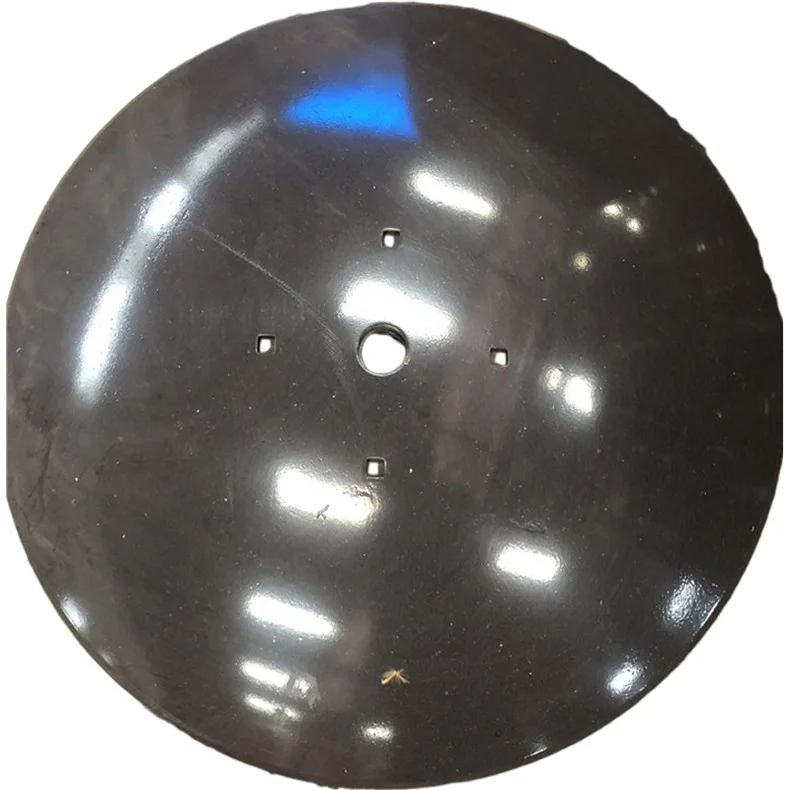
The primary function of a disc harrow is to cut, turn, and mix the soil. It effectively breaks up clods after primary plowing, incorporates crop residues or manure into the soil, prepares a fine, level seedbed, and helps control weeds. The implement consists of a series of concave, sharp-edged steel discs mounted on one or more axles, or gangs. These gangs are set at an angle to the direction of travel, which allows the discs to slice through the soil. The weight of the implement, combined with the disc angle and concavity, determines the aggressiveness of the tillage.
### Key Components and Their Impact on Performance
To make an informed decision, it's vital to understand what makes up a high-quality disc harrow from Raydafon Group.
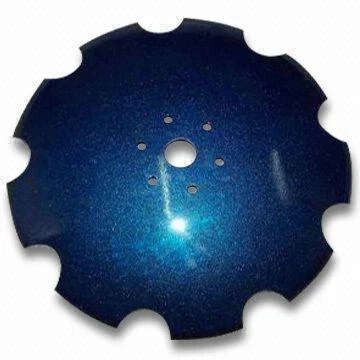
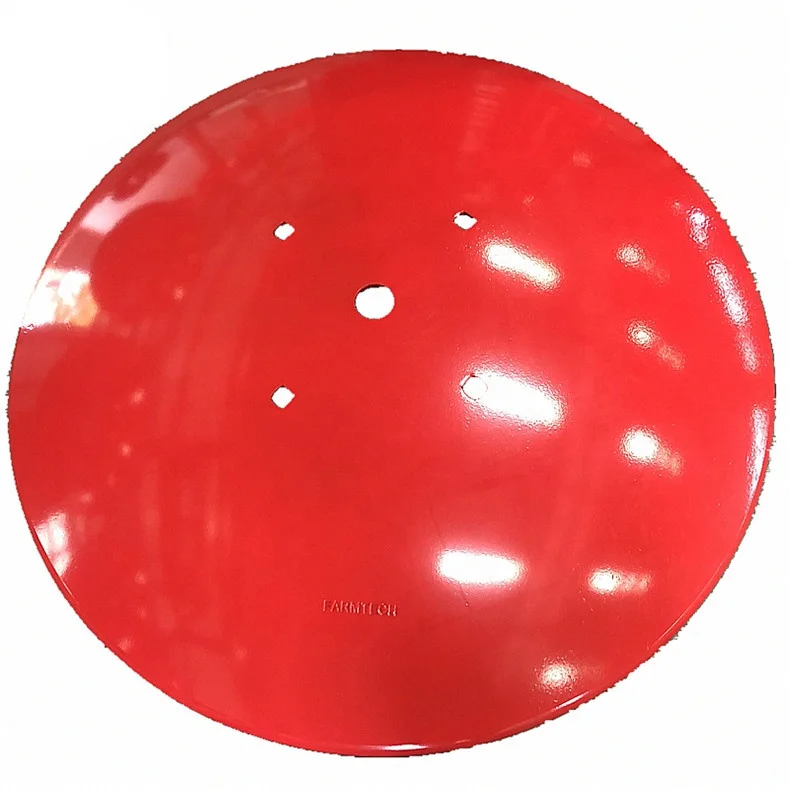
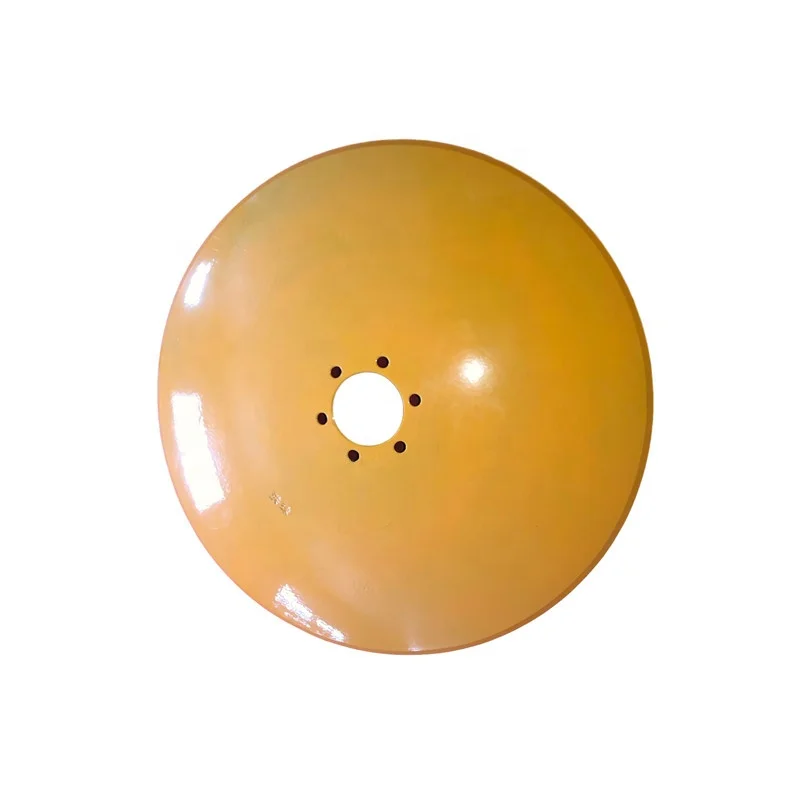
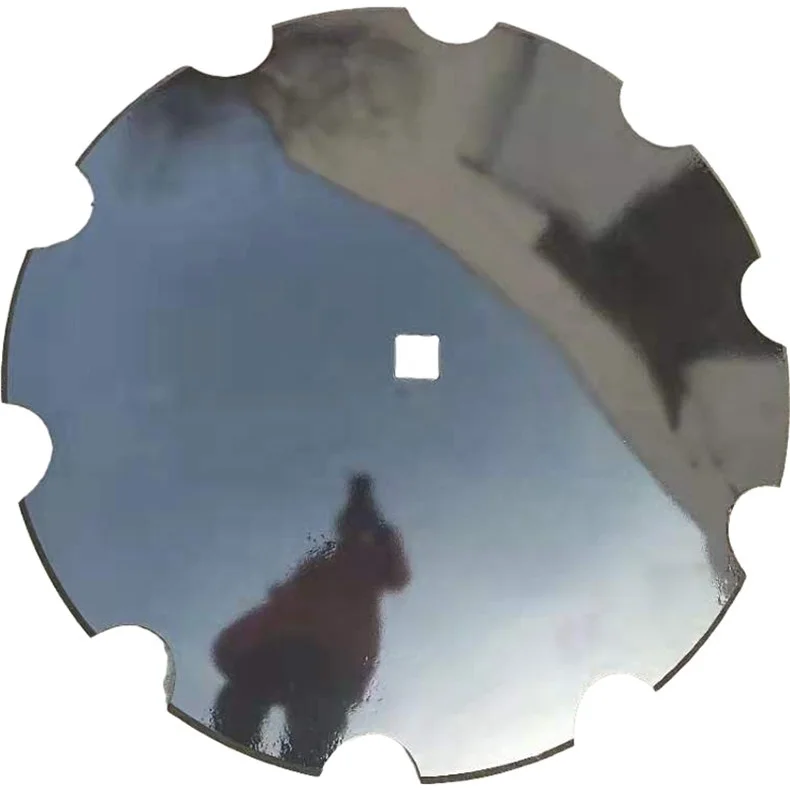
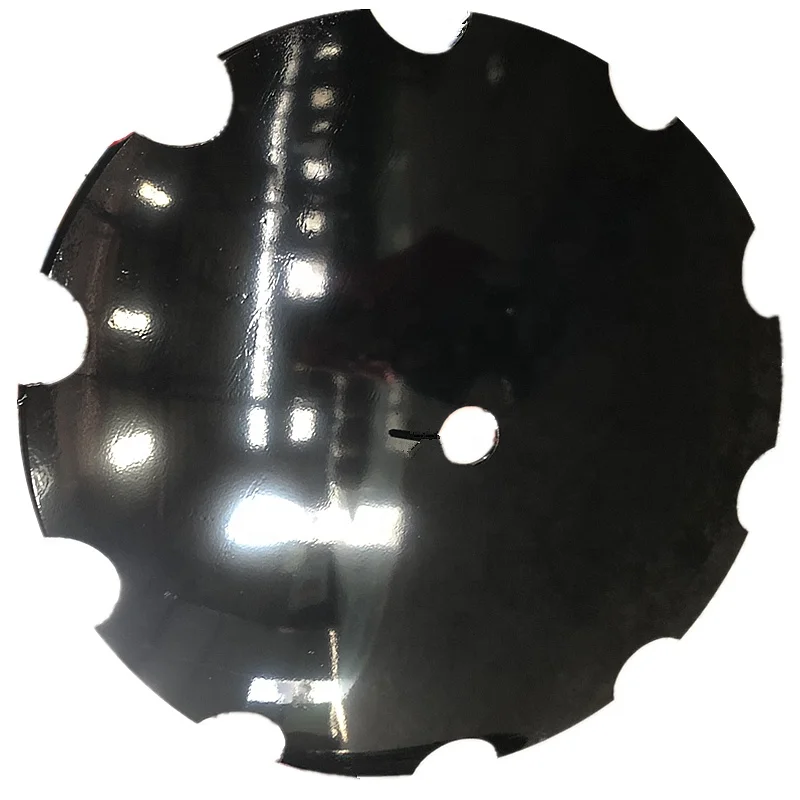
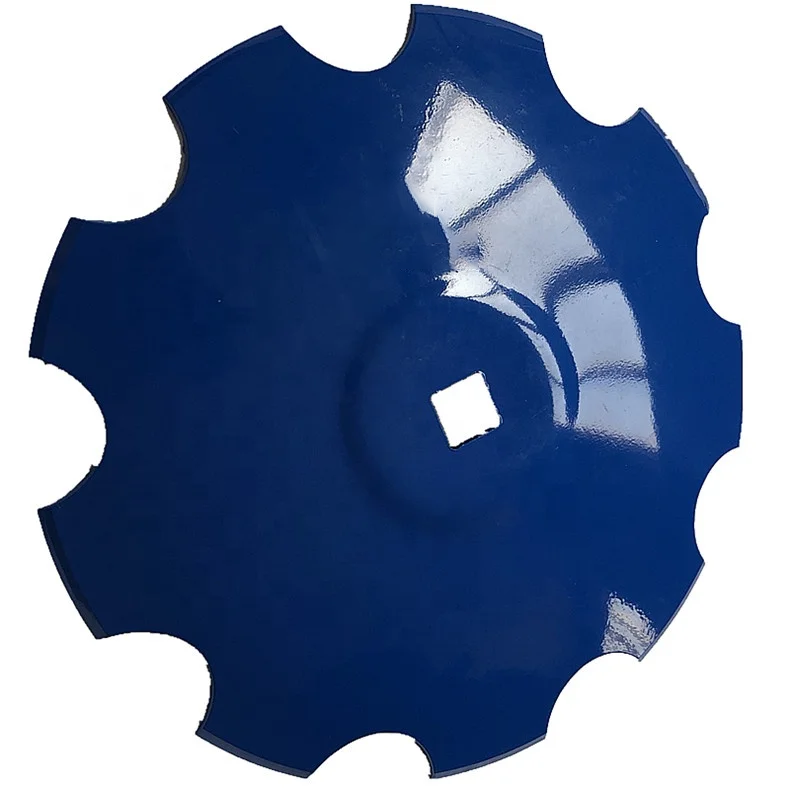
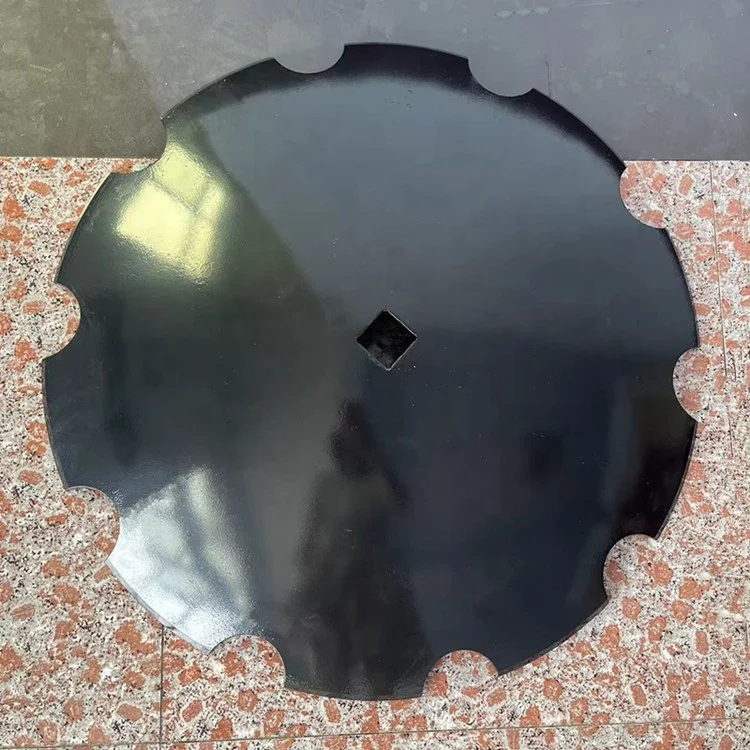
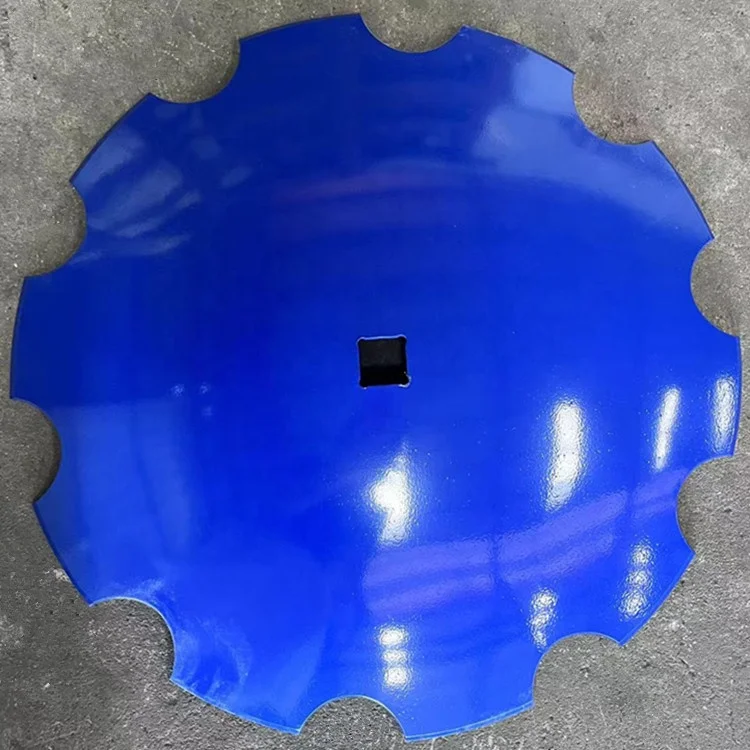
* **Disc Blades:** The heart of the implement. We use high-carbon, heat-treated steel for exceptional durability and edge retention. Blade size, concavity, and spacing are key.
* **Diameter:** Larger discs (e.g., 24" to 30") offer greater penetration in tougher soils and through heavier residue.
* **Concavity:** A deeper concavity provides more soil lift and mixing action.
* **Spacing:** Closer spacing creates a finer tilth, while wider spacing is better for high-residue situations.
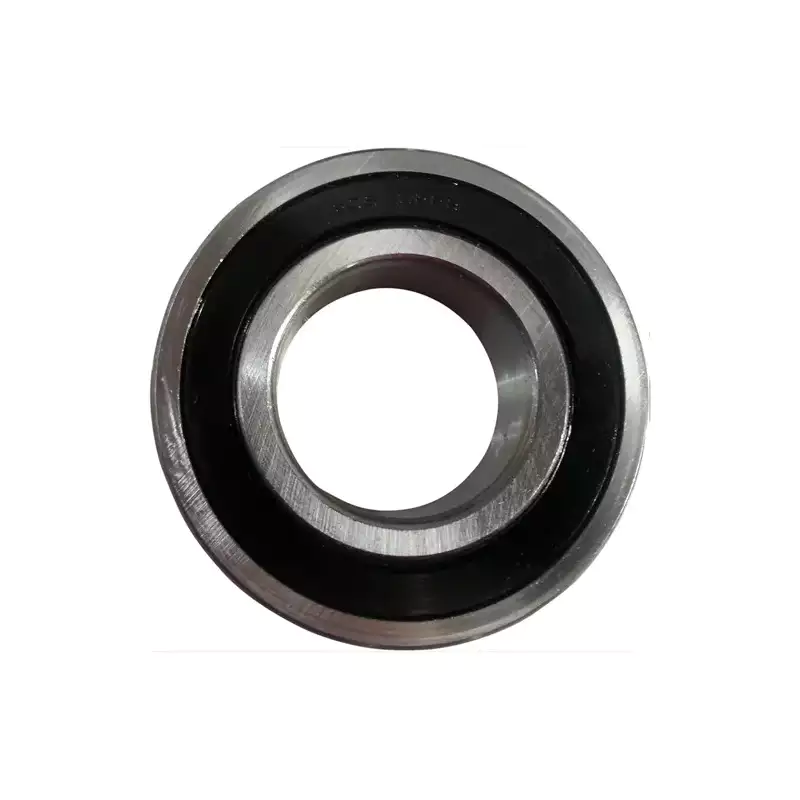
* **Gang Frames & Axles:** Our heavy-duty, box-section steel frames resist torsion and bending under load. Sealed, precision ball bearings on reinforced axles ensure smooth rotation and long life with minimal maintenance.
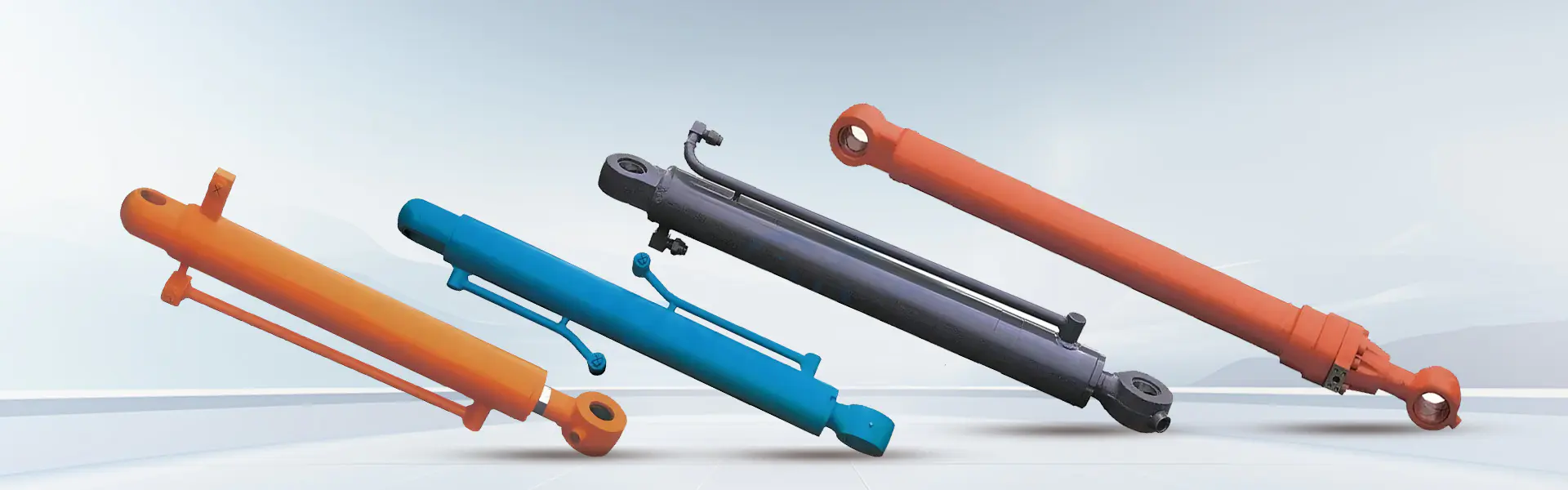
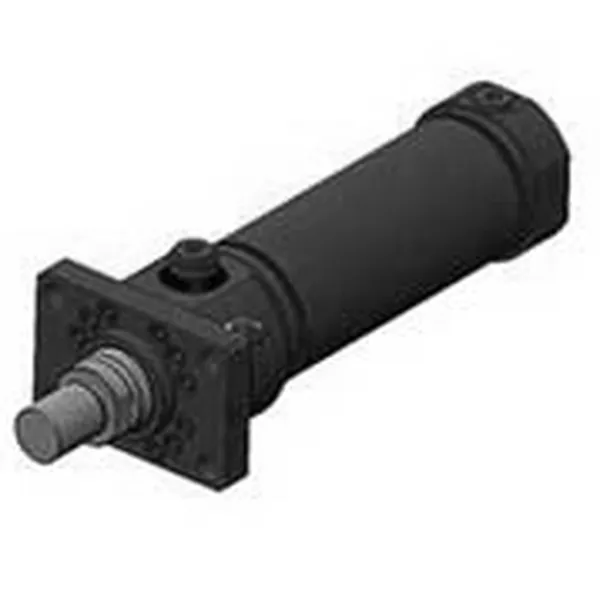
* **Gang Angle Adjustment:** The ability to adjust the gang angle is crucial. A steeper angle (more aggressive) is for primary tillage and breaking new ground. A shallower angle is ideal for secondary tillage and finishing. Raydafon models feature easy, pin-adjustable or hydraulic angle adjustment systems.
* **Weight and Transport:** Adequate weight is necessary for consistent penetration. Many of our models feature weight-bearing transport wheels and easy-lift mechanisms for safe road travel between fields.
* **Scrapers:** Each disc is equipped with a heavy-duty scraper to prevent soil and residue from building up on the blade, ensuring continuous, clean cutting performance.
### Raydafon Group Disc Harrow Series: Technical Specifications
Selecting the right model depends on your tractor horsepower, soil type, and intended use. Below is a comparison of our core series to guide your choice.
#### Raydafon Standard-Duty Series (For Seedbed Finishing & Incorporation)
| Model | Working Width (ft) | Number of Discs | Disc Diameter (in) | Disc Spacing (in) | Min. Tractor HP | Approx. Weight (lbs) | Key Features |
| :--- | :--- | :--- | :--- | :--- | :--- | :--- | :--- |
| **RD-SD 180** | 6 | 16 | 20 | 9 | 45-65 | 1,250 | Fixed gang angle, ideal for small farms & gardens. |
| **RD-SD 240** | 8 | 20 | 22 | 9 | 65-85 | 1,800 | Adjustable gang angle (0-22°), notch-edge blades. |
| **RD-SD 300** | 10 | 24 | 22 | 9 | 85-110 | 2,400 | Folding wings for transport, hydraulic gang lift. |
#### Raydafon Heavy-Duty Series (For Primary Tillage & High-Residue Management)
| Model | Working Width (ft) | Number of Discs | Disc Diameter (in) | Disc Spacing (in) | Min. Tractor HP | Approx. Weight (lbs) | Key Features |
| :--- | :--- | :--- | :--- | :--- | :--- | :--- | :--- |
| **RD-HD 360** | 12 | 28 | 24 | 9 | 110-150 | 3,900 | 4" square gang axles, double row bearings, hydraulic angle adjust. |
| **RD-HD 420** | 14 | 32 | 26 | 9 | 150-200 | 5,200 | **Offset Design** for aggressive, deep cutting. Independent gang control. |
| **RD-HD 480** | 16 | 36 | 26 | 9 | 200-250 | 6,500 | Folding wings with walk-behind transport, heavy-duty scrapers, weight boxes for added penetration. |
### Advantages of Choosing a Raydafon Group Disc Harrow
* **Superior Soil Finish:** Our precise engineering ensures an even, consistent cut across the entire working width, creating a perfect environment for seed placement.
* **Unmatched Durability:** From the steel grade to the weld quality, every component is built to withstand the stresses of daily farm use, season after season.
* **Versatility:** With adjustable angles and various models, one Raydafon disc harrow can handle multiple tasks, from aggressive stalk breakdown to gentle seedbed preparation.
* **Ease of Use and Maintenance:** User-centric design features like accessible grease points, easy-pin adjustments, and clear hydraulic connections reduce downtime and operator fatigue.
* **Residue Management Excellence:** Our blade design and scraper systems are optimized to handle high-yield crop residues without plugging, promoting better decomposition and soil health.
### Frequently Asked Questions (FAQ) About Disc Harrows
**What is the main difference between a disc harrow and a tiller?**
A disc harrow uses a series of large, angled, concave blades (discs) that roll through the soil, cutting and mixing it. It is typically a wider implement for open fields. A rotary tiller (rototiller) uses rapidly spinning L-shaped tines to aggressively chop and pulverize the soil in a more concentrated area. Disc harrows are generally for larger-scale, faster work, while tillers offer more intensive cultivation in smaller spaces or for final bed preparation.
**How do I choose the correct disc harrow size for my tractor?**
The most critical factor is matching the implement's required pulling power to your tractor's available horsepower at the PTO or drawbar. Always refer to the manufacturer's minimum HP recommendation (like our tables above). An implement that is too large will overwork your tractor, while one that is too small is inefficient. Also, consider the physical size and transport width to ensure it fits your fields and gates.
**What is the optimal disc gang angle for my task?**
For breaking hard ground, virgin soil, or heavy sod, use the maximum aggressive angle (often 18°-22°). For incorporating residues or moderate tillage, a medium angle (12°-17°) is suitable. For light finishing, leveling, and creating a fine seedbed, use the shallowest angle (0°-10°). Raydafon Group's adjustment systems allow you to change this quickly for multi-purpose use.
**How often do disc blades need to be sharpened or replaced?**
Frequency depends entirely on soil abrasiveness (sandy soils wear blades faster) and usage. Inspect blades regularly for nicks, excessive rounding, or width loss. Sharp, notch-edged blades cut cleaner, require less draft, and manage residue better. With Raydafon's high-carbon steel blades, you can expect several seasons of use before sharpening is needed under normal conditions. Replacement is necessary when the blade diameter is significantly reduced, affecting penetration.
**Can a disc harrow be used for no-till or conservation tillage systems?**
While a traditional disc harrow is a tillage tool, it can be part of a reduced-tillage system. Specifically, lighter disc harrows or "disc cultivators" are sometimes used in no-till systems to lightly incorporate chemicals or manage cover crops with minimal soil disturbance, preserving much of the soil structure and residue cover. It is not a true no-till practice but a form of minimal tillage.
**How do I prevent my disc harrow from "ridging" or creating an uneven surface?**
Ridging often occurs if the gangs are set too aggressively or if the implement is not level. Ensure the tractor's three-point hitch is adjusted so the disc harrow frame is level front-to-back and side-to-side when in the working position. Proper weight distribution (adding weight to lighter sections if needed) and using the correct gang angle for the soil condition will also promote a level finish.
**What maintenance does my Raydafon disc harrow require?**
Regular maintenance is simple but essential. After each use, clean off mud and debris. Before storage, apply a light coat of oil to discs to prevent rust. The most crucial routine task is greasing all bearing points (zerk fittings) according to the operator's manual—typically every 8-10 hours of operation. Periodically check and tighten all bolts, inspect scrapers for wear, and examine blades for damage.
**Why does my disc harrow sometimes bounce or skip in hard ground?**
This indicates insufficient weight for penetration in the current soil conditions. Solutions include adding more weight to the frame (many Raydafon models have weight brackets), slowing your operating speed, or, if adjustable, increasing the gang angle to make the discs more aggressive. Ensuring blades are sharp also greatly improves cutting and reduces bounce.
**What is an "offset disc harrow" and when is it used?**
An offset disc harrow has its gangs arranged so that the tractor runs to one side of the area being tilled. This allows it to work closer to fences, trees, or obstacles. More importantly, offset models are often heavier and more aggressive, with gangs that can be set at different angles for a more thorough, chopping action. They are excellent for primary tillage, land clearing, and breaking compacted soils.
**How does Raydafon Group ensure the quality of its disc harrows?**
Raydafon Group employs a rigorous multi-stage quality control process. It begins with the selection of premium, stress-relieved steels. Computer-aided design and laser cutting ensure part precision. Critical welds are performed by certified technicians and often subjected to non-destructive testing. Each bearing assembly is pressure-tested, and finished implements undergo a final operational inspection before leaving our facility. Our commitment is to deliver a product that meets our high standards for reliability and performance.


 Raydafon