
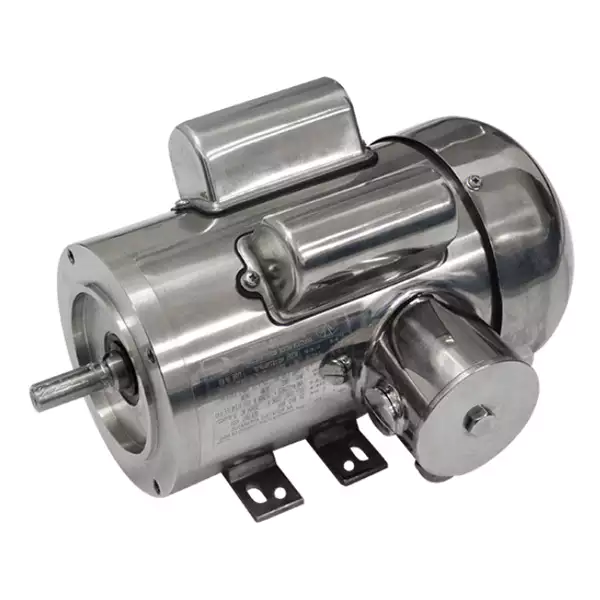
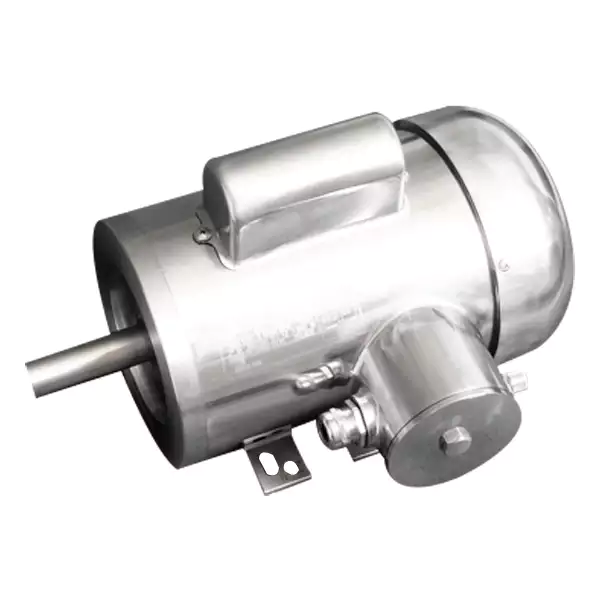
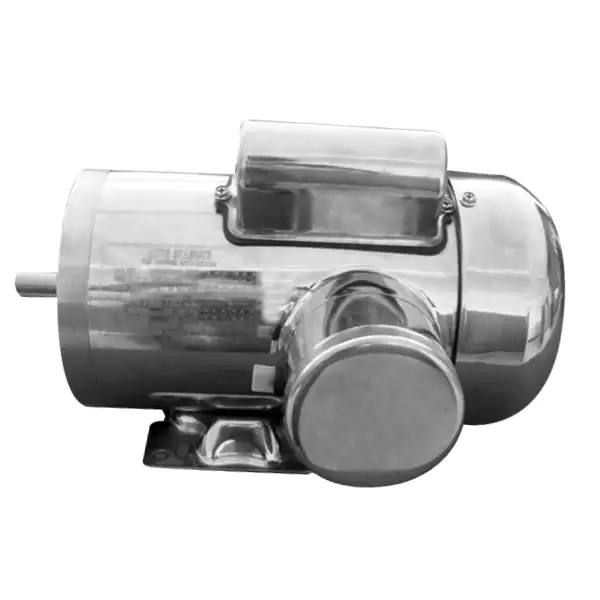
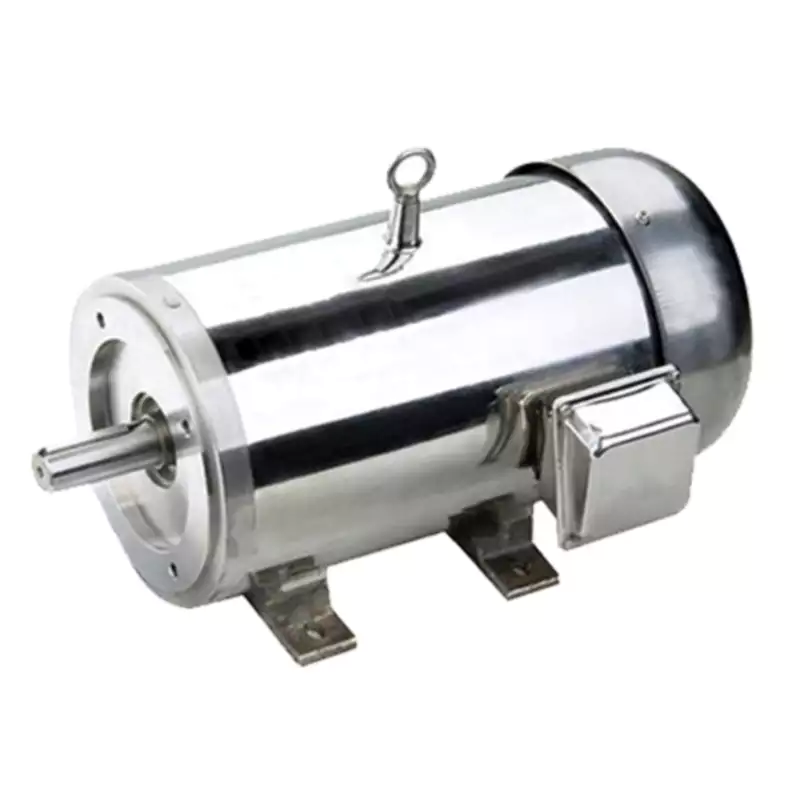
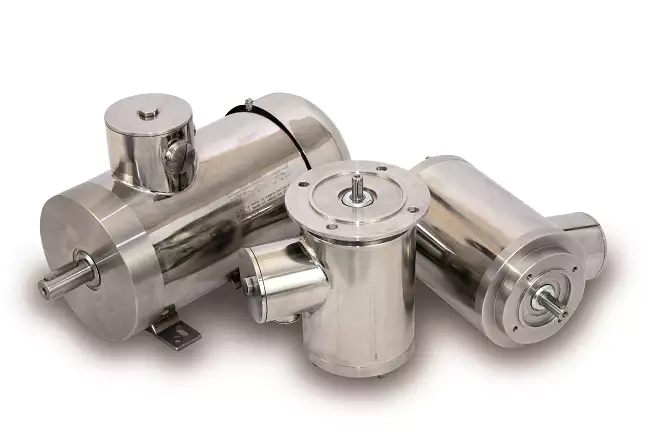
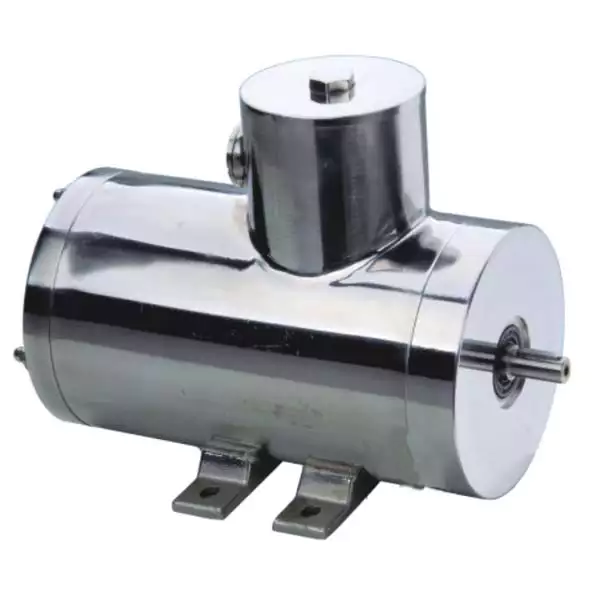
In demanding industrial, commercial, and even severe marine environments, the integrity of your equipment is paramount. Corrosion, moisture, chemicals, and temperature fluctuations can rapidly degrade standard motors, leading to costly downtime, safety risks, and frequent replacements. To build systems that last, you need a component engineered to withstand these harsh conditions from the inside out. The solution is the Stainless Steel Motors.
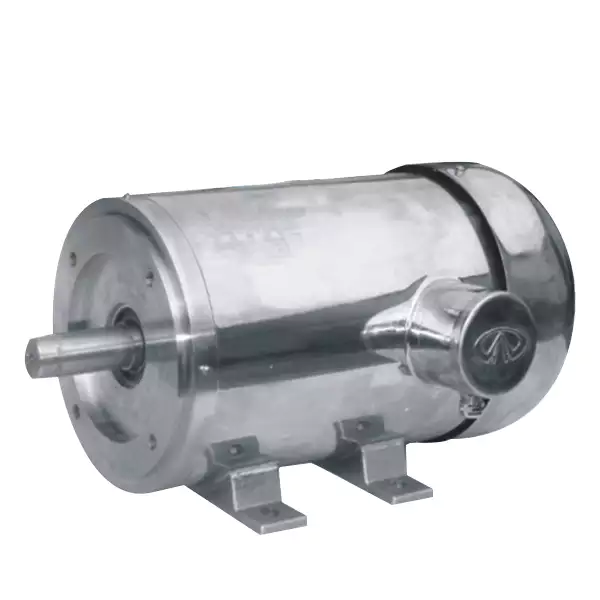
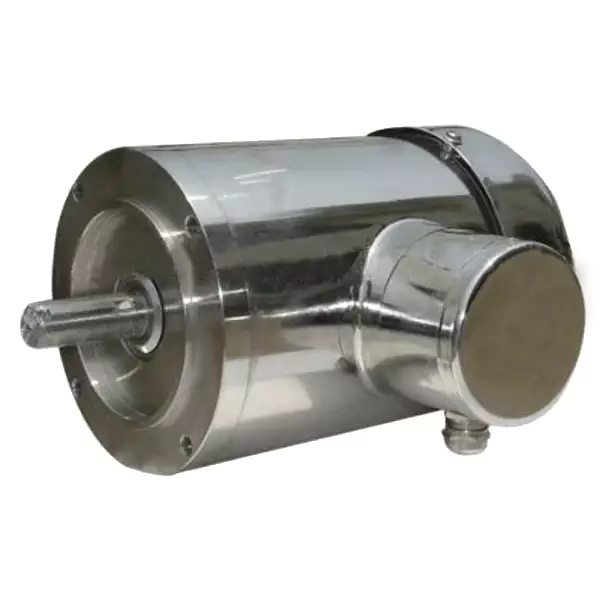
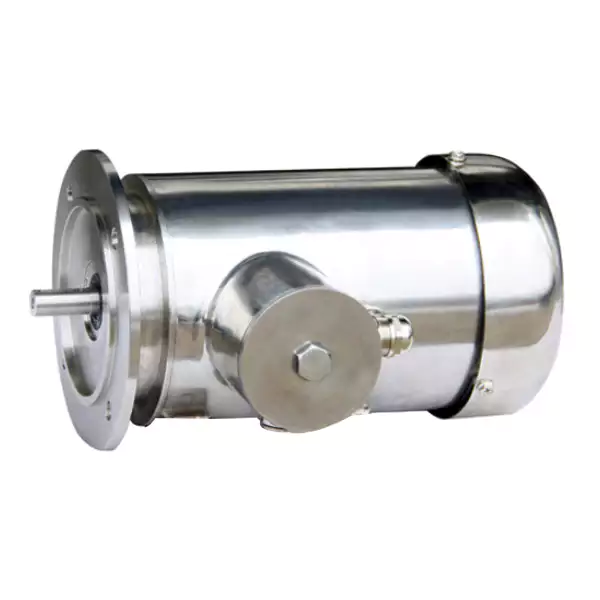
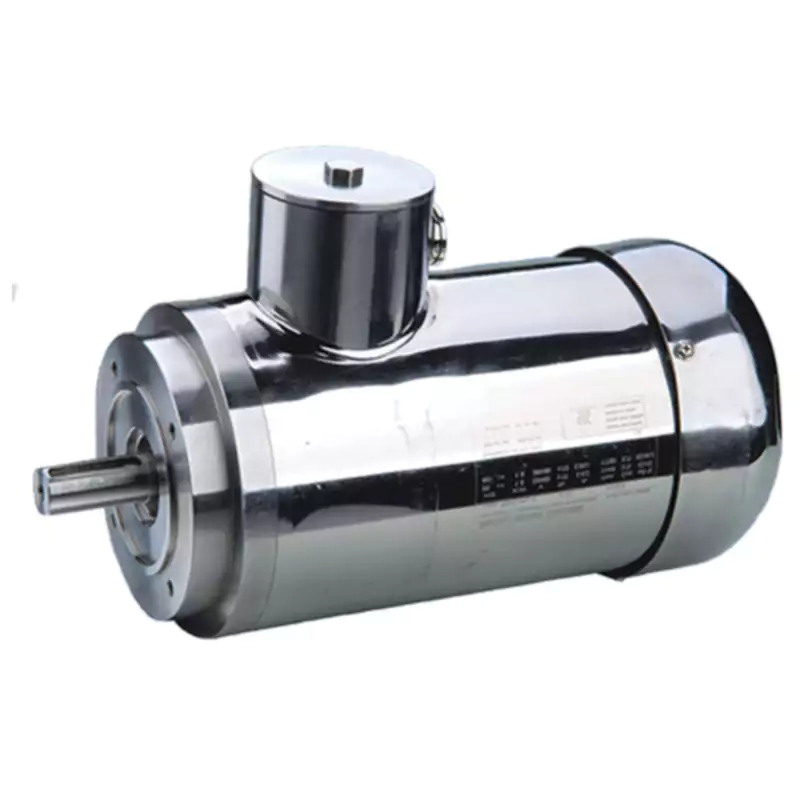
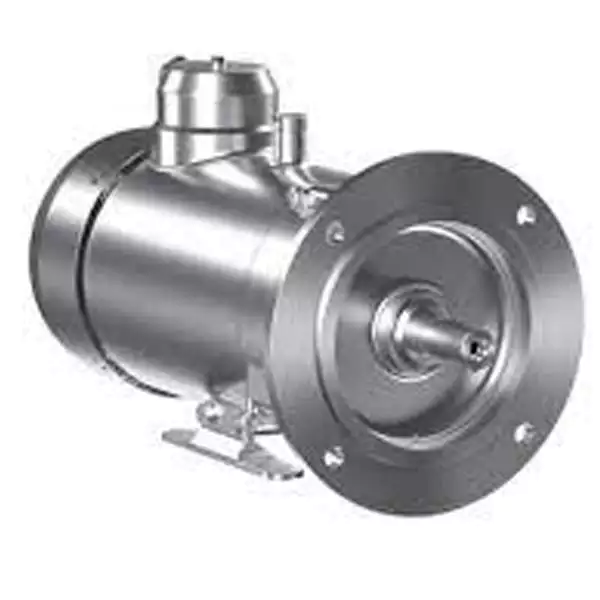
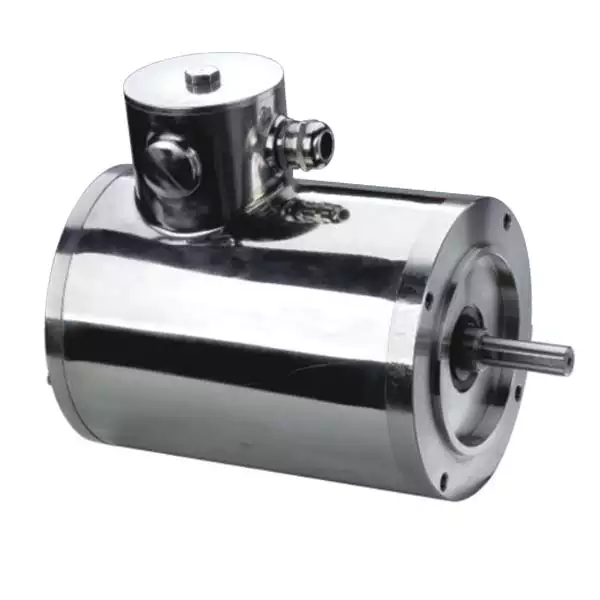
At Raydafon Group, we specialize in engineering high-performance stainless steel motors that deliver unparalleled reliability and longevity. Unlike coated or plated alternatives, our motors are constructed with premium-grade stainless steel for critical components, providing inherent, permanent resistance to a wide range of corrosive agents. This makes them the definitive choice for applications where failure is not an option.
Our motors are not merely adaptations of standard designs; they are purpose-built for endurance. The core advantages include:
Raydafon Group offers a comprehensive portfolio of stainless steel motors to meet diverse application requirements. Below is a detailed overview of our standard product parameters.
| Feature / Property | AISI 304 Stainless Steel | AISI 316 Stainless Steel |
|---|---|---|
| Primary Alloying Elements | Chromium (18-20%), Nickel (8-10.5%) | Chromium (16-18%), Nickel (10-14%), Molybdenum (2-3%) |
| Corrosion Resistance | Excellent resistance to a wide range of atmospheric, chemical, and food-grade corrodents. | Superior resistance, especially against chlorides, saltwater, and industrial chemicals due to Molybdenum content. |
| Typical Applications | Food processing, breweries, dairy, packaging, general washdown areas, indoor environments with high humidity. | Offshore platforms, marine vessels, chemical plants, coastal installations, pulp & paper mills, highly aggressive washdowns. |
| Cost Consideration | Standard grade, more cost-effective for less severe environments. | Premium grade, higher initial cost justified for extreme conditions. |
| Series Model | Frame Size (IEC) | Power Range (kW) | Standard Protection | Key Application Focus |
|---|---|---|---|---|
| Raydafon SSM-300 Series | 63 - 80 | 0.18 - 0.75 | IP66 / IP69K | Small machinery, conveyors, agitators, medical devices. |
| Raydafon SSM-500 Series | 80 - 112 | 0.55 - 4.0 | IP66 / IP69K | Food processing pumps, mixers, packaging lines, car wash systems. |
| Raydafon SSM-700 Series | 132 - 180 | 5.5 - 22 | IP55 / IP66 / IP67 | Industrial pumps, large mixers, ventilation fans, marine deck machinery. |
| Raydafon SSM-900 Series (Explosion-Proof) | 80 - 160 | 0.75 - 15 | IP66, Ex d / Ex de Certified | Hazardous areas in chemical, pharmaceutical, and oil & gas industries. |
Q: What is the main difference between a standard industrial motor and a stainless steel motor?
A: The primary difference lies in the construction materials and the resulting environmental durability. Standard motors typically have cast iron or aluminum frames with painted or coated surfaces. While suitable for dry, clean environments, these coatings can chip or degrade, allowing corrosion to start. A true stainless steel motor from Raydafon Group uses stainless steel for the main structural components (frame, end brackets, often the shaft), offering inherent, bulk-material corrosion resistance that lasts the lifetime of the motor, even with surface scratches.
Q: Are all stainless steel motors fully submersible?
A: Not automatically. "Stainless steel" refers to the material, while submersibility is determined by the Ingress Protection (IP) rating. A motor can be made of stainless steel but only have an IP55 rating (protected against low-pressure water jets). For submersion or high-pressure washdown, you need a specific IP rating like IP67 (temporary immersion) or IP68 (prolonged immersion). Our IP69K motors are designed for the most aggressive washdowns but are not typically rated for prolonged submersion. Always check the specific IP rating for your application's needs.
Q: When is AISI 316 stainless steel necessary over AISI 304?
A: Choose AISI 316 when the motor will be exposed to environments rich in chlorides. This includes coastal or offshore locations with salt spray, applications involving seawater, chlorine-based cleaning chemicals, or processes in chemical plants with specific acids. The addition of molybdenum in 316 provides a significant boost in pitting and crevice corrosion resistance in these chloride-laden environments. For most food processing and general indoor wet environments, AISI 304 is perfectly adequate and more economical.
Q: Can I get a stainless steel motor with an energy-efficient rating?
A: Absolutely. At Raydafon Group, our stainless steel motor lines are engineered to meet or exceed international efficiency standards. We offer models compliant with IE2, IE3, and IE4 efficiency classes as defined by the IEC 60034-30-1 standard. Investing in a high-efficiency stainless steel motor reduces operational energy costs, which can offset the higher initial investment over time, all while providing superior durability.
Q: How do I maintain a stainless steel motor? Is it maintenance-free?
A: While stainless steel motors are incredibly durable and require far less maintenance than standard motors, they are not entirely "maintenance-free." Regular inspection is recommended. Maintenance primarily involves keeping the motor clean by washing off aggressive contaminants (like salt deposits or chemical residues) with fresh water, checking terminal box seals for integrity, and ensuring mounting hardware hasn't loosened due to vibration. The bearings may still require re-greasing or replacement according to the service intervals, though many models come with sealed-for-life bearings. The stainless steel body itself largely eliminates concerns about rust and paint degradation.
Q: Are Raydafon Group stainless steel motors compatible with variable frequency drives (VFDs)?
A: Yes, the majority of our three-phase stainless steel motors are fully compatible with modern VFDs (Inverters). They are built with Class F or higher insulation systems and are designed to withstand the voltage spikes and harmonic content associated with PWM drives. For long lead lengths between the drive and motor, we recommend using output filters or reactors and proper grounding practices to ensure optimal performance and longevity. Specific models may be "inverter-ready" with built-in protection features.
Q: What industries most commonly use your stainless steel motors?
A: Our motors are critical components in industries where hygiene, corrosion, or harsh conditions are daily challenges. Key sectors include:
Choosing the correct stainless steel motor involves more than just material. Key selection criteria include:
The engineering team at Raydafon Group is available to provide technical support and help you specify the optimal stainless steel motor for your specific operational challenges and performance requirements.

 Raydafon