
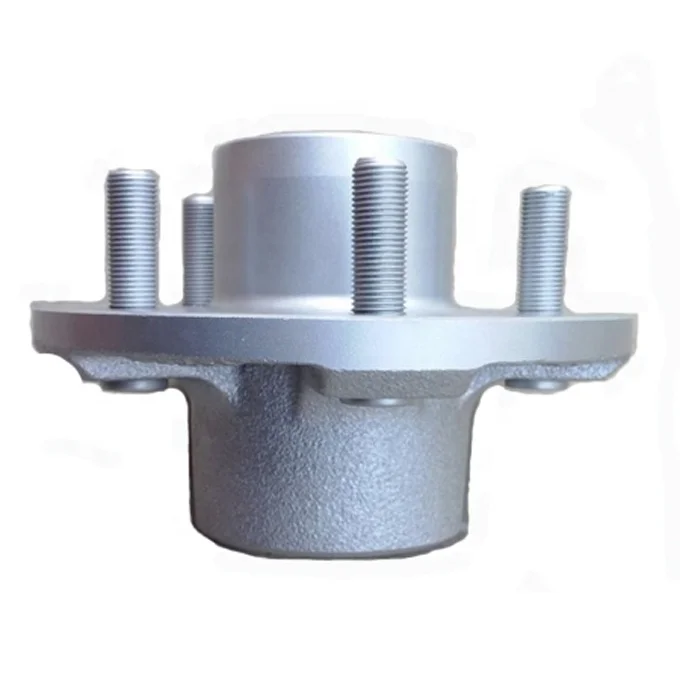
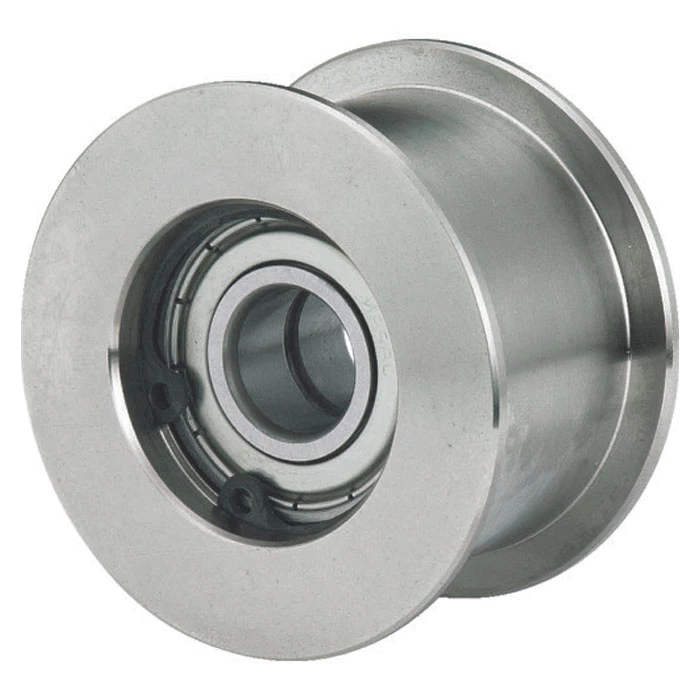
At the heart of countless mechanical and automotive systems lies a critical pair of components: the Bushing and the Hub. These parts are fundamental to motion control, load bearing, and power transmission. A bushing is a type of plain bearing, typically a cylindrical sleeve designed to reduce friction between rotating or sliding parts, absorb vibrations, and provide precise alignment. Hubs are central connecting points, often wheel hubs in automotive contexts, which house bearings and provide a mounting surface for wheels, gears, or other rotary elements. The synergy between a high-quality bushing and a robust hub is essential for safety, performance, and longevity in demanding applications. Raydafon Group specializes in engineering and manufacturing premium bushing and hub assemblies that meet the rigorous standards of industries worldwide.
Raydafon Group's Bushing & Hubs are engineered with precision and durability as the foremost priorities. We utilize advanced materials and stringent quality control processes to ensure every component exceeds expectations.
| Product Series | Bushing Type | Hub Bore Diameter (mm/in) | Static Load Capacity (kN) | Dynamic Load Rating (kN) | Operating Temp. Range (°C/°F) | Key Application |
|---|---|---|---|---|---|---|
| Raydafon RH-2000 | Spherical Plain Bearing | 30 - 100 / 1.18 - 3.94 | Up to 245 | Up to 120 | -40 to +120 / -40 to +248 | Heavy-duty truck axles, construction equipment |
| Raydafon RB-850 | Bronze Oil-Impregnated | 10 - 50 / 0.39 - 1.97 | Up to 95 | Up to 45 | -30 to +150 / -22 to +302 | Agricultural machinery, industrial conveyors |
| Raydafon RP-450 | Polymer Composite | 15 - 40 / 0.59 - 1.57 | Up to 60 | Up to 28 | -50 to +80 / -58 to +176 | Automotive control arms, suspension linkages |
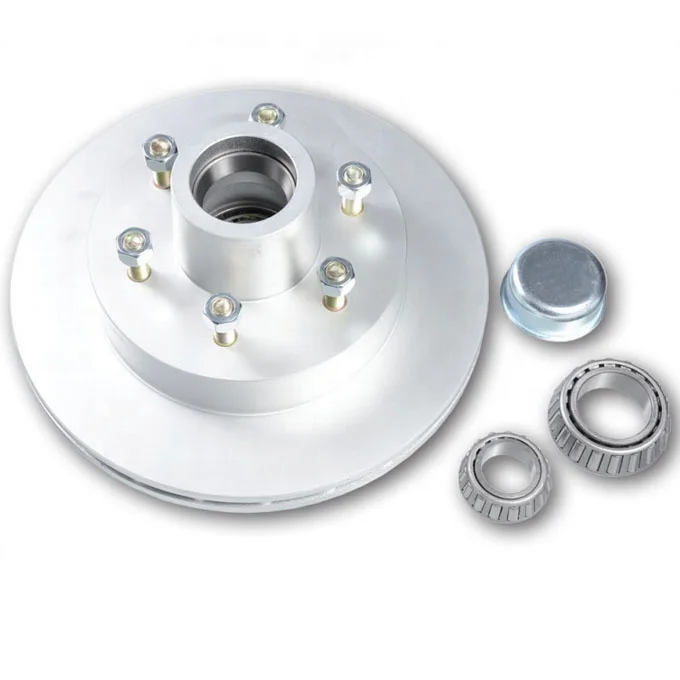
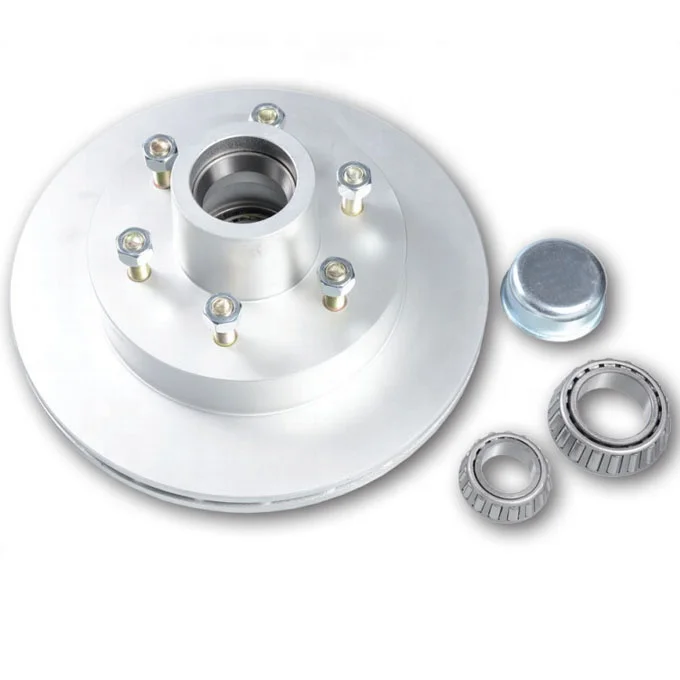
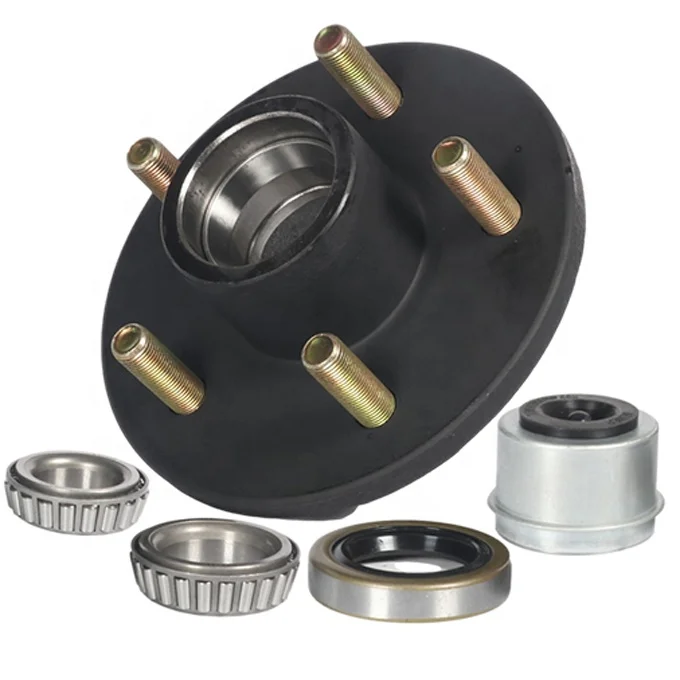
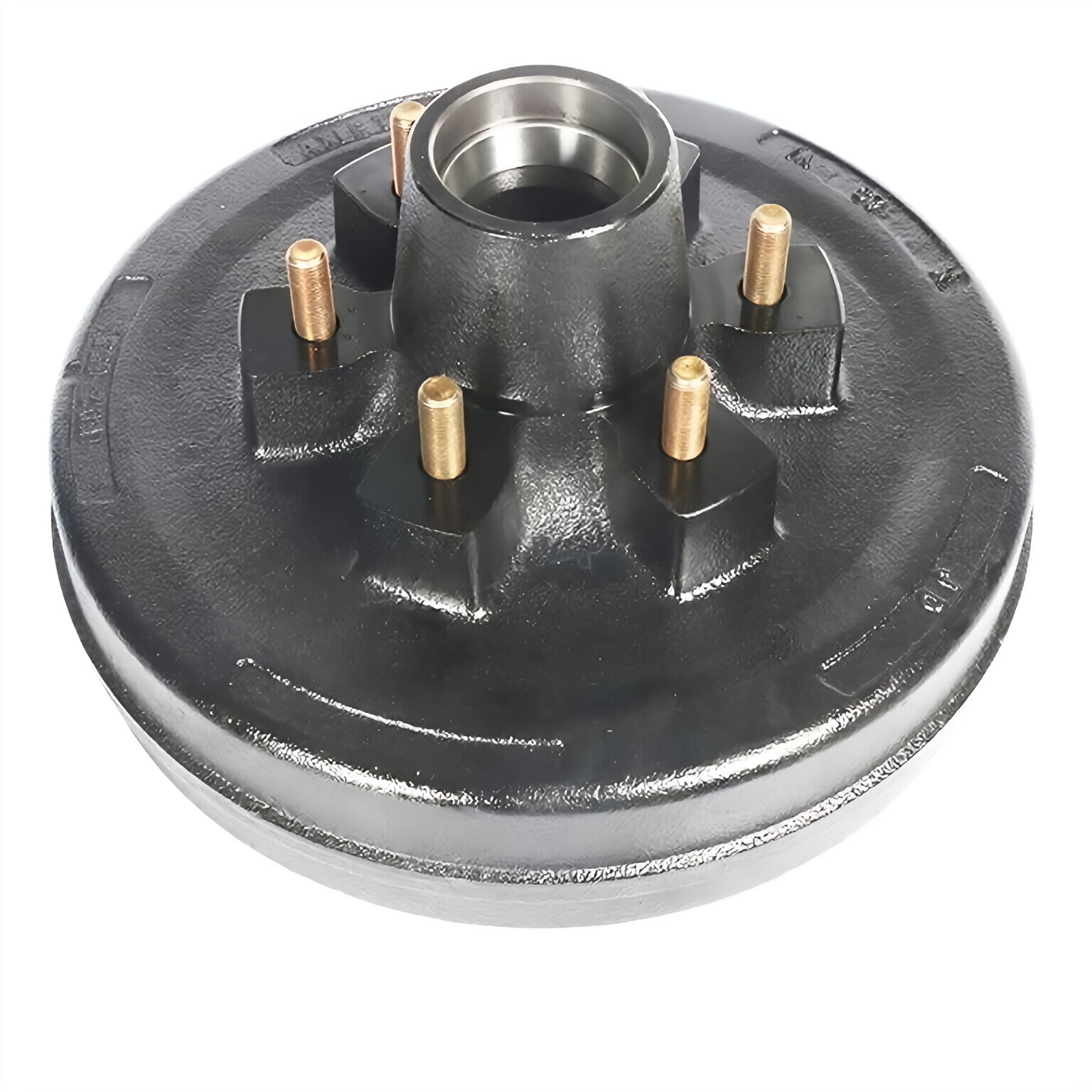
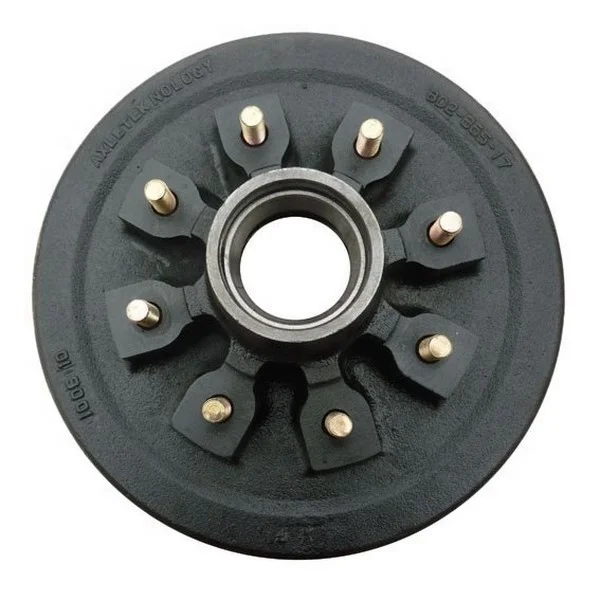
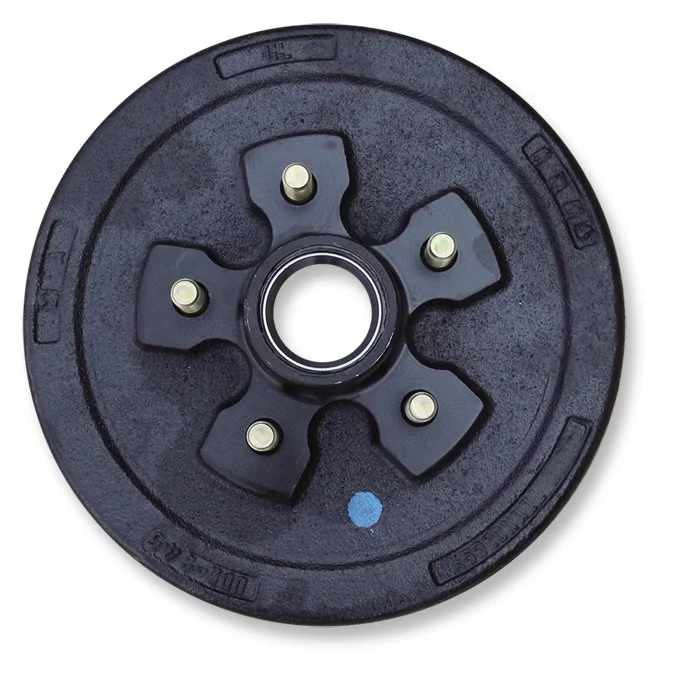
| Raydafon HF-1000 | Pre-assembled Hub Unit | Hub Pilot: 165.1 / 6.5 | N/A (Hub Assembly) | N/A (Hub Assembly) | -40 to +120 / -40 to +248 | Trailer and commercial vehicle wheels |
The versatility of Raydafon Group's Bushing & Hubs makes them indispensable across a broad spectrum of sectors.
What is the primary function of a bushing in a hub assembly?
The primary function is to provide a smooth, low-friction interface between the stationary hub and a rotating axle or spindle. It absorbs radial and axial forces, minimizes wear on more expensive components, dampens vibrations, and often incorporates seals to protect internal bearings from contamination.
How often should bushings and hub assemblies be inspected or replaced?
Inspection intervals depend heavily on application severity. For on-highway vehicles, a visual inspection during tire rotation (every 8,000-12,000 km) is advised. In industrial settings, follow the OEM's maintenance schedule. Common replacement indicators include excessive play, visible cracking or deformation of the bushing, unusual noise (grinding, knocking), uneven tire wear (for wheel hubs), and grease leakage.
What are the signs of a failing wheel hub assembly?
Key signs include a persistent humming, growling, or grinding noise that increases with vehicle speed; a feeling of vibration or wobble in the steering wheel or vehicle floor; abnormal or uneven tire wear; and in some cases, an illuminated ABS warning light if the integrated wheel speed sensor is affected.
Can I replace just the bushing, or must the entire hub unit be replaced?
It depends on the design. Many modern vehicles use a sealed, pre-assembled hub unit bearing (a "hub assembly") where the bearing, hub, and often the sensor are one piece. This requires unit replacement. In older or heavy-duty designs, individual bushings or press-in bearings can be serviced separately. Always consult the service manual or a Raydafon Group technical datasheet for your specific part.
What lubrication is required for bushings, and how is it applied?
Lubrication requirements vary by material. Bronze oil-impregnated bushings are self-lubricating for life under design conditions. Polymer bushings often require no additional grease. Steel-on-steel bushings require periodic greasing with a lithium-complex or molybdenum-disulfide based grease. Lubrication is applied via grease fittings (zerks) or during assembly. Over-greasing can damage seals.
How does Raydafon Group ensure the quality and durability of its Bushing & Hubs?
Raydafon Group implements a full-cycle quality management system. This includes finite element analysis (FEA) during design, sourcing of certified raw materials, CNC machining with automated inspection, 100% performance testing on critical dimensions and load ratings, and rigorous salt-spray and endurance testing. Our components comply with international standards like ISO 9001, ASTM, and DIN.
Are custom bushing and hub designs available for specialized applications?
Yes. Raydafon Group's engineering team specializes in developing custom solutions. We can work with your specifications for unique dimensions, load capacities, material compositions, sealing requirements, or mounting configurations. Prototyping and testing services are available to validate performance before full-scale production.
What is the difference between a bushing and a bearing?
Both reduce friction. A bushing is a specific type of bearing, usually a single, sleeve-like component (a "plain bearing") without moving rolling elements. A "bearing" is a broader term that includes bushings, as well as rolling-element bearings like ball bearings or roller bearings, which use separate balls or rollers to facilitate movement. Bushings are often simpler, can handle higher load densities in certain orientations, and may integrate damping features.

 Raydafon