Raydafon Technology Group Co.,Limited

Product Category

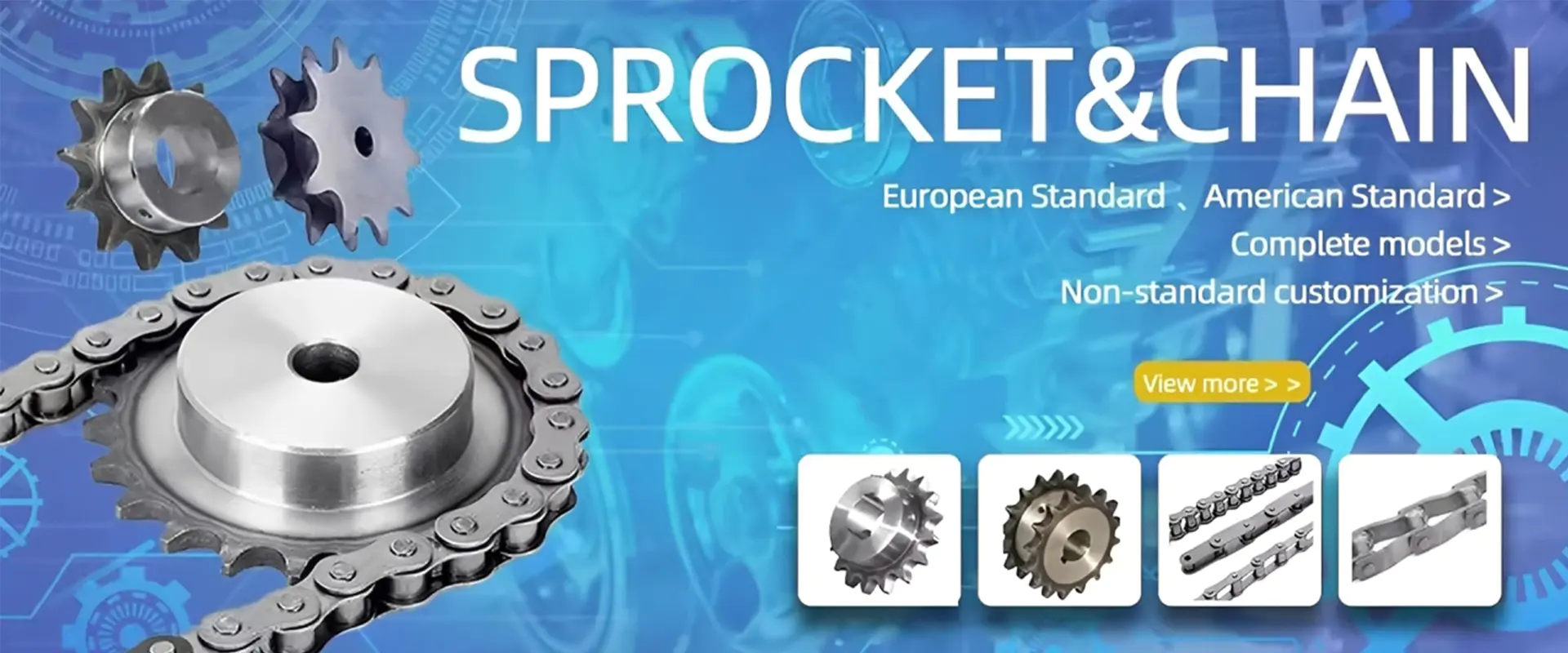
Sprockets

Precision Engineered Sprockets for Demanding Industrial Applications

For over four decades, the Sprockets manufactured by Raydafon Group have been the silent, reliable backbone of countless industrial and mechanical systems worldwide. A sprocket is far more than a simple toothed wheel; it is a critical power transmission component that ensures the efficient, synchronized transfer of motion and force through a chain drive system. The precision with which it is engineered directly impacts the entire system's performance, longevity, and operational cost. At Raydafon Group, we understand this fundamental role. Our commitment to metallurgical excellence, cutting-edge manufacturing, and rigorous quality control results in sprockets that deliver unmatched durability, reduced maintenance intervals, and superior operational efficiency for the most challenging applications.

Core Product Specifications & Engineering Data

Raydafon Group sprockets are available in a comprehensive range of types, sizes, and materials to meet specific operational requirements. The following parameters are essential for selection and specification.

  • Tooth Profile: Standard (ASA/ANSI), Heavy Duty (BS/DIN), and Double Pitch configurations. Our precision-machined profiles ensure optimal chain engagement, minimizing wear and noise.
  • Pitch: The distance between the centers of two adjacent pin holes. Available from fine ¼" pitch to heavy-duty 3" pitch and beyond.
  • Number of Teeth: Ranging from as few as 6 teeth for high-speed, low-torque applications to over 120 teeth for slow-speed, high-torque power transmission.
  • Hub Configuration: Plain bore (for use with bushings or QD hubs), finished bore (with keyway and set screws), or custom hub designs with flanges and special mounting features.
  • Material & Hardness: Standard carbon steel (case-hardened), through-hardened alloy steel, stainless steel (304 & 316), and cast iron. Surface hardness typically ranges from 40 to 60 HRC, tailored to application stress.
  • Finishing: Black oxide (standard corrosion protection), zinc plating, phosphate coating, or electroless nickel plating for enhanced corrosion resistance in harsh environments.

Detailed Product Data Table

Series Standard Pitch Range Key Materials Typical Hardness (Tooth Face) Primary Applications
RS (Roller Chain) ANSI/ASA B29.1 0.25" to 3.0" C1045 Steel, 4140 Alloy Steel 45-50 HRC Conveyors, agricultural machinery, general industrial drives
HD (Heavy Duty) BS/DIN / ISO 606 0.375" to 2.5" 4140/4142 Alloy Steel, Through-Hardened 50-55 HRC Mining equipment, forestry machinery, heavy-duty conveyors
SS (Stainless Steel) ANSI & DIN 0.25" to 2.0" Stainless 304, Stainless 316 35-40 HRC (Work Hardened) Food & beverage processing, chemical plants, marine applications, washdown environments
DP (Double Pitch) ANSI B29.3 0.5" to 2.0" (Double Pitch Value) C1045 Steel, Cast Iron 40-45 HRC Slow-speed conveyors, material handling, where reduced weight and cost are factors
CS (Custom/Special) Customer Drawings N/A Tool Steel, Bronze, Specialty Alloys As Specified Aerospace, defense, specialized automation, prototype machinery

Frequently Asked Questions (FAQ) About Sprockets

Q: How do I select the correct sprocket size for my application?
A: Selecting the correct sprocket involves several key steps. First, identify the chain you are using or plan to use; the sprocket must match the chain's pitch (e.g., 0.5", 0.625"). Second, determine the required number of teeth based on your desired speed ratio (driving shaft RPM vs. driven shaft RPM). Third, consider the bore size and keyway required to fit your shaft diameter. Finally, assess the operating environment (load, shock, corrosion) to choose the appropriate material and hardness. Raydafon Group provides detailed selection guides and engineering support to assist with this process.

Q: What are the signs of a worn sprocket that needs replacement?
A: Visible signs include a hooked or curved tooth profile (instead of straight sides), thinning of the teeth, and visible wear patterns or grooves at the root of the teeth. Audibly, increased chain noise, rattling, or a "squealing" sound can indicate poor engagement. Operationally, you may experience chain slippage, vibration, or accelerated chain wear. Replacing a worn sprocket promptly is crucial, as it will rapidly destroy a new chain.

Q: Can I use a sprocket with a different pitch than my chain?
A: Absolutely not. The sprocket pitch and the chain pitch must be identical. Mismatching pitches, even slightly, will cause improper seating of the chain rollers, leading to immediate and severe damage to both the chain and sprocket teeth, catastrophic failure, and potential safety hazards. Always verify pitch compatibility before installation.

Q: What is the advantage of a hardened tooth sprocket versus a mild steel sprocket?
A: Hardened tooth sprockets, like those standard from Raydafon Group, offer dramatically extended service life. The hardened surface resists abrasion and the deformation caused by chain pressure. This not only makes the sprocket last longer but also protects the chain from premature wear, reducing total system cost over time. Mild steel sprockets are softer and wear quickly, acting like a file that grinds down the chain.

Q: How does proper sprocket alignment affect my drive system?
A: Correct alignment is paramount for longevity and efficiency. Misaligned sprockets cause uneven load distribution across the chain's width, leading to accelerated wear on the chain's side plates, rollers, and the sprocket teeth themselves. This results in reduced power transmission efficiency, increased energy consumption, higher noise levels, and premature failure. Always use alignment tools to ensure sprockets are parallel and in-plane.

Q: Does Raydafon Group offer custom sprocket manufacturing?
A: Yes, custom engineering and manufacturing is a core specialty of Raydafon Group. We produce sprockets to exact customer specifications, including non-standard tooth profiles, special hub designs, unique materials (like bronzes or high-strength alloys), and proprietary hardening processes. We work from supplied drawings, samples, or concept designs to deliver a component that meets precise operational requirements.

Q: What maintenance do sprockets require?
A: Sprockets themselves require minimal direct maintenance if properly selected and installed. The primary maintenance activity is regular inspection for wear, as detailed above. Ensuring the connected chain is properly lubricated (which reduces wear on both components) and that the sprocket remains clean and free of abrasive debris is essential. Periodically check mounting bolts or set screws for tightness.

Material Science and Manufacturing Integrity

The performance of a sprocket begins at the molecular level. Raydafon Group sources only certified, traceable raw materials. Our carbon and alloy steels are selected for their consistent grain structure and hardenability. The manufacturing process involves state-of-the-art CNC machining centers that guarantee tooth-to-tooth accuracy and perfect concentricity between the bore and the pitch diameter. Our heat-treating facilities are precisely controlled to impart the exact surface hardness and core toughness needed for each application, whether it's case hardening for wear resistance or through-hardening for extreme shock load capacity. Every batch undergoes statistical process control checks and final inspection, including hardness testing and dimensional verification, ensuring that every sprocket bearing the Raydafon Group name performs as engineered.

Application-Specific Solutions

Beyond standard catalog items, Raydafon Group engineers specialize in developing sprocket solutions for niche and extreme applications. For the agricultural sector, we produce sprockets with sealed bearing hubs to prevent contamination from dirt and chaff. For the packaging industry, we manufacture ultra-quiet, polymer-coated sprockets to reduce noise in high-speed bottling lines. In mineral processing, we supply sprockets with tungsten carbide-enhanced teeth for abrasive slurry environments. This application-focused approach ensures that our components are not just replacements, but upgrades that enhance overall system reliability and productivity.

Chains

Engineered for Excellence: The Definitive Guide to High-Performance Chains

In the world of industrial and mechanical power transmission, the chain is an unsung hero. Its performance, durability, and precision directly impact the efficiency, safety, and longevity of countless systems. At Raydafon Group, we have spent decades refining this critical component, understanding that a superior chain is not merely a product but a cornerstone of operational reliability. This guide delves into the technical specifications, selection criteria, and expert insights behind our engineered chains, providing you with the knowledge to make an informed decision for your most demanding applications.

Core Technical Parameters of Raydafon Group Chains

Selecting the right chain requires a deep understanding of its key specifications. Below is a detailed breakdown of the critical parameters that define our product lines.

Primary Material & Manufacturing Standards

  • Alloy Steel (Series 8000): Our premium line, utilizing SAE 4340 or equivalent alloy steel, heat-treated for maximum tensile strength and fatigue resistance. Ideal for heavy-impact and high-torque applications.
  • Carbon Steel (Series 6000): Manufactured from high-grade medium carbon steel (e.g., SAE 1035/1045), through-hardened for an optimal balance of strength, wear resistance, and economic value for general industrial use.
  • Stainless Steel (Series 300S): Fabricated from AISI 304 or 316 stainless steel, offering excellent corrosion resistance for food processing, chemical, and marine environments. Note: Mechanical strength is generally lower than alloy steel grades.
  • Precision Manufacturing: All Raydafon chains are produced under ISO 9001:2015 quality management systems. Critical processes like pitch hole drilling, heat treatment, and preloading are controlled to tolerances exceeding ANSI B29.1 and ISO 606 standards.

Detailed Performance Specification Table

Model Series Pitch (Inch/mm) Roller Diameter (mm) Ultimate Tensile Strength (kN/lbs) Average Working Load (kN) Primary Coating/Finish ISO/ANSI Standard Reference
RF-8082 (Alloy) 1.000" / 25.4 mm 15.88 111.2 / 25,000 27.8 Black Oxide / Electro-zinc Plating ISO 606-08B / ANSI 80
RF-6060 (Carbon) 0.750" / 19.05 mm 11.91 55.6 / 12,500 13.9 Phosphate & Oil ISO 606-06B / ANSI 60
RF-316S (Stainless) 0.500" / 12.7 mm 8.51 21.8 / 4,900 5.4 Passivated ISO 606-05B / ANSI 40
RF-12100 (Heavy Duty) 1.500" / 38.10 mm 22.23 222.4 / 50,000 55.6 Hot-Dip Galvanizing ANSI 120

Chains: Frequently Asked Questions (FAQ)

Q: How do I determine the correct chain size and type for my conveyor or drive system?

A: Proper selection involves calculating several factors. First, identify the maximum working load (including shock loads) and the required safety factor (typically 6:1 to 10:1 for drives, higher for lifting). Next, consider the operating speed (RPM) and environment (presence of abrasives, moisture, chemicals). Use the "Working Load" column in our specification table as a starting point. For precise selection, Raydafon Group provides a free engineering calculation service using your application data to recommend the optimal model, considering wear life and power capacity.

Q: What is the significance of "preloading" in your manufacturing process?

A: Preloading is a critical stress-relieving process. After assembly, the chain is subjected to a controlled tensile force that exceeds its nominal working load but stays below its yield point. This process permanently "sets" the chain's components, aligning the link plates and bushings, and eliminating initial elastic deformation. The result is a chain that maintains precise pitch length from the first day of operation, reduces early-stage elongation (or "chain stretch"), and ensures smoother engagement with sprockets, leading to longer overall system life.

Q: Can I mix chains from different manufacturers with my existing sprockets?

A: We strongly advise against it. While chains and sprockets may appear to be standard dimensions, subtle variations in pitch, roller diameter, and tooth profile exist between manufacturers. Mixing components can cause accelerated wear, increased noise, and premature failure due to improper meshing. For optimal performance and warranty coverage, always use chains and sprockets from the same reputable manufacturer, such as Raydafon Group, as they are engineered as a matched system.

Q: What maintenance schedule do you recommend for industrial drive chains?

A: Maintenance frequency depends on the operating environment. For standard conditions, a weekly inspection and lubrication with a quality chain oil is recommended. Inspect for signs of wear (elongation), damaged links, rust, and proper tension. In harsh environments (dusty, wet, high-temperature), inspection and lubrication intervals should be shortened. A key metric is chain elongation; replace the chain when elongation over a set number of links exceeds 2-3% of the original length to prevent damage to sprockets.

Q: What differentiates Raydafon Group chains in terms of durability?

A: Our durability stems from three core pillars: material science, precision engineering, and rigorous testing. We source specific steel alloys for their micro-cleanliness and hardenability. Our proprietary heat-treatment processes, like carburizing and through-hardening, are digitally controlled to create ideal surface hardness and core toughness. Finally, every production batch undergoes destructive and non-destructive testing, including salt spray tests for coatings and fatigue cycle testing, ensuring consistent performance that meets our published specifications.

Advanced Features & Custom Engineering

Beyond standard catalog items, Raydafon Group excels in providing solutions for unique challenges.

  • Attachments & Special Links: We manufacture a vast array of standard and custom attachments (bent, straight, extended) for conveying applications. Special links, including offset and double-wide links, are available for system design flexibility.
  • High-Temperature & Cryogenic Treatments: For applications involving extreme temperatures, we offer special heat-treatment cycles and material selections to maintain ductility and strength.
  • Lubrication Integration: For hard-to-lubricate or high-speed applications, we can supply chains with sintered bushings that retain oil or pre-lubricated with high-performance polymer coatings.
  • Complete Drive/Conveyor Packages: We supply fully matched systems including chains, sprockets (taper-lock or QD bushings), shafts, guards, and tensioning systems, all engineered to work in perfect harmony.
V pulley & Sheaves

Understanding V Pulley & Sheaves: The Backbone of Mechanical Power Transmission

In the world of mechanical power transmission, few components are as fundamental and widely used as V pulley and sheaves. These precision-engineered parts are the cornerstone of countless industrial, automotive, and agricultural applications, efficiently transferring rotational motion and power from one shaft to another via a V-belt. At Raydafon Group, we specialize in designing and manufacturing high-performance V pulley and sheaves that meet the rigorous demands of modern machinery, ensuring reliability, durability, and optimal efficiency for your operations.

Key Product Parameters and Specifications from Raydafon Group

Our commitment to excellence is reflected in the detailed specifications of our V pulley and sheaves range. We utilize superior materials and advanced manufacturing techniques to guarantee products that deliver consistent performance under stress.

Material Composition & Manufacturing Standards

  • Primary Materials: High-grade cast iron (GGG/GG25), ductile iron, precision machined steel, and aluminum alloys for weight-critical applications.
  • Surface Treatment: Standard phosphate coating or black oxide finish for corrosion resistance. Zinc plating or powder coating is available for enhanced protection in harsh environments.
  • Balance Quality: All pulleys are dynamically balanced to ISO G6.3 or better standards to minimize vibration and ensure smooth operation at high speeds.
  • Machining Tolerance: Bore and groove profiles are machined to tight tolerances, typically within IT7 grade, ensuring perfect belt alignment and fit.

Comprehensive Product Range & Dimensional Data

The following table outlines our core product series and their critical dimensions. We offer a complete range of standard (classical) V-belt sheaves, as well as narrow-wedge (SPB, SPC) and light-duty profiles.

Product Series Belt Profile Pitch Diameter Range (inches/mm) Number of Grooves Standard Bore Range (inches/mm) Keyway Specifications
RaydaClassic A A, AX (Classical) 2.5" - 12.5" / 63mm - 315mm 1 to 10 0.375" - 2.5" / 10mm - 65mm ANSI Std, Square or Rectangular
RaydaClassic B B, BX (Classical) 3.0" - 20.0" / 80mm - 500mm 1 to 12 0.500" - 3.5" / 12mm - 90mm ANSI Std, Square or Rectangular
RaydaNarrow SPB SPB (Narrow Wedge) 3.0" - 25.0" / 80mm - 630mm 1 to 12 0.625" - 4.0" / 16mm - 100mm ANSI Std, Tapered Bush Mount System Available
RaydaNarrow SPC SPC (Narrow Wedge) 4.0" - 35.0" / 100mm - 900mm 1 to 15 0.750" - 5.0" / 20mm - 125mm ANSI Std, Tapered Bush Mount System Available
RaydaLight Duty 3V, 5V, 8V 2.5" - 18.0" / 63mm - 450mm 1 to 8 0.375" - 2.5" / 10mm - 65mm ANSI Std, Set-Screw Option

Performance & Application Specifications

  • Speed Ratio Capability: Designed to handle a wide range of speed ratios, facilitating both speed reduction and increase as per system design.
  • Maximum RPM: Speed limits are defined by pitch diameter and balance quality. Consult our engineering tables for specific RPM ratings, which can exceed 10,000 RPM for precision-balanced small pulleys.
  • Power Transmission Capacity: The power rating depends on the belt profile, number of grooves, and pitch diameter. Our SPC series sheaves can transmit over 500 HP in multi-groove configurations.
  • Operating Temperature Range: Standard materials perform reliably from -20°C to +120°C (-4°F to +248°F). Special materials can be sourced for extreme temperature applications.
  • Mounting Systems: We offer plain bored with keyway and set screws, or the internationally popular Taper-Lock® compatible bushing system (QD bush) for easy installation and removal without shaft damage.

Frequently Asked Questions (FAQ) About V Pulley & Sheaves

What is the primary difference between a V pulley and a sheave?

The terms are often used interchangeably in general parlance. Technically, a "sheave" refers specifically to the grooved wheel that guides the belt or rope. A "pulley" can refer to the entire assembly, which may include the sheave, the hub, the bore, and any mounting hardware like bushings or set screws. In industrial contexts, "sheave" is the preferred term for the grooved component itself.

How do I select the correct V-belt profile (A, B, SPB, etc.) for my application?

The selection is based on the power to be transmitted and the rotational speed (RPM) of the driver shaft. Classical profiles (A, B, C) are suitable for many general-duty applications. Narrow-wedge profiles (SPA, SPB, SPC) offer higher power density in a more compact space, making them ideal for modern high-torque drives. Light-duty profiles (3V, 5V) are for fractional horsepower applications. Raydafon Group provides detailed selection guides and engineering support to ensure you choose the most efficient and economical profile.

Why is proper sheave alignment so critical?

Misalignment is the leading cause of premature V-belt and sheave wear. Angular or parallel misalignment causes the belt to enter and exit the groove at an angle, leading to uneven wear on the belt sides and sheave grooves. This results in reduced belt life, noise, vibration, and energy loss due to slippage. Proper alignment ensures maximum power transmission, longevity, and system efficiency.

What are the signs of a worn-out sheave that needs replacement?

Visible signs include excessive wear or "hooking" in the groove walls where the edges become sharp rather than smooth. If a new belt sits deeper in the groove than it should (below the sheave's outer rim), the sheave is worn. Other indicators are consistently short belt life, belt slippage under load, and unusual screeching noises even with proper tension. Using a worn sheave will rapidly destroy new belts.

Can Raydafon Group manufacture custom or non-standard V pulley and sheaves?

Absolutely. While our standard catalog covers most industrial needs, Raydafon Group excels in custom engineering. We can manufacture sheaves with special pitch diameters, unique groove combinations (e.g., dual-profile sheaves), custom bore sizes and keyways, unusual flange designs, and made from specific materials like stainless steel for corrosive environments. Our engineering team works directly with clients to develop solutions for unique drive challenges.

What maintenance practices extend the life of a V-belt drive system?

Regular inspection is key. Check belt tension periodically using a tension gauge – belts should not be too loose (causing slip) or too tight (causing bearing stress). Inspect sheaves for wear, debris buildup in grooves, and corrosion. Ensure guards are in place but allow for ventilation to prevent heat buildup. Always replace matched sets of belts together, and when replacing belts, inspect and clean or replace the sheaves if necessary to protect your investment in new belts.

What advantages do your RaydaNarrow series sheaves offer over classical profiles?

Our RaydaNarrow series (SPB, SPC) provides significant advantages. They transmit 1.5 to 3 times more power in the same drive space compared to classical profiles of similar width. This allows for more compact, lighter, and cost-effective drive designs. They also use less material, run cooler due to reduced bending resistance of narrower belts, and are ideal for high-speed, high-torque applications common in modern machinery supplied by Raydafon Group.

Applications and Industries Served

The versatility of V pulley and sheaves makes them indispensable across a broad spectrum of industries. Raydafon Group products are trusted in:

  • Industrial Manufacturing: Conveyor systems, machine tools, pumps, fans, blowers, and compressors.
  • Automotive: Engine accessory drives (alternators, power steering pumps, water pumps), automotive test equipment.
  • Agriculture: Tractors, combines, harvesters, irrigation pumps, and hay balers.
  • Material Handling: Forklifts, winches, hoists, and elevator drives.
  • HVAC: Large commercial fans, air handling units, and cooling tower drives.
  • Energy Sector: Oil field pump jacks, generator sets, and ventilation equipment.
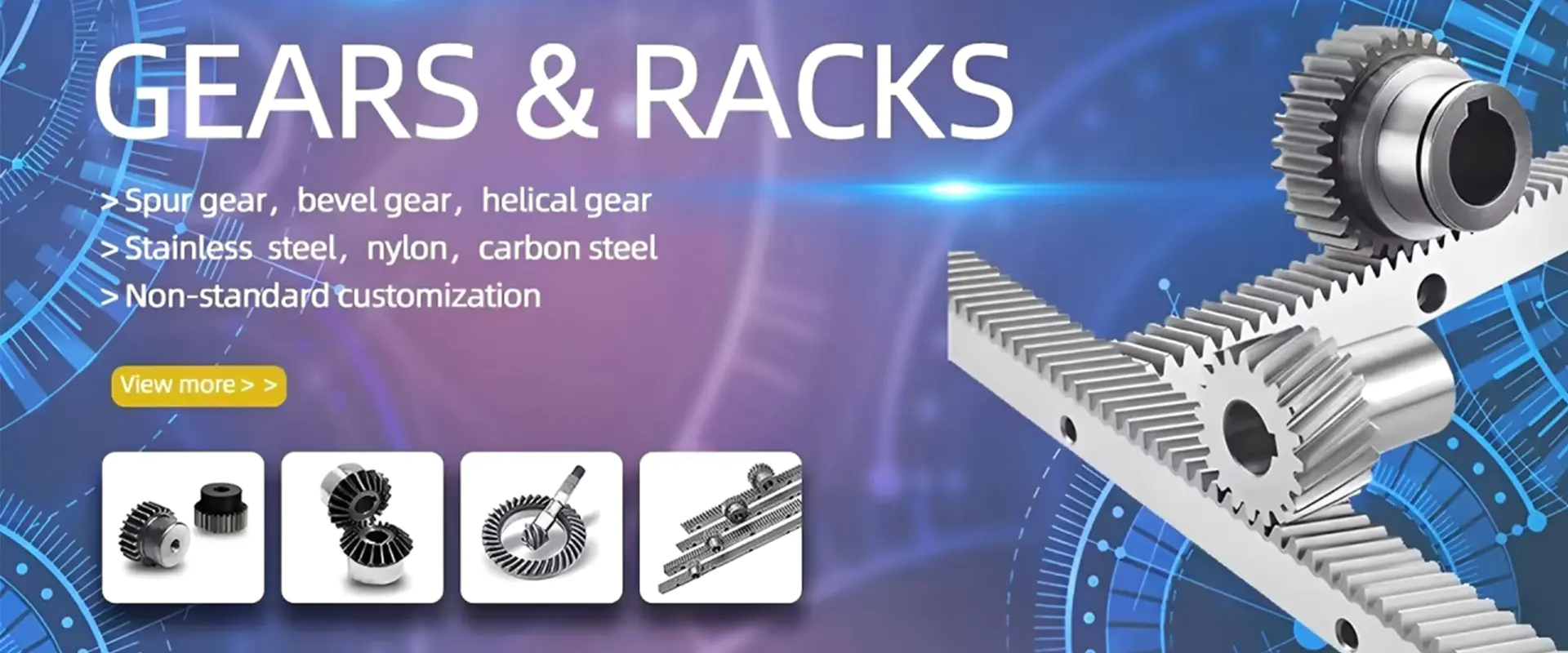
Gear & Racks

Optimizing Your Storage and Power Transmission with Gear and Racks Solutions

In the world of mechanical engineering and industrial automation, the seamless interaction between gears and racks is fundamental to converting rotational motion into precise linear movement. This critical pairing is the backbone of countless applications, from CNC machinery and robotics to automotive steering systems and heavy-duty conveyor belts. Selecting the correct components is not just a matter of fit; it's about ensuring efficiency, durability, and the long-term reliability of your entire system. At Raydafon Group, we combine decades of engineering expertise with precision manufacturing to deliver gear and rack solutions that meet the most demanding specifications.

Understanding Gear and Rack Systems

A gear and rack system consists of a rotating gear (pinion) that meshes with a linear, toothed bar (the rack). This simple yet highly effective mechanism allows for controlled linear positioning and force transmission. The performance of this system hinges on several key parameters, which must be carefully matched for optimal operation.

Critical Product Parameters for Selection

Choosing the right gear and rack requires a detailed understanding of technical specifications. Below are the essential parameters to consider.

1. Gear (Pinion) Specifications

  • Module (M) or Diametral Pitch (DP): This is the most critical parameter defining tooth size. Module (metric) is the ratio of pitch diameter to the number of teeth. Diametral Pitch (imperial) is the number of teeth per inch of pitch diameter. Mating components must have identical Module or DP.
  • Number of Teeth (Z): Affects the gear ratio and the linear travel per revolution of the pinion.
  • Pressure Angle (α): Common angles are 14.5°, 20°, and 25°. A higher pressure angle (e.g., 20° or 25°) provides greater tooth strength and load capacity, which is a standard in Raydafon Group designs for robustness.
  • Material and Heat Treatment: Options include carbon steel (e.g., C45), alloy steel (e.g., 20CrMnTi), and stainless steel. Heat treatments like carburizing, induction hardening, or nitriding are applied to enhance surface hardness and wear resistance.
  • Accuracy Grade (e.g., DIN 5, DIN 7): Defines the precision of tooth profile and pitch. Higher grades (lower numbers) offer smoother operation and better positioning accuracy.

2. Rack Specifications

  • Module (M) / Diametral Pitch (DP): Must exactly match the mating pinion gear.
  • Length and Section Dimensions: Racks are produced in standard lengths (e.g., 1000mm, 2000mm) and can be butt-joined for longer travel. The cross-sectional height and width determine stiffness and load-bearing capacity.
  • Tooth Profile: Straight or helical teeth. Helical racks provide smoother, quieter engagement with higher load capacity due to gradual tooth contact.
  • Material and Hardness: Typically matches or complements the pinion material. Precision ground racks from Raydafon Group often feature hardened teeth for extended service life.
  • Mounting Configuration: Includes pre-drilled mounting holes, counterbores, and alignment features for secure and straightforward installation.

Raydafon Group Standard Product Data Table

The following table outlines some of our standard high-performance gear and rack offerings. Custom configurations are available for all parameters.

Product Type Module (M) Pressure Angle Standard Material Hardness (Tooth Surface) Accuracy Grade Typical Application
Precision Helical Pinion 1, 1.5, 2, 3 20° 20CrMnTi 58-62 HRC DIN 5 High-speed CNC, Robotics
Standard Spur Pinion 1, 2, 2.5, 4 20° C45 Steel 45-50 HRC DIN 7 Material Handling, Conveyors
Hardened & Ground Rack (Straight) 1, 2, 3, 4 20° 42CrMo4 55-60 HRC DIN 6 Gantry Systems, Linear Axes
Helical Rack 1.5, 2, 3 20° Stainless Steel 304 / Alloy Steel 50-55 HRC (Alloy) DIN 5-DIN 6 Precision Automation, Packaging
Stainless Steel Pinion & Rack Set 1, 1.5, 2 20° AISI 304 / 316 Not Hardened (or Nitrided) DIN 7 Food & Beverage, Medical, Marine

Frequently Asked Questions (FAQ) About Gears and Racks

Q: How do I calculate the linear travel distance per one revolution of the pinion gear?

A: The linear travel is determined by the pinion's pitch circumference. The formula is: Linear Travel = π × Module (M) × Number of Teeth (Z). For example, a pinion with Module 2 and 20 teeth will move the rack by approximately π × 2 × 20 = 125.66 mm per revolution. Our Raydafon Group technical team can provide detailed calculation support.

Q: What is the difference between a spur rack and a helical rack, and which should I choose?

A: Spur racks have teeth that are parallel to the axis of rotation, leading to instantaneous full-line contact which can be noisier. Helical racks have teeth cut at an angle, allowing for gradual engagement. This results in smoother, quieter operation, higher load capacity, and greater durability. Choose helical racks for high-speed, high-precision, or noise-sensitive applications. Spur racks are suitable for simpler, lower-speed mechanisms.

Q: How important is lubrication for a gear and rack system, and what type should I use?

A: Lubrication is crucial to minimize wear, reduce friction, and prevent corrosion. For general industrial use, a high-viscosity EP (Extreme Pressure) gear oil or a lithium-based grease is recommended. In clean environments (e.g., food processing), use NSF H1 certified lubricants. Raydafon Group can supply pre-lubricated systems or recommend specific lubricants based on your operating conditions.

Q: Can I join multiple rack sections together for a longer travel length? What precautions are necessary?

A: Yes, rack sections are designed to be joined end-to-end. The critical step is ensuring perfect alignment and a seamless tooth pitch across the joint. Use precision alignment fixtures during installation. Raydafon Group racks feature precision-machined ends and provide detailed joining instructions to maintain system accuracy and prevent premature wear at the joint.

Q: What factors influence the backlash in a gear and rack system, and how can it be minimized?

A: Backlash is the slight movement between mating teeth when direction is reversed. It is influenced by manufacturing tolerances, center distance, and wear. To minimize backlash: 1) Specify high-precision components (e.g., DIN 5 grade from Raydafon Group). 2) Use spring-loaded or adjustable twin-pinion systems to pre-load the gear against the rack. 3) Ensure rigid mounting for both components to prevent deflection.

Q: How do I select the right material for my application?

A: Material selection depends on load, speed, environment, and required lifespan. Alloy steel with hardening (e.g., 20CrMnTi) is standard for high-load, high-wear applications. Stainless steel (AISI 304/316) is essential for corrosion resistance in wet, chemical, or food-grade environments. For cost-effective, moderate-duty uses, carbon steel like C45 is suitable. Our engineers at Raydafon Group can guide you through this selection.

Q: What mounting considerations are most critical for system performance?

A: Rigid and precise mounting is non-negotiable. The rack must be mounted on a flat, stiff supporting surface to prevent bending under load. The pinion shaft must be aligned parallel to the rack with the correct center distance. Use high-quality bearings and couplings for the pinion shaft to minimize runout. Raydafon Group provides comprehensive mounting drawings and technical guidelines with every product shipment.

Axle

The Professional's Guide to Axle Selection and Performance

In the world of heavy-duty machinery, automotive systems, and industrial equipment, few components are as critical and yet as often overlooked as the axle. An Axle is far more than a simple rod; it is the core structural element responsible for bearing load, transmitting driving torque, and facilitating steering. Choosing the right axle directly impacts safety, efficiency, durability, and the total cost of ownership for any vehicle or machine. For over two decades, industry leaders have relied on the engineering excellence and reliable supply chain of the Raydafon Group for their most demanding axle requirements. This guide delves into the technical specifications, selection criteria, and maintenance insights that define professional-grade axle performance.

Understanding Axle Fundamentals: Types and Applications

Axles are classified based on their function and position within a vehicle's drivetrain. Selecting the correct type is the first step toward optimal performance.

  • Live Axle (Drive Axle): Transmits power from the transmission to the wheels. It houses the differential and axle shafts. Common in trucks, buses, and rear-wheel-drive vehicles.
  • Dead Axle (Lazy Axle): Does not transmit power; solely provides load-bearing support and wheel mounting. Often found on the front of heavy trucks (front steer axles) and trailer assemblies.
  • Front Axle: Located at the front, responsible for steering and, in 4WD/4x4 vehicles, driving. Must be robust to handle steering stresses.
  • Rear Axle: Located at the rear, primarily responsible for power delivery in 2WD and 4WD configurations. Bears the brunt of driving torque and load.
  • Stub Axle: Used in independent suspension systems, connected to the front wheel via kingpins and housed within a steering knuckle.
  • Tandem Axle: A set of two or more axles grouped close together on a heavy vehicle (like an 8-wheeler truck) to distribute exceptionally heavy loads.

Raydafon Group Axle Series: Detailed Technical Parameters

The Raydafon Group portfolio encompasses a comprehensive range of axles engineered for specific Gross Axle Weight Ratings (GAWR) and operational environments. The following tables outline key specifications for our flagship series.

Heavy-Duty Truck & Trailer Axles (Series HDX)

Model Code Type GAWR (lbs/kg) Hub & Bearing Type Brake Compatibility Standard Ratio Range Housing Material
HDX-23F Front Steer, Non-Drive 23,000 / 10,433 Unitized Hub with Tapered Roller Bearings Air Disc, S-Cam Drum N/A Forged Steel I-Beam
HDX-40R Single Rear Drive 40,000 / 18,144 Full-Floating Axle Shafts Wedge Brake, S-Cam Drum 3.25 - 7.40 High-Strength Alloy Steel Banjo
HDT-34T Tandem Trailer 34,000 / 15,422 (per axle) Sealed Cartridge Unit Air Disc Standard N/A Rectangular Steel Tube

Specialty & Off-Highway Axles (Series SOV)

Model Code Application Max Torque Capacity (Nm) Suspension Mounting Differential Lock Plated Protection Sealing Rating
SOV-1A Agricultural Tractors 18,000 4-Link, Torque Rod Mechanical 100% Lock Standard Zinc-Nickel Alloy IP69K (Pressure Wash Proof)
SOV-2F Forestry Forwarders 25,000 Oscillating Central Joint Hydraulic Multi-Disc Two-Layer Epoxy + Wax IP67 (Submersion Protected)
SOV-3M Mining Equipment (LHD) 40,000+ Rigid, Planetary Hub Forced Engagement, Air Actuated Hard-Chrome Plating on Shafts Pressurized Housing

Critical Performance Factors in Axle Design

Beyond basic specifications, several engineered features determine real-world reliability.

  • Material Science: Raydafon Group axles utilize micro-alloy steels, often heat-treated (quenched and tempered) for an optimal balance of core toughness and surface hardness, resisting bending fatigue and impact.
  • Bearing & Sealing Systems: Premium-grade tapered roller or unitized cartridge bearings are matched with advanced lip seals and labyrinth designs to retain lubricant and exclude contaminants like water, mud, and dust.
  • Gear Geometry: Hypoid gear design in drive axles allows for a lower center of gravity and provides greater tooth contact area, resulting in higher torque capacity and smoother, quieter operation compared to spiral bevel gears.
  • Cooling & Lubrication: High-stress applications may feature external cooling fins on the differential housing or integrated oil-cooling circuits to maintain optimal lubricant temperature under continuous heavy load.

Axles: Frequently Asked Questions (FAQ)

Q: How often should the axle lubricant (gear oil) be changed in a heavy-duty truck?
A: Service intervals vary significantly based on the axle model, duty cycle, and manufacturer's specification. For on-highway trucks under normal load, a typical interval is between 250,000 to 500,000 miles or 5,000 operating hours. However, severe service conditions—such as constant stop-and-go, extreme temperatures, or frequent water immersion—mandate much more frequent changes, potentially every 50,000 miles or annually. Always consult the official Raydafon Group service manual for the specific axle model. Using the correct API classification (e.g., API GL-5) and viscosity grade is non-negotiable for warranty and longevity.

Q: What are the primary signs of a failing or worn axle component?
A: Early detection is key to preventing catastrophic failure. Key warning signs include: 1) Unusual Noises: A loud "clunk" during gear engagement or a consistent humming/whirring sound that changes with vehicle speed often points to worn differential or pinion bearings. 2) Fluid Leaks: Persistent oil seepage from axle seals or the differential cover indicates compromised seals. 3) Vibration: Vibrations felt through the vehicle floor, especially under acceleration, can signal a bent axle shaft or improper driveline angles post-installation. 4) Performance Issues: A noticeable loss of power transfer efficiency or a binding sensation during turns may indicate issues with the differential or axle shafts.

Q: What is the difference between a full-floating and a semi-floating axle?
A: This is a fundamental design distinction with major implications for load capacity and serviceability. In a Full-Floating Axle (standard on most medium and heavy-duty trucks), the wheel hub is mounted directly to the axle housing via large bearings. The axle shaft's sole function is to transmit torque; it does not bear the vehicle's weight. If an axle shaft breaks, the wheel remains attached. In a Semi-Floating Axle (common in lighter trucks and passenger vehicles), the axle shaft bears the vehicle's weight and transmits torque. The wheel is bolted directly to the axle shaft. A broken shaft here results in immediate wheel detachment. Full-floating designs are vastly superior for heavy-load and safety-critical applications.

Q: Can I upgrade my existing axle to a higher load capacity model from Raydafon Group?
A: While upgrades are possible, they are not simple "bolt-on" procedures and require a comprehensive system review. Upgrading an axle involves matching the new unit's GAWR to your vehicle's Gross Vehicle Weight Rating (GVWR), ensuring physical mounting points (spring pads, shock brackets, brake lines) are compatible, and verifying that the driveline (propeller shaft length, U-joint size) and braking system (air chamber size, slack adjuster type) are correctly matched. We strongly recommend a full engineering assessment conducted by a certified technician or direct consultation with Raydafon Group's technical support team to ensure a safe, reliable, and compliant upgrade.

Q: How does the Raydafon Group ensure the durability of its axles in corrosive environments?
A: Corrosion protection is a multi-stage process integral to our manufacturing. It typically involves: 1) Surface Preparation: Axle housings undergo abrasive blasting to achieve a perfectly clean, profiled surface. 2) Electrocoating (E-Coat): Components are immersed in a charged paint bath, ensuring a uniform, high-adhesion primer coat even in recessed areas. 3) Powder Coating: A durable, heat-cured powder coat is applied for excellent chip and UV resistance. 4) Component-Specific Plating: Critical fasteners and axle shafts may receive additional treatments like zinc-nickel plating or hard chrome for ultimate wear and corrosion resistance. This layered defense is standard across our product line.

Q: What documentation and support accompany a Raydafon Group axle purchase?
A> Every Raydafon Group axle is delivered with a comprehensive package: a detailed installation and torque specification sheet, a full parts breakdown diagram, a warranty registration card, and access to our online technical portal. The portal hosts digital service manuals, 3D CAD models for integration planning, and a library of maintenance videos. Furthermore, our global distributor network provides localized parts inventory and expert technical support for the operational life of the product.

PTO Shaft
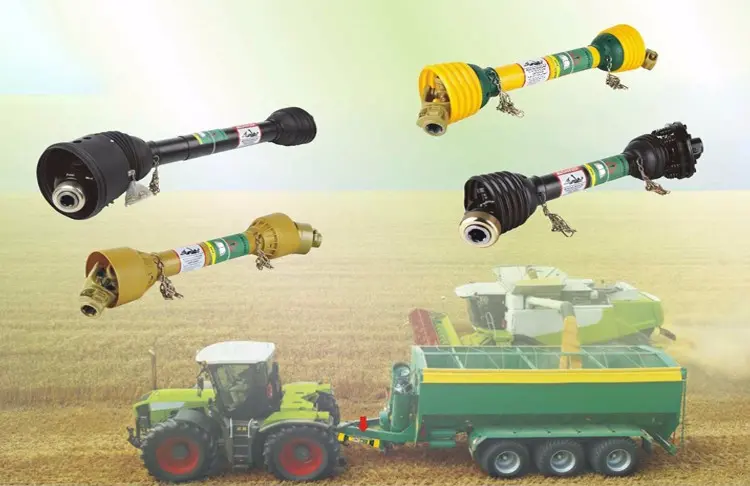
PTO Shafts: The Ultimate Guide to Power Take-Off Shafts | Raydafon Group

What is a PTO Shaft and Why is it Critical for Your Machinery?

In the world of agricultural and industrial machinery, the transfer of power from a tractor or engine to an implement is a fundamental operation. This crucial task is performed by the Power Take-Off shaft, commonly known as a PTO shaft or drive line. A PTO shaft is a mechanical component that connects the power source to a separate piece of equipment, enabling the driven machine to perform its function, such as tilling soil, baling hay, or pumping liquids. At Raydafon Group, we understand that the reliability and efficiency of your entire operation can hinge on the quality and compatibility of this single component. A robust, well-designed PTO shaft ensures maximum power transmission with minimal loss, protects both the tractor and implement from damage due to misalignment or overload, and directly contributes to operational safety and productivity.

Raydafon Group PTO Shafts: Engineered for Excellence and Durability

Raydafon Group has established itself as a trusted leader in the design and manufacturing of premium power transmission components. Our PTO shafts are not mere commodities; they are precision-engineered solutions built to withstand the most demanding conditions. We utilize high-grade materials, advanced manufacturing techniques, and rigorous quality control to produce drive lines that offer superior strength, longevity, and performance. Whether you are operating a compact utility tractor or heavy-duty industrial equipment, Raydafon Group provides a PTO shaft solution that matches your specific torque requirements, speed ratings, and dimensional standards. Our commitment is to deliver products that minimize downtime and maximize your return on investment.

Detailed Technical Specifications of Our PTO Shaft Series

Selecting the correct PTO shaft requires careful attention to technical parameters. Below are the key specifications for our core product series. Always consult your machinery manuals and our technical team for the final selection.

Standard Agricultural Series (SA-Series)

  • Series Code: SA-6, SA-10, SA-15
  • Nominal Torque Range: 450 Nm to 2,100 Nm
  • Maximum RPM: 1,000 RPM (SA-6), 850 RPM (SA-10, SA-15)
  • Tube Diameter: 76 mm, 89 mm, 102 mm
  • Standard Lengths: From 1.2 meters to 2.5 meters (custom lengths available)
  • Yoke Types: Standard 6-bolt flange, Shear bolt, Quick-release
  • Safety Devices: Integral friction clutch or shear bolt protection
  • Primary Applications: Rotary tillers, mowers, balers, manure spreaders

Heavy-Duty Industrial Series (HDI-Series)

  • Series Code: HDI-20, HDI-30, HDI-45
  • Nominal Torque Range: 2,500 Nm to 6,500 Nm
  • Maximum RPM: 750 RPM
  • Tube Diameter: 114 mm, 127 mm, 140 mm
  • Standard Splines: 1-3/8" 6-spline, 1-3/4" 6-spline, 1-3/4" 20-spline
  • Guarding: Reinforced steel or polymer guarding as standard
  • Lubrication: Grease nipple fittings for easy maintenance
  • Primary Applications: Industrial pumps, large generators, construction equipment

PTO Shaft Compatibility and Dimension Reference Table

This table provides a quick reference for matching Raydafon Group shafts with common tractor and implement standards.

PTO Shaft Type (ISO Standard) Spline Size Nominal Speed (RPM) Max. Power (HP/kW) * Recommended Raydafon Series
Type 1 1-1/8" 6-spline 540 60 HP / 45 kW SA-6
Type 2 1-3/8" 6-spline 540 / 1000 100 HP / 75 kW SA-10, HDI-20
Type 3 1-3/4" 6-spline 1000 180 HP / 135 kW SA-15, HDI-30
Type 4 (Industrial) 1-3/4" 20-spline 1000 300 HP / 225 kW HDI-45

* Power ratings are approximate and depend on operational conditions. Always verify with specific product data sheets from Raydafon Group.

Frequently Asked Questions (FAQ) About PTO Shafts

Selection & Compatibility

Q: How do I choose the correct PTO shaft for my tractor and implement?

A: Selecting the right shaft involves four key steps. First, identify the tractor's PTO type (spline size and speed: 540 or 1000 RPM). Second, check the implement's input requirements, which should be stamped on its yoke. Third, measure the required working length: with the implement lowered and the tractor hitch raised, measure the distance between the two shafts. The PTO shaft should be slightly shorter at its minimum telescoped length to prevent binding. Finally, match these parameters with the correct series from Raydafon Group, considering the torque demands of your application. Our technical support team can assist with this process.

Q: Can I use a PTO shaft with a higher torque rating than my tractor produces?

A: Yes, and it is often recommended for safety and durability. Using a shaft rated for a higher torque (e.g., selecting an SA-15 for an application that an SA-10 could technically handle) provides a greater safety margin. It means the shaft's components are more robust and better able to handle shock loads, misalignment stresses, and wear over time, reducing the risk of failure. The critical factor is that the spline size and speed must match; the shaft's torque capacity should meet or exceed the maximum torque output of your power source.

Installation & Safety

Q: What are the critical safety steps when installing and using a PTO shaft?

A: PTO safety is paramount. Always follow these rules: 1. Completely shut off the tractor engine and remove the key before connecting or disconnecting the shaft. 2. Ensure the master shield on the tractor and the implement's input shield are intact and in place. 3. Slide the telescoping tubes together to the correct working length and secure the locking pins or collars. 4. Connect the implement end first, then the tractor end, ensuring both are securely fastened. 5. Before starting, make sure the shaft is free to rotate and has adequate clearance from all obstructions. 6. Never step over or wear loose clothing near a rotating PTO shaft.

Q: How often should I lubricate my PTO shaft, and what type of grease should I use?

A: Regular lubrication is essential for smooth operation and long life. For most Raydafon Group agricultural shafts, grease the universal joints and the telescoping splines every 10-20 hours of operation or at least once per season. In dusty or muddy conditions, increase the frequency. Use a high-quality, lithium-based multi-purpose grease. Apply grease until you see fresh grease purging from the joint seals, which ensures old, contaminated grease is displaced. Wipe away excess grease to prevent dirt accumulation.

Maintenance & Troubleshooting

Q: What are the signs that my PTO shaft needs maintenance or replacement?

A: Be alert to these warning signs: Vibration or wobbling during operation indicates possible imbalance, worn universal joints, or a bent tube. Difficulty telescoping suggests dirt buildup on the splines or lack of lubrication. Clicking or knocking sounds often point to worn cross bearings in the universal joints. Visible damage such as cracks in the guards, dents in the tube, or missing safety decals require immediate attention. If a shear bolt breaks repeatedly under normal load, check for implement binding or misalignment. Raydafon Group offers repair kits for many common wear parts.

Q: My PTO shaft seems to be the right length, but it separates when I lift the implement. Why does this happen?

A: This is a dangerous situation known as "over-extension" or "separation." It occurs when the distance between the tractor and implement PTO points increases beyond the maximum extended length of the shaft. This can happen if the hitch geometry allows the implement to swing too far away. The solution is to check your hitch setup and potentially use a shaft with a longer maximum extended length or a different type of hitch (like a rigid top link). Never operate equipment if the PTO shaft can separate, as the spinning shaft can cause catastrophic damage and severe injury.

About Raydafon Group Products

Q: What makes Raydafon Group PTO shafts different from other brands on the market?

A: Raydafon Group distinguishes itself through a focus on precision engineering and material quality. Our shafts feature forged yokes for superior strength compared to cast alternatives. The telescoping tubes undergo a precise machining and hardening process to resist wear and maintain a smooth slide. We use high-capacity, sealed bearing joints that retain lubrication and keep contaminants out. Furthermore, every shaft undergoes a dynamic balancing procedure to minimize vibration. Our comprehensive range, from light agricultural to severe industrial duty, is backed by detailed technical data and accessible customer support, ensuring you get a solution, not just a part.

Q: Does Raydafon Group offer custom PTO shaft solutions for unique applications?

A: Absolutely. While our standard series covers the majority of applications, we recognize that specialized machinery often requires tailored solutions. Raydafon Group's engineering department can design and manufacture custom PTO shafts with specific length requirements, unique yoke or flange configurations, special coatings for corrosive environments, and higher torque capacities. We can also integrate custom safety devices or guarding. Contact our technical sales team with your application details, including drawings, torque loads, speed, and space constraints, for a custom product consultation.

Bushing & Hubs

What Are Bushing & Hubs?

At the heart of countless mechanical and automotive systems lies a critical pair of components: the Bushing and the Hub. These parts are fundamental to motion control, load bearing, and power transmission. A bushing is a type of plain bearing, typically a cylindrical sleeve designed to reduce friction between rotating or sliding parts, absorb vibrations, and provide precise alignment. Hubs are central connecting points, often wheel hubs in automotive contexts, which house bearings and provide a mounting surface for wheels, gears, or other rotary elements. The synergy between a high-quality bushing and a robust hub is essential for safety, performance, and longevity in demanding applications. Raydafon Group specializes in engineering and manufacturing premium bushing and hub assemblies that meet the rigorous standards of industries worldwide.

Key Product Features & Specifications

Raydafon Group's Bushing & Hubs are engineered with precision and durability as the foremost priorities. We utilize advanced materials and stringent quality control processes to ensure every component exceeds expectations.

Material Composition and Properties

  • Bushings: Manufactured from high-grade materials including sintered bronze, oil-impregnated polymers, composite alloys, and hardened steel with PTFE coatings. This variety ensures optimal performance for specific load, speed, and environmental conditions.
  • Hubs: Constructed from forged or cast alloys such as ductile iron, aluminum alloy A356, or high-tensile steel. These materials provide exceptional strength-to-weight ratios and resistance to impact and fatigue.
  • Surface Treatments: Options include zinc plating, phosphating, powder coating, and specialized heat treatments like induction hardening for superior wear and corrosion resistance.

Technical Parameters Table

Product Series Bushing Type Hub Bore Diameter (mm/in) Static Load Capacity (kN) Dynamic Load Rating (kN) Operating Temp. Range (°C/°F) Key Application
Raydafon RH-2000 Spherical Plain Bearing 30 - 100 / 1.18 - 3.94 Up to 245 Up to 120 -40 to +120 / -40 to +248 Heavy-duty truck axles, construction equipment
Raydafon RB-850 Bronze Oil-Impregnated 10 - 50 / 0.39 - 1.97 Up to 95 Up to 45 -30 to +150 / -22 to +302 Agricultural machinery, industrial conveyors
Raydafon RP-450 Polymer Composite 15 - 40 / 0.59 - 1.57 Up to 60 Up to 28 -50 to +80 / -58 to +176 Automotive control arms, suspension linkages
Raydafon HF-1000 Pre-assembled Hub Unit Hub Pilot: 165.1 / 6.5 N/A (Hub Assembly) N/A (Hub Assembly) -40 to +120 / -40 to +248 Trailer and commercial vehicle wheels

Dimensional Standards and Compatibility

  • Metric and Imperial Sizes: Full range available to suit global equipment specifications.
  • Precision Tolerances: Bushings are machined to IT7/IT8 tolerances or better, ensuring perfect fit and function.
  • Mounting Configurations: Hubs are designed with standard bolt patterns (e.g., 8x165.1mm, 10x285.75mm), pilot diameters, and centering systems for seamless integration.
  • Sealing Solutions: Integrated or optional lip seals, labyrinth seals, and shielded units protect against contaminants and retain lubrication.

Applications Across Industries

The versatility of Raydafon Group's Bushing & Hubs makes them indispensable across a broad spectrum of sectors.

  • Automotive & Transportation: Wheel hub assemblies, suspension bushings, steering linkages, gearbox mounts, and driveline components for passenger vehicles, trucks, and buses.
  • Heavy Machinery & Construction: Excavator swing circles, loader pivot points, crane sheaves, and track roller frames where extreme loads and shocks are common.
  • Agriculture: Tractor implement connections, combine harvester joints, and plough mechanisms requiring resistance to dirt and moisture.
  • Industrial Manufacturing: Conveyor system rollers, robotic arm joints, printing press rollers, and assembly line guides demanding precision and low maintenance.
  • Renewable Energy: Pitch and yaw systems in wind turbines, where reliability under variable loads and weather conditions is critical.

FAQs About Bushing & Hubs

What is the primary function of a bushing in a hub assembly?
The primary function is to provide a smooth, low-friction interface between the stationary hub and a rotating axle or spindle. It absorbs radial and axial forces, minimizes wear on more expensive components, dampens vibrations, and often incorporates seals to protect internal bearings from contamination.

How often should bushings and hub assemblies be inspected or replaced?
Inspection intervals depend heavily on application severity. For on-highway vehicles, a visual inspection during tire rotation (every 8,000-12,000 km) is advised. In industrial settings, follow the OEM's maintenance schedule. Common replacement indicators include excessive play, visible cracking or deformation of the bushing, unusual noise (grinding, knocking), uneven tire wear (for wheel hubs), and grease leakage.

What are the signs of a failing wheel hub assembly?
Key signs include a persistent humming, growling, or grinding noise that increases with vehicle speed; a feeling of vibration or wobble in the steering wheel or vehicle floor; abnormal or uneven tire wear; and in some cases, an illuminated ABS warning light if the integrated wheel speed sensor is affected.

Can I replace just the bushing, or must the entire hub unit be replaced?
It depends on the design. Many modern vehicles use a sealed, pre-assembled hub unit bearing (a "hub assembly") where the bearing, hub, and often the sensor are one piece. This requires unit replacement. In older or heavy-duty designs, individual bushings or press-in bearings can be serviced separately. Always consult the service manual or a Raydafon Group technical datasheet for your specific part.

What lubrication is required for bushings, and how is it applied?
Lubrication requirements vary by material. Bronze oil-impregnated bushings are self-lubricating for life under design conditions. Polymer bushings often require no additional grease. Steel-on-steel bushings require periodic greasing with a lithium-complex or molybdenum-disulfide based grease. Lubrication is applied via grease fittings (zerks) or during assembly. Over-greasing can damage seals.

How does Raydafon Group ensure the quality and durability of its Bushing & Hubs?
Raydafon Group implements a full-cycle quality management system. This includes finite element analysis (FEA) during design, sourcing of certified raw materials, CNC machining with automated inspection, 100% performance testing on critical dimensions and load ratings, and rigorous salt-spray and endurance testing. Our components comply with international standards like ISO 9001, ASTM, and DIN.

Are custom bushing and hub designs available for specialized applications?
Yes. Raydafon Group's engineering team specializes in developing custom solutions. We can work with your specifications for unique dimensions, load capacities, material compositions, sealing requirements, or mounting configurations. Prototyping and testing services are available to validate performance before full-scale production.

What is the difference between a bushing and a bearing?
Both reduce friction. A bushing is a specific type of bearing, usually a single, sleeve-like component (a "plain bearing") without moving rolling elements. A "bearing" is a broader term that includes bushings, as well as rolling-element bearings like ball bearings or roller bearings, which use separate balls or rollers to facilitate movement. Bushings are often simpler, can handle higher load densities in certain orientations, and may integrate damping features.

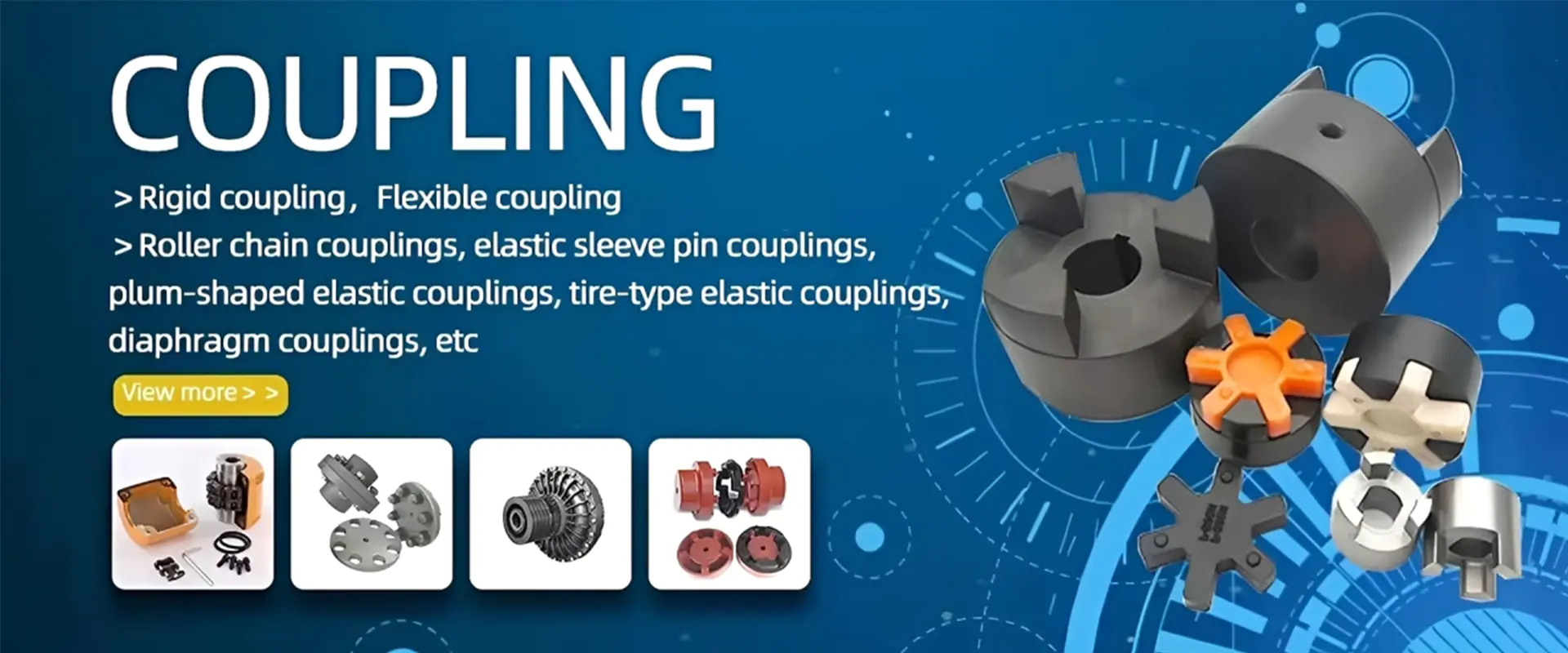
Couplings

Understanding the Critical Role of Industrial Couplings

In the world of mechanical power transmission, few components are as fundamental yet as critical as the couplings. These devices serve as the indispensable link between two rotating shafts, transmitting torque while accommodating for various types of misalignment and movement. The proper selection and application of a coupling can mean the difference between a smooth-running, efficient operation and a system plagued by premature failure, excessive vibration, and costly downtime. For over four decades, Raydafon Group has been at the forefront of coupling technology, engineering robust solutions that set the standard for reliability and performance across global industries.

Core Functions and Selection Criteria

A coupling's primary duty is to transmit power from a driver (like a motor or engine) to a driven component (like a pump, compressor, or conveyor). However, its role extends far beyond simple connection. High-quality couplings must perform several key functions simultaneously:

  • Transmit Torque: Efficiently transfer rotational force without slippage.
  • Accommodate Misalignment: Compensate for parallel, angular, and axial shaft misalignments that are inevitable in real-world installations.
  • Absorb Shock Loads: Dampen peak torques and vibrations to protect connected equipment.
  • Allow for End Float: Permit limited axial movement of shafts without imposing undue stress.

Selecting the right coupling requires a careful analysis of your application's specific parameters. Engineers must consider:

  • Required torque and power
  • Operational RPM range
  • Type and degree of shaft misalignment
  • Environmental conditions (temperature, presence of chemicals, moisture)
  • Space constraints and bore sizes
  • Maintenance requirements and service life expectations

Raydafon Group Couplings: Product Parameters and Specifications

Raydafon Group manufactures a comprehensive range of coupling types, each designed to excel in specific operational conditions. Our product development is driven by precision engineering, high-grade materials, and rigorous testing.

Key Product Families

  • Jaw/Flexible Spacer Couplings: Ideal for general-purpose applications requiring high torque density and torsional stiffness. The elastomer spider absorbs vibration and compensates for misalignment.
  • Gear Couplings: Designed for high-torque, high-speed applications such as heavy-duty turbines and rolling mills. They offer high misalignment capacity and durability.
  • Disc Couplings: Provide a mechanically rigid, maintenance-free solution with excellent performance in high-speed, high-precision applications like pumps and compressors.
  • Grid Couplings: Feature a spring-grid element that provides outstanding shock absorption and durability for tough applications with heavy load fluctuations.
  • Elastomeric Couplings: Utilize rubber or polyurethane elements to provide excellent damping and electrical insulation, suitable for pumps, fans, and conveyors.

Detailed Technical Specifications Table

Raydafon Group Standard Coupling Series - Selection Guide
Series Model Prefix Primary Material Max Torque Range (Nm) Max Speed (RPM) Max Parallel Misalignment (mm) Max Angular Misalignment (Deg) Key Application
Jaw/Flexible Spacer RDF-JS Steel Hub, NBR/ Polyurethane Spider 10 - 25,000 12,000 0.4 - 1.5 1.5° Electric Motors, Pumps, Generators
High-Performance Gear RDF-GH Alloy Steel, Crowned Gear Teeth 500 - 500,000 20,000+ Up to 3.0 Up to 1.5° Turbines, Heavy Compressors, Rolling Mills
Single Disc Pack RDF-DS Stainless Steel Discs, Aluminum Hubs 50 - 18,000 30,000+ 0.5 - 1.2 Up to 1.0° High-Speed Pumps, Precision Spindles
Grid Coupling RDF-GC Cast Iron/Steel Hubs, Alloy Steel Grid 1,000 - 200,000 6,500 Up to 2.3 Up to 1.5° Crushers, Mixers, Punch Presses
High-Misalignment Elastomeric RDF-EM Steel, Hytrel/ EPDM Element 5 - 8,000 8,000 Up to 6.0 Up to 4.0° Conveyors, Marine Drives, Agitators

Installation, Maintenance, and Best Practices

Correct installation is paramount to achieving the designed service life and performance of any coupling. Raydafon Group provides detailed mounting instructions with each product. Universal best practices include:

  • Ensuring shafts are clean, free of burrs, and properly aligned within the coupling's specified limits before final tightening.
  • Using the recommended torque values when tightening clamping screws or hub bolts to prevent slippage or hub damage.
  • For lubrication-filled couplings like gear types, using only the specified lubricant and maintaining the correct fill level.
  • Leaving adequate space around the coupling for visual inspection and maintenance activities.

A proactive maintenance schedule is essential. This typically involves regular visual inspections for signs of wear, corrosion, or loose hardware, checking for unusual vibration or noise, and, for certain types, periodic re-lubrication or element replacement. Raydafon Group couplings are designed for ease of maintenance, with many elastomeric element types allowing for "spider" or "donut" replacement without moving the connected machinery.

Frequently Asked Questions (FAQ) About Couplings

Q: What is the main consequence of installing a coupling with a torque rating lower than my application requires?
A: Installing an under-rated coupling is a primary cause of premature failure. The coupling will be subjected to stresses beyond its design capacity, leading to rapid wear, fracture of components (like jaws, discs, or grids), and catastrophic separation. This not only destroys the coupling but can cause severe secondary damage to the connected shafts, bearings, and machine housings, resulting in extensive downtime and repair costs.

Q: How often should I inspect and maintain my Raydafon Group coupling?
A: The inspection interval depends heavily on the coupling type and the severity of the application. As a general guideline, a visual inspection for loose hardware, oil leaks (on gear couplings), and element deterioration should be conducted during routine machine maintenance, often every 3 to 6 months. High-speed or critical applications may require more frequent checks. Elastomeric element couplings should have their flexible parts inspected for cracking, hardening, or permanent set every 6-12 months. Gear couplings require periodic re-lubrication per the intervals specified in the manual, which are based on operating speed and conditions.

Q: Can a coupling compensate for severe misalignment, and if so, which type is best?
A> While all flexible couplings are designed to handle some misalignment, they are not a substitute for proper initial shaft alignment. They are meant to accommodate residual misalignment and dynamic movement during operation. For applications with inherently higher misalignment (e.g., on floating shaft drives or equipment with thermal growth), types like Raydafon's RDF-EM High-Misalignment Elastomeric or double engagement gear couplings offer superior capacity. However, consistently operating a coupling at its maximum misalignment limit will significantly reduce its service life and efficiency.

Q: What is the difference between a flexible coupling and a rigid coupling?
A: A flexible coupling incorporates an element (elastomer, metal grid, disc pack, gear mesh) that allows it to flex, thereby absorbing vibration and compensating for misalignment between two shafts. A rigid coupling, such as a sleeve or flanged design, physically locks two shafts together as if they were a single solid shaft. They transmit torque with zero backlash but cannot tolerate any misalignment whatsoever. Perfect, permanent shaft alignment is mandatory for rigid couplings, making them suitable only for very specific, precision applications like some torque measurement test stands or aligned sections of a long line shaft.

Q: How do I determine the correct size of a coupling for my application?
A> Sizing a coupling is a critical engineering task. The primary steps involve: 1) Calculating the design torque, which includes the service factor (based on the driven equipment type and duty cycle) multiplied by the nominal torque. 2) Checking the bore capacity to ensure the coupling can accommodate the shaft diameters of both the driver and driven machine. 3) Verifying that the maximum operational speed (RPM) does not exceed the coupling's rated speed. 4) Confirming that the expected misalignment falls within the coupling's published limits. Raydafon Group provides detailed sizing software and engineering support to assist customers in making the perfect selection.

Q: Are Raydafon Group couplings customizable for special applications?
A: Yes. While our standard catalog covers a vast majority of industrial needs, Raydafon Group's engineering team specializes in developing custom coupling solutions. This can include special materials for corrosive or high-temperature environments, unique bore and keyway configurations, modified lengths for spacer couplings, special balance grades for ultra-high-speed applications, and coatings for enhanced protection. We work directly with OEMs and end-users to solve unique power transmission challenges.

Agricultural Gearbox

Precision, Power, and Unwavering Reliability: The Ultimate Guide to Agricultural Gearbox Solutions by Raydafon Group

In the demanding world of modern agriculture, efficiency and uptime are not just goals—they are necessities. At the heart of countless critical farming applications, from seeding and tillage to harvesting and material handling, lies a component that translates engine power into controlled, usable mechanical force: the agricultural gearbox. As a cornerstone of agricultural machinery, its performance directly impacts productivity, fuel consumption, and overall operational costs. For over two decades, Raydafon Group has been at the forefront of engineering and manufacturing high-performance agricultural gearboxes, building a legacy of trust with farmers and OEMs worldwide who refuse to compromise on quality.

Understanding the Critical Role of Agricultural Gearboxes

An agricultural gearbox is a ruggedized power transmission device specifically designed to withstand the harsh environments and variable loads of farming operations. Its primary functions are to:

  • Modify Speed: Increase or decrease the input speed from the tractor's PTO (Power Take-Off) to match the optimal operational speed of the implement.
  • Amplify Torque: Convert high-speed, low-torque input into low-speed, high-torque output, providing the immense force needed for tasks like tilling hard soil or powering a heavy forage harvester.
  • Change Direction of Rotation: Reorient the power flow to drive components located at different angles relative to the tractor.
  • Distribute Power: In more complex systems, a single input can be split to drive multiple output shafts, powering various sections of a large machine simultaneously.

Failure of this component can lead to costly downtime during critical windows like harvest. Therefore, selecting a gearbox built with precision, robust materials, and innovative design is paramount.

Raydafon Group Agricultural Gearbox Series: Engineered for Excellence

Raydafon Group offers a comprehensive portfolio of agricultural gearboxes, each engineered for specific applications and load requirements. Our design philosophy integrates advanced metallurgy, precision machining, and rigorous testing to deliver products that excel in durability and performance.

Key Product Series & Applications:

  • RGD-Series (Standard Duty): Ideal for light to medium-duty applications such as small rotary tillers, fertilizer spreaders, and seeders. Known for cost-effectiveness and reliable performance.
  • RGH-Series (Heavy Duty): Built for the most demanding tasks. Used in heavy offset disc harrows, large square balers, and forage harvesters. Features reinforced housings and high-capacity bearings.
  • RG-B Series (Bevel Gear): Specializes in efficient 90-degree power transmission. Essential for flail mowers, certain types of manure spreaders, and side-driven implements.
  • RG-W Series (Worm Gear): Offers high reduction ratios in a compact design and provides inherent locking characteristics. Perfect for conveyor systems, irrigation pumps, and applications requiring precise speed control.

Detailed Technical Specifications & Parameters

Understanding the specifications is key to selecting the right gearbox for your machinery. Below are the detailed parameters for our flagship RGH-200 Heavy-Duty Series.

Parameter Specification Details / Notes
Model RGH-200 Heavy-Duty Agricultural Gearbox
Input Power (Max) 180 HP Continuous duty rating
Input Speed (Standard) 540 / 1000 RPM Standard tractor PTO speeds; other ratios available
Output Torque (Max) 6500 Nm At 540 RPM input
Gear Ratio Range 1:1 to 6:1 Custom ratios engineered per application
Gear Type Spiral Bevel / Helical For smooth, quiet operation and high load capacity
Housing Material High-Grade Cast Iron (GGG-50) Provides exceptional strength and vibration damping
Gear Material Case-Hardened Alloy Steel (20MnCr5) Hardened surface for wear resistance, tough core for shock load absorption
Sealing System Double-Lip Seals with Grease Purge Highly effective against dust, mud, and moisture ingress
Lubrication Synthetic EP 80W-90 Oil (Pre-filled) Extended service intervals and superior thermal stability
Mounting Options Flange, Foot, or Shaft Mount Versatile integration into existing machine designs
Warranty 3 Years Comprehensive warranty covering material and workmanship

Standard Features Across All Raydafon Gearboxes:

  • Precision ground gears for minimal noise and maximum efficiency.
  • Large capacity tapered roller bearings for handling heavy radial and axial loads.
  • Integrated cooling fins on housing for better heat dissipation.
  • Standardized BSP or NPT ports for easy breather and drain plug installation.
  • Phosphated or painted exterior for superior corrosion resistance.

Agricultural Gearbox FAQ: Expert Answers from Raydafon Group

Q: How often should I check or change the oil in my agricultural gearbox?

A: For most standard applications, we recommend an initial oil check after the first 50 hours of operation to check for any break-in metal particles. Subsequent changes should occur every 500-1000 operating hours or at least once per season, whichever comes first. However, under severe conditions (extreme dust, continuous high load, wet conditions), more frequent checks (every 250 hours) are advisable. Always refer to the specific maintenance manual for your Raydafon gearbox model.

Q: My gearbox is getting unusually hot to the touch. What could be the cause?

A: Excessive heat is a primary warning sign. Potential causes include: 1. Overloading: The implement may be demanding more torque than the gearbox is rated for. 2. Incorrect Lubrication: Oil level might be too low, too high (causing churning), or the oil viscosity may be incorrect or degraded. 3. Misalignment: Improper alignment with the tractor PTO or driven shaft creates friction and heat. 4. Worn Components: Internal bearing or gear wear increases friction. Stop operation if overheating is severe and investigate the cause to prevent catastrophic failure.

Q: Can I use a gearbox with a 540 RPM input on a 1000 RPM tractor PTO by just running the tractor at lower engine RPM?

A: Absolutely not. This is a dangerous practice. Gearboxes are rated for a specific maximum input speed. A gearbox designed for 540 RPM input has internal gears and bearings calculated for that speed. Using it on a 1000 RPM PTO, even at half throttle, risks severely overspeeding the gearbox, leading to excessive centrifugal force, lubrication failure, and violent disintegration. Always match the gearbox's rated input speed to the tractor's PTO output speed.

Q: What is the difference between a spiral bevel gear and a worm gear in agricultural applications?

A: The key differences lie in efficiency, ratio, and design. Spiral Bevel Gears (used in our RG-B Series) are highly efficient (up to 98%) and are used for changing the direction of shaft rotation (typically by 90 degrees) with moderate reduction ratios. They are common in rotary cutters and side-drive systems. Worm Gears (RG-W Series) offer very high reduction ratios (e.g., 10:1, 20:1) in a single stage and can be self-locking (preventing back-driving), but they have lower efficiency (typically 70-90%), generating more heat. They are ideal for slow-speed, high-torque applications like conveyor augers or where a compact high-ratio drive is needed.

Q: Does Raydafon Group offer custom gearbox solutions for specialized farm machinery?

A: Yes, custom engineering is a core strength of Raydafon Group. Our technical team works directly with OEMs and large-scale farming operations to develop tailored solutions. This can include custom shaft dimensions, specific mounting configurations, unique gear ratios, integrated hydraulics or clutches, and special sealing arrangements for submersible or exceptionally dirty environments. We collaborate from the design phase to prototype testing and final production.

Q: What are the main advantages of choosing a Raydafon agricultural gearbox over a generic replacement?

A: The advantages are significant and impact your total cost of ownership: 1. Superior Durability: We use premium materials (GGG-50 casting, 20MnCr5 steel) and precision manufacturing for longer life under stress. 2. Engineered Sealing: Our proprietary sealing systems drastically reduce contamination failures, the leading cause of gearbox wear. 3. Optimized Performance: Precision-ground gears ensure higher power transmission efficiency, saving fuel and reducing heat generation. 4. Global Support & Warranty: Backed by a 3-year warranty and a global network of distributors for technical support and parts. 5. Peace of Mind: Knowing your critical machinery is powered by a component built to the highest standards minimizes the risk of failure during crucial seasonal work.

Hydraulic Cylinders

Navigating the World of Hydraulic Power: The Essential Guide

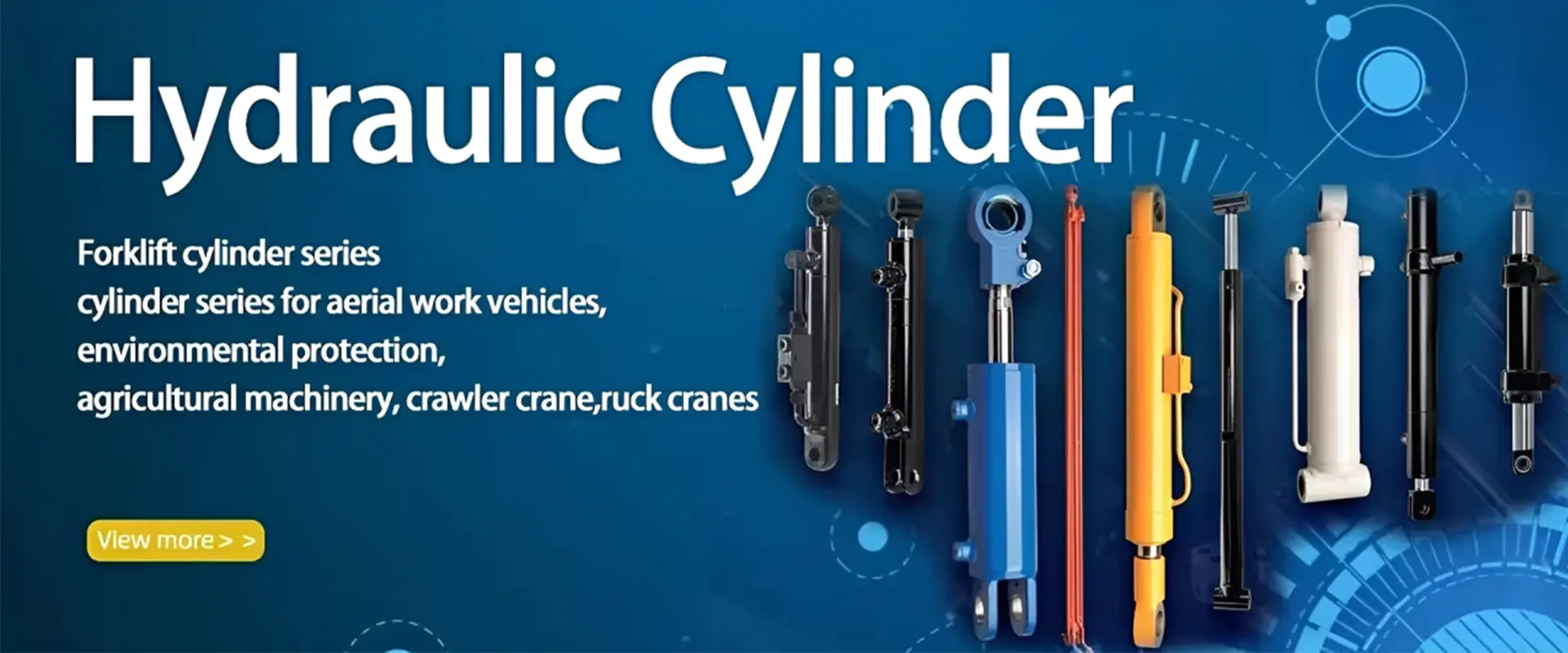
For over four decades, the Raydafon Group has stood at the forefront of industrial innovation, engineering solutions that drive progress. At the heart of countless mechanical systems, from colossal construction machinery to precision manufacturing equipment, lies a fundamental component: the Hydraulic Cylinder. This workhorse of the industrial world converts the energy of pressurized hydraulic fluid into powerful linear force and motion. As a seasoned industry expert, I understand that selecting the right cylinder is not just a purchase; it's an investment in reliability, efficiency, and safety. This guide is designed to demystify hydraulic cylinders, providing a comprehensive look at their specifications, applications, and the critical factors to consider for optimal performance.

Core Components and Operating Principle

A hydraulic cylinder's operation is a masterclass in applied physics, yet its fundamental principle is elegantly simple. It consists of several key components working in unison:

  • Cylinder Barrel: A precision-machined tube that houses the piston and hydraulic fluid, designed to withstand extreme internal pressure.
  • Piston: A sliding component that separates the cylinder into two chambers. The pressure differential across the piston generates the linear force.
  • Piston Rod: A hardened and chromed rod attached to the piston, extending from the cylinder to transmit the generated force to the machine.
  • End Caps: Seal the ends of the barrel. The rod end cap includes a seal and bearing for the piston rod.
  • Seals & Gaskets: Critical for preventing internal and external leakage, ensuring system efficiency and environmental compliance.

When pressurized fluid enters one chamber, it pushes against the piston surface area, forcing the piston and rod to extend or retract. This controlled, powerful motion is what makes hydraulic cylinders indispensable.

Detailed Product Specifications & Selection Parameters

Choosing the correct hydraulic cylinder requires careful analysis of your application's demands. At Raydafon Group, we manufacture cylinders to exacting standards, with specifications tailored for diverse industrial needs. Below are the primary parameters that define a cylinder's capabilities.

Key Performance Parameters

  • Bore Diameter: The internal diameter of the cylinder barrel. This is the single most critical factor in determining the force output (Force = Pressure x Piston Area). Larger bores generate greater force.
  • Rod Diameter: The diameter of the piston rod. It affects the cylinder's tensile strength (resistance to pulling apart) and its column strength (resistance to buckling under push loads).
  • Stroke Length: The maximum travel distance of the piston rod. It determines the range of linear motion required for the task.
  • Operating Pressure: The maximum continuous system pressure the cylinder is designed to handle, typically measured in psi (pounds per square inch) or bar. Exceeding this rating compromises safety and integrity.
  • Mounting Style: The method of attaching the cylinder to the machine frame. Correct mounting is vital for aligning forces and preventing excessive side load.

Raydafon Group Standard Cylinder Series - Technical Data

Series Model Bore Size (inch/mm) Max Operating Pressure (psi/bar) Standard Stroke Range (inch/mm) Mounting Options Primary Application Area
RD-HC10 (Tie-Rod) 1.5" - 8" / 38 - 200 mm 3,000 psi / 207 bar Up to 120" / 3,000 mm Foot, Flange, Clevis, Trunnion Machine Tools, Packaging, Material Handling
RD-HC20 (Welded) 2" - 12" / 50 - 300 mm 5,000 psi / 345 bar Up to 60" / 1,500 mm Flange, Side Lug, Foot Mobile Equipment, Construction, Forestry
RD-HC30 (Mill Type) 4" - 20" / 100 - 500 mm 6,500 psi / 448 bar Custom, up to 200" / 5,000 mm Custom Flange, Trunnion, Spherical Bearing Presses, Steel Mills, Injection Molding
RD-HC40 (Compact) 0.5" - 2" / 12 - 50 mm 1,000 psi / 69 bar Up to 12" / 300 mm Threaded Body, Front Flange Automation, Robotics, Medical Equipment

Mounting Styles and Configuration Options

The mounting configuration directly influences how the cylinder's force is applied and absorbed by the machine structure. An incorrect mount can lead to premature wear, seal failure, and rod buckling. Raydafon Group offers a comprehensive range of standard and custom mounting solutions:

  • Foot Mounts: Bolted to a flat surface. Suitable for applications where the cylinder is self-aligning or forces are primarily axial.
  • Flange Mounts: Provide a very rigid connection. Front flange mounts are excellent for high-thrust applications; rear flange mounts are ideal for straight-line force transfer.
  • Clevis & Trunnion Mounts: Allow the cylinder to pivot during operation, accommodating arc motion and preventing binding from misalignment.
  • Spherical Bearing Mounts: Accommodate misalignment in multiple planes, ideal for applications where perfect alignment cannot be guaranteed.

Hydraulic Cylinders FAQ: Expert Answers to Common Questions

General & Selection Questions

Q: What is the difference between a single-acting and a double-acting hydraulic cylinder?
A: A single-acting cylinder uses hydraulic pressure to move the piston in one direction only (usually extend). The return stroke is accomplished by an external force, like a spring or the weight of the load. A double-acting cylinder uses hydraulic pressure to both extend and retract the piston rod, providing precise control in both directions. Double-acting cylinders are more common in industrial applications where controlled movement and force are required in both strokes.

Q: How do I calculate the force a hydraulic cylinder can generate?
A: The theoretical force output is calculated using the formula: Force = Pressure x Area. For the extension stroke, use the full piston area. For the retraction stroke (in a double-acting cylinder), use the annular area (piston area minus rod area). Remember to account for system efficiency (typically 85-95%). For example, a cylinder with a 4-inch bore (area = ~12.57 sq in) at 2,500 psi generates approximately 31,425 lbs of theoretical extending force. Raydafon Group provides detailed calculation tools and engineering support to ensure accurate sizing.

Q: What does "cushioning" mean on a hydraulic cylinder, and when is it needed?
A: Cushioning is a feature built into the end caps of a cylinder that decelerates the piston rod near the end of its stroke. It works by restricting the flow of oil out of the chamber, creating a backpressure that slows the piston. Cushioning is essential in applications with high inertia or high-speed cycles to prevent damaging impact, reduce noise, and minimize vibration, thereby extending the cylinder's service life and protecting the machine structure.

Maintenance & Troubleshooting

Q: What are the most common signs of hydraulic cylinder failure?
A: Key indicators include: 1) External Leakage: Visible hydraulic fluid around the rod seal or end caps, indicating worn seals. 2) Internal Leakage: The cylinder drifts or cannot hold a load when valves are closed, often due to worn piston seals. 3) Scored Rod or Barrel: Visible scratches or wear marks, which will rapidly degrade seals. 4) Erratic Movement: Jerky or stuttering motion, often caused by contamination, air in the system, or binding. 5) Excessive Heat: Overheating at the cylinder can point to excessive internal leakage or misalignment.

Q: How often should hydraulic cylinder seals be replaced, and can I do it myself?
A: There is no universal timeline; seal life depends on operating pressure, cycle rate, temperature, fluid cleanliness, and alignment. Preventive maintenance schedules should be based on your specific operating conditions. While seal kits are available, rebuilding a cylinder requires precision tools, a clean environment, and expertise. Improper installation can lead to immediate failure. For critical machinery, Raydafon Group recommends certified rebuilds or replacements to guarantee performance and warranty.

Q: How can I prevent contamination from damaging my hydraulic cylinders?
A> Contamination (dirt, metal particles, water) is the leading cause of hydraulic component failure. Prevention is multi-layered: 1) Use high-quality filtration on the hydraulic system and maintain filters regularly. 2) Always use ultra-clean fluid when filling or servicing. 3) Protect the piston rod with well-maintained wipers and rod boots, especially in dirty environments. 4) Store spare cylinders and seals in clean, sealed packaging. Raydafon Group cylinders are assembled in controlled cleanrooms to ensure optimal start-up cleanliness.

Brand & Application-Specific Questions

Q: What differentiates Raydafon Group hydraulic cylinders from other brands on the market?
A: Raydafon Group's distinction lies in four decades of engineering depth and a commitment to precision. Our cylinders feature: 1) Superior Materials: High-tensile steel barrels, induction-hardened and chrome-plated piston rods for maximum wear and corrosion resistance. 2) Advanced Sealing Technology: We use proprietary, application-tested seal compounds and designs for minimal leakage and long service life, even in extreme temperatures. 3) Rigorous Testing: Every production batch undergoes performance and pressure testing to exceed stated specifications. 4) Engineering Partnership: We provide more than a product; we offer application analysis and custom engineering to solve unique motion challenges.

Q: Can Raydafon Group provide custom hydraulic cylinders for a unique or extreme application?
A> Absolutely. While our standard series cover a vast range of needs, our core expertise is in engineered solutions. We regularly design and manufacture cylinders for extreme environments (deep-sea, high-temperature furnaces), unique space constraints, special material requirements (stainless steel for food & pharma), and complex motion profiles with integrated sensors. Our engineering team works directly with clients from concept through prototyping to final production.

Q: My application involves very high cycle rates. What cylinder features are most important?
A> For high-cycle applications (e.g., automation, stamping presses), durability and precision are paramount. Focus on: 1) Low-Friction Seals: To reduce heat generation and wear. 2) Optimized Porting: To allow high fluid flow with minimal turbulence and pressure drop. 3) Precision Honing: An ultra-smooth barrel surface finish is critical for seal life and consistent performance. 4) Robust Rod Guidance: Extra-long bearing surfaces to manage side loads and prevent rod scoring. The Raydafon Group RD-HC10 and RD-HC40 series are specifically refined for high-duty-cycle environments.

Air Compressor

What is an Air Compressor and How Does It Work?

An air compressor is a versatile and indispensable piece of equipment that converts power into potential energy stored in pressurized air. By using an electric motor, diesel, or gasoline engine, it forces air into a storage tank, significantly increasing the pressure. This compressed air is then released in a controlled manner to power a vast array of pneumatic tools and machinery. From inflating tires and powering nail guns to running complex manufacturing assembly lines, the applications are nearly endless. The fundamental principle involves drawing in ambient air, compressing it to a higher pressure, and storing it for on-demand use, making it a safer and often more flexible alternative to electrical or hydraulic power in many environments.

Why Choose an Air Compressor from Raydafon Group?

For over four decades, Raydafon Group has been at the forefront of industrial power solutions, engineering air compressors that blend durability, efficiency, and innovation. Choosing a Raydafon compressor means investing in reliability. Our compressors are built with premium-grade components and undergo rigorous testing to ensure they perform flawlessly under demanding conditions. We prioritize energy efficiency, designing our systems to deliver maximum CFM (Cubic Feet per Minute) per horsepower, which translates directly to lower operational costs for your business. Furthermore, Raydafon Group's global network provides unparalleled technical support, genuine spare parts, and expert maintenance services, ensuring your equipment remains productive year after year. Our commitment is to provide not just a tool, but a long-term power partnership.

Detailed Technical Specifications of Raydafon Air Compressors

Understanding the specifications is key to selecting the right compressor for your needs. Below are the core parameters that define our product lineup.

Key Performance Parameters

  • Motor Power: Ranging from 1 HP for workshop tasks to 50+ HP for industrial applications, utilizing high-efficiency IE3 or IE4 class motors.
  • Air Delivery (CFM): The volume of air delivered, critical for tool operation. Our models offer from 5 CFM at 90 PSI to over 200 CFM at 150 PSI.
  • Maximum Pressure (PSI/Bar): The force of the compressed air. Standard models reach up to 175 PSI (12 Bar), with high-pressure variants available for specialized tasks.
  • Tank Capacity (Gallons/Liters): Storage buffer for compressed air. Options include portable 6-gallon tanks to stationary 240-gallon receivers.
  • Drive Type: Choice between direct drive for compact, efficient design and belt drive for smoother operation and easier maintenance.
  • Noise Level (dBA): We offer ultra-quiet models operating as low as 65 dBA for indoor use, alongside standard industrial units.
  • Duty Cycle: 100% duty cycle on industrial models signifies continuous operation capability, whereas 50-75% is standard for home/workshop use.

Raydafon Series Comparison Table

Model Series Type Power (HP) Air Delivery (CFM @ 100 PSI) Max Pressure (PSI) Tank (Gal) Primary Application
Raydafon ProPact 5 Reciprocating, Portable 2.0 5.8 125 6 DIY, Small Workshops, Inflating
Raydafon WorkshopMaster 20 Reciprocating, Stationary 5.0 15.2 175 60 Auto Shops, Woodworking, Multiple Tools
Raydafon Vortex Screw 30 Rotary Screw, Stationary 15.0 52.0 150 120 Manufacturing, Continuous Production
Raydafon Industrial VSD 75 Rotary Screw, VSD* 30.0 125.0 150 240 Large Facilities, Energy-Sensitive Operations

*VSD: Variable Speed Drive - adjusts motor speed to match air demand, offering significant energy savings.

Air Compressor FAQs

Q: What size air compressor do I need for my home garage?

A: For a typical home garage powering tools like an impact wrench, nail gun, or paint sprayer intermittently, a compressor in the 2-6 HP range with a 20-30 gallon tank delivering 8-15 CFM at 90 PSI is usually sufficient. A model like the Raydafon WorkshopMaster 20 provides an excellent balance of power and capacity for such tasks.

Q: What is the difference between a single-stage and a two-stage air compressor?

A: A single-stage compressor compresses air from atmospheric pressure to the final pressure in one piston stroke. A two-stage compressor compresses air to an intermediate pressure in a larger cylinder, cools it, then compresses it to the final pressure in a smaller cylinder. Two-stage compressors are more efficient for higher pressures (above 150 PSI), generate less heat, and are better suited for continuous, heavy-duty industrial applications.

Q: How often should I perform maintenance on my air compressor?

A: Regular maintenance is crucial. Daily: Check and drain the tank of moisture. Weekly: Inspect for leaks and clean intake vents. Monthly: Check and tighten belts (if belt-driven). Every 3-6 months: Change the air filter. Every 6-12 months: Change the compressor oil (in lubricated models). Annually: Have a qualified technician, such as from Raydafon Group's service network, perform a full safety and performance check. Always consult your specific model's manual.

Q: Why is my compressor not building enough pressure?

A: Several issues could cause this. The most common are: a faulty or unloader valve stuck open; leaking air lines, fittings, or the tank drain valve; a worn-out piston ring or valve plate in reciprocating models; a clogged air intake filter restricting airflow; or a problem with the pressure switch. Start by checking for audible leaks and ensuring the intake filter is clean.

Q: Are oil-free air compressors as durable as oil-lubricated ones?

A: Oil-free compressors use permanently lubricated (often Teflon-coated) components and require less maintenance, making them ideal for clean applications like food processing, pharmaceuticals, or painting where oil contamination is a concern. However, they generally run hotter, have a shorter lifespan under continuous heavy use, and can be noisier. Oil-lubricated compressors, like many in the Raydafon industrial range, typically run cooler, are more durable for 24/7 operation, and are preferred for demanding workshops and factories.

Q: Can I use an extension cord with my electric air compressor?

A: It is not generally recommended, especially for compressors over 2 HP. Using an undersized or long extension cord can cause voltage drop, leading to reduced power, motor overheating, and premature failure. If absolutely necessary, use a heavy-duty (12-gauge or thicker), short cord rated for the amperage of your compressor, as specified in the Raydafon user manual.

Q: What is the benefit of a rotary screw compressor over a reciprocating piston compressor?

A: Rotary screw compressors use two meshing helical screws to compress air, offering a continuous, pulsation-free air supply. They are designed for 100% duty cycle, are significantly quieter and vibrate less, and require less maintenance than reciprocating models. While they have a higher initial cost, their energy efficiency and reliability make them the standard for high-volume, continuous-use industrial applications. Raydafon's Vortex Screw series exemplifies these advantages.

Essential Accessories for Your Air Compressor System

To build a complete and efficient compressed air system, the right accessories are vital. Raydafon Group offers a full ecosystem of compatible accessories designed to maximize performance and safety.

  • Air Dryers: Remove moisture from compressed air to prevent tool corrosion and product contamination in painting or sandblasting.
  • Line Filters: Multi-stage filters remove particulates, oil aerosols, and odors, delivering clean, dry air for sensitive tools and processes.
  • Air Hose and Reels: High-quality, flexible hoses with appropriate diameter for minimal pressure drop, and reels for organized storage and mobility.
  • Regulators and Lubricators: Regulators control downstream pressure for specific tools, while lubricators inject a fine oil mist to extend the life of air-powered tools.
  • Quick-Connect Couplers: Allow for fast and secure tool changes without air loss. The industry-standard Automotive Manufacturing Institute (AMI) style is widely recommended.
Vacuum Pump

Professional Vacuum Pump Solutions by Raydafon Group

For over two decades, Raydafon Group has been at the forefront of industrial and laboratory vacuum technology, engineering reliable and efficient vacuum pump systems for a global clientele. Our commitment to precision engineering, innovation, and customer support has solidified our reputation as a trusted partner in sectors ranging from manufacturing and chemical processing to research and healthcare. A vacuum pump is not merely a piece of equipment; it is a critical component that drives processes, ensures product quality, and safeguards operational integrity. Understanding its specifications, capabilities, and maintenance is paramount for optimal performance.

This comprehensive guide delves into the technical parameters of our flagship vacuum pump models, presented with the clarity and detail professionals expect. We also address common operational questions to help you maximize the lifespan and efficiency of your system.

Core Product Line & Technical Specifications

Raydafon Group's product portfolio is designed to meet diverse pressure and flow requirements. Below is an overview of our primary vacuum pump series.

Series Overview

  • RD-OilSealed Series: Robust, rotary vane pumps designed for heavy-duty industrial applications requiring deep vacuum levels and high reliability.
  • RD-DryScroll Series: Oil-free, contamination-free pumps ideal for clean environments such as laboratories, semiconductor handling, and medical applications.
  • RD-Roots Booster Series: High-capacity pumps used in conjunction with backing pumps to achieve very high pumping speeds in large-volume systems.
  • RD-Diaphragm Series: Chemical-resistant, oil-free pumps perfect for aggressive vapors, sampling, and OEM integration where maintenance must be minimal.

Detailed Technical Parameters Table

The following table provides a side-by-side comparison of key models across our main series. All data is based on standard conditions (20°C, sea level).

Model Series Specific Model Ultimate Vacuum (mbar) Pumping Speed (m³/h) Motor Power (kW) Port Connection Oil Capacity (Liters) Primary Applications
RD-OilSealed RD-OS 40 2 x 10⁻³ 40 1.5 DN 40 KF 1.8 Vacuum furnaces, freeze drying, degassing
RD-OS 100 1 x 10⁻³ 100 4.0 DN 63 KF 3.5 Plastic molding, large volume evacuation
RD-DryScroll RD-DS 15 5 x 10⁻² 15 0.75 DN 25 KF Oil-Free Analytical instruments, R&D, electron microscopy
RD-DS 35 2 x 10⁻² 35 1.1 DN 40 KF Oil-Free Mass spectrometry, glove box maintenance
RD-Roots Booster RD-RB 600 1 x 10⁻⁴ (with backing pump) 600 7.5 DN 100 ISO-K N/A (Gearbox oil: 1.2) Large chamber evacuation, metallurgy, space simulation
RD-Diaphragm RD-DM 6 80 6 0.25 1/2" NPT Oil-Free Chemical transfer, solvent distillation, medical devices

Selection Criteria for Your Application

Choosing the right vacuum pump involves analyzing several key factors. Use this list as a guide during your evaluation.

  • Required Ultimate Vacuum: Determine the lowest pressure needed for your process. Oil-sealed and booster systems achieve the deepest vacuums.
  • Pumping Speed (Flow Rate): Match the pump's speed to your chamber volume and desired evacuation time. A higher speed reduces pump-down time.
  • Process Gas Composition: Consider if the pump will handle condensable vapors, corrosive gases, or abrasive dust. Dry pumps or specialized filtration may be required.
  • Oil vs. Oil-Free Operation: Decide if potential hydrocarbon backstreaming from oil is a contaminant risk. Dry scroll and diaphragm pumps eliminate this concern.
  • Noise and Vibration Levels: Critical for lab or office-adjacent installations. Dry scroll and diaphragm pumps typically operate more quietly.
  • Maintenance Accessibility: Evaluate the ease of routine tasks like oil changes, filter replacements, and inspections to minimize downtime.
  • Total Cost of Ownership (TCO): Factor in initial purchase price, energy consumption, consumables (oil, filters), and expected service intervals.

Vacuum Pump FAQ: Expert Answers from Raydafon Group

Q: How often should I change the oil in my rotary vane vacuum pump?

A: The oil change interval depends heavily on the operating environment and process gases. For clean, dry applications under normal duty cycles, a change every 2000-3000 operating hours is typical. However, if the pump is exposed to condensable vapors, acids, or fine particulates, the interval should be drastically shortened—potentially to 500 hours or less. Always monitor the oil's appearance and viscosity. Dark, cloudy, or acidic oil indicates immediate replacement is needed. Raydafon Group provides detailed maintenance schedules specific to each model in the operator's manual.

Q: What is the difference between ultimate vacuum and working vacuum?

A: Ultimate vacuum is the lowest possible pressure a pump can achieve under ideal, sealed conditions with no process load (no gas inflow). It's a pump's maximum capability. Working vacuum (or process vacuum) is the pressure maintained in the system during actual operation while gas is being continuously removed from the process. The working pressure is always higher than the ultimate vacuum due to the gas load, leaks, and outgassing. When selecting a pump, ensure its ultimate vacuum is sufficiently lower than your required working vacuum to maintain stable process conditions.

Q: My dry scroll pump is making a rattling noise on startup. Is this normal?

A: A brief, mild rattling or clicking sound during the first few seconds of startup can be normal for some scroll pumps as the internal components thermally expand and seat properly. However, a persistent, loud, or grinding rattling noise is not normal. It could indicate a foreign object inside the pumping chamber, wear on the scroll tips, or a bearing issue. Immediately shut down the pump and inspect the inlet for any debris. If the inlet is clear and the noise persists upon restart, contact Raydafon Group technical support for diagnosis to prevent major damage.

Q: Can I use a vacuum pump to evacuate flammable or explosive gases?

A: Standard vacuum pumps are NOT intrinsically safe for flammable or explosive atmospheres. Using them for such gases creates a severe fire or explosion risk due to potential internal friction, electrical arcing, or high temperatures. For these applications, you must select a pump specifically designed and certified for hazardous duty. These feature explosion-proof motors, anti-spark construction, inert gas purging, and specialized sealing. Raydafon Group offers customized, ATEX-compliant solutions for handling hazardous gases—never modify a standard pump for this purpose.

Q: Why is my pump's performance (pumping speed) decreasing over time?

A: A gradual decline in performance is often a symptom of one or more of the following issues. First, for oil-lubricated pumps, degraded, contaminated, or low oil level is the most common cause. Second, clogged inlet filters or exhaust filters/outlets restrict flow. Third, internal wear of vanes, scrolls, or diaphragms reduces sealing efficiency. Fourth, a vacuum leak in the system or pump seals allows air ingress, raising the pressure. Fifth, for booster pumps, degraded performance of the backing pump will limit the entire system. A systematic check of oil, filters, and for leaks is the recommended first step.

Q: What are the benefits of using a Roots booster pump in combination with a backing pump?

A: A Roots blower (booster pump) is not used alone; it is staged before a primary backing pump (like an oil-sealed rotary vane pump). The key benefit is achieving a much higher effective pumping speed, often by a factor of 5 to 10, in the medium vacuum range (from about 10 to 10-3 mbar). This drastically reduces pump-down time for large volumes. Furthermore, it allows the backing pump to operate in a pressure range where it is most efficient, improving overall energy efficiency and extending the backing pump's service life by reducing its load.

Maintenance Best Practices for Longevity

Proper care is essential. Follow these universal tips to ensure your Raydafon Group vacuum pump delivers years of reliable service.

  • Use Recommended Fluids & Consumables: Always use the exact grade of vacuum pump oil, grease, and filters specified by Raydafon. Substitutes can compromise performance and void warranties.
  • Implement Proper Filtration: Use inlet traps (cold traps, dust filters) and exhaust filters (exhaust oil mist filters, solvent recovery traps) to protect the pump's interior from contaminants and recover valuable process materials.
  • Ensure Adequate Cooling & Ventilation: Operate the pump within its ambient temperature range. Ensure cooling fans and fins are unobstructed to prevent overheating, which accelerates oil degradation and component wear.
  • Follow a Preventative Maintenance Schedule: Do not wait for failure. Adhere to the prescribed schedule for checking oil levels, changing oil and filters, and inspecting belts or seals.
  • Keep a Log: Record operating hours, maintenance activities, oil changes, and any performance observations. This log is invaluable for troubleshooting and predicting future service needs.
CI Flexo Press

In the high-speed, high-stakes world of industrial printing, precision, reliability, and consistent quality are non-negotiable. For converters demanding superior results on a wide array of substrates, the Central Impression CI Flexo Press stands as the undisputed workhorse. At Raydafon Group, we have engineered our line of CI Flexo Presses to embody the pinnacle of this technology, blending decades of manufacturing expertise with innovative features to drive your productivity and profitability to new heights. A CI Flexo Press is characterized by a large, central impression cylinder around which multiple print stations are arranged. This unique configuration is key to its exceptional performance in register control and print quality, especially on extensible films, making it the preferred choice for flexible packaging, labels, and specialty applications.

Core Advantages of Raydafon Group CI Flexo Presses

Choosing a Raydafon Group CI Flexo Press means investing in a system designed for operational excellence.

  • Unmatched Register Accuracy: The single, massive impression cylinder ensures minimal web tension variation between print units, guaranteeing precise dot-on-dot registration even at maximum speeds.
  • Superior Print Quality on Flexible Substrates: Excellent for handling stretchable materials like polyethylene (PE), polypropylene (PP), and laminates without distortion.
  • High Production Efficiency: Capable of running at sustained high speeds (often 500+ meters per minute), maximizing output for long-run jobs.
  • Versatility in Application: Easily handles a broad spectrum of jobs from simple monochrome to complex process printing with up to 10 colors or more.
  • Reduced Waste: Faster setup times and stable running characteristics lead to significantly lower substrate and ink waste.
  • Robust Construction: Raydafon’s presses are built with heavy-duty components for 24/7 operation, ensuring long-term durability and minimal downtime.

Detailed Technical Specifications

Our presses are available in various configurations to meet specific market needs. Below are the detailed parameters for our flagship RDF-CI Series.

RDF-CI Series Standard Configuration

Parameter Specification
Model Range RDF-CI 850, RDF-CI 1050, RDF-CI 1300, RDF-CI 1650
Max Web Width 850mm, 1050mm, 1300mm, 1650mm
Repeat Length Range 330mm - 850mm (adjustable gearless)
Max Mechanical Speed 550 meters per minute
Standard Number of Colors 8 Stations (6 print, 1 reverse, 1 varnish). Configurable up to 10+.
Printing Method CI Flexographic (Stack-type optional)
Drive System Fully digital servo drive, independent per axis
Register Control Fully automatic, CCD camera-based with closed-loop feedback
Inking System Chambered doctor blade system with ceramic anilox rolls
Plate Cylinder Sleeve or integral shaft type, quick-change system
Substrate Thickness 12 - 250 microns
Central Impression Cylinder Double-walled, thermally ground steel with Hard Chrome plating
Drying System High-velocity hot air, individually controlled per station
Control System Industrial PC with 15" HMI touchscreen, data logging & Ethernet connectivity

Optional Features & Upgrades

  • UV Flexo Printing System
  • Extended inline finishing (laminating, slitting, sheeting)
  • Automated viscosity control for ink
  • Job data storage and recall
  • Remote diagnostics and monitoring
  • Advanced color management software integration

CI Flexo Press FAQ (Frequently Asked Questions)

What are the primary applications for a CI Flexo Press?

CI Flexo Presses are predominantly used in the flexible packaging industry. This includes printing on films for food packaging (snacks, frozen foods, confectionery), stand-up pouches, pet food bags, shrink sleeves, pressure-sensitive labels, and hygiene product packaging. Their ability to handle thin, extensible films at high speed makes them ideal for these high-volume markets.

How does a CI Flexo Press differ from a Stack-type or Inline Flexo Press?

The key difference is the mechanical structure. A CI press has all print units arranged around one large central impression drum, which provides superior web stability and register control. A stack-type press has print units stacked vertically on both sides of the web, which can be more susceptible to tension variations. Inline presses have units in a straight line, often used for corrugated or less tension-sensitive materials. The CI design is optimal for precise, high-speed printing on flexible films.

Why is register control superior on a CI design?

Because the web is supported by the massive central cylinder through every print station, there is almost no free web span between colors. This drastically reduces the chance of tension fluctuations, stretching, or wandering that can cause misregister. The web path is shorter and more controlled, allowing for exceptional accuracy even on difficult materials.

What is the typical make-ready time on a modern CI press like Raydafon's?

With features like automatic plate cylinder positioning, preset job memory, and servo-driven register control, make-ready times have been dramatically reduced. On a Raydafon Group RDF-CI press, a standard job changeover can often be completed in 30-45 minutes, depending on complexity. This includes plate/sleeve changes, ink wash-up, and running to register.

Can a CI Flexo Press handle water-based, solvent-based, and UV inks?

Yes, modern CI presses from Raydafon Group are designed to be versatile. They are typically equipped with high-efficiency drying systems (hot air for water/solvent, and UV curing modules as an option) that can handle different ink chemistries. The chambered doctor blade system is compatible with all these ink types, though specific configurations (like exhaust or curing lamps) may be selected based on the primary ink to be used.

What kind of maintenance does a CI press require?

Regular preventive maintenance is crucial for longevity and performance. This includes daily cleaning of ink systems and print units, weekly lubrication checks, and periodic inspection of critical components like bearings, gears, and dryer filters. Raydafon Group provides comprehensive maintenance schedules and training. With proper care, a well-built CI press can operate reliably for decades.

How does Raydafon Group support its CI press customers?

Raydafon Group offers end-to-end support. This begins with application engineering to configure the right press, includes extensive installation and operator training at your facility, and is backed by a global network of service technicians and a readily available inventory of spare parts. We also offer remote support services and periodic health checks to ensure optimal press performance throughout its lifecycle.

Is investing in a CI Flexo Press cost-effective for medium-sized converters?

While the initial investment is significant, the ROI can be compelling, even for medium-sized businesses targeting growth in flexible packaging. The high speed, low waste, and consistent quality lead to a lower cost per thousand prints on long runs. Furthermore, the versatility to handle a wide range of jobs can open new market opportunities. A detailed production analysis with a Raydafon Group expert can help determine the specific payback period.

Key Components and Technology from Raydafon Group

The performance of a CI Flexo Press hinges on its core subsystems. Raydafon integrates top-tier technology into each one.

Precision Drive and Registration System

Our fully digital, servo-electric drive system eliminates mechanical gear wear and provides flawless synchronization. Each axis—unwind, print cylinders, rewind—is independently controlled, allowing for micro-adjustments. The automatic register system uses high-resolution CCD cameras to scan pre-printed marks, sending correction data back to the servo drives in real-time for perfect registration.

Advanced Inking and Drying

A consistent ink film is vital. Our chambered doctor blade system, paired with precision-engineered ceramic anilox rolls, delivers a uniform and controllable ink transfer. The closed-chamber design minimizes solvent evaporation and ink skinning. Each print station is coupled with a high-velocity hot air dryer, ensuring inks are thoroughly dried before the web contacts the next printing station, preventing set-off.

Operator Control and Connectivity

The press is managed via an intuitive, industrial-grade Human-Machine Interface (HMI). Operators can control all parameters, store job recipes, monitor production data, and diagnose issues from one central panel. Ethernet connectivity allows for integration into factory networks for production reporting and potential integration with MIS (Management Information Systems).

Regenerative Thermal Oxidizer (RTO)

Regenerative Thermal Oxidizers (RTOs): A Deep Dive into Technology, Efficiency, and Sustainability

In an era where environmental compliance and operational efficiency are paramount for industrial facilities, effective volatile organic compound (VOC) and hazardous air pollutant (HAP) control is non-negotiable. Among the leading technologies for achieving exceptionally high destruction efficiency, one system stands out for its robust performance and energy-saving design: the Regenerative Thermal Oxidizer, or RTO. Engineered for reliability and cost-effectiveness, this technology is the cornerstone of modern air pollution control strategies.

The Regenerative Thermal Oxidizer operates on a simple yet brilliant principle of heat exchange. Polluted process exhaust air is forced through a system of ceramic heat exchange media, which captures and stores the thermal energy from the clean, hot oxidized air. This preheating of the incoming dirty air significantly reduces the auxiliary fuel required to maintain the oxidation temperature, often achieving thermal efficiencies exceeding 95%. The result is a system that delivers unparalleled destruction rates while minimizing its operational carbon footprint and fuel costs.

At Raydafon Group, our decades of engineering expertise are channeled into designing and manufacturing RTO systems that are not just compliant, but are optimized for the specific challenges of your industry. We understand that each application—from chemical manufacturing and pharmaceuticals to printing and coating operations—has unique exhaust characteristics and space constraints. Our solutions are tailored accordingly.

Key Advantages of Raydafon Group RTO Systems

  • Ultra-High Destruction & Removal Efficiency (DRE): Consistently achieves DRE rates of 99% and above for a wide range of VOCs and HAPs.
  • Exceptional Thermal Efficiency (95%+): Advanced ceramic media design ensures maximum heat recovery, drastically cutting fuel consumption.
  • Low Operating Costs: Minimal fuel requirements, especially at moderate to high VOC concentrations, lead to a rapid return on investment.
  • Robust & Reliable Design: Built with high-quality materials and a simple valve system for continuous, low-maintenance operation.
  • Compact Footprint: Efficient internal configuration allows for a smaller physical footprint compared to other thermal oxidizer types.
  • Future-Proof Compliance: Designed to meet and exceed current global environmental regulations, safeguarding your operations against future legislative changes.

Technical Specifications & Configurations

A Raydafon Group RTO is a precision-engineered system. The following table outlines our standard model range and core specifications, which can be customized to suit specific process needs.

Model Series Standard Flow Range (SCFM) Typical Destruction Efficiency Heat Recovery Efficiency Max Inlet Temperature Pressure Drop
RTO-ECONO 5,000 - 30,000 >99% 94 - 96% 150°F (66°C) 12 - 18 in. w.g.
RTO-PRO 30,000 - 80,000 >99.5% 95 - 97% 200°F (93°C) 14 - 20 in. w.g.
RTO-INDUSTRIAL 80,000 - 200,000+ >99.5% 95 - 97% 250°F (121°C) 16 - 24 in. w.g.

Core System Components

The performance of an RTO hinges on its integrated components. Each element in a Raydafon system is selected for durability and optimal function.

  • Combustion Chamber: Constructed from high-grade stainless steel, lined with high-temperature ceramic fiber insulation to maintain uniform oxidation temperature (typically 1500°F - 1800°F).
  • Ceramic Heat Exchange Media: The heart of the system. We utilize proprietary structured or random pack media designed for high heat capacity, low pressure drop, and resistance to fouling.
  • Poppet or Diverter Valves: Precision-engineered, pneumatically actuated valves ensure tight sealing and smooth, reliable flow reversal for continuous operation.
  • System Blower: A high-efficiency fan is sized to overcome system pressure drop and maintain required process flow rates.
  • Burner Management System (BMS): A fully automated, safety-rated control system with flame supervision, temperature profiling, and PLC/HMI interface for precise operation and monitoring.
  • Emission Stack: Final discharge point for cleaned, compliant exhaust gases.

Regenerative Thermal Oxidizer (RTO) FAQ

What is the primary purpose of an RTO?
The primary purpose of a Regenerative Thermal Oxidizer is to destroy Volatile Organic Compounds (VOCs), Hazardous Air Pollutants (HAPs), and odorous emissions from industrial process exhaust streams through high-temperature thermal oxidation, converting them into harmless carbon dioxide (CO2) and water vapor (H2O).

How does an RTO achieve such high thermal efficiency?
An RTO achieves high thermal efficiency (often 95%+) through regenerative heat exchange. The system uses multiple chambers filled with ceramic media. Hot, cleaned gas exiting the combustion chamber heats the ceramic media in one chamber. The flow then reverses, and the incoming cold, polluted gas is preheated by this hot media before entering the combustion chamber. This cycle continuously recovers and reuses heat, minimizing external fuel needs.

What types of industries commonly use RTOs?
RTOs are widely used across manufacturing sectors that generate solvent-laden exhaust. Key industries include chemical processing, pharmaceutical production, paint and coating application, printing and packaging, food processing (for odor control), electronic component manufacturing, and synthetic fiber production.

What factors determine the size and cost of an RTO system?
The key sizing and costing factors are: the exhaust air volume (SCFM), the concentration and type of VOCs/HAPs (which affect the heat value), the required destruction efficiency, the inlet temperature, the presence of particulates or siloxanes, and specific site conditions like available space and utility connections.

Can an RTO handle exhaust streams with particulate matter?
While RTOs are primarily for gaseous pollutants, they can handle low levels of particulates. However, excessive or sticky particulates can foul the ceramic media. Raydafon Group engineers often recommend a pre-treatment stage, such as a scrubber or filter, upstream of the RTO if significant particulate loading is expected to ensure long-term system health.

What is the typical maintenance required for an RTO?
Routine maintenance is relatively low. It includes periodic inspection and cleaning of the ceramic media (every 2-5 years depending on the stream), checking and sealing of valve gaskets, calibration of temperature sensors, and verification of burner and safety system function. A well-designed system like those from Raydafon Group is built for continuous, 24/7 operation with minimal downtime.

How does a Raydafon Group RTO ensure operational safety?
Safety is integrated into every Raydafon RTO. Our systems feature multi-layered safety controls: a Burner Management System (BMS) with UV or flame rod detection, high-temperature shutdowns, pressure relief devices, purging cycles to prevent combustible mixture buildup, and comprehensive PLC-controlled safety interlocks that meet stringent international standards.

What is the expected lifespan of a regenerative thermal oxidizer?
With proper maintenance and operation, the core structure of a high-quality RTO, such as those manufactured by Raydafon Group, can last 20-25 years or more. Long-life components like the insulated steel shell and properly selected media chambers contribute to this longevity. Wear items like valve seals and burner parts are designed for easy replacement during planned maintenance.

Selecting the right air pollution control system is a critical strategic decision. The regenerative thermal oxidizer represents a proven, efficient, and sustainable solution for stringent emission control. With its combination of high destruction performance and industry-leading heat recovery, it offers a compelling balance of environmental responsibility and economic operation. Raydafon Group stands ready to partner with you, providing the engineering excellence and support to implement an RTO solution that meets your precise operational and compliance goals.

Sprockets
Chains
V pulley & Sheaves
Gear & Racks
Axle
PTO Shaft
Bushing & Hubs
Couplings
Agricultural Gearbox
Hydraulic Cylinders
Air Compressor
Vacuum Pump
CI Flexo Press
Regenerative Thermal Oxidizer (RTO)

About Us

Raydafon Technology Group Co.,Limited

Raydafon Technology Group Co., Limited: Powering Industrial Innovation Worldwide

As a globally recognized leader in industrial technology, Raydafon Technology Group Co., Limited seamlessly integrates innovation, precision, and reliability across a diverse portfolio of specialized subsidiaries. We deliver cutting-edge solutions—from high-performance transmission components and precision gearboxes to durable drive shafts and advanced hydraulic systems—tailored for demanding agricultural and industrial environments.

At Raydafon, we don't just manufacture products—we engineer possibilities. With decades of industry expertise and a relentless focus on technological advancement, we've evolved into a trusted partner for integrated system solutions that optimize performance, enhance efficiency, and solve complex challenges.

about
Custom Design

OEM order: parts can be made completely based on your specifications such as 2D&3D drawings, custom design, sample

ODM/OEM Experience

Over 10 years' ODM/OEM experience in manufacturing and exporting Professional supply chain management

Imported Equipment

Well-equipped factories with Plastic injection molding and Punching,Stamping, CNC machining divisions.

OUR ABOUT US

We Best Solutions For Your Business - What We Do.

Raydafon Technology Group Co., Limited is a professional manufacturer of industrial power transmission and hydraulic components. We focus on providing high-quality mechanical solutions for agriculture, machinery, and industrial equipment worldwide. With advanced manufacturing technology and strict quality management, we deliver durable products and stable supply to support global customers.


Power Transmission Components

We manufacture a wide range of power transmission products such as gearboxes, sprockets, chains, couplings, and precision reducers designed for reliable industrial performance.


Hydraulic System Solutions

Our hydraulic cylinders and related components are engineered for strength, durability, and stable operation in demanding industrial and agricultural applications.


Custom Manufacturing Services

We provide flexible OEM and ODM services, supporting customized production based on customer drawings, samples, and specific technical requirements.

our services
 

Professional Industrial Power Transmission Components Manufacturer & Exporter


Product Design & Engineering

Our engineering team provides professional design support to develop efficient and reliable power transmission and hydraulic solutions.


Custom Manufacturing

We offer flexible OEM and ODM services, producing components based on customer drawings, samples, or technical requirements.


Precision Production

Equipped with advanced CNC machinery and modern production lines, we ensure high-precision manufacturing and consistent product quality.


Strict Quality Control

Every product undergoes comprehensive quality inspections to guarantee durability, reliability, and compliance with international standards.


Global Supply & Logistics

We support stable international delivery and efficient logistics solutions to serve customers in global industrial markets.


Technical Support & After-Sales Service

Our team provides professional technical consultation and responsive after-sales support to ensure smooth operation and customer satisfaction.

News

2026-02-19
What are pure functions in the context of a Reducer?
Pure functions in a Reducer context are functions that do not alter input data or cause side effects, consistently producing the same output for the same input.
2026-02-18
What materials are commonly used to manufacture gear racks?
This article explores the common materials used in the manufacturing of gear racks, detailing their properties and typical industrial applications.
2026-02-17
What are common problems and troubleshooting tips for air compressors?
Discover common air compressor issues and expert troubleshooting tips to maintain optimal performance and efficiency.
2026-02-16
What safety precautions should I take when replacing machinery parts?
Essential safety measures for replacing machinery parts to prevent accidents and ensure a safe working environment.
2026-04-13
What are the main types of machine tools used in manufacturing?
Machine tools are essential equipment in manufacturing, used to shape and form materials. The main types include lathes, milling machines, grinders, drills, and saws, each serving specific machining functions.
2026-04-09
Can a PTO shaft be repaired or should it always be replaced?
Explores the decision between repairing or replacing a damaged PTO shaft based on factors like cost, damage extent, and safety.
2026-04-08
What is the difference between machine screw jacks and ball screw jacks?
Machine screw jacks utilize a threaded screw mechanism for linear motion, offering high load capacity and self-locking. Ball screw jacks incorporate a recirculating ball system, providing higher efficiency, smoother operation, and greater precision, but may require a brake for holding positions.
2026-04-07
What factors affect the holding power of a shaft collar?
The holding power of a shaft collar is influenced by several key factors.
2026-04-03
What is the difference between a sheave and a pulley?
A sheave is a wheel with a grooved rim used with a rope or belt for lifting or transmitting power, often part of a larger system, while a pulley typically refers to the entire assembly, including the wheel and its housing or frame, used to change the direction of force.
2026-04-02
What are the common finishes for sheet metal parts?
An overview of the standard surface treatments and coatings used in sheet metal fabrication.
2026-04-01
What is the role of sprockets in conveyor systems and power transmission?
Sprockets are toothed wheels that engage with chains to transfer motion and power in conveyor systems and various mechanical applications.
2026-03-31
How to maintain and troubleshoot an industrial vibrating screen?
A guide on essential maintenance and troubleshooting steps for industrial vibrating screens to ensure optimal performance and longevity.
Online
X
We use cookies to offer you a better browsing experience, analyze site traffic and personalize content. By using this site, you agree to our use of cookies. Privacy Policy
Reject Accept