
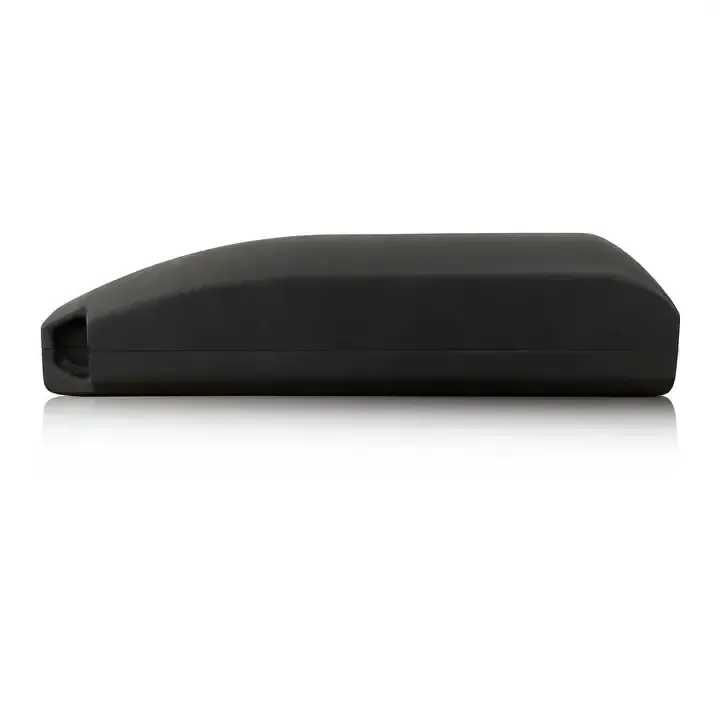
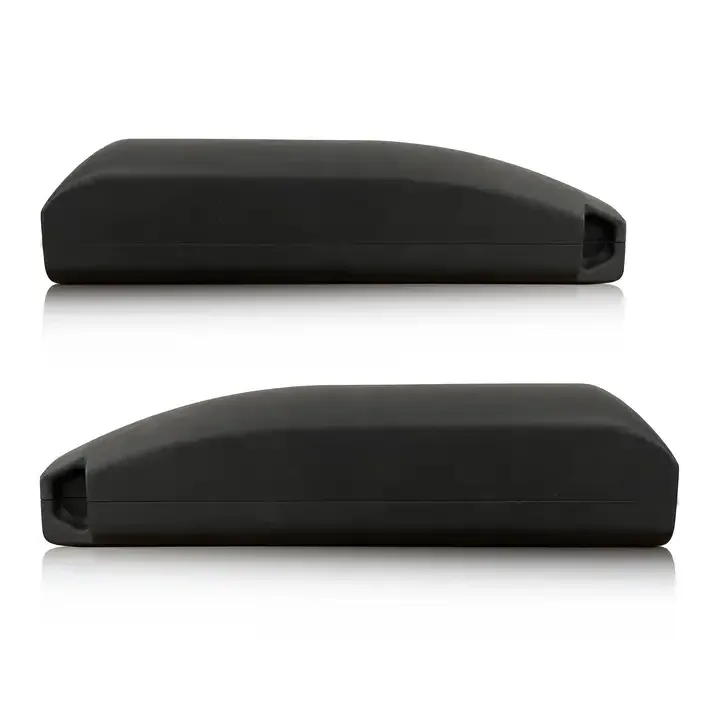
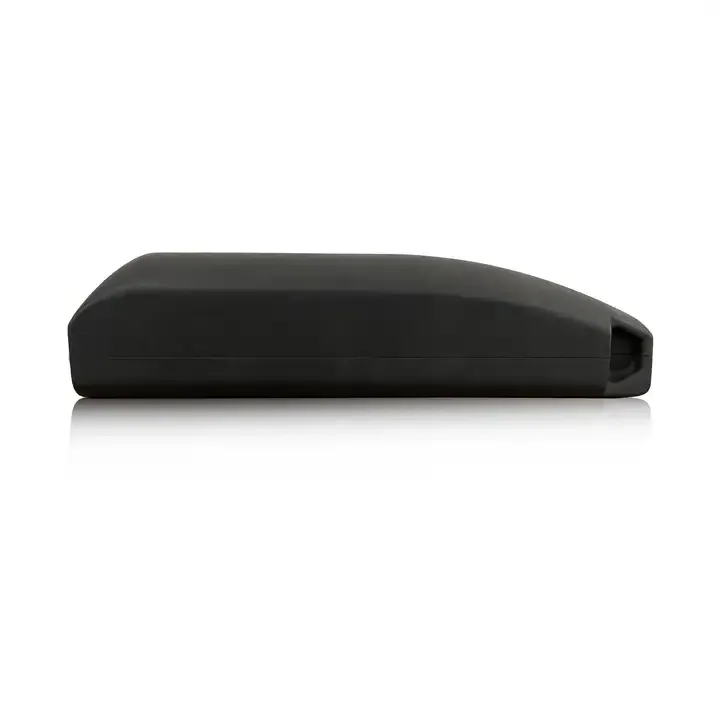
For two decades, the quest for the perfect balance of range, power, and longevity in electric bike technology has centered on one critical component: the battery. It's not just a power source; it's the very heart of your cycling experience. At Raydafon Group, we engineer batteries that transform your e-bike from a simple mode of transport into a reliable partner for adventure, commute, and exploration. Understanding the core specifications and technology behind your e-bike battery is the first step to unlocking its full potential and ensuring years of dependable service.
Selecting the right battery involves more than just matching a voltage. It's about understanding how key parameters interact to define your ride's character. Below are the primary specifications that dictate performance.
To help you make an informed decision, here is a detailed comparison of our flagship electric bike battery series. All models feature smart BMS, durable housing, and compatibility with major e-bike systems.
| Model Series | Voltage & Typical Capacity | Estimated Range* | Cell Chemistry | Charge Cycles | Best For |
|---|---|---|---|---|---|
| Raydafon Urban | 36V / 48V, 10Ah - 14Ah | 25 - 45 miles | Premium NMC | 800+ | City commuting, casual rides, flat to moderate terrain. |
| Raydafon Trekker | 48V, 17.5Ah - 21Ah | 50 - 75 miles | High-Density NMC | 1000+ | Long-distance touring, hilly commutes, heavy cargo hauling. |
| Raydafon Enduro | 52V, 14Ah - 20Ah | 40 - 70 miles | High-Output NMC | 900+ | High-performance e-MTBs, demanding off-road trails, maximum torque. |
| Raydafon LongLife | 48V, 15Ah - 20Ah | 45 - 65 miles | LiFePO4 | 1500+ | Riders prioritizing battery lifespan, frequent users, commercial applications. |
*Range estimates vary based on rider weight, terrain, assist level, tire pressure, and weather conditions.
Q: How can I maximize the lifespan of my electric bike battery?
A: Proper care is crucial. Avoid regularly draining the battery to 0%; try to recharge when it reaches 20-30%. Similarly, avoid leaving it constantly at 100% charge for extended periods. Store the battery in a cool, dry place, ideally at around 50% charge if not used for weeks. Use only the manufacturer-approved charger provided by Raydafon Group. Extreme cold and heat are detrimental, so avoid leaving your e-bike in direct sunlight or freezing temperatures for long durations.
Q: My battery range seems lower than advertised. Is this normal?
A: Yes, it's common to experience variance. Advertised range is typically a best-case scenario under laboratory conditions. Real-world factors significantly impact range: higher levels of pedal assist or throttle-only use, riding against strong headwinds, frequent hill climbing, carrying heavy loads, low tire pressure, and cold weather (below 50°F/10°C) all reduce range. Tracking your range under your typical conditions will give you a more accurate personal benchmark.
Q: Can I use a higher voltage battery on my e-bike (e.g., a 52V on a 48V system)?
A: This is not recommended unless explicitly stated by your e-bike or motor system manufacturer. Using a mismatched voltage can damage the motor controller, display, and other electronic components, potentially voiding warranties and creating a safety hazard. Always replace your battery with the same nominal voltage or a model specifically designed as an upgrade for your system.
Q: How long does it take to fully charge an electric bike battery?
A: Charge time depends on the battery's capacity (Ah) and the charger's output (Amps). A standard 2-amp charger will take roughly 5-6 hours to charge a depleted 48V 10Ah battery. Faster 4-amp or 5-amp chargers can cut this time in half but may generate more heat. Raydafon Group provides optimized chargers for each battery model to ensure safe, efficient charging. Never leave a charging battery unattended for long periods.
Q: Is it safe to travel on an airplane with my e-bike battery?
A: Airline regulations are strict regarding lithium-ion batteries. Most commercial airlines prohibit checked luggage containing e-bike batteries due to fire risk. Carry-on allowance is usually limited to batteries with a Watt-hour (Wh) rating under 100Wh, and sometimes up to 160Wh with airline approval. Most e-bike batteries exceed 400Wh. Therefore, you cannot typically bring a standard e-bike battery on a passenger plane. Always check with your specific airline's latest dangerous goods policy before traveling.
Q: What does the warranty cover for a Raydafon Group battery?
A: Raydafon Group offers a comprehensive warranty that covers defects in materials and workmanship for a specified period (e.g., 2 years). It typically guarantees the battery will retain a minimum percentage of its original capacity (e.g., 70%) during the warranty period under normal use. Damage from accidents, improper charging, use of non-approved chargers, water immersion beyond its rated IP standard, or tampering voids the warranty. Always register your product and keep your proof of purchase.
Q: How should I dispose of or recycle my old electric bike battery?
A: It is vital to never dispose of lithium-ion batteries in household trash. They are considered hazardous waste and require special recycling. Many local waste management facilities, electronics retailers, or battery shops offer free battery recycling drop-off. Raydafon Group also participates in take-back programs in several regions. Proper recycling recovers valuable materials and prevents environmental contamination.
Your ideal battery is a function of your riding style and needs. Consider these questions:
The integration of a robust Battery Management System (BMS) is non-negotiable for safety and durability. Raydafon Group's proprietary smart BMS provides real-time monitoring, precise cell balancing, and multi-layered protection, ensuring every charge cycle supports the long-term health of the battery pack. This attention to detail in the unseen electronics is what separates a quality battery from a generic one.
Modern e-bike batteries offer diagnostic capabilities. Pay attention to your battery's behavior. A sudden, significant drop in range, the battery not holding a charge, or one segment of the charge indicator flashing differently can be early signs of cell imbalance or other issues. Regularly clean the battery contacts on both the battery and the bike with a dry cloth to ensure a good connection. Inspect the casing for any physical damage. If you suspect an issue, contact Raydafon Group support or a qualified technician—never attempt to open or repair a lithium-ion battery pack yourself due to the risk of fire or chemical exposure.



 Raydafon