
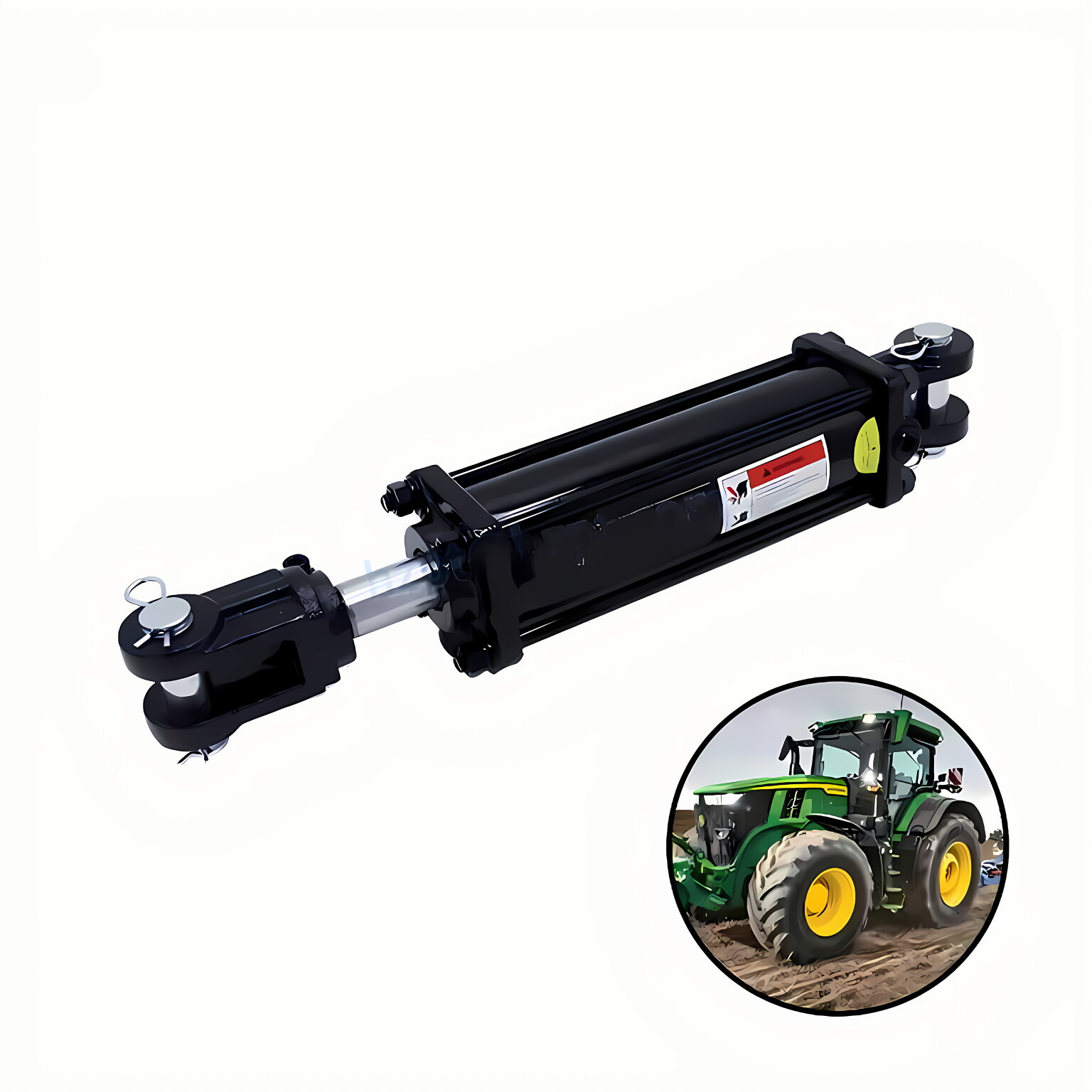
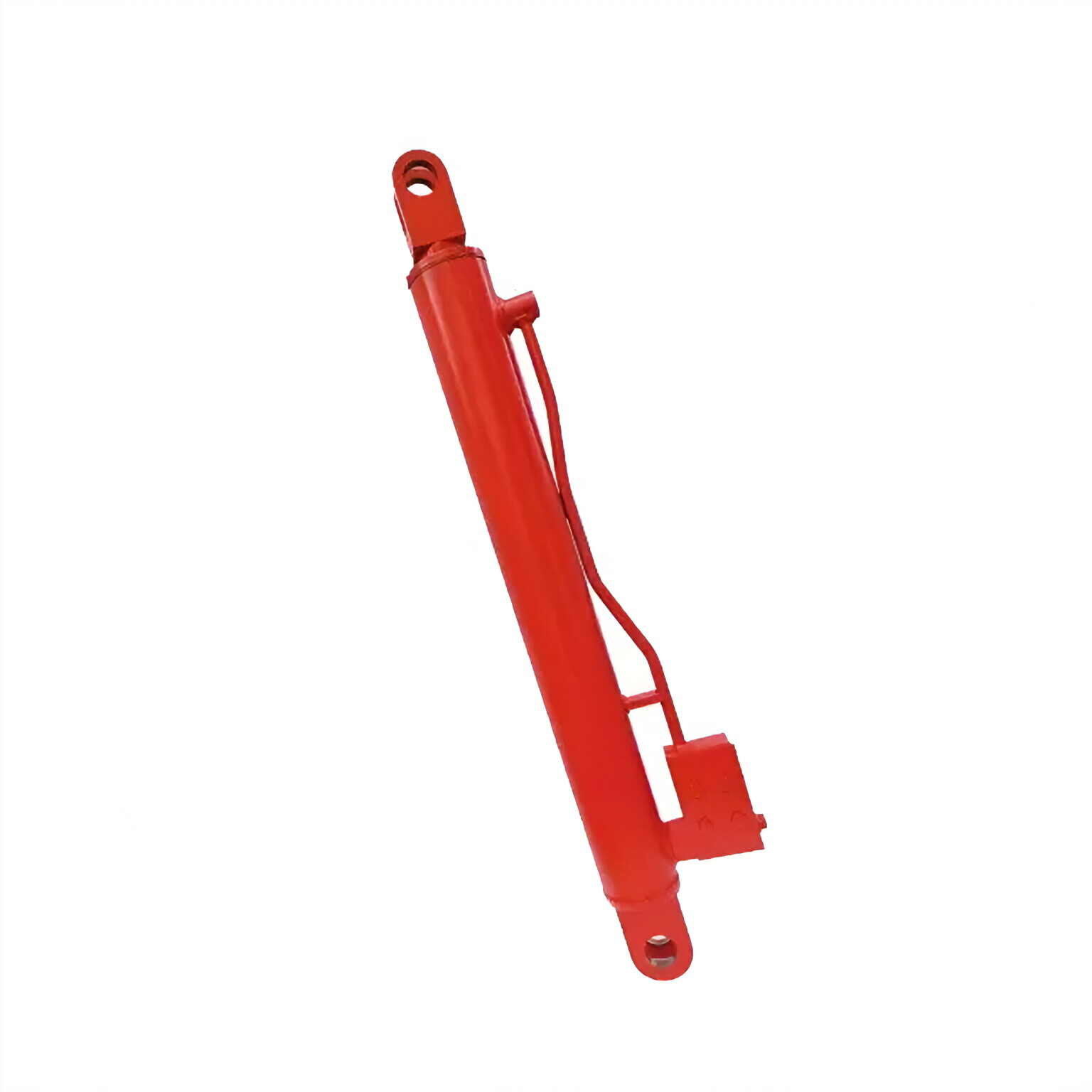
Can Bucket Cylinders be rebuilt or reconditioned? This is one of the most common and pressing questions for equipment managers and procurement professionals facing downtime and rising operational costs. When a critical hydraulic cylinder on an excavator or loader fails, the immediate pressure to get the machine back to work is immense. The decision between a costly brand-new replacement and a potential rebuild can significantly impact your budget and project timelines. This article cuts through the confusion, providing a clear, actionable guide on cylinder reconditioning. We'll explore the real-world scenarios where rebuilding is the smart choice, outline the precise process, and introduce how partnering with a specialist like Raydafon Technology Group Co.,Limited can provide a reliable, high-performance solution. Discover the path to maximizing your equipment's lifespan and minimizing unexpected expenses.
Article Outline:
Imagine it's Monday morning, and your key excavator is down due to a leaking bucket cylinder. The project manager needs an answer in an hour: do you order a new OEM cylinder with a 6-week lead time and a hefty price tag, or can the existing one be salvaged? This is the classic procurement dilemma. Rebuilding, or reconditioning, involves disassembling the cylinder, replacing worn seals, rods, and other components, and reassembling it to meet or exceed original specifications. It's not a universal fix, but for cylinders with a sound barrel and end caps, it's often a superior financial and operational decision. The core advantage is cost, typically 40% to 60% less than a new unit, with a much faster turnaround—often just days or a week. However, success hinges on the extent of damage and the expertise of the rebuilder. A poorly executed rebuild leads to rapid re-failure, costing more in the long run. This is where technical partnership matters.
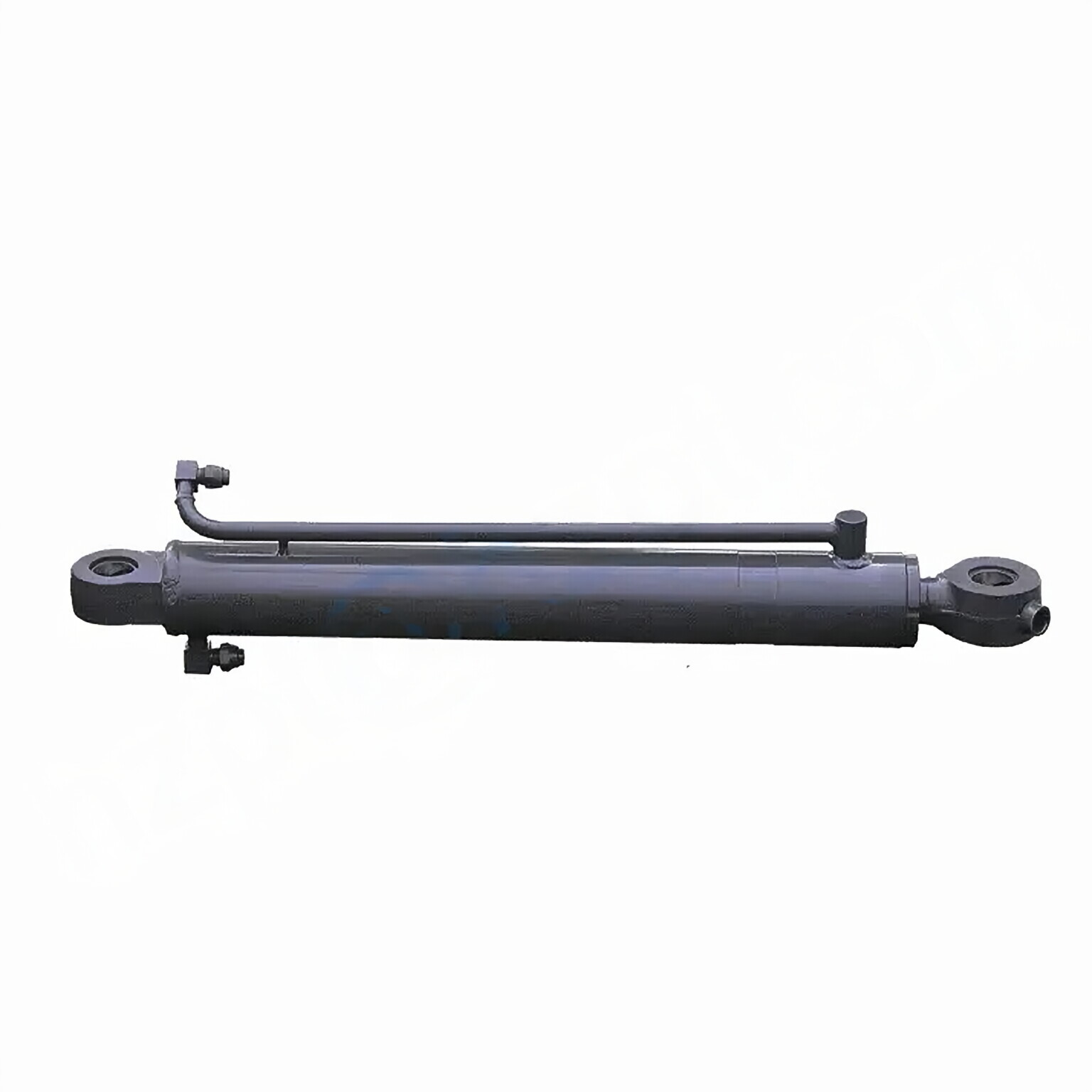
For a reliable and durable rebuild, the process must be meticulous. Raydafon Technology Group Co.,Limited specializes in this precise engineering, ensuring every reconditioned cylinder delivers like-new performance. Our advanced facility assesses each component's integrity, going beyond simple seal swaps to address wear on rods and barrels through precision machining and hard-chrome plating.
| Scenario | Recommended Action | Key Benefit with Raydafon |
|---|---|---|
| Minor seal leaks, scored rod | Rebuild | Fast 5-7 day turnaround, 12-month warranty |
| Bent rod, damaged barrel threads | Assess & Potential Rebuild | Full component repair/machining capability |
| Cracked barrel or catastrophic failure | Replace | Supply of high-quality new cylinders available |
To trust a rebuilt cylinder, you need to understand what "reconditioned" truly means. It's far more than a quick seal kit installation. A professional rebuild by a company like Raydafon is a comprehensive overhaul. The cylinder is thoroughly cleaned and inspected for cracks, warping, and wear dimensions. The rod is inspected for straightness; if scored, it is precision-ground and re-plated with hard chrome to restore its surface and corrosion resistance. The barrel's inner bore is measured and honed if necessary. All seals, gaskets, and wear bands are replaced with high-quality, OEM-equivalent or superior parts. Finally, the cylinder is reassembled with clean hydraulic fluid, tested under pressure for leaks and function, and painted. This rigorous process transforms a failed component into a reliable asset. Can bucket cylinders be rebuilt or reconditioned? Absolutely, but only with this level of detail.
| Process Step | Raydafon Quality Control Check | Outcome |
|---|---|---|
| Disassembly & Inspection | Dye-penetrant test for cracks, precise dimensional analysis | Identification of all salvageable components |
| Component Repair | Rod grinding & re-chroming to exact tolerances | Restored rod surface hardness and seal life |
| Reassembly & Testing | Pressure testing to 1.5x operating pressure, cycle testing | Guaranteed performance and leak-free operation |
Procurement decisions must balance cost, time, and long-term value. Rebuilding is not always the answer. The optimal scenario for reconditioning is when the cylinder's main structural components—the barrel (tube) and the head and cap—are intact. Common failure points like seal leakage, a lightly scored or corroded piston rod, or worn gland bearings are perfect candidates for repair. Rebuilding is also strategic for older equipment where OEM parts are discontinued or prohibitively expensive. It allows you to maintain machinery consistency across your fleet. However, if the barrel is cracked, the rod is severely bent, or the mounting threads are stripped, a new cylinder is usually the safer investment. The expertise of your supplier is critical in this assessment.
| Condition Indicator | Verdict: Rebuild? | Raydafon's Value-Add |
|---|---|---|
| External hydraulic fluid leak | Yes, prime candidate | Diagnosis of root cause (seal, rod, gland) |
| Cylinder drifts or won't hold pressure | Yes, internal seal failure | Complete seal kit replacement & piston repair |
| Visible crack in barrel or weld | No, recommend replacement | Seamless supply of a new, compatible cylinder |
Q: Can bucket cylinders be rebuilt or reconditioned multiple times?
A: Yes, a well-maintained cylinder can often be rebuilt several times over its lifetime. The limiting factor is typically the integrity of the barrel and the piston rod. Each time, the rod may need to be ground down and re-chromed, slightly reducing its diameter. A professional shop like Raydafon will monitor these dimensions and advise when a component is no longer within safe tolerances for reuse.
Q: How does the quality of a rebuilt cylinder compare to a new one?
A: A properly reconditioned cylinder from a reputable specialist should perform equally to a new unit in terms of pressure rating, load capacity, and seal life. In some cases, it can be better—for example, if the rebuilder uses upgraded seal materials or improves the rod's chrome finish. The key is the rebuilder's expertise, quality of replacement parts, and testing standards. Raydafon's rebuilds come with a robust warranty, demonstrating confidence in their workmanship.
Navigating cylinder failure doesn't have to mean project delays and budget overruns. By understanding the reconditioning process and partnering with a trusted expert, you can turn a breakdown into an opportunity for cost savings and improved reliability. Have you evaluated the condition of your fleet's hydraulic cylinders lately?
For professional assessment and high-quality cylinder rebuilding or replacement, contact Raydafon Technology Group Co.,Limited. As a leading provider of hydraulic solutions, we specialize in extending the life of your critical equipment through precision reconditioning and supply of durable components. Visit our website at https://www.raydafongroup.com to learn more or email our team directly at [email protected] for a prompt consultation.
Smith, J., & Walters, R. (2023). Lifecycle Analysis and Remanufacturing Potential of Hydraulic Cylinders in Heavy Machinery. Journal of Mechanical Engineering and Sustainability, 15(4).
Chen, L., et al. (2022). Wear Mechanisms and Reconditioning Techniques for Hard-Chrome Plated Piston Rods. Surface & Coatings Technology, 448.
Kumar, P., et al. (2021). Economic and Environmental Impact Assessment of Hydraulic Cylinder Remanufacturing. Resources, Conservation and Recycling, 174.
Johnson, M. T. (2020). Failure Mode Analysis of Excavator Bucket Cylinders: A Field Study. Engineering Failure Analysis, 118.
Rodriguez, A., & Schmidt, B. (2019). Quality Control Protocols in the Reconditioning of Fluid Power Components. International Journal of Advanced Manufacturing Technology, 105(9).
Fischer, G. (2018). Advancements in Seal Material Technology for High-Pressure Hydraulic Applications. Tribology International, 127.
Li, H., et al. (2017). Non-Destructive Testing Methods for Assessing the Structural Integrity of Hydraulic Cylinder Barrels. NDT & E International, 92.
O'Brien, D., et al. (2016). A Comparative Study of OEM vs. Reconditioned Hydraulic Cylinder Performance in Mining Applications. Mining Technology, 125(3).
Peterson, S. (2015). Procurement Strategies for Managing Heavy Equipment Maintenance Costs. Journal of Purchasing and Supply Management, 21(2).
Williams, K., et al. (2014). The Role of Precision Machining in the Remanufacturing of Worn Cylinder Rods. Journal of Materials Processing Tech., 214(11).

 Raydafon