
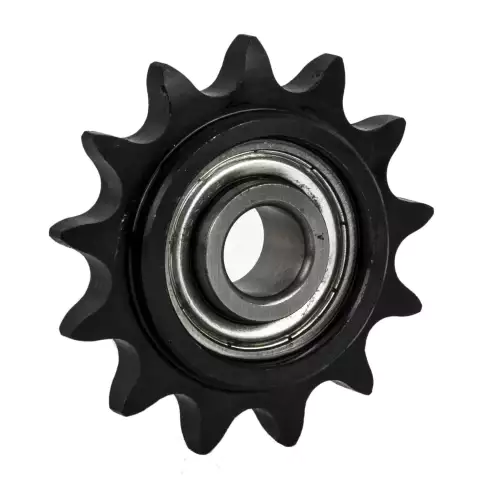
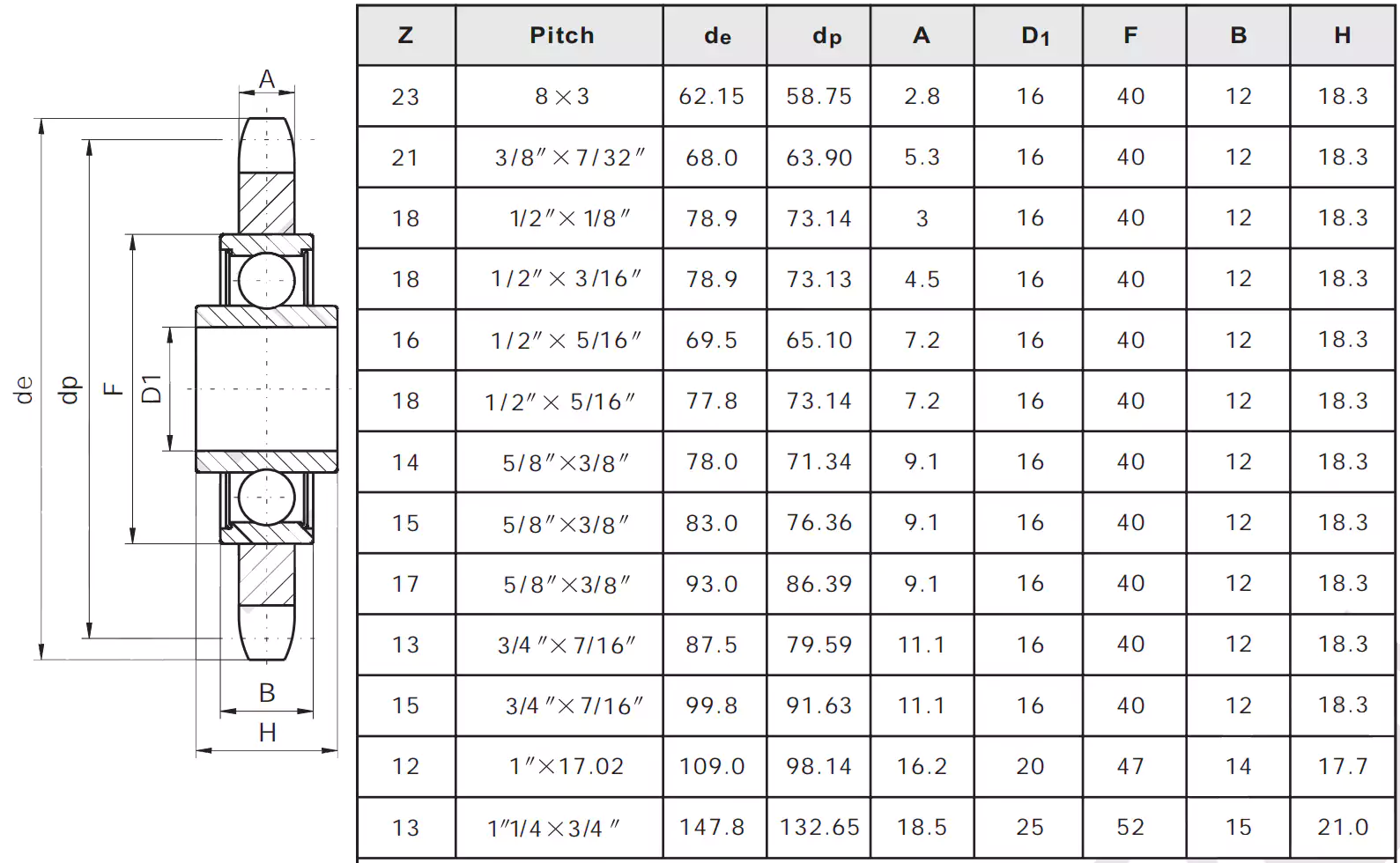
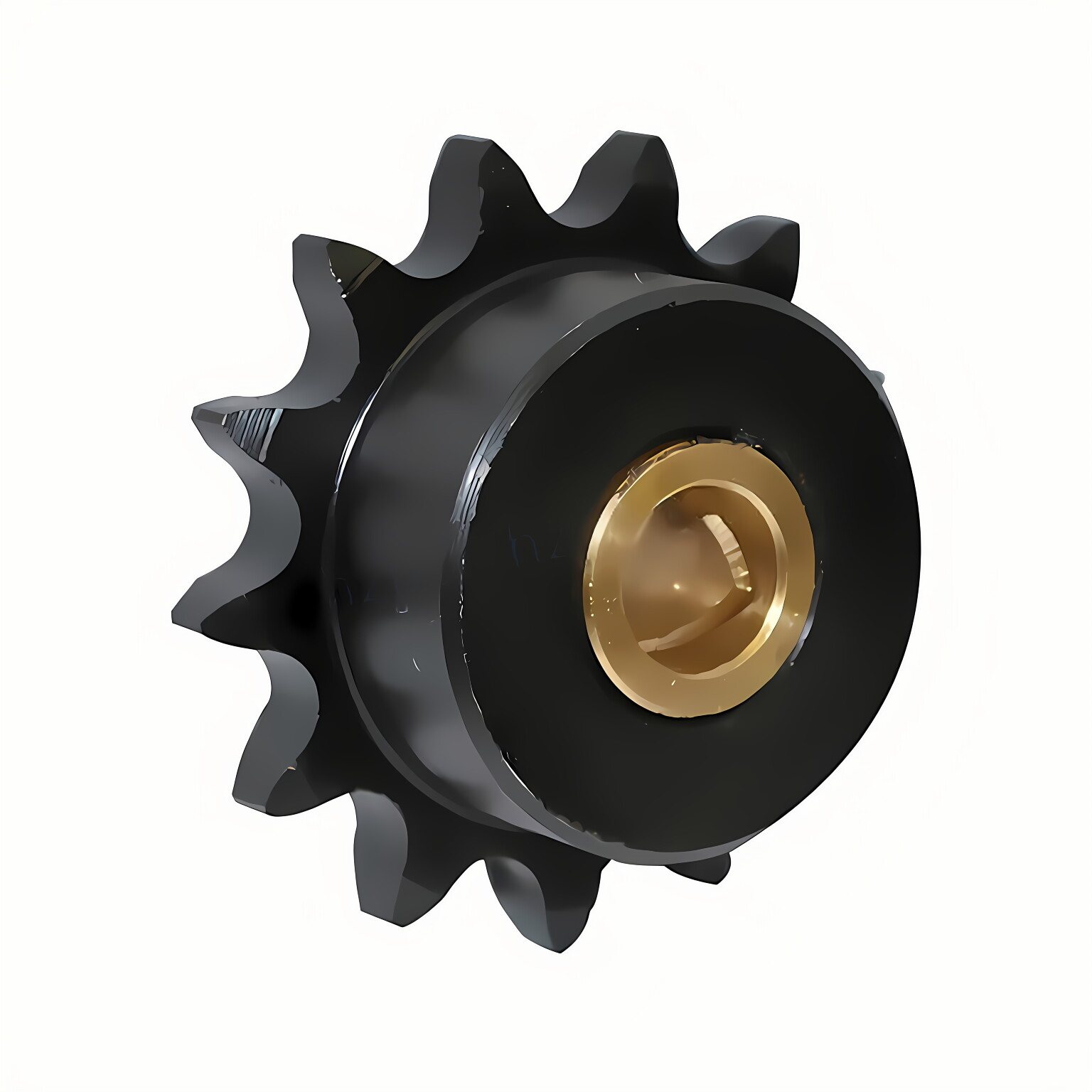
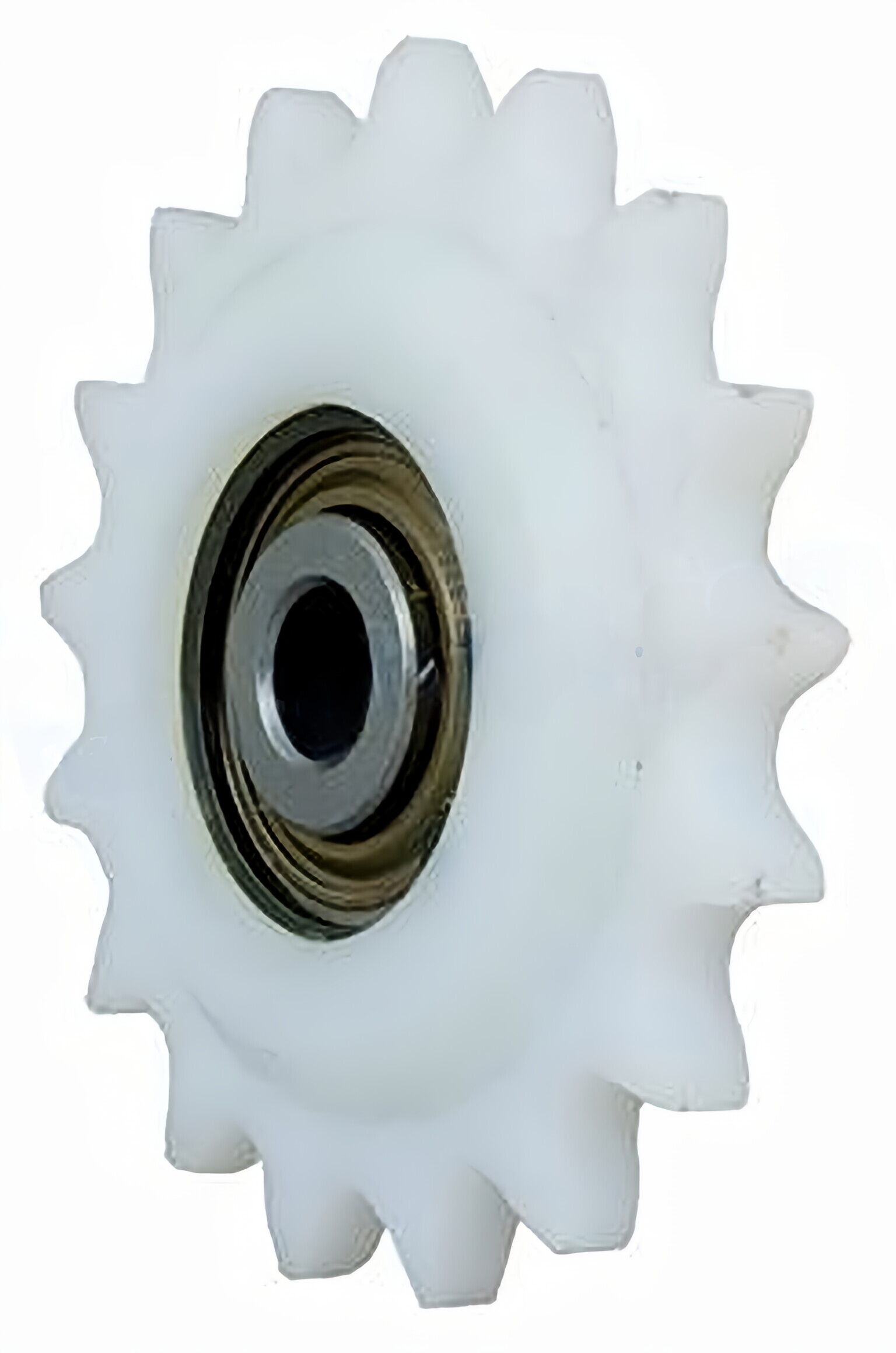
The Idler Sprocket 15T 3/4"??7/16" is a component commonly used in power transmission systems. The idler sprocket, also known as a tensioner sprocket, is responsible for maintaining correct chain tension and preventing chain slack. It is commonly used alongside a drive sprocket and chain to transfer rotational force from one shaft to another.
An idler sprocket is a type of sprocket that rotates freely without transmitting power. It is mounted on a shaft with bearings and is usually spring-loaded to maintain tension in the chain. It is typically composed of a sprocket wheel, shaft, bearings, and housing.
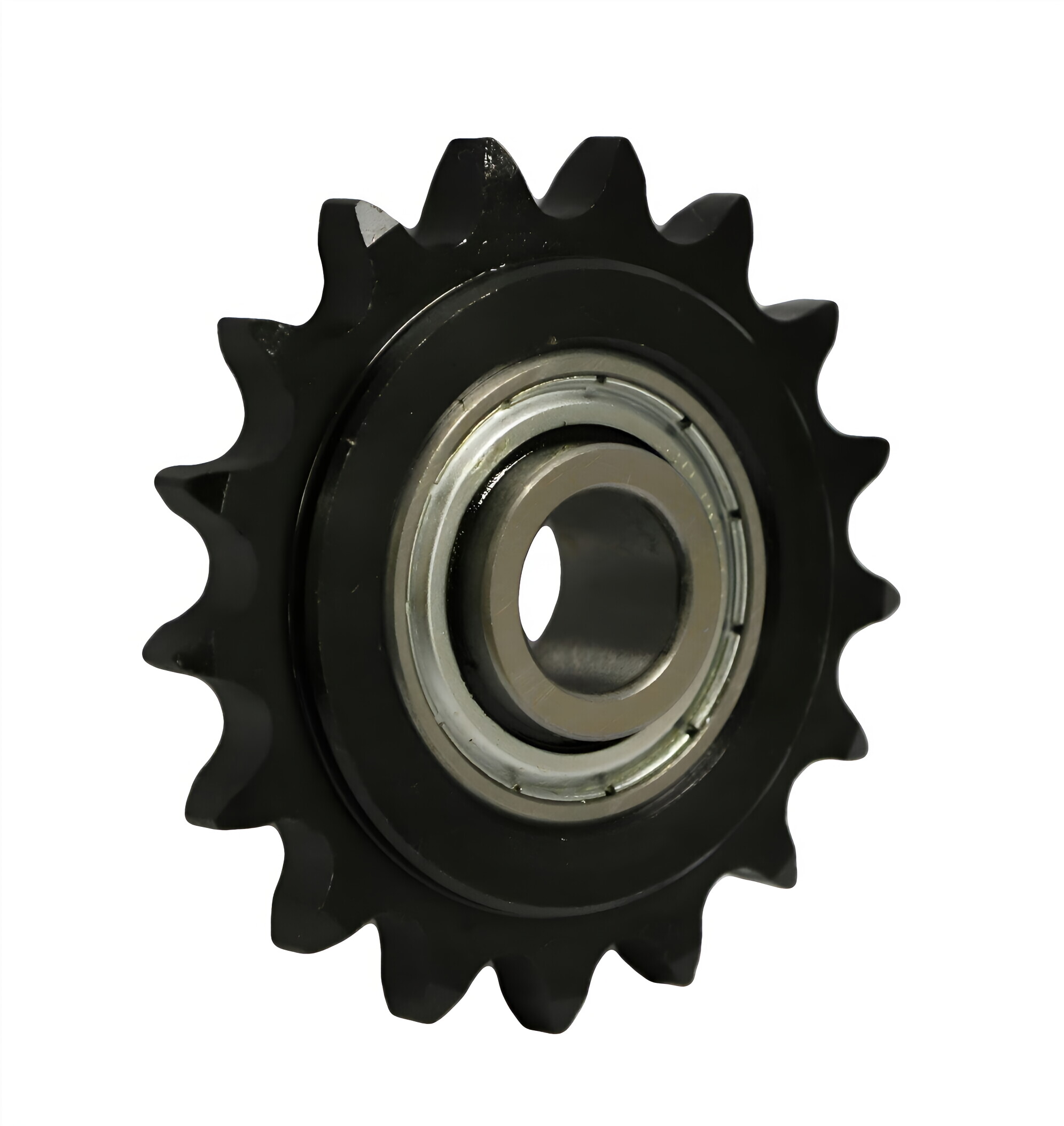
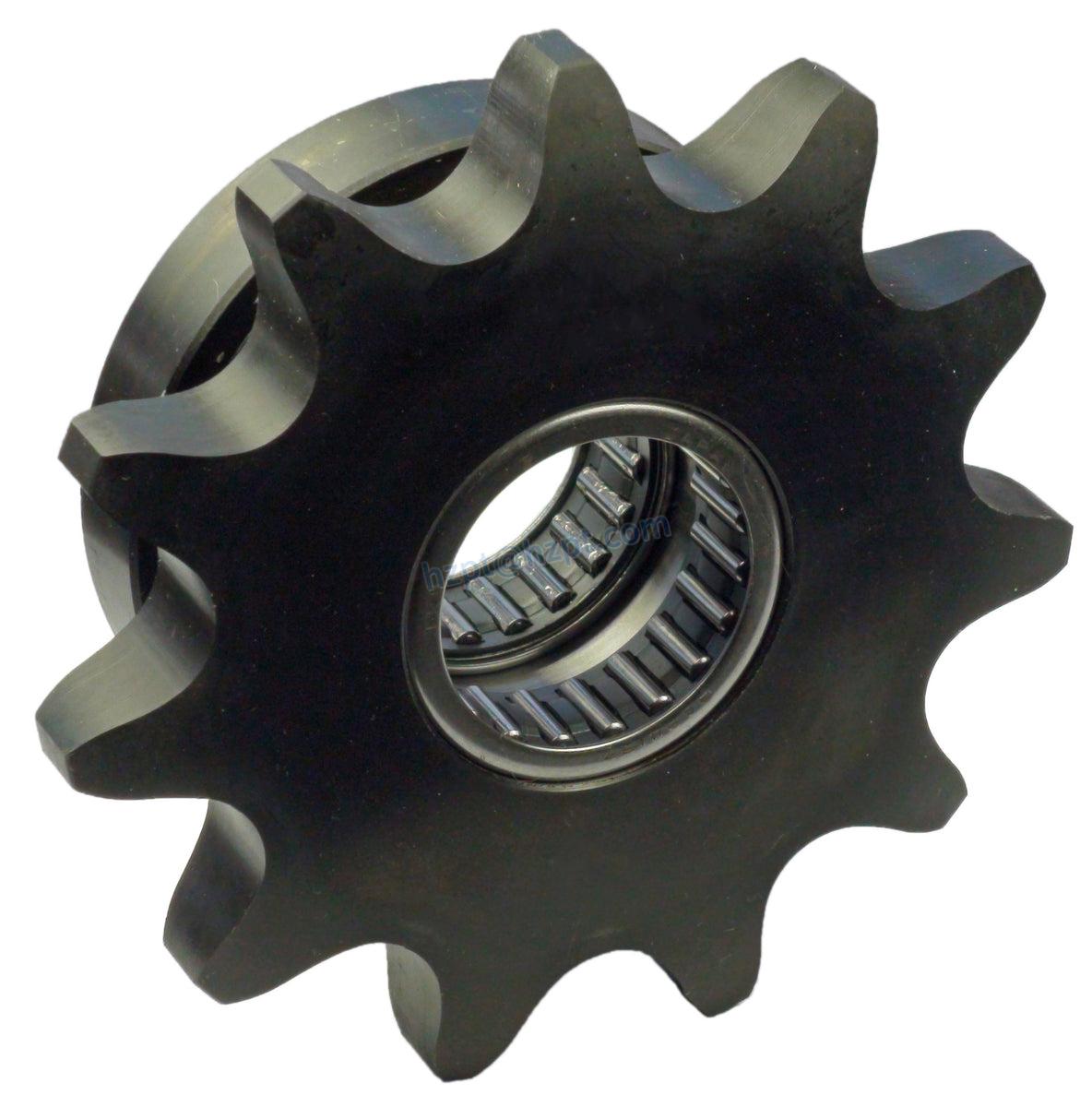
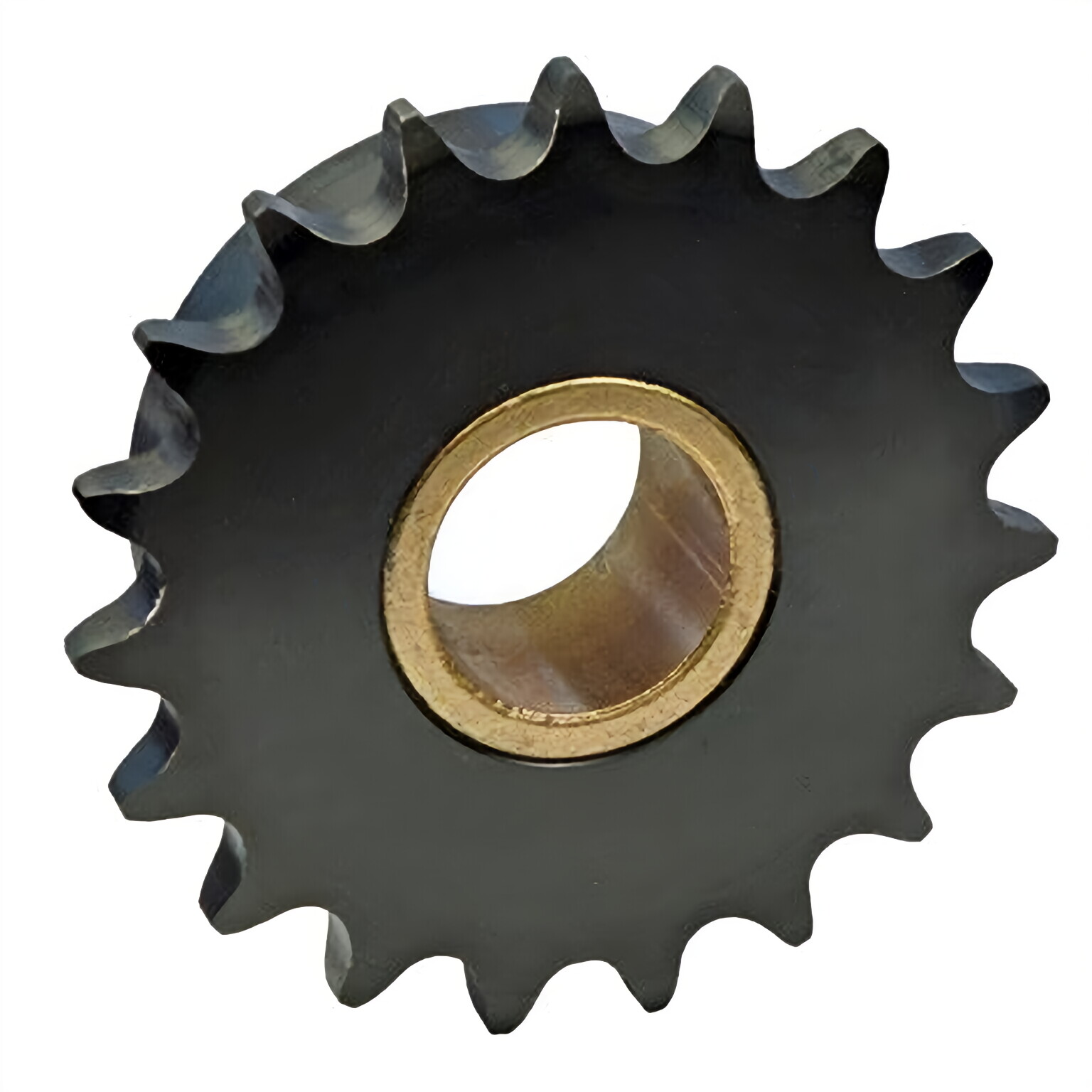
There are several types of idler sprockets, including ball bearing type, bushing type, and needle bearing type. Ball bearing type sprockets are the most common and consist of a sprocket wheel with an integrated bearing. Bushing type sprockets have a separate bushing that slides onto the shaft, while needle bearing type sprockets use needle-shaped rollers to reduce friction.
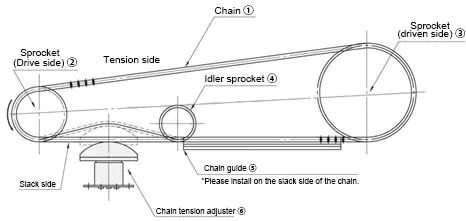
Idler sprockets maintain chain tension by applying force to the slack side of the chain. They rotate freely and do not transmit power, but their position is crucial to the proper operation of the system. The idler sprocket's position must be carefully adjusted to ensure the correct chain tension. Improper chain tension can lead to premature wear and damage to the chain and sprockets.
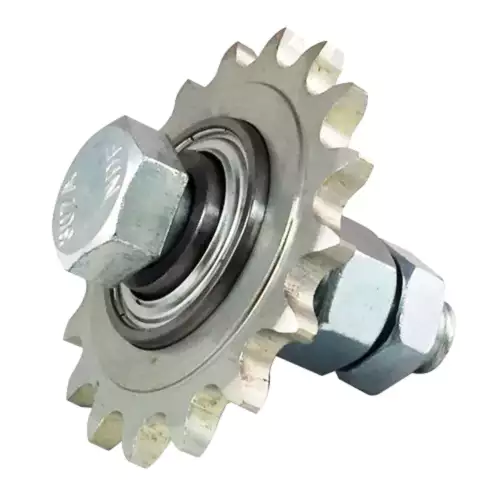
Before installing the idler sprocket, make sure that you have all necessary tools and equipment. You will need:
Installation steps:

Q: How often should I replace my idler sprocket?
A: Idler sprockets should be inspected regularly for wear and damage. If there are signs of wear or damage, the sprocket should be replaced.
Q: Can I use an idler sprocket with a different tooth count?
A: It is not recommended to use an idler sprocket with a different tooth count than the original. The system is designed to work with a specific tooth count, and changing it can affect performance and lead to premature wear.
Q: How do I know if my idler sprocket is worn?
A: Signs of wear in an idler sprocket include visible wear on the sprocket teeth, noise when the system is in operation, and excessive play in the idler sprocket assembly.
Q: Can I lubricate my idler sprocket?
A: It is not necessary to lubricate an idler sprocket, as it does not transmit power. However, if the idler sprocket has an integrated bearing, the bearing may require lubrication according to the manufacturer's recommendations.
Q: Can I reuse the mounting bolts from my old idler sprocket?
A: It is not recommended to reuse old mounting bolts, as they may have become worn or damaged over time. Always use new bolts when installing a new idler sprocket.
Author: Miya
Address
Luotuo Industrial Area, Zhenhai District, Ningbo City, China
Tel

 Raydafon