
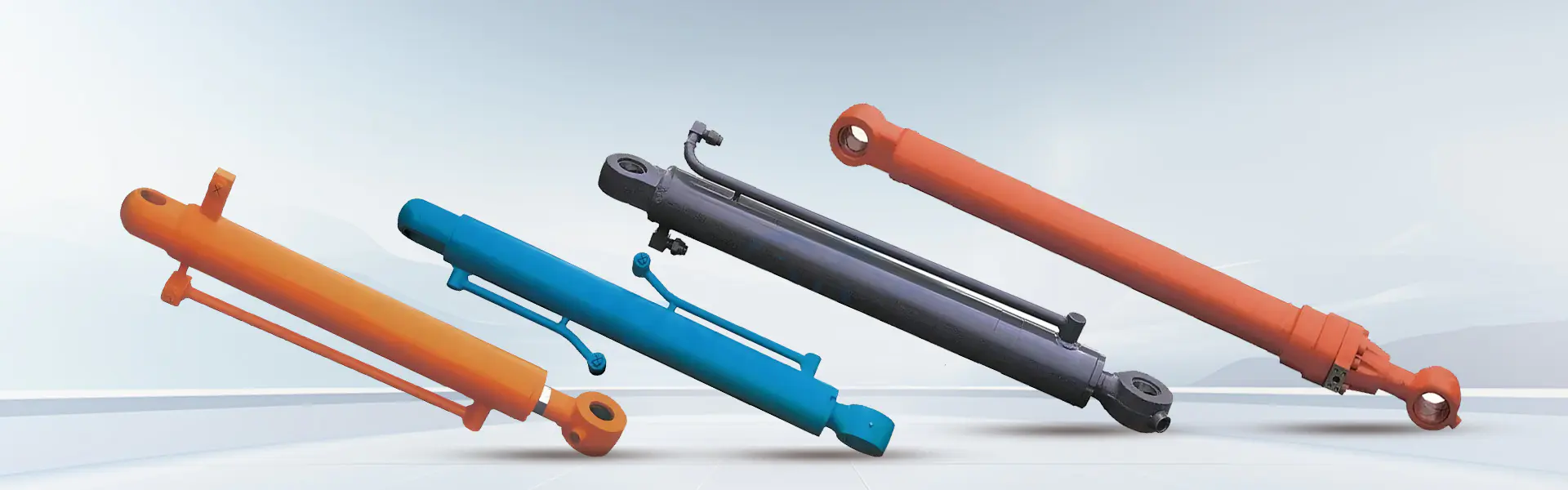
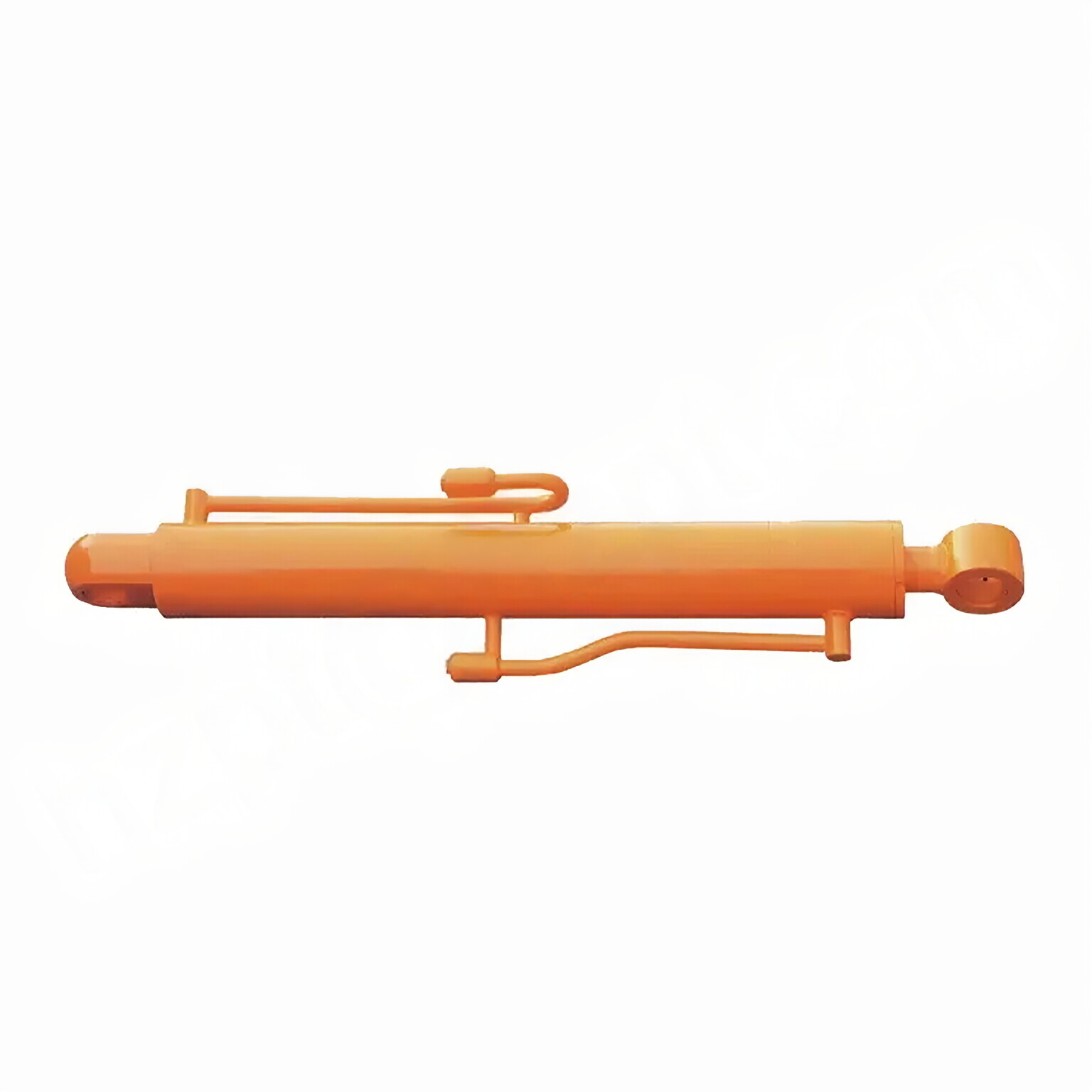
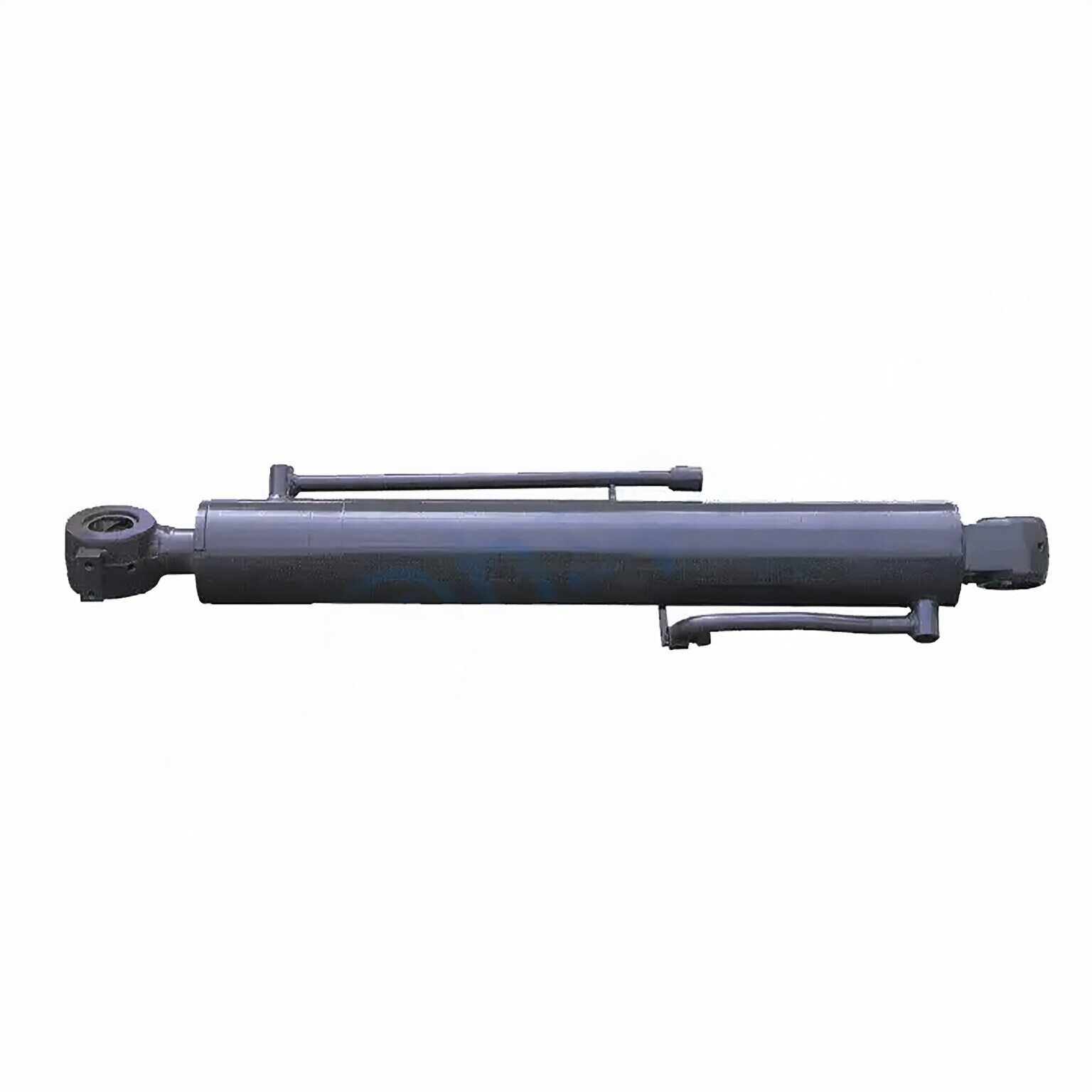
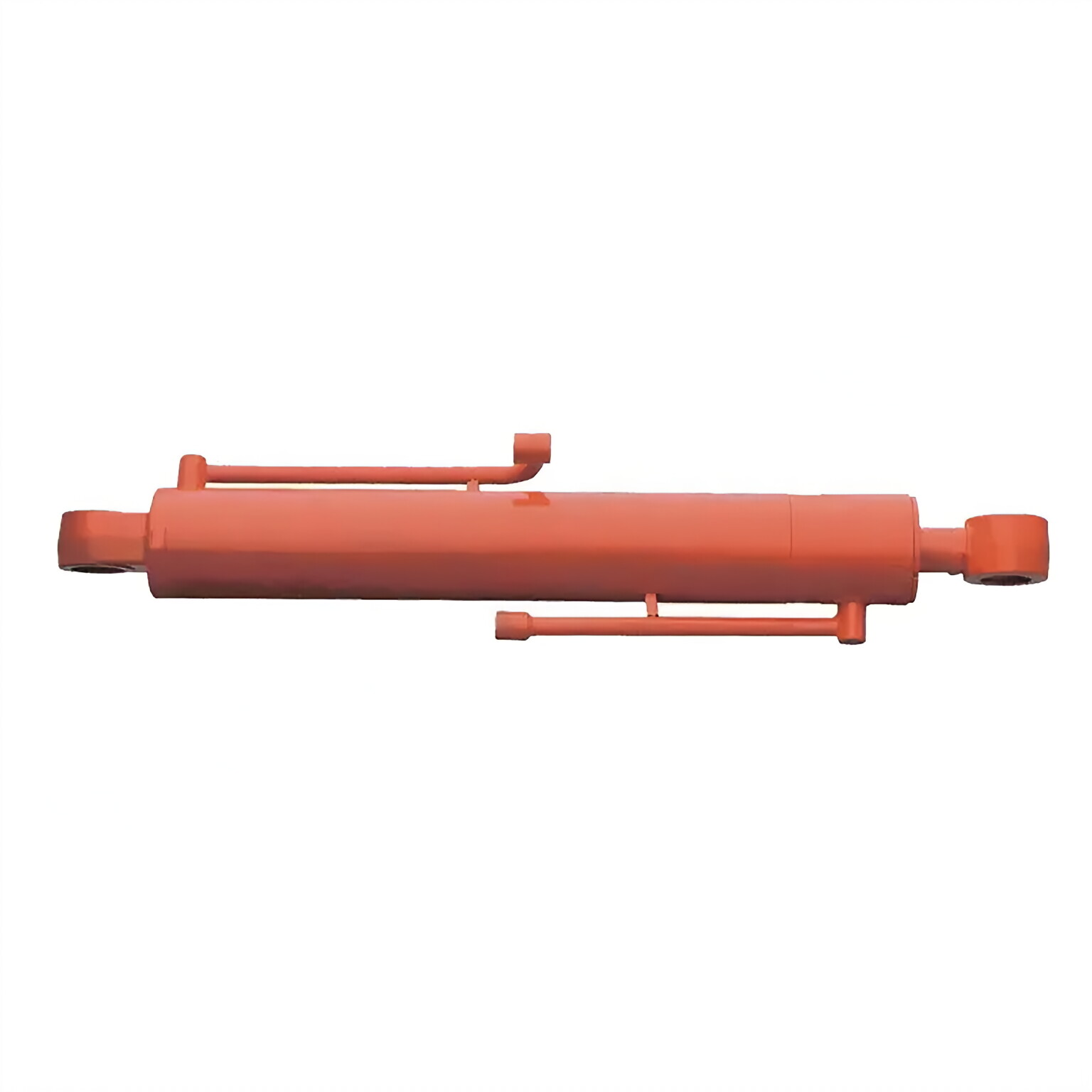
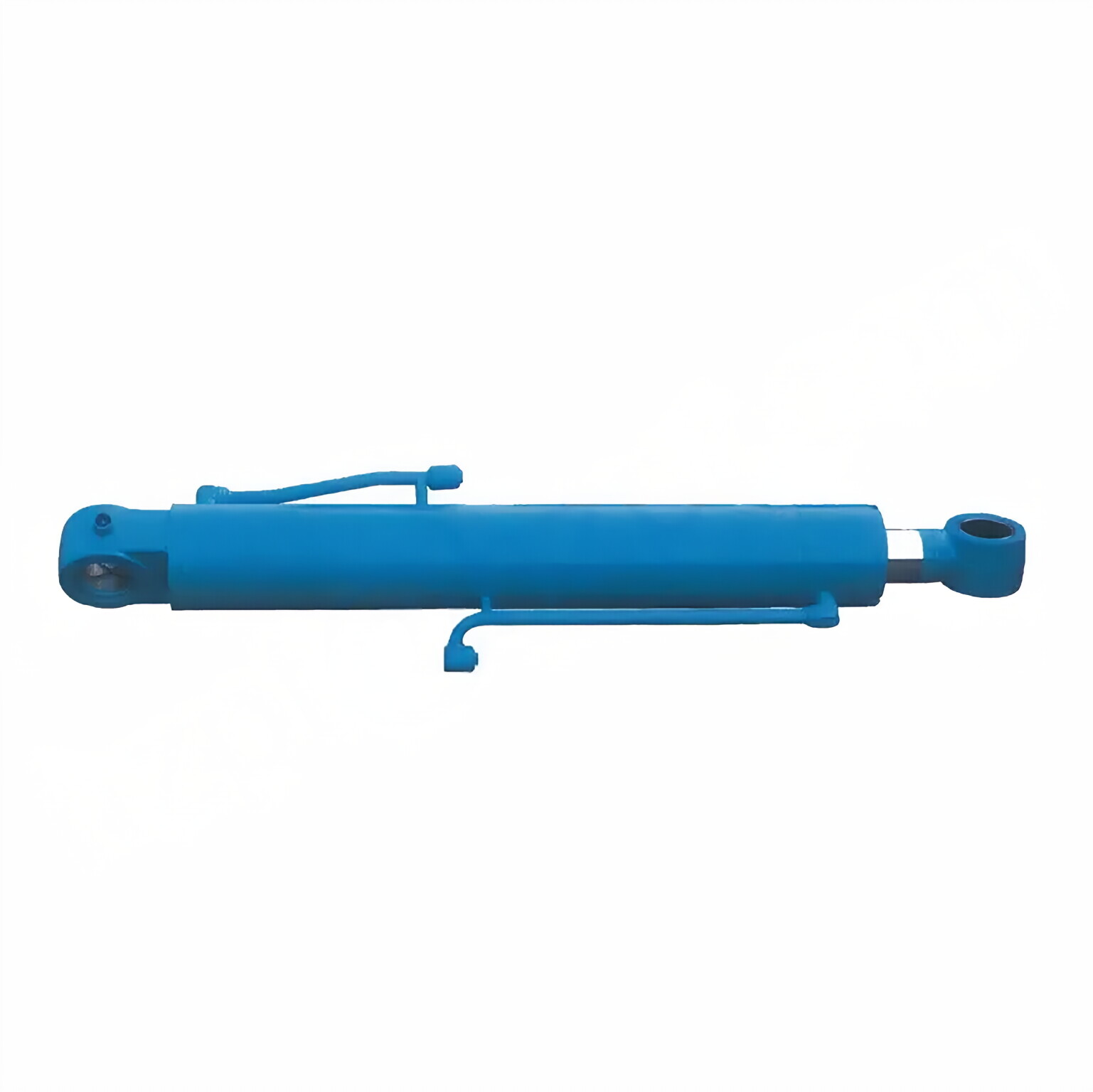
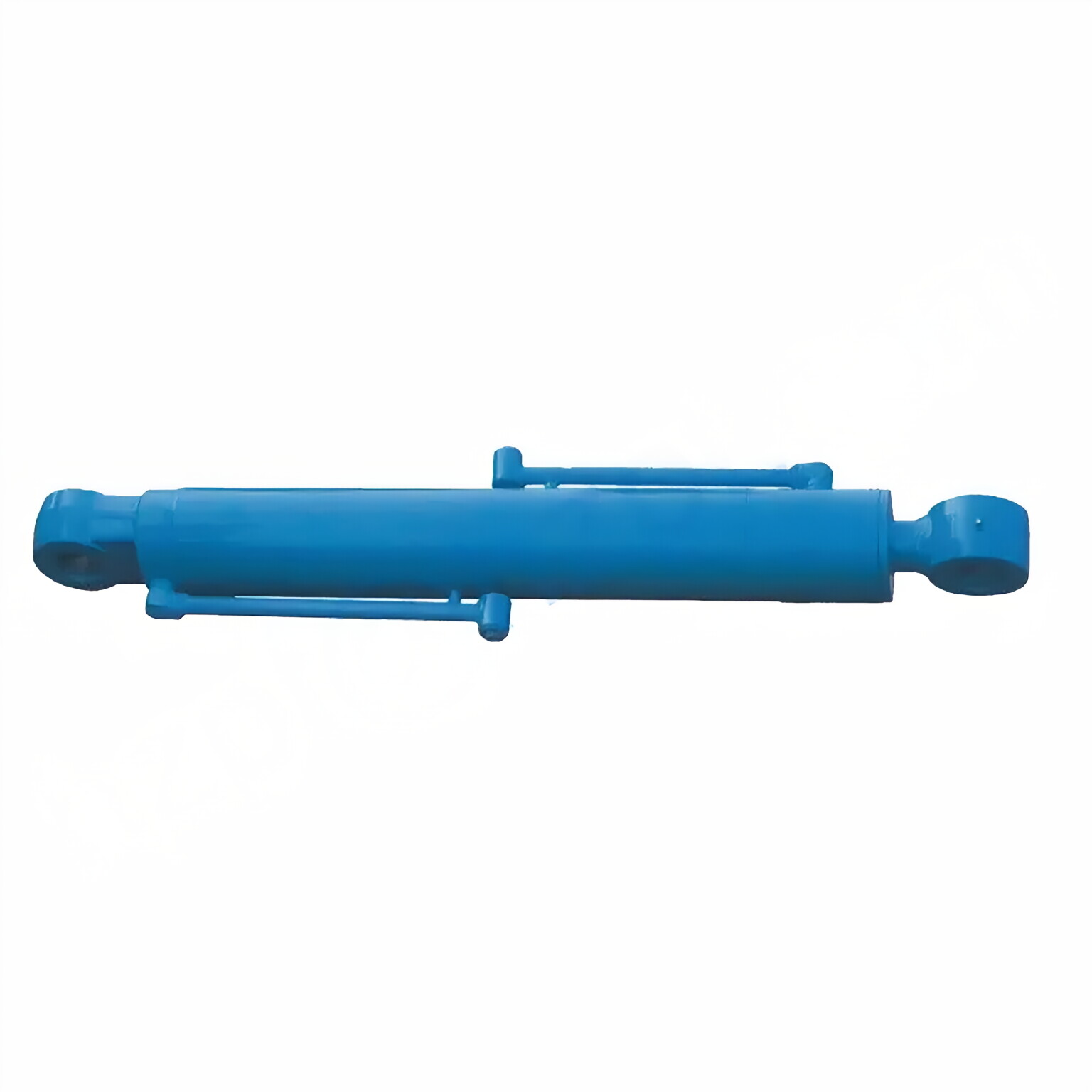
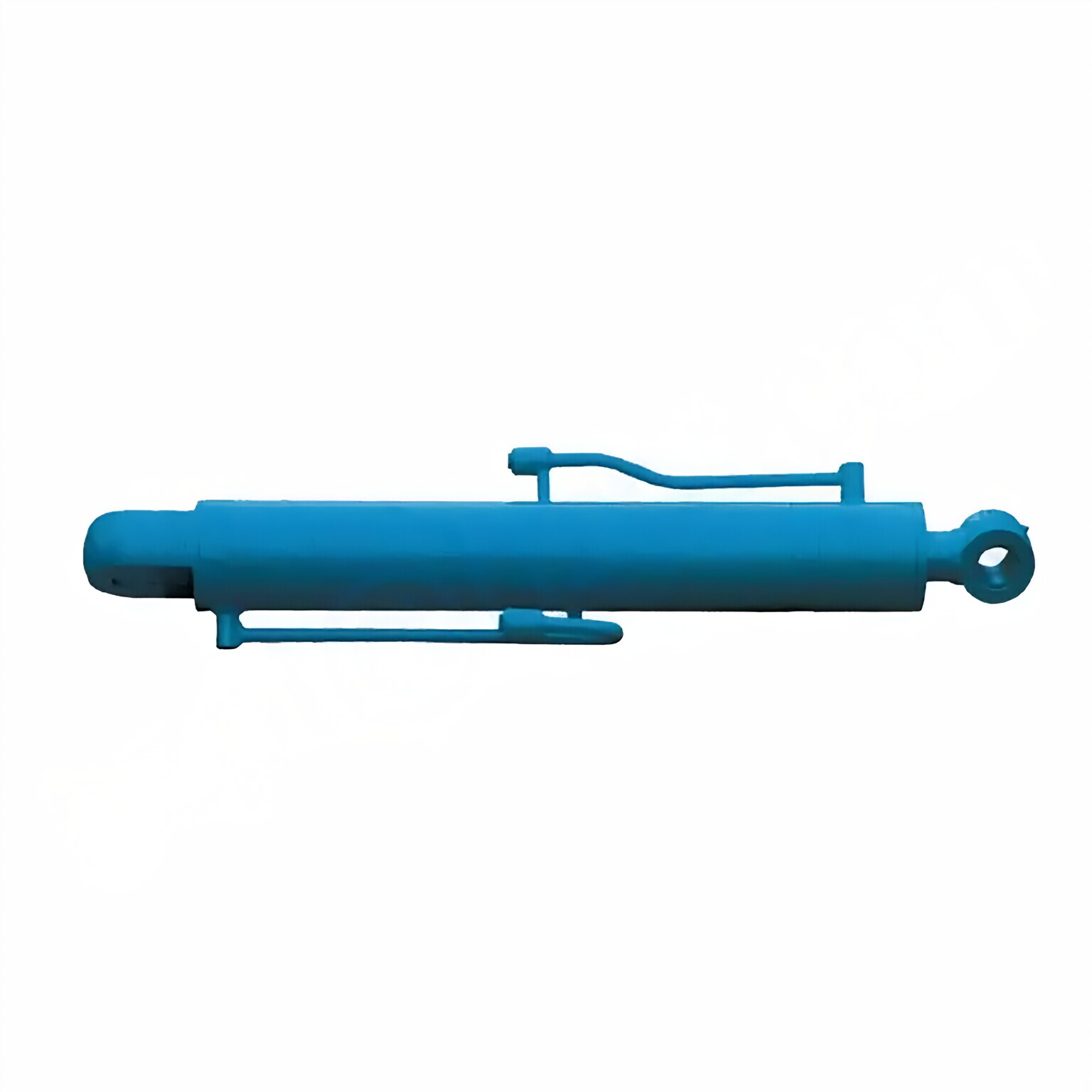
The Boom Cylinder for Kato Small Excavator HD512-3 is an essential component of the hydraulic system of the excavator. It provides the necessary force to extend and retract the boom of the excavator through the use of pressurized hydraulic fluid.
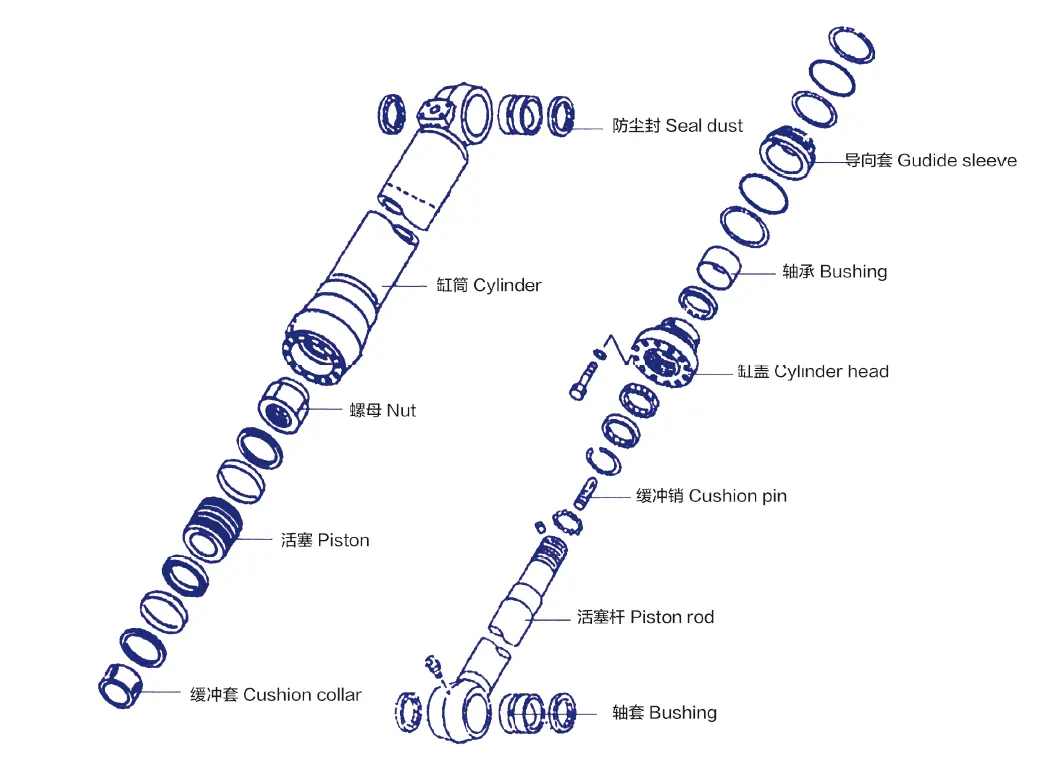
The Boom Cylinder is typically made of high-strength steel or aluminum, making it capable of withstanding harsh working environments and heavy loads. Its design also takes into account wear resistance and corrosion resistance, thereby extending its service life.
The Boom Cylinder uses hydraulic oil pressure to achieve smooth extension and retraction actions, providing powerful pushing and pulling forces that are suitable for handling heavy objects and complex tasks.
The Boom Cylinder is available in single-acting (hydraulic pressure is used in one direction only) or double-acting (hydraulic pressure is used in two directions) versions to meet different operational requirements. Some models are designed to be telescopic, allowing for greater extension without increasing external dimensions.
The Boom Cylinder provides precise control over the angle and height of the boom to adapt to different operational requirements. When combined with a hydraulic control system, it can achieve more complex movements and higher operational flexibility.
Our company can produce a Boom Cylinder that is a perfect replacement for these hydraulic cylinders.
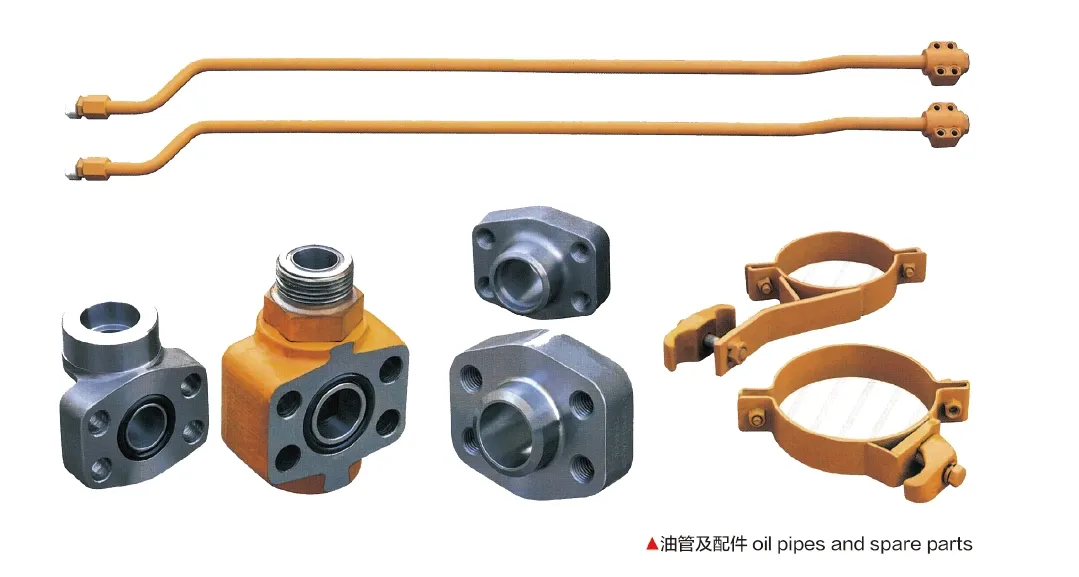
The Boom Cylinder is commonly used in construction, forestry, and material handling.
The Boom Cylinder is commonly found in cranes, excavators, and backhoes where it is used for lifting and positioning materials.
The Boom Cylinder is used in log loaders to expand the range of the boom and to pick up and move logs.
In forklifts, the Boom Cylinder is used for raising and lowering the forks or attachments, improving efficiency in warehouses and loading docks.
The Boom Cylinder should be designed to withstand the maximum load it will encounter during operation. This requires careful consideration of the cylinder's component materials and dimensions.
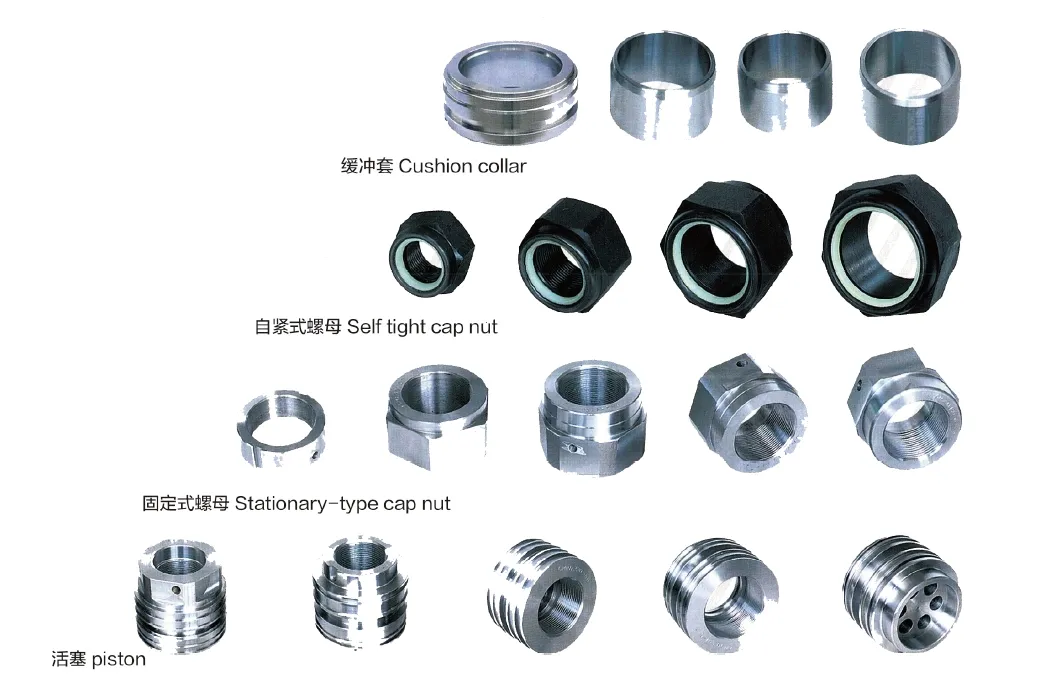
The Boom Cylinder should be designed with high-quality sealing components, such as piston seals and rod seals, which are made of wear-resistant materials like polyurethane or nitrile rubber. The cylinder body and threaded end surfaces should also be carefully treated to improve wear resistance.
The Boom Cylinder should be designed to withstand the harsh working environment and heavy loads encountered during operation. This requires the use of high-strength materials and careful surface treatment to improve wear resistance and corrosion resistance.
The Boom Cylinder should be designed to prevent accidents during operation. This requires the use of safety features like pressure relief valves and flow control valves, which can prevent the cylinder from overloading or moving too quickly.
The Boom Cylinder should be designed to allow for easy maintenance and repair. This requires careful consideration of the cylinder's component materials and dimensions, as well as the use of standardized parts and components.
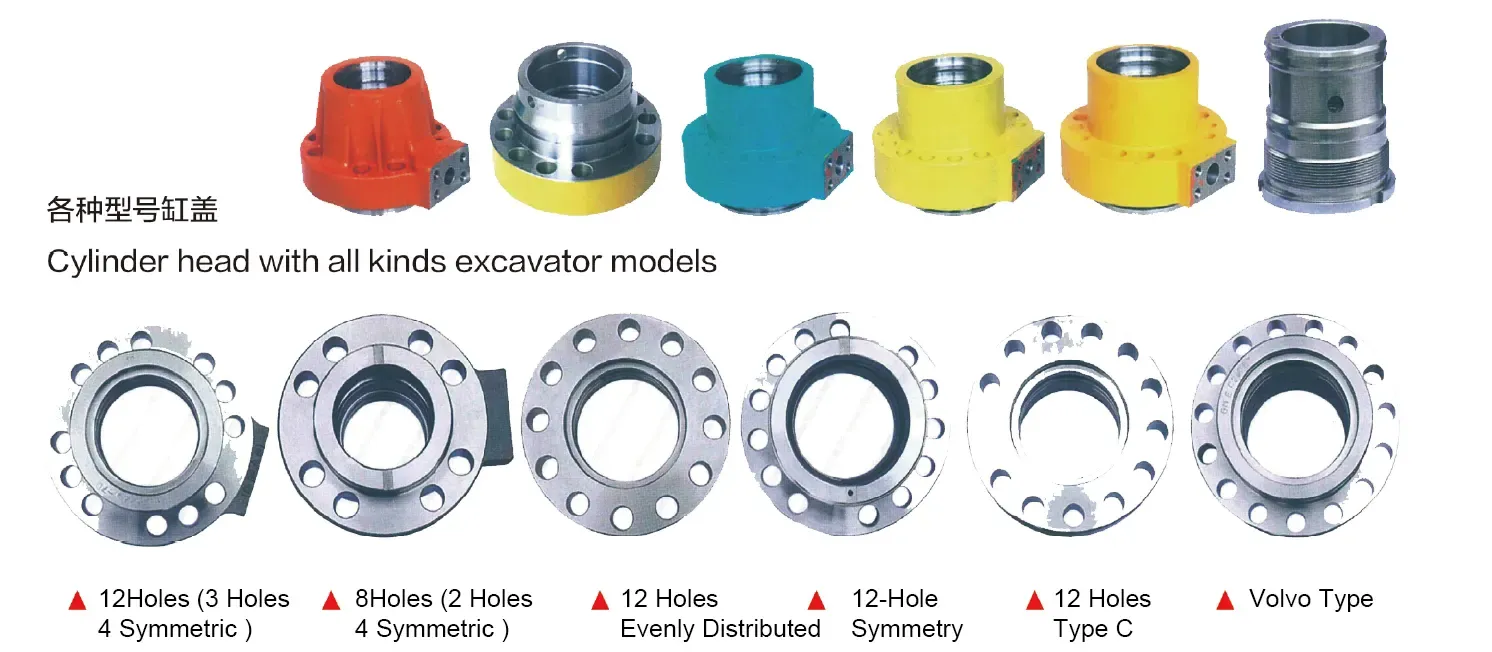
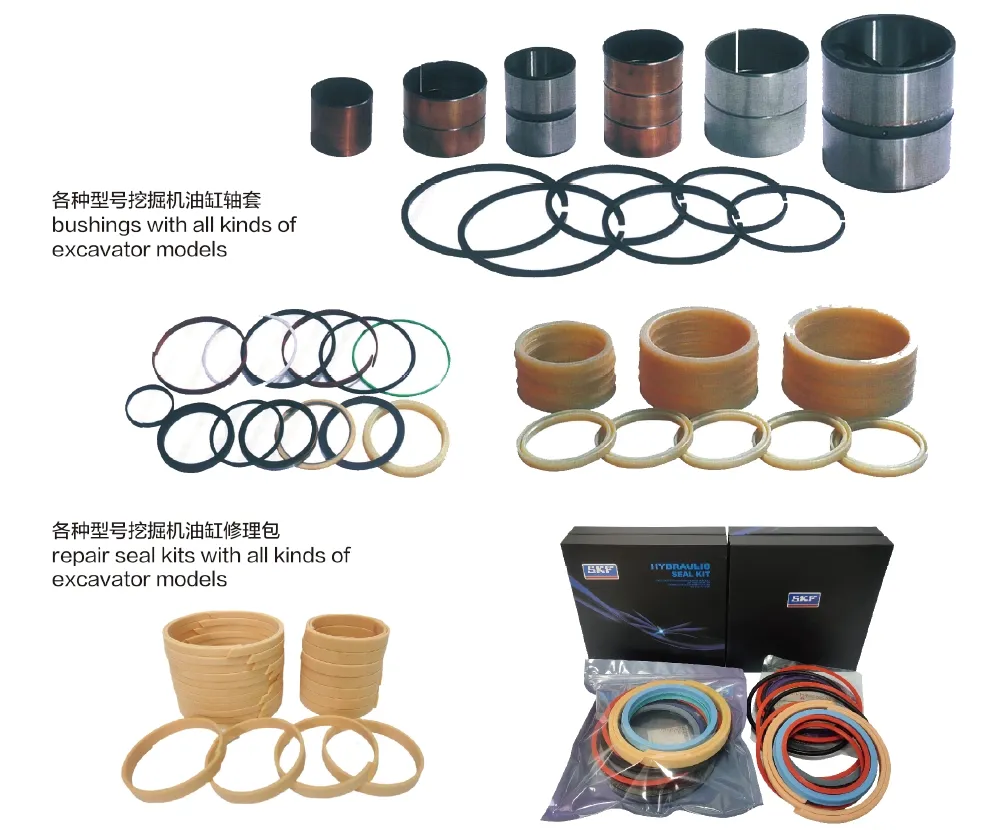
The Boom Cylinder requires various sealing components, such as piston seals and rod seals, which should be made of wear-resistant materials like polyurethane or nitrile rubber. Additionally, the cylinder body and threaded end surfaces should be carefully treated to improve wear resistance. The cylinder also requires regular lubrication with hydraulic oil to ensure smooth operation.
Regular inspection and preventive maintenance are essential to ensure the proper functioning of the Boom Cylinder. The three common maintenance tasks are:
The Boom Cylinder should be inspected regularly for any leaks, wear, or damage. Any issues should be addressed promptly to prevent further damage.
The Boom Cylinder should be lubricated regularly with hydraulic oil to ensure smooth operation. The amount and frequency of lubrication depend on the cylinder's design and operating conditions.
The sealing components of the Boom Cylinder, such as piston seals and rod seals, should be replaced periodically to prevent leaks and maintain proper function. The cylinder should also be calibrated regularly to ensure precise control over the boom's angle and height.
Proper installation, lubrication, and adjustment are crucial to the longevity and proper functioning of the Boom Cylinder. It is essential to align and secure the cylinder correctly during installation. Our company recommends using appropriate installation brackets to secure the cylinder in place. Our company also provides recommended check, repair, and replacement procedures, along with replacement parts and rebuilding services, to extend the life of the Boom Cylinder.
When using the Boom Cylinder, safety measures are essential to prevent accidents. The use of pressure relief valves and flow control valves is necessary to prevent the cylinder from overloading or moving too quickly. Additionally, the working environment should be free of obstacles that could interfere with the cylinder's operation to prevent accidents.
Common problems with the Boom Cylinder include leaks, damage, and failure to extend or retract. These problems can be caused by wear, inadequate lubrication, or improper installation. To diagnose and resolve these issues, our company recommends the following tips and solutions:
To prevent these issues from occurring, our company recommends regular inspection and preventive maintenance of the Boom Cylinder.
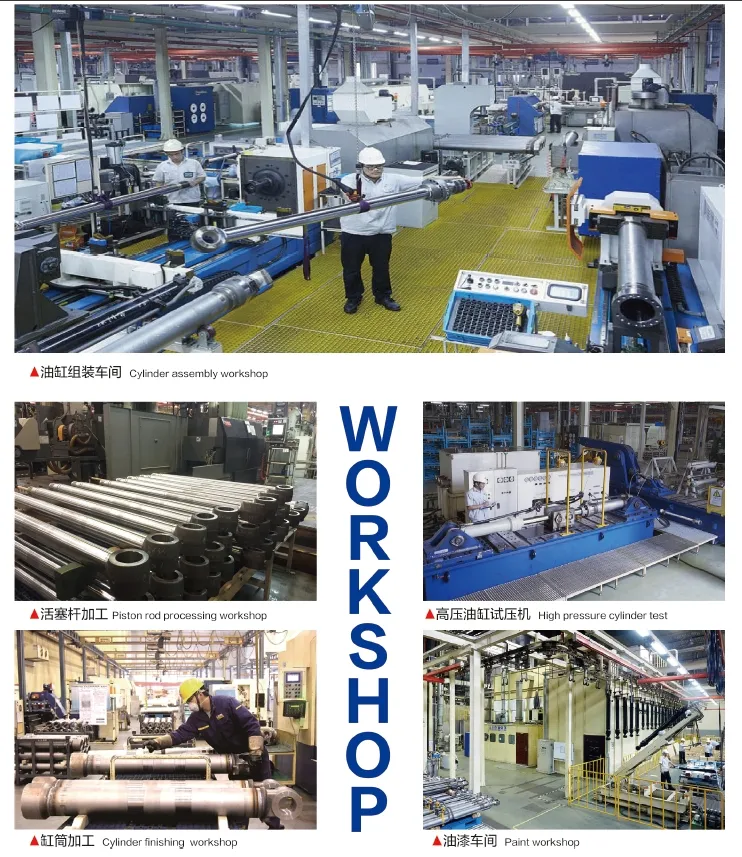
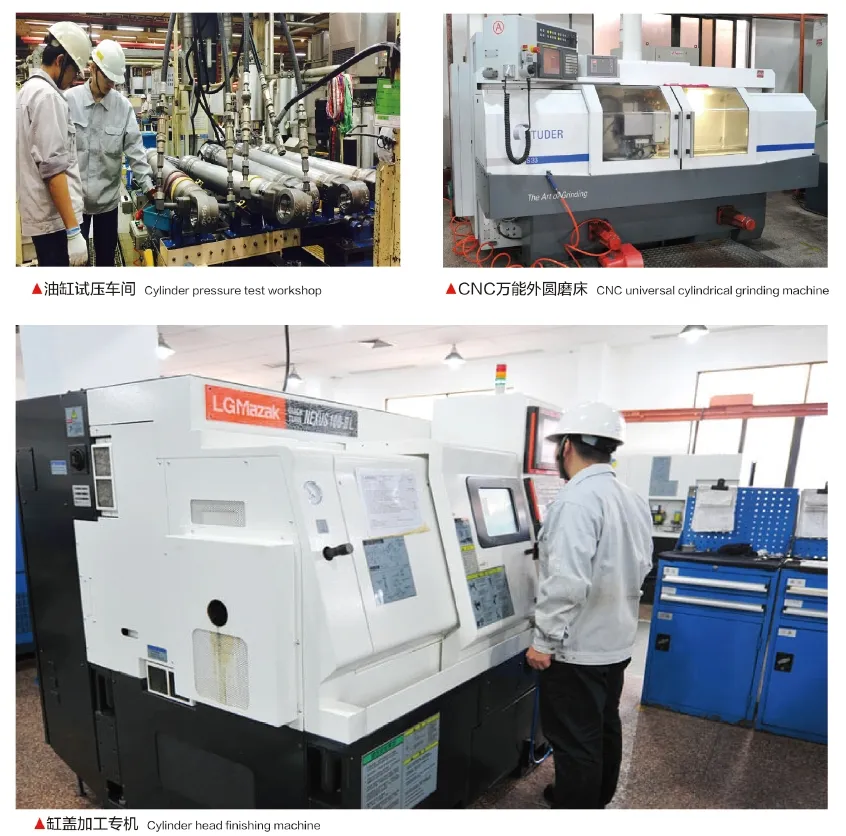
Our company is a leading manufacturer and wholesale distributor of hydraulic cylinders, including replacements for the Boom Cylinder for Kato Small Excavator HD512-3. We are committed to providing high-quality products that meet the diverse needs of our customers, and we do so by leveraging cutting-edge technology, top-tier manufacturing facilities, and rigorous quality control standards. Our company is proud to offer a range of services, including international certification, custom manufacturing, production equipment, and after-sales support.
Author: lyl.
Address
Luotuo Industrial Area, Zhenhai District, Ningbo City, China
Tel

 Raydafon