
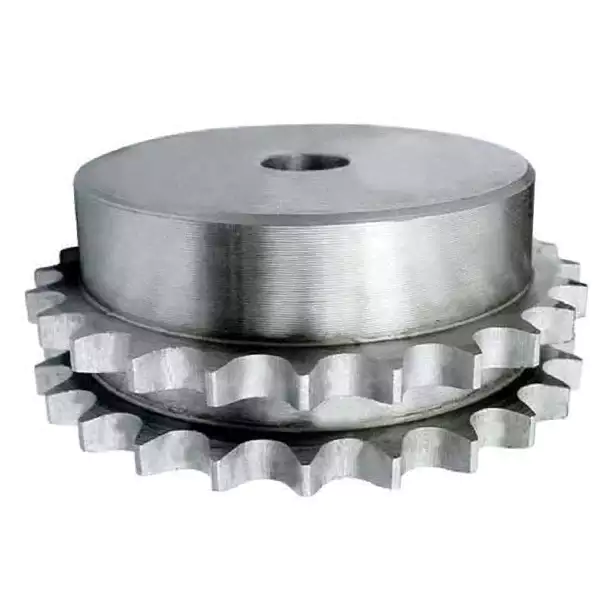
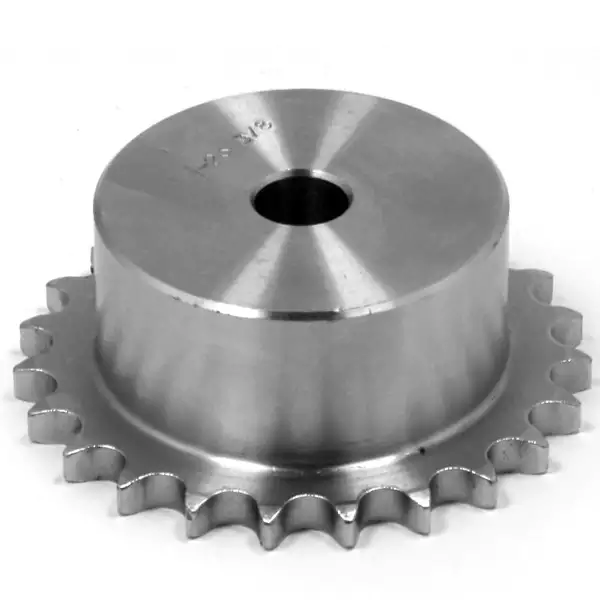
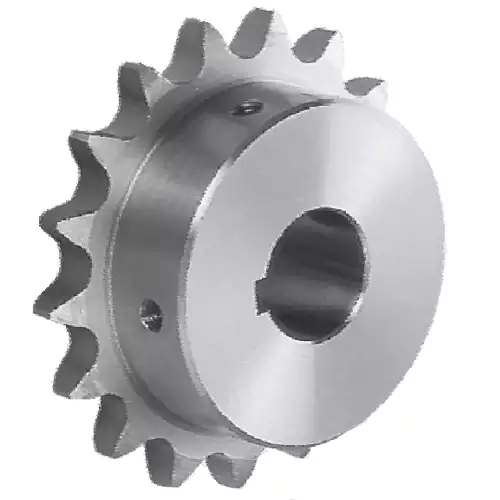
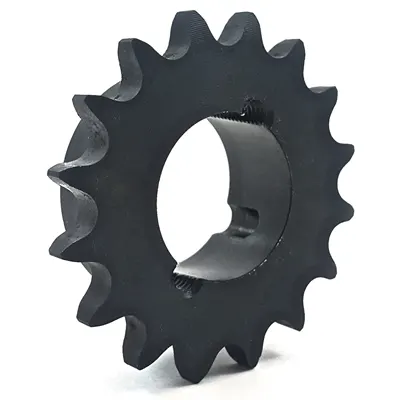
A standard bore sprocket is a type of sprocket that is commonly used in various mechanical systems. It is designed to transmit rotational motion between two or more shafts using a chain.
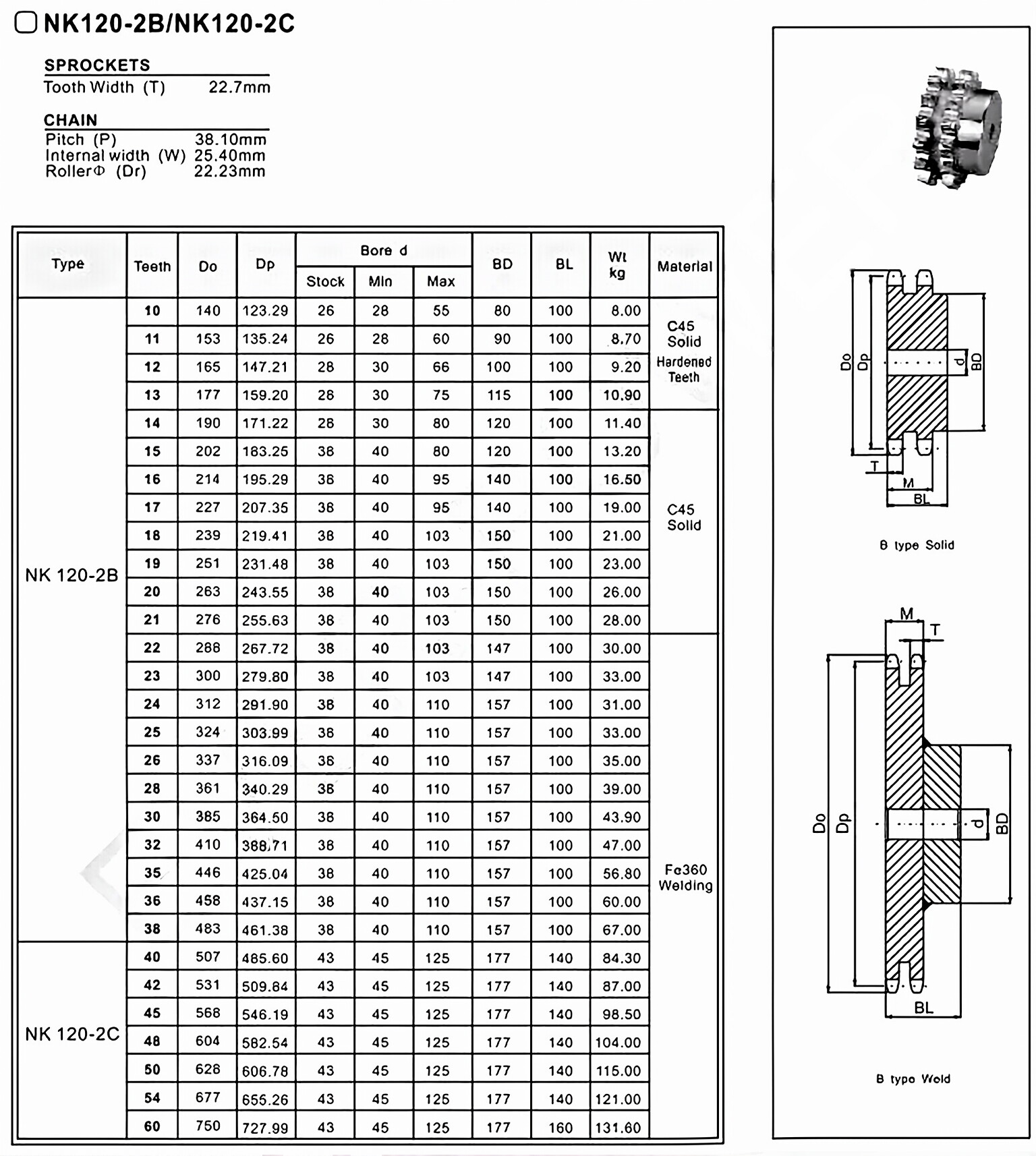
When customizing a sprocket, it is important to consider the material used. Common materials include high carbon steel, alloy steel, and stainless steel. The choice of material depends on factors such as the application requirements and environmental conditions.
The tooth profile and number of teeth on a sprocket play a crucial role in determining its performance. Different tooth profiles offer varying levels of efficiency and engagement with the chain. The number of teeth affects the speed ratio and torque transmission capabilities.
The dimensions of a sprocket, such as its outer diameter and thickness, need to be carefully determined to ensure proper fit and alignment within the system.
The keyway and bore of a sprocket are essential for proper shaft attachment. The keyway provides a slot for the key to prevent rotational slippage, while the bore allows the sprocket to be mounted securely onto the shaft.
To enhance the durability and corrosion resistance of a sprocket, various surface treatments can be applied, such as heat treatment, quenching, tempering, surface hardening, and rust protection.
Our sprockets are made from high carbon steel, alloy steel, or stainless steel. These materials offer excellent strength, wear resistance, and corrosion resistance.
Our sprockets are manufactured using a combination of processes, including material selection and cutting, stamping, forging, machining (turning, milling, drilling), heat treatment (quenching, tempering), surface hardening, surface treatment (rust prevention), and quality testing.
Sprockets are widely used in heavy machinery and equipment, such as construction machinery, mining equipment, and agricultural machinery. They help transmit power and motion efficiently in demanding industrial applications.
In the food industry, sprockets are used in conveyor systems for processing and packaging. They ensure smooth and reliable movement of food products through various stages of production.
Chemical and pharmaceutical industries rely on sprockets for conveying materials and controlling the movement of equipment in manufacturing processes. Sprockets offer precise and efficient power transmission in these sensitive environments.
Sprockets are an integral part of assembly line systems, enabling the synchronized movement of components and products during the manufacturing process.
In logistics and warehousing operations, sprockets are used in conveyor systems to transport goods efficiently and smoothly, ensuring streamlined operations.
Regular inspections of the sprocket are essential to identify any signs of wear, damage, or misalignment. This helps prevent potential issues and ensures optimal performance.
Keeping the sprocket clean from dirt, debris, and lubricant buildup is crucial for its smooth operation. Regular cleaning helps maintain its performance and extends its lifespan.
Proper lubrication of the sprocket and chain ensures smooth movement and reduces friction, thereby minimizing wear and tear. Lubricants should be applied according to the manufacturer's recommendations.
Periodic adjustment and calibration of the sprocket's position and tension help maintain optimal performance and prevent chain slippage or excessive wear.
To prevent tooth skipping, ensure proper alignment of the sprocket and chain, and check for worn-out or damaged teeth. If necessary, replace the sprocket or chain to maintain smooth operation.
If a sprocket breaks, it is important to identify the root cause, such as excessive load or material fatigue. Replace the broken sprocket with a new one and address any underlying issues to prevent future occurrences.
Regular inspection of the sprocket for signs of wear is crucial. If significant wear is detected, replace the sprocket promptly to prevent further damage to the chain and ensure proper power transmission.
If the sprocket produces excessive noise during operation, it may indicate misalignment, loose mounting, or worn-out components. Realign or tighten the sprocket as necessary, and replace any components that are excessively worn.
If the chain frequently detaches from the sprocket, check for proper tension, alignment, and condition of the chain. Adjust the tension and replace the chain if necessary to ensure secure engagement with the sprocket.
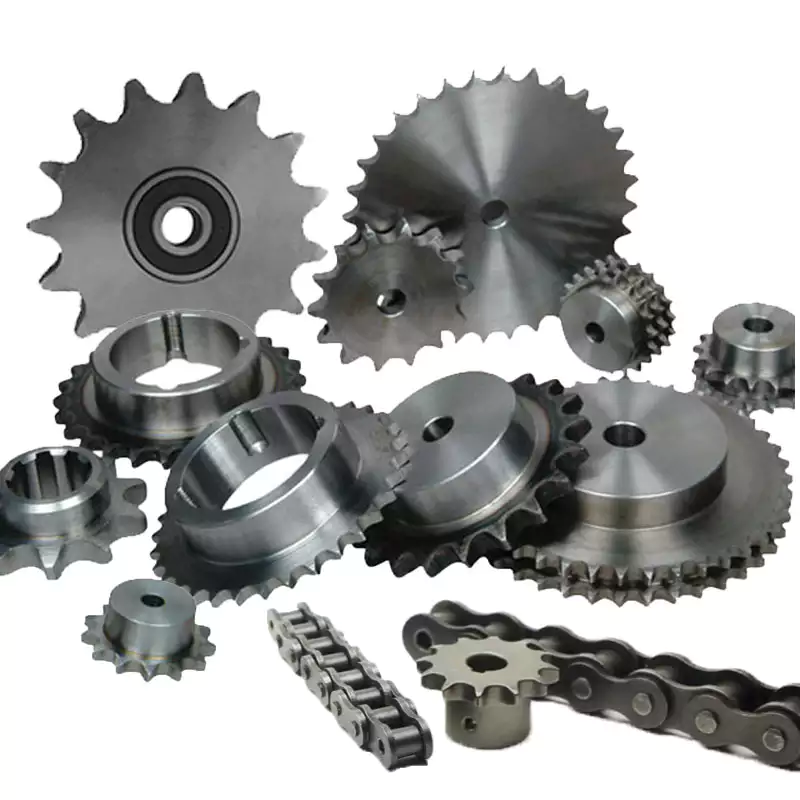
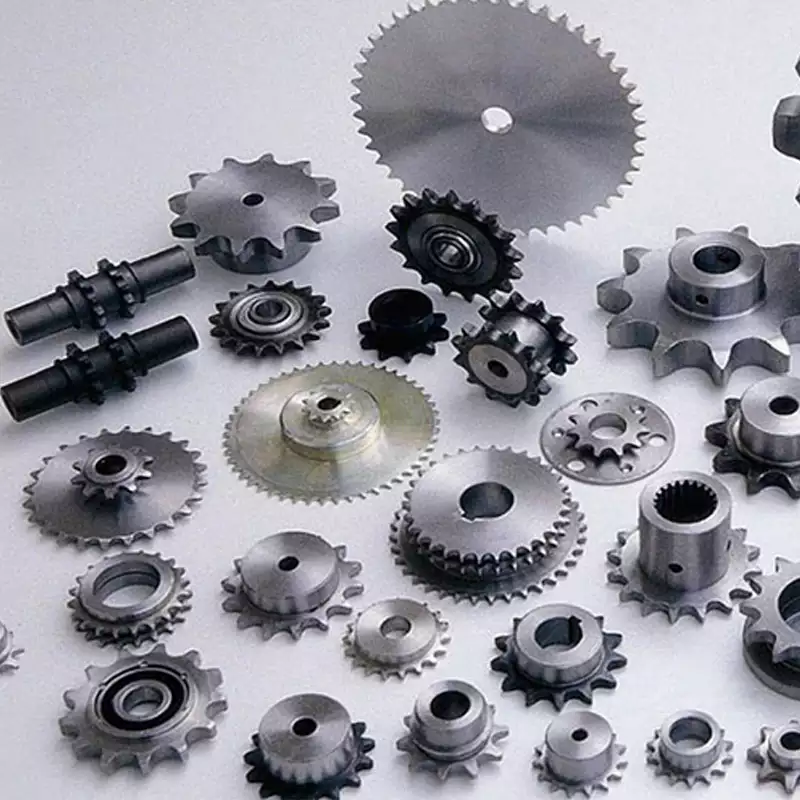
In addition to the NK120-2B Standard Bore Sprocket, we also offer a variety of other sprockets to cater to different applications and requirements. These include platewheel sprockets, idler sprockets, qd sprockets, taper lock sprockets, and more.
Author: Miya
Address
Luotuo Industrial Area, Zhenhai District, Ningbo City, China
Tel

 Raydafon