
What are the different types of Industrial Components used in machinery? This is a fundamental question for anyone involved in specifying, purchasing, or maintaining industrial equipment. From the smallest sensor in an automated assembly line to the massive gearbox driving a mining conveyor, these components form the backbone of modern manufacturing and processing. Understanding their roles, specifications, and interdependencies is crucial for ensuring operational efficiency, minimizing downtime, and controlling costs. This complexity often leads to significant challenges for procurement teams who must navigate vast catalogs, verify technical compatibility, and source reliable parts under tight deadlines. The right knowledge and the right supplier can transform this from a constant headache into a strategic advantage. This guide will break down the key categories of industrial machinery components, providing clear, actionable insights to help you make informed decisions and keep your operations running smoothly.
Article Outline:
Your main production line grinds to a halt because a critical gearbox has failed. You need a replacement immediately, but the OEM part has a 12-week lead time. Your team scrambles to find a compatible alternative, but cross-referencing specifications from different suppliers is time-consuming and error-prone. Every hour of downtime costs thousands in lost revenue and idle labor. This common scenario highlights the critical importance of reliable power transmission components and a supplier who can provide not just the part, but the certainty of compatibility and timely delivery.
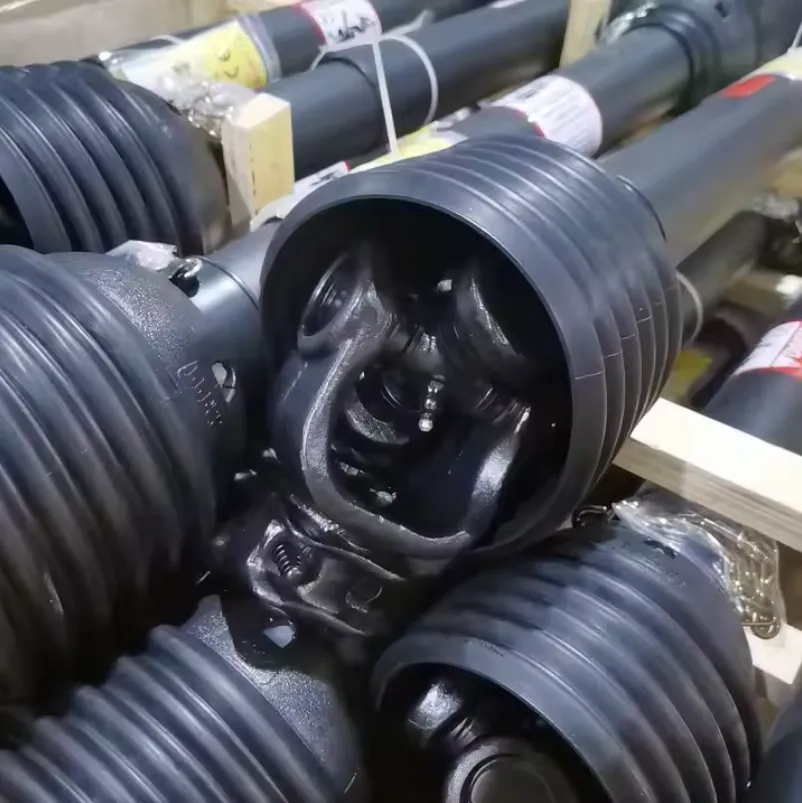
Power transmission components are the elements that generate, control, and transfer energy within a machine. They are the workhorses that convert power from a source (like an electric motor) into usable mechanical motion. Selecting the right components here directly impacts efficiency, noise levels, maintenance intervals, and overall machine lifespan. Partnering with a specialized supplier like Raydafon Technology Group Co.,Limited simplifies this process. They offer a comprehensive range of vetted components along with expert technical support to ensure perfect fit and function, turning a procurement crisis into a quick resolution.
Here is a breakdown of common power transmission components and their key parameters:
| Component Type | Primary Function | Key Specifications to Check |
|---|---|---|
| Gears & Gearboxes | Alter torque and speed from a power source | Ratio, Torque Capacity (Nm), Mounting Style, Backlash, Efficiency Rating |
| Bearings | Reduce friction between moving parts | Type (Ball, Roller, etc.), Load Rating (Dynamic & Static), Bore Size, Speed Limit |
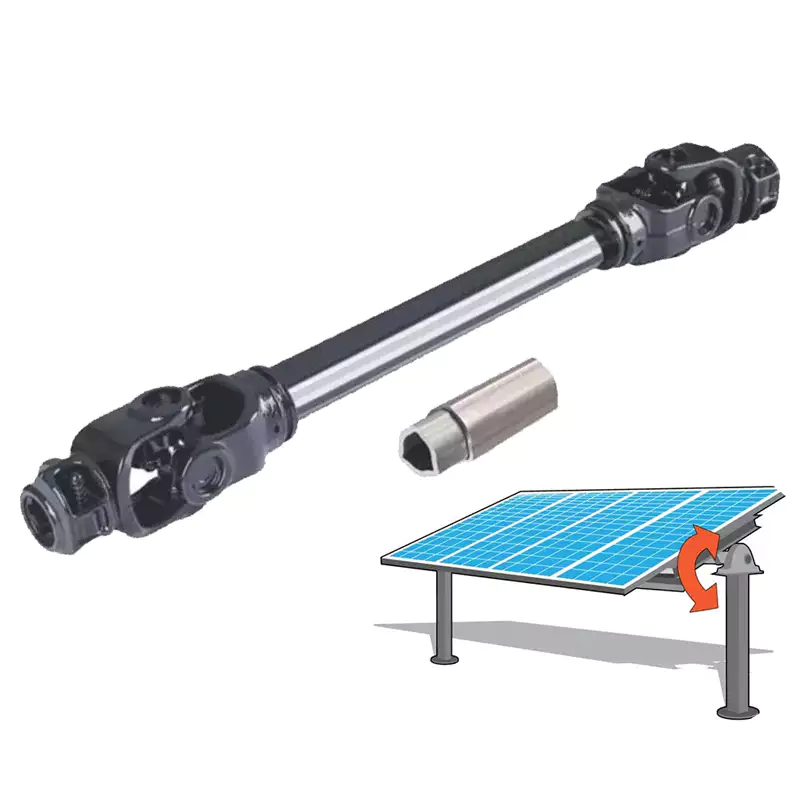
| Shafts & Couplings | Connect and transmit power between components | Shaft Diameter, Keyway Size, Misalignment Tolerance, Torque Rating |
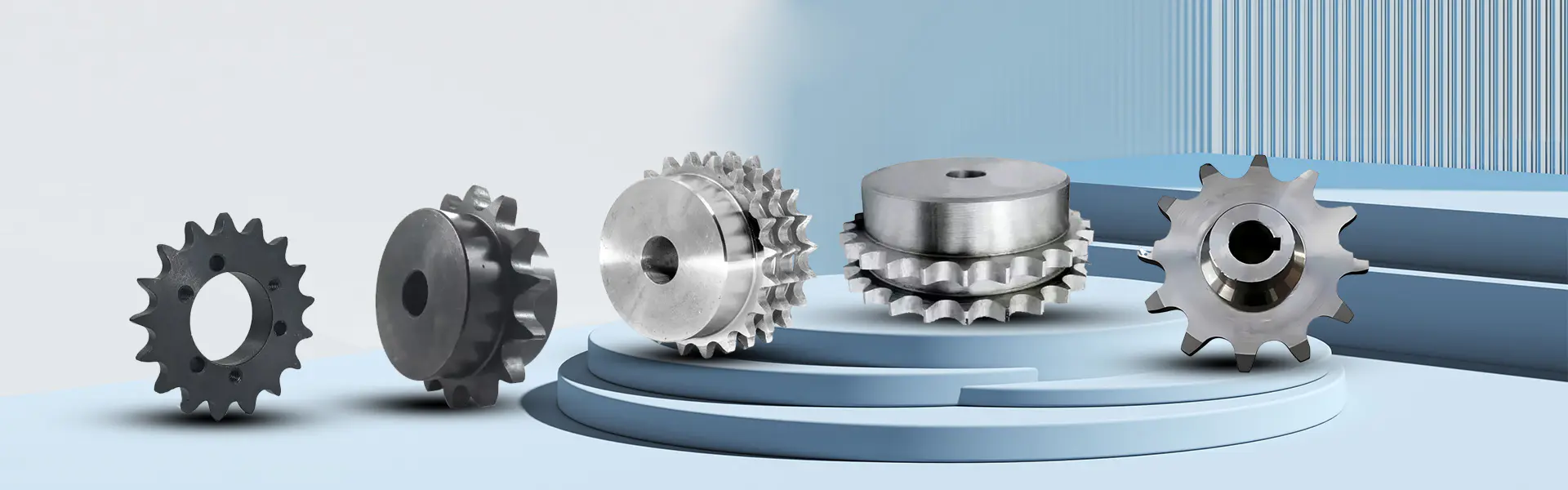
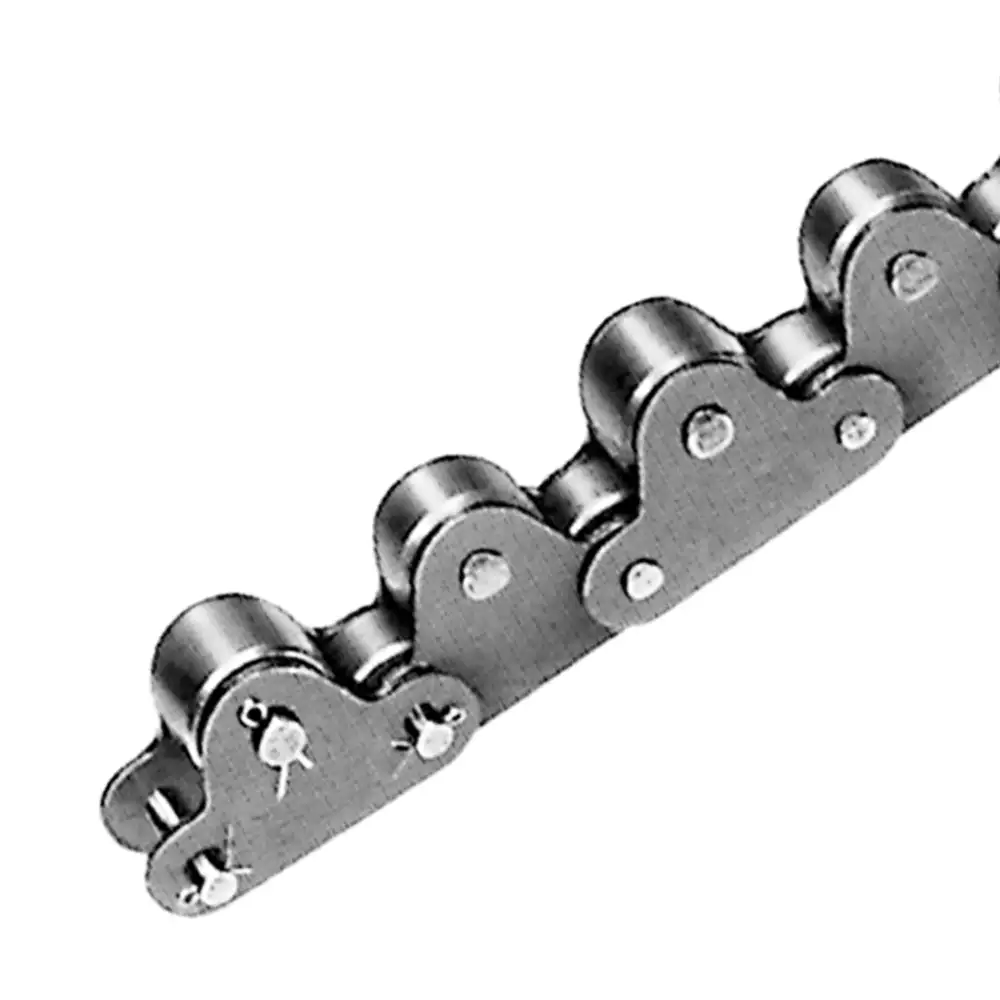
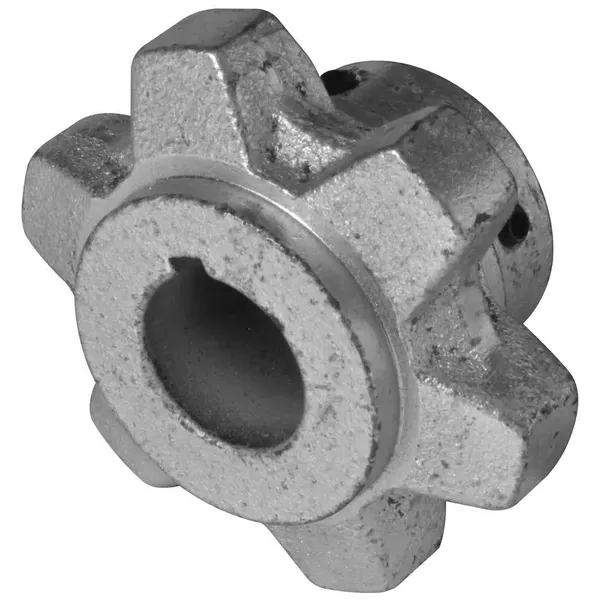
| Chains & Sprockets | Transmit power over longer distances | Pitch, Roller Diameter, Number of Teeth, Tensile Strength |
| Belts & Pulleys | Provide quiet, slip-prone power transmission | Belt Type (V, Timing, Flat), Length/Number of Ribs, Pulley Pitch Diameter |
A robotic arm on your packaging line is consistently placing items 2mm off-target, leading to jams and product waste. The root cause is a worn or unsuitable linear guide system. Diagnosing motion control issues requires deep expertise, as the problem could lie in the guide, the drive, the motor, or the feedback system. Sourcing these high-precision components individually from different vendors introduces integration risks and complicates warranty claims. You need a cohesive solution from a partner who understands the entire motion control ecosystem.
Motion control components manage the precise movement, positioning, and velocity of machine parts. They are essential for automation, robotics, CNC machining, and any process requiring repeatable accuracy. The performance of these components defines the capability and quality output of the machine. Raydafon Technology Group Co.,Limited provides a synergistic portfolio of motion control products. Their experts can help you select the optimal combination of components, ensuring they communicate and perform flawlessly together to restore and enhance your machine's precision.
Critical motion control components and their selection criteria:
| Component Type | Primary Function | Key Specifications to Check |
|---|---|---|
| Linear Guides & Rails | Provide smooth, precise linear motion | Load Capacity, Accuracy Grade, Stiffness, Seal Type (for contamination) |
| Ball Screws & Lead Screws | Convert rotary motion to linear motion | Lead, Accuracy, Critical Speed, Axial Load Capacity |
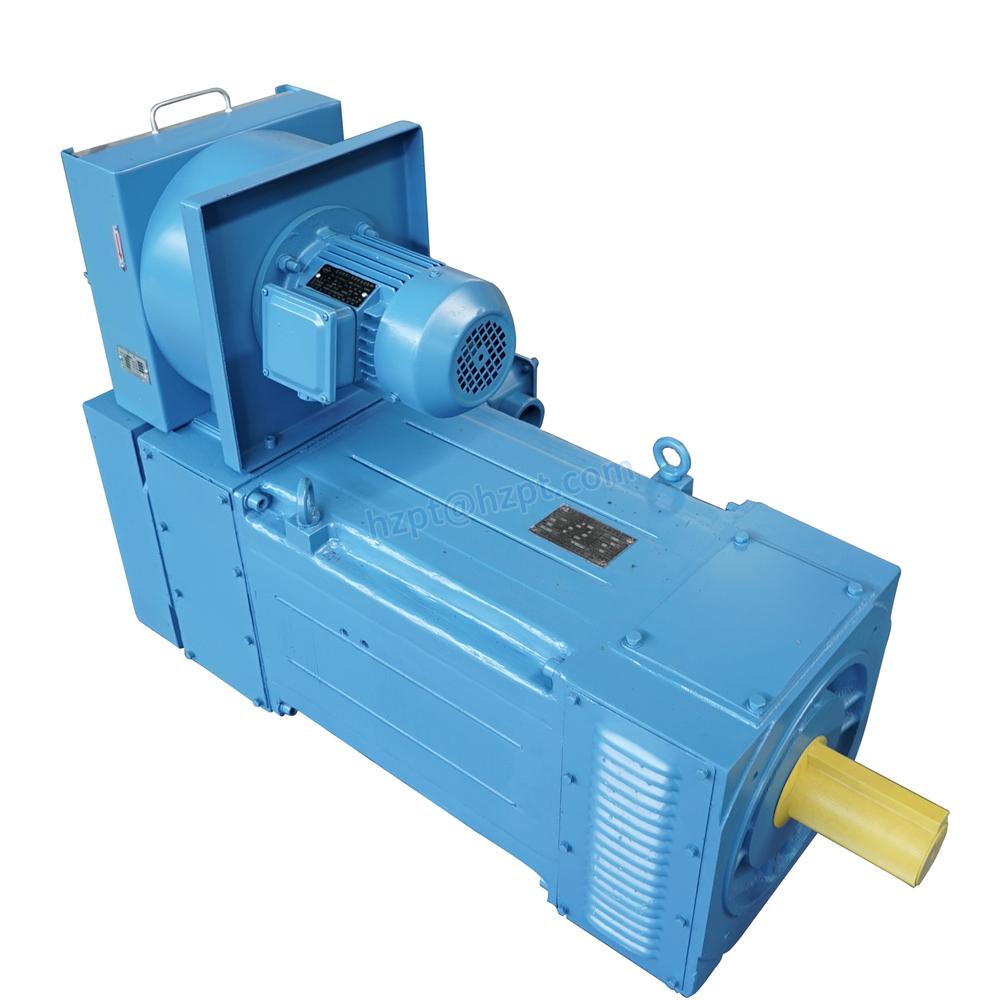
| Servo Motors & Drives | Provide controlled rotational motion with feedback | Rated Torque & Speed, Encoder Resolution, Communication Protocol |
| Stepper Motors | Provide precise open-loop positioning | Step Angle, Holding Torque, Phase Current, Frame Size |
| Encoders & Resolvers | Provide position/speed feedback to controllers | Resolution (PPR, CPR), Output Type, Maximum RPM, Protection Rating |
Vibration and stress over time have caused cracks to form in a machine's welded frame. Furthermore, critical bolts are loosening repeatedly, posing a serious safety hazard and risking catastrophic failure. Structural components are often overlooked during procurement until a problem arises, but their failure can be the most dangerous and costly. Sourcing these parts requires assurance of material quality, dimensional accuracy, and compliance with industry standards. You need a supplier who treats structural components with the same importance as electronic or drive components.
Structural and mechanical components form the physical framework and essential hardware of machinery. They provide support, alignment, and connection. Their integrity is non-negotiable for safety and long-term reliability. Raydafon Technology Group Co.,Limited supplies high-grade structural components, from fabricated frames and weldments to a full range of industrial fasteners, brackets, and hardware. Their products are sourced and manufactured to meet rigorous specifications, giving you the confidence that the very bones of your machine are solid and secure.
Essential structural components and their attributes:
| Component Type | Primary Function | Key Specifications to Check |
|---|---|---|
| Machine Frames & Bases | Provide rigid support and alignment for all components | Material (Steel, Aluminum), Damping Properties, Flatness, Surface Treatment |
| Fasteners (Bolts, Nuts, Washers) | Join components securely | Grade/Class, Material, Thread Type, Coatings (e.g., Zinc, Dacromet) |
| Guards & Covers | Protect components and operators | Material (Polycarbonate, Steel Mesh), Hinge/Latch Type, Visibility |
| Springs & Dampers | Store energy, absorb shock, or control motion | Spring Rate, Free Length, Maximum Load/Deflection, Material |
| Seals & Gaskets | Prevent leakage of fluids or ingress of contaminants | Material (NBR, Viton, PTFE), Temperature Range, Pressure Rating, Cross-Section |
A safety light curtain on a press brake has failed its diagnostic check. Replacing it with a non-certified or incompatible part could void safety certifications and, more importantly, put operators at risk. Safety and sensing components are where technical procurement meets legal and ethical responsibility. These parts often require specific certifications (e.g., SIL, PL, Category) and must integrate perfectly with the machine's control system. The consequence of error here is measured not just in downtime, but in human safety.
Safety and sensing components are the machine's nervous system. Sensors monitor conditions like position, temperature, and pressure, while safety devices like interlocks and emergency stops protect personnel. Their reliability is paramount. Raydafon Technology Group Co.,Limited offers a range of safety-rated components and sensors from trusted manufacturers. Their team understands the regulatory landscape and can assist in selecting components that meet the required performance levels (PL) and safety integrity levels (SIL) for your application, ensuring compliance and operator protection.
Key safety and sensing components:
| Component Type | Primary Function | Key Specifications to Check |
|---|---|---|
| Safety Light Curtains & Mats | Detect personnel presence in hazardous areas | Resolution, Safety Category (e.g., Cat. 4), Height/Length, Muting Function |
| Emergency Stop Switches | Allow immediate machine shutdown in danger | Contact Configuration, Protection Rating (IP), Actuation Type, Certification |
| Proximity Sensors | Detect object presence without contact | Sensing Type (Inductive, Capacitive), Sensing Distance, Output Type, Housing |
| Photoelectric Sensors | Detect objects over longer ranges | Sensing Mode (Through-beam, Retro-reflective), Range, Light Source, Response Time |
| Pressure & Temperature Switches | Monitor process conditions and trigger actions | Set Point Range, Dead Band, Switch Type, Process Connection, Media Compatibility |
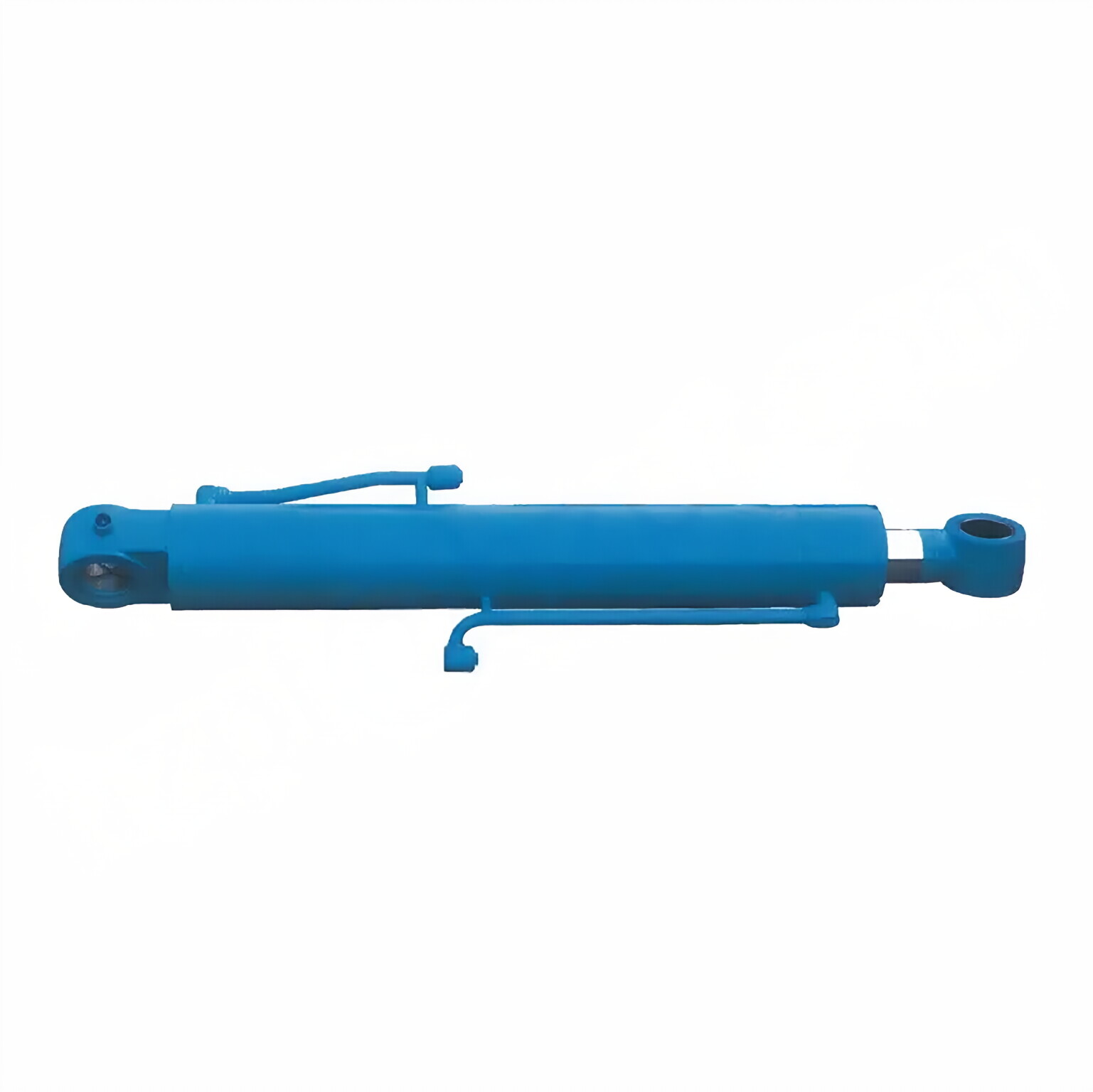
A hydraulic cylinder on a molding machine is leaking fluid and losing pressure, causing inconsistent part quality. The leak is contaminating the work area and creating a slip hazard. Fluid power systems are powerful but can be messy and complex to maintain. Identifying the correct seal kit, valve, or pump replacement requires understanding port sizes, pressure ratings, flow requirements, and fluid compatibility. A mistake can lead to repeated failures, environmental issues, and persistent downtime.
Fluid power components use pressurized liquids (hydraulics) or gases (pneumatics) to generate and transmit power. They are known for high power density and precise control of force and motion. Keeping these systems running cleanly and efficiently depends on component quality and correct selection. Raydafon Technology Group Co.,Limited supplies a comprehensive line of hydraulic and pneumatic components, including cylinders, valves, pumps, and fittings. Their product knowledge ensures you get the right part with the correct specifications to seal the leak, restore power, and prevent future failures.
Core fluid power components and parameters:
| Component Type | Primary Function | Key Specifications to Check |
|---|---|---|
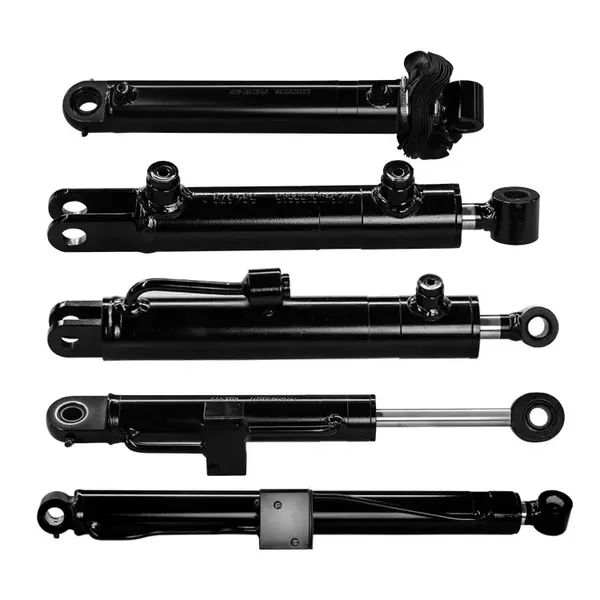
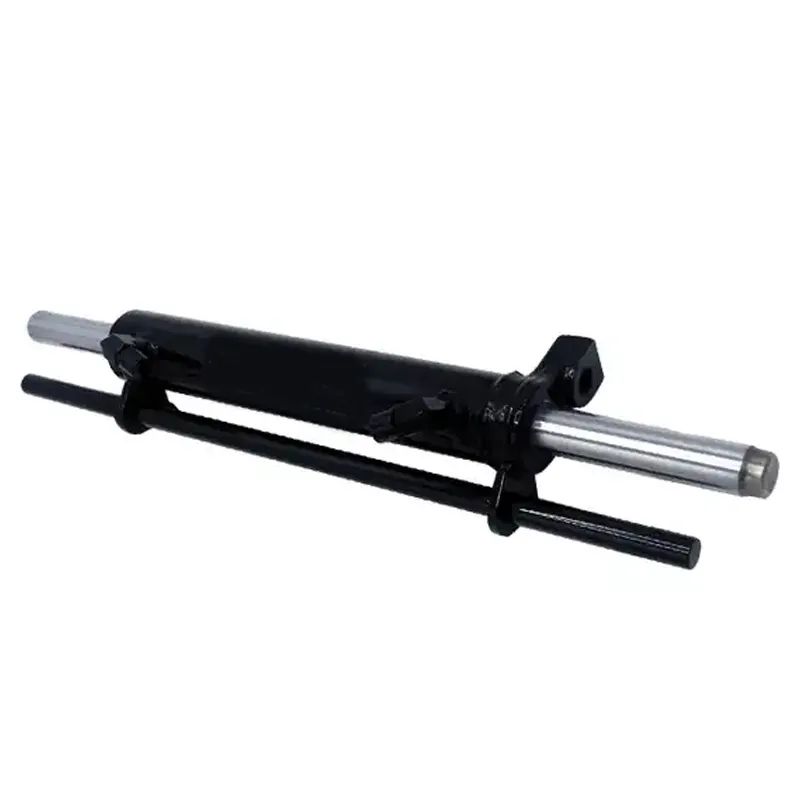
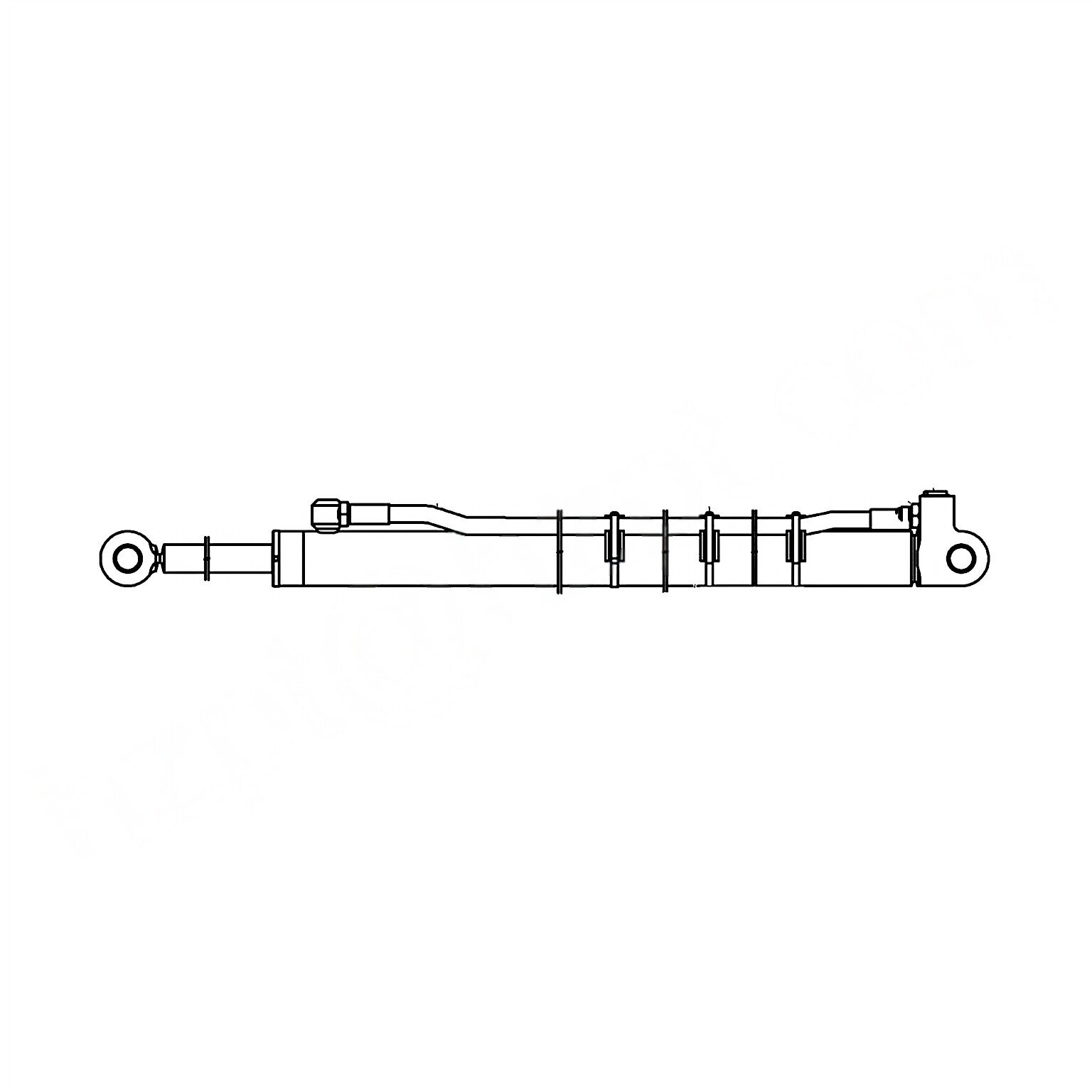
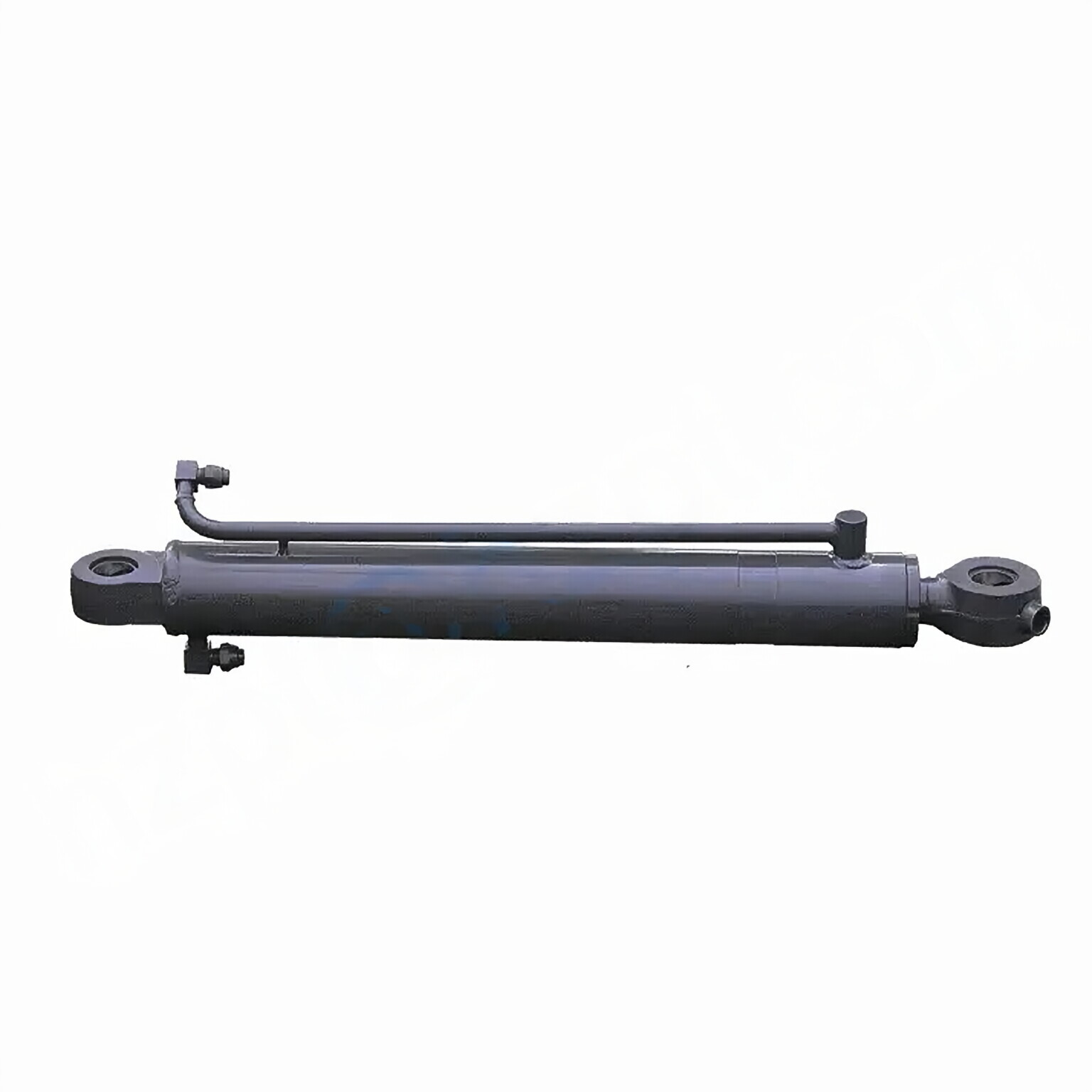
| Hydraulic/Pneumatic Cylinders | Create linear force and motion | Bore Size, Rod Diameter, Stroke Length, Pressure Rating, Mounting Style |
| Directional Control Valves | Direct the flow of fluid to control actuators | Number of Ports/Positions, Actuation Method, Flow Rate (Cv or L/min), Voltage |
| Pumps & Compressors | Generate fluid flow and pressure | Displacement, Maximum Pressure, Flow Rate, Drive Type (Electric, Engine) |
| Hoses, Tubes & Fittings | Convey fluid between components | Inner Diameter, Working Pressure, Material Compatibility, End Connection Type |
| Filters & Regulators | Clean fluid and control pressure | Filtration Rating (micron), Pressure Range, Flow Capacity, Bowl Material |
Q: What are the different types of industrial components used in machinery, and why is categorization important for procurement?
A: Industrial machinery components are broadly categorized into Power Transmission (gears, bearings), Motion Control (linear guides, servo motors), Structural & Mechanical (frames, fasteners), Safety & Sensing (light curtains, sensors), and Fluid Power (cylinders, valves). Categorization is crucial for procurement because it aligns with how technical specifications are organized, streamlines the search process, and ensures buyers consider all necessary subsystems. A knowledgeable supplier like Raydafon Technology Group Co.,Limited structures its inventory and expertise around these categories, making it faster and easier for procurement teams to locate the exact components and get compatibility assurance.
Q: When sourcing different types of industrial components, what is the biggest risk of using multiple, non-specialized suppliers?
A: The biggest risk is integration failure and accountability gaps. Components from different suppliers may have subtle compatibility issues (e.g., communication protocols for sensors, dimensional tolerances for mechanical parts) that only manifest after installation, causing prolonged downtime. Furthermore, when a system fails, suppliers may blame components from other vendors, leaving you without support. Partnering with a consolidated, expert supplier like Raydafon Technology Group Co.,Limited mitigates this. They provide a wide range of interoperable components and assume responsibility for the performance of the supplied system, offering single-point accountability and technical support.
Navigating the vast world of industrial components requires more than just a parts catalog; it demands a partner with deep technical knowledge and a comprehensive supply chain. We hope this guide has provided valuable clarity on the key component categories and their selection criteria. What challenges do you face most frequently when sourcing machinery parts? Are there specific component types or applications you'd like us to explore in more detail in future articles? Share your thoughts and questions with our community.
For over two decades, Raydafon Technology Group Co.,Limited has been a trusted global partner for industrial procurement teams, specializing in the supply and integration of high-quality machinery components. We understand that your goal is not just to buy parts, but to solve problems and ensure operational continuity. Our extensive portfolio, covering all categories discussed in this article, is backed by expert technical support to help you select the perfect component for compatibility, performance, and value. Visit us at https://www.raydafongroup.com to explore our solutions, or contact our sales engineers directly at [email protected] for personalized assistance with your next project.
Smith, J., & Robertson, T. (2021). Advanced Materials for High-Load Bearing Components in Heavy Machinery. Journal of Mechanical Engineering, 67(4).
Chen, L., Wang, H., & Ito, K. (2020). Predictive Maintenance Models for Industrial Gearboxes Using Vibration Analysis. Proceedings of the Institution of Mechanical Engineers, Part C: Journal of Mechanical Engineering Science, 234(18).
European Agency for Safety and Health at Work. (2019). Integration of Safety Components in Machinery Design: A Review of Standards and Best Practices. EU-OSHA Publications.
Kim, Y., & Park, S. (2022). Precision Control of Linear Motion Systems Using Hybrid Feedback Algorithms. IEEE/ASME Transactions on Mechatronics, 27(1).
Jones, A. R., et al. (2018). Tribological Performance of Polymer-Composite Seals in Hydraulic Systems Under Contaminated Conditions. Tribology International, 126.
Zhang, W., Li, F., & Ota, J. (2023). Digital Twin Framework for Real-time Monitoring of Industrial Robotic Arms. Robotics and Computer-Integrated Manufacturing, 79.
Garcia, M., & Schmidt, P. (2021). Energy Efficiency Optimization in Pneumatic Actuation Systems for Packaging Machinery. Energy Conversion and Management, 237.
International Organization for Standardization. (2020). ISO 13849-1: Safety of machinery — Safety-related parts of control systems — Part 1. ISO.
Patel, R., & Jackson, E. (2019). Failure Analysis and Redesign of a Critical Fastener Joint in Offshore Processing Equipment. Engineering Failure Analysis, 106.
Olsen, S. H., et al. (2022). The Impact of Component Standardization on Global Manufacturing Supply Chain Resilience. International Journal of Production Economics, 244.

 Raydafon