Raydafon Technology Group Co.,Limited
Products
Products
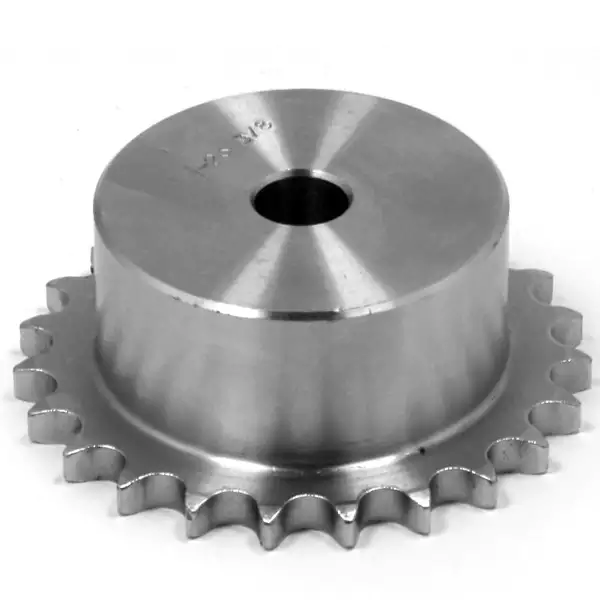
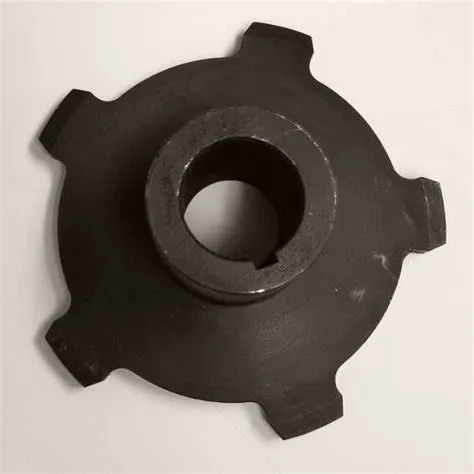
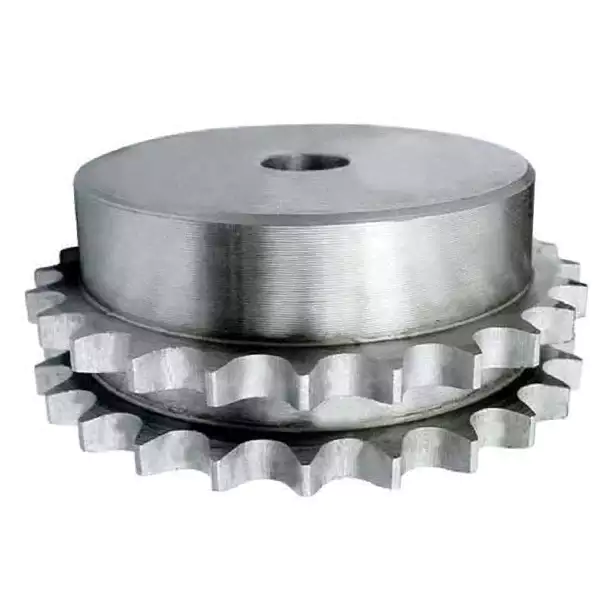
NK60-2B Standard Bore Sprocket
  • NK60-2B Standard Bore SprocketNK60-2B Standard Bore Sprocket

NK60-2B Standard Bore Sprocket

Raydafon Group presents the NK60-2B Standard Bore Sprocket, a durable and reliable component for efficient power transmission in industrial machinery. Crafted from high-strength steel with precision engineering, it ensures smooth operation and long-lasting performance, ideal for engineers and manufacturers seeking robust solutions in demanding environments. Experience enhanced reliability and reduced downtime, standing out with its superior wear resistance and compatibility. Upgrade your systems today with Raydafon Group's trusted quality.

NK60-2B Standard Bore Sprocket

A standard bore sprocket is a type of chain sprocket that has a bore size that is typically machined to fit onto a shaft without the need for a keyway or set screw. The NK60-2B Standard Bore Sprocket is a reliable and cost-effective sprocket that is commonly used in a variety of industries. The following information provides an in-depth look at the basic structure of a sprocket, the key factors to consider when customizing a sprocket, the materials and manufacturing processes used for the NK60-2B sprocket, the applications for which it is suitable, and maintenance and troubleshooting tips.

Basic Structure of a Sprocket

A sprocket is a wheel with teeth that meshes with a chain to transmit power. The basic structure of a sprocket includes the teeth, bore, hub, and keyway or set screws. Teeth are the part that engages with the chain. The bore is the hole in the center of the sprocket that fits onto a shaft. The hub is the part of the sprocket that is between the teeth and bore. The keyway or set screws are used to secure the sprocket onto the shaft.

Customizing a Sprocket

Customizing a sprocket involves determining the material, tooth profile, number of teeth, dimensions, bore size, keyway, and surface treatment. These factors should be carefully chosen based on the intended application of the sprocket.

  • Material: The material used for the sprocket depends on the application. The NK60-2B Standard Bore Sprocket is made of either high carbon steel, alloy steel, or stainless steel.
  • Tooth profile: The tooth profile determines how the sprocket engages with the chain. The NK60-2B Standard Bore Sprocket uses a standard tooth profile.
  • Number of teeth: The number of teeth determines the gear ratio. The NK60-2B Standard Bore Sprocket has 60 teeth.
  • Dimensions: The dimensions of the sprocket depend on the application. The NK60-2B Standard Bore Sprocket has a pitch of 0.625 inches.
  • Bore size: The bore size should be chosen to fit the intended shaft. The NK60-2B Standard Bore Sprocket has a bore size of 2 inches.
  • Keyway: The keyway should be chosen to fit the intended shaft and sprocket. The NK60-2B Standard Bore Sprocket has a standard keyway.
  • Surface treatment: The surface treatment should be chosen based on the intended application. The NK60-2B Standard Bore Sprocket is surface hardened to resist wear and corrosion.

Materials and Manufacturing Processes Used for the NK60-2B Sprocket

The NK60-2B Standard Bore Sprocket is made of high-quality materials and manufactured using advanced processes to ensure quality and reliability. The following are the materials and manufacturing processes used for the NK60-2B Sprocket:

  • Material: High carbon steel, alloy steel, or stainless steel.
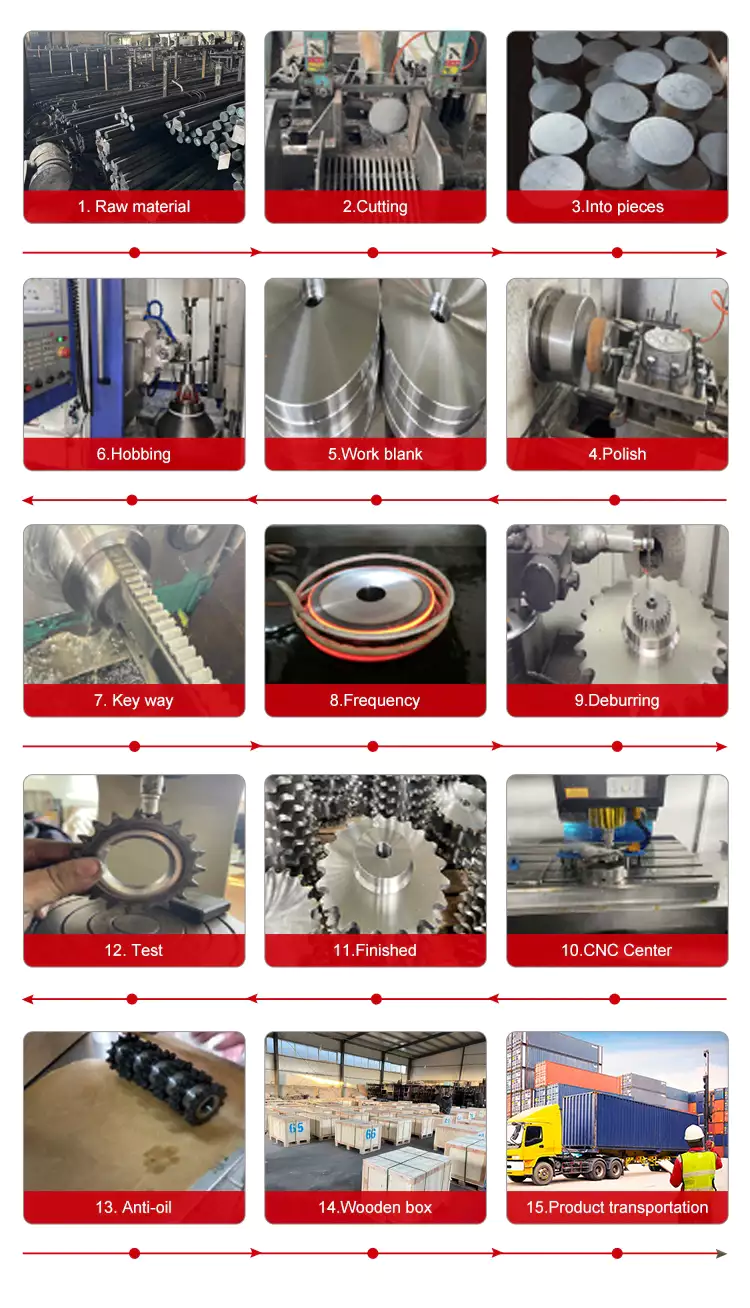
  • Manufacturing processes: Selection of materials, cutting, stamping, forging, machining, heat treatment, quenching, tempering, surface hardening, rust prevention treatment, and quality inspection.

Applications

The NK60-2B Standard Bore Sprocket is suitable for use in a variety of applications, including:

  • Heavy machinery and equipment: The sprocket is commonly used in heavy machinery and equipment, such as cranes, excavators, and bulldozers.
  • Food processing and packaging: The sprocket is also used in food processing and packaging equipment.
  • Chemical and pharmaceutical: The sprocket is used in chemical and pharmaceutical processing equipment.
  • Assembly lines: The sprocket is used in assembly line machinery.
  • Logistics and warehousing: The sprocket is used in conveyor systems and material handling equipment.

NK60-2B Standard Bore Sprocket

Maintenance and Troubleshooting

Proper maintenance and troubleshooting can extend the life of a sprocket and prevent downtime. The following are some tips for maintaining and troubleshooting a sprocket:

  • Daily inspection: Inspect the sprocket daily for wear, damage, and misalignment.
  • Cleaning: Clean the sprocket regularly to remove dirt and debris.
  • Lubrication: Lubricate the sprocket regularly to prevent wear and corrosion.
  • Adjustment and calibration: Adjust and calibrate the sprocket as needed to ensure proper alignment and tension.
  • Common problems: Common problems with sprockets include skipping teeth, breakage, wear, excessive noise, and chain disengagement.
  • Solutions: The solutions to these problems depend on the cause. Skipped teeth can be caused by worn or damaged teeth, while breakage can be caused by overloading or fatigue. Wear can be caused by abrasion or corrosion, while excessive noise can be caused by improper alignment or lubrication. Chain disengagement can be caused by excessive chain tension or misalignment.

Other Types of Sprockets

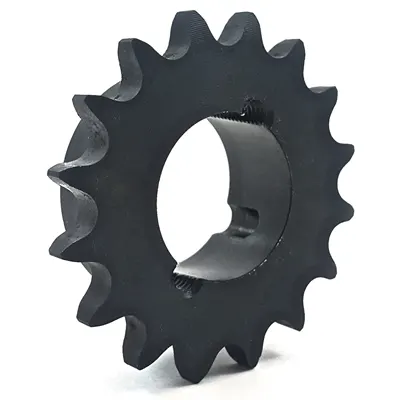
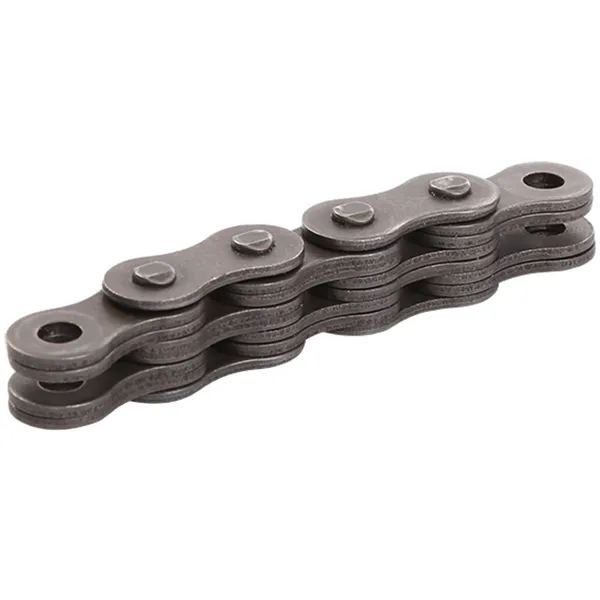
In addition to the NK60-2B Standard Bore Sprocket, we also offer other types of sprockets, including platewheel sprocket, idler sprocket, qd sprocket, taper lock sprocket, and others. We also offer a wide range of matching chains.
NK60-2B Standard Bore Sprocket

Author: Miya

Hot Tags: NK60-2B Standard Bore Sprocket, Standard Bore Sprocket Manufacturer, Industrial Sprocket Supplier
Send Inquiry
Contact Info
Get customized quotes for transmission components, gearboxes, and machinery. Our engineers will respond within 24 hours.
Online
X
We use cookies to offer you a better browsing experience, analyze site traffic and personalize content. By using this site, you agree to our use of cookies. Privacy Policy
Reject Accept