Raydafon Technology Group Co.,Limited
Products
Products
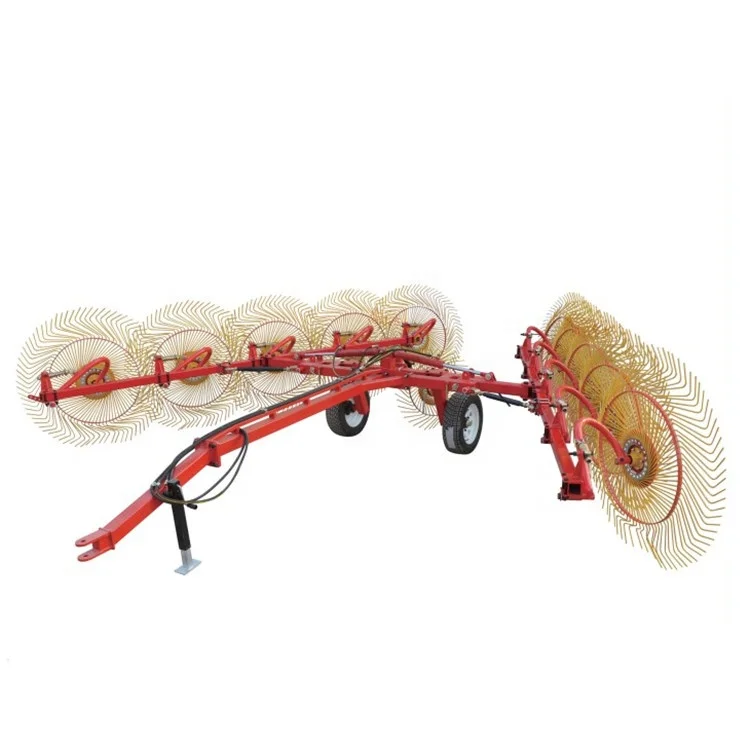
Agriculture Equipment 4 Wheel Hay Rake Hot Sale

Agriculture Equipment 4 Wheel Hay Rake Hot Sale

Raydafon Group's Agriculture Equipment 4 Wheel Hay Rake Hot Sale offers durable, efficient hay collection for farmers and agricultural professionals. Engineered with robust materials and a user-friendly four-wheel design, it ensures smooth operation in fields, saving time and effort. This hot sale item stands out with its superior build and reliable performance, making farm work easier and more productive—grab yours today!

Watch Our Product Video

For a more detailed look at our 4 wheel hay rake and its operation, watch the video below:
[embed]https://youtu.be/PtKvIa4cnhg[/embed]
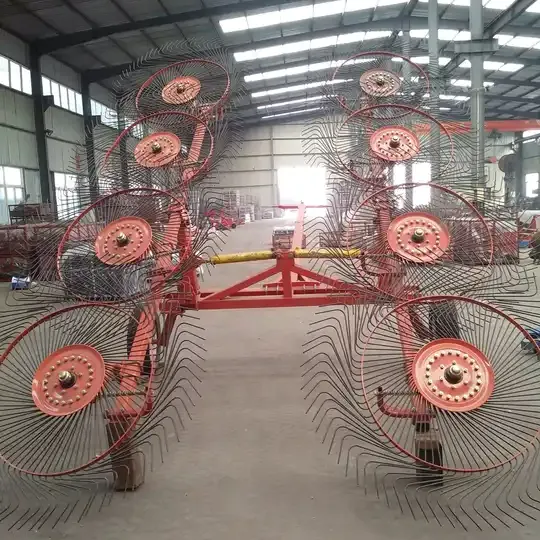
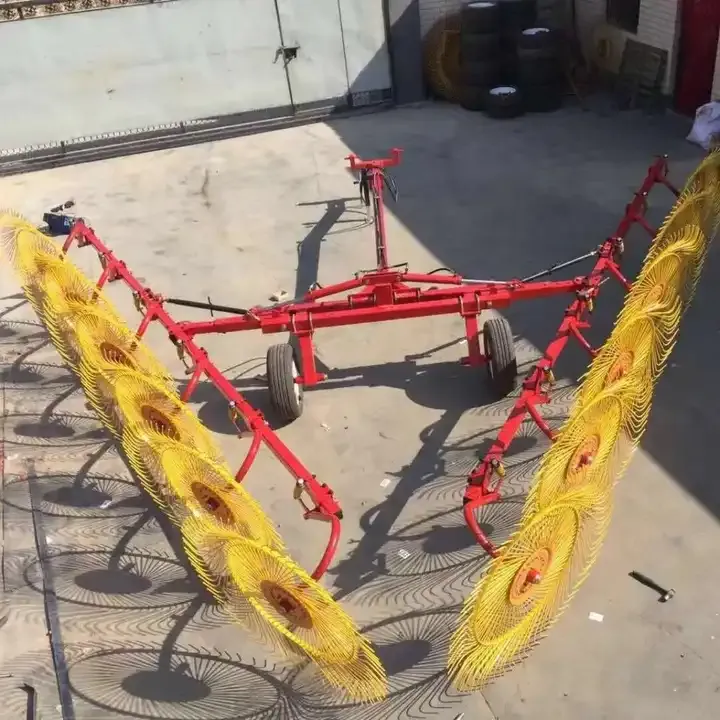
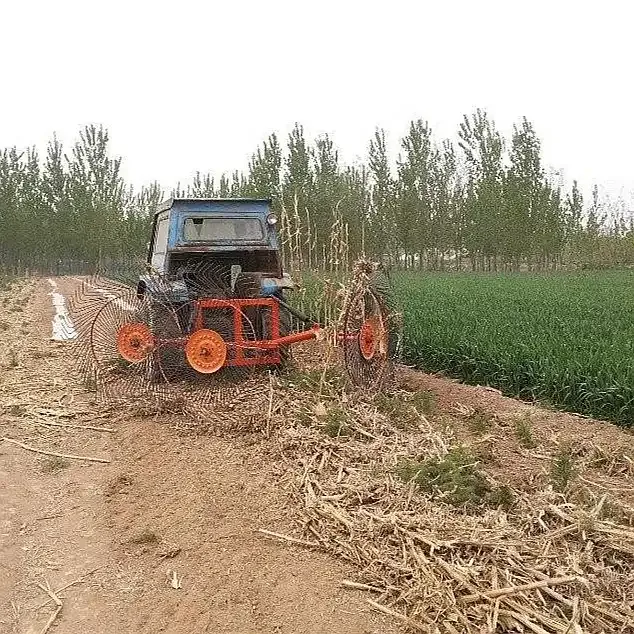
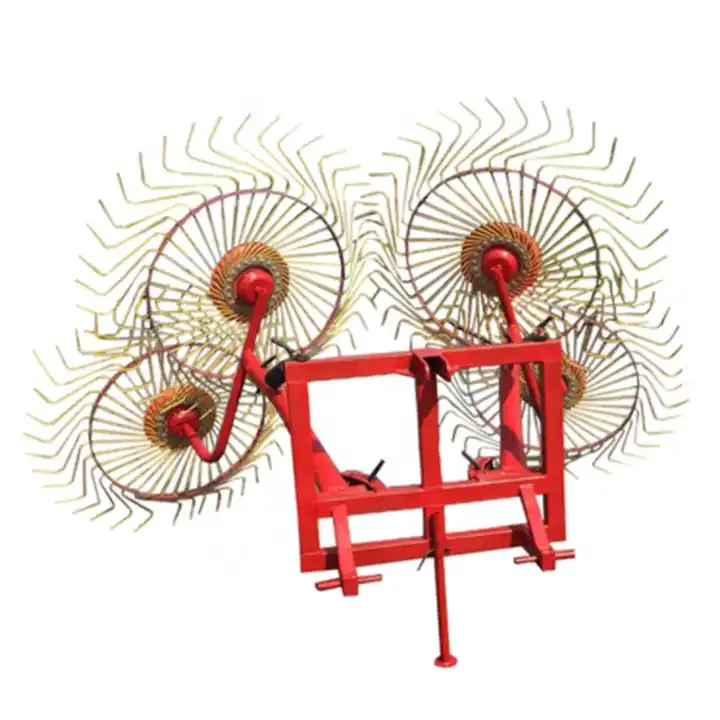
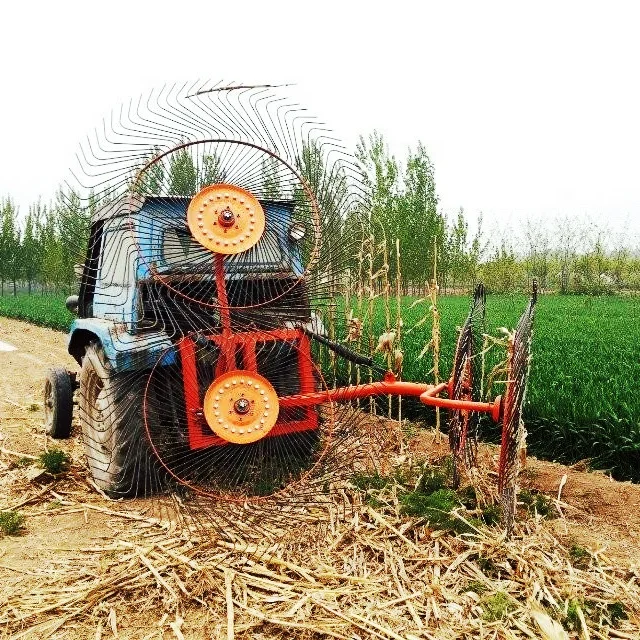
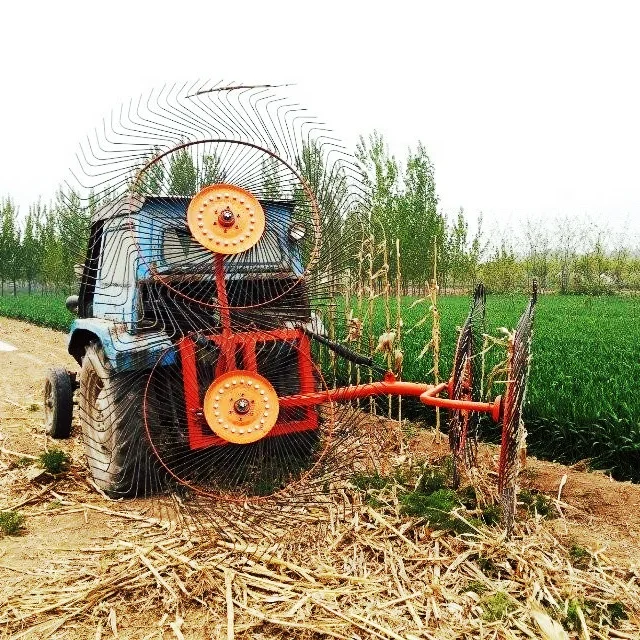
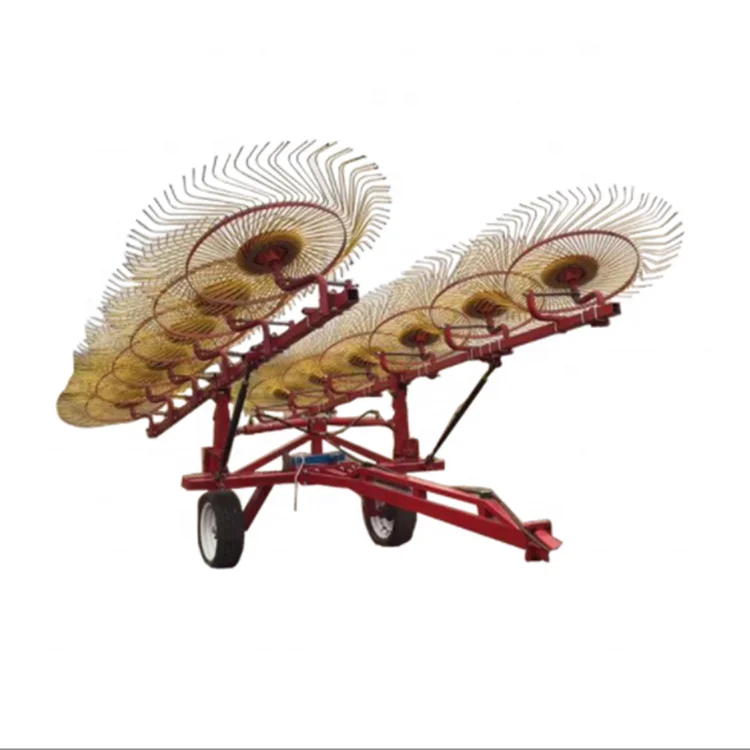
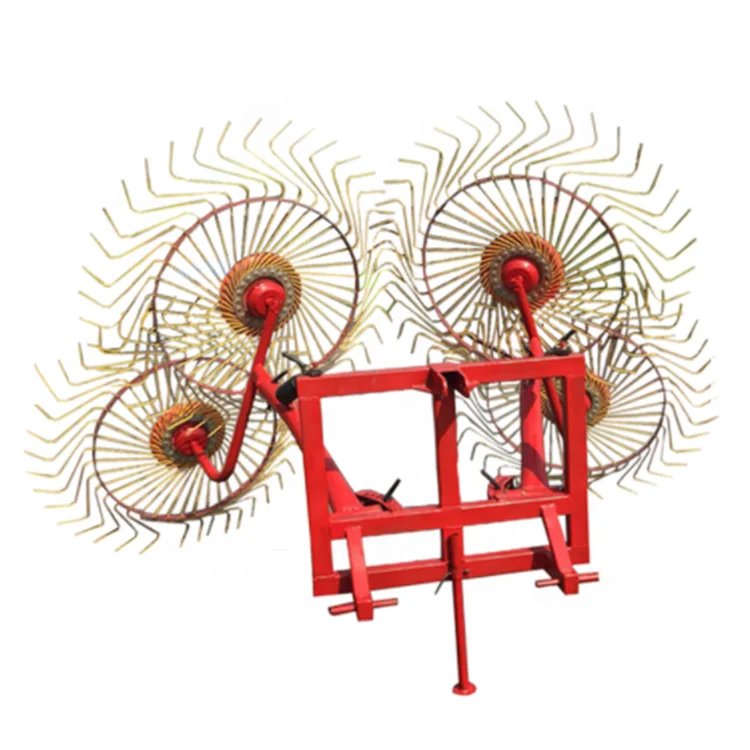
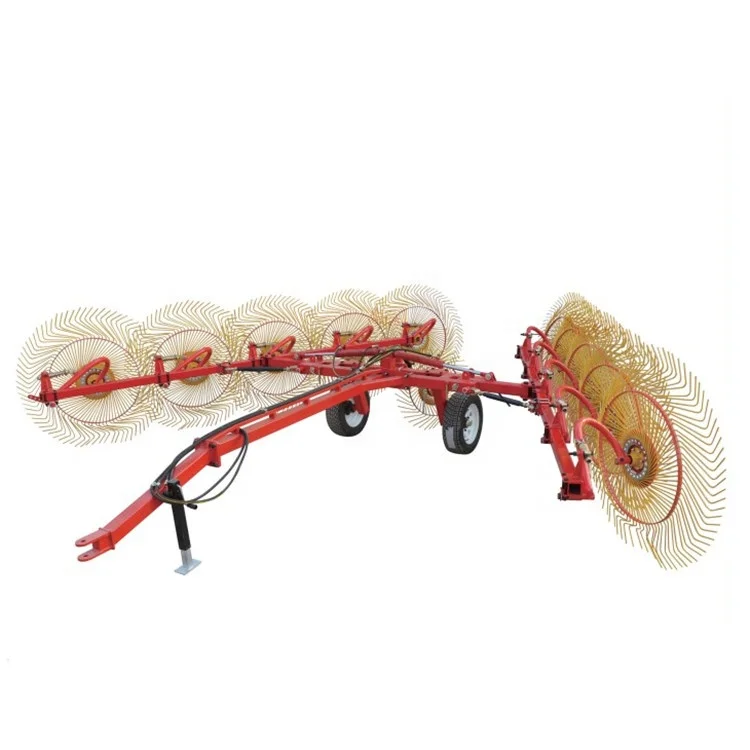
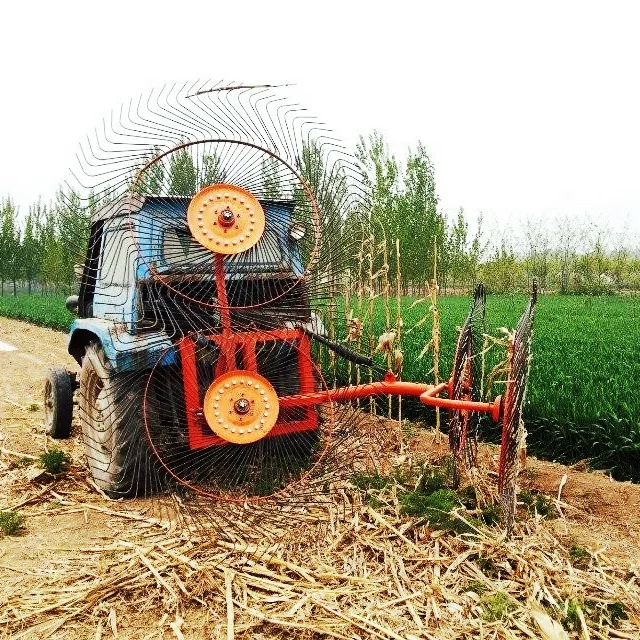
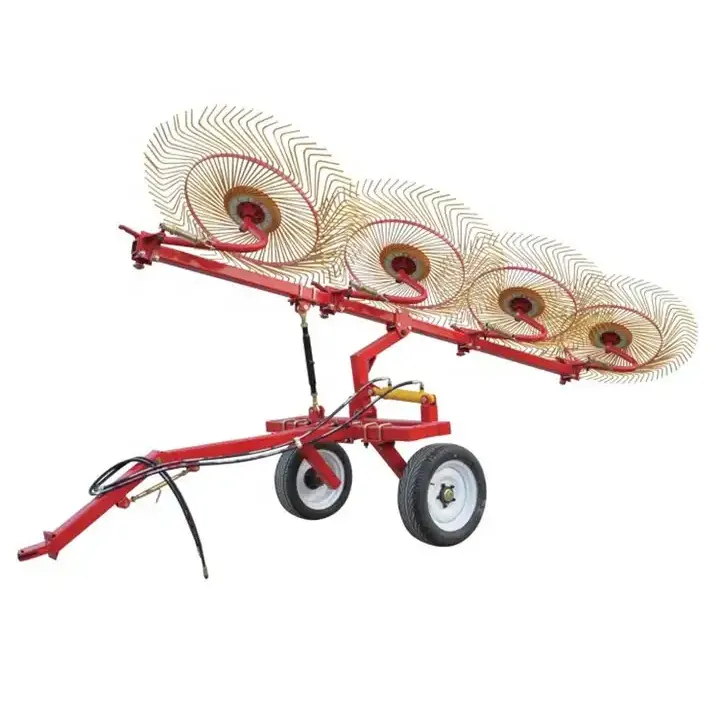
A 4-wheel hay rake is an agricultural implement designed to gather cut hay or straw into windrows, making it easier for baling or loading. This type of hay rake typically consists of a sturdy frame with four large, spoked wheels, each equipped with tines or teeth that comb through the hay. The wheels are strategically positioned to rotate and sweep the hay as the rake is pulled across the field, usually by a tractor. The 4-wheel design offers several advantages, such as enhanced maneuverability and the ability to cover a wider swath of ground compared to single-wheel or smaller rakes. The wheels are often spring-loaded to maintain consistent contact with the ground, ensuring efficient raking even on uneven terrain. This mechanism also helps to fluff up the hay, promoting better air circulation and faster drying. Farmers prefer the 4-wheel hay rake for its efficiency and ease of use. It's especially beneficial for small to medium-sized farms, where it's crucial to quickly and effectively gather hay, minimizing losses and preparing the crop for the next stages of processing. The simplicity and durability of the 4-wheel hay rake make it a reliable tool for improving the productivity of hay harvesting operations. Agriculture Equipment 4 Wheel Hay Rake Hot Sale

Specification of 4 Wheel Rake:

Model Unit 9GLZ-3.0 9GLZ-4.0 9GLZ-4.8
Working width mm 3000 4000 4800
Collecting the width of the grass 1~1.5
Diameter of tine plate 1460
Nos of tine 4 6 8
Total weight kg 200 295 345
Matched power hp 20-30 30-50 50-80
Linkage Three-point suspension

Key Features:

This series of hay rakes is mounted on a 4-wheel tractor; the material used is 65Mn spring steel to keep it durable. This machine has a simple structure, convenient operation, reliable use, fewer failures, and high efficiency. operation quality Maintenance is simple, and dynamic performance is good. Both can hug grass and ted the grasses. This hay rake could be used together with our lawn mower, it can rake the three grass swath which cut to be a even one that is helpful for the subsequent bundling work. The 4 Wheel Hay Rake is a versatile and robust piece of farming equipment. It is designed to make hay gathering more efficient and less labor-intensive. The rake plate has a diameter of 1.46m, and each plate can have either 40 or 80 tines. The tines are made of 60Si2Mn material, ensuring durability and robustness. Moreover, each tine has a diameter of 6.5mm. This product is ISO9001 certified, ensuring its quality and safety. Agriculture Equipment 4 Wheel Hay Rake Hot Sale

Advantages of Using a 4 Wheel Hay Rake for Collecting Grass

Using a 4-wheel hay rake for collecting grass offers several notable advantages: 1. Efficiency in Raking: The 4-wheel hay rake is engineered to cover extensive areas quickly, significantly enhancing the raking process's efficiency. This implement can gather a large volume of grass in a single pass, reducing the time and labor required compared to manual raking or smaller rakes. By streamlining the raking process, farmers can achieve more in less time, optimizing their overall productivity. 2. Improved Windrowing: The 4-wheel hay rake is adept at creating uniform windrows, which are essential for the next stages of hay production. The tines on the wheels gather and align the cut grass consistently, forming neat rows. This uniformity facilitates easier baling and drying, ensuring that the grass is well-organized and manageable, leading to more efficient and effective hay processing. 3. Better Air Circulation: One of the critical benefits of using a 4-wheel hay rake is its ability to fluff up the grass as it moves across the field. This action promotes better air circulation within the windrows, accelerating the drying process. Faster drying is crucial for preventing mold growth and preserving the hay's nutritional quality, making this feature vital for producing high-quality hay. 4. Adaptability to Uneven Terrain: Agricultural fields often have uneven terrain, and the 4-wheel hay rake is designed to handle this variability effectively. The spring-loaded wheels adjust to the ground's contours, maintaining consistent contact and ensuring thorough raking. This adaptability ensures that no patches of grass are missed, even on irregular surfaces, contributing to comprehensive and efficient raking. 5. Ease of Use: The 4-wheel hay rake is designed with user-friendliness in mind, making it accessible to farmers of all experience levels. It can be easily attached to a tractor and requires minimal adjustments during operation. This simplicity allows farmers to focus on the task at hand without worrying about complex machinery, leading to a smoother and more efficient raking process. 6. Versatility: While the primary function of the 4-wheel hay rake is to gather hay, its design allows for versatility in other agricultural tasks. It can be used for spreading manure or handling straw, adding to its utility on a farm. This versatility makes the 4-wheel hay rake a valuable asset, capable of performing multiple functions and enhancing overall farm management efficiency. Agriculture Equipment 4 Wheel Hay Rake Hot Sale

Common Applications:

The 4-wheel hay rake is a versatile tool in agricultural operations, primarily focused on hay and forage management. Here are some of its key applications:
  • Hay Collection: The primary application of 4-wheel hay rakes is to gather cut hay into windrows for easier baling or loading. The tines on the wheels effectively comb through the hay, aligning it into neat rows. This process is essential for efficiently handling large volumes of hay, reducing the time and labor involved in harvesting and preparing hay for storage or sale.
  • Grass Collection: In addition to hay, 4-wheel hay rakes are also used for collecting cut grass. This application is similar to hay collection, where the rakes gather and align the grass into windrows. The uniform windrows facilitate faster drying and easier handling, making the grass ready for various purposes such as silage production, grazing, or mulching.
  • Straw Management: After cereal crops like wheat or barley are harvested, the remaining straw can be collected using a 4-wheel hay rake. The rake efficiently gathers the straw into windrows, which can then be baled or used for other purposes such as bedding for animals, mulching in gardens, or soil erosion control. This application helps in managing crop residues effectively.
  • Pasture Renovation: 4-wheel hay rakes can be used in pasture renovation to gather and remove dead grass, leaves, and other debris from the field. By cleaning up the pasture, the rake helps improve the growth of new grass, ensuring a healthier and more productive pasture for grazing livestock. This application promotes better pasture management and enhances forage quality.
  • Forage Crops Collection: Forage crops like alfalfa, clover, and other legumes can also be collected using a 4-wheel hay rake. The rake gathers these crops into windrows, making them easier to bale or ensile. Properly raked forage crops dry faster and maintain higher nutritional value, which is crucial for feeding livestock. This application supports efficient forage harvesting and storage.
  • Leaf Collection: In orchards and vineyards, 4-wheel hay rakes can be used to collect fallen leaves. The rakes gather the leaves into windrows, which can then be removed from the field. This application helps maintain orchard and vineyard cleanliness, preventing the spread of diseases and pests that thrive in decaying organic matter.
Agriculture Equipment 4 Wheel Hay Rake Hot Sale

Working Principle of Tractor Mounted 4 Wheel Hay Rake for Collecting Hay

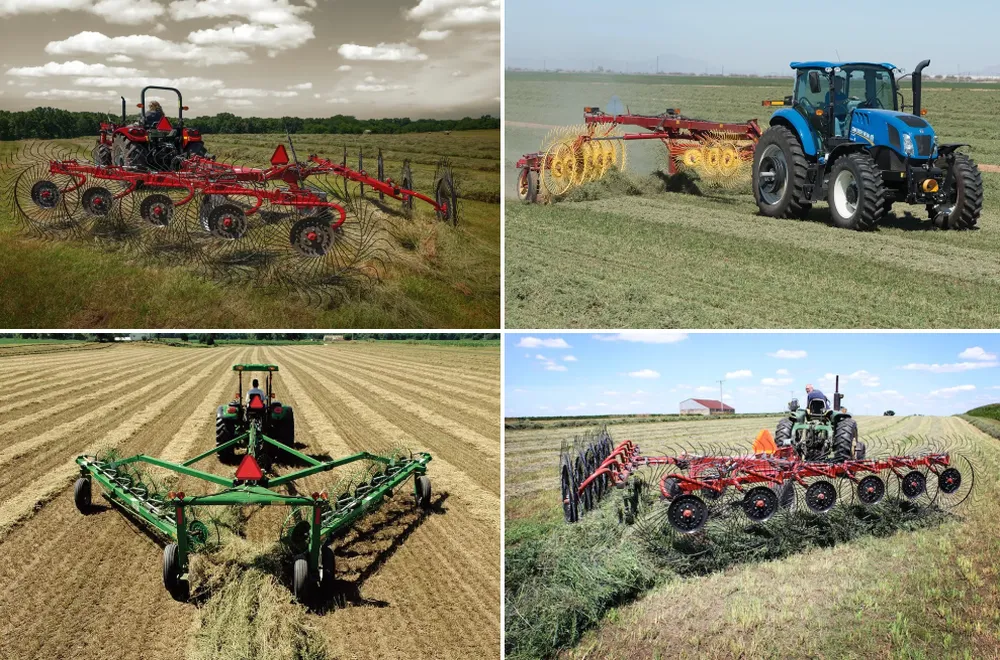
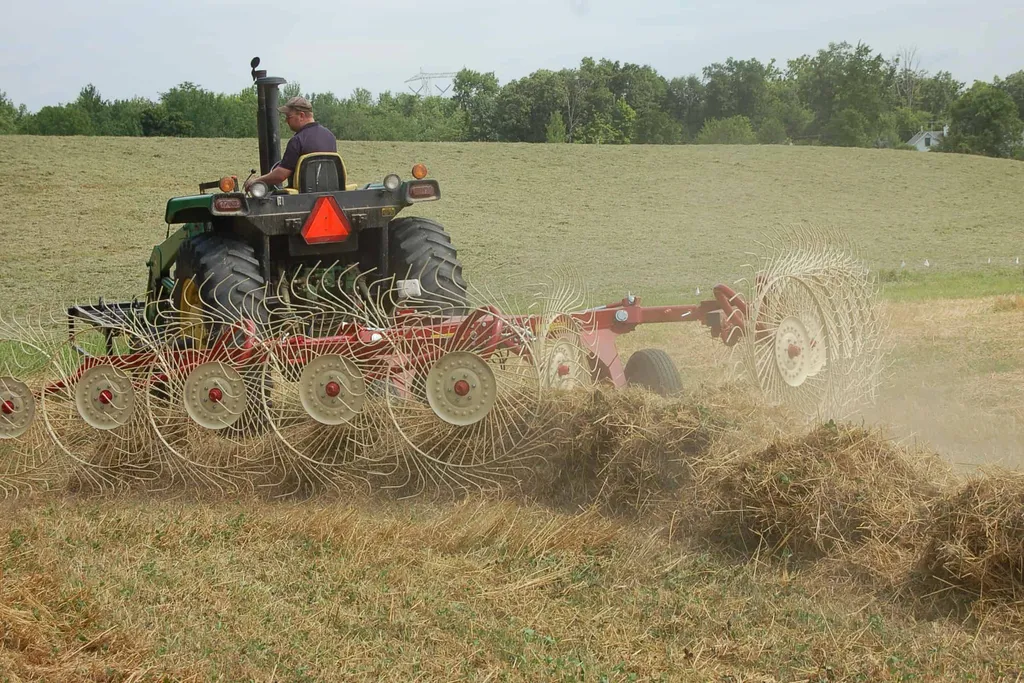
The working principle of a tractor-mounted 4-wheel hay rake for collecting hay involves a series of coordinated mechanisms and movements designed to gather and organize cut hay efficiently. Here's a detailed explanation of how it operates: 1. Attachment to Tractor: The 4-wheel hay rake is securely attached to the tractor using a three-point hitch or a drawbar. This connection is essential for transferring the tractor's power to the rake, allowing it to be pulled efficiently across the field. The attachment process is straightforward, ensuring that the rake is stable and correctly aligned with the tractor, facilitating smooth operation. 2. Positioning and Adjustment: Before raking begins, the operator adjusts the rake's height and angle to suit the specific field conditions and type of hay. These adjustments are crucial for maximizing the efficiency of the raking process. Proper positioning ensures that the tines make optimal contact with the ground, effectively gathering the hay without causing damage, and adapting to various crop and soil conditions. 3. Movement Across the Field: As the tractor moves forward, it pulls the hay rake across the field. The wheels of the rake rotate due to ground contact, driven by the tractor's motion. This rotation is fundamental to the rake's operation, as it powers the movement of the tines. The coordinated movement of the tractor and the rake ensures that the hay is gathered systematically and efficiently. 4. Tines Engage with the Hay: The tines attached to the spoked wheels of the hay rake comb through the cut hay on the field. These tines are designed to lift and gather the hay gently, preventing damage. Their spacing and flexibility allow them to handle various types of hay and crop residues, ensuring thorough collection. The tines' engagement is crucial for effective raking and windrow formation. 5. Formation of Windrows: As the tines gather the hay, they guide it towards the center or side of the rake, depending on the design. This process forms continuous rows of hay, known as windrows. The precise alignment of the tines and wheels ensures that the windrows are uniform and well-formed. Uniform windrows are essential for efficient baling or collection, making subsequent handling easier. 6. Fluffing and Aeration: As the hay is gathered and formed into windrows, the tines also fluff it up. This action improves air circulation within the windrows, accelerating the drying process. Proper drying is vital to prevent mold and maintain the hay's nutritional quality. Effective fluffing and aeration ensure that the hay dries uniformly, preserving its value for feeding livestock. 7. Continuous Operation: The tractor pulls the rake across the field in a systematic pattern, ensuring that the entire area is covered. The operator may need to adjust the rake's settings or reposition the tractor occasionally to ensure optimal windrow formation. Continuous operation streamlines the raking process, making it efficient and reducing the time required to complete the task. Agriculture Equipment 4 Wheel Hay Rake Hot Sale

Operation Tips:

Using a tractor-mounted 4-wheel hay rake efficiently requires understanding and applying various operation tips to maximize performance and safety. Here are detailed descriptions of essential tips:
  • Proper Attachment: Ensure the hay rake is correctly and securely attached to the tractor using the appropriate hitch system, such as a three-point hitch or drawbar. Verify that all connections are tight and secure to prevent the rake from detaching during operation. Proper attachment is crucial for safety and effective operation, reducing the risk of equipment damage or accidents.
  • Field Preparation: Before using the hay rake, inspect the field for obstacles such as rocks, debris, or uneven terrain. Remove any obstacles that could damage the rake or interfere with its operation. Preparing the field ensures a smoother and more efficient raking process, preventing potential damage to the equipment and ensuring consistent hay collection.
  • Correct Speed: Operate the tractor at an appropriate speed to ensure optimal raking performance. Going too fast can cause the hay to scatter, while going too slow can reduce efficiency. Typically, a moderate speed allows the tines to gather the hay effectively without missing patches or causing excessive wear on the equipment. Adjust the speed based on field conditions and the amount of hay to be collected.
  • Adjusting Rake Settings: Adjust the height and angle of the rake to match the specific field conditions and type of hay. Proper adjustment ensures that the tines make optimal contact with the ground, effectively gathering the hay without damaging it. Regularly check and fine-tune these settings to maintain efficient operation throughout the raking process.
  • Monitoring Windrow Formation: As you operate the rake, continuously monitor the formation of windrows. Ensure they are uniform and well-aligned, making them easier to bale or collect later. If windrows are uneven or poorly formed, adjust the rake settings or tractor speed accordingly. Proper windrow formation is essential for efficient subsequent handling and processing of the hay.
  • Handling Uneven Terrain: When operating on uneven terrain, adjust the rake's wheels to maintain consistent ground contact. Spring-loaded or adjustable wheels help the rake adapt to varying field conditions, ensuring thorough raking. Pay extra attention to these adjustments to prevent missing patches of hay and ensure comprehensive collection across the entire field.
  • Avoiding Overloading: Avoid overloading the rake by attempting to gather too much hay in a single pass. Overloading can cause the tines to miss hay or result in uneven windrows. Instead, make multiple passes if necessary to ensure thorough and efficient collection. Properly managing the amount of hay collected in each pass ensures consistent performance and reduces strain on the equipment.
  • Post-Operation Cleanup: After completing the raking process, clean the hay rake thoroughly to remove any debris or hay caught in the tines and wheels. Perform a final inspection for any signs of wear or damage. Proper cleanup and inspection after use help maintain the rake in good condition and ready for future operations.
Agriculture Equipment 4 Wheel Hay Rake Hot Sale

Choosing the Right Wheel Hay Rake for Your Need

Choosing the right wheel hay rake for your needs involves considering various factors that can impact its performance and suitability for your specific farming conditions. Here are detailed descriptions of key considerations to help you make an informed decision: 1. Field Size and Terrain: The size of your field and the type of terrain play a significant role in selecting the right hay rake. For large, flat fields, a wider rake can cover more ground quickly, increasing efficiency. If your field has uneven terrain or slopes, look for a rake with adjustable wheels and robust construction to handle these conditions effectively. Understanding your field's characteristics ensures you choose a rake that can operate smoothly and efficiently. 2. Type of Hay: Different types of hay require different handling techniques. For example, delicate alfalfa may need a rake with gentler tines to prevent leaf loss, while coarser grasses can be handled by more robust tines. Ensure the rake you choose is designed to handle the specific type of hay you are working with. This consideration helps maintain the quality of the hay and maximizes its nutritional value for livestock. 3. Rake Width: The working width of the hay rake determines how much hay it can gather in a single pass. Wider rakes are more efficient for large fields, reducing the number of passes needed and saving time. However, they may be less maneuverable in smaller or irregularly shaped fields. Balance the need for efficiency with the practicalities of your field layout to choose the appropriate rake width. 4. Number of Wheels: The number of wheels on a hay rake affects its capacity and efficiency. More wheels generally mean a larger working width and the ability to handle more hay per pass. However, additional wheels can also increase the complexity and cost of the rake. Consider your field size and the amount of hay you typically handle to determine the optimal number of wheels for your needs. 5. Adjustability: Look for a rake that offers adjustable settings, such as tine height, wheel angle, and working width. These adjustments allow you to customize the rake's performance to match varying field conditions and types of hay. Adjustability enhances the versatility of the rake, ensuring it can handle different tasks effectively and adapt to changing conditions. 6. Durability and Build Quality: Investing in a durable, well-built hay rake ensures long-term performance and reliability. Look for rakes made from high-quality materials with robust construction. Features such as reinforced frames, heavy-duty tines, and corrosion-resistant finishes contribute to the rake's durability. A well-built rake reduces the likelihood of breakdowns and extends the equipment's lifespan, providing better value for your investment. 7. Ease of Maintenance: Choose a hay rake that is easy to maintain, with accessible parts and straightforward maintenance procedures. Regular upkeep is essential for optimal performance and longevity. Consider features such as easily replaceable tines, accessible lubrication points, and clear maintenance guidelines. A rake that is easy to maintain will save you time and effort and ensure consistent performance. 8. Compatibility with Tractor: Ensure the hay rake is compatible with your tractor in terms of hitch type, power requirements, and hydraulic connections. Compatibility is crucial for efficient operation and safe attachment. Check the rake's specifications and compare them with your tractor's capabilities to ensure a proper match. This consideration helps avoid compatibility issues and ensures smooth operation. Agriculture Equipment 4 Wheel Hay Rake Hot Sale

Why Choose Raydafon's Wheel Hay Rakes?

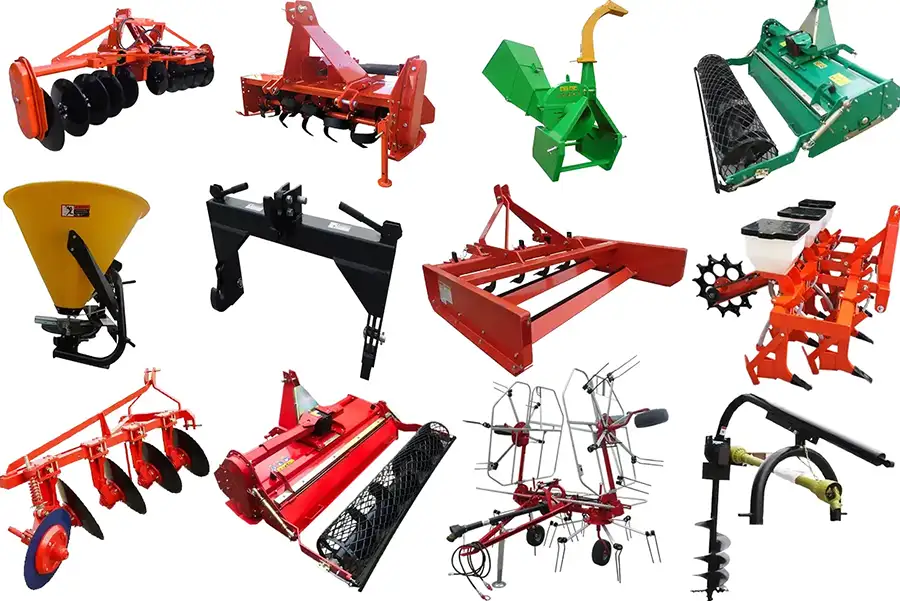
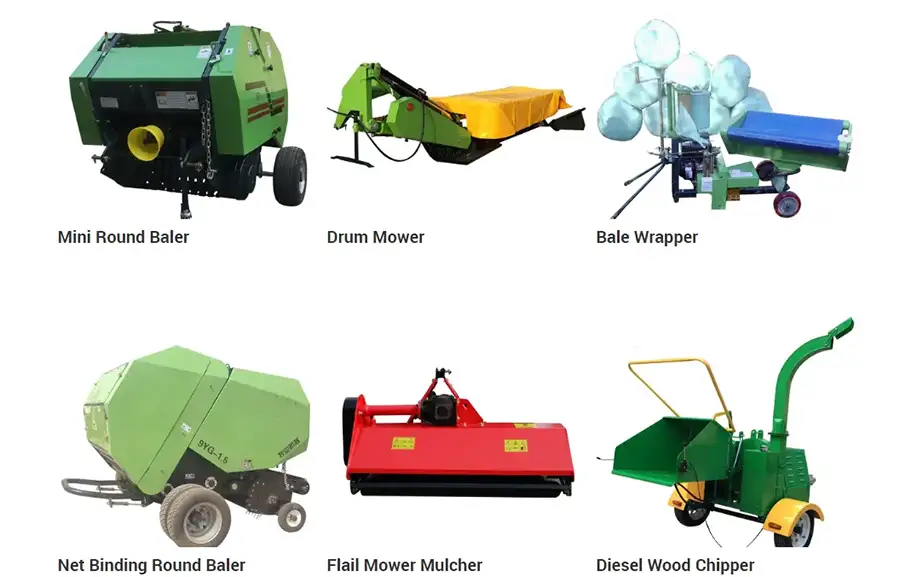
Raydafon is a leading manufacturer and distributor specializing in hay rakes, and we are renowned for our scale, technical expertise, and innovation in agricultural machinery. Our company boasts state-of-the-art production facilities and a team of highly skilled engineers, ensuring top-quality products and cutting-edge technology. Our hay rakes are ideal replacements for those used with renowned baler brands such as Kuhn, John Deere, New Holland, Claas, Krone, Pottinger, Vermeer, Massey Ferguson, Case IH, Fella, Vicon, Kubota, Lely, Hesston, Sitrex, Enorossi, Agco, Bush Hog, Kverneland, Frontier, and others. Our hay rakes stand out for their durability, efficiency, and precision. They are designed to create uniform windrows, facilitating easier and more effective baling. The robust construction ensures long-lasting performance even under the most demanding conditions, while the adjustable settings provide versatility for various crop types and field conditions. These features make our rotary hay rakes indispensable for haymaking, forage harvesting, and bedding material preparation. At Raydafon, we pride ourselves on our expertise and influence in the hay rake industry. Our commitment to quality is backed by international certifications, and we offer customized solutions to meet the unique needs of our clients. Our advanced production facilities, combined with our dedicated after-sales service, guarantee customer satisfaction and reliable performance. Agriculture Equipment 4 Wheel Hay Rake Hot Sale In addition to hay rakes, we offer a wide range of agricultural equipment including PTO shafts, agricultural gearboxes, large round balers, mini round balers, PTO wood chippers, diesel wood chippers, corn seeders, drum mowers, flail mowers, lawn mowers, sickle bar mowers, rotary mowers, rotary tillers, land levelers, fertilizer spreaders, furrow ploughs, disc harrows, disc blades, disc ridgers, disc ploughs, potato planters, potato harvesters, wheat seeders, vegetable seeders, post hole diggers, boom sprayers, agricultural subsoilers, agricultural trailers, disc mowers, finger wheel rakes, snow blowers, and road sweepers. Agriculture Equipment 4 Wheel Hay Rake Hot Sale   Author: Yjx
Hot Tags: 4 Wheel Hay Rake Manufacturer, Agriculture Equipment Supplier, Hay Rake Wholesale
Send Inquiry
Contact Info
Get customized quotes for transmission components, gearboxes, and machinery. Our engineers will respond within 24 hours.
Online
X
We use cookies to offer you a better browsing experience, analyze site traffic and personalize content. By using this site, you agree to our use of cookies. Privacy Policy
Reject Accept