Discover Raydafon Group's 90 Degree Bevel Gears: precision-engineered for smooth power transmission at right angles in machinery, offering durability and efficiency. Ideal for DIY enthusiasts and professionals in automation, they enhance performance with reliable, high-quality design. Experience seamless operation and solve alignment challenges effortlessly—upgrade your projects today!
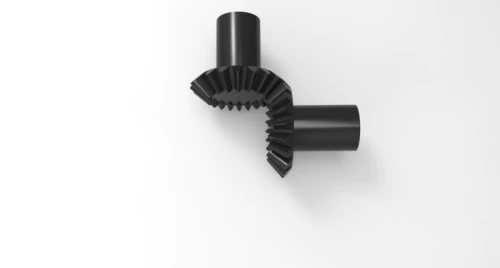
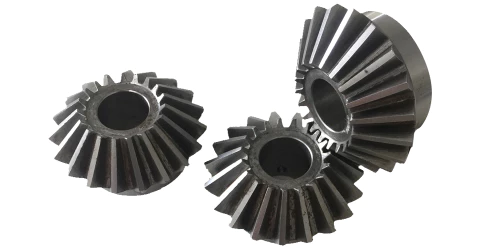
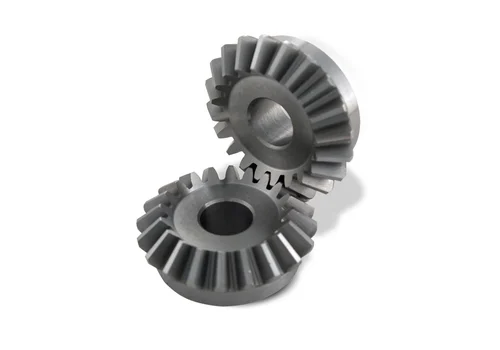
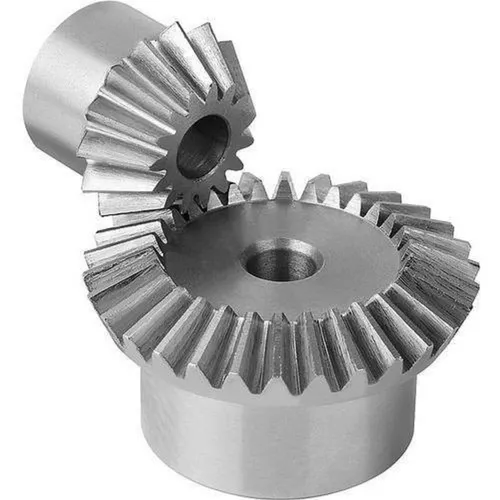
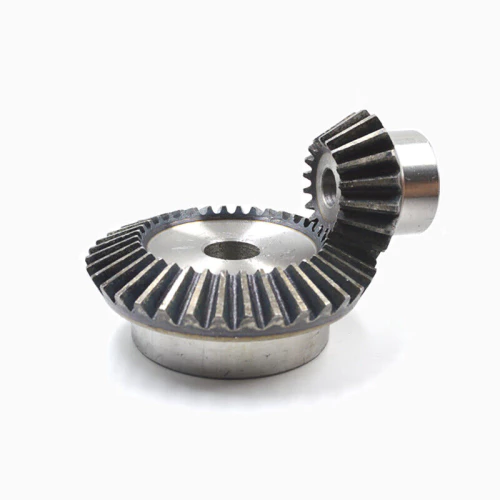
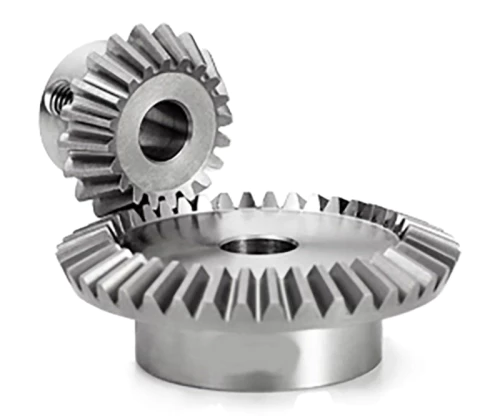
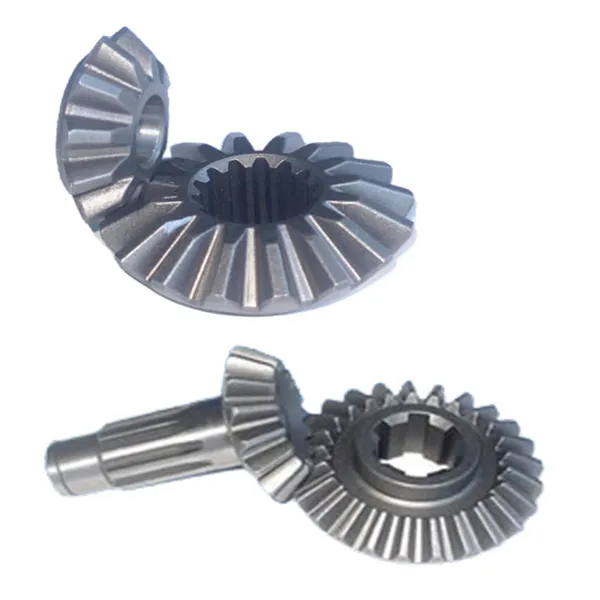
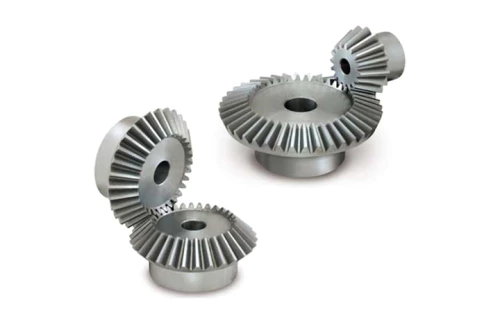
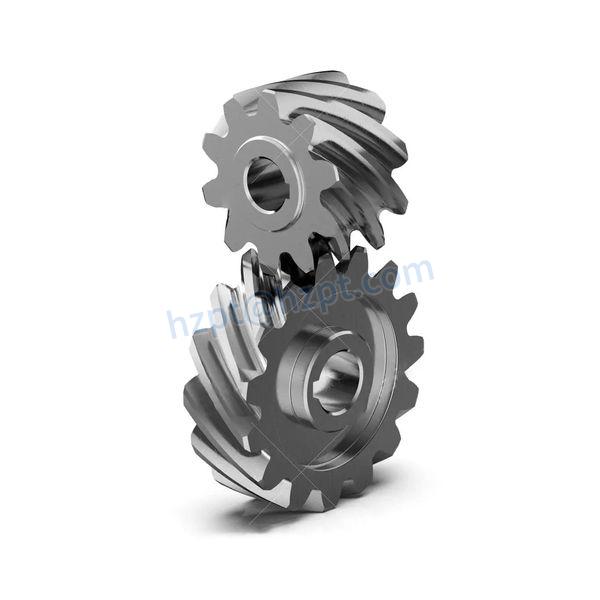
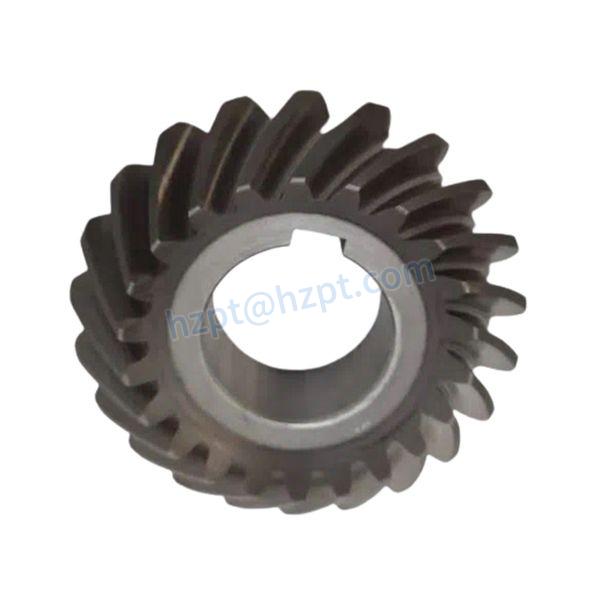
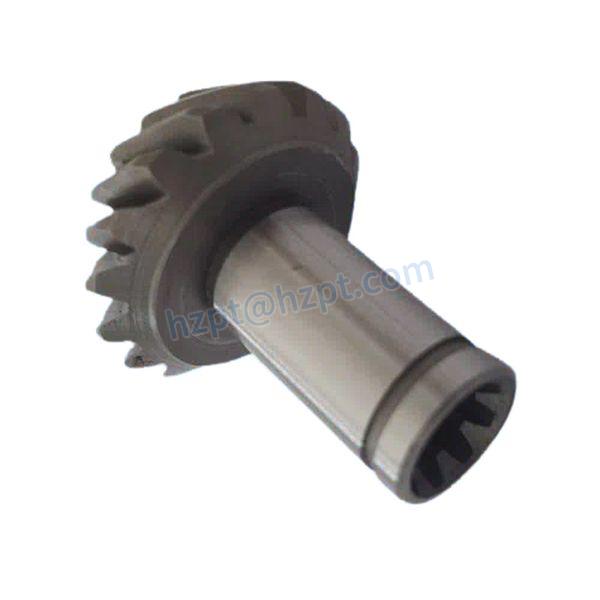
A 90 degree bevel gear, also known as a right-angle bevel gear, is a type of bevel gear configuration where the intersecting axes of two gears form a 90-degree angle. These gears have conical-shaped teeth that are cut on their outer surfaces, allowing the transmission of rotational motion between two intersecting shafts positioned at a right angle. The teeth of the gears mesh together to transmit torque and rotation, enabling power transfer and motion redirection in various mechanical systems. 90-degree bevel gears are commonly used in applications where the transmission of power at a right angle is required while maintaining compactness and efficient motion transfer.
Advantages of 90 degree bevel gears
1. Compact Design: 90-degree bevel gears offer a compact and space-saving solution for transmitting power between shafts that are perpendicular to each other.2. Efficient Power Transmission: They provide efficient power transmission with minimal energy loss due to their precise tooth engagement and high gear meshing efficiency.3. Smooth Operation: 90-degree bevel gears offer smooth and quiet operation, making them suitable for applications where noise reduction is important.4. Versatility: They can accommodate a wide range of torque and speed requirements, making them versatile for various industrial applications.5. Adjustable Gear Ratios: By changing the number of teeth on each gear, the gear ratio of a 90-degree bevel gear system can be adjusted to meet specific speed and torque requirements.6. Precise and Accurate: These gears are capable of providing precise and accurate motion control, making them suitable for applications that require high positional accuracy.
The manufacturing process for 90 degree bevel gears typically involves the following steps:
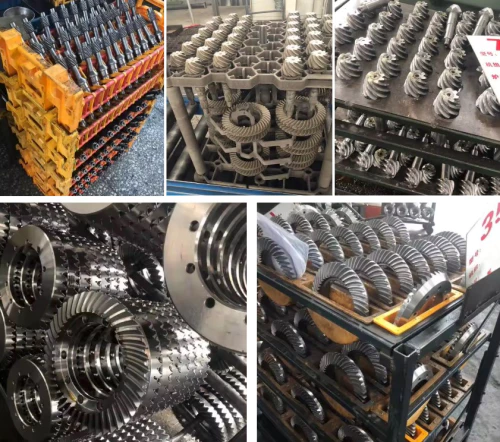
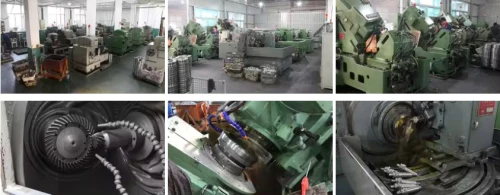
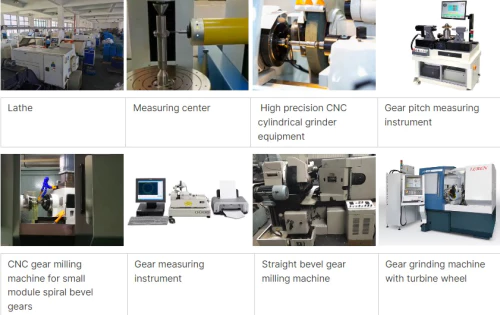
1. Gear Design: The gear design is created based on the specific requirements of the application, including gear ratio, tooth profile, and dimensions. Computer-aided design (CAD) software is commonly used in this stage.2. Material Selection: The appropriate material for the gears is chosen based on factors such as load capacity, durability, and compatibility with the operating environment. Common materials include steel alloys, cast iron, and non-ferrous alloys.3. Gear Cutting: The gear teeth are cut using specialized gear cutting machines. There are different methods for cutting bevel gears, including the Gleason method, Klingelnberg method, and face milling method. These methods involve the use of cutting tools such as gear hobbing cutters, gear shaping cutters, or gear milling cutters.4. Heat Treatment: The gears may undergo heat treatment processes such as carburizing, quenching, and tempering to improve their hardness, strength, and wear resistance.5. Machining and Finishing: The gears are further machined to achieve the desired dimensions, surface finish, and tooth profile accuracy. This may involve processes such as grinding, lapping, or honing.6. Gear Assembly: The gears are assembled onto their respective shafts using appropriate mounting methods like keyways, set screws, or clamping mechanisms. Proper alignment is crucial to ensure smooth and efficient gear operation.7. Quality Control: The finished gears undergo rigorous quality control checks to ensure they meet the required specifications. This may involve dimensional inspections, hardness testing, and tooth profile measurements.
Applications of 90 Degree Bevel Gears
1. Machinery and Equipment: They are used in machine tools, printing presses, packaging machinery, and conveyors for transmitting power and motion at right angles.2. Automotive Industry: They are utilized in automotive differentials, power take-off units, and steering systems for changing the direction of motion.3. Robotics: 90-degree bevel gears are used in robotic arm joints and manipulators to transmit power efficiently at right angles.4. Aerospace: They find applications in aircraft landing gear systems, engine accessory drives, and rotorcraft transmissions.5. Power Transmission Systems: They are used in gearboxes, speed reducers, and drivetrains to redirect power and change the direction of rotation.6. Industrial Mixers: They are employed in heavy-duty industrial mixers and agitators for blending and stirring operations.7. Machine Tools: 90-degree bevel gears are used in milling machines, lathes, and drilling machines to transmit power at right angles for cutting and shaping operations.8. Marine Applications: They find use in marine propulsion systems, steering mechanisms, and winches.9. Agricultural Equipment: They are utilized in agricultural machinery, such as tractors and harvesters, for power transmission and direction changes.10. Medical Equipment: They can be found in medical imaging devices, robotic surgery systems, and precision instruments for accurate motion control.
During the use of 90-degree bevel gears, several issues may arise. Here are five common problems and their potential solutions:
1. Excessive Noise or Vibration:- Problem: Excessive noise or vibration during gear operation can indicate misalignment, worn gears, or improper lubrication.- Solution: Perform a thorough inspection to identify the root cause. Realign the gears if misalignment is detected. Replace worn gears and ensure proper lubrication by applying the recommended lubricant and following the manufacturer's guidelines.2. Gear Tooth Wear or Damage:- Problem: Wear or damage to the gear teeth can result from high loads, inadequate lubrication, or poor material selection.- Solution: Determine the cause of tooth wear or damage and address it accordingly. Consider increasing the gear's load capacity or changing to a more durable material. Improve lubrication practices and ensure the use of suitable lubricants.3. Insufficient Lubrication:- Problem: Insufficient lubrication leads to increased friction, heat generation, and accelerated wear of the gear teeth.- Solution: Check lubricant levels regularly and follow the manufacturer's recommendations for lubrication intervals. Ensure the use of high-quality lubricants suitable for the application. Monitor lubricant condition and replace it as needed.4. Misalignment:- Problem: Misalignment between the gears can cause uneven tooth contact, increased wear, and decreased efficiency.- Solution: Verify gear alignment using alignment tools such as dial indicators or laser alignment systems. Adjust the gears' position and realign them if necessary. Ensure proper mounting and fastening techniques are used.5. Overload or Excessive Torque:- Problem: Subjecting the gears to loads or torques beyond their design limits can result in gear failure or premature wear.- Solution: Evaluate the operating conditions and ensure the gears are appropriately sized for the application's load and torque requirements. Consider upgrading to gears with higher load capacities if necessary.
We use cookies to offer you a better browsing experience, analyze site traffic and personalize content. By using this site, you agree to our use of cookies. Privacy Policy



 Raydafon