Raydafon Technology Group Co.,Limited
Products
Products
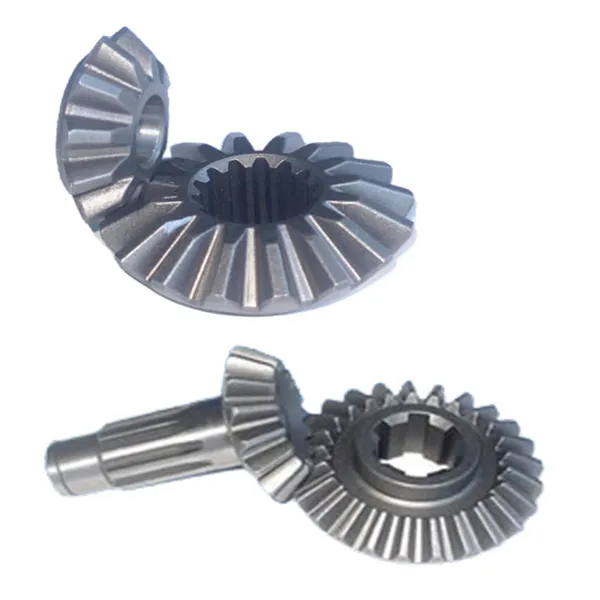
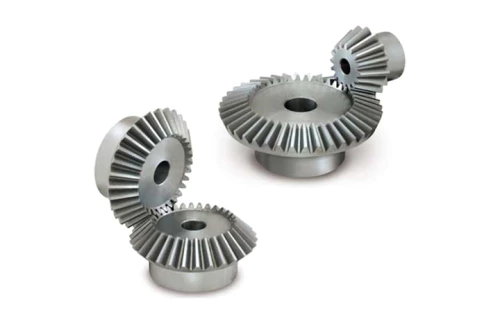
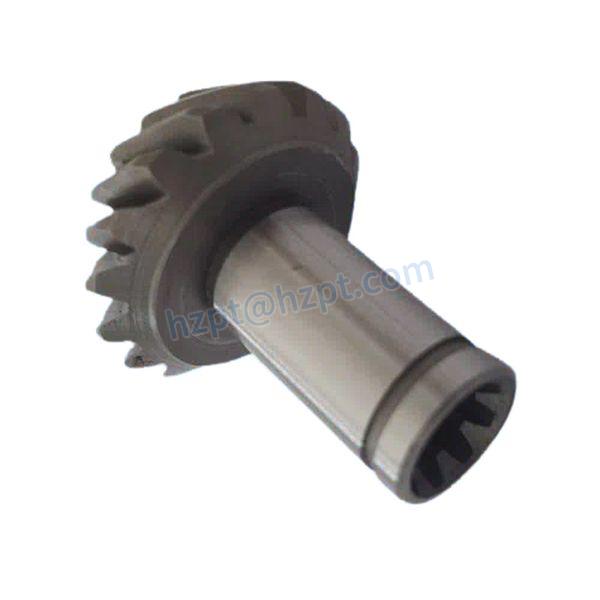
Sintered Metal bevel gears

Sintered Metal bevel gears

Raydafon Group's Sintered Metal Bevel Gears deliver unmatched precision in power transmission. Crafted from durable sintered metal, they offer superior strength, low noise, and efficient performance for automotive and industrial applications. Experience reliability and smooth operation that sets you apart from competitors. Upgrade your machinery today!
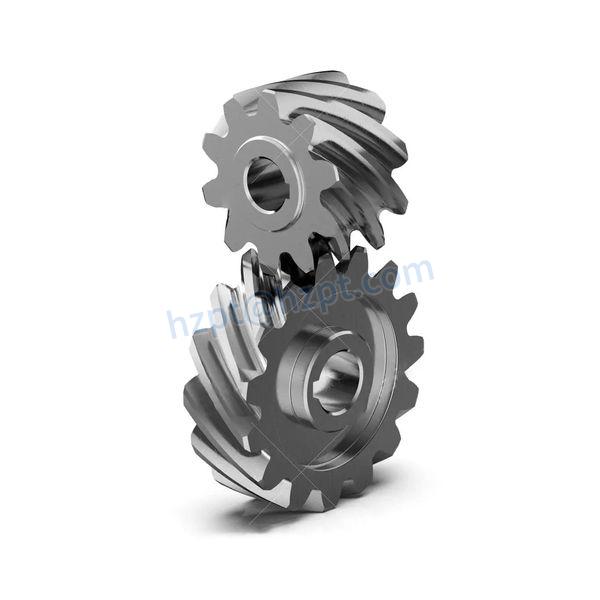
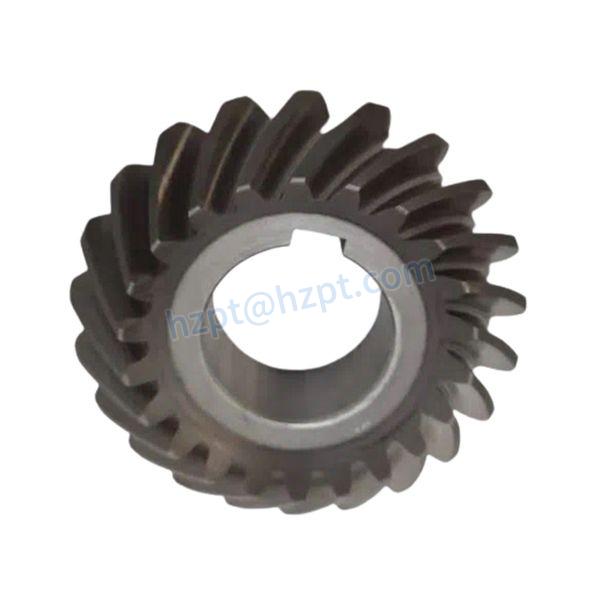
Sintered metal bevel gear refers to a type of gear that is manufactured using the sintering process and is specifically designed for transmitting rotational motion and power between intersecting shafts at an angle. It consists of two gear wheels with conical-shaped teeth that mesh with each other to transfer torque and rotational motion. The sintering process involves compacting metal powder and then heating it to bond the particles together, resulting in a solid and durable gear structure. Sintered metal bevel gears are commonly used in various mechanical systems and applications, including automotive, industrial machinery, power tools, and other equipment where efficient power transmission at intersecting shafts is required.

Sintered Metal bevel gears

Advantages:

1. Cost-Effective: Sintered metal bevel gears can be produced in large quantities at a relatively lower cost compared to machined or forged gears. The sintering process allows for efficient mass production, reducing material waste and labor costs.2. Design Flexibility: Sintering enables complex gear geometries and customization options. Manufacturers can produce gears with various tooth profiles, sizes, and configurations to meet specific application requirements.3. High Strength and Durability: Sintered metal bevel gears exhibit excellent strength and durability due to the inherent metallurgical bonding achieved during the sintering process. They can withstand high loads and provide reliable performance in demanding applications.4. Self-Lubricating Properties: Sintered metal gears can incorporate self-lubricating properties by impregnating lubricants into the porous structure of the gear during the manufacturing process. This reduces the need for external lubrication and enhances the gear's resistance to wear and friction.5. Noise Reduction: Sintered metal bevel gears can be engineered with optimized tooth profiles and surface finishes to minimize noise and vibration levels during operation. This makes them suitable for applications where low noise is critical, such as in automotive transmissions or precision machinery.Sintered Metal bevel gears

Application Scenarios:

1. Automotive Industry: Sintered metal bevel gears are widely used in automotive applications, including differentials, transmissions, and powertrain systems. They provide efficient power transmission, compact design, and cost advantages for various vehicle types.2. Industrial Machinery: These gears find applications in a range of industrial machinery, such as conveyors, machine tools, printing presses, and agricultural equipment. They enable reliable and efficient power transmission in heavy-duty and high-torque applications.3. Power Tools and Appliances: Sintered metal bevel gears are commonly employed in power tools, such as drills, saws, and mixers, as well as in household appliances like washing machines and lawn mowers. They provide the necessary torque and durability required for these applications.4. Robotics and Automation: Due to their strength, compact size, and cost-effectiveness, sintered metal bevel gears are well-suited for use in robotics and automation systems. They enable precise motion control and power transmission in robotic arms, CNC machines, and other automated equipment.5. Renewable Energy: Sintered metal bevel gears are utilized in various renewable energy systems, including wind turbines and solar trackers. They efficiently transmit power between the rotating components and help optimize energy conversion and generation processes.Sintered Metal bevel gears

How Does Sintered Metal Bevel Gear Work?

1. Gear Tooth Engagement: A sintered metal bevel gear consists of two gear wheels with conical-shaped teeth. These gear wheels are mounted on separate shafts that intersect at a specific angle, typically 90 degrees for a right-angle bevel gear. When the gears rotate, their teeth engage with each other at the point of contact.2. Power Transmission: As the driving gear (also known as the pinion gear) rotates, its teeth mesh with the teeth of the driven gear. The contact between the gear teeth allows for the transfer of rotational motion and power from the driving gear to the driven gear. The number of teeth on each gear determines the speed ratio and torque conversion between the two shafts.3. Axial Force and Thrust: In addition to transmitting motion and power, bevel gears also generate axial forces due to the inclined contact of their teeth. These axial forces create thrust along the axial direction of the gear shafts. Proper thrust management is crucial to ensure smooth operation and prevent excessive axial loads on the shafts and bearings.4. Lubrication: Sintered metal bevel gears require appropriate lubrication to minimize friction and wear between the gear teeth during operation. Lubricants, such as oils or greases, are used to create a thin film between the gear teeth, reducing friction and dissipating heat generated by the meshing action.5. Load Distribution and Contact Pattern: The design of the gear tooth profile and contact pattern is important for achieving uniform load distribution and minimizing stress concentrations. Proper tooth profile and contact pattern optimization help ensure smooth and efficient power transmission while minimizing noise, vibration, and wear.6. Manufacturing Considerations: Sintered metal bevel gears are manufactured through a process called sintering, which involves compacting metal powder and then heating it to bond the particles together. The sintering process allows for the production of complex gear shapes with high precision. Material selection, density control, and post-sintering treatments, such as heat treatment and surface finishing, are important factors in achieving the desired gear performance and durability.Sintered Metal bevel gears

Description

Model NumberM3,M4,M5,M8,M12 and etc.
MaterialBrass, C45 steel, Stainless steel, Copper, POM, Aluminum, Alloy, and so on
Surface treatmentZinc-plated, Nickel plated, Passivation, Oxidation, Anodization,Geomet, Dacromet, Black Oxide, Phosphatizing, Powder Coating, and Electrophoresis
StandardISO, DIN, ANSI, JIS, BS, and Non-standard.
PrecisionDIN6,DIN7,DIN8,DIN9.
Teeth treatmentHardened, Milled, or Ground
Tolerance0.001mm-0.01mm-0.1mm
Finishshot/sandblast, heat treatment, annealing, tempering, polishing, anodizing, zinc-plated
Items packingPlastic bag+Cartons Or Wooden Packing
Payment termsT/T, L/C
Production lead time20  business days for sample,25 days for the bulk
SamplesSample price range from $2 to $100.sample express request paid by clients
Application1. Automatic controlling machine2. Semi-conductor industry3. General industry machinery4. Medical equipment5. Solar energy equipment6. Machine tool7. Parking system8. High-speed rail and aviation transportation equipment, etc.

How To Select The Right Sintered Metal Bevel Gear?

1. Application Requirements: Understand the specific requirements of your application, including the desired gear ratio, torque capacity, speed range, and operating conditions (such as temperature, environment, and load characteristics). This information will help determine the suitable gear specifications.2. Gear Design and Material: Consider the design characteristics, tooth profile, and material of the sintered metal bevel gear. Different gear designs and materials offer varying performance characteristics in terms of strength, wear resistance, noise generation, and cost. Select a gear design and material that align with your application's requirements and constraints.3. Load Capacity: Evaluate the load capacity of the gear by considering factors such as the maximum torque and radial loads it will experience during operation. Ensure that the selected gear can handle the anticipated loads without exceeding its limits, preventing premature wear or failure.4. Efficiency and Power Loss: Assess the efficiency and power loss characteristics of the gear. Higher gear efficiencies result in reduced energy losses and improved overall system performance. Consider the specific application requirements and select a gear design that offers optimal efficiency for your intended use.5. Lubrication Requirements: Understand the lubrication requirements of the gear system. Some sintered metal bevel gears may require specific lubrication methods, such as oil bath or grease, to ensure proper operation and longevity. Take into account the lubrication system availability and maintenance requirements when selecting the gear.6. Noise and Vibration: Consider the noise and vibration characteristics of the gear. Sintered metal bevel gears can generate noise and vibrations during operation, which may be undesirable in certain applications. Look for gears that have noise reduction features, such as optimized tooth profiles or surface treatments, to minimize noise and vibration levels.7. Manufacturer Reputation and Support: Choose gears from reputable manufacturers with a track record of producing high-quality products. Consider the manufacturer's expertise, technical support capabilities, and availability of after-sales service. This ensures you have access to expert assistance and support throughout the gear's lifecycle.8. Cost Considerations: Evaluate the cost-effectiveness of the gear. Compare the performance, quality, and durability of different gear options against their respective costs. Strive to strike a balance between meeting the application requirements and achieving cost efficiency.

Products Show

Sintered Metal bevel gears

Testing Process

- QA DOC: chemical composition report, mechanical performance report, UT report, heat treatment report, dimensional inspection report.- Chemical composition report and mechanical performance report.- UT test: 100% ultrasonic test according to EN10228-3, SA388, etc.- Heat treatment report: provide an original copy of the heat treatment curve/timetable.

Sintered Metal bevel gears

During the use of sintered metal bevel gears, several issues may arise. Here are some common problems and their potential solutions:

1. Wear and Tooth Damage: Over time, gear teeth can experience wear, pitting, scoring, or chipping due to various factors like heavy loads, inadequate lubrication, or contaminants. To address this, regular inspection and maintenance should be performed to detect early signs of wear. If significant damage is identified, the affected gears may need to be repaired or replaced.
2. Excessive Noise and Vibration: Sintered metal bevel gears can generate noise and vibrations during operation, which may be attributed to factors such as misalignment, insufficient lubrication, or uneven tooth contact. To mitigate this issue, ensure proper alignment of the gears, maintain adequate lubrication, and optimize the gear contact pattern through adjustments or tooth profile modifications.
3. Lubrication Issues: Inadequate or improper lubrication can lead to increased friction, wear, and overheating. It is essential to follow the manufacturer's recommendations for lubrication type, quantity, and maintenance intervals. Regularly monitor the lubricant condition and replace it as needed. Additionally, ensure that the lubricant used is compatible with the gear material and operating conditions.
4. Axial Thrust and Overloading: Sintered metal bevel gears generate axial thrust forces due to the inclined tooth contact. Excessive axial loads can cause premature failure of bearings or result in gear tooth misalignment. Proper thrust management is crucial, and measures such as utilizing thrust bearings, optimizing gear design, or implementing axial load balancing methods should be considered.
5. Misalignment: Improper alignment of the gear shafts can lead to increased wear, noise, and reduced efficiency. During installation and maintenance, ensure accurate alignment of the shafts both axially and radially. Use appropriate alignment tools and techniques, such as dial indicators or laser alignment systems, to achieve precise alignment.
6. Contamination and Corrosion: Contaminants, such as dirt, debris, or moisture, can impact gear performance and accelerate wear. Implement preventive measures, such as sealing systems or protective covers, to minimize the ingress of contaminants. Regular cleaning and inspection will help identify and address any corrosion or contamination issues promptly.
7. Insufficient Strength or Torque Capacity: In some cases, the selected sintered metal bevel gear may not have adequate strength or torque capacity for the application's requirements. If this occurs, consider upgrading to a gear with a higher load rating or consult with a gear specialist to explore alternative gear designs or materials.
Hot Tags: Sintered Metal Bevel Gears Manufacturer, Custom Bevel Gears Supplier, High-Quality Sintered Gears Factory
Send Inquiry
Contact Info
Get customized quotes for transmission components, gearboxes, and machinery. Our engineers will respond within 24 hours.
Online
X
We use cookies to offer you a better browsing experience, analyze site traffic and personalize content. By using this site, you agree to our use of cookies. Privacy Policy
Reject Accept