
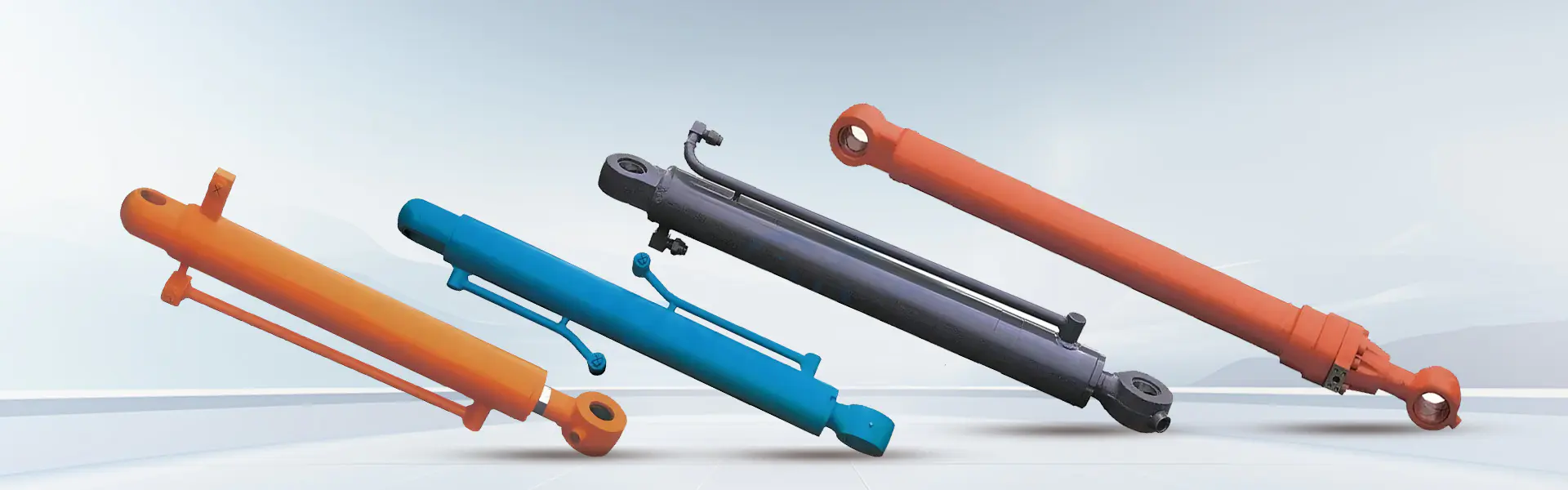
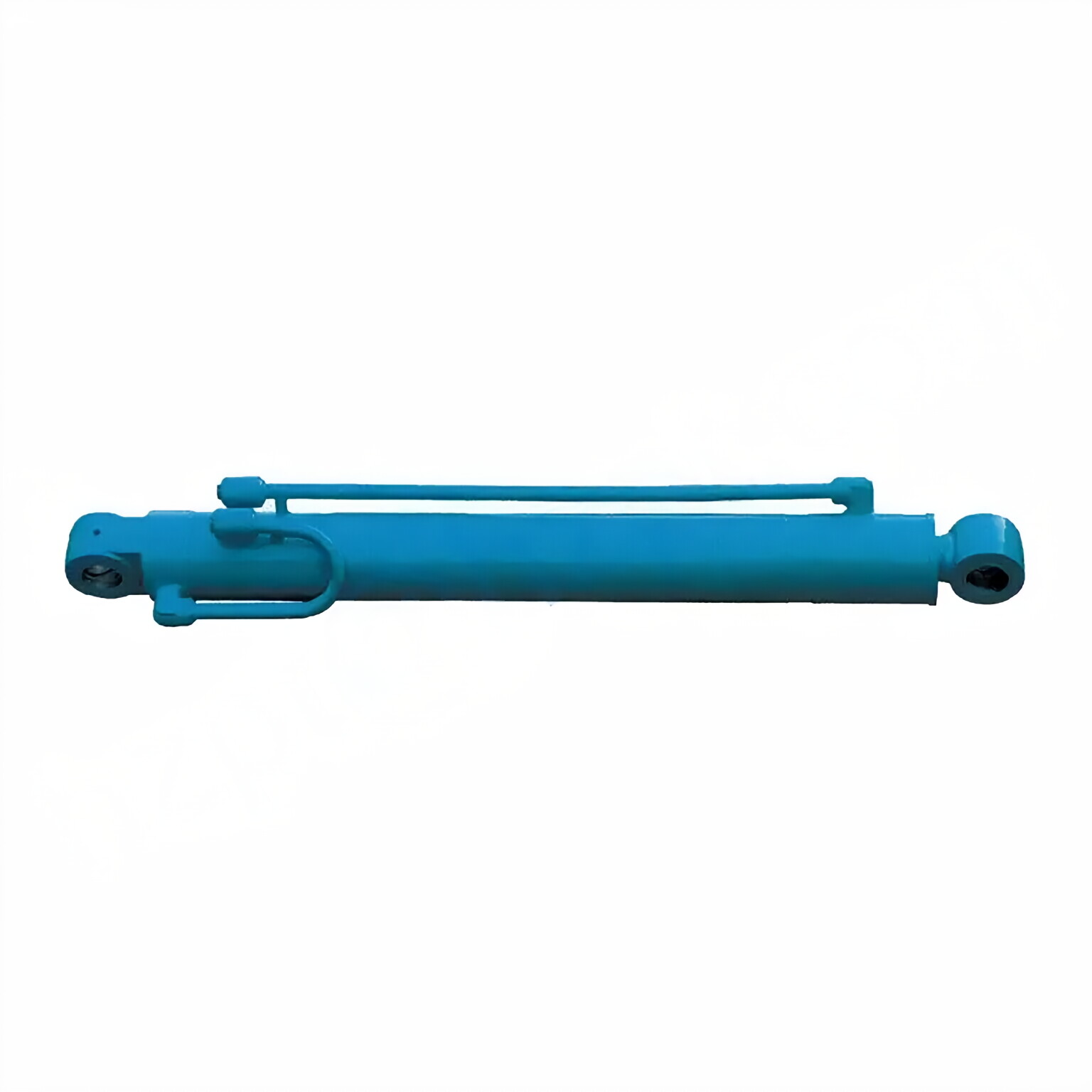
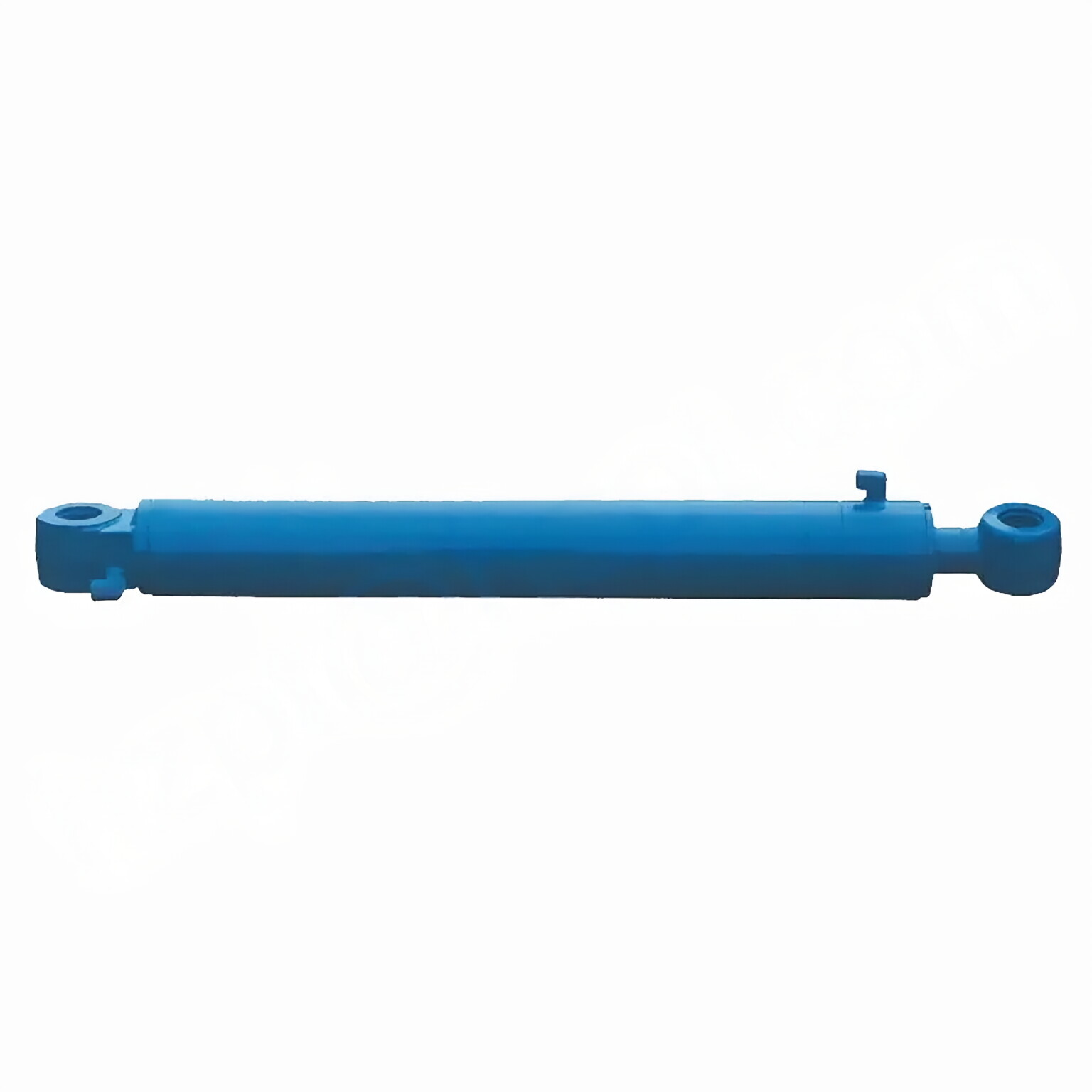
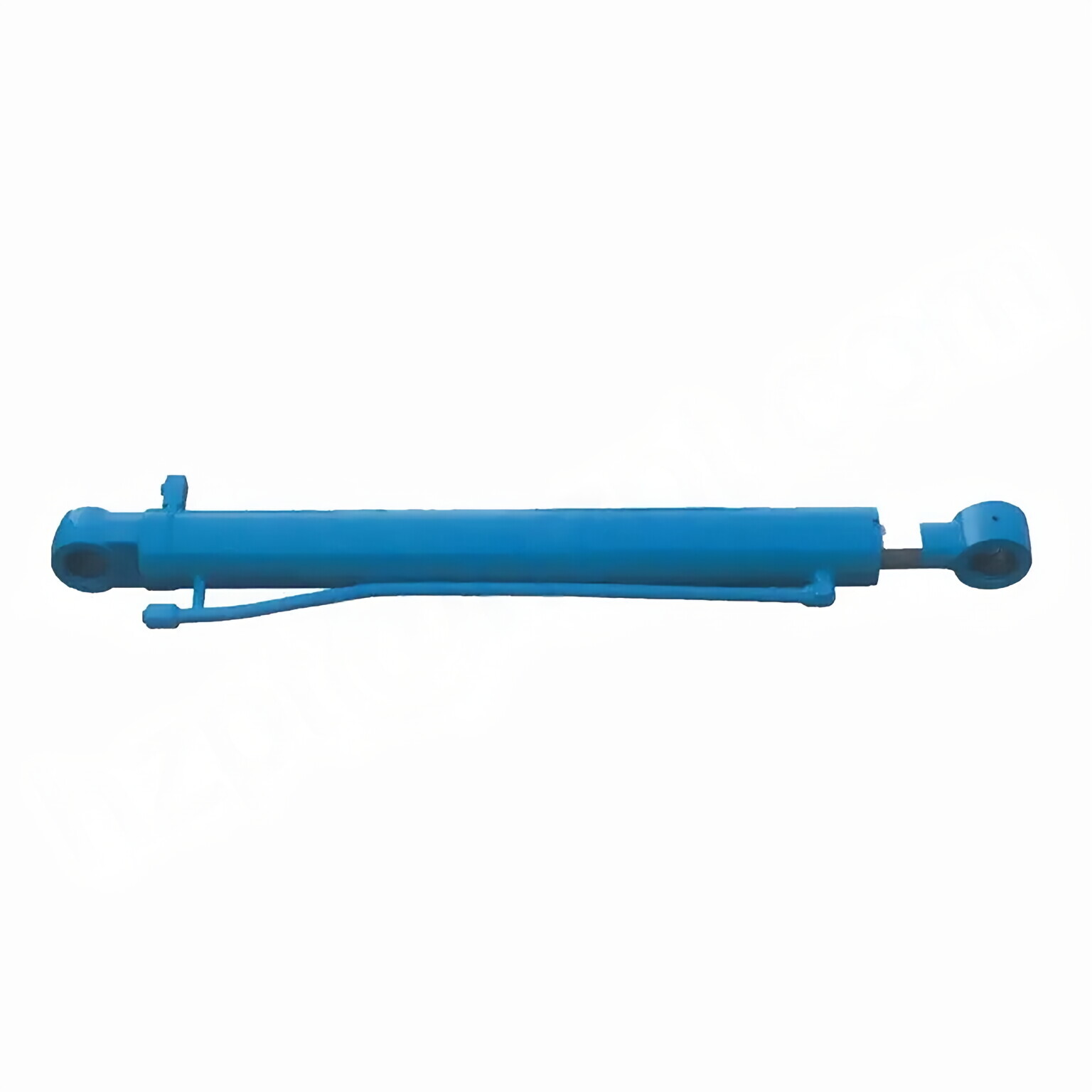
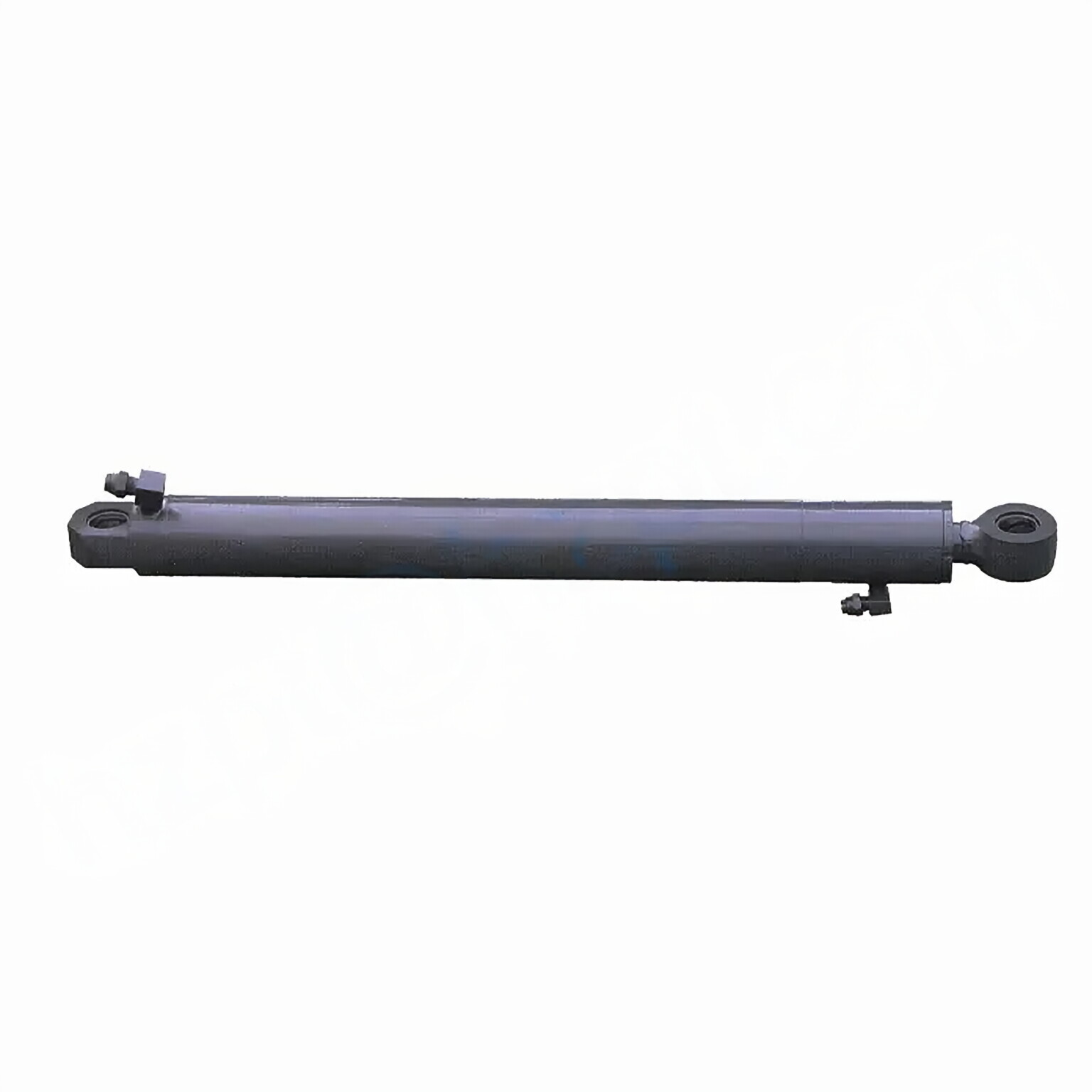
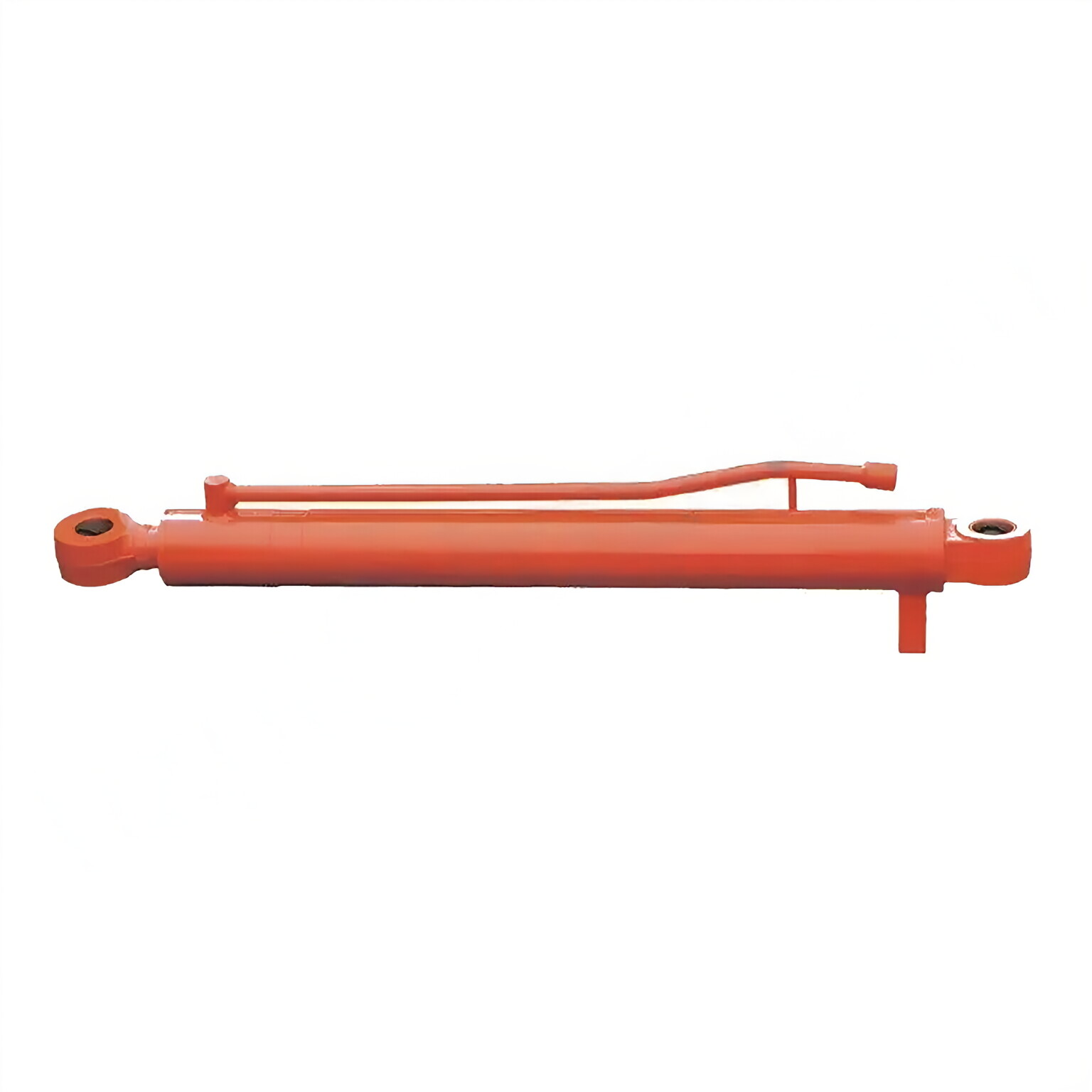
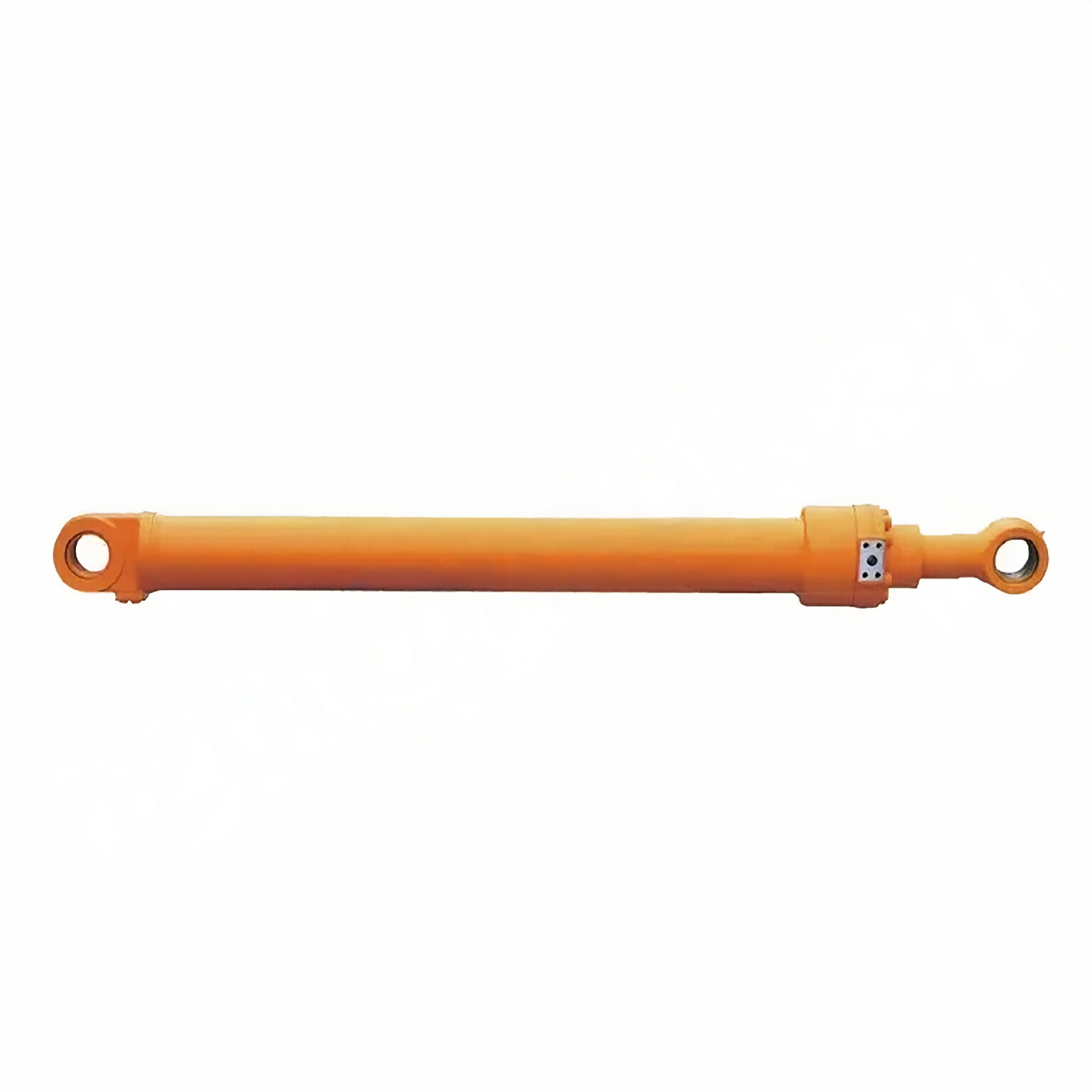
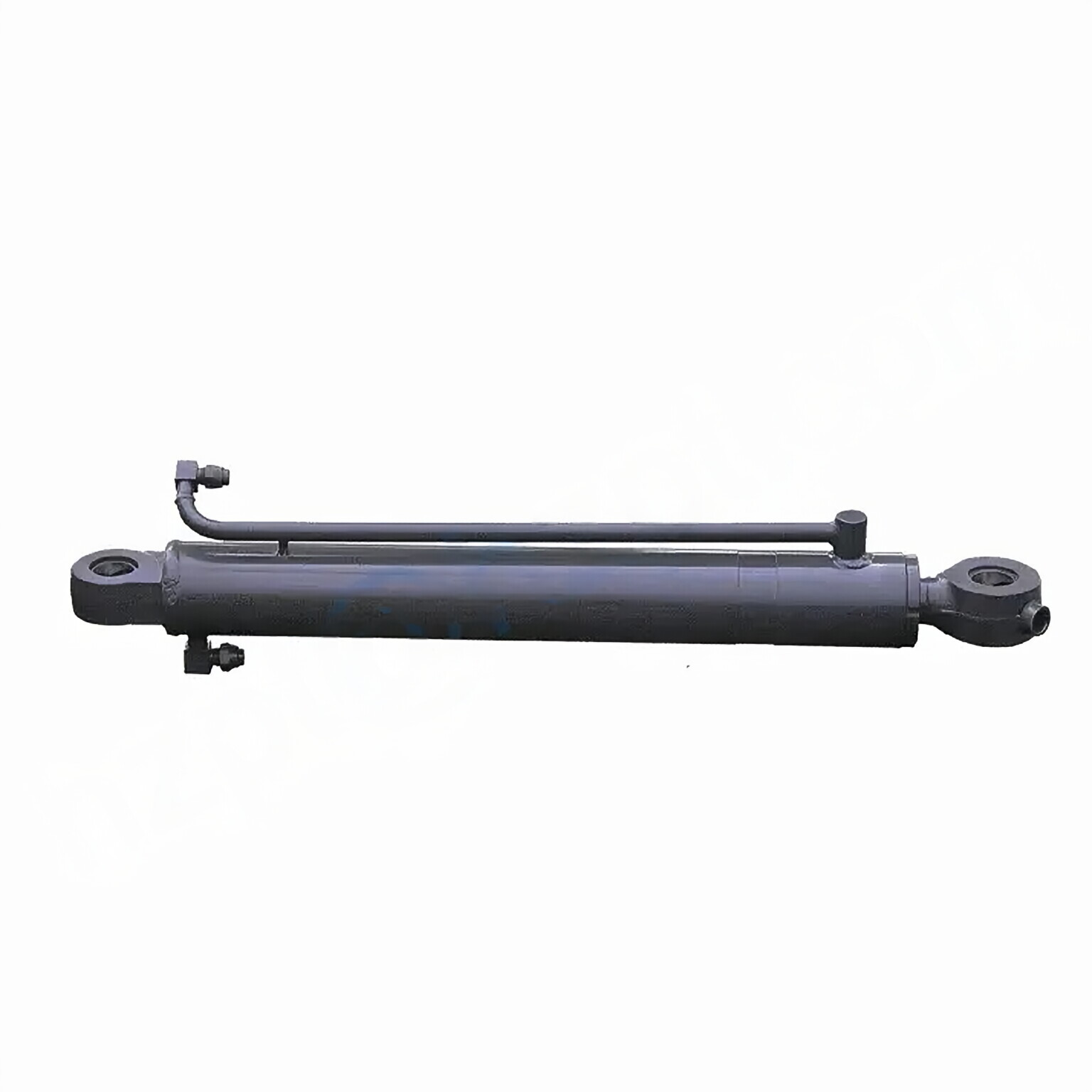
The arm cylinder is a type of hydraulic cylinder specifically designed to provide linear motion and force to the arm of various machinery, such as excavators, cranes, and mechanical arms. These cylinders are crucial for the movement and control of additional attachments or tools.
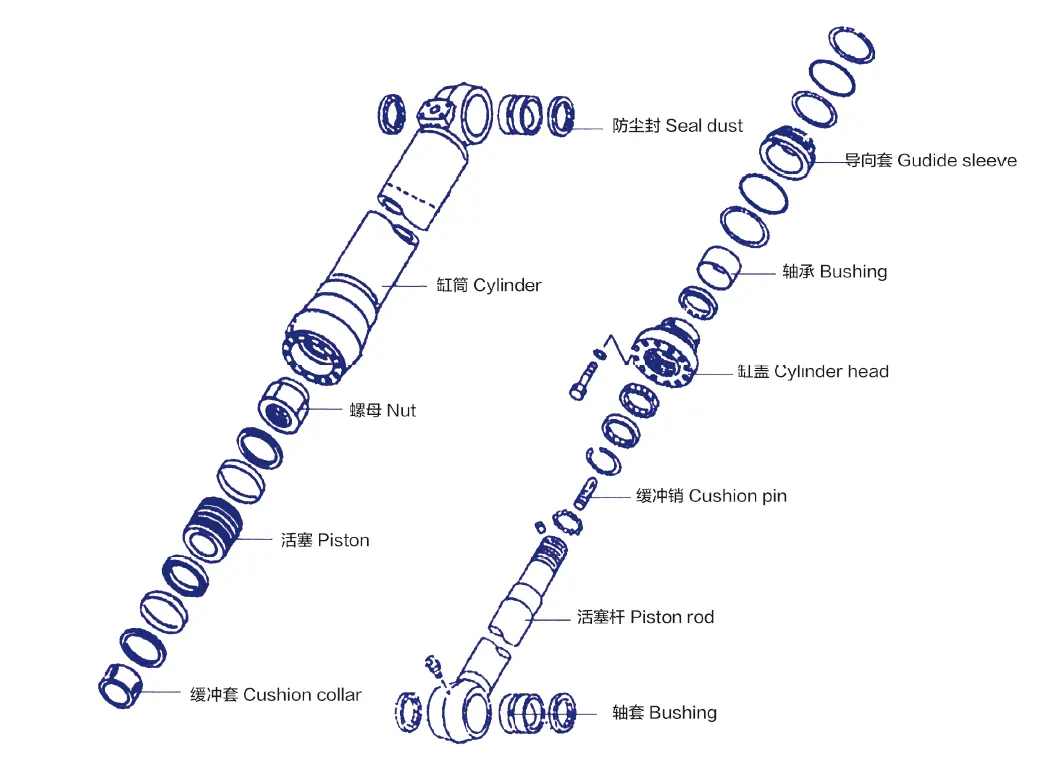
An arm cylinder, also known as an arm oil cylinder or arm hydraulic cylinder, is a hydraulic cylinder that is responsible for extending and retracting the arm of a machine. It consists of a piston, cylinder barrel, and other components that work together to generate the necessary force for arm movement.
The arm cylinder plays a vital role in hydraulic systems by converting hydraulic pressure into linear motion. It allows the arm to move up and down, providing the necessary force for lifting, digging, and other operations. These cylinders are commonly used in construction equipment, agricultural machinery, and industrial applications.
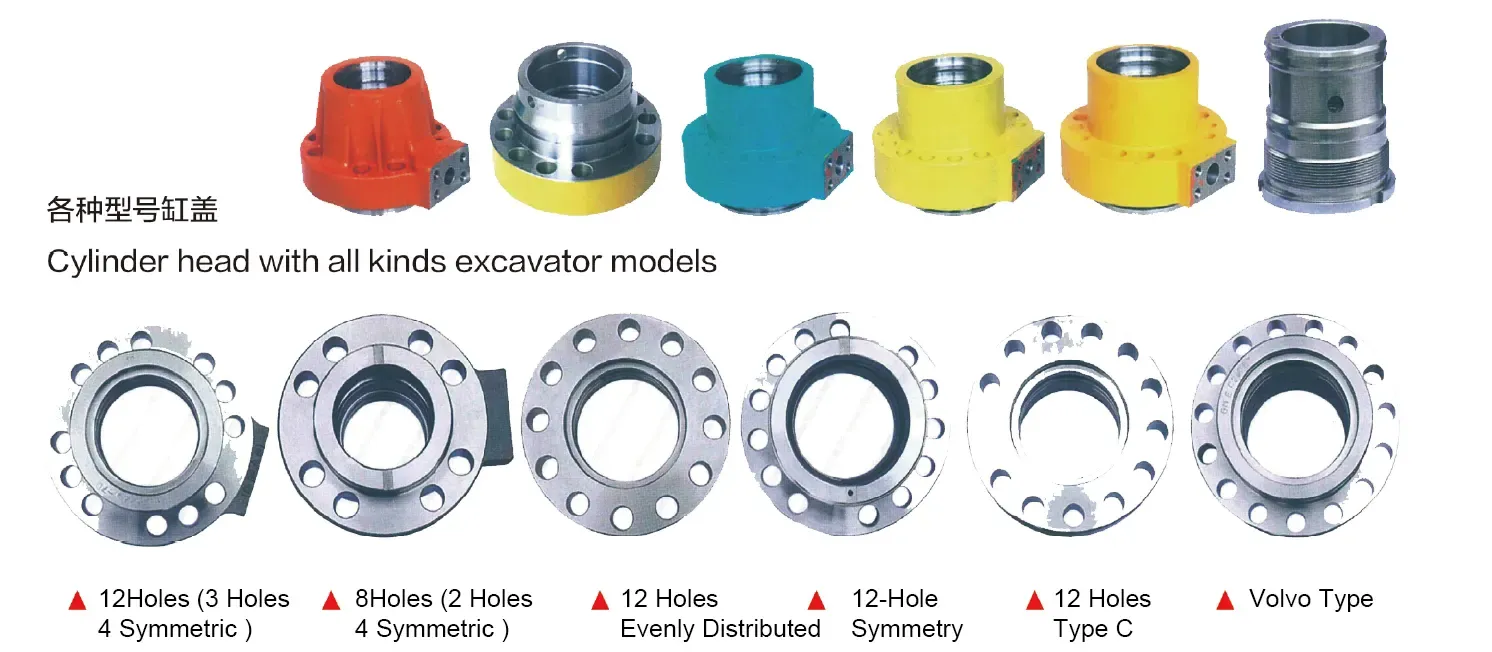
The arm cylinders find various applications in different industries and equipment:
In excavators, arm cylinders are crucial for digging and lifting materials. In cranes, they enable precise positioning of loads.
Used in loaders and harvesters to manipulate tools and efficiently collect crops.
Utilized in mechanical arms for assembly lines, where they can perform precise repetitive tasks.
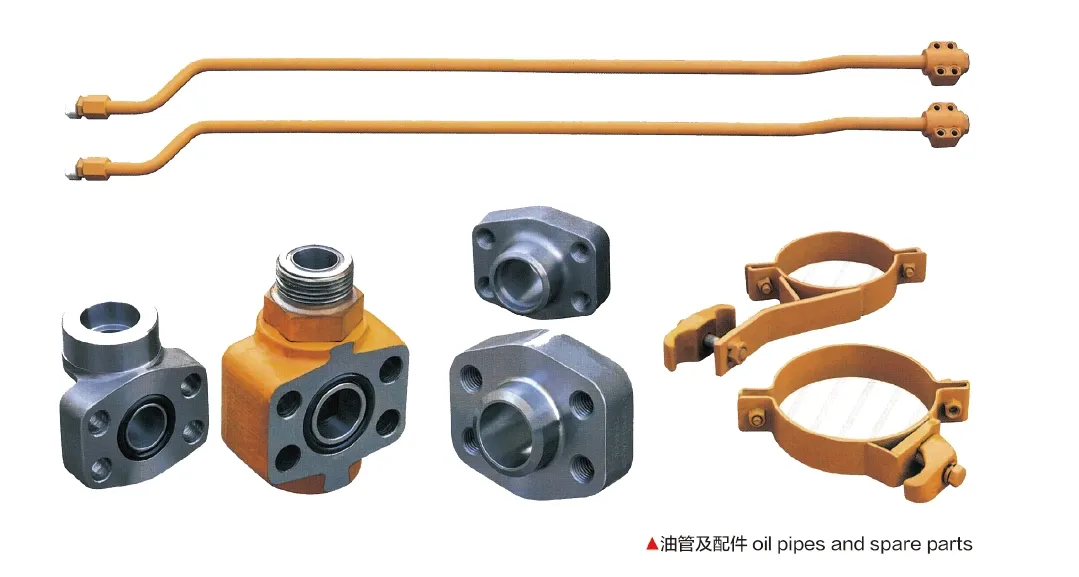
The arm cylinder utilizes various sealing components, such as piston seals and rod seals, made from wear-resistant materials. The cylinder body and threaded end undergo fine surface treatment to enhance wear resistance. Regular lubrication with suitable hydraulic oil is necessary to ensure smooth operation and prevent premature wear and damage.
Proper installation of the arm cylinder is essential for optimal performance and longevity. Follow these steps:
When using arm cylinders, it is essential to prioritize safety measures to prevent accidents and ensure worker protection. Implementing proper safety protocols, training, and equipment maintenance is crucial. Consider the environmental impact of hydraulic systems and promote responsible usage and disposal of hydraulic fluids.
In the event of issues with the arm cylinder, the following troubleshooting steps can help diagnose and resolve common problems:
Possible Cause: Insufficient hydraulic pressure or a faulty control valve.
Solution: Check hydraulic fluid levels and pressure. Inspect control valve for any faults.
Possible Cause: Damaged seals or cylinder wall.
Solution: Inspect and replace worn-out seals. Check cylinder wall for any damage.
Possible Cause: Air in the hydraulic system or worn-out components.
Solution: Bleed air from the system. Inspect and replace any worn-out components.
Possible Cause: Faulty control system or electrical connection.
Solution: Check control system and electrical connections for any issues. Repair or replace as needed.
Implementing preventive measures, such as regular maintenance and inspections, can help minimize potential issues.
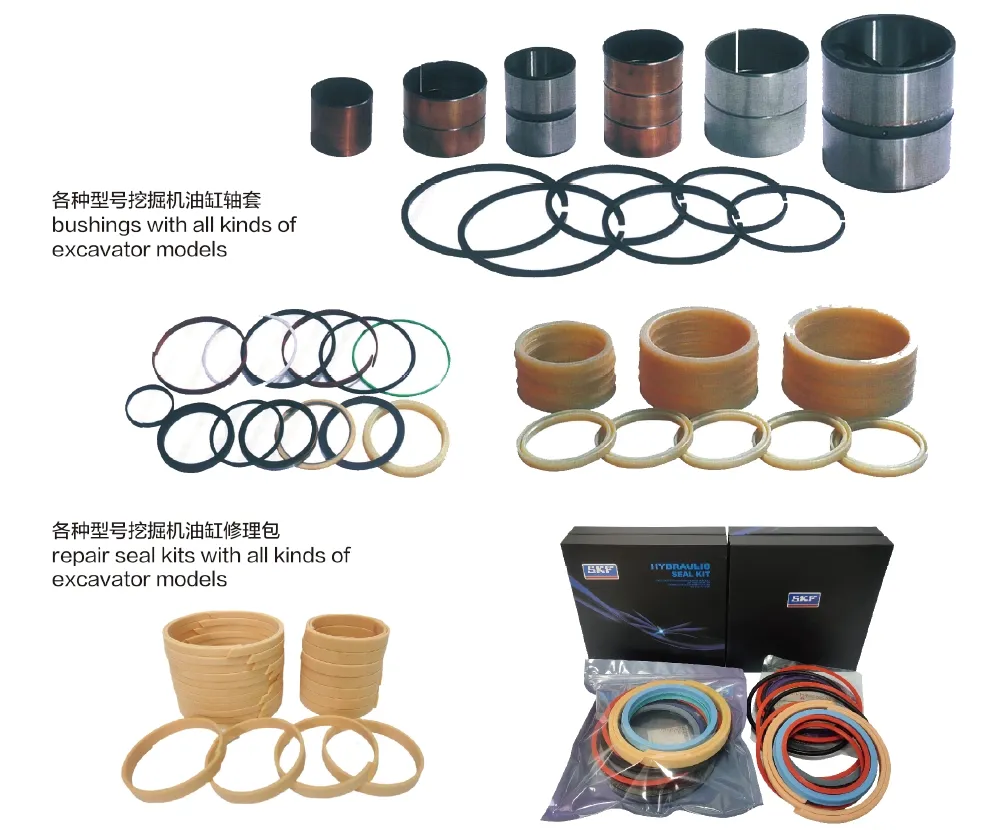
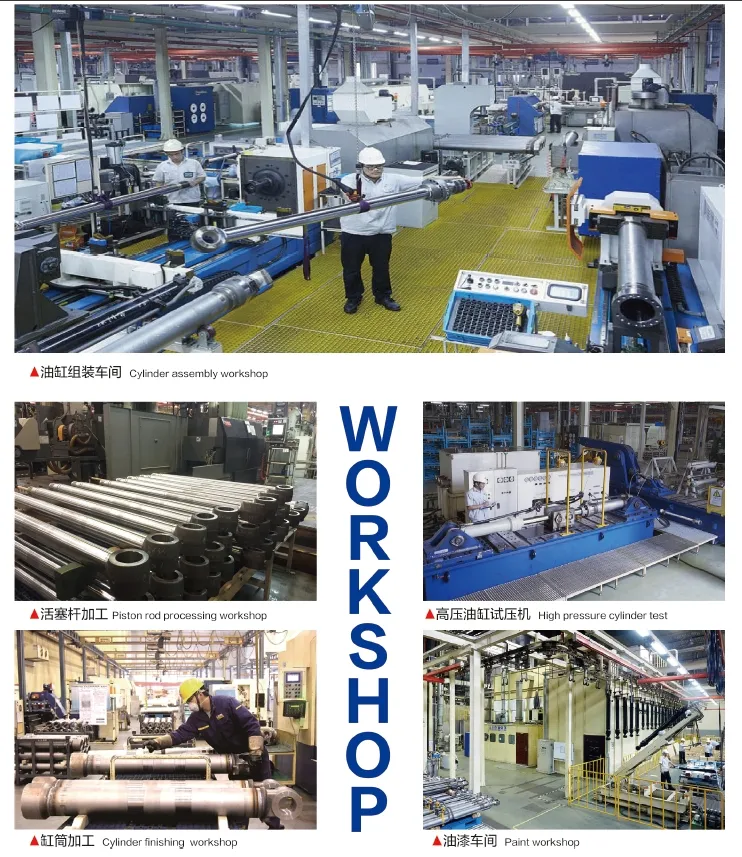
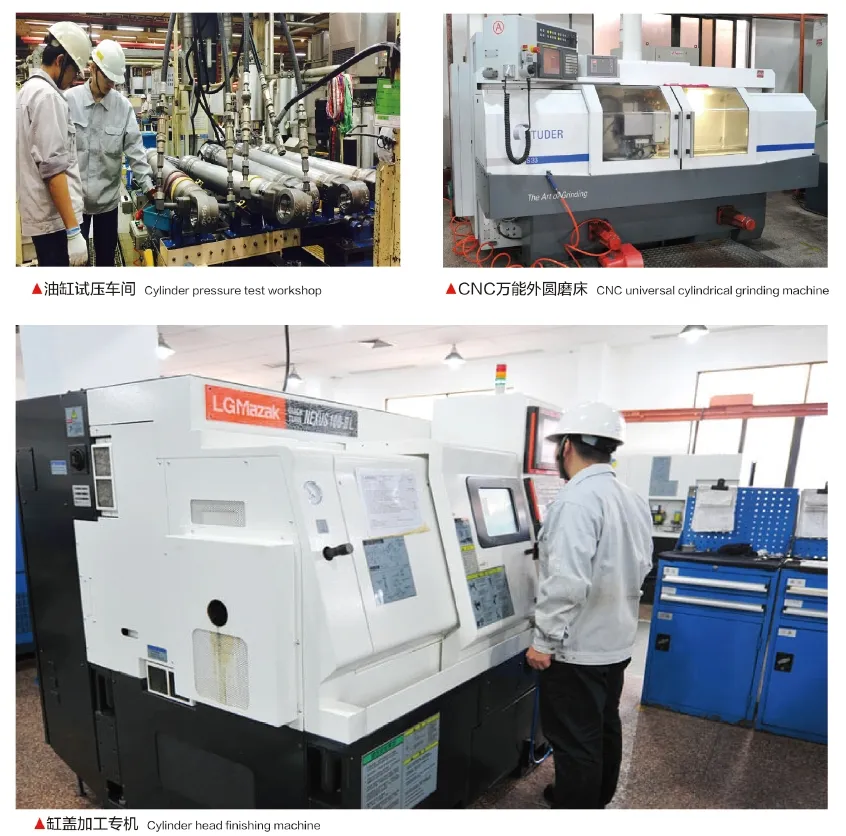
Our company is a manufacturer of replacement hydraulic cylinders. We offer a wide range of products and have become one of the leading manufacturers and wholesale distributors of hydraulic cylinders in the domestic and international markets. We adhere to the principles of excellence and rely on industrialized production management strategies in our sophisticated manufacturing workshops. With our dedicated team of technical experts, advanced manufacturing equipment, and professional testing systems, we continuously improve our production platform, enhance product quality, and possess strong manufacturing capabilities. We strive to meet diverse customer needs with high efficiency, precision, and quality.
Additional information about our company:
Author: lyl

Address
Luotuo Industrial Area, Zhenhai District, Ningbo City, China
Tel

 Raydafon