
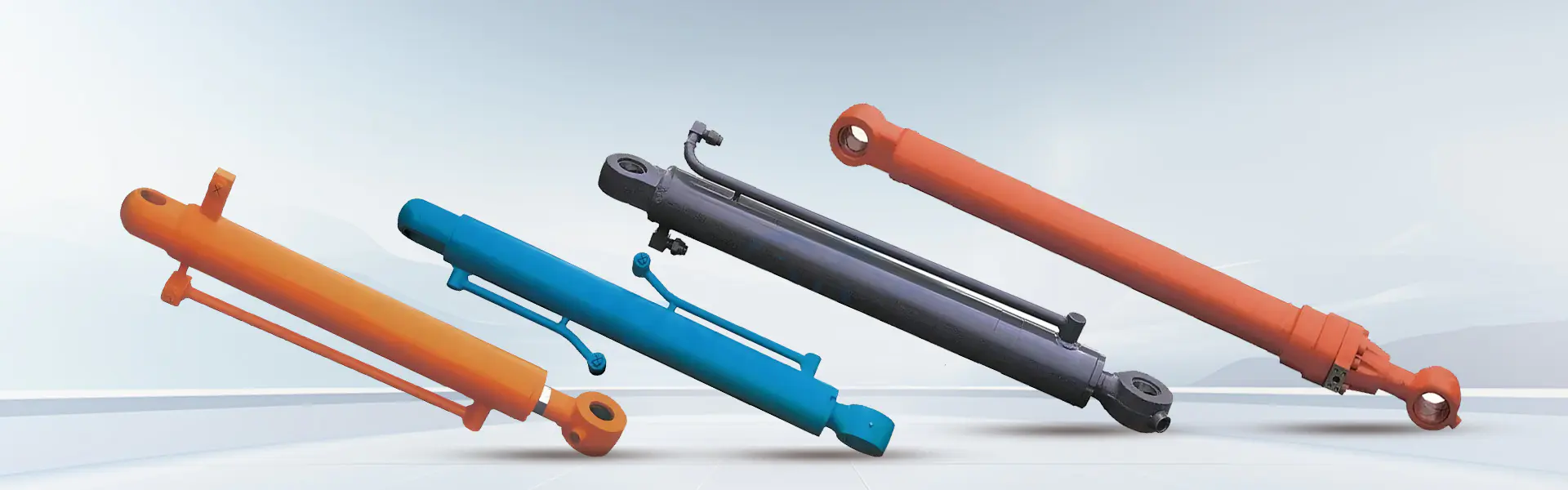
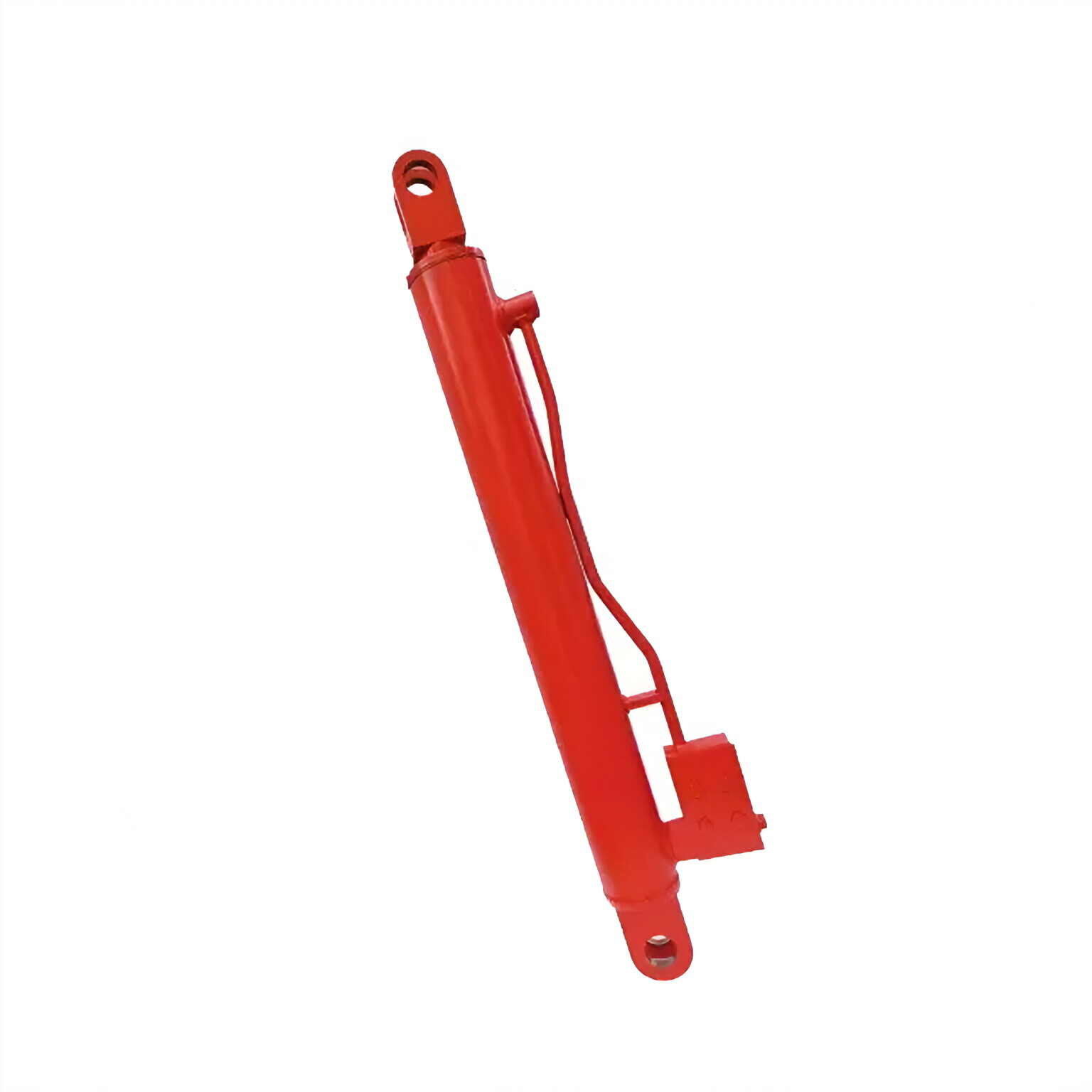
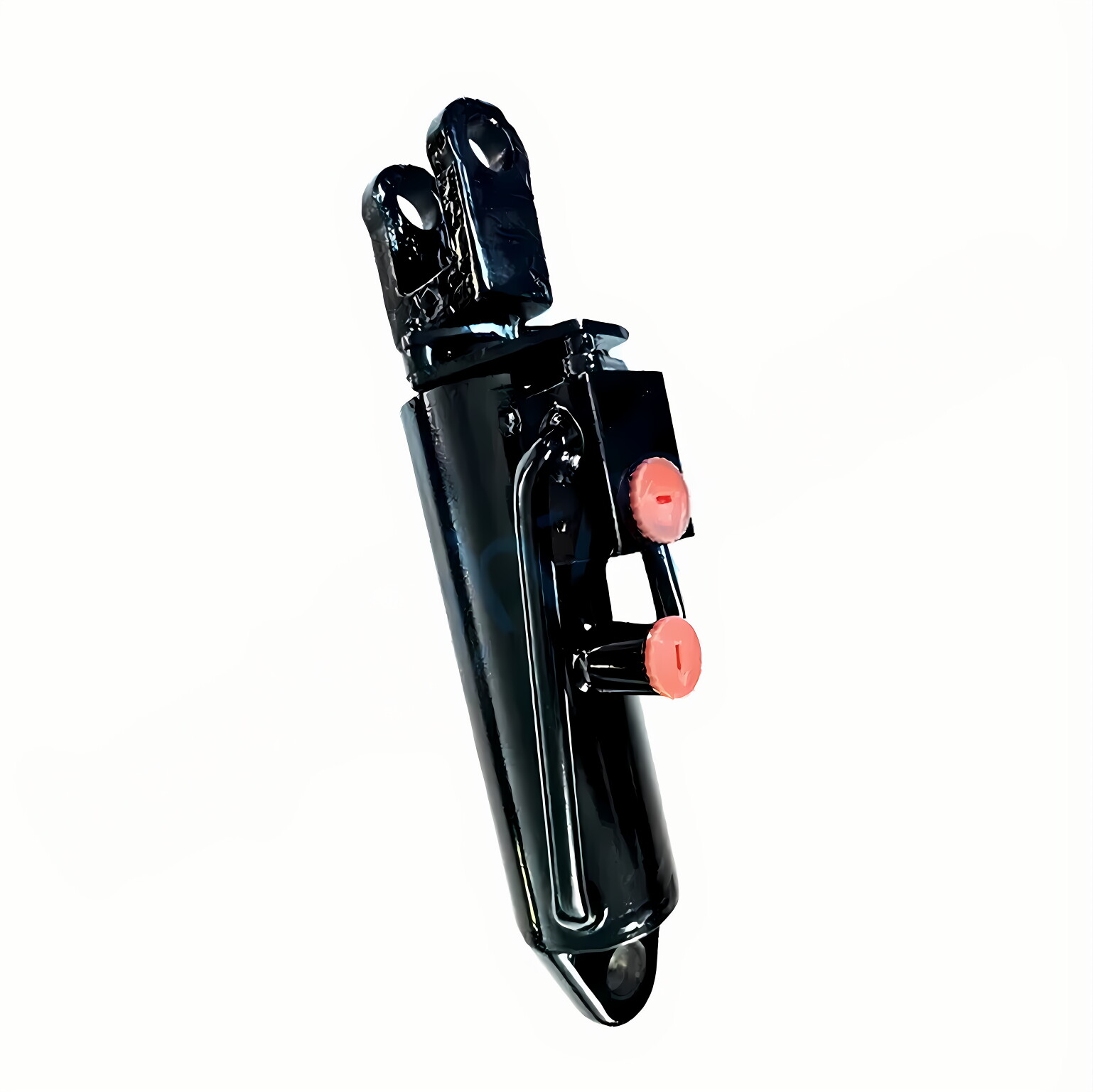
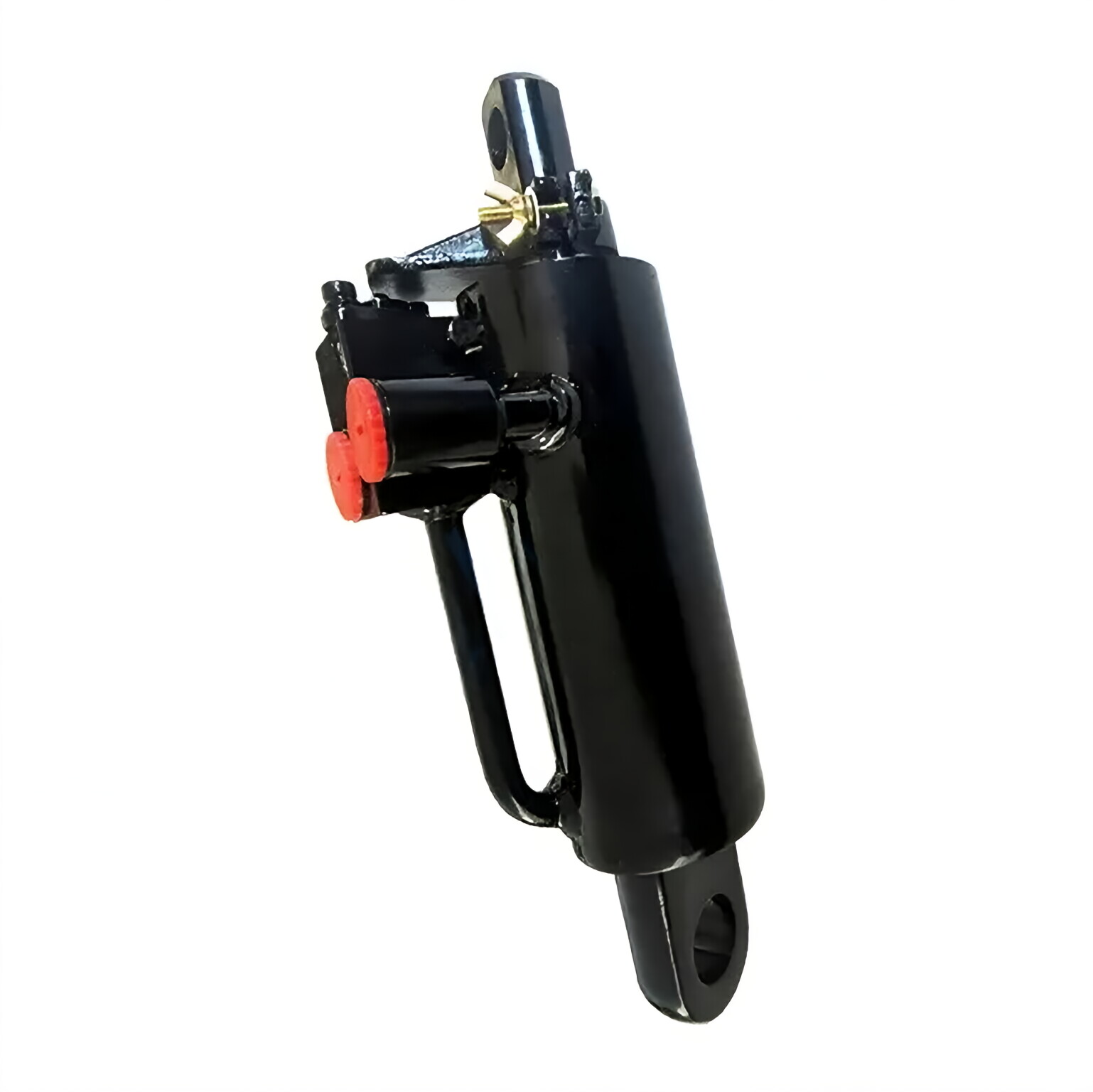
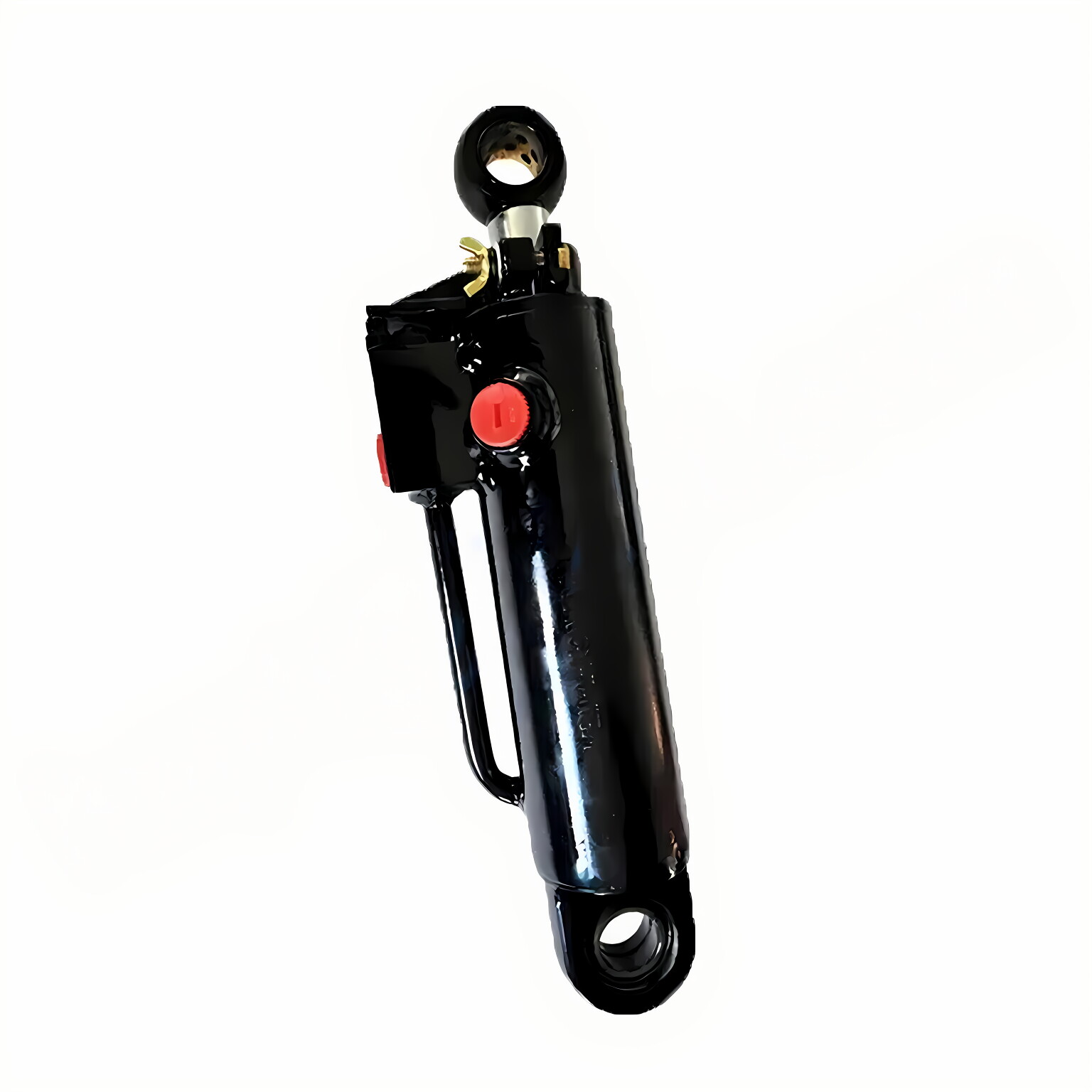
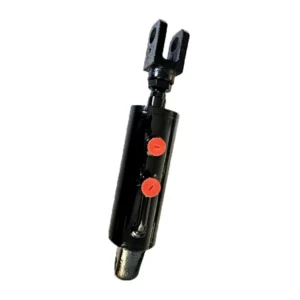
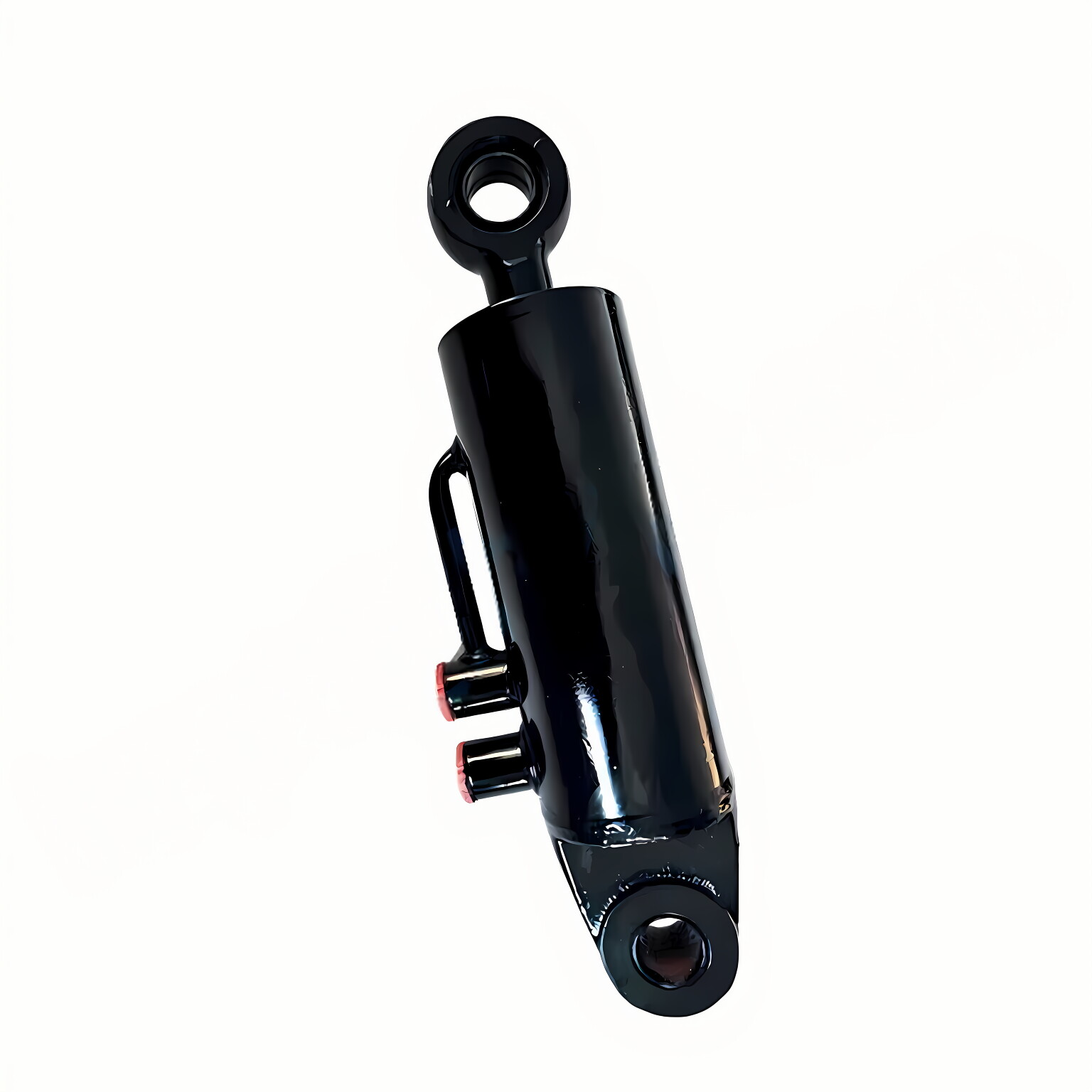
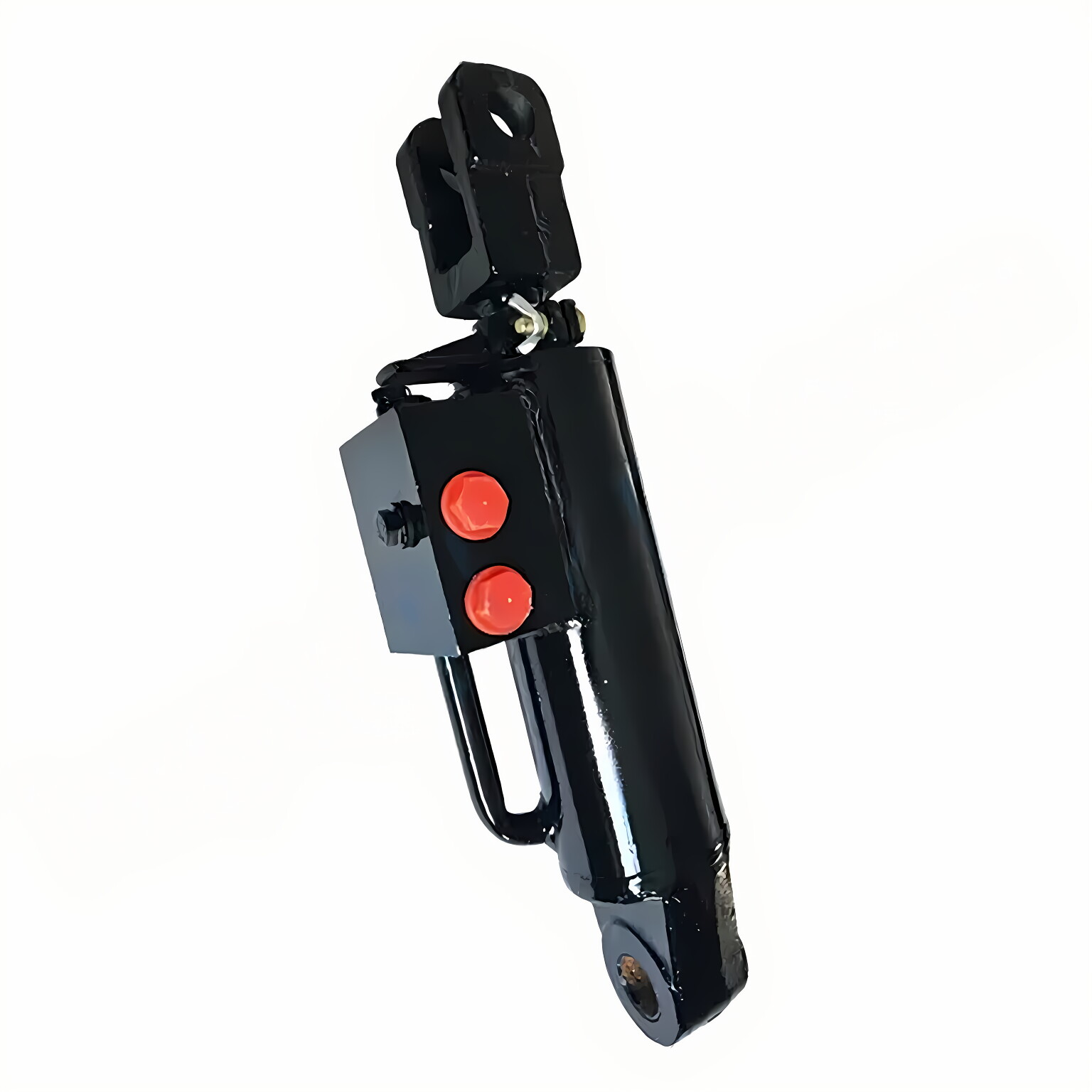
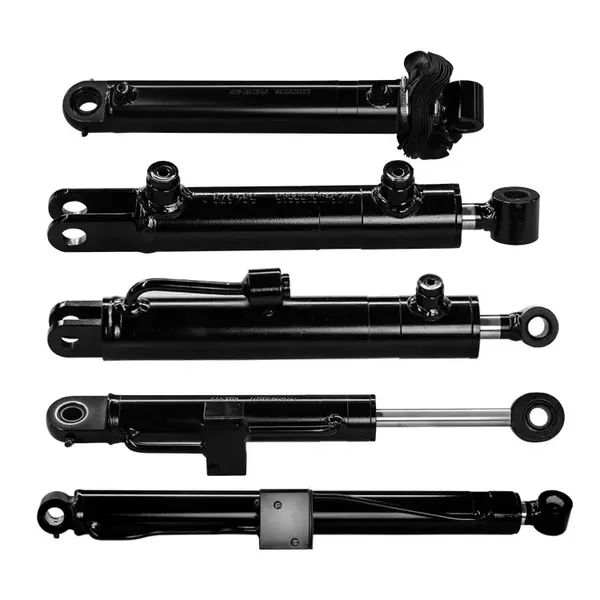
The Sanitation Vehicle Lift Oil Cylinder is a hydraulic cylinder designed for use in sanitation vehicles. It plays a crucial role in lifting and lowering heavy loads, ensuring smooth and efficient operations. With a cylinder diameter of 95mm, rod diameter of 40mm, travel distance of 2040mm, and installation distance of 815mm, this cylinder provides the necessary power and stability for lifting tasks.
This Sanitation Vehicle Lift Oil Cylinder is an ideal replacement for other hydraulic cylinders in the market. Its superior performance and reliability make it a cost-effective solution for sanitation vehicle lifts.
In construction equipment, this cylinder is commonly used in cranes, hoists, and elevators where a secure and stable lifting mechanism is required.
In manufacturing processes, this cylinder is used in hydraulic presses for shaping materials under high pressure, providing the necessary stability and strength.
In transportation, this cylinder is employed in vehicle stabilizers and jacks to ensure safety during maintenance or transportation processes.
In aviation, this cylinder is utilized in landing gear systems to securely lock the landing gear in place during takeoff and landing, ensuring safe operations.
The cylinder's load capacity is carefully designed to support heavy loads, ensuring safe and efficient lifting operations.
A variety of sealing components, such as piston seals and rod seals, are used to maintain proper sealing and prevent leakage, providing long-lasting performance.
The cylinder body and threaded ends undergo precise surface treatments to enhance wear resistance and prolong the cylinder's lifespan.
The cylinder is designed with safety considerations, including safety valves and locking mechanisms, to prevent unintended movements and ensure operator safety.
Regular lubrication with appropriate hydraulic oil is recommended to ensure smooth operation and prevent wear and tear. Periodic inspections and preventive maintenance measures are also crucial for optimal performance.
Proper installation of the Sanitation Vehicle Lift Oil Cylinder is essential for ensuring its functionality and longevity. Please follow the steps below:
Ensure proper alignment of the cylinder with the designated mounting points on the sanitation vehicle. Use suitable installation brackets to secure the cylinder in place.
Attach the cylinder to the designated mounting points using appropriate fasteners, ensuring a secure and stable connection.
Connect the hydraulic hoses to the cylinder, following the manufacturer's instructions. Make sure the connections are tight and leak-free.
Perform a thorough functional test to ensure the cylinder operates smoothly and meets the required specifications.
Regular maintenance tasks for the Sanitation Vehicle Lift Oil Cylinder include:
Proper installation, lubrication, and adjustment are essential for the longevity and optimal performance of the cylinder. It is recommended to follow the manufacturer's guidelines and seek professional assistance when needed.
When working with the Sanitation Vehicle Lift Oil Cylinder, it is important to prioritize safety measures. Ensure proper training and use of personal protective equipment for operators. Dispose of any hydraulic fluids or components in accordance with local environmental regulations.
If any issues or malfunctions arise with the Sanitation Vehicle Lift Oil Cylinder, refer to the following troubleshooting tips:
For specific problems or complex issues, consult the manufacturer's documentation or seek professional assistance to diagnose and resolve the problem. Implement preventive measures to minimize potential issues and ensure the reliable performance of the cylinder.
Author: lyl
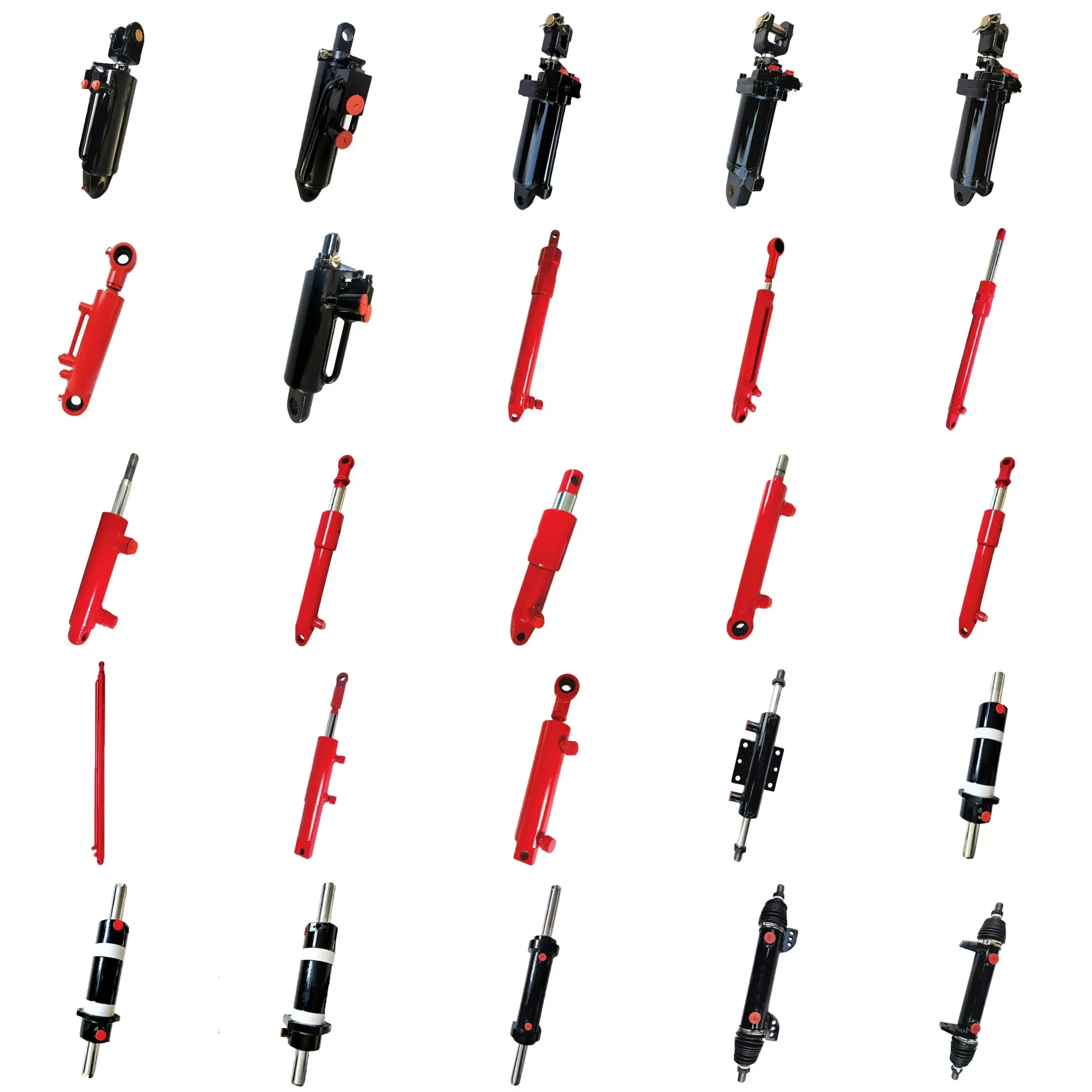
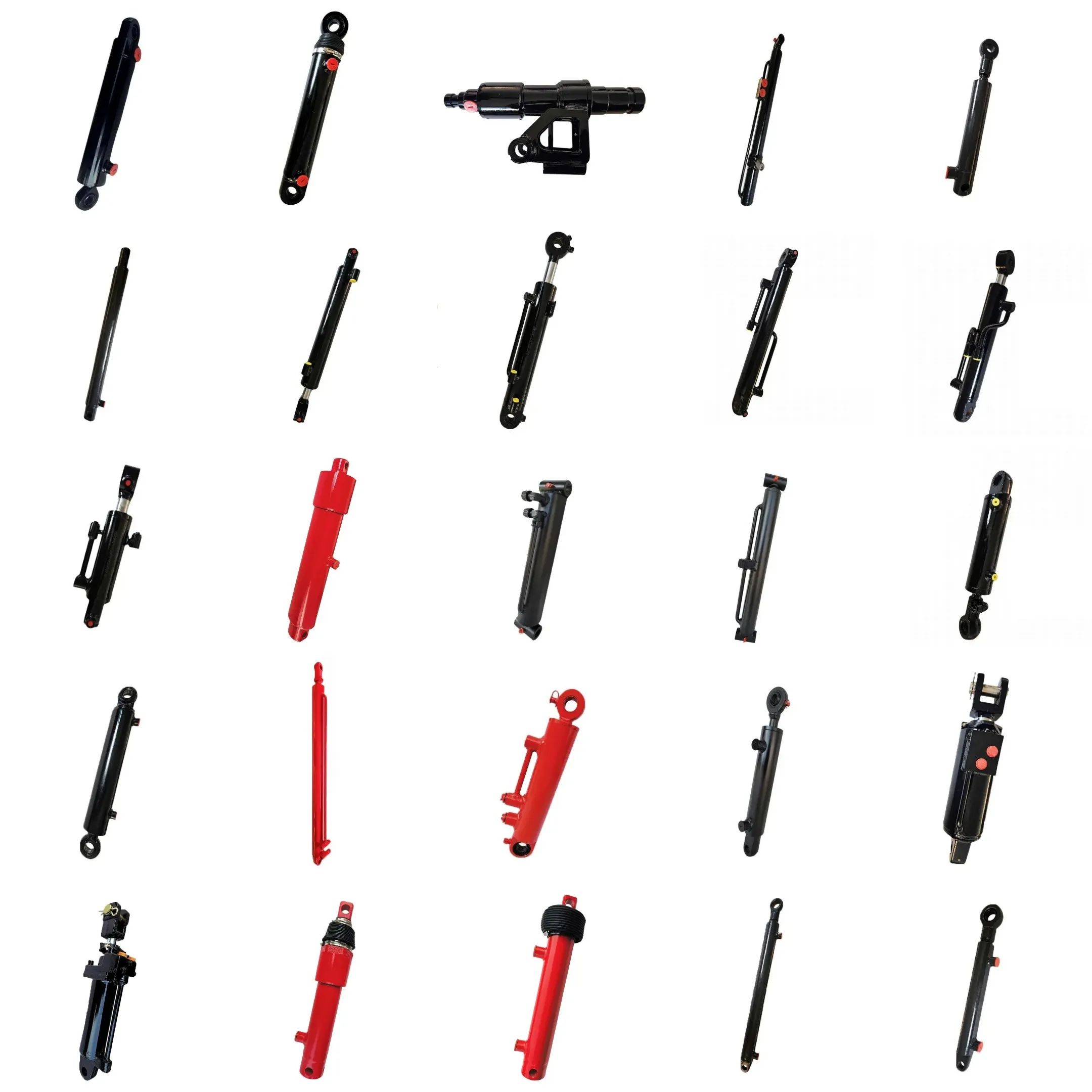
We are a leading manufacturer and wholesale distributor of hydraulic cylinders in the domestic and international markets. With a wide range of products, we have established ourselves as a trusted name in the industry.
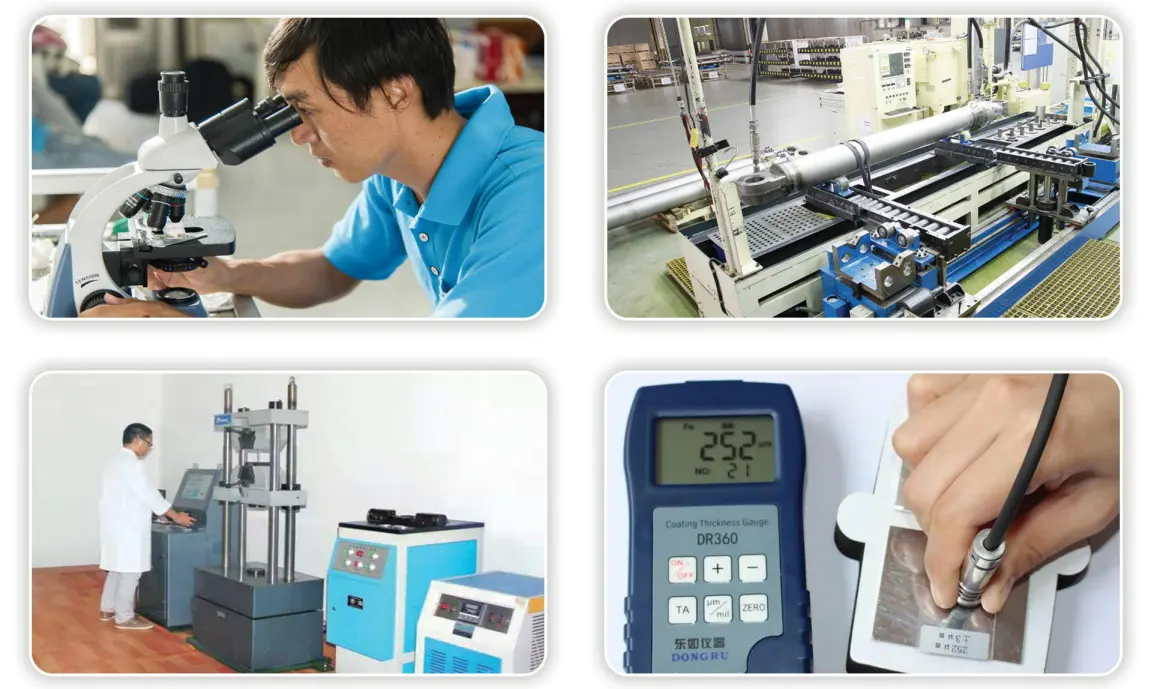
Our company is known for its professionalism, international certifications, customized services, advanced production equipment, and excellent after-sales support.
Address
Luotuo Industrial Area, Zhenhai District, Ningbo City, China
Tel

 Raydafon