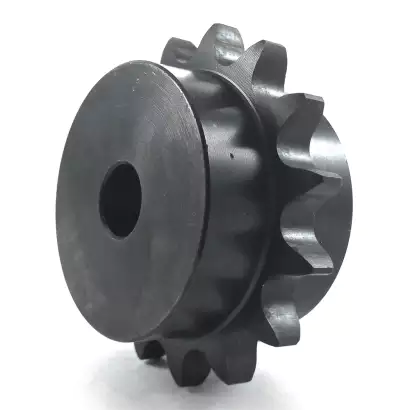
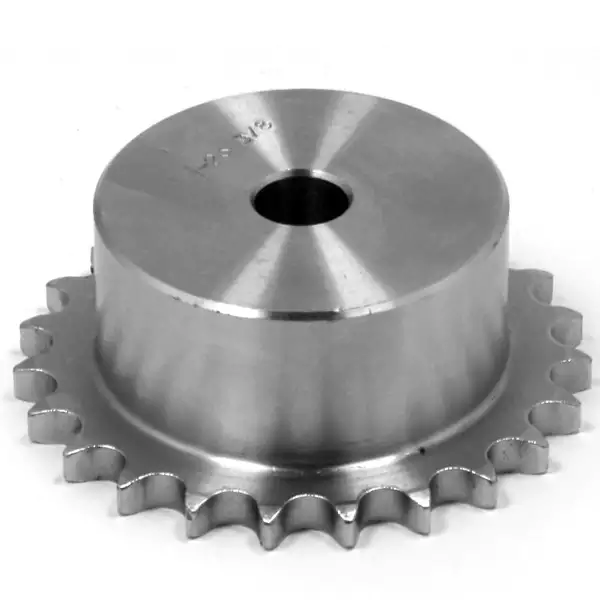
Raydafon Group presents the NK180C Standard Bore Sprocket, a precision-engineered component for reliable power transmission in industrial machinery. Crafted with durable materials, it ensures smooth operation and long-lasting performance, ideal for engineers and technicians seeking efficiency and safety. This advanced sprocket solves wear-and-tear issues, delivering confident, hassle-free experiences that boost productivity. Stand out with its superior design and compatibility—join the Raydafon Group family and elevate your equipment today.
A standard bore sprocket is a type of chain sprocket that has a pre-determined bore size. It is designed to fit onto a specific shaft size without any additional machining required. The NK180C Standard Bore Sprocket is a popular type of sprocket that is widely used across various industries. It is available in a range of sizes to suit different applications.
Basic Structure of a Sprocket and Customization Requirements
A typical sprocket consists of a cylindrical body with teeth projecting radially from the periphery. The teeth are designed to mesh with the links of a chain to transmit power or motion. When ordering a custom sprocket, the following specifications need to be determined: material, tooth profile, number of teeth, dimensions, bore size, keyway, and surface treatment.
Material: The material used for a sprocket depends on the application requirements. The NK180C Standard Bore Sprocket is made from high carbon steel, alloy steel, or stainless steel.
Tooth Profile: The tooth profile of a sprocket determines how the chain engages with the sprocket. It can be a standard profile or a custom profile depending on the application.
Number of Teeth: The number of teeth on a sprocket determines the speed and torque of the driven shaft.
Dimensions: The dimensions of a sprocket depend on the pitch of the chain used.
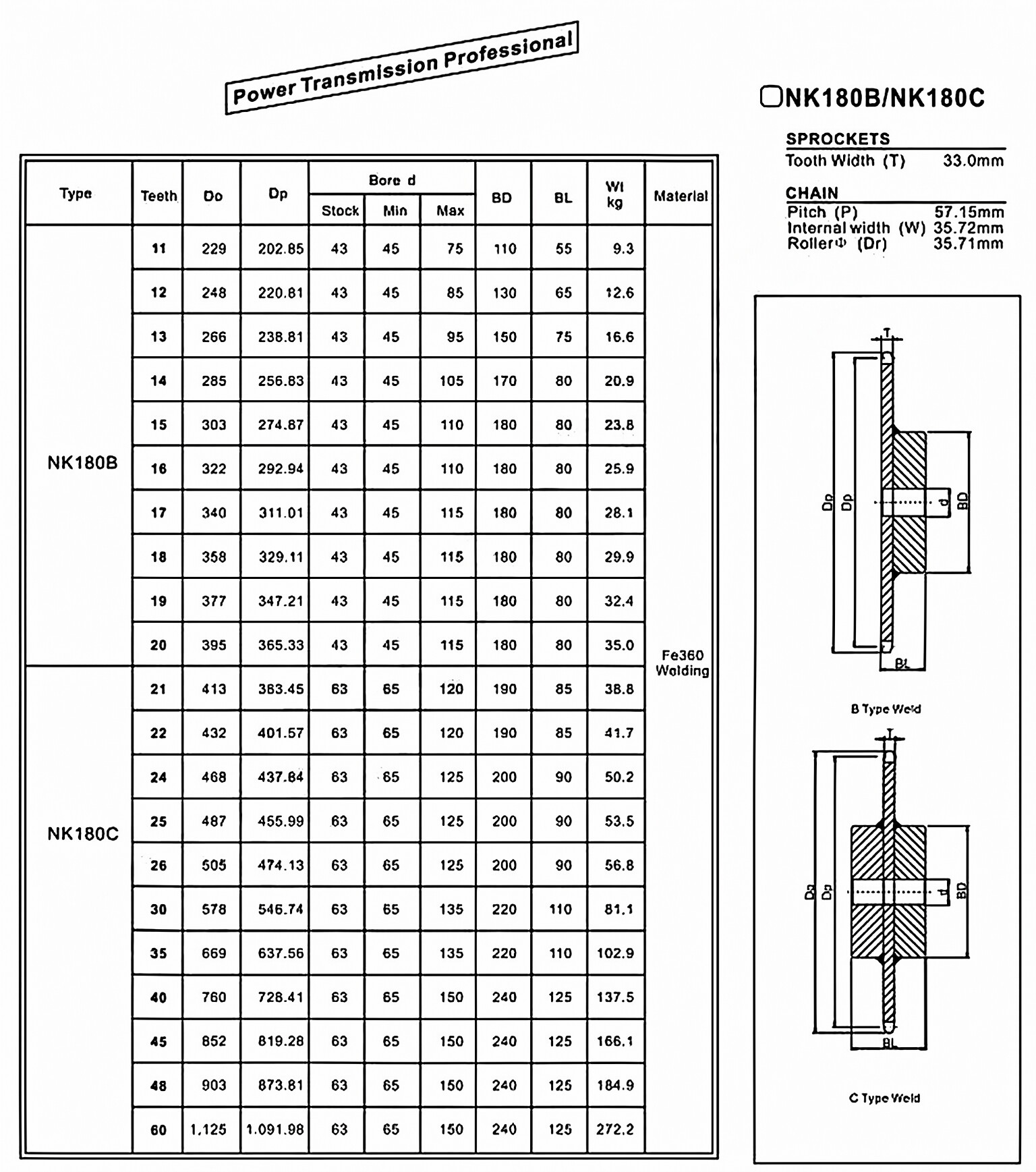
Bore Size: The bore size of a sprocket determines the shaft size it can fit onto. The NK180C Standard Bore Sprocket has a range of bore sizes to choose from.
Keyway: A keyway is a slot in the bore of a sprocket that helps to locate and secure it onto the shaft.
Surface Treatment: The surface treatment of a sprocket can be customized to improve its wear resistance, corrosion resistance, or aesthetic appearance.
Material and Manufacturing Process Used in Our Sprockets
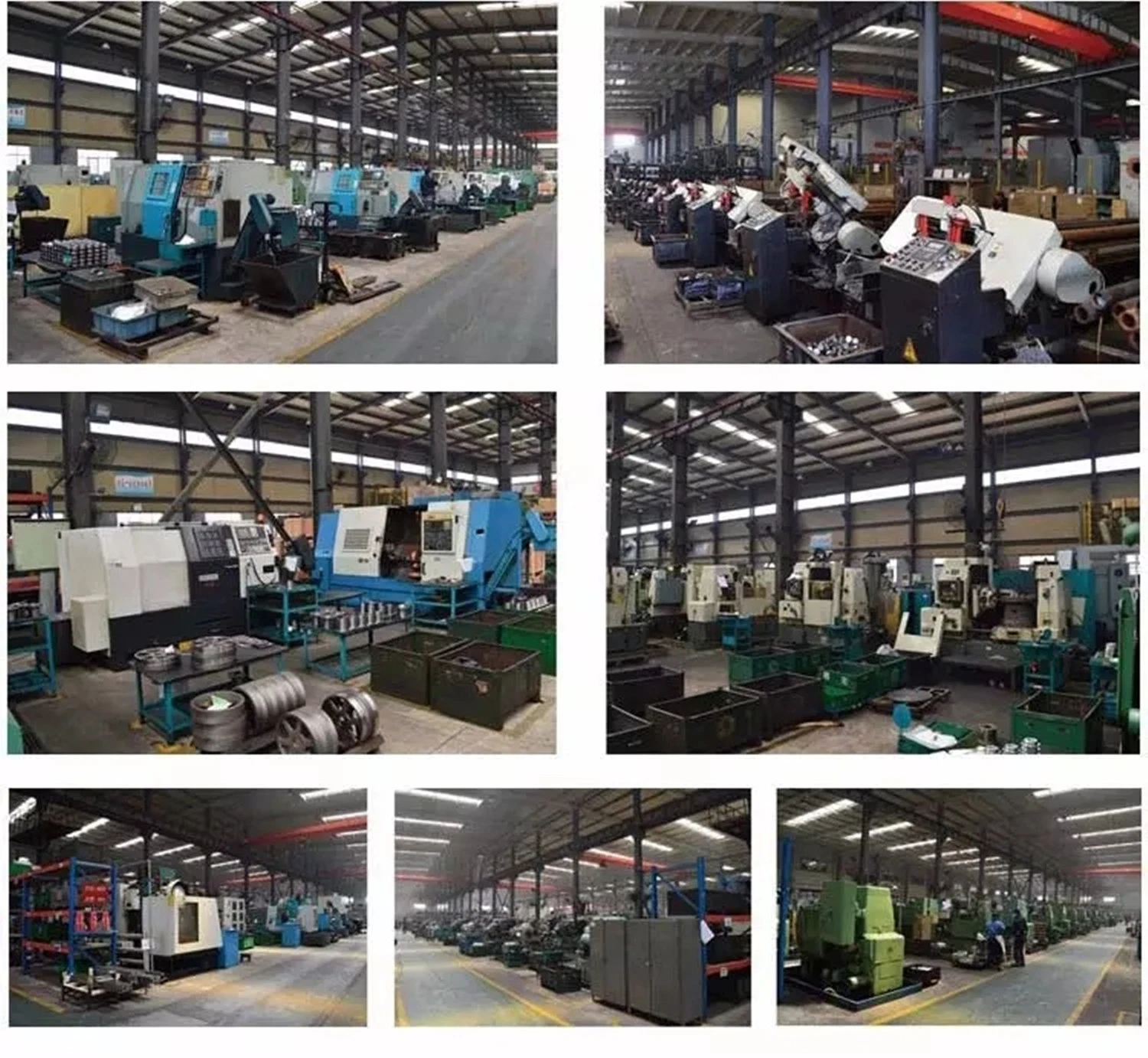
The NK180C Standard Bore Sprocket is made from high-quality steel using a combination of cutting, stamping, forging, machining, heat treatment, surface hardening, surface treatment, and quality inspection processes.
Material: We use high carbon steel, alloy steel, or stainless steel depending on the application requirements.
Manufacturing Process: We use a combination of cutting, stamping, forging, machining, heat treatment, surface hardening, surface treatment, and quality inspection processes to ensure the sprockets meet the required specifications.
Heat Treatment: The sprockets are heat treated to improve their hardness, toughness, and wear resistance.
Surface Treatment: The sprockets are surface treated to prevent corrosion and improve their aesthetic appearance.
Quality Inspection: The sprockets undergo strict quality inspection procedures to ensure they meet the required specifications.
Applications of NK180C Standard Bore Sprocket
The NK180C Standard Bore Sprocket can be used in a wide range of applications, including:
Heavy Machinery and Equipment: The sprocket can be used in heavy machinery such as construction equipment, mining equipment, and agricultural machinery.
Food Processing and Packaging: The sprocket can be used in food processing and packaging equipment where hygiene and cleanliness are important.
Chemical and Pharmaceutical: The sprocket can be used in chemical and pharmaceutical manufacturing equipment where resistance to corrosion and wear is important.
Assembly Lines: The sprocket can be used in assembly line equipment that requires precision and reliability.
Logistics and Warehousing: The sprocket can be used in conveyor systems used for transportation and storage of goods.
Maintenance and Troubleshooting of Sprockets
To ensure the sprockets perform optimally and have a long service life, regular maintenance and checks are required. The following maintenance procedures are recommended:
Daily Checks: Check for any visible signs of wear, damage, or misalignment.
Cleaning: Clean the sprockets regularly to remove any dirt, debris, or contaminants that can cause wear or damage.
Lubrication: Lubricate the sprockets regularly to reduce friction and wear, and to prevent corrosion.
Adjustment and Calibration: Check the sprocket alignment and tension regularly to ensure proper chain engagement and power transmission.
Common problems that can occur with sprockets include:
Skipping Teeth: This can occur due to wear, misalignment, or overloading. The solution is to replace the faulty sprocket or adjust the chain tension and alignment.
Fracture: This can occur due to overloading, fatigue, or material defects. The solution is to replace the faulty sprocket or reduce the load on the chain drive system.
Wear: This can occur due to normal use, abrasive materials, or poor lubrication. The solution is to replace the worn sprocket or improve the lubrication system.
Noise: This can occur due to misalignment, worn sprockets, or loose chain tension. The solution is to adjust the alignment, replace the worn sprockets, or tighten the chain tension.
Chain Slip: This can occur due to worn sprockets, misalignment, or loose chain tension. The solution is to replace the worn sprockets, adjust the alignment, or tighten the chain tension.
Other Types of Sprockets and Chains We Offer
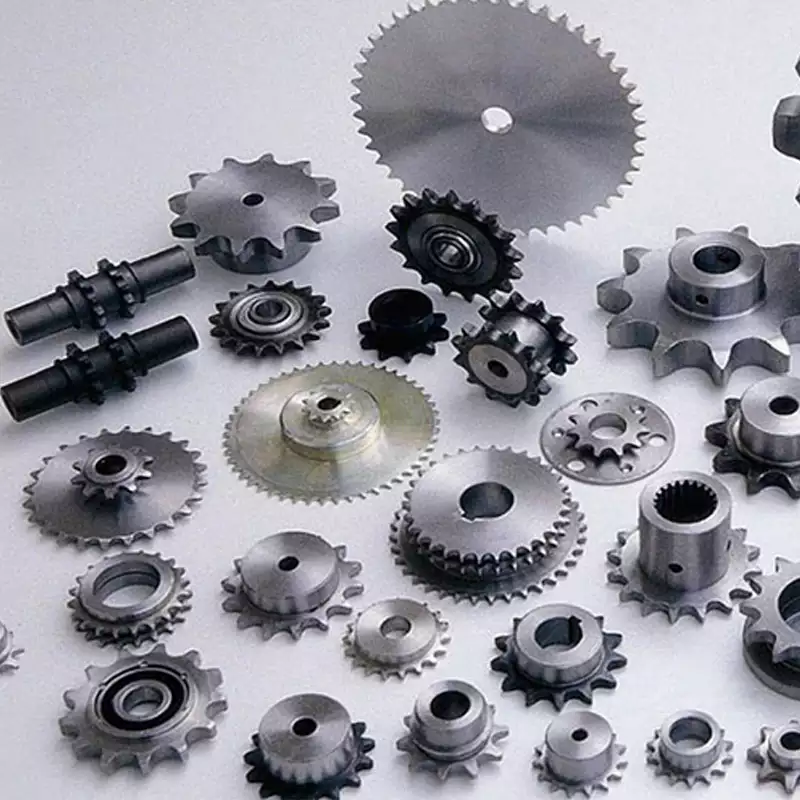
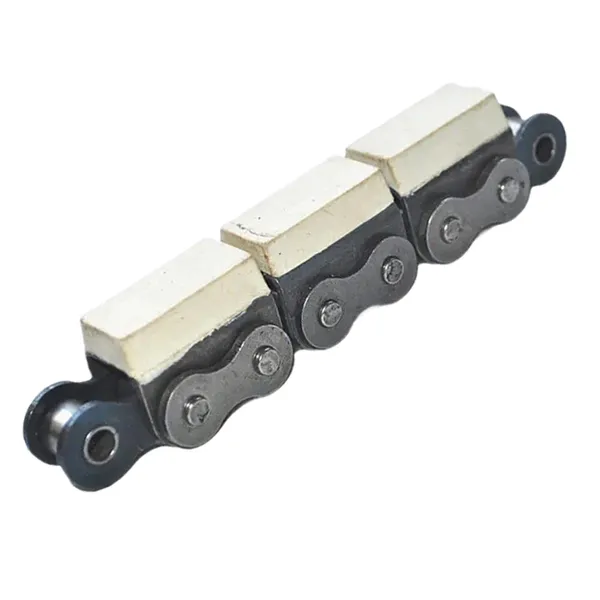
In addition to the NK180C Standard Bore Sprocket, we also offer other types of sprockets such as platewheel sprockets, idler sprockets, QD sprockets, taper lock sprockets, and more. We also provide a range of compatible chains to suit different applications.Author: Miya
Hot Tags: NK180C Standard Bore Sprocket, Standard Bore Sprocket Manufacturer, Sprocket OEM Supplier
We use cookies to offer you a better browsing experience, analyze site traffic and personalize content. By using this site, you agree to our use of cookies.Privacy Policy

 Author: Miya
 Raydafon