Raydafon Technology Group Co.,Limited
Products
Products
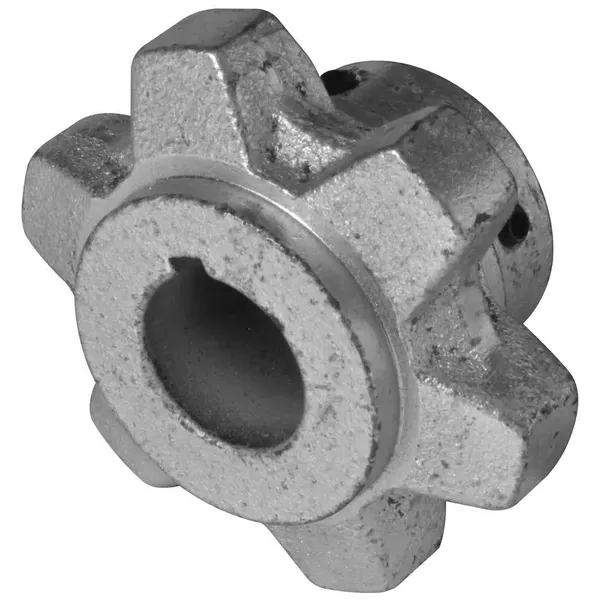
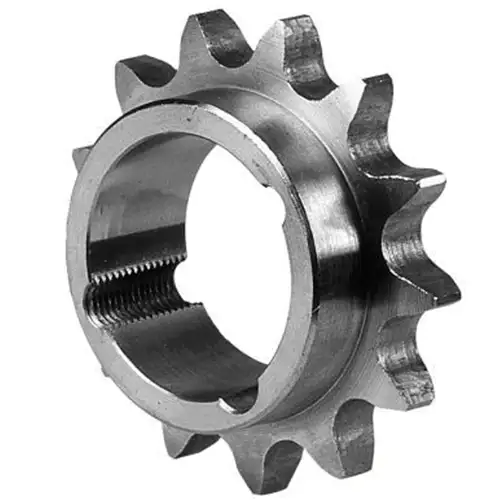
Taper Lock Sprocket No.60  American Standard
  • Taper Lock Sprocket No.60  American StandardTaper Lock Sprocket No.60  American Standard

Taper Lock Sprocket No.60 American Standard

Introducing the Taper Lock Sprocket No.60 American Standard from Raydafon Group—a precision-engineered component designed for seamless power transmission in industrial machinery. Crafted from durable steel with a robust taper lock design, it ensures secure mounting and superior performance in demanding environments. Ideal for engineers and manufacturers seeking reliability, this sprocket reduces downtime and enhances operational efficiency. Experience the confidence of smooth, uninterrupted power flow that solves common wear issues and boosts productivity. Its American Standard compatibility sets it apart for versatile applications. Trust Raydafon Group for quality that drives your success—order now to elevate your equipment's performance!

Taper Lock Sprocket No.60 American Standard

Taper Lock Sprocket No.60 American Standard is a type of sprocket used in power transmission systems. It is designed to fit on a tapered shaft and is secured in place with a locking device. Taper lock sprockets are widely used in various industrial applications, such as conveyor systems, agricultural equipment, and material handling systems.
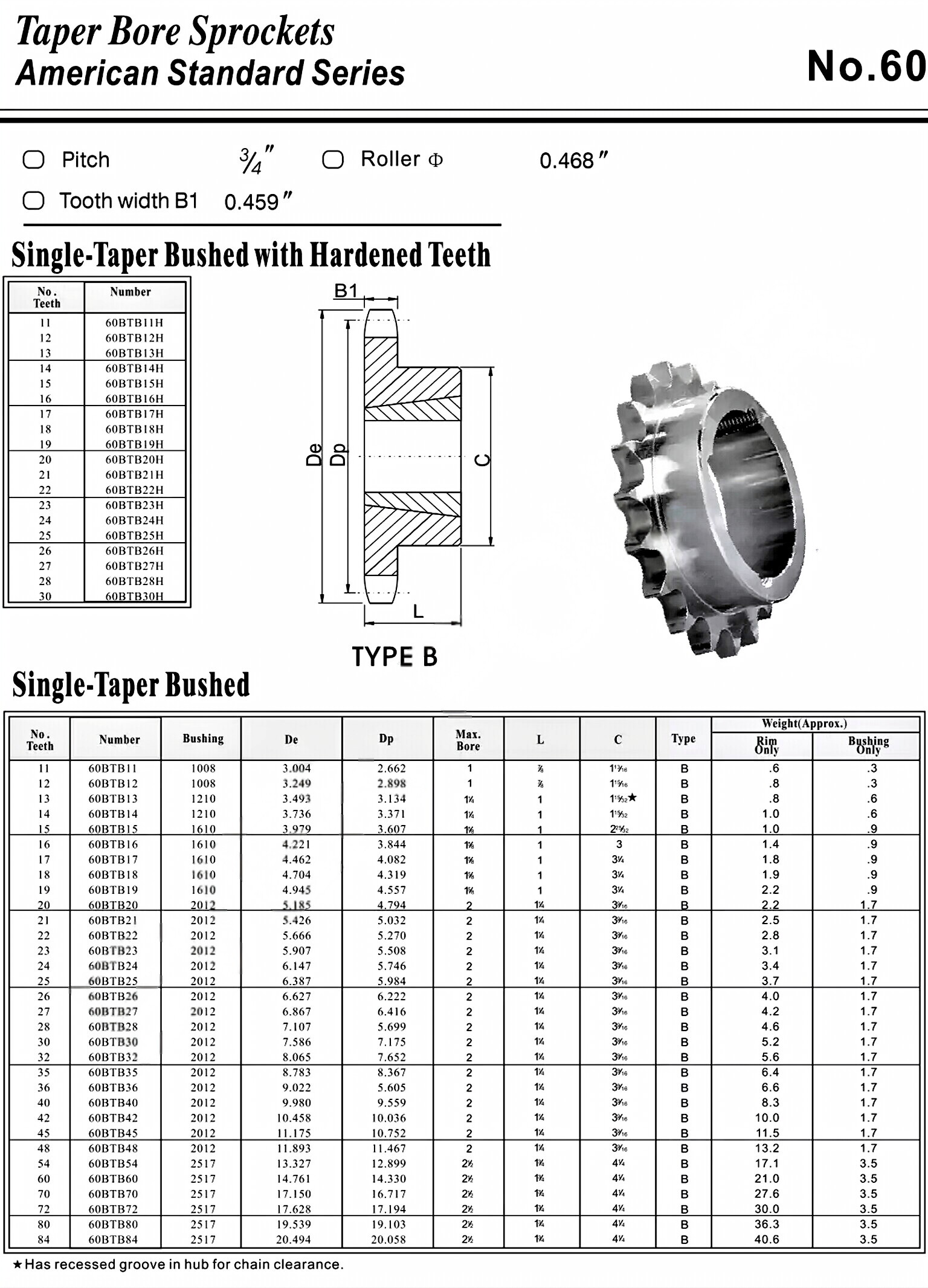
Taper Lock Sprocket No.60  American Standard

What is a Taper Lock Sprocket?

A taper lock sprocket is a type of sprocket that is designed to fit onto a tapered shaft. The sprocket has a tapered bore and is secured in place using a locking device, which is typically a set screw or a locking collar. The basic structure of a taper lock sprocket consists of a hub, which is the center portion of the sprocket, and teeth, which are used to engage with a chain.

Characteristics and Functions of Taper Lock Sprocket

  • Easy to Install: Taper lock sprockets are easy to install and remove from a shaft, as they do not require any special tools or equipment.
  • High Precision Positioning: Taper lock sprockets ensure high precision positioning of the chain, which helps to reduce wear and tear on the sprocket and chain.
  • Wide Applicability: These sprockets are widely used in various industrial applications, such as conveyor systems, agricultural equipment, and material handling systems.
  • Reliability: Taper lock sprockets are highly reliable, as they are made from high-quality materials and are designed to withstand heavy loads and harsh operating conditions.
  • Low Maintenance Cost: These sprockets require minimal maintenance, which helps to reduce overall operating costs.

Taper lock sprockets have many advantages, but their ease of installation and removal is particularly noteworthy. This feature allows for quick and easy maintenance of the sprocket and chain, which helps to minimize downtime and increase productivity.
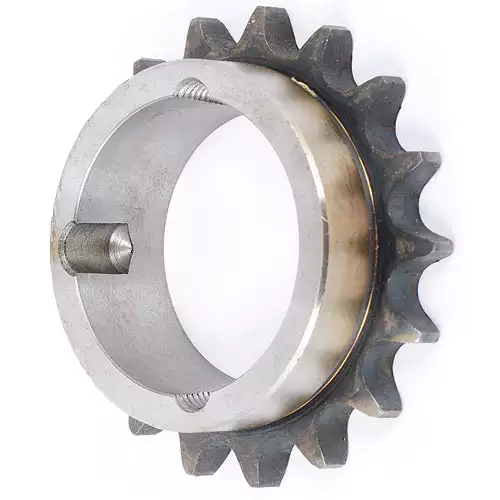
Taper Lock Sprocket No.60  American Standard

Installation and Removal of Taper Lock Sprocket

The following steps should be followed when installing or removing a taper lock sprocket:

  1. Prepare Tools and Materials: Before starting the installation or removal process, ensure that you have all the necessary tools and materials on hand. This includes a torque wrench, a hammer, a block of wood, and a clean cloth.
  2. Clean the Shaft and Sprocket Surface: Clean the shaft and the bore of the sprocket using a clean cloth to remove any dirt or debris. This will ensure a proper fit of the sprocket on the shaft.
  3. Place the Taper Lock Bushing: Slide the taper lock bushing onto the shaft, making sure that it is properly aligned with the keyway on the shaft.
  4. Install the Sprocket: Slide the sprocket onto the bushing, aligning the keyway on the bushing with the keyway on the sprocket. Use a block of wood and a hammer to tap the sprocket into place if necessary.
  5. Tighten the Locking Nut: Use a torque wrench to tighten the locking nut on the bushing to the manufacturer's recommended torque specifications. This will secure the sprocket in place.

QD Sprocket Manufacturing Process

The manufacturing process of QD sprockets involves the following steps:
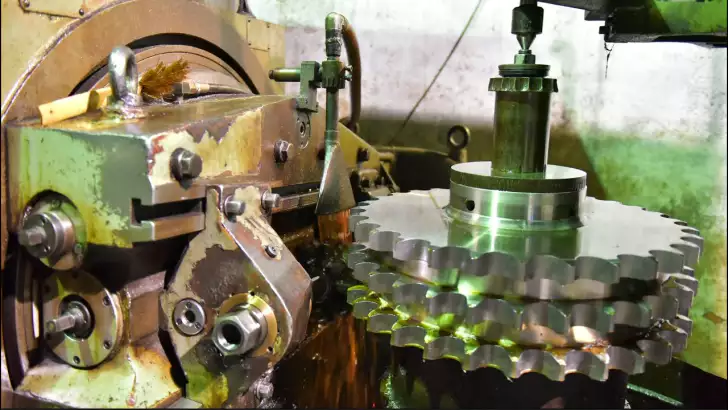
  1. Prepare Raw Materials: The raw materials used for making QD sprockets include steel bars, plates, or forgings.
  2. Cutting: The raw materials are cut into the desired length and shape using a saw or a laser cutter.
  3. Forming: The material is then forged or shaped into the desired shape using a press or a hammer.
  4. Machining: The sprocket is then machined to the final shape and size using lathes, milling machines, or other types of machine tools.
  5. Teeth Rolling: The teeth of the sprocket are then formed by rolling the material using a specialized machine.
  6. Heat Treatment: The sprocket is then heat-treated to improve its strength and durability.
  7. Surface Treatment: The sprocket is then treated with a surface coating or plating to protect it from corrosion and wear.
  8. Quality Inspection: The sprocket is then inspected for its quality and performance to ensure that it meets the manufacturer's specifications.
Taper Lock Sprocket No.60  American Standard

FAQs

  1. What is the maximum torque that a taper lock sprocket can handle?
    The maximum torque that a taper lock sprocket can handle depends on its size, material, and design. It is important to consult the manufacturer's specifications before selecting a sprocket for a particular application.
  2. Can a taper lock sprocket be reused?
    Yes, a taper lock sprocket can be reused if it is in good condition and has not sustained any damage or wear. However, it is important to inspect the sprocket and locking device before reusing it to ensure that it is still in proper working condition.
  3. What is the purpose of a taper lock bushing?
    A taper lock bushing is used to secure the sprocket onto a tapered shaft. It provides a tight, secure fit that ensures accurate alignment and reduced wear and tear on the sprocket and chain.
  4. What is the difference between a taper lock sprocket and a QD sprocket?
    The main difference between a taper lock sprocket and a QD sprocket is the method of attachment. A taper lock sprocket is secured onto a tapered shaft using a locking device, while a QD sprocket is secured onto a flat or keyed shaft using a split hub and a locking device.
  5. Can a QD sprocket be used on a tapered shaft?
    No, a QD sprocket is designed to be used on a flat or keyed shaft and cannot be used on a tapered shaft.

Author: Miya

Hot Tags: Taper Lock Sprocket No.60, American Standard Taper Lock Sprockets, Wholesale Taper Lock Sprockets
Send Inquiry
Contact Info
Get customized quotes for transmission components, gearboxes, and machinery. Our engineers will respond within 24 hours.
Online
X
We use cookies to offer you a better browsing experience, analyze site traffic and personalize content. By using this site, you agree to our use of cookies. Privacy Policy
Reject Accept