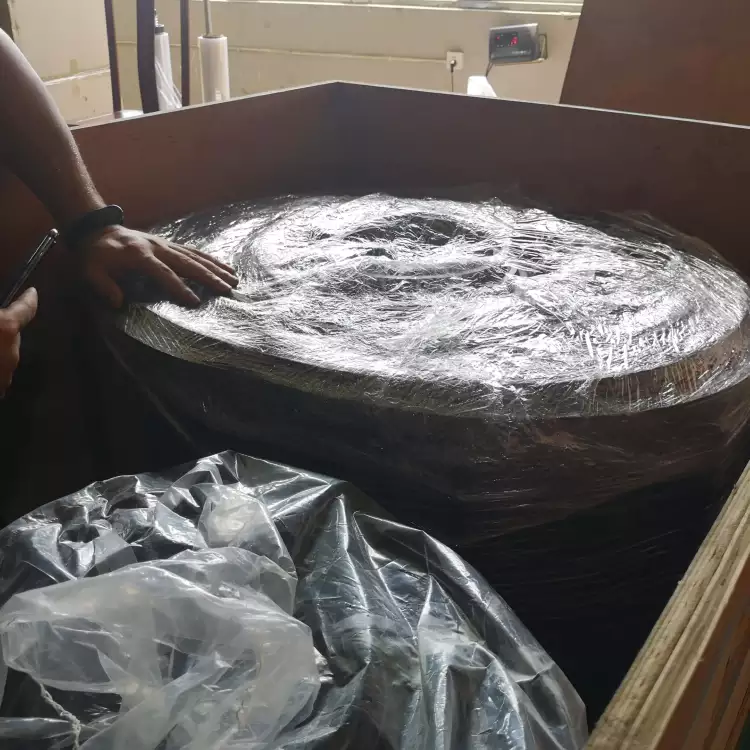
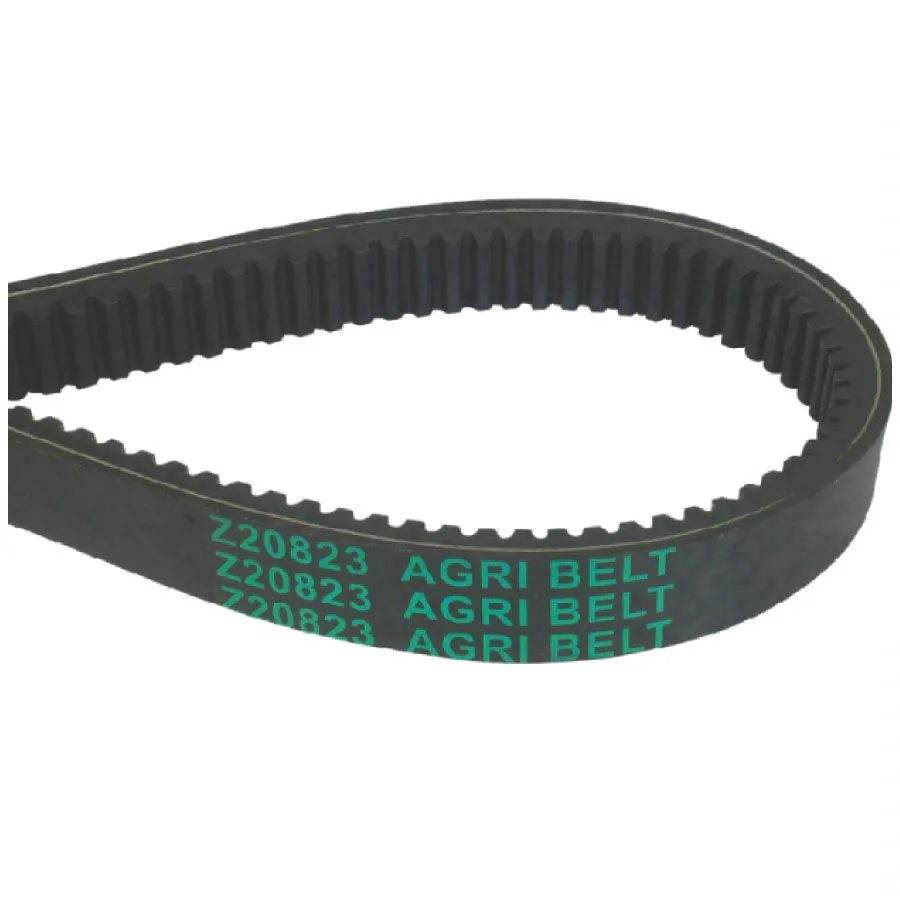
Raydafon Group's 609823.0 Wholesale factory price Banded classical V-belt delivers superior power transmission for industrial machinery, offering unmatched durability and performance. Crafted with high-quality materials, it ensures smooth operation, reduces maintenance costs, and fits seamlessly into various industrial applications. Ideal for manufacturers and engineers, this V-belt solves common wear issues, providing reliability and efficiency. Choose Raydafon Group for trusted quality and factory-direct savings—enhance your operations today!
An Agricultural Belt is a type of V-belt that is commonly used in various agricultural machinery. It is responsible for transmitting power from the engine to the different components of the machinery. The Agricultural Belt is an essential part of any agricultural machinery as it allows for the smooth and efficient operation of the machine.
Applications of Agricultural Belt in Agricultural Machinery
1. Tractor Transmission System
The Agricultural Belt is mainly used in the Power Take-Off (PTO) section of the tractor. It connects the tractor to the different implements such as plows, seeders, harvesters, crushers, water pumps, and more.
2. Combine Harvester
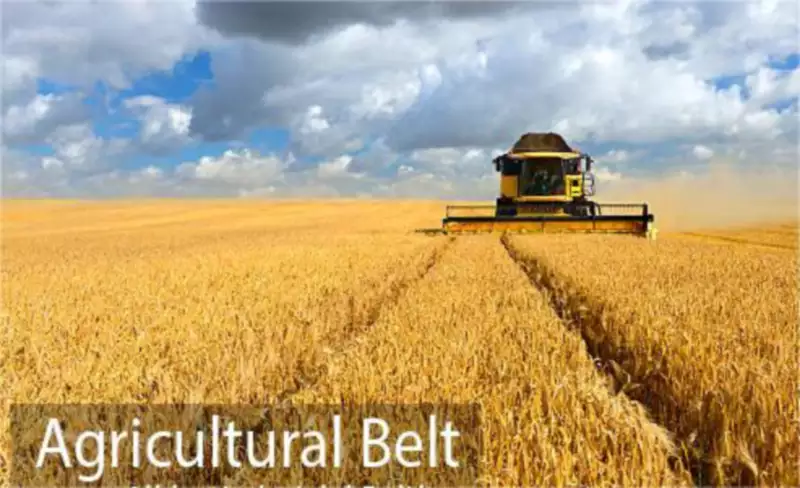
The Agricultural Belt is used in the main transmission system of the combine harvester. It transmits power from the engine to the threshing cylinder, cutting platform, cleaning system, and other moving components.
3. Cultivating Machinery
The Agricultural Belt is used in cultivating machinery such as rotary tillers, plows, and deep tillers. It is responsible for transmitting power from the tractor to the working components of the cultivating machinery.
4. Irrigation Equipment
In power-driven water pumps and rotating sprinkler systems, the Agricultural Belt transmits power from the tractor to the pump or other driving components.
5. Feed Processing Machinery
The Agricultural Belt is used to drive the mixing and cutting modules of feed mixers, forage choppers, and other equipment.
Compatible Agricultural Machinery Brands and Models for this Agricultural Belt
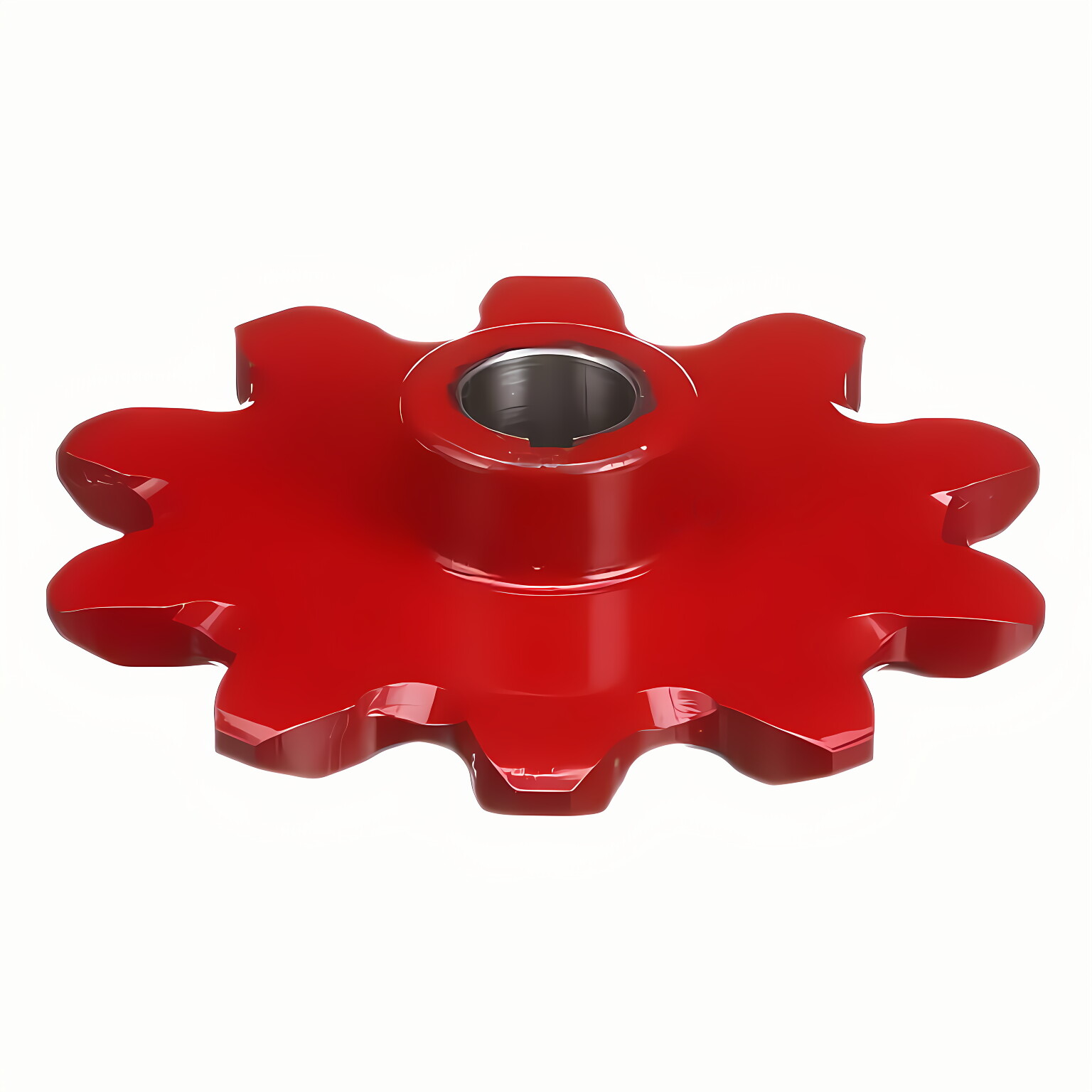
We also provide other agricultural machinery parts, including agricultural chains, agricultural gearbox, pulley, sprocket, coupling, pto shaft, concave, and more. All the agricultural machine parts you need can be found here.
Signs of Agricultural Belt Replacement
There are several signs that indicate the need for Agricultural Belt replacement:
1. Obvious Wear and Tear
If the surface of the belt has cracks, frayed edges, thinning, rubber chunks falling off, or fabric showing, it indicates that the belt is severely worn. The strength and stability of the belt have greatly decreased and should be replaced immediately.
2. Slackness
The Agricultural Belt should be in an appropriate tension state during normal operation. If the belt is too loose and sags more than the specified value when pressed by hand or if the belt length cannot maintain the original tension due to stretching after continuous use, it means that the belt has lost elasticity and tension and needs to be replaced.
3. Slippage
If there is a sharp whistling sound at the belt, or if you feel that the machine's power output is insufficient, and the speed has decreased, it is likely that slippage of the Agricultural Belt has occurred. At this time, not only the tension should be checked, but also the friction force of the belt should be checked. If necessary, the belt needs to be replaced.
4. Overheating
Although the Agricultural Belt is expected to warm up during normal operation, if it is too hot to touch, it may indicate that the belt is over-fatigued, has internal structural damage, or has tension that is too tight causing heat to build up. This situation can accelerate the aging and damage of the belt and should be checked and replaced immediately.
5. Unusual Smell or Burn Marks
If you smell burnt rubber or see melting or scorch marks on the Agricultural Belt, it means that the belt is in a severely overloaded state and may have partial or total damage. It must be replaced immediately.
6. Abnormal Vibration or Noise
When the Agricultural Belt fails or is about to fail, it may cause additional vibration or noise during machine operation. This is due to the uneven transmission caused by the belt. The machine should be stopped and inspected to find the cause and replace the Agricultural Belt as soon as possible.
How to Choose the Right Agricultural Belt
Belt Type: The V-belt is commonly used in agricultural machinery and has different models such as A, B, C, D, which vary in width and thickness. Choose a belt that matches the original belt's model, or refer to the specifications provided by the agricultural equipment manufacturer.
Length: Measure or calculate the accurate length of the belt required according to the agricultural machinery manual to ensure that the new belt can be installed smoothly and maintain appropriate tension.
Horsepower/Power Requirements: The Agricultural Belt needs to withstand the engine output power of the agricultural machinery. Therefore, ensure that the new belt's rated power is greater than or equal to the power requirement of the transmission system.
Material: Agricultural Belts made of high-quality rubber mixtures have better wear resistance, high-temperature resistance, oil resistance, and aging resistance.
Belt Pulley Groove Size: The Agricultural Belt must match the groove width and depth of the belt pulley to ensure good meshing and avoid slippage or premature wear.
We use cookies to offer you a better browsing experience, analyze site traffic and personalize content. By using this site, you agree to our use of cookies.Privacy Policy