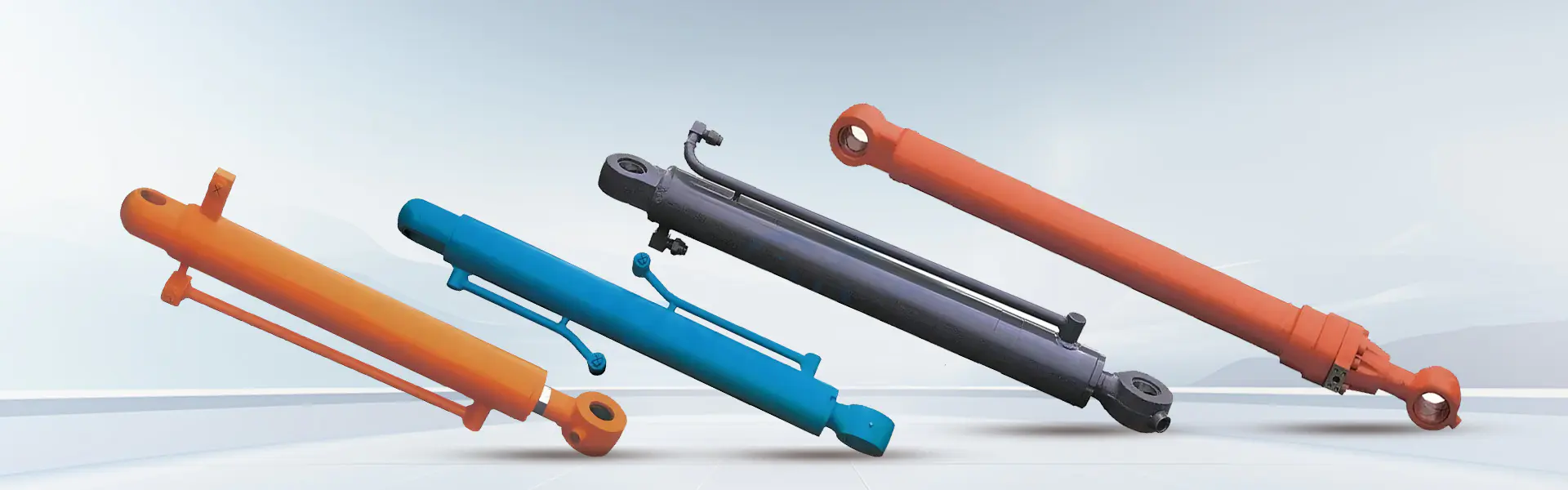
CB Type Binaural Type Heavy Rod Hydraulic Cylinder
Experience unmatched durability with Raydafon Group's CB Type Binaural Type Heavy Rod Hydraulic Cylinder, crafted for industrial applications requiring robust performance. Its heavy-duty design ensures superior strength and reliability, making it ideal for construction and machinery. Users benefit from enhanced efficiency and peace of mind, solving critical operational challenges. Stand out with our advanced technology and precision engineering—trust in Raydafon Group for high-quality hydraulic solutions.
CB Type Binaural Type Heavy Rod Hydraulic Cylinder
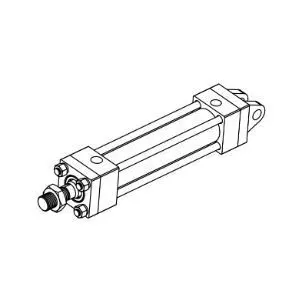
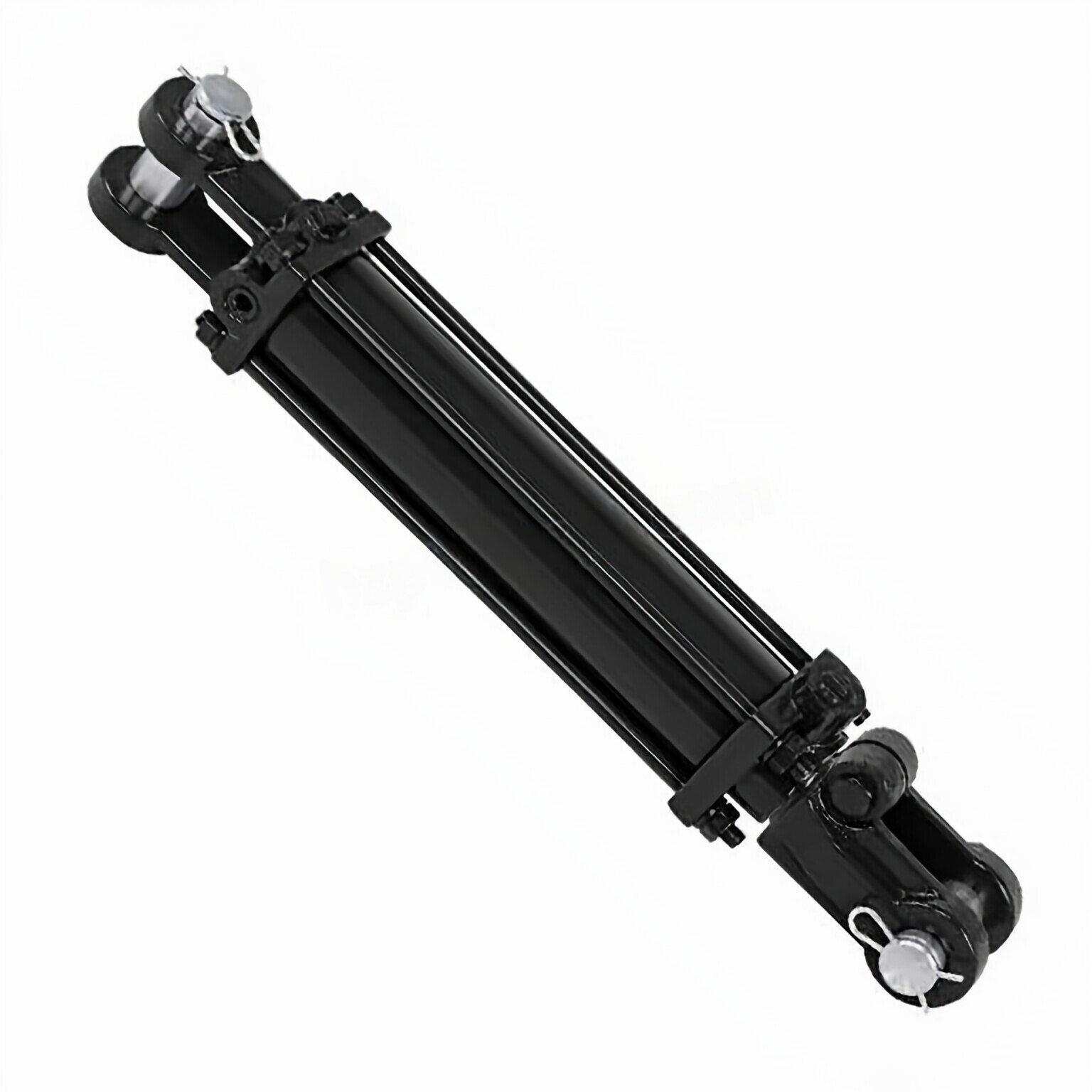
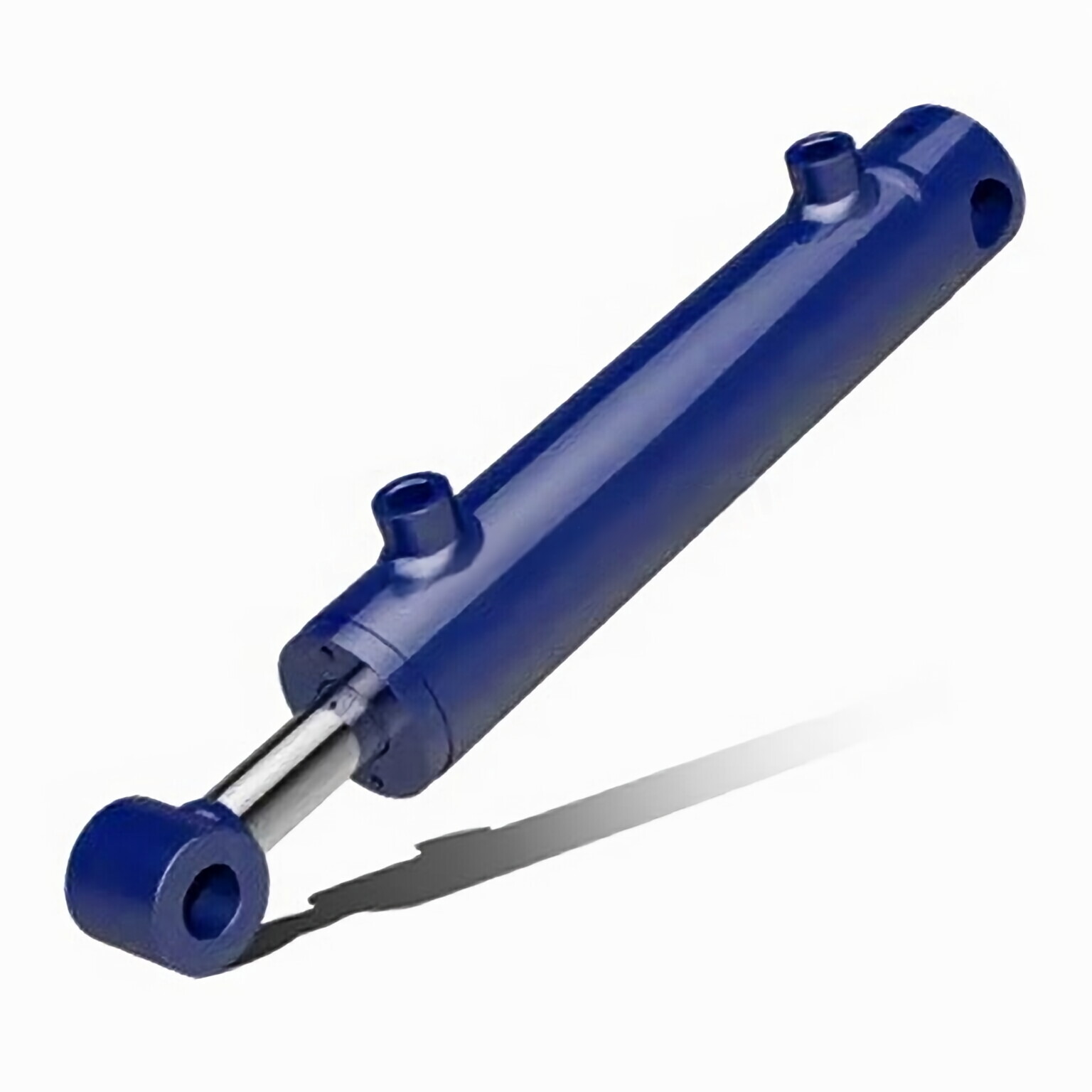
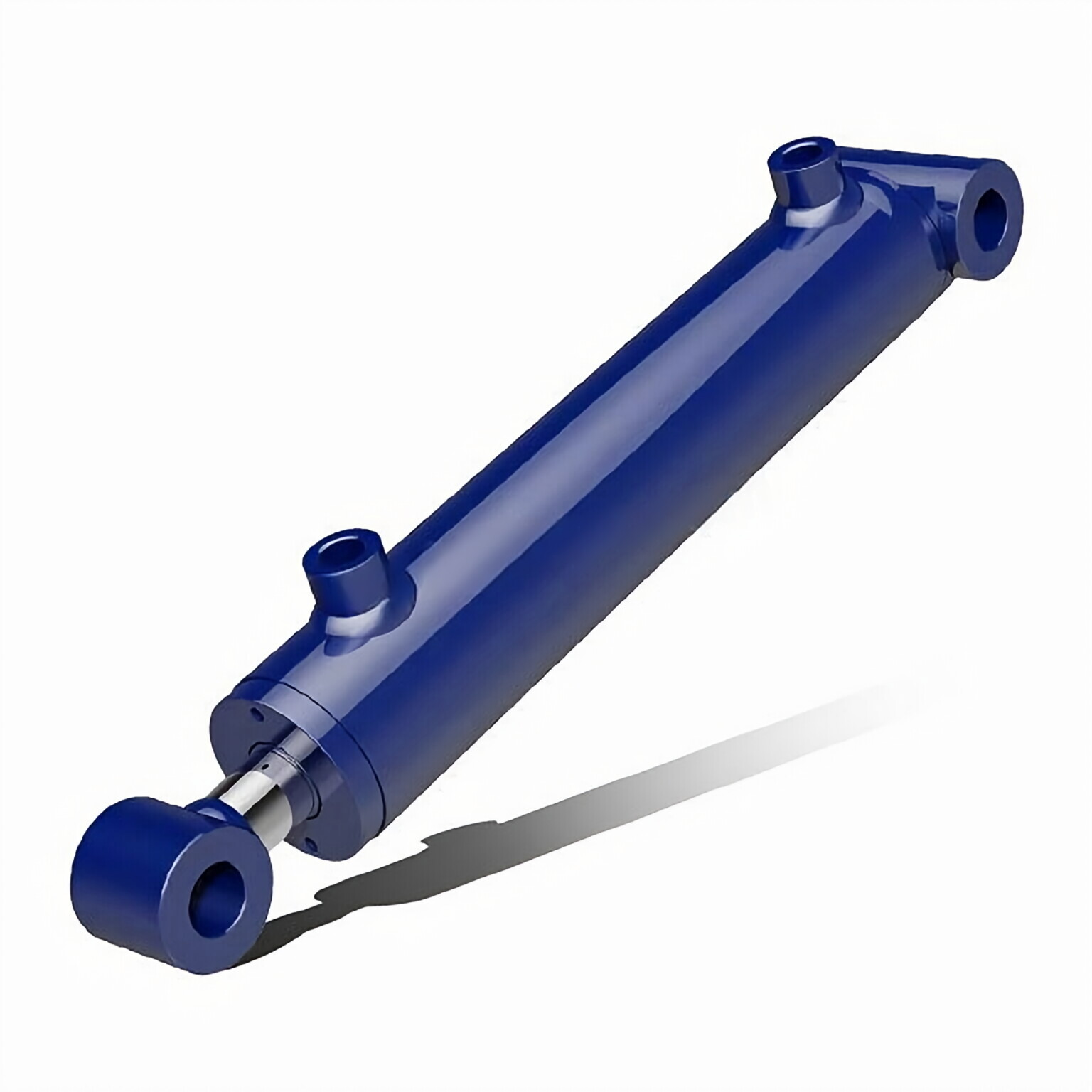
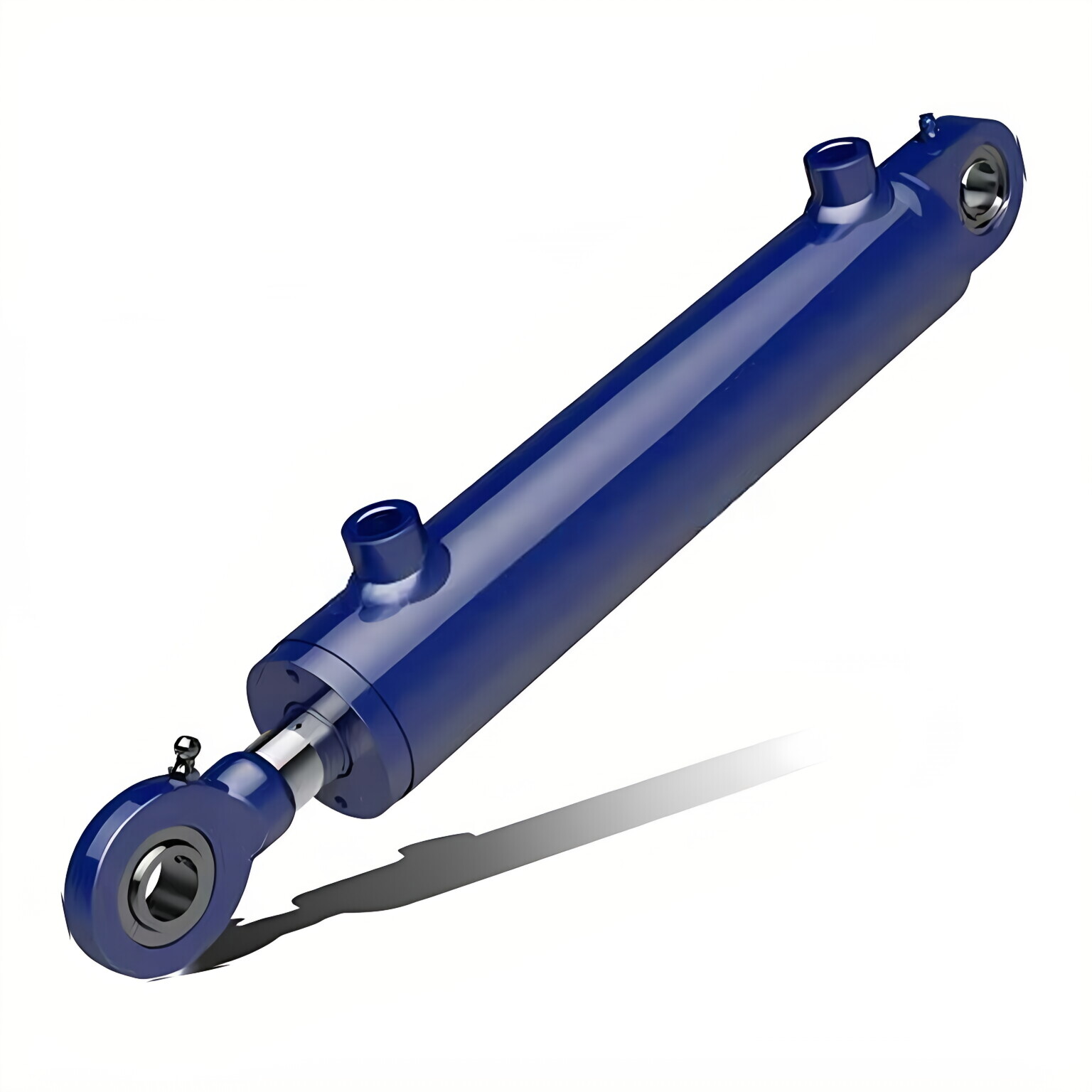
The CB Type Binaural Type Heavy Rod Hydraulic Cylinder is a cutting-edge hydraulic component designed to deliver exceptional power, precision, and reliability in demanding industrial applications. With its innovative CB type binaural design, robust construction, and advanced features, this hydraulic cylinder is engineered to excel under challenging conditions. Whether you need to lift, push, or pull heavy loads, the CB Type Binaural Type Heavy Rod Hydraulic Cylinder is your go-to solution for achieving optimal performance and efficiency.Key CharacteristicsRobust Construction: The CB Type Binaural Type Heavy Rod Hydraulic Cylinder boasts a robust construction that allows it to withstand extreme conditions and heavy workloads. Crafted from high-quality materials, it offers exceptional durability, longevity, and resistance to wear and tear. The robust design ensures reliable performance even in harsh operating environments.CB Type Binaural Design: The CB type binaural design of the cylinder provides enhanced stability, controlled movement, and precise positioning. With two parallel rods extending from either side of the cylinder, it ensures balanced force distribution and minimizes deflection during operation. This design feature results in improved accuracy and efficiency.Heavy Rod Capability: The CB Type Binaural Type Hydraulic Cylinder features a heavy rod design, allowing it to handle high loads with ease. The thicker and sturdier rod enhances strength and rigidity, making it ideal for applications that demand exceptional force and reliability.
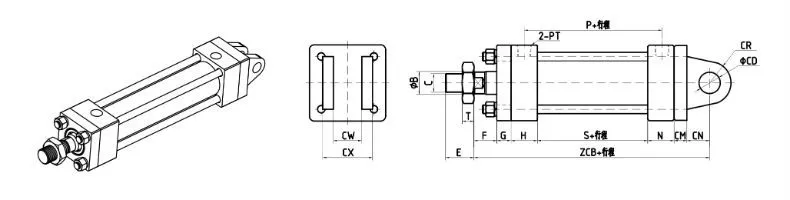
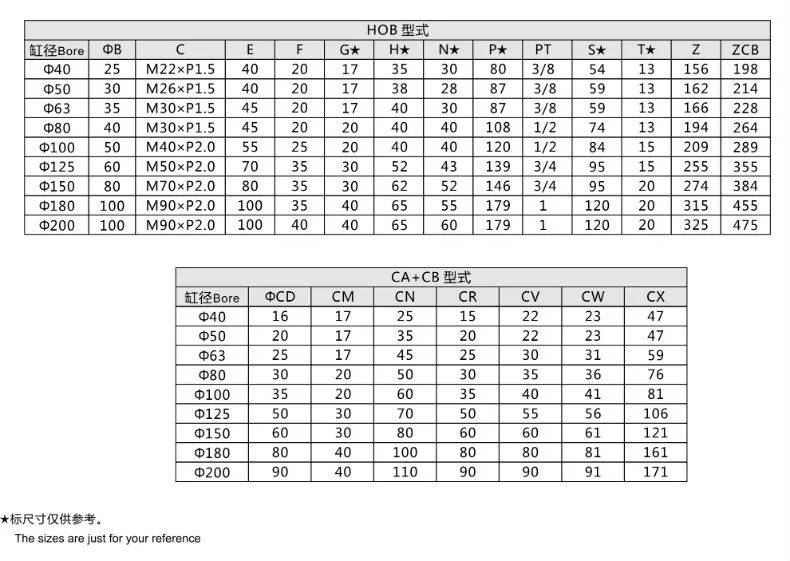
CB Type Binaural Type Heavy Rod Hydraulic Cylinder Parameter:
Usage Method Of CB Type Binaural Type Heavy Rod Hydraulic Cylinder:
Mounting: Begin by securely mounting the CB Type Binaural Type Heavy Rod Hydraulic Cylinder using appropriate mounting brackets or fixtures. Ensure proper alignment and stability during installation to prevent misalignment or excessive stress on the cylinder.
Hydraulic System Integration: Connect the hydraulic lines to the cylinder following the manufacturer's instructions and guidelines. Integrate the cylinder into the hydraulic system by connecting it to a suitable pump or power unit. Ensure compatibility with the cylinder's specifications and operating requirements.
Control and Operation: Utilize the control valves in the hydraulic system to regulate the flow of hydraulic fluid into and out of the cylinder. Adjust the control settings to achieve the desired linear motion and force output. Test the cylinder's movement to verify its functionality and responsiveness.
Maintenance Of CB Type Binaural Type Heavy Rod Hydraulic Cylinder:
Regular maintenance is crucial to ensure optimal performance and longevity of the CB-type binaural type heavy rod hydraulic cylinder. Follow these maintenance guidelines:
Routine Inspection: Conduct regular inspections to identify signs of wear, damage, or leaks. Inspect the cylinder body, rods, seals, and other components for abnormalities. Promptly address any issues to prevent further injury or operational inefficiencies.
Lubrication: Apply the recommended lubricant to the moving parts of the cylinder, including the rods and seals. Regular lubrication minimizes friction, reduces wear, and ensures smooth operation. Follow the manufacturer's guidelines for lubrication intervals and use the appropriate lubricant type.
Seal Replacement: If you notice seal deterioration or leakage, replace the seals using genuine manufacturer-approved parts. Damaged or worn seals can compromise the cylinder's performance and may lead to hydraulic fluid leaks.
Cleaning: Clean the cylinder by removing dirt, debris, and other contaminants. Use a non-abrasive cleaner and ensure all components are thoroughly dried before reassembly. Regular cleaning promotes optimal performance and prevents premature wear or damage.
How To Check If Hydraulic Cylinder Is Leaking Internally?
To check if a hydraulic cylinder is leaking internally, you can perform the following steps:
Visual Inspection: Start by visually inspecting the exterior of the hydraulic cylinder. Look for oil or hydraulic fluid around the cylinder body, rod, or seals. External leaks may indicate internal leakage as well.
Cylinder Operation: Operate the hydraulic cylinder through its full range of motion. Pay attention to any unusual sounds, vibrations, or jerky movements that may indicate internal leakage. If the cylinder operates smoothly without any unusual behavior, it doesn't necessarily rule out internal leakage, but it suggests that the issue may be less severe.
External Leakage Test: Wipe the cylinder clean and then visually inspect it for any fresh oil or hydraulic fluid after a period of inactivity. If you notice new oil or fluid on the cylinder's exterior, it could indicate internal leakage.
Pressure Drop Test: Perform a pressure drop test to check for internal leakage. Follow these steps:a. Ensure the hydraulic system is depressurized and the cylinder is in a safe position.b. Disconnect the hydraulic lines from the cylinder, carefully capping or plugging the openings to prevent fluid loss.c. Apply pressure to the appropriate port of the cylinder using a hand pump or another hydraulic power source.d. Monitor the pressure gauge. If the pressure drops significantly over a short period, it suggests internal leakage within the cylinder.e. Repeat the test on both sides of a double-acting cylinder if applicable.
Rod Extension Test: Extend the cylinder rod partially or entirely, and then inspect the exposed portion of the rod for any signs of hydraulic fluid. If you notice oil or fluid on the rod, it may indicate internal leakage past the rod seals.
Cylinder Disassembly: If you suspect internal leakage but haven't identified it through the previous steps, you may need to disassemble the cylinder for a detailed inspection. Disassembling the cylinder allows you to examine the piston, seals, and other internal components for signs of wear, damage, or contamination.
China Hydraulic Cylinder Manufacturers:
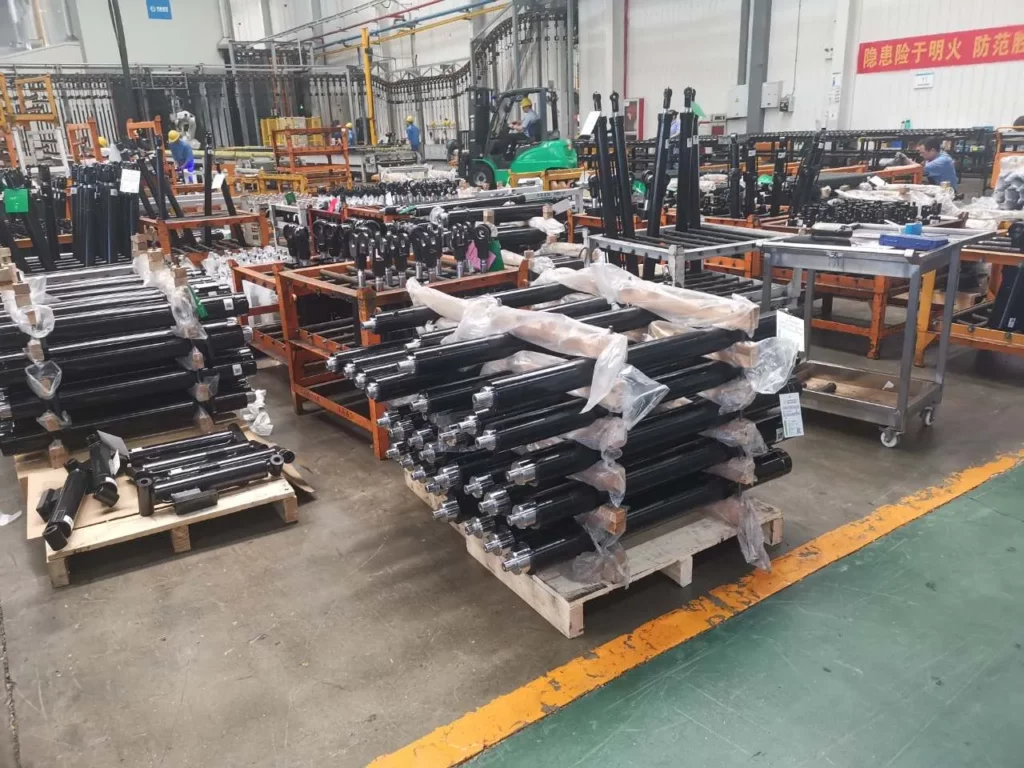
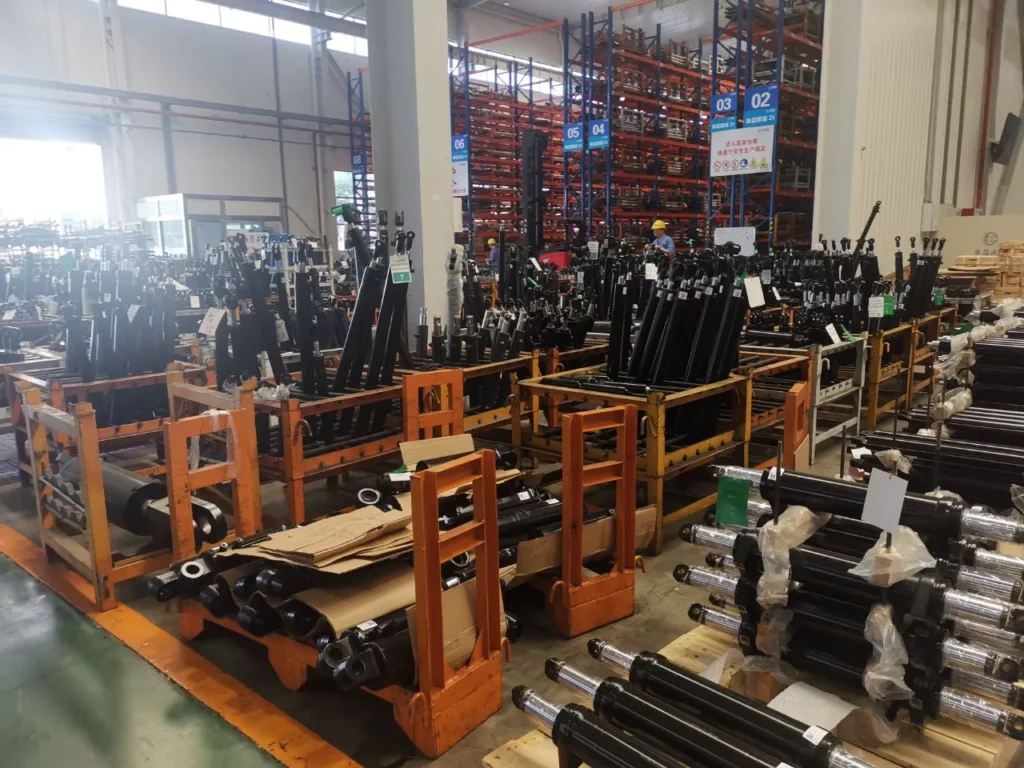
Raydafon is a company in the R&D and manufacture of heavy rod hydraulic cylinders. It maintains a leading position in the market segment of hydraulic cylinders for forklifts in China. In 2020, the domestic market share was around 29%. We produce Industrial vehicle heavy rod hydraulic cylinders, Aerial work vehicle heavy rod hydraulic cylinders, Agricultural Machinery hydraulic cylinders, and Sanitation machinery hydraulic cylinders.We have a first-class independent R&D platform for assembly. The heavy rod hydraulic cylinder production workshop has four semi-automatic lifting cylinder assembly lines and one fully automatic tilting cylinder assembly line, with a designed annual production capacity of 1 million pieces; the special cylinder workshop is equipped with semi-automatic cleaning and assembly systems of various specifications, with a designed annual production capacity of 200,000 essays. It has famous CNC machining equipment, machining centers, special equipment for high-precision cylinder processing, robot welding machines, automatic cleaning machines, automatic cylinder assembly machines, and automatic paint production lines. We have more than 300 sets of critical equipment running. The optimized allocation and efficient utilization of equipment resources ensure the precision requirements of the products and meet the high standard quality requirements of the products.
Hot Tags: Heavy Rod Hydraulic Cylinder Supplier, CB Type Binaural Cylinder Factory, Custom Hydraulic Cylinders Wholesale
We use cookies to offer you a better browsing experience, analyze site traffic and personalize content. By using this site, you agree to our use of cookies. Privacy Policy


 Raydafon