
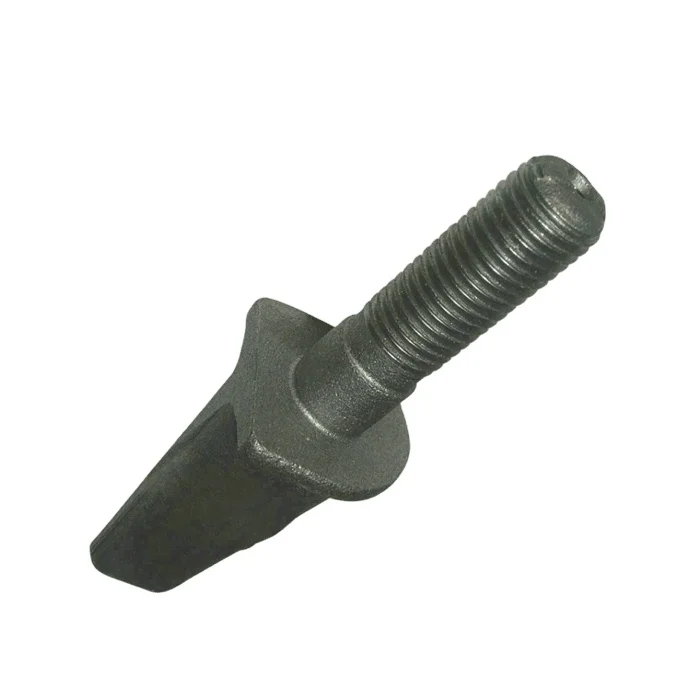
The cylinder spike tooth is a type of agricultural machinery used for threshing and separating grain from stalks. It is a crucial component of combine harvesters, which are widely used in modern agriculture. The spike tooth cylinder is designed to cut, thresh, and separate the crop at high efficiency, minimizing crop losses and ensuring a high-quality yield.
Below is a table that showcases the specifications of the Cylinder Spike Tooth H132057:
[ninja_tables id="410474"]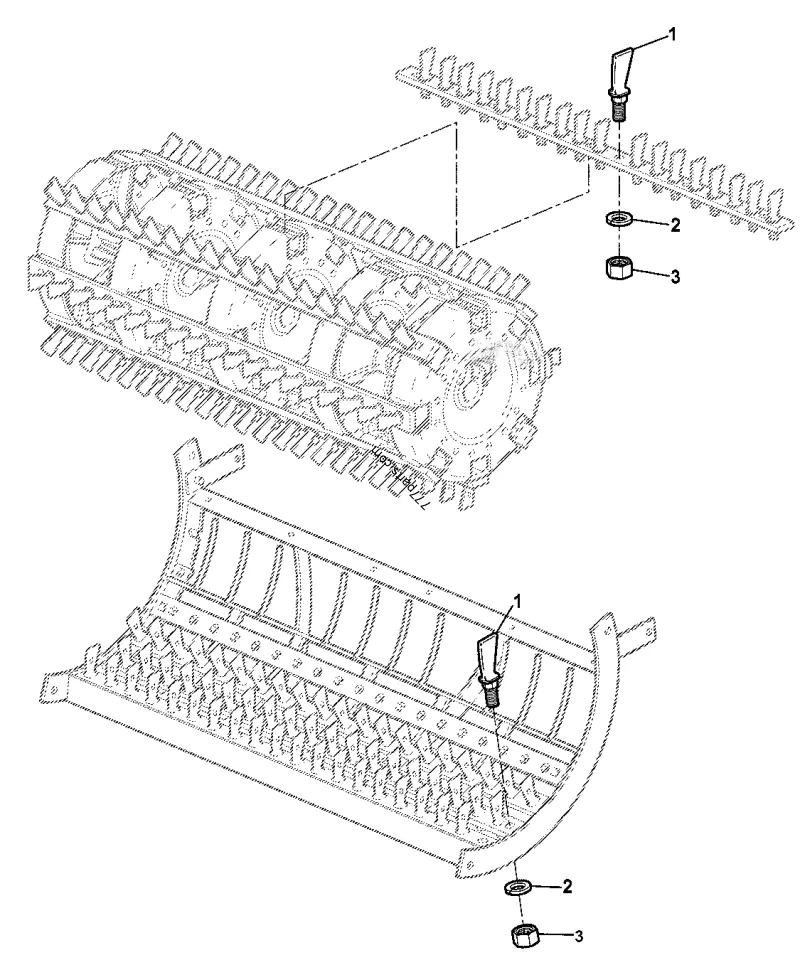
The Cylinder Spike Tooth H132057 is compatible with several brands and models of agricultural machinery, including John Deere, CLAAS, and CNH. The following table summarizes the compatibility of this spike tooth with various models:
| Brand | Model |
|---|---|
| John Deere | H132057 |
| CLAAS | 84993749 |
| CNH | Z11542, 628050, H132057, 213057 |
In addition to the Cylinder Spike Tooth H132057, we also offer a wide range of agricultural machinery parts, including agricultural chains, agricultural gearbox, pulley, sprocket, coupling, PTO shaft, concave, and many others. Whatever agricultural machinery parts you need, you can find them here.
There are several signs that indicate the need for cylinder spike tooth replacement. These include:
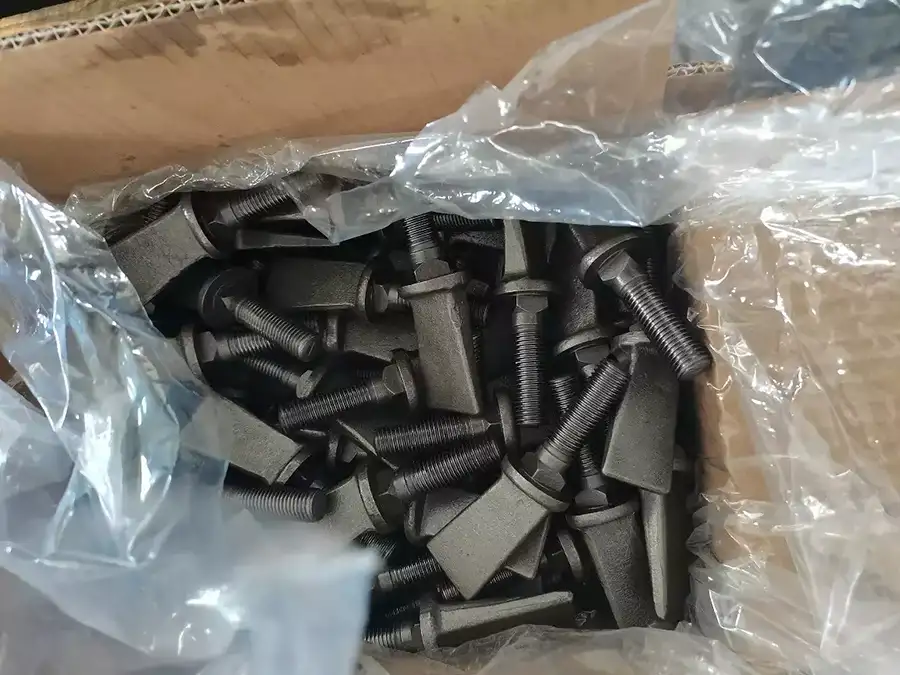
When the threshing process is not efficient, and grains are not separated from stalks, this usually indicates that the spike tooth cylinder is worn out and can no longer deliver enough cutting and separating force.
If the spike teeth are broken, missing, worn out, or deformed, it is a sign that the spike tooth cylinder has reached the end of its useful life and must be replaced.
If the spike teeth are damaged due to the ingestion of stones, metal fragments, or other hard foreign objects during operation, it can severely affect the threshing function and require immediate spike tooth replacement.
Unusual noise from the threshing section during operation may be due to damaged spike teeth, causing abnormal contact or collision between components.
If the spike teeth are worn out, the machine may require more power to achieve the same threshing efficiency, resulting in increased engine load or fuel consumption.
When selecting a cylinder spike tooth, several factors should be taken into account:
The crop type determines the requirements for spike teeth. For example, for small-grain crops like wheat or rice, which have smaller kernels and softer stalks, spike teeth that are suitable for fine threshing should be chosen. On the other hand, for crops with larger kernels and harder stalks, such as corn, more durable and penetrating spike teeth are needed.
The shape of the spike teeth affects their suitability for various applications. Different spike tooth arrangements can affect threshing efficiency and the degree of crop damage. High-density arrangements are generally suitable for fine threshing, while low-density arrangements can reduce damage to the stalks.
The material of the spike teeth must possess wear resistance, corrosion resistance, and certain toughness to ensure stable performance during long-term use. The choice of hardness is also critical. Excessive hardness can cause premature wear and tear or crop damage, while excessive softness can cause rapid wear and tear, affecting the useful life of the spike teeth.
Author: Miya
Address
Luotuo Industrial Area, Zhenhai District, Ningbo City, China
Tel

 Raydafon