
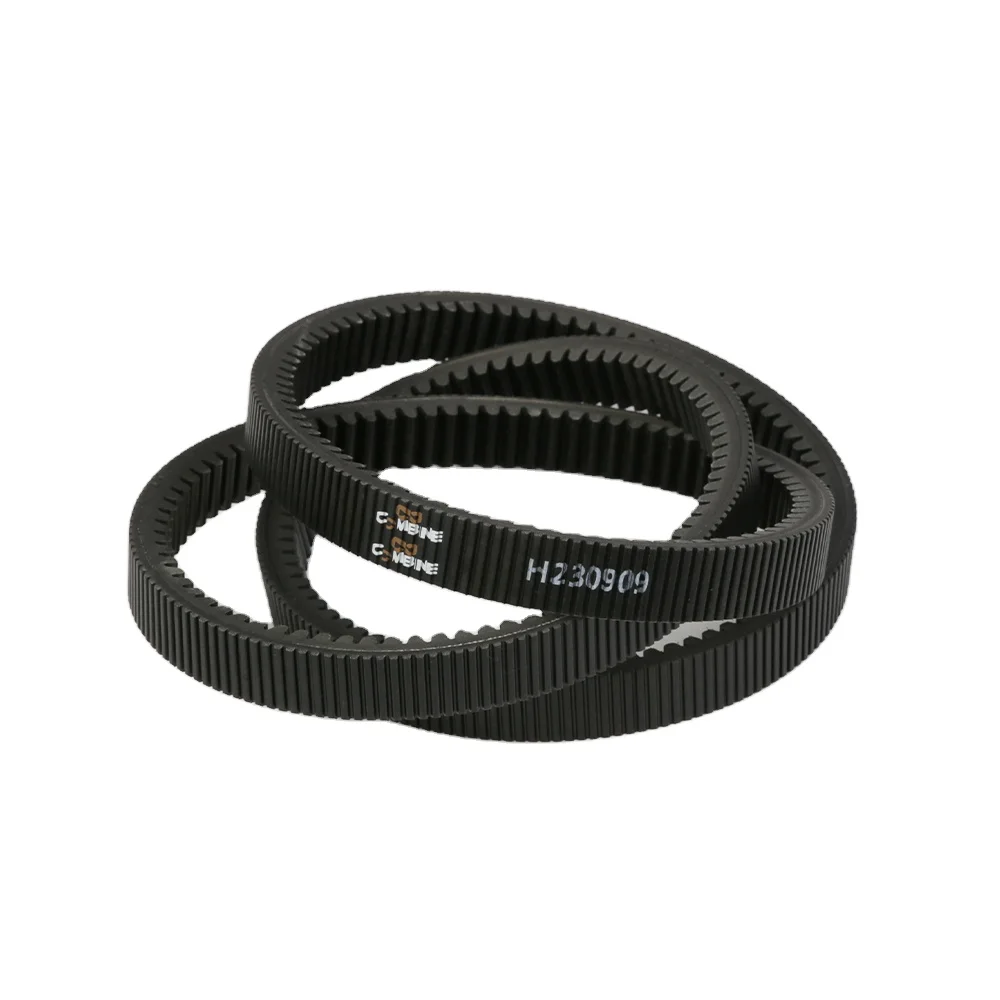
An agricultural belt is a type of power transmission belt that is specifically designed for use in agricultural machinery. These belts are critical components in the powertrain systems of various agricultural machines as they transfer power from the engine to other mechanical parts.
The Agricultural Belt is commonly used in the following agricultural machinery:
The Agricultural Belt is primarily used in the Power Take-Off (PTO) system of tractors. It connects the tractor with external farming equipment such as plows, seed drills, harvesters, pulverizers, water pumps, and more.
The Agricultural Belt is used in the main drive system of combine harvesters. It transmits the engine power to the threshing drum, cutting table, cleaning system, and other moving parts.
The Agricultural Belt is used in tillage equipment such as rotary tillers, plows, and deep cultivators to transfer power from the tractor to the working parts of the tillage equipment.
The Agricultural Belt is used in power-driven pumps and rotating sprinkler systems to transfer power from the tractor to the water pump or other driving components.
The Agricultural Belt is used to drive mixing and cutting modules in equipment such as feed mixers and silage cutters.
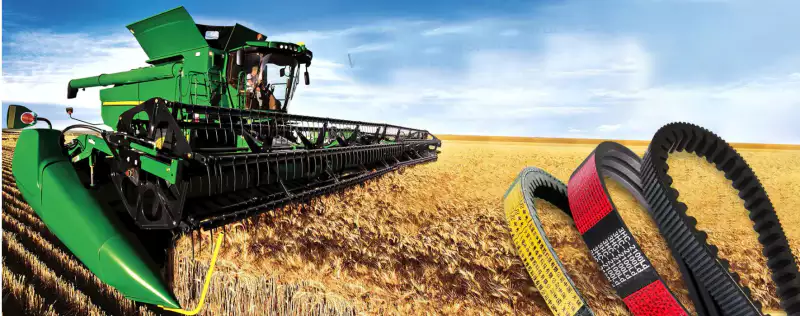
The OEM Quality Raw Cogged Aramid corded Drive Agricultural V belts replacement for John Deere Agricultural machines can be adapted to fit many different brands and models of agricultural machinery. The following table shows some of the compatible brands and models:
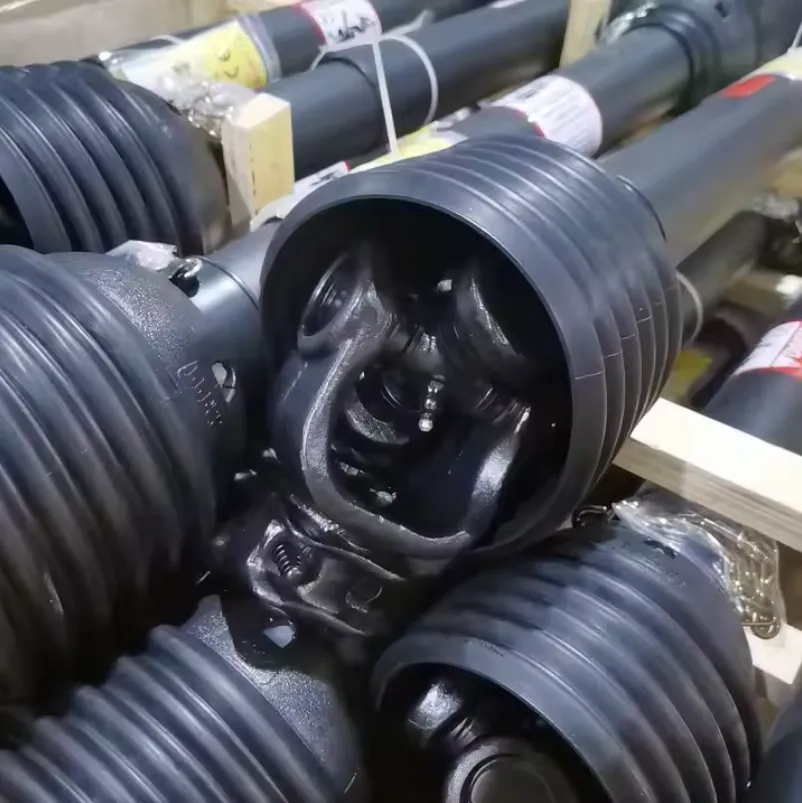
In addition to the Agricultural Belt, we also offer various other agricultural machine parts such as agricultural chains, agricultural gearboxes, pulleys, sprockets, couplings, PTO shafts, concaves, and more. Whatever agricultural machine part you need, you can find it with us.
It is crucial to replace the Agricultural Belt when it shows signs of wear and tear. The following are some indications that it's time to replace the Agricultural Belt:
If there are cracks, fraying, thinning, or rubber chunking on the belt's surface, it means the Agricultural Belt has significantly deteriorated, and its strength and stability have been reduced. Replace it immediately.
The Agricultural Belt should run in a properly tensioned condition. If it is too loose and sags beyond the specified distance when pressed down by hand or can't maintain the original tension after continuous use, it means the belt has lost its elasticity and tension and needs replacement.
If there is a sharp squealing noise coming from the Agricultural Belt or a noticeable decrease in machine power output and speed, it may be due to slippage caused by poor friction between the belt and other components. Check the belt's tension and replace it if necessary.
A normal Agricultural Belt will have a slight temperature rise after running for some time. However, if it is too hot to touch, it may be due to excessive fatigue, internal structure damage, or too tight tension, leading to heat accumulation. Stop the machine immediately, check it, and replace the belt.
If there is a burning smell or melted and scorched marks on the Agricultural Belt, it means the belt has been subjected to severe overloading, causing local or overall damage. Replace it immediately.
When the Agricultural Belt fails or is about to fail, it will cause additional vibrations or noise during machine operation due to uneven power transmission. Stop the machine, find the cause, and replace the faulty belt.
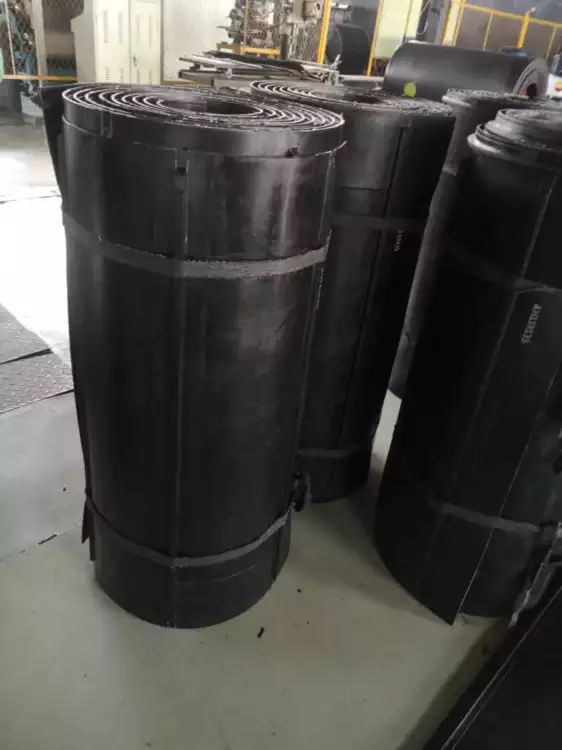
To choose the right Agricultural Belt for your agricultural machinery, consider the following factors:
The Agricultural Belt typically comes in a V-shape and varies in width and thickness. Choose a belt that matches the original belt's specifications or follow the equipment manufacturer's recommendations.
Measure or calculate the exact length of the required Agricultural Belt to ensure proper installation and tensioning.
The Agricultural Belt must be able to handle the engine output power of the agricultural machinery. Choose a belt with a power rating equal to or greater than the power requirements of the powertrain system.
Choose an Agricultural Belt made of high-quality rubber compounds that offer excellent wear resistance, high-temperature resistance, oil resistance, and aging resistance.
The Agricultural Belt must match the pulley groove's width and depth to ensure proper engagement and avoid slippage and premature wear.
Author: Miya
Address
Luotuo Industrial Area, Zhenhai District, Ningbo City, China
Tel

 Raydafon