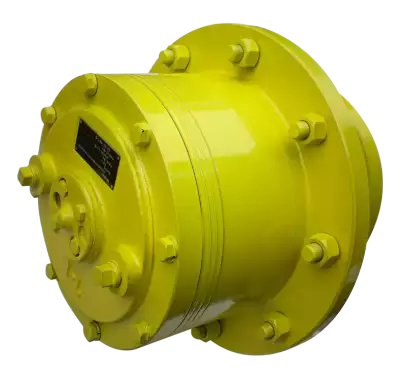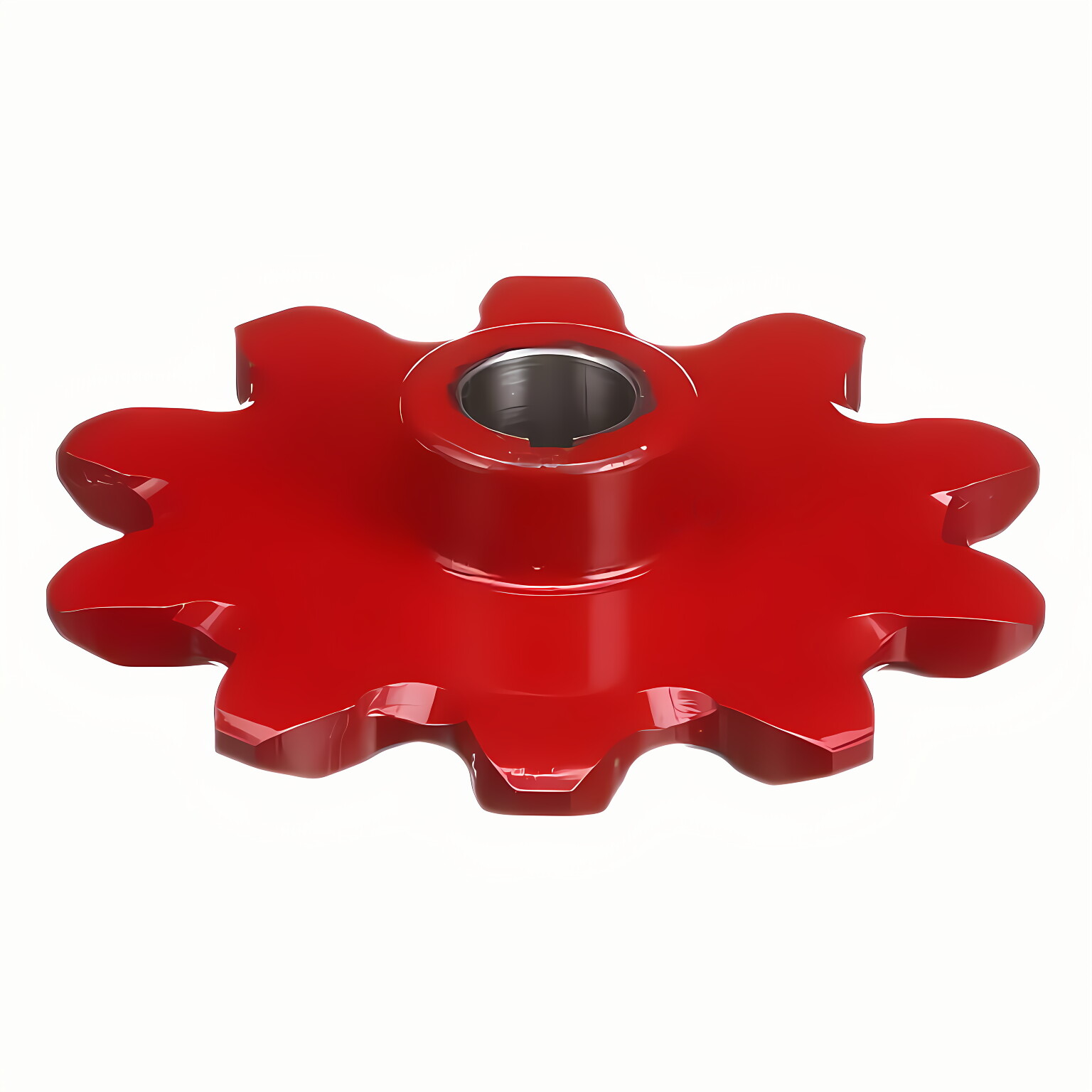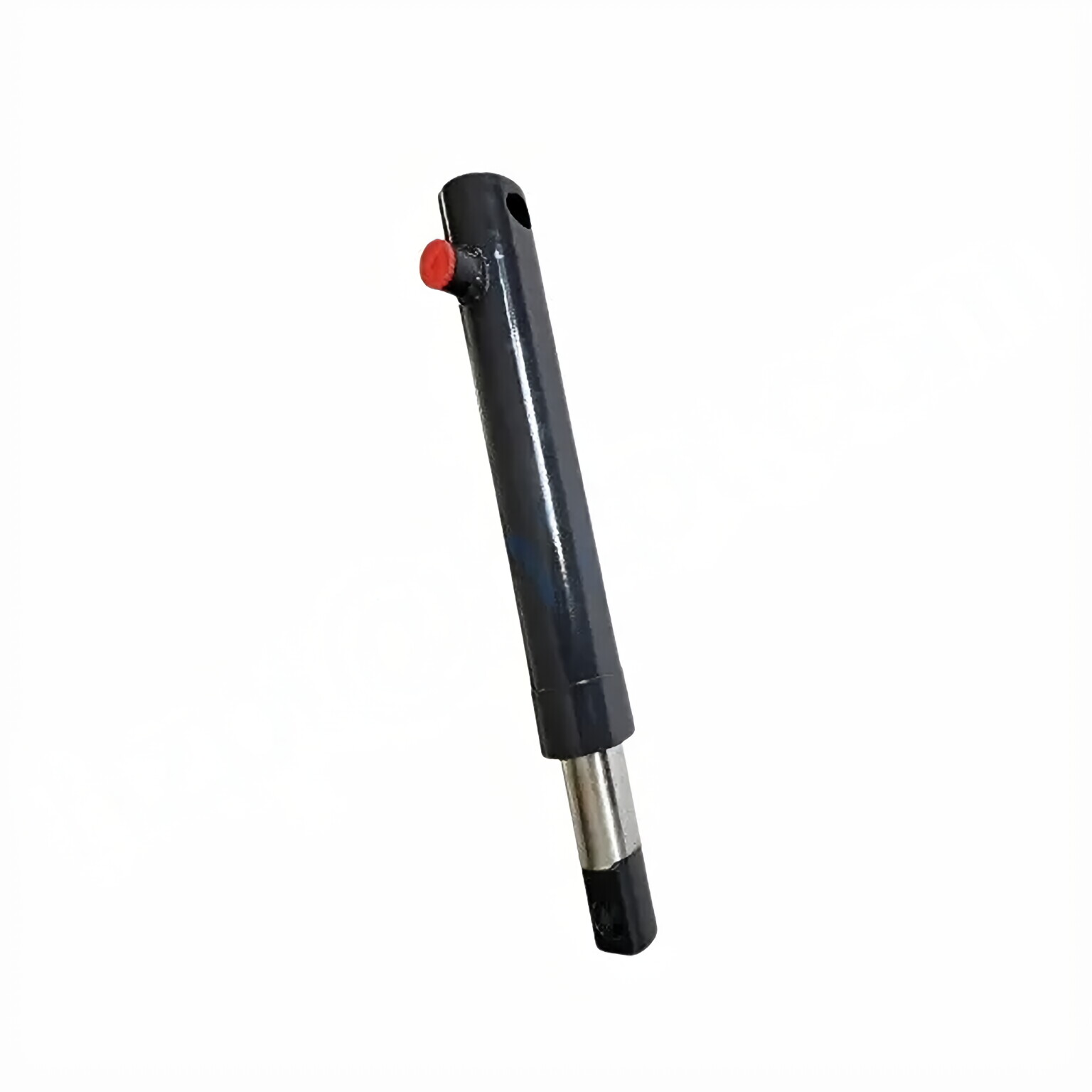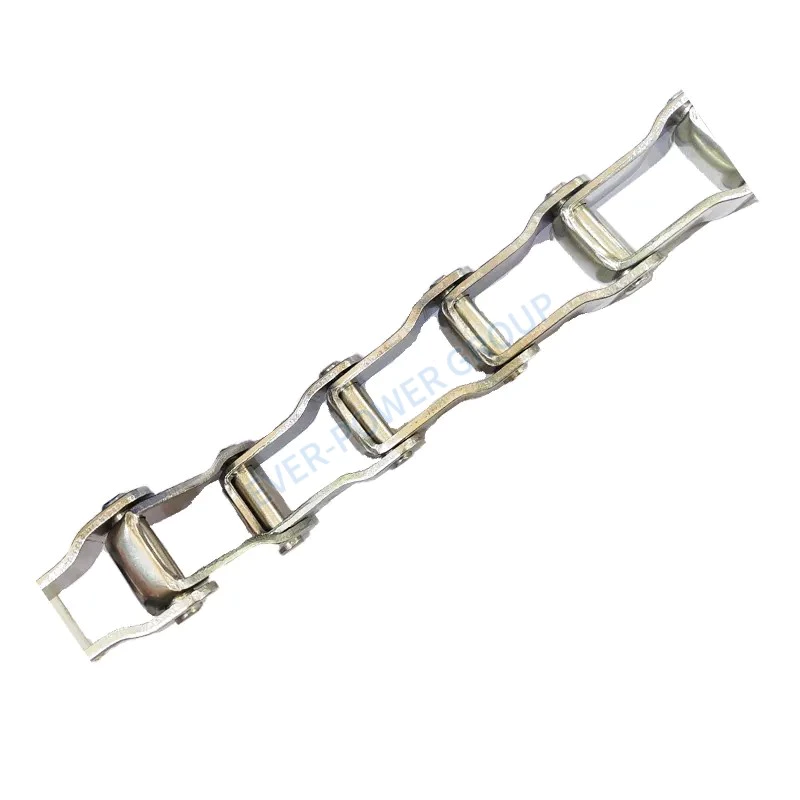
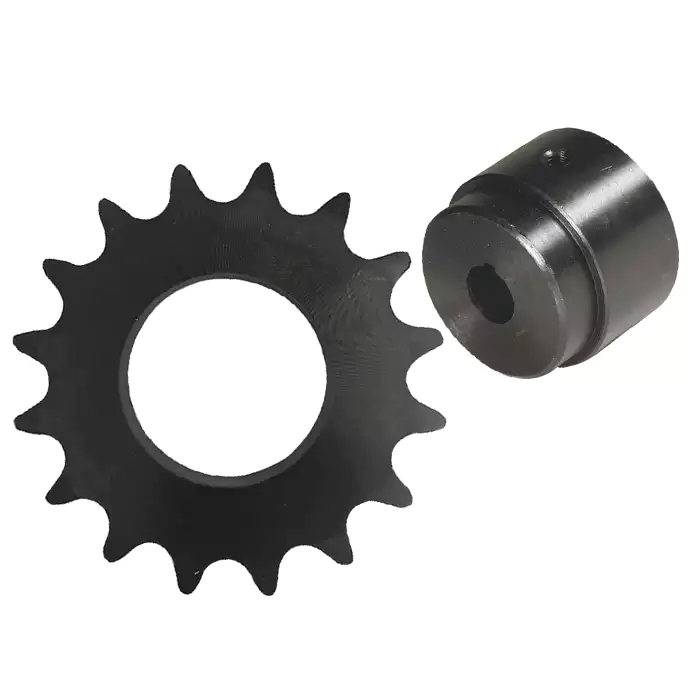
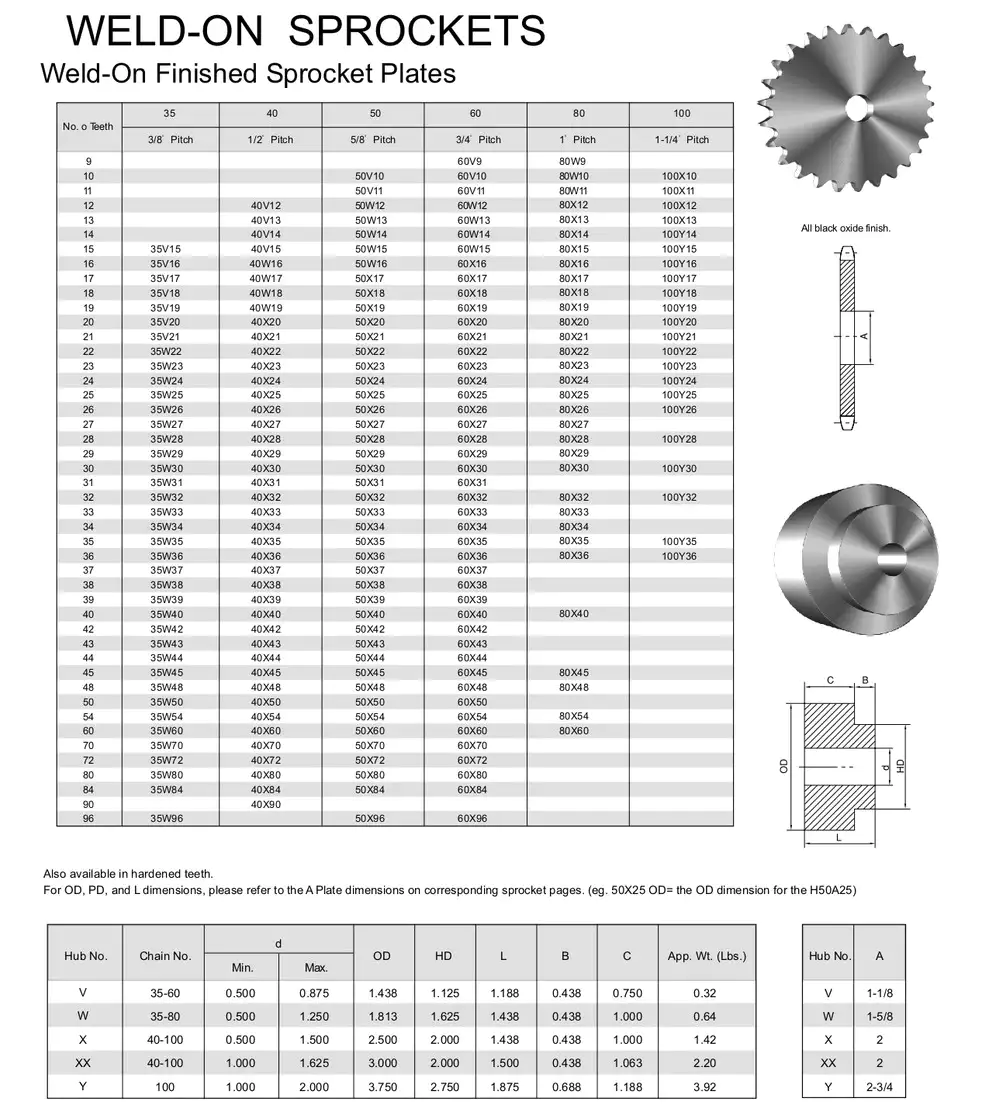
Raydafon Group's 100X13 Weld-on Sprocket with Hub delivers unmatched durability and precision in industrial machinery. Crafted from high-grade materials, it ensures smooth power transmission, reducing downtime for professionals in manufacturing and automation. Its unique welded design enhances stability, offering a reliable solution that boosts efficiency and confidence. Experience superior performance that sets a new standard in sprocket technology—engineered for excellence.
A weld-on sprocket is a type of sprocket that is designed to be welded onto a shaft, providing a secure and durable connection. It is commonly used in various industrial applications where power transmission is required.
Materials and Manufacturing Process
Materials: Weld-on sprockets are typically made of high carbon steel, alloy steel, or stainless steel. These materials offer excellent strength and durability.
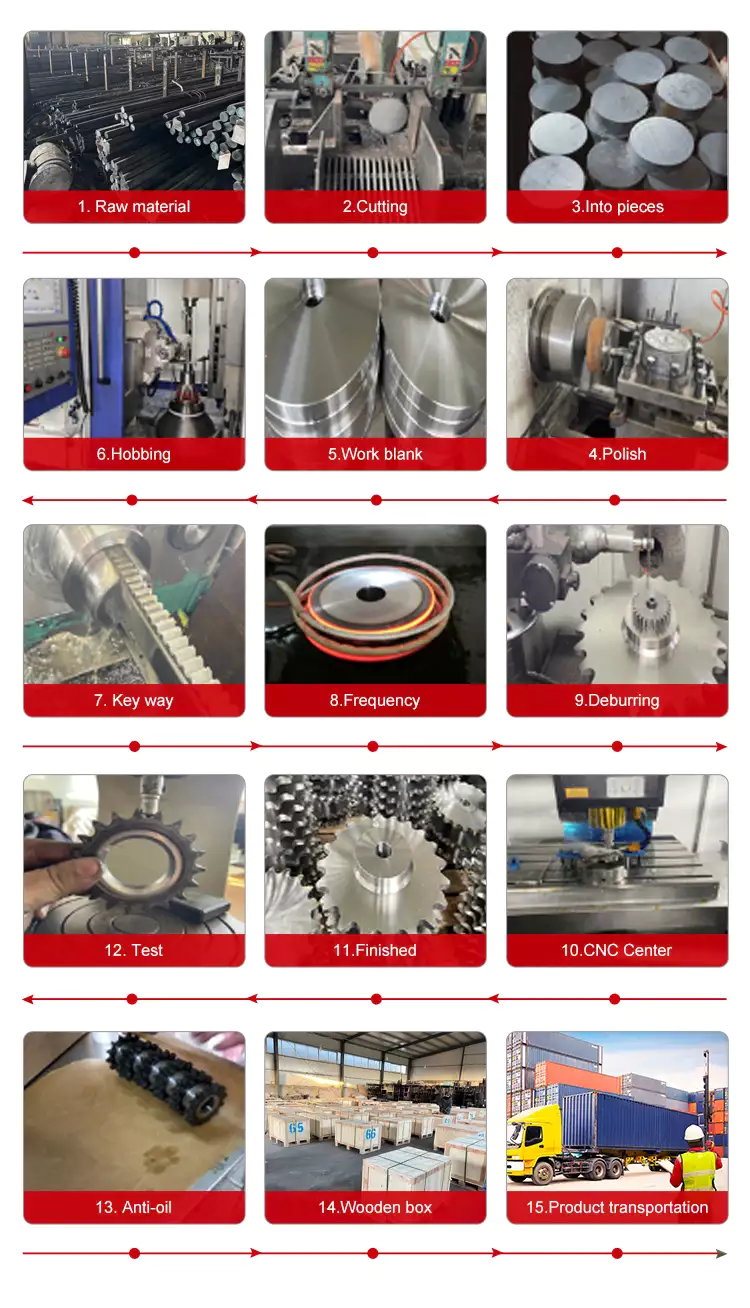
Manufacturing Process: The production process involves material selection, cutting, stamping, forging, machining (turning, milling, drilling), heat treatment (quenching, tempering, surface hardening), surface treatment (rust prevention), and quality inspection.
Applications of Weld-on Sprocket
Weld-on sprockets are commonly used in the following situations:
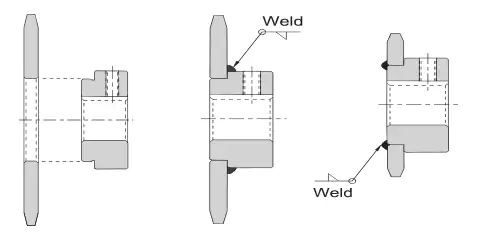
Applications requiring special design or sizing, allowing users to choose suitable hubs for welding based on actual shaft diameter.
Advantages of Weld-on Sprocket
Secure Connection: Welding the sprocket onto the shaft ensures a strong and reliable connection, reducing the risk of slippage or failure.
Versatility: Weld-on sprockets can be customized to fit specific shaft sizes and applications, providing flexibility in design.
High Strength: The use of high-quality materials and manufacturing processes results in sprockets with excellent strength and durability.
Easy Maintenance: Weld-on sprockets are relatively easy to maintain, requiring regular inspection, cleaning, lubrication, and adjustment.
Hub Options
We offer a variety of hub options for weld-on sprockets, including round bore hubs. These hubs provide a secure and precise fit for the sprocket, ensuring optimal performance.
Maintenance and Care
Proper maintenance and care are essential for the longevity of weld-on sprockets. Here are some important aspects to consider:
Daily Inspection: Regularly inspect the sprocket for any signs of wear, damage, or misalignment.
Cleaning: Keep the sprocket clean and free from dirt, debris, and excessive grease.
Lubrication: Apply appropriate lubrication to reduce friction and wear between the sprocket and the chain.
Adjustment and Calibration: Periodically check and adjust the tension and alignment of the chain to ensure smooth operation.
Common problems that may occur with weld-on sprockets include tooth skipping, breakage, wear, excessive noise, and chain detachment. Here are some possible solutions:
Tooth Skipping: Check for worn or damaged teeth and replace the sprocket if necessary.
Breakage: Inspect the sprocket for cracks or fractures and replace it immediately if any are found.
Wear: Regularly monitor the sprocket's wear patterns and replace it when the wear exceeds the recommended limits.
Excessive Noise: Check for misalignment or improper lubrication and make the necessary adjustments.
Chain Detachment: Ensure that the chain is properly tensioned and aligned, and replace any damaged or worn-out chain links.
Other Types of Sprockets
In addition to weld-on sprockets, we also offer a wide range of other sprockets such as platewheel sprockets, qd sprockets, and taper lock sprockets. These sprockets can be paired with compatible chains for various applications.
We use cookies to offer you a better browsing experience, analyze site traffic and personalize content. By using this site, you agree to our use of cookies. Privacy Policy