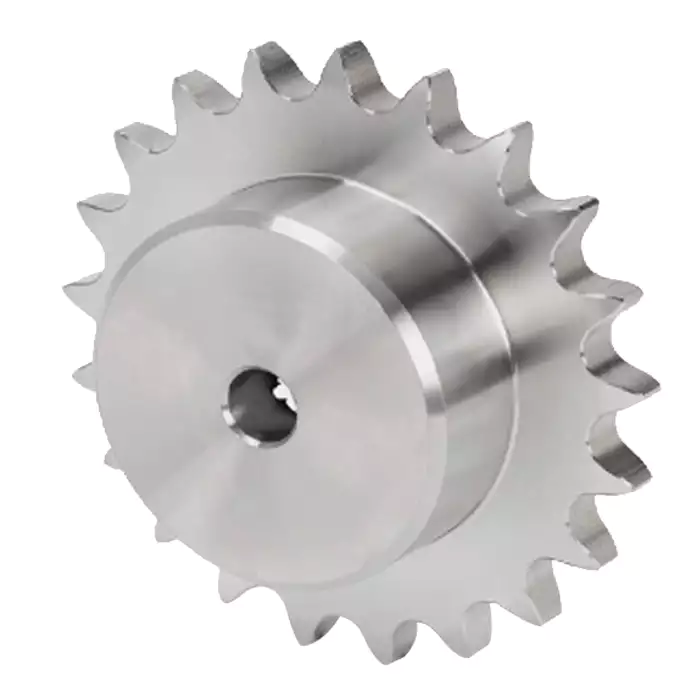
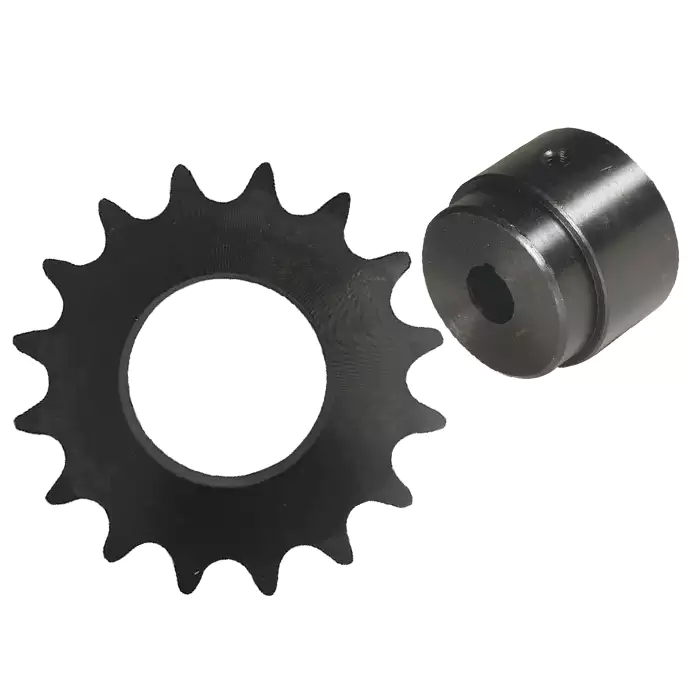
Upgrade your machinery with Raydafon Group's 35W40 Weld-on Sprocket with Hub, a durable precision component designed for seamless integration and enhanced performance. Featuring high-strength materials and a reliable weld-on design, it ensures long-lasting operation and reduced maintenance in industrial settings. Ideal for engineers and technicians in manufacturing, it delivers smooth power transmission, boosts efficiency, and solves wear-and-tear challenges. Stand out with Raydafon Group's trusted quality—experience unmatched reliability today!
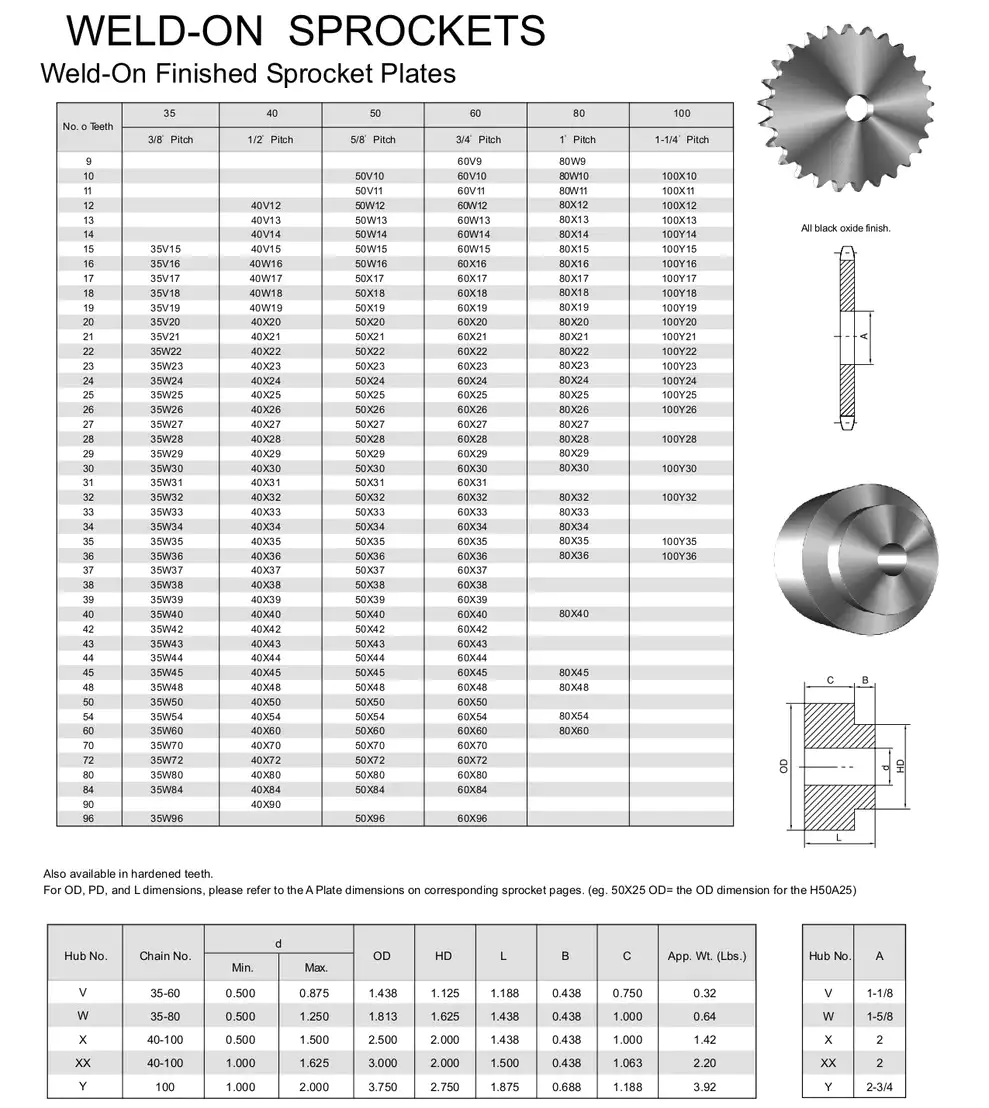
Weld-on sprocket is a type of sprocket that is designed to be welded onto a shaft or hub. It provides a reliable and secure way to transmit torque in various industrial applications. Here is an image of the selection chart for weld-on sprockets:
Materials and Manufacturing Process
Our weld-on sprockets are made from high carbon steel, alloy steel, or stainless steel, depending on the specific requirements of the application. The manufacturing process involves material selection, cutting, stamping, forging, machining (turning, milling, drilling), heat treatment (quenching and tempering), surface hardening, rust prevention, and quality testing.
Applications of Weld-on Sprocket
For applications that require special designs or dimensions, users can choose the appropriate hub for welding based on the actual shaft diameter.
Advantages of Weld-on Sprocket
High strength and durability, ensuring reliable power transmission.
Flexible customization options to meet specific application requirements.
Easy installation and maintenance.
Compatible with various types of chains.
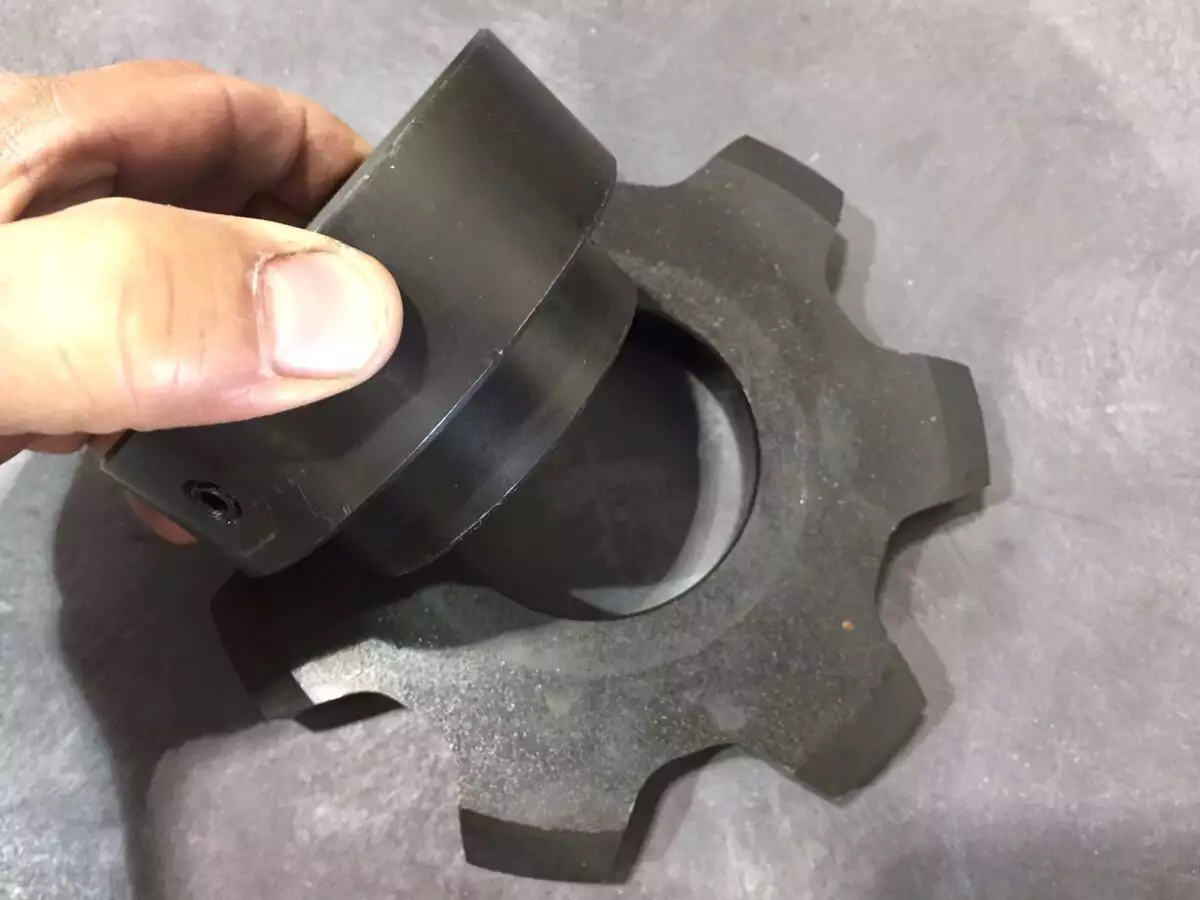
Here is an image showcasing the advantages of weld-on sprocket:
Hub Options
We offer weld-on sprockets with various hub options, including circular bores of different sizes.
Maintenance and Care of Sprockets
Proper maintenance and care are essential for ensuring the longevity and optimal performance of sprockets. The following points should be considered:
Daily inspection to detect any signs of wear, damage, or misalignment.
Regular cleaning to remove dirt, debris, and lubricant buildup.
Appropriate lubrication to minimize friction and wear.
Periodic adjustment and calibration to maintain proper tension and alignment.
Common issues that may occur with sprockets include tooth skipping, breakage, wear, excessive noise, and chain derailing. Here are the corresponding solutions:
Tooth skipping: Check chain tension, alignment, and sprocket condition. Replace worn components if necessary.
Breakage: Inspect for any stress points or excessive loads. Replace with a new sprocket if needed.
Wear: Regularly monitor sprocket condition and replace when wear exceeds recommended limits.
Excessive noise: Check for misalignment, improper lubrication, or worn components. Address the root cause and make necessary adjustments.
Chain derailing: Ensure proper tension, alignment, and lubrication. Replace damaged or worn components.
Other Types of Sprockets
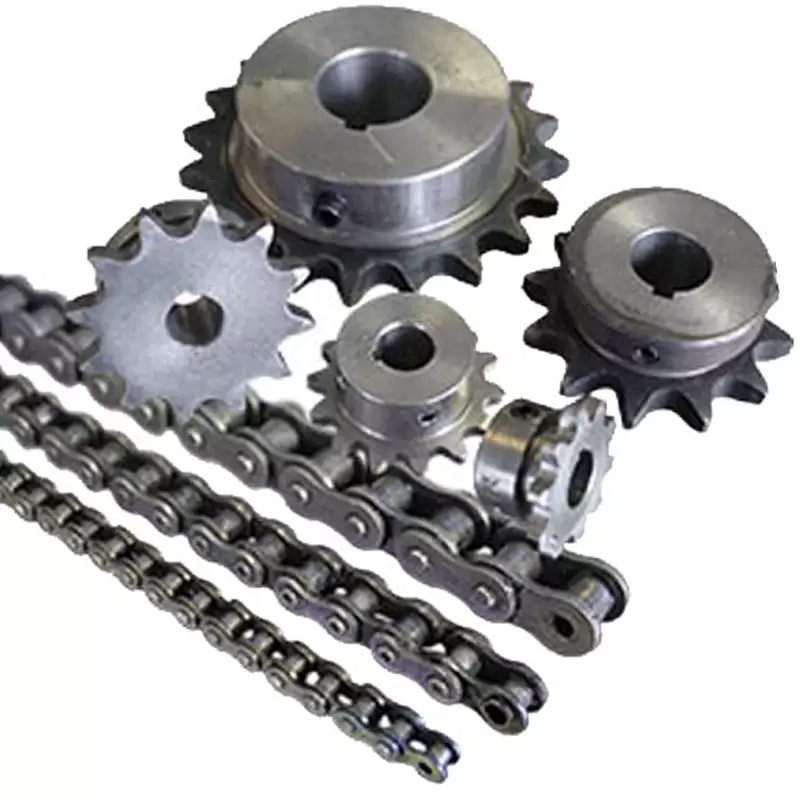
In addition to weld-on sprockets, we also provide a wide range of other sprockets, such as platewheel sprockets, qd sprockets, and taper lock sprockets. These sprockets can be paired with compatible chains for various industrial transmission applications. Here is an image showcasing some of the other sprocket types:
We use cookies to offer you a better browsing experience, analyze site traffic and personalize content. By using this site, you agree to our use of cookies.Privacy Policy