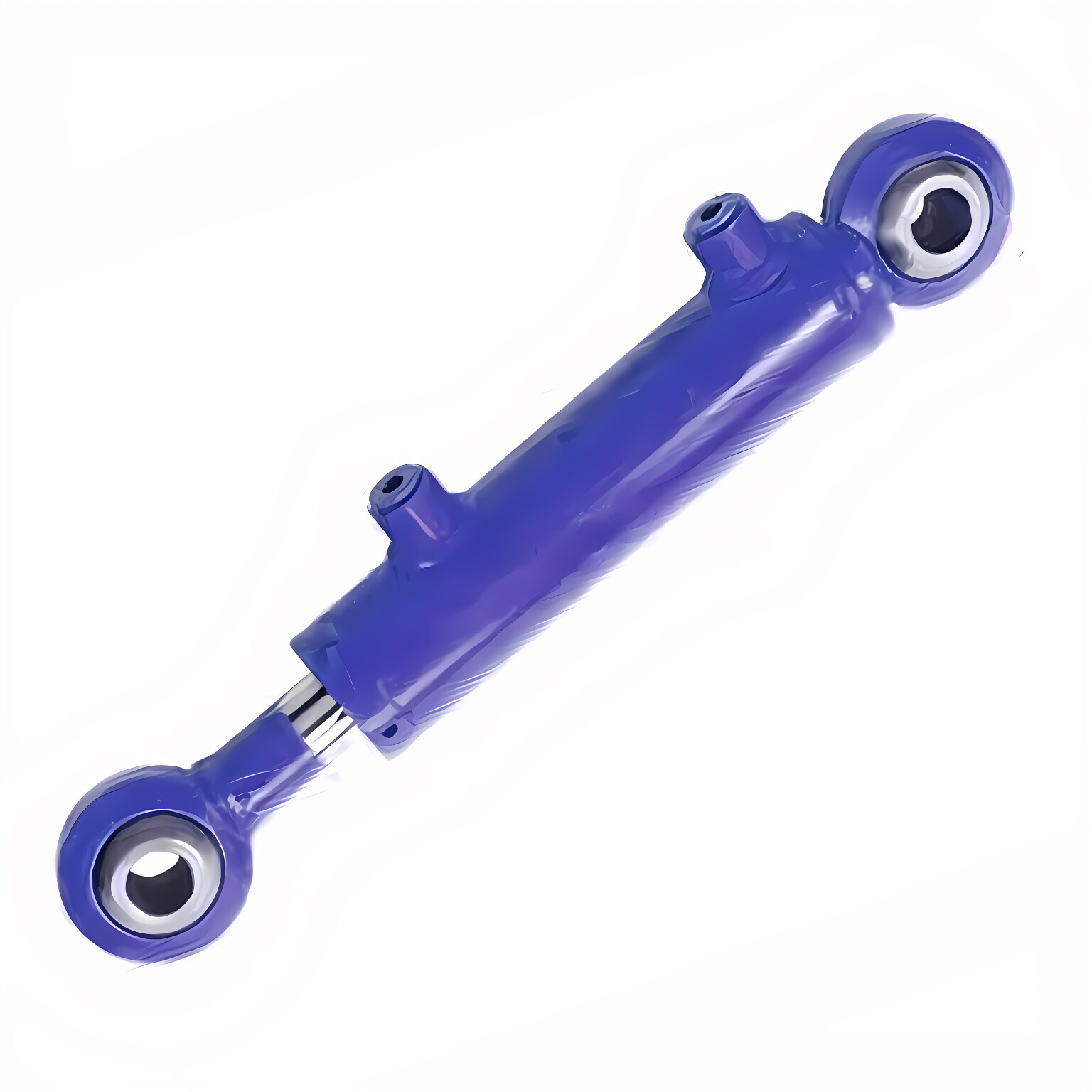
The Raydafon Group's 40 MDC Series Compact Mold Cylinder delivers high-performance precision for demanding industrial applications. Its compact design, durable construction, and advanced technology ensure reliable operation in tight spaces, solving common mold-clamping challenges. Ideal for manufacturers and engineers, it enhances efficiency and reduces downtime, offering superior durability and consistent results compared to bulkier alternatives. Experience the confidence of seamless integration and lasting value with Raydafon innovation.
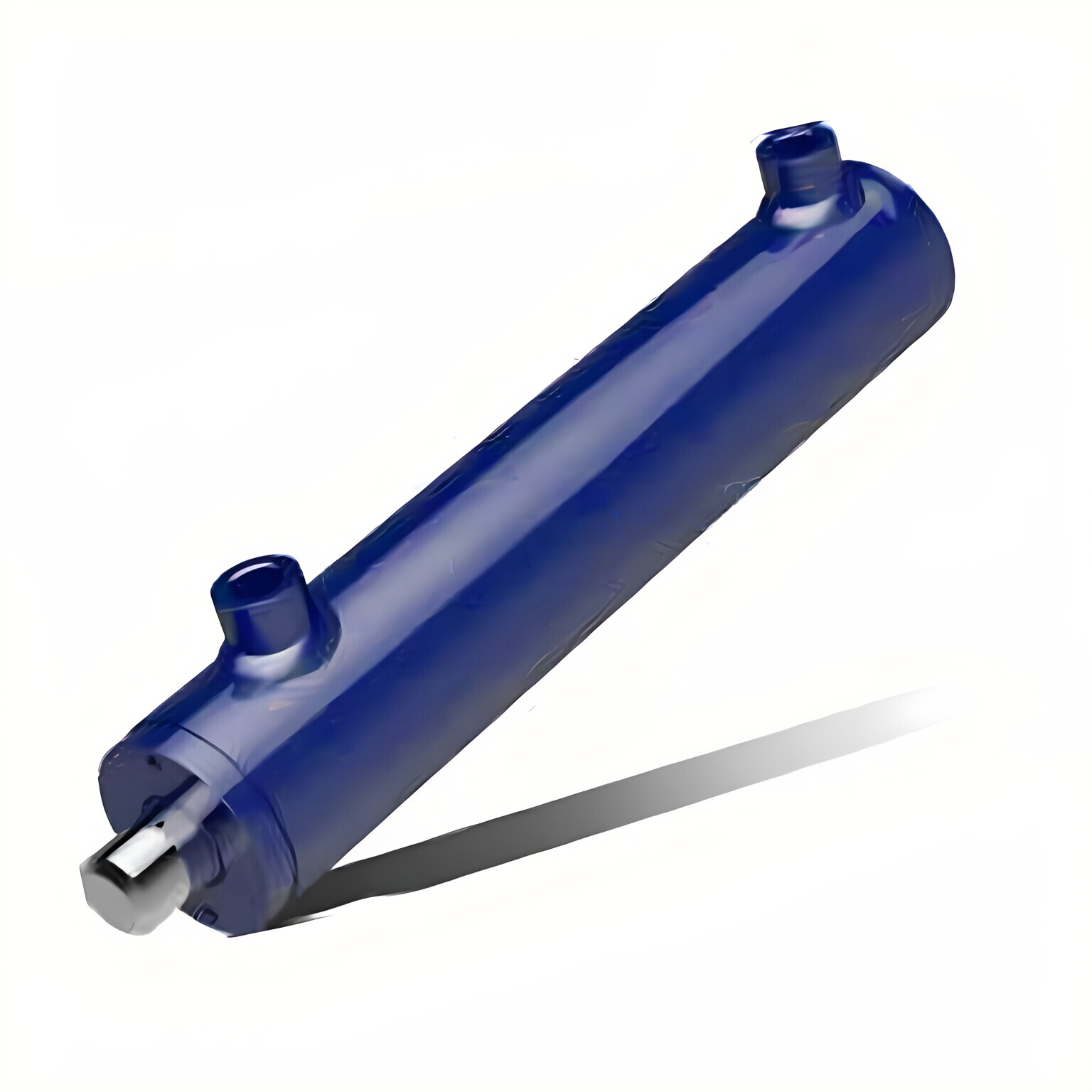
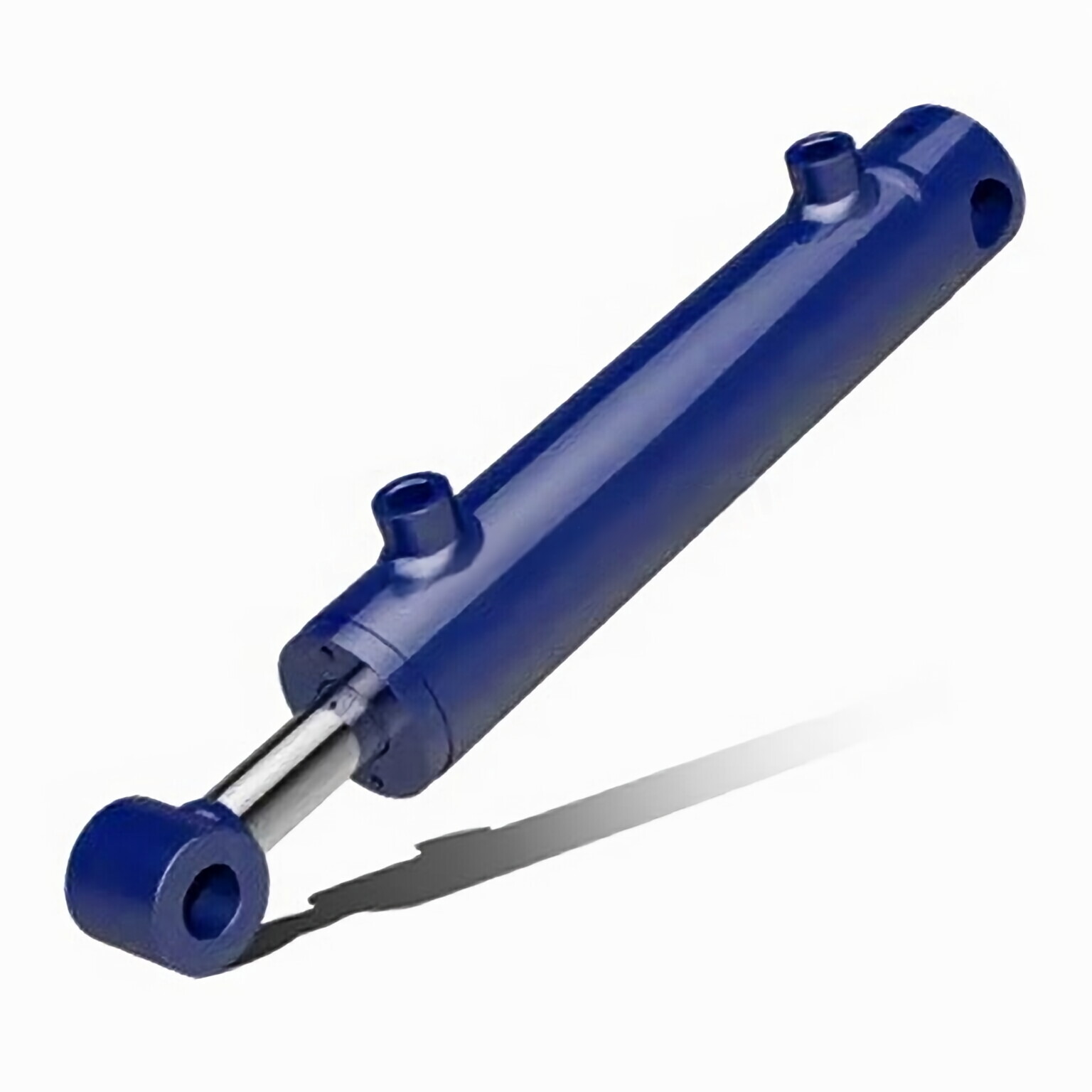
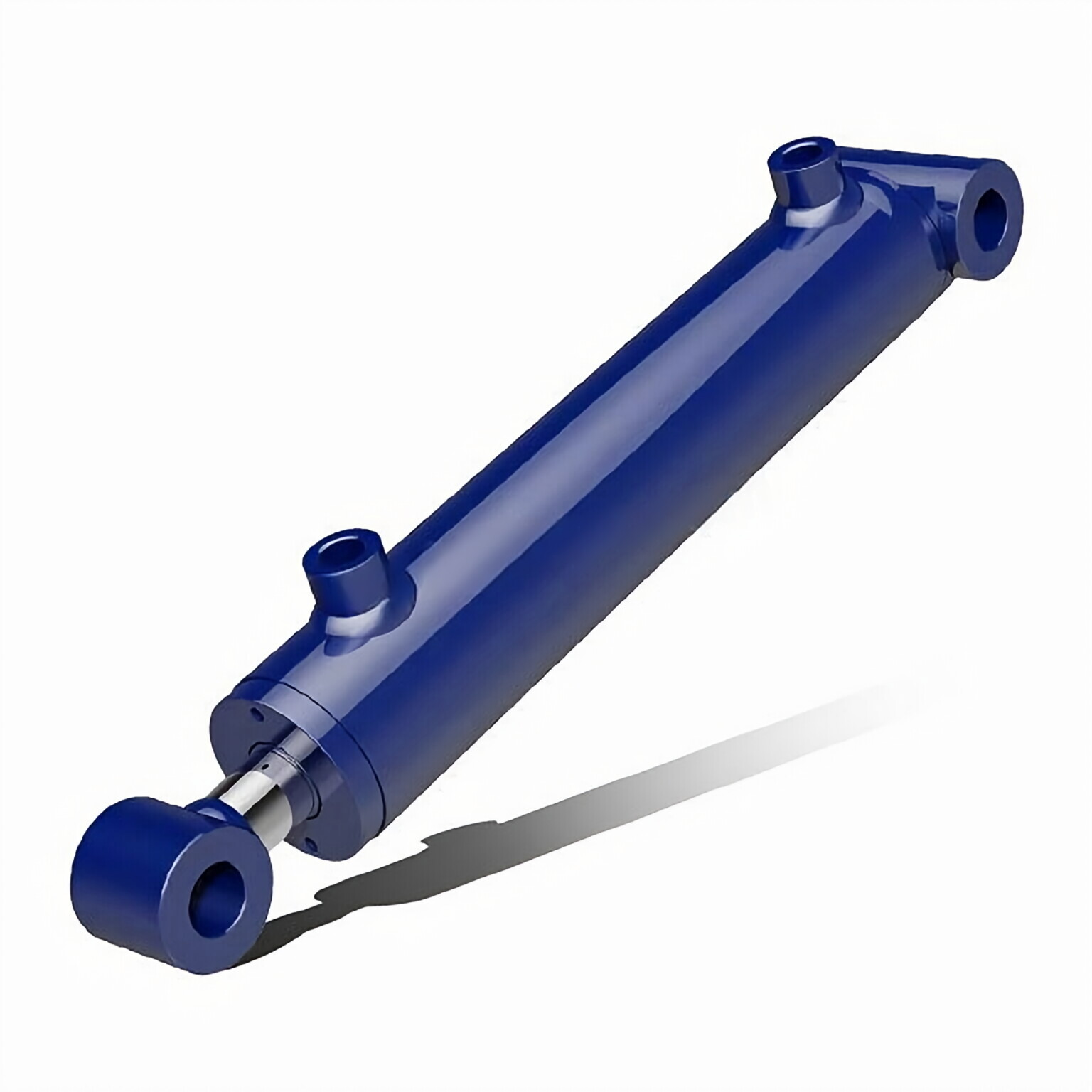
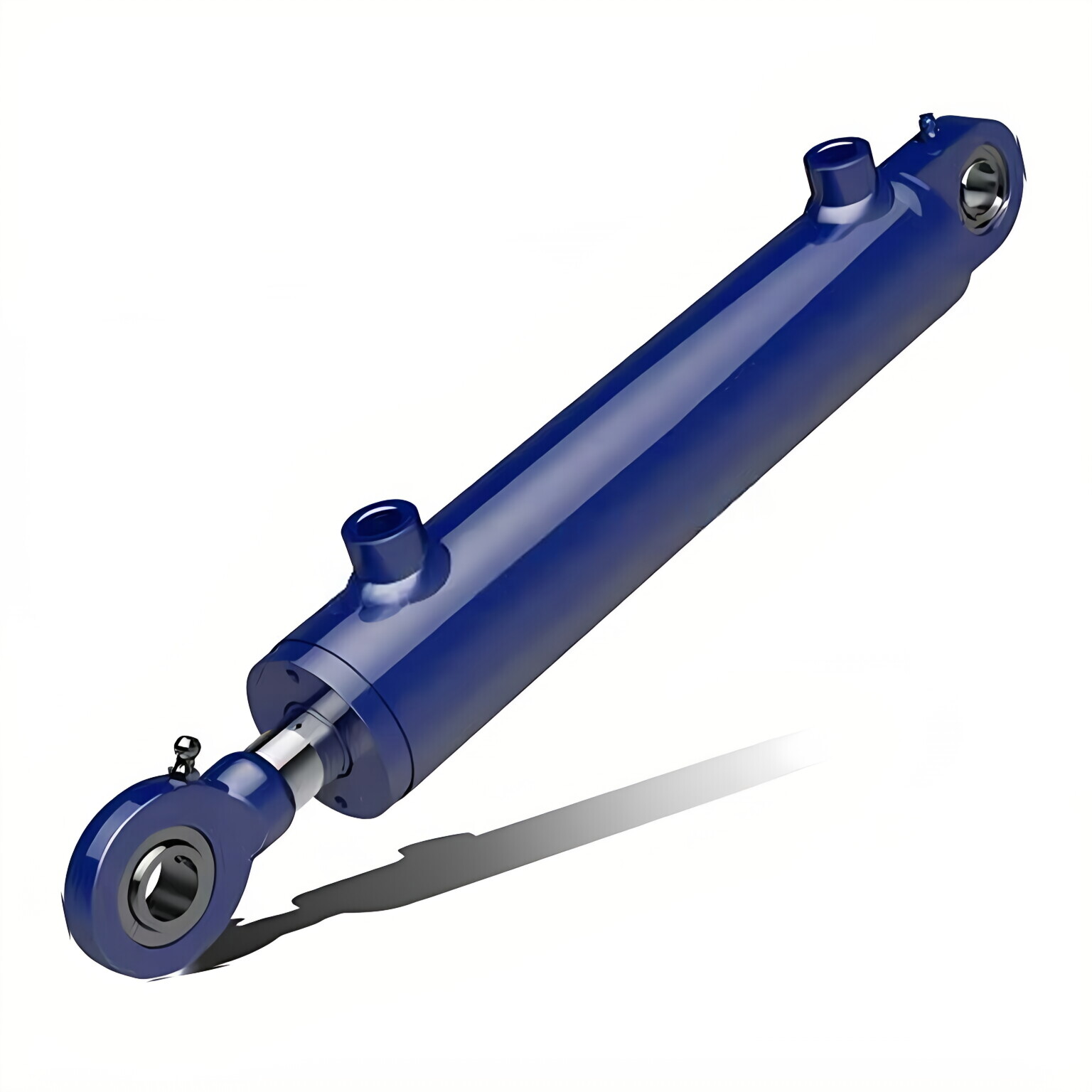
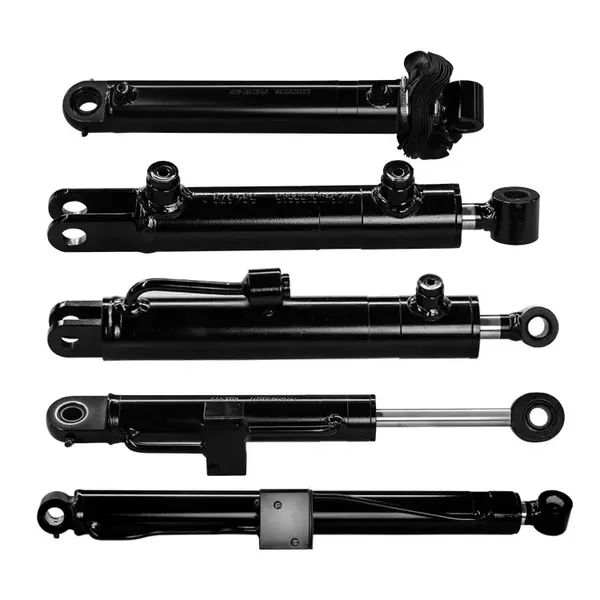
The 40 MDC series compact mold cylinder is a highly efficient and versatile hydraulic cylinder designed specifically for mold applications. With its compact design, superior performance, and durable construction, this cylinder offers reliable and precise operation in various industrial settings. Whether used in injection molding machines, die-casting equipment, or other mold-related applications, the 40 MDC compact mold cylinder delivers exceptional functionality and productivity.· MDC is a compact hydraulic cylinder (cx) with an electrical box and ram rod to control the neutron position of the mold accurately.· Hydraulic cylinder suitable for plastic mold use.
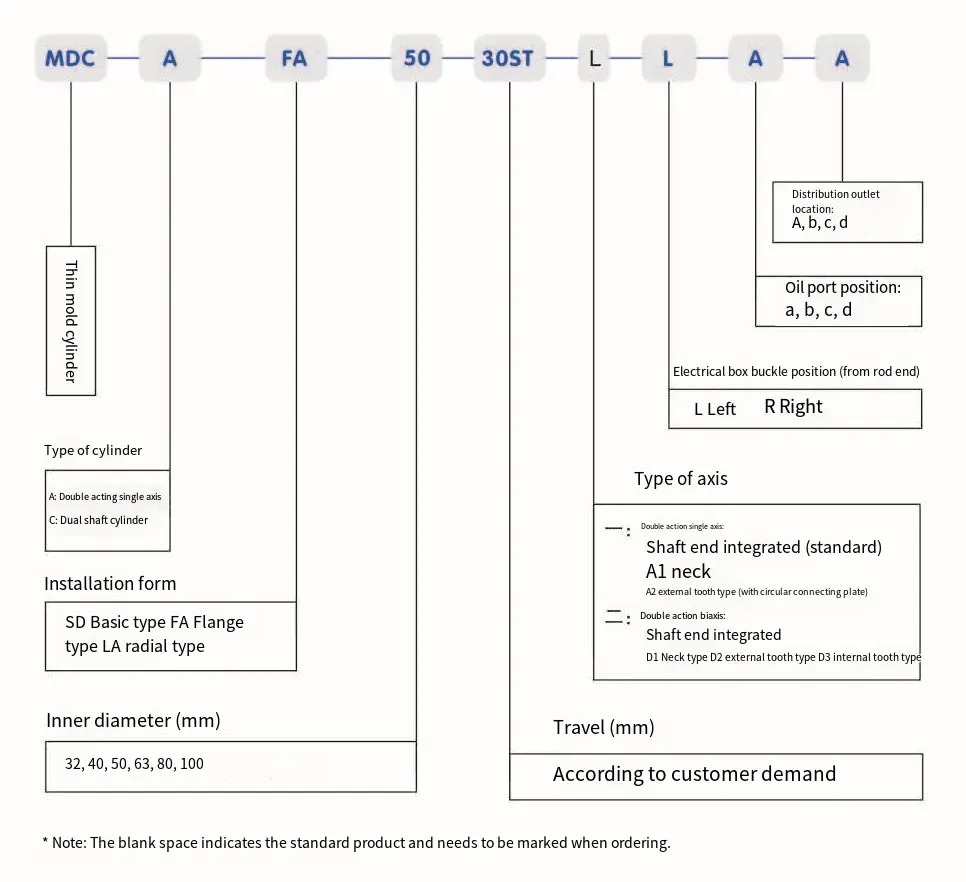
Compact Mold Cylinder Model Description:
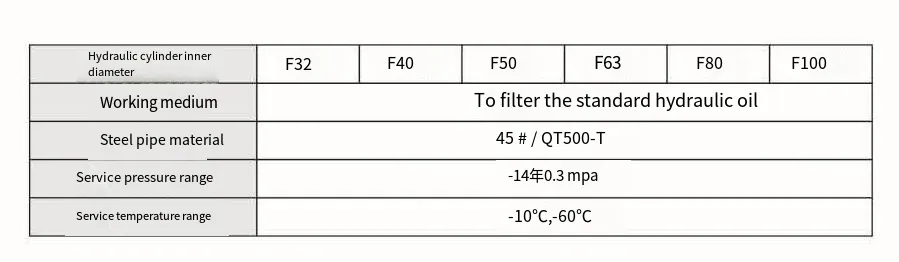
Compact Mold Cylinder Characteristic Data:
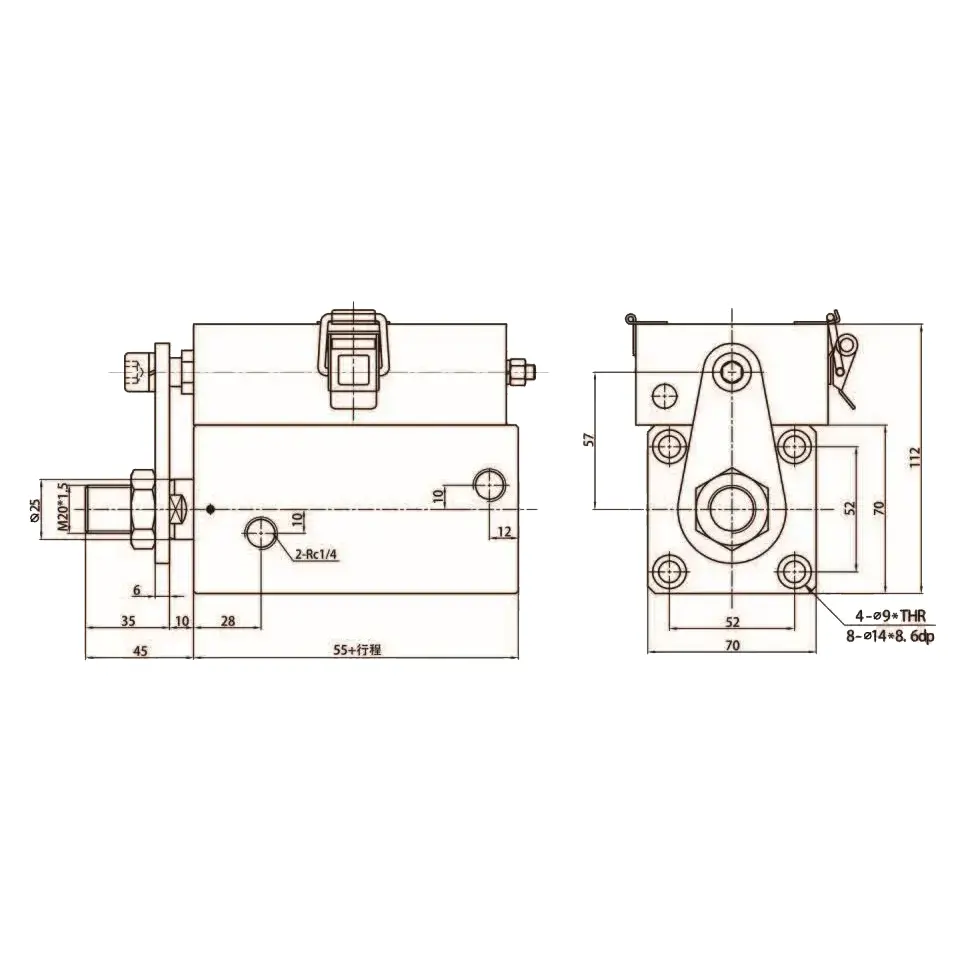
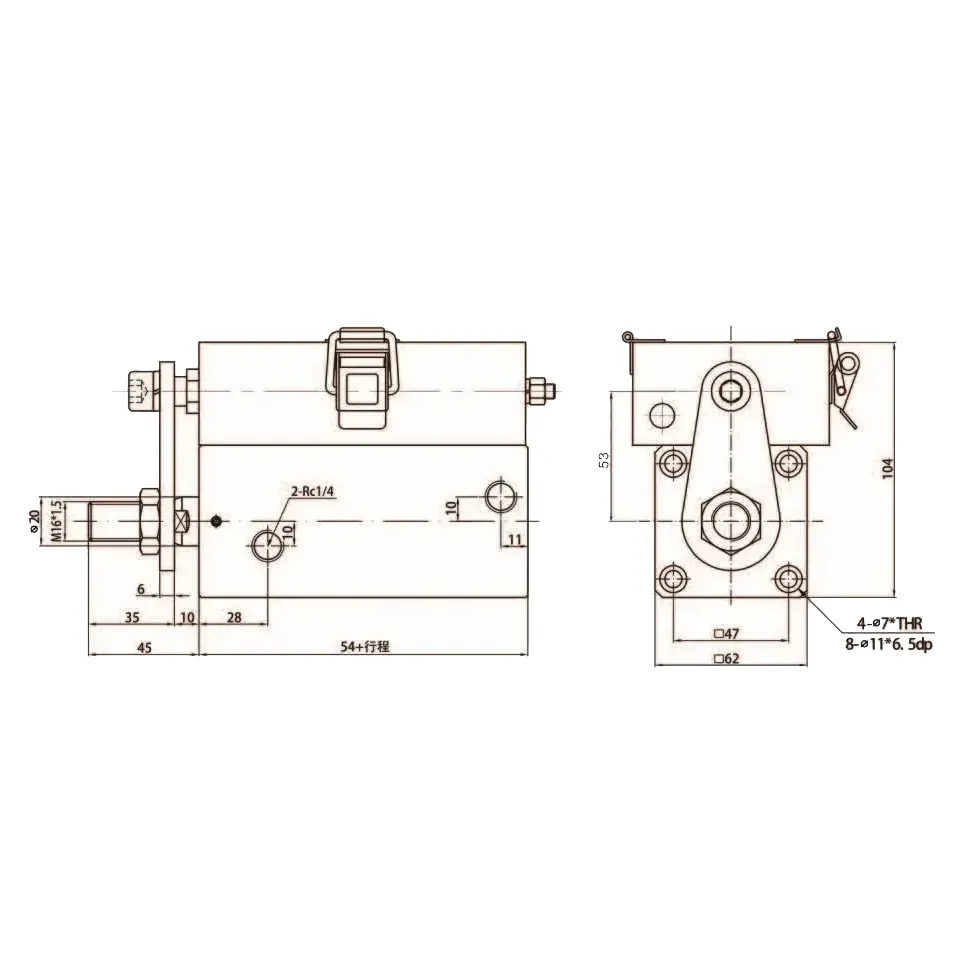
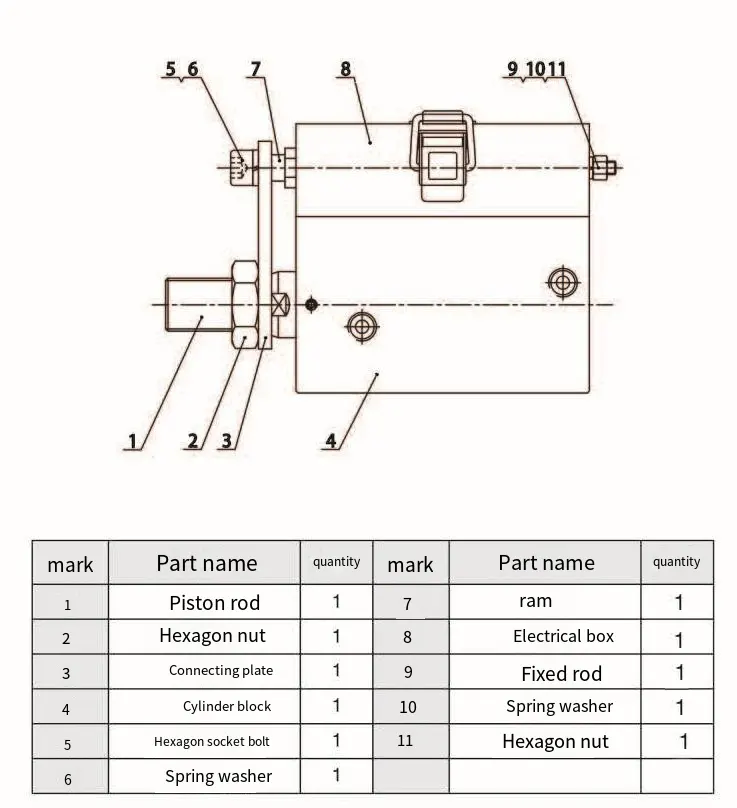
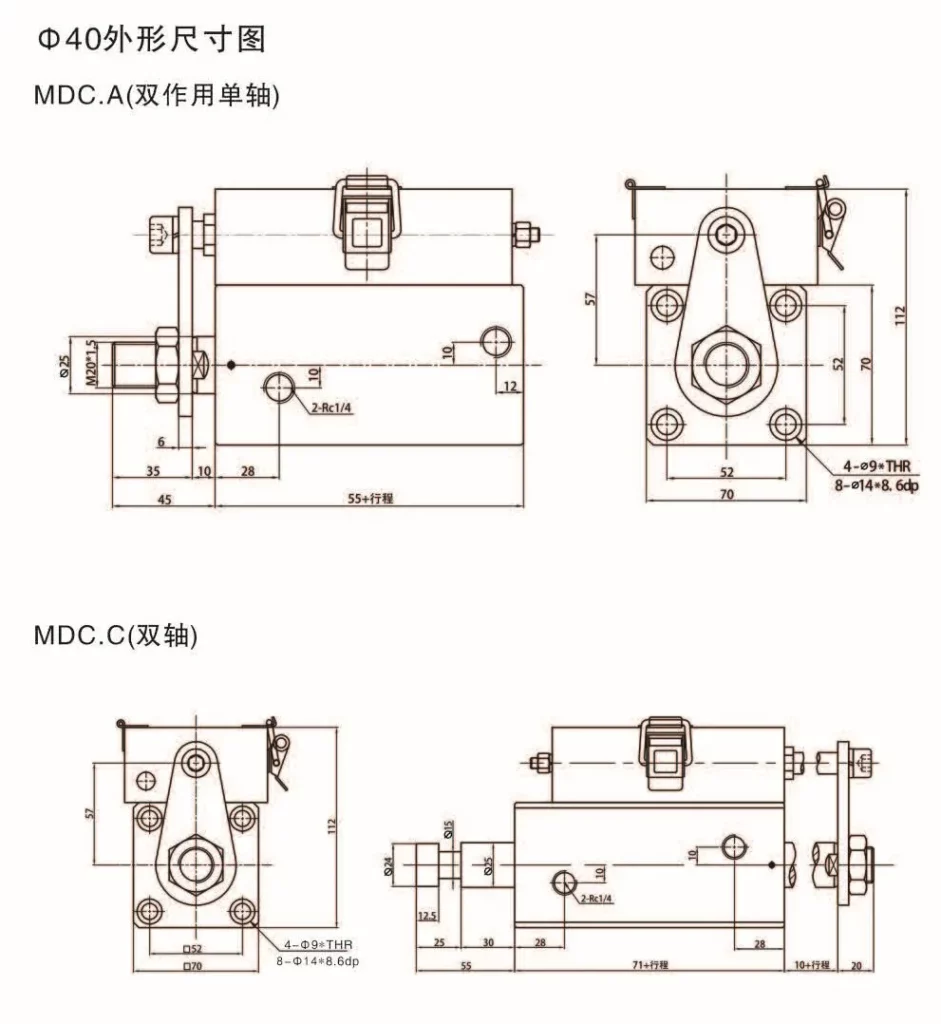
Compact Mold Cylinder Structure Chart:
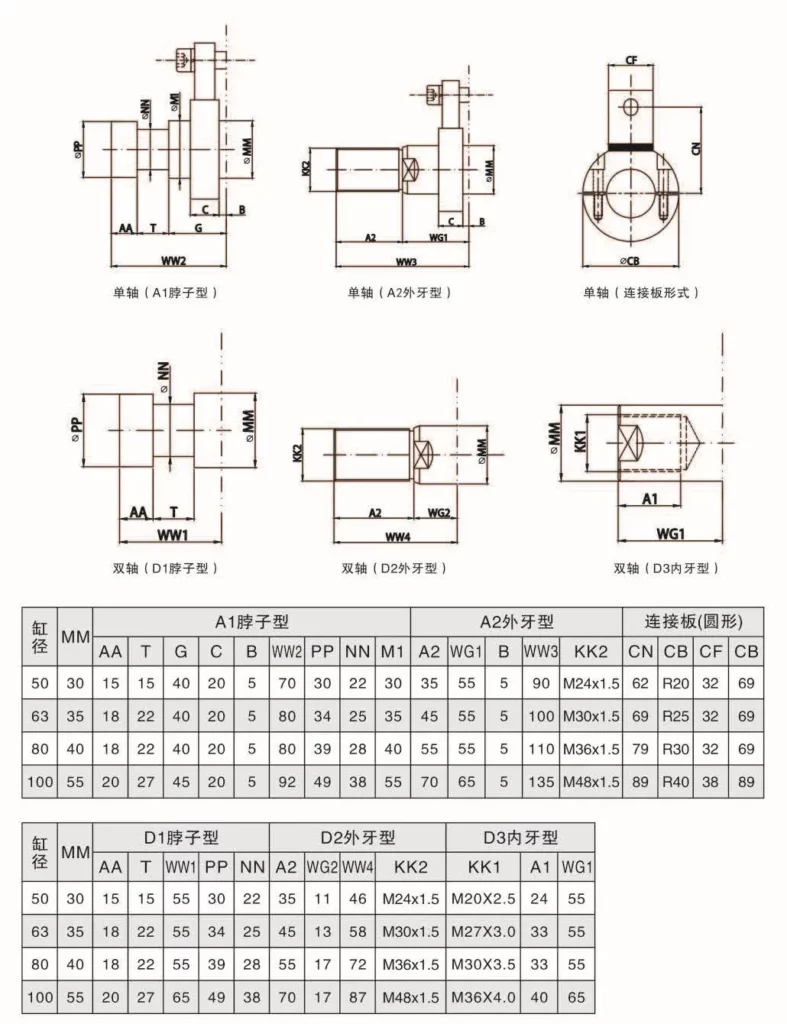
Piston Rod Connection Size Diagram:
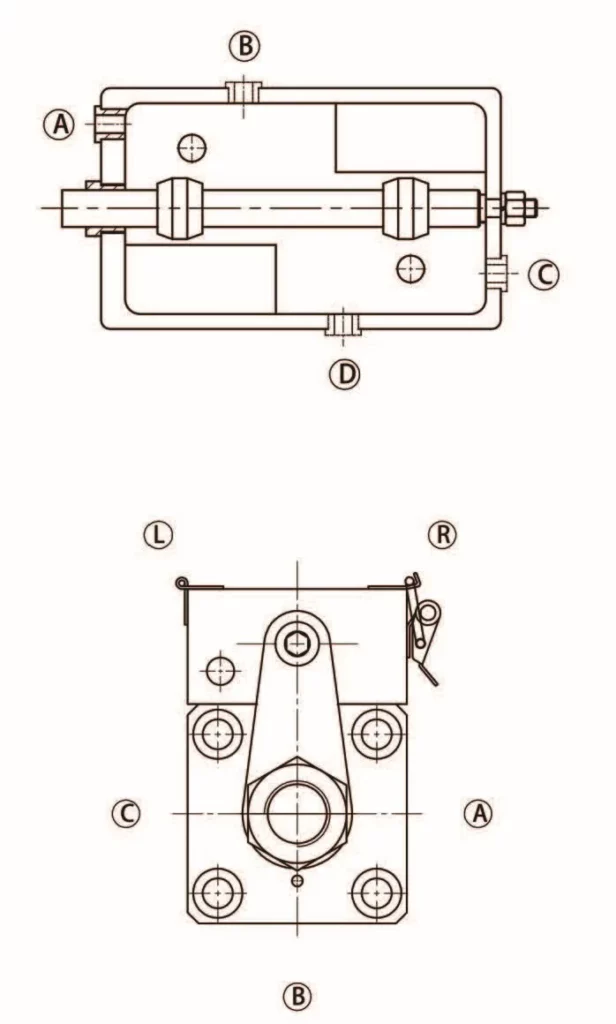
Electrical Box Buckle Position, Oil Port Position, And Distribution Outlet Position:
40 MDC Series Compact Mold Cylinder Parameter:
Usage Method Of 40 MDC Series Compact Mold Cylinder:
Mounting and Installation:
Identify the appropriate mounting position for the 32 MDC Series Compact Mold Cylinder based on your mold application requirements.
Ensure that the cylinder is securely mounted in a stable and rigid manner to prevent vibration or misalignment during operation.
Connection to Hydraulic System:
Connect the hydraulic cylinder to the hydraulic system using compatible hydraulic hoses or pipes.
Ensure proper alignment, tight connections, and the use of suitable fittings to prevent leaks and ensure optimal performance.
Mold Operation:
Activate the hydraulic system to initiate the movement of the 32 MDC Series Compact Mold Cylinder.
Utilize the hydraulic control system, such as valves or switches, to control the precise actions of the mold, including opening, closing, and clamping.
How To Disassemble Hydraulic Cylinder?
To disassemble a hydraulic cylinder, follow these general steps:
Safety Precautions:
Before starting, ensure the hydraulic system is depressurized and the power source is disconnected.
Use appropriate personal protective equipment, such as gloves and safety goggles, to protect yourself from any potential hazards.
Positioning and Support:
Place the hydraulic cylinder on a stable work surface, ensuring it is adequately supported to prevent accidental movement or damage.
Remove External Components:
Disconnect any external components attached to the cylinder, such as hoses, fittings, or mounting brackets.
Use suitable tools, such as wrenches or pliers, to loosen and remove these components carefully.
Drain Hydraulic Fluid:
Locate the drain plug or valve on the cylinder and remove it to allow the hydraulic fluid to drain into a suitable container.
Position the cylinder in a way that facilitates complete drainage.
Disassemble End Caps:
Identify the end caps of the hydraulic cylinder. They are usually located at each end of the cylinder barrel.
Remove bolts, screws, or fasteners, securing the end caps using the appropriate tools.
If necessary, gently tap the end caps with a rubber mallet to break any seal or adhesive bond.
Separate Cylinder Components:
With the end caps removed, carefully slide out the piston and piston rod from the cylinder barrel.
Please pay attention to any seals, bearings, or bushings present and remove them as necessary.
Take note of the order and orientation of the components for easier reassembly.
Inspect and Clean Components:
Inspect each disassembled component for signs of wear, damage, or contamination.
Clean all components using an appropriate solvent or cleaner to remove dirt, debris, or old lubricant.
Use a soft cloth or brush to gently clean the surfaces without causing any damage.
Replace or Repair Components:
If any components show significant wear or damage, consider replacing them with new ones.
Repair or rebuild components, such as replacing seals or reconditioning the piston rod.
Reassembly:
Follow the reverse order of disassembly to reassemble the hydraulic cylinder, ensuring proper alignment and orientation of components.
Lubricate the appropriate parts with recommended hydraulic fluid or lubricant during reassembly.
Tighten all fasteners to the manufacturer's specifications, using a torque wrench if necessary.
Testing and Inspection:
Once reassembled, conduct a thorough inspection to ensure all components are correctly aligned and secured.
Test the hydraulic cylinder in a controlled manner to verify its functionality and check for any leaks or abnormal operation.
China Hydraulic Cylinder Manufacturers:
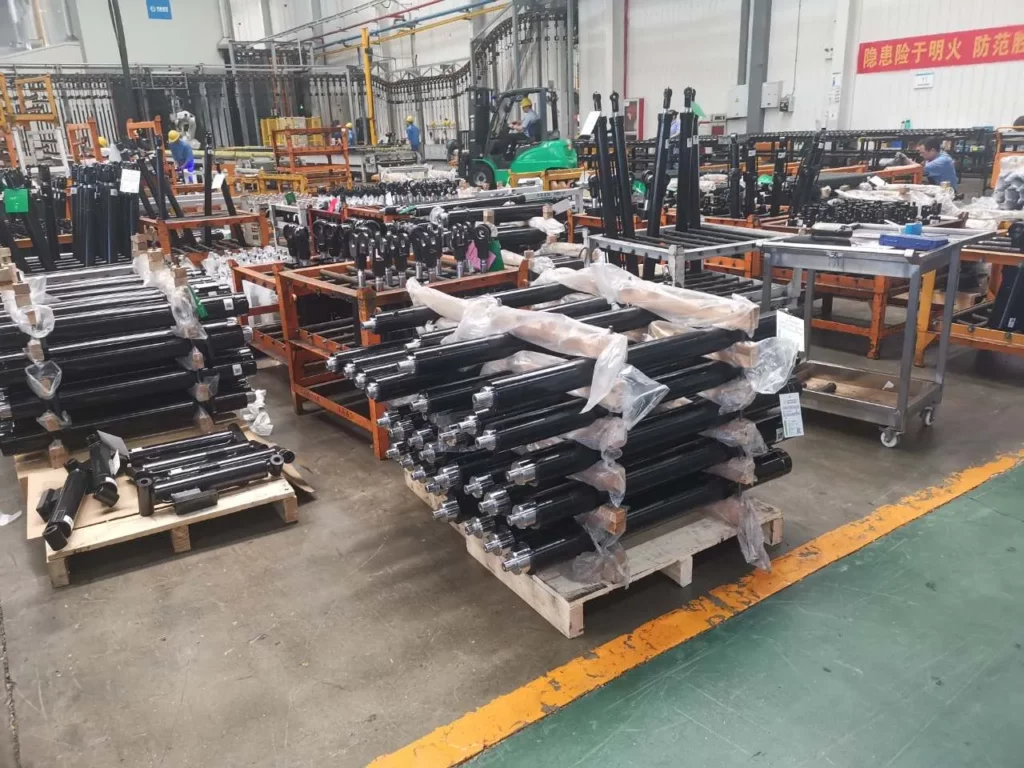
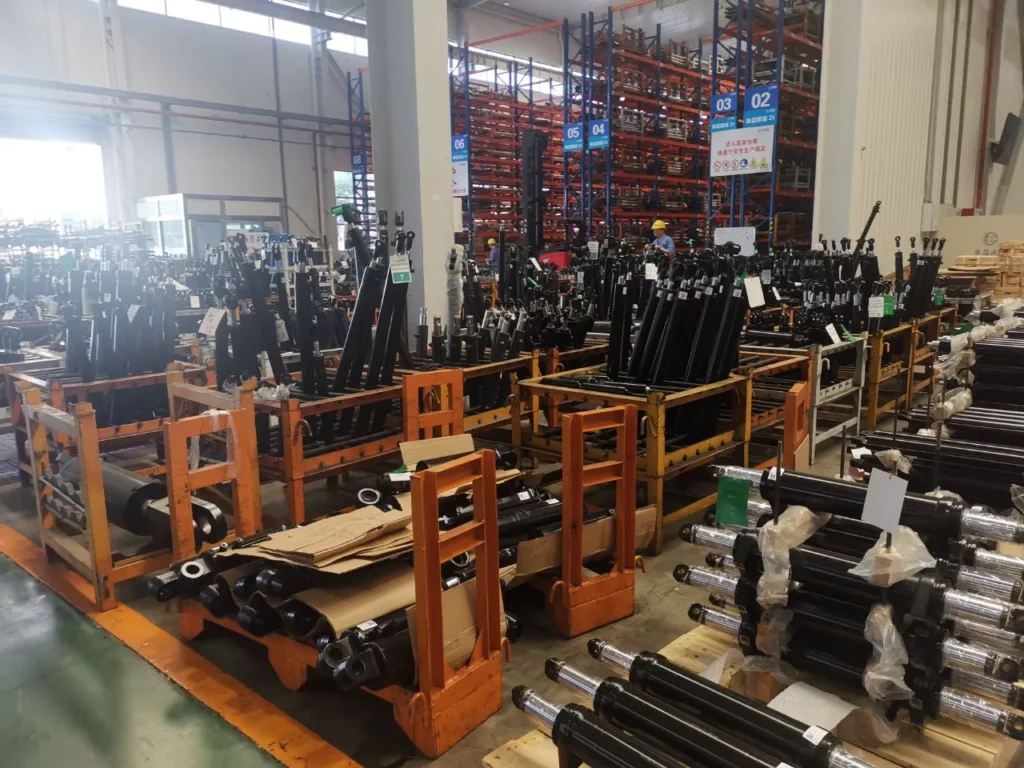
Raydafon is a company in the R&D and manufacture of compact mold cylinders. It maintains a leading position in China's market segment of hydraulic cylinders. In 2020, the domestic market share was around 29%. We produce Industrial vehicle compact mold cylinders, Aerial work vehicle compact mold cylinders, agricultural machinery hydraulic cylinders, and sanitation machinery hydraulic cylinders.We have a first-class independent R&D platform for assembly. The compact mold cylinder production workshop has four semi-automatic lifting cylinder assembly lines and one fully automatic tilting cylinder assembly line, with a designed annual production capacity of 1 million pieces; the special cylinder workshop is equipped with semi-automatic cleaning and assembly systems of various specifications, with a designed annual production capacity of 200,000 essays. It has famous CNC machining equipment, machining centers, special equipment for high-precision cylinder processing, robot welding machines, automatic cleaning machines, automatic cylinder assembly machines, and automatic paint production lines. We have more than 300 sets of critical equipment running. The optimized allocation and efficient utilization of equipment resources ensure the precision requirements of the products and meet the high standard quality requirements of the products.
We use cookies to offer you a better browsing experience, analyze site traffic and personalize content. By using this site, you agree to our use of cookies. Privacy Policy


 Raydafon