
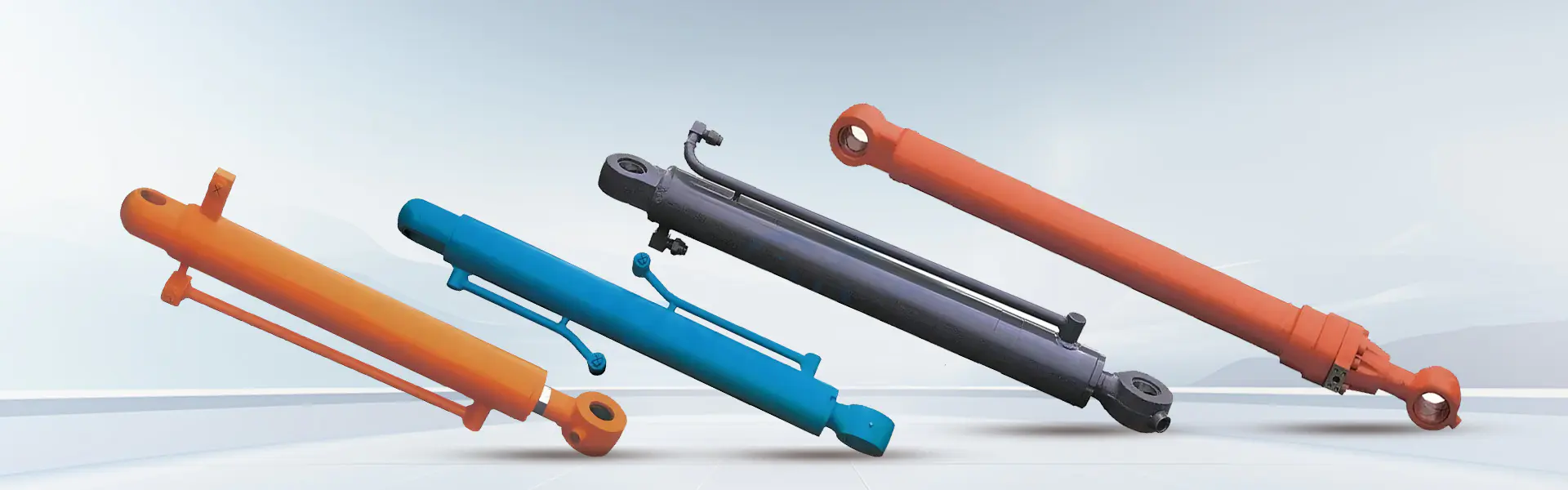
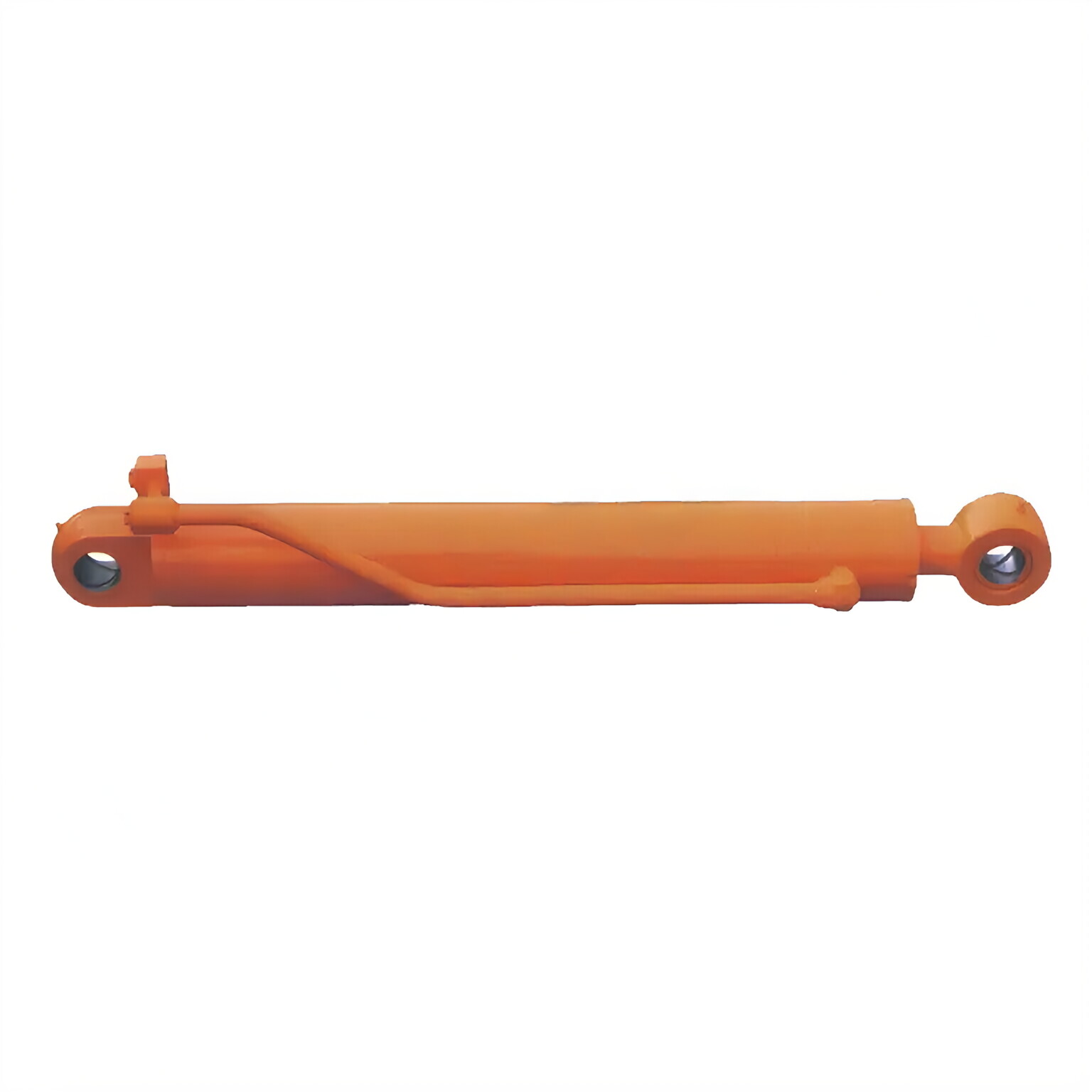
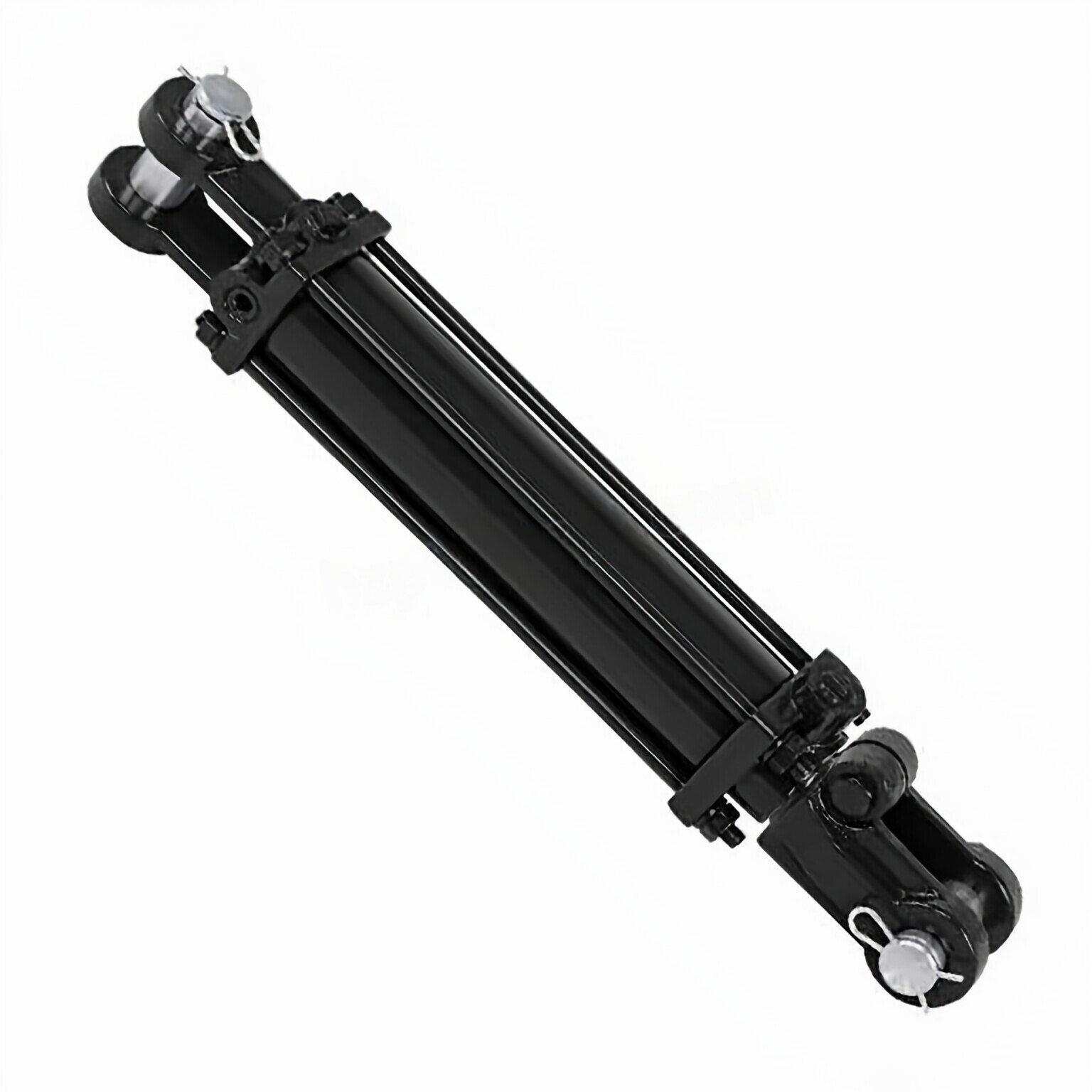
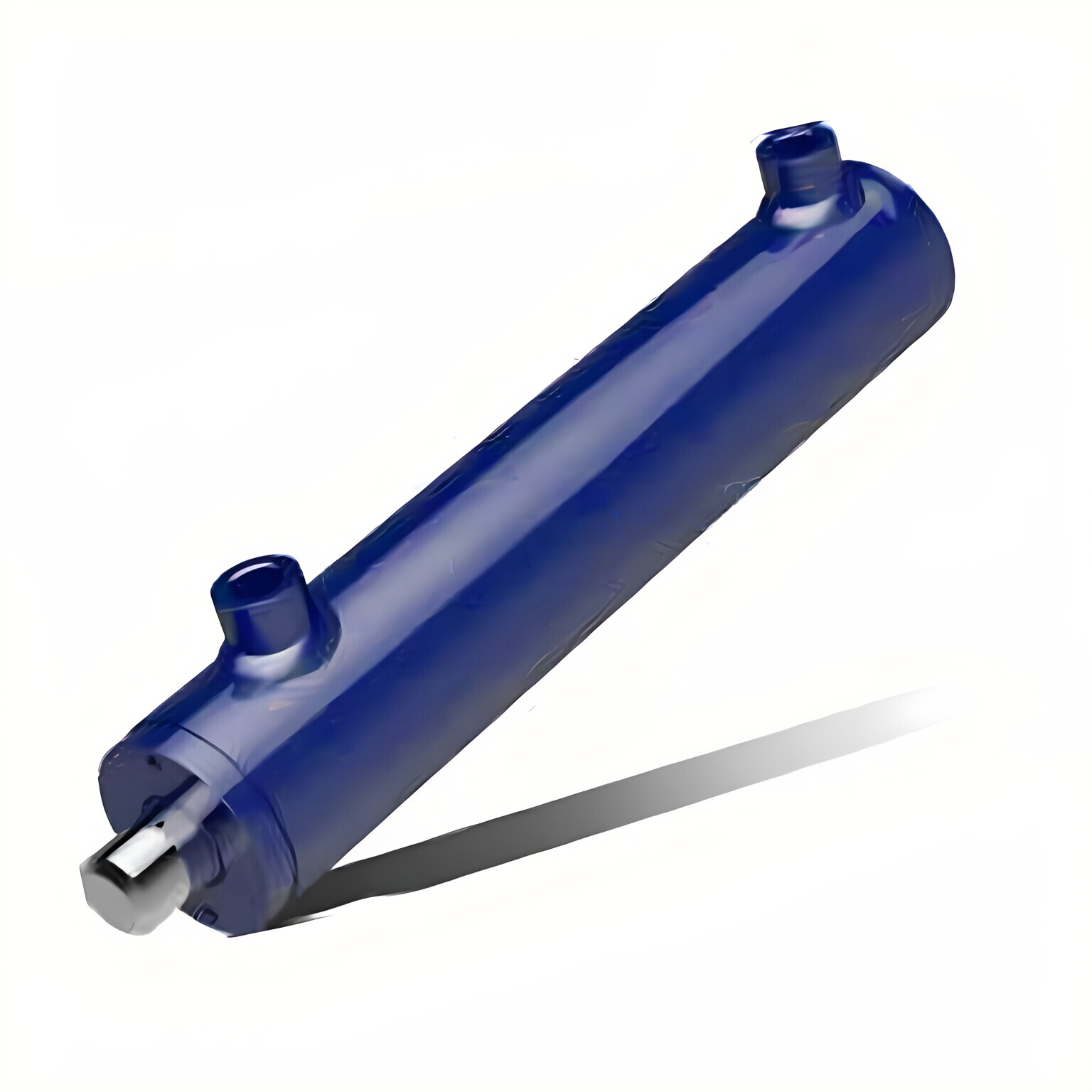
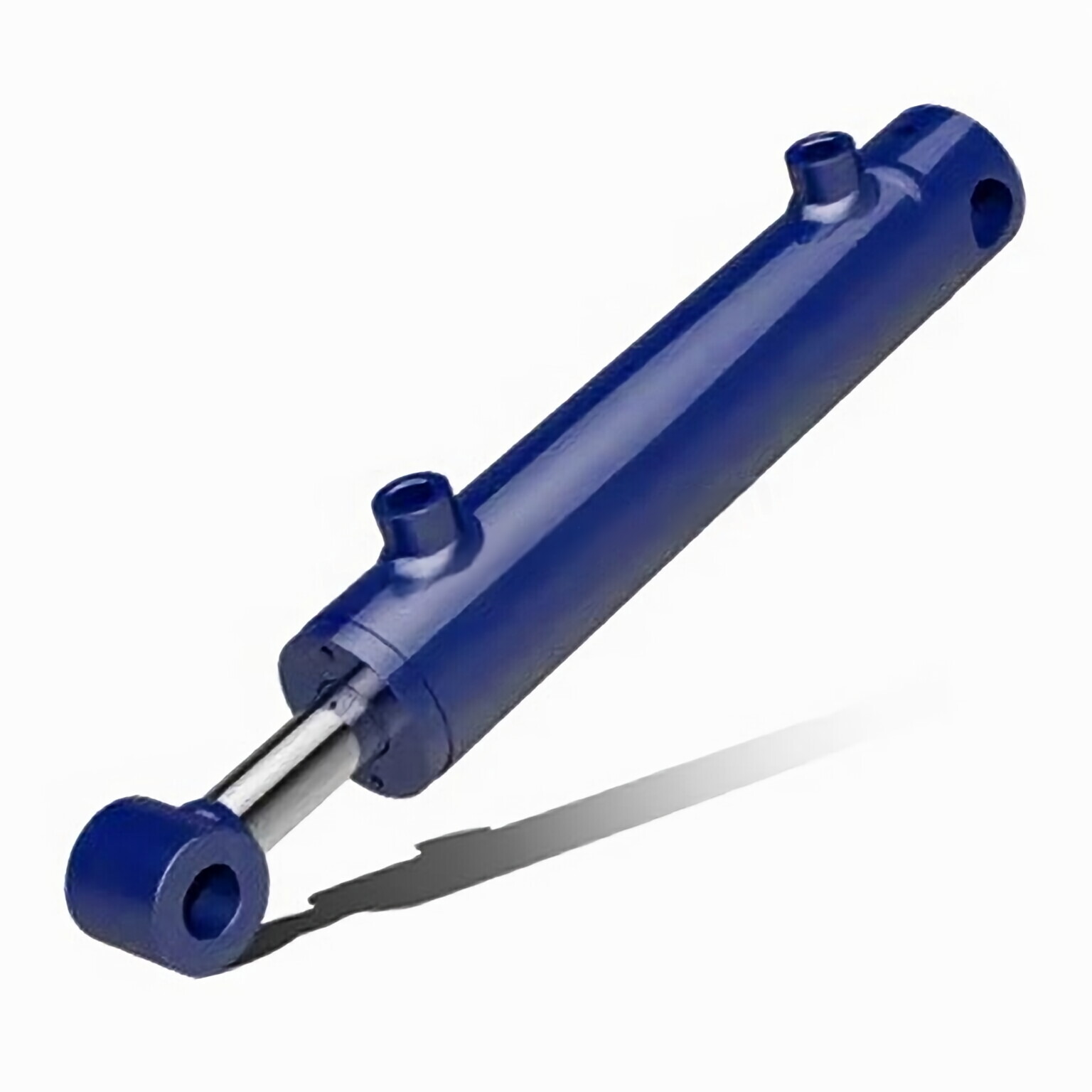
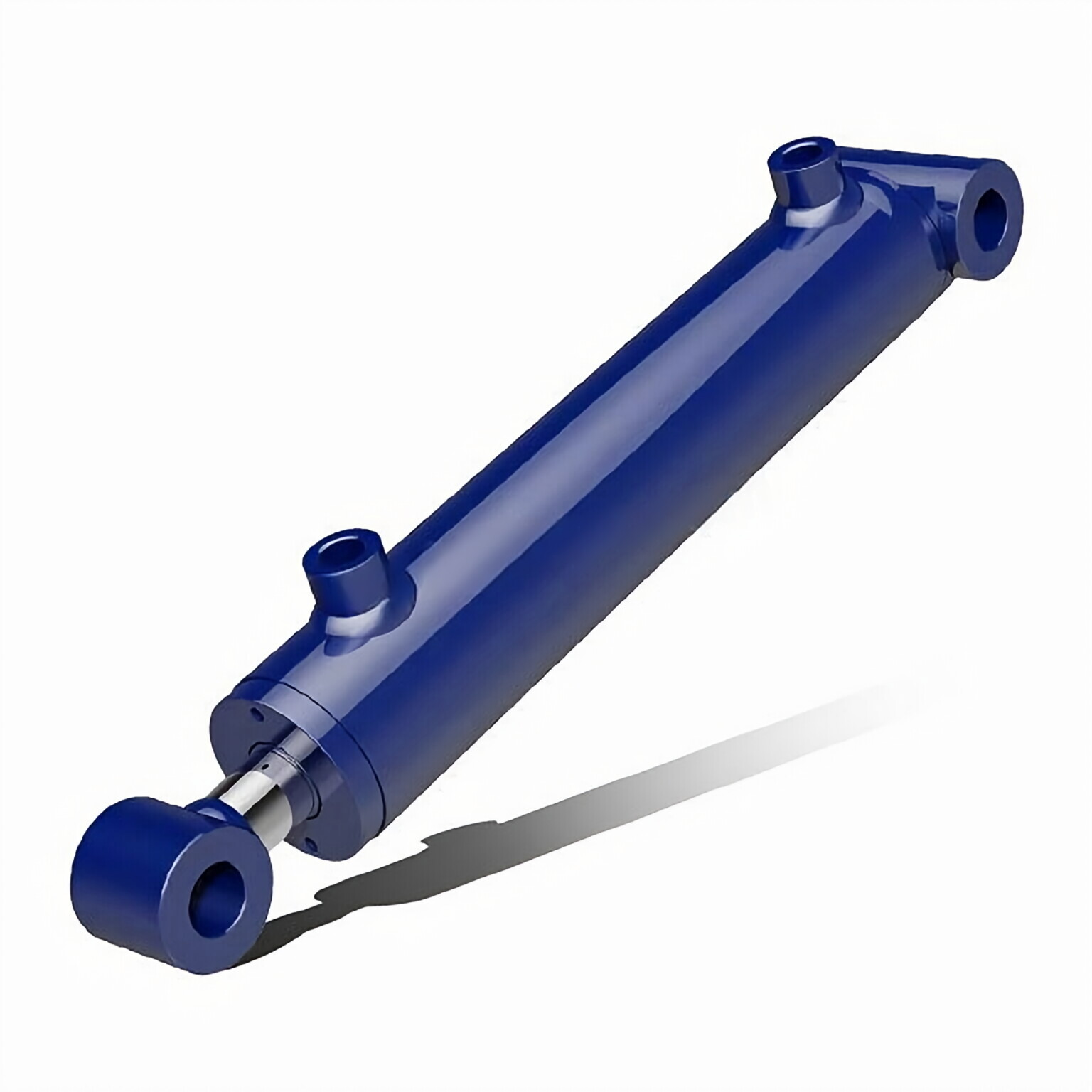
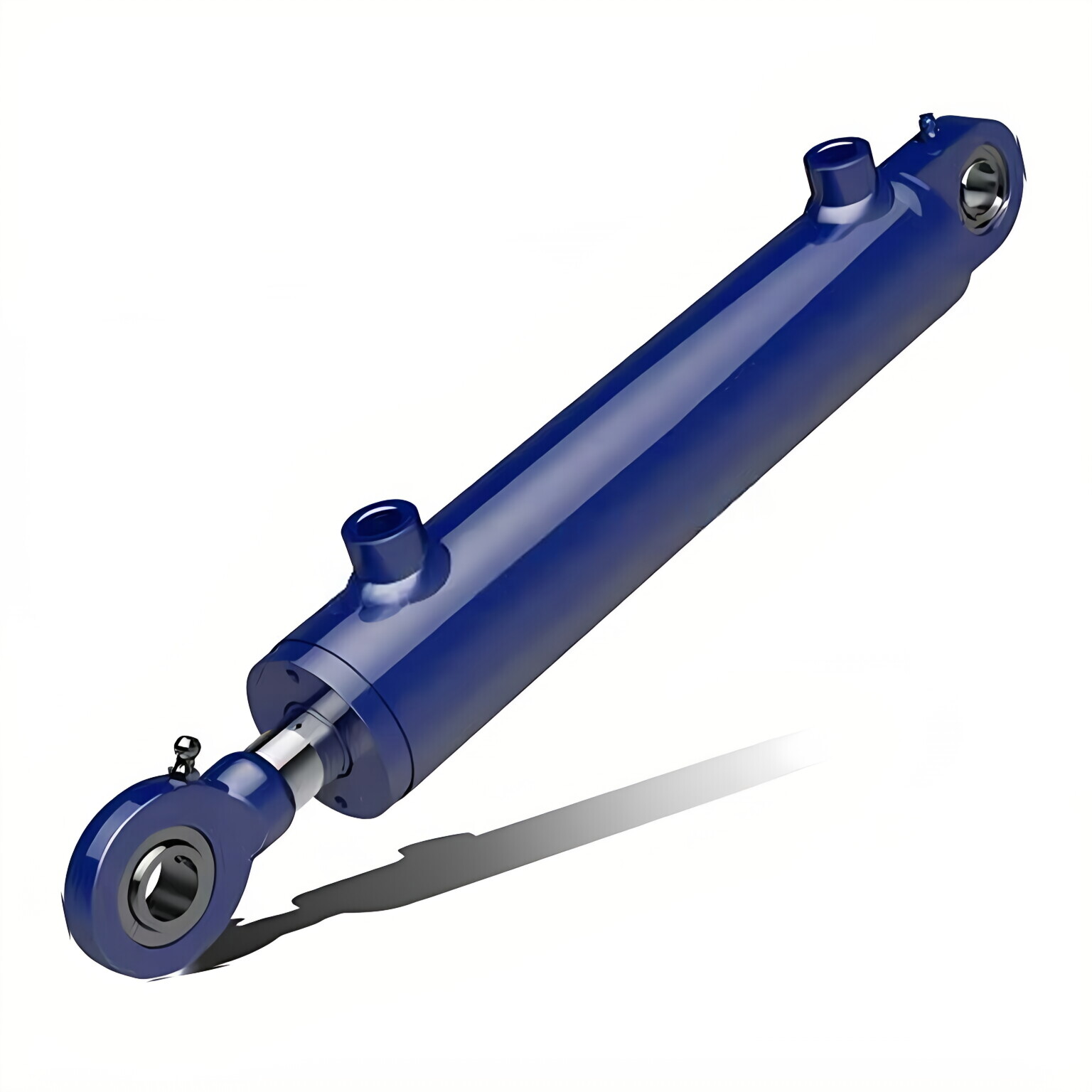
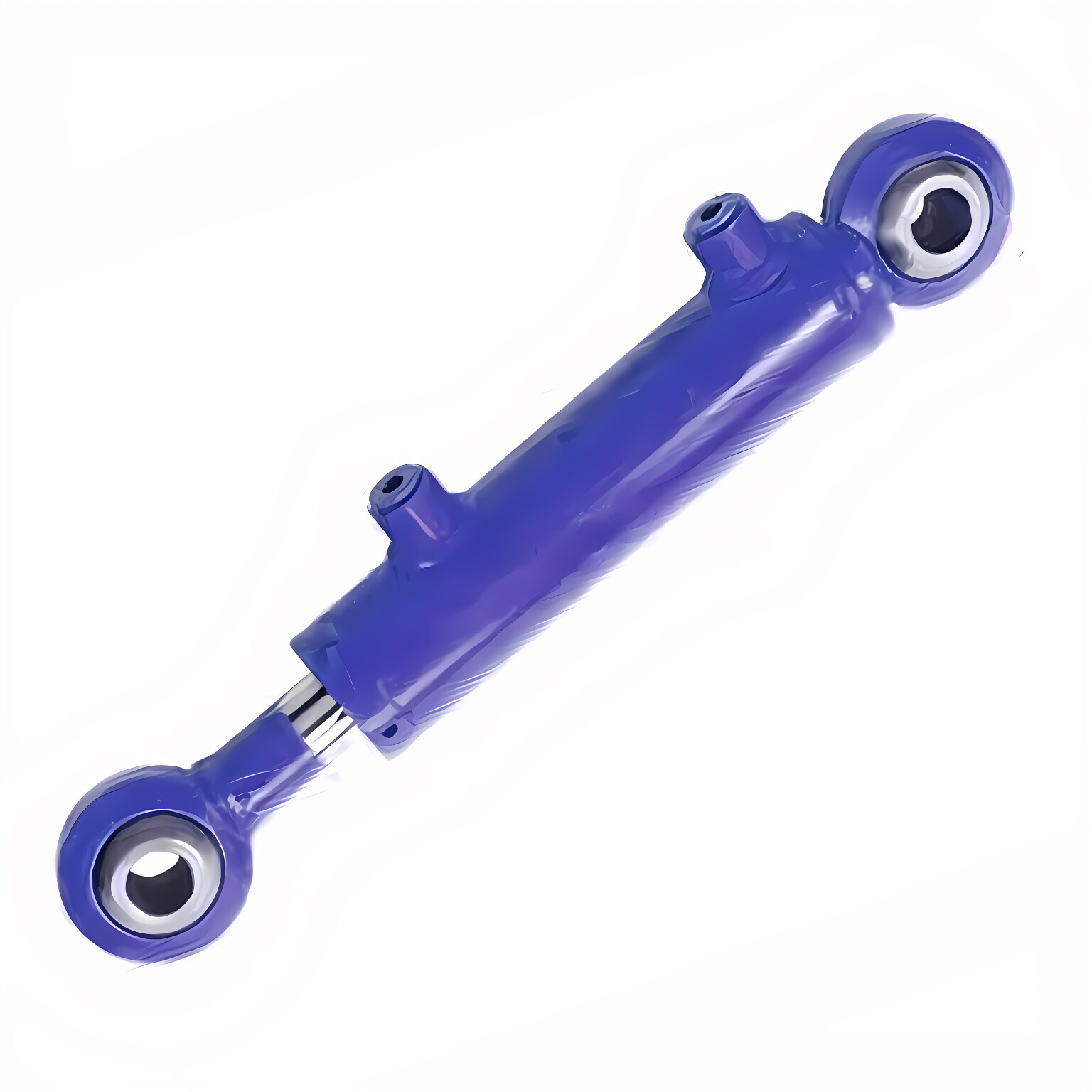
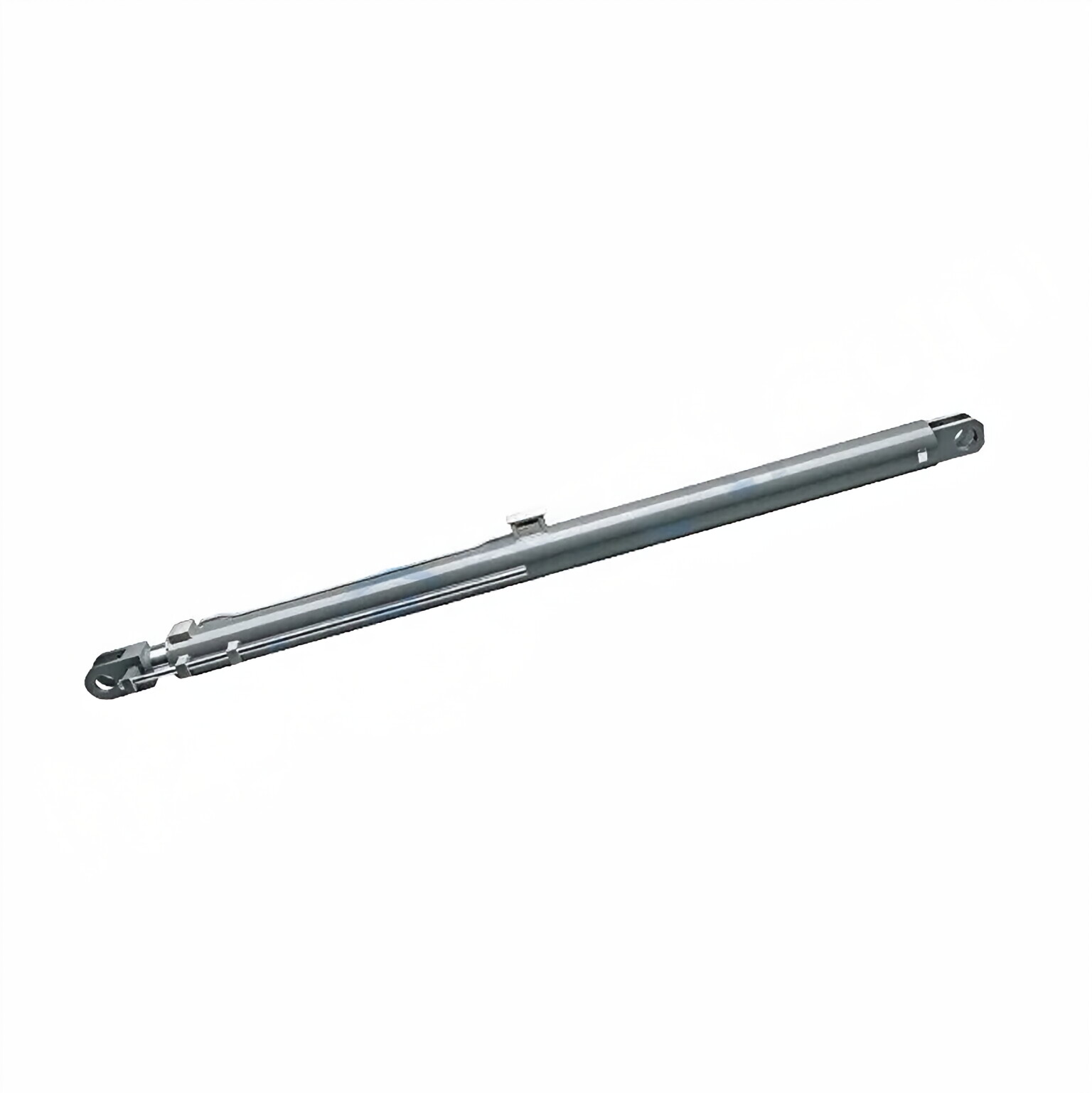
The arm cylinder is a hydraulic cylinder specifically designed to provide linear motion and force to the arm of various machinery, such as excavators, cranes, and mechanical arms. These cylinders are crucial for the movement and control of additional attachments or tools.
An arm cylinder, also known as an arm oil cylinder, is a hydraulic cylinder that functions by using hydraulic oil to generate force. It is responsible for extending and retracting the arm of the equipment, enabling it to perform various tasks efficiently. The arm cylinder plays a vital role in the hydraulic system, providing the necessary power and precision for the arm's movement.
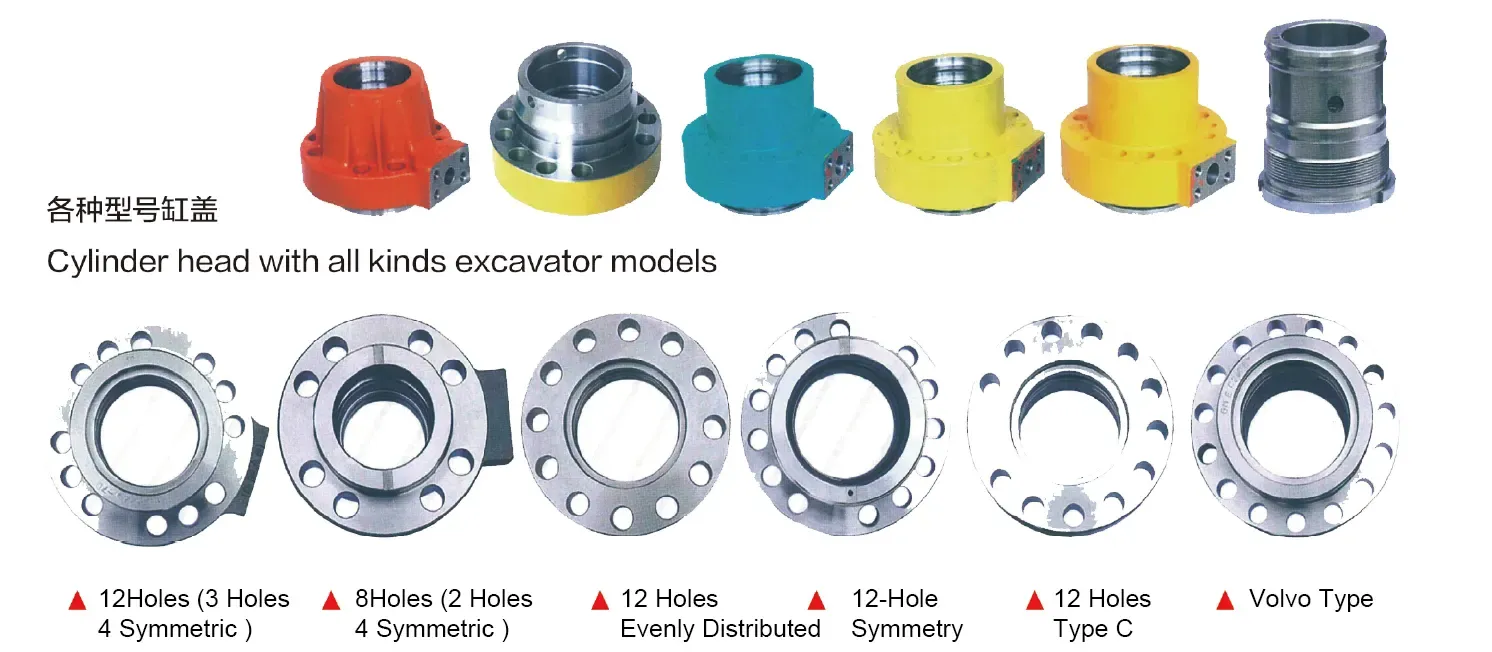
In excavators, the arm cylinders are crucial for excavation and material lifting. In cranes, they enable precise load positioning.
Used in loaders and harvesters, arm cylinders manipulate tools and efficiently collect crops.
Arm cylinders are used in mechanical arms on assembly lines, allowing accurate execution of repetitive tasks.

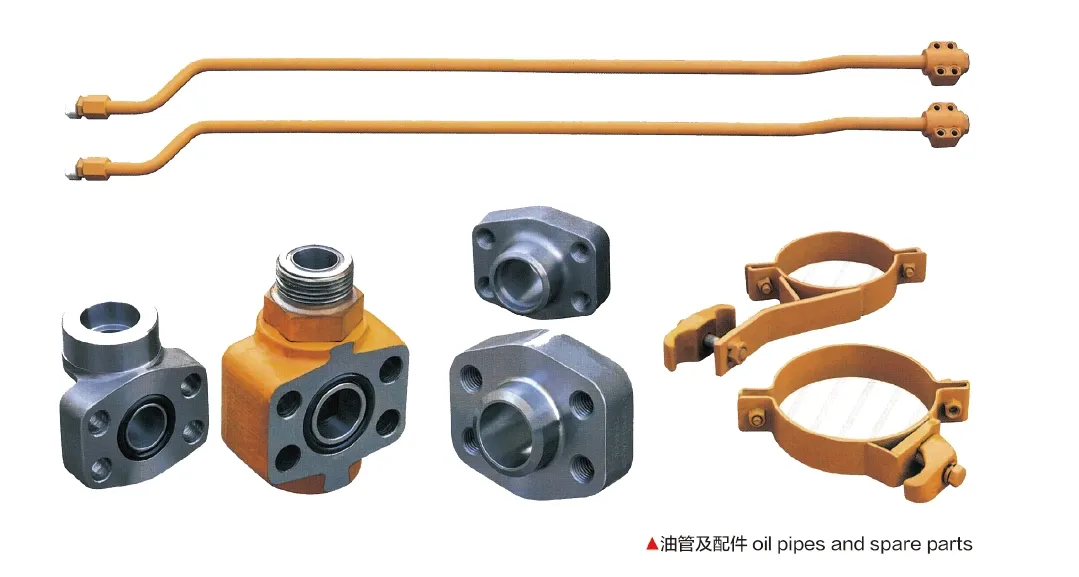
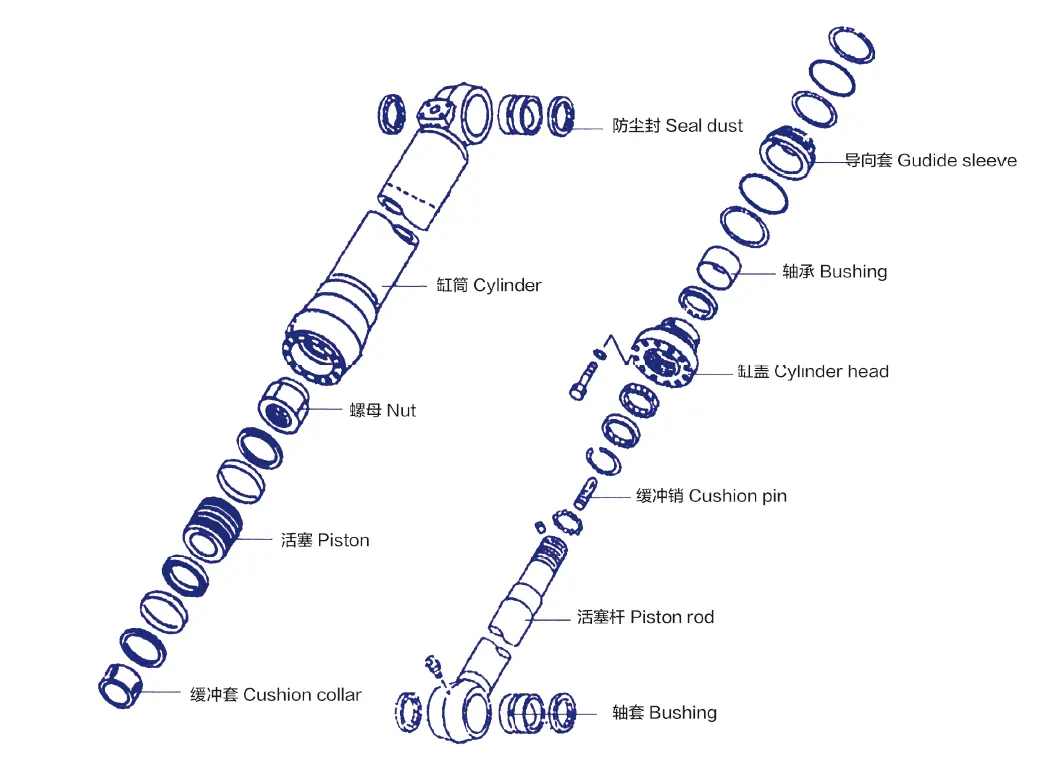
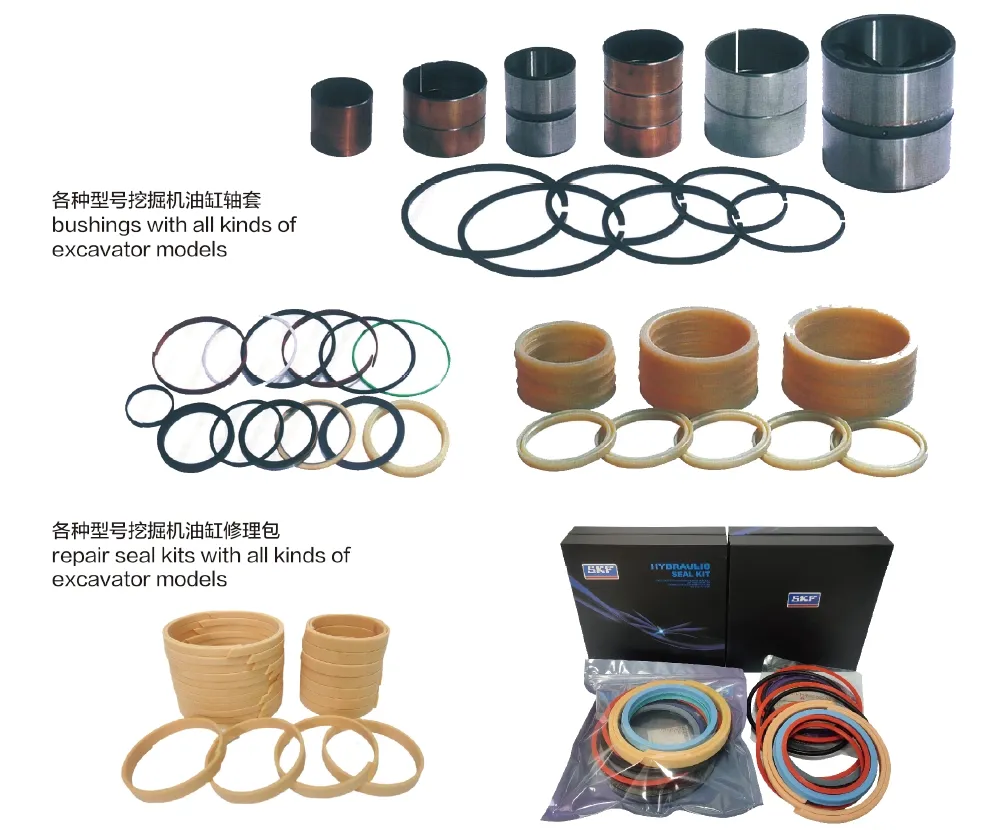
Arm cylinders utilize various sealing components, such as piston seals and rod seals, which are made of wear-resistant materials like polyurethane and nitrile rubber. The cylinder body and threaded ends undergo fine surface treatment to improve wear resistance. Regular lubrication with the appropriate amount of hydraulic oil is necessary to ensure smooth operation.
1. Ensure the equipment is securely immobilized and de-pressurized before installation.
2. Align the arm cylinder with the mounting points on the equipment, ensuring proper alignment and fit.
3. Securely fasten the arm cylinder using appropriate bolts or connectors.
4. Check for any leaks or abnormalities after installation and perform necessary adjustments.
When operating the equipment with arm cylinders, it is crucial to follow the recommended safety measures to prevent accidents and ensure personal safety. Environmental factors, such as temperature and humidity, should also be taken into account to maintain optimal performance and prevent damage.
Possible Solution: Inspect and replace worn-out seals or damaged components. Ensure proper lubrication.
Possible Solution: Check hydraulic fluid levels and pressure. Inspect for any obstructions or blockages in the hydraulic system.
Possible Solution: Check for loose or damaged components. Lubricate moving parts to reduce friction.
By following these troubleshooting steps, readers can effectively diagnose and resolve common issues, as well as implement preventative measures to minimize potential problems.
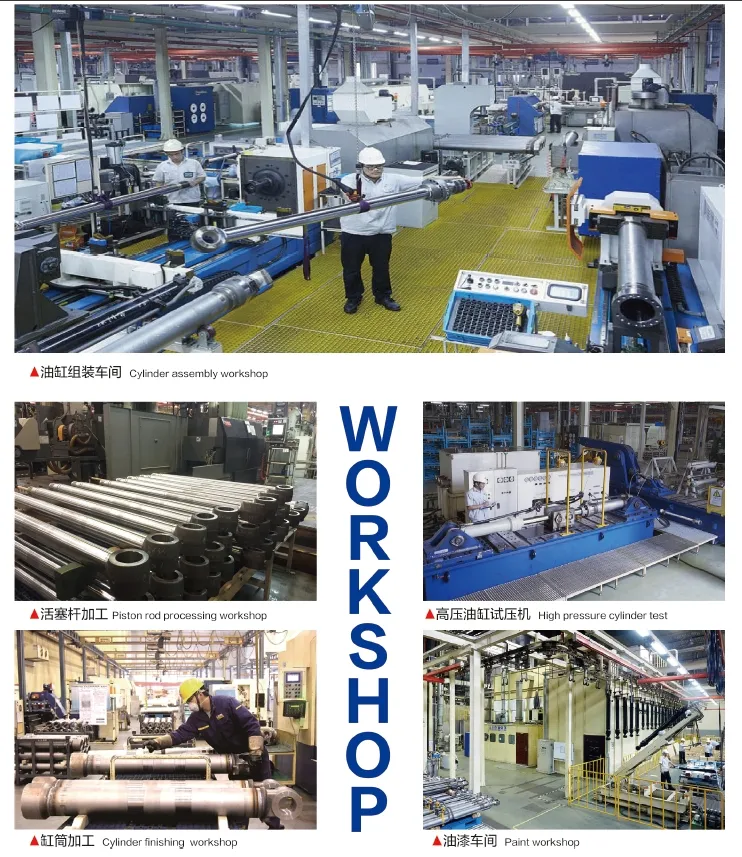
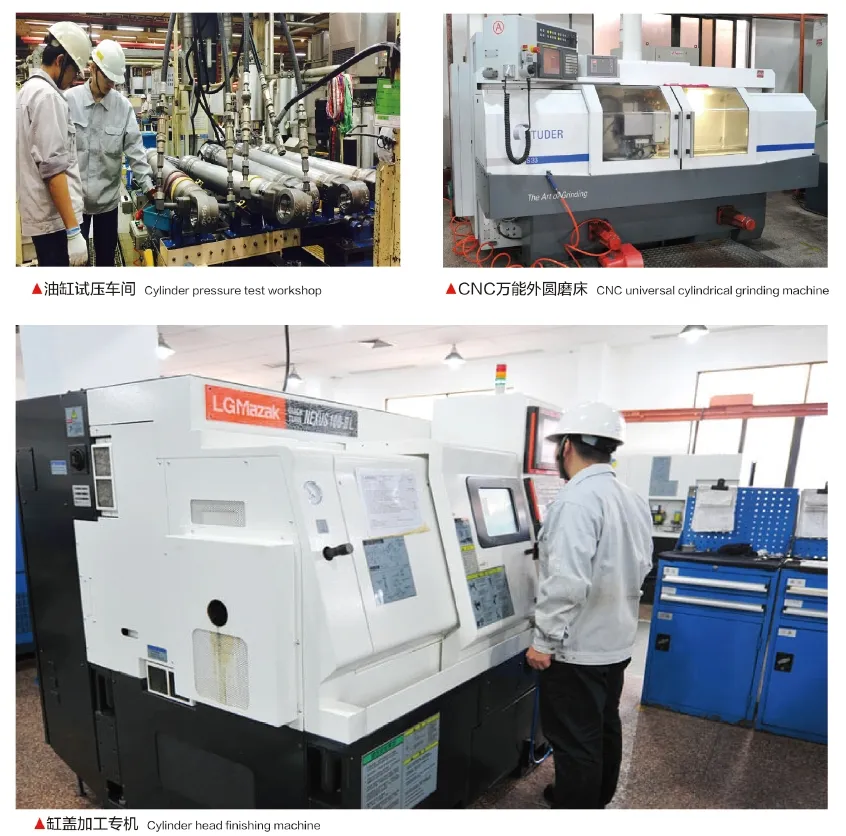
We are a leading manufacturer and wholesale distributor of hydraulic cylinders, specializing in the production of replacement cylinders. Our comprehensive range of products has made us a trusted supplier in both domestic and international markets. Our company focuses on delivering excellence in quality, utilizing advanced manufacturing facilities and professional testing systems. We aim to meet diverse customer demands with high efficiency, precision, and superior product quality.
Our team consists of highly skilled professionals who ensure the production of top-quality hydraulic cylinders.
We hold international certifications that guarantee the quality and reliability of our products.
We offer customization services to meet individual customer requirements and specifications.
We have state-of-the-art manufacturing equipment that enables precise and efficient production processes.
We provide comprehensive after-sales services, including technical support and assistance.
Author: lyl
Address
Luotuo Industrial Area, Zhenhai District, Ningbo City, China
Tel

 Raydafon