
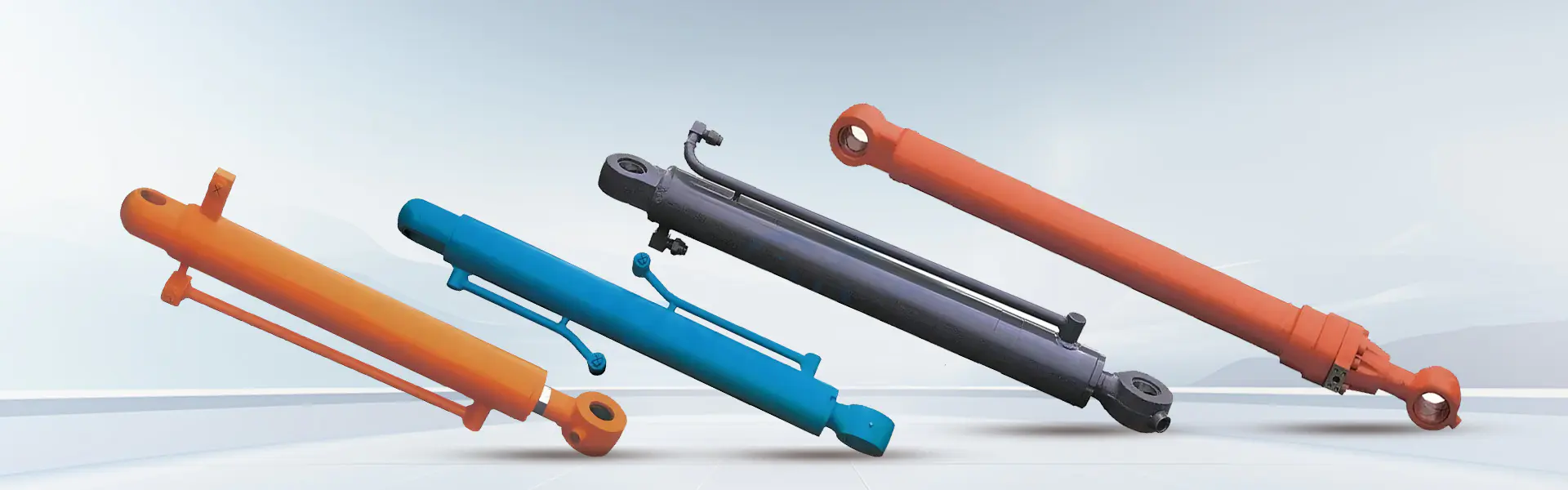
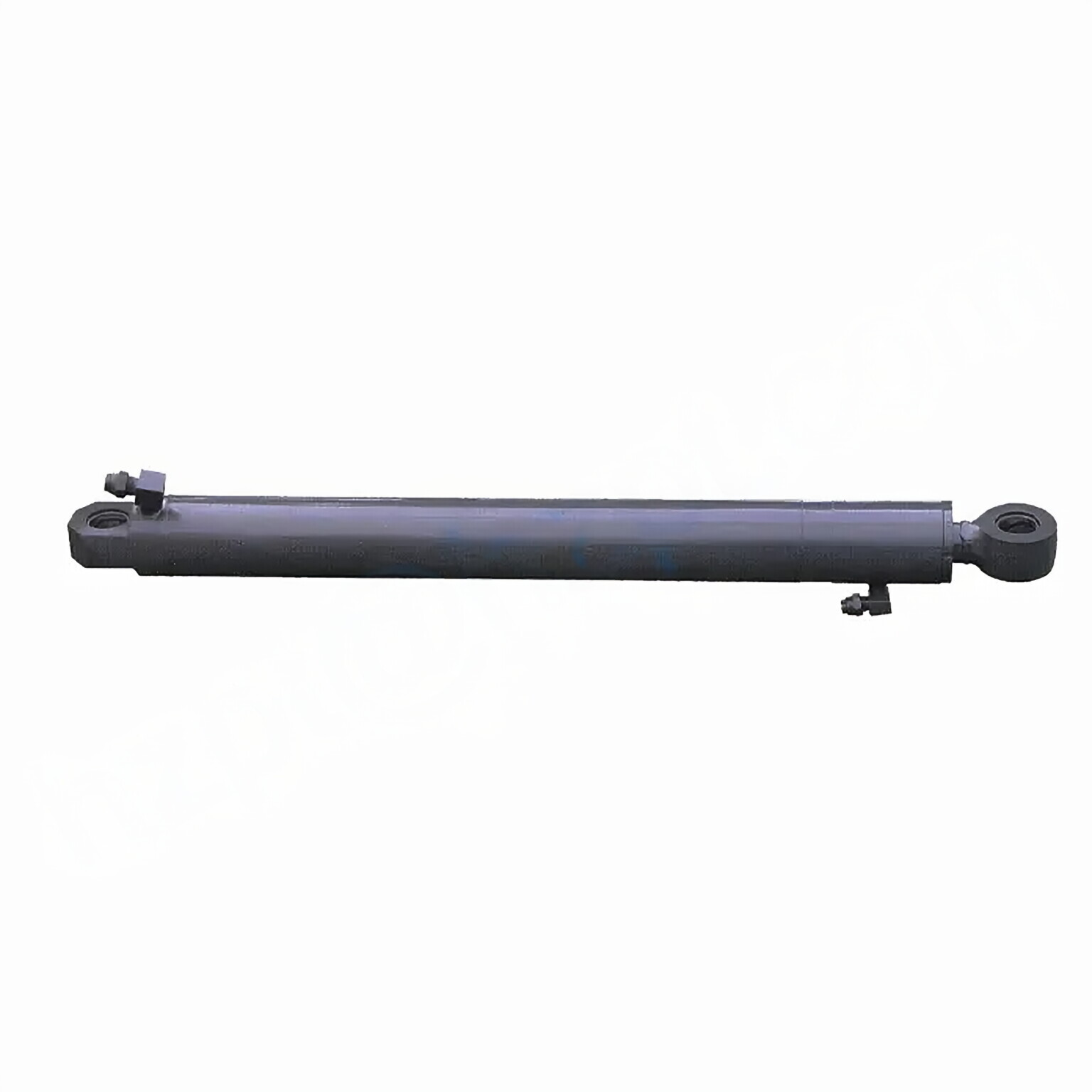
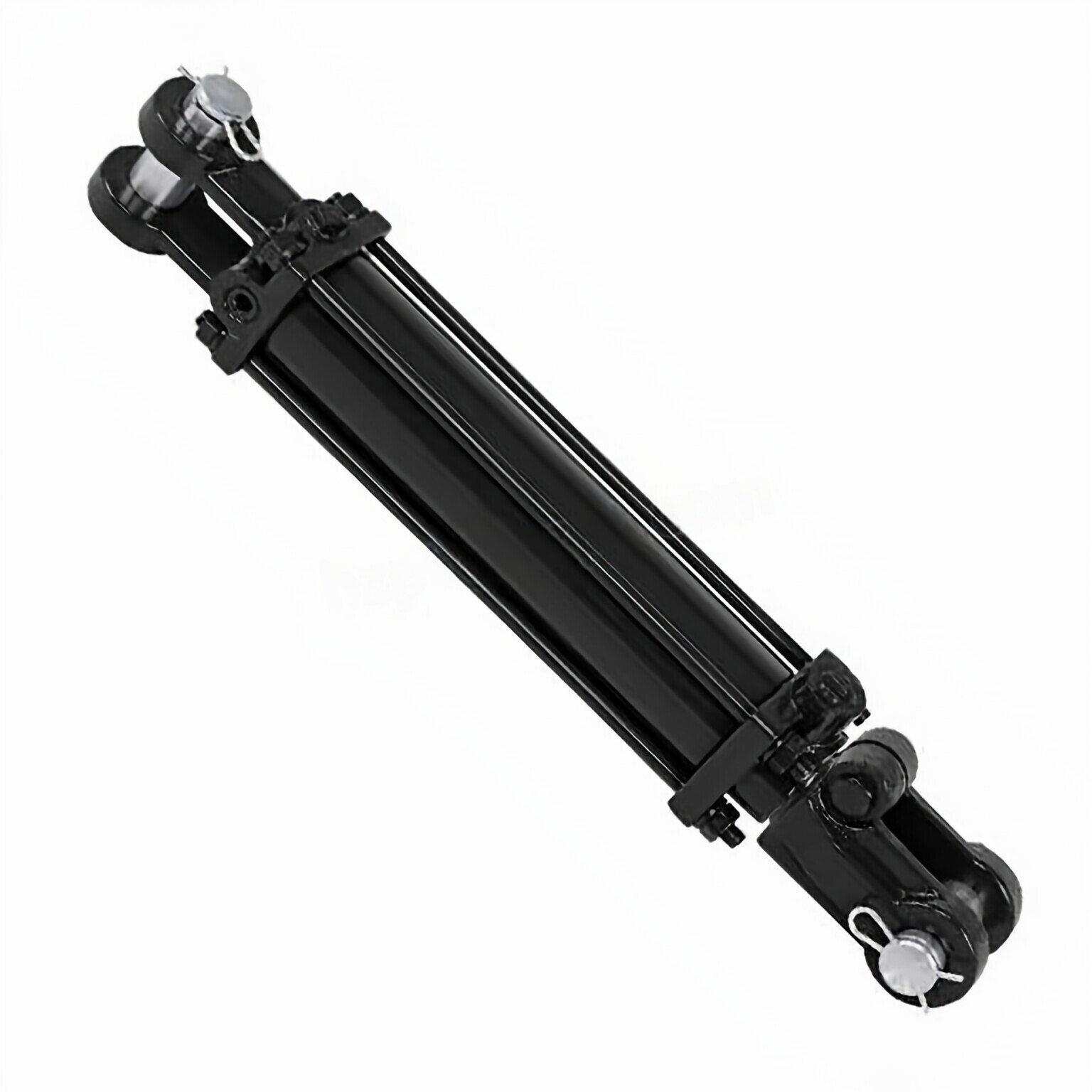
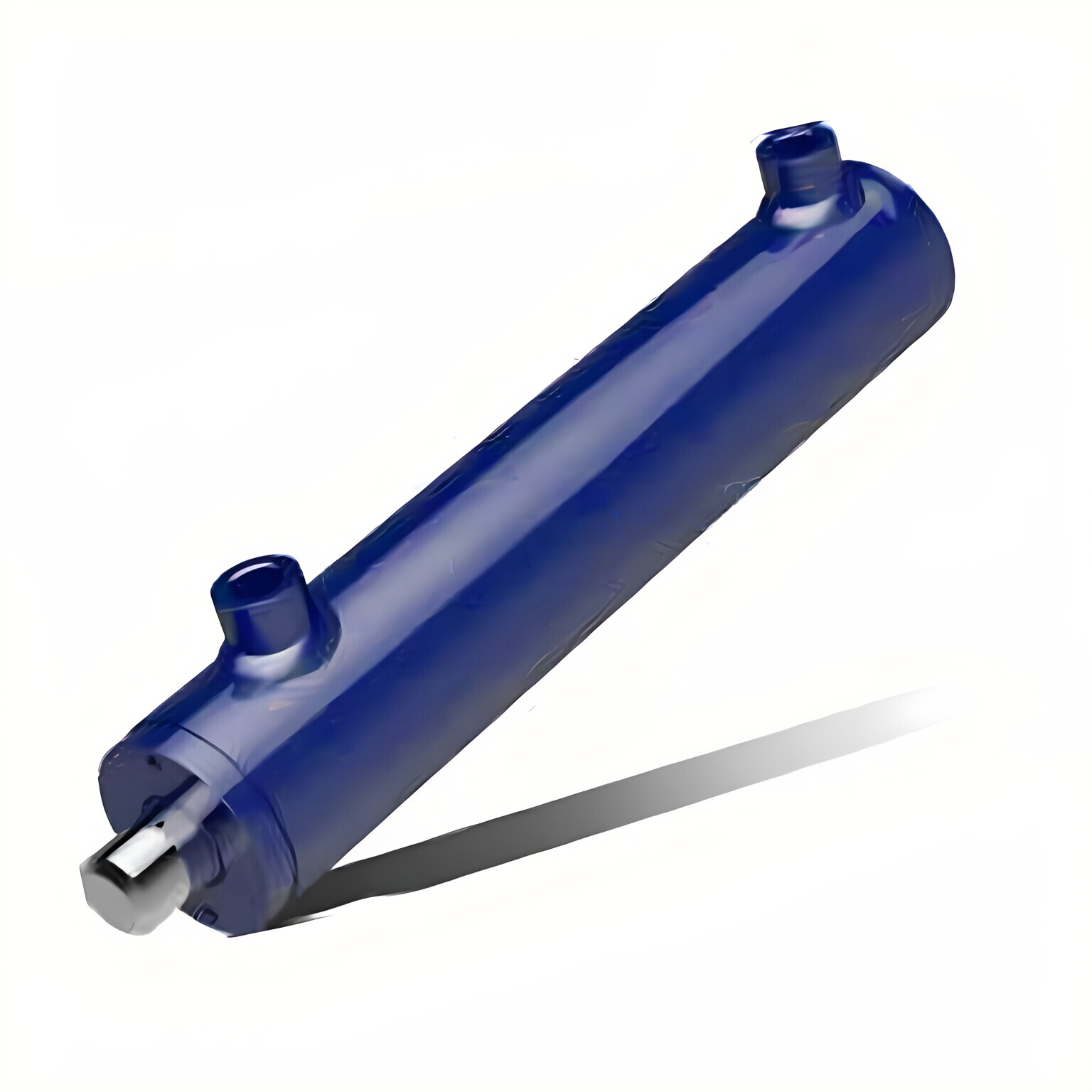
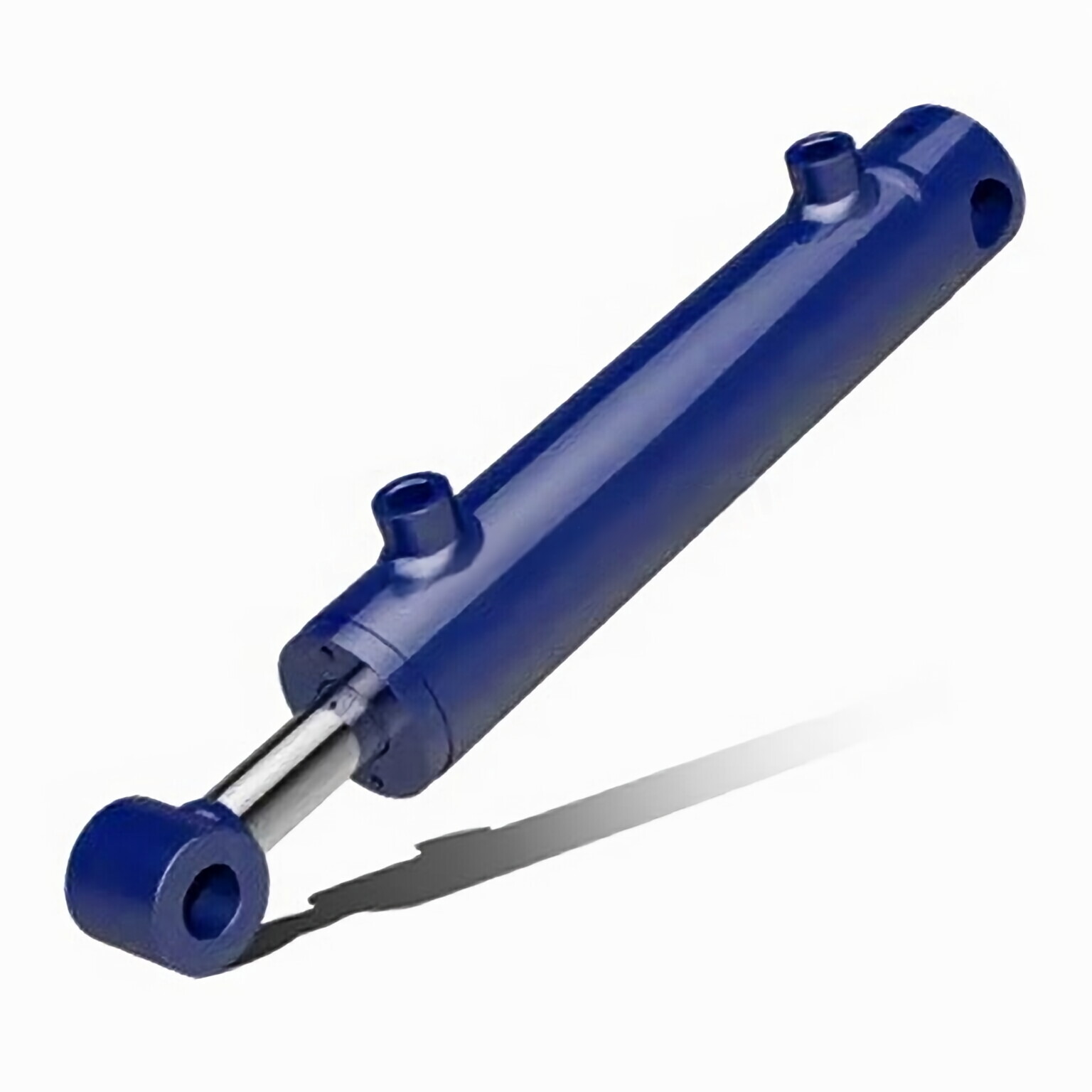
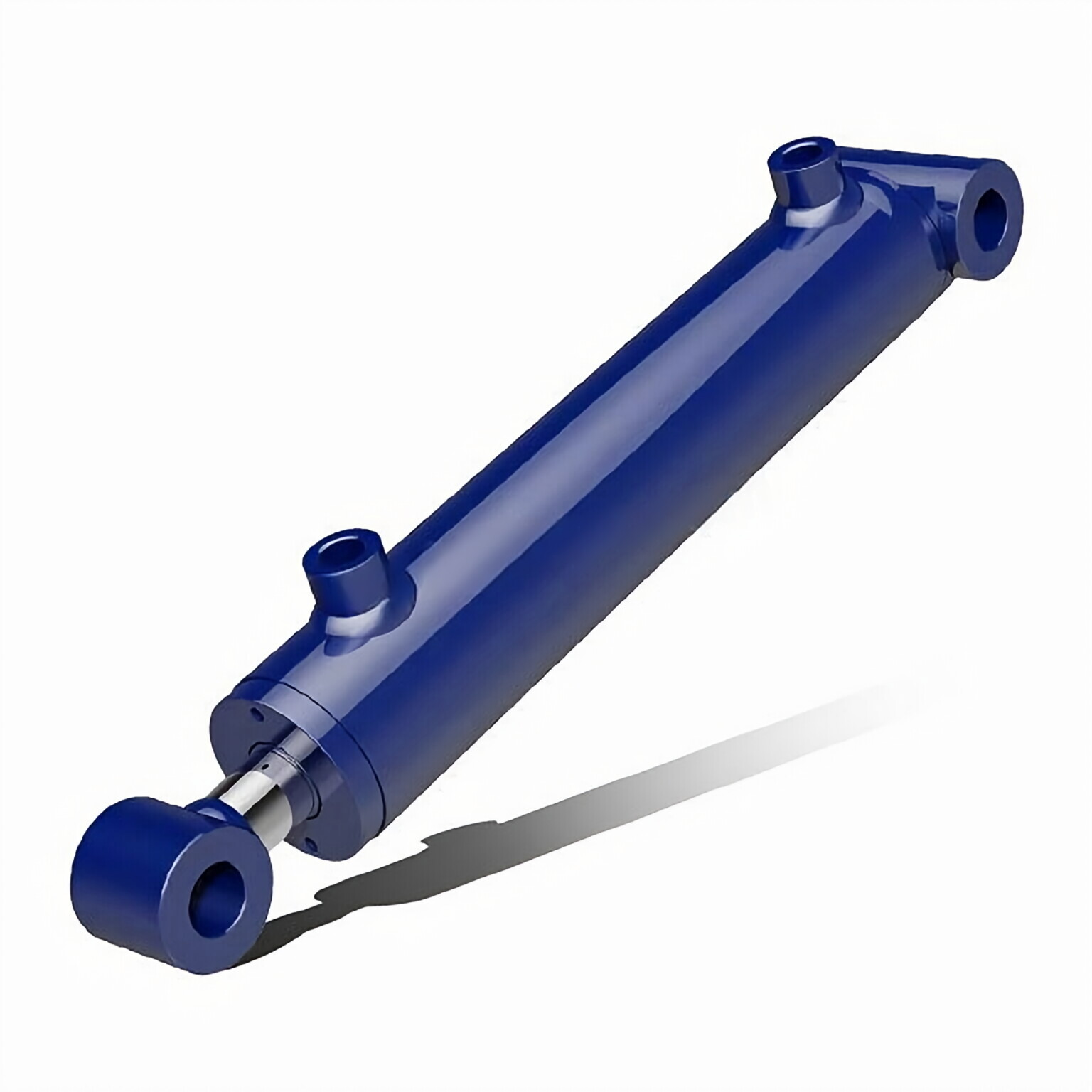
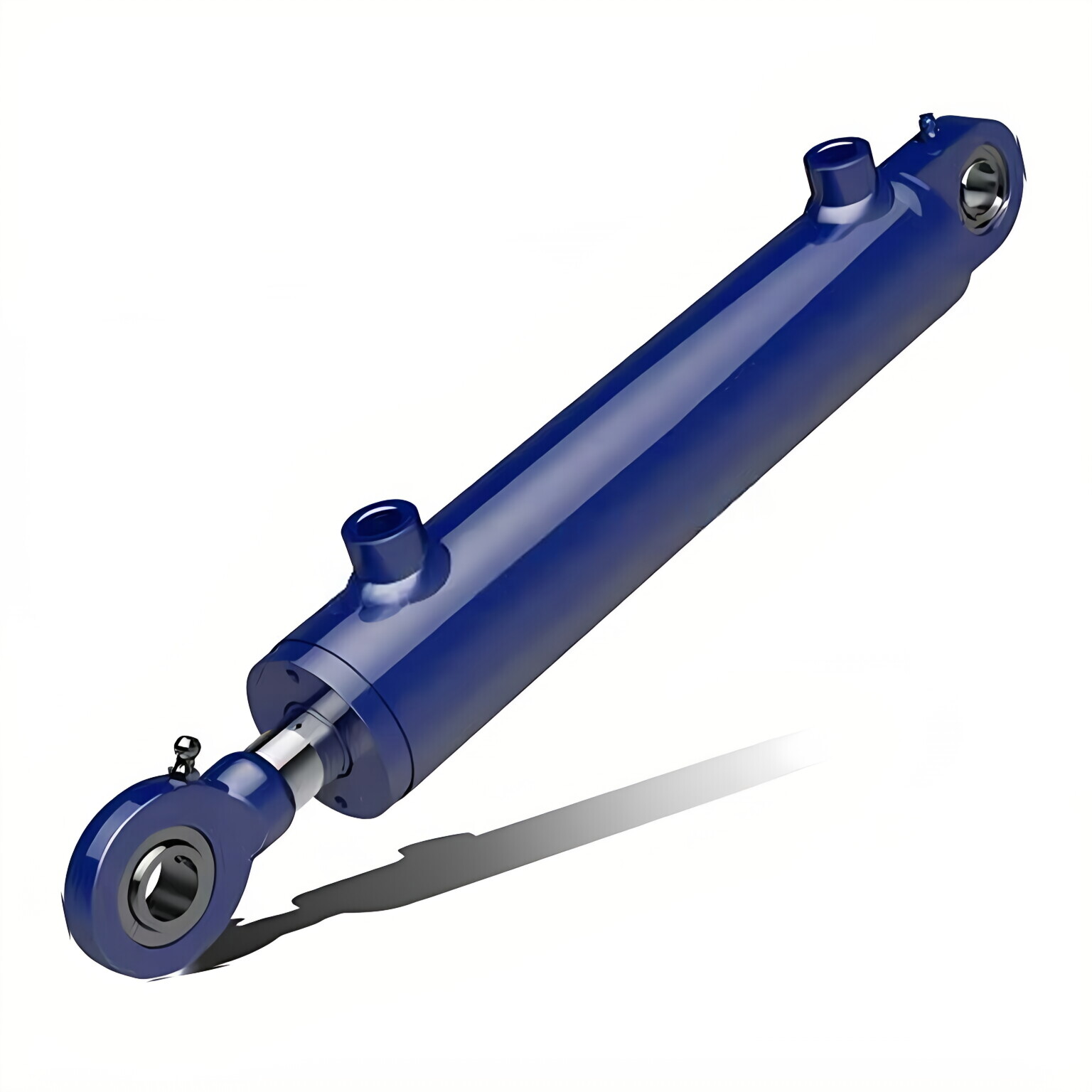
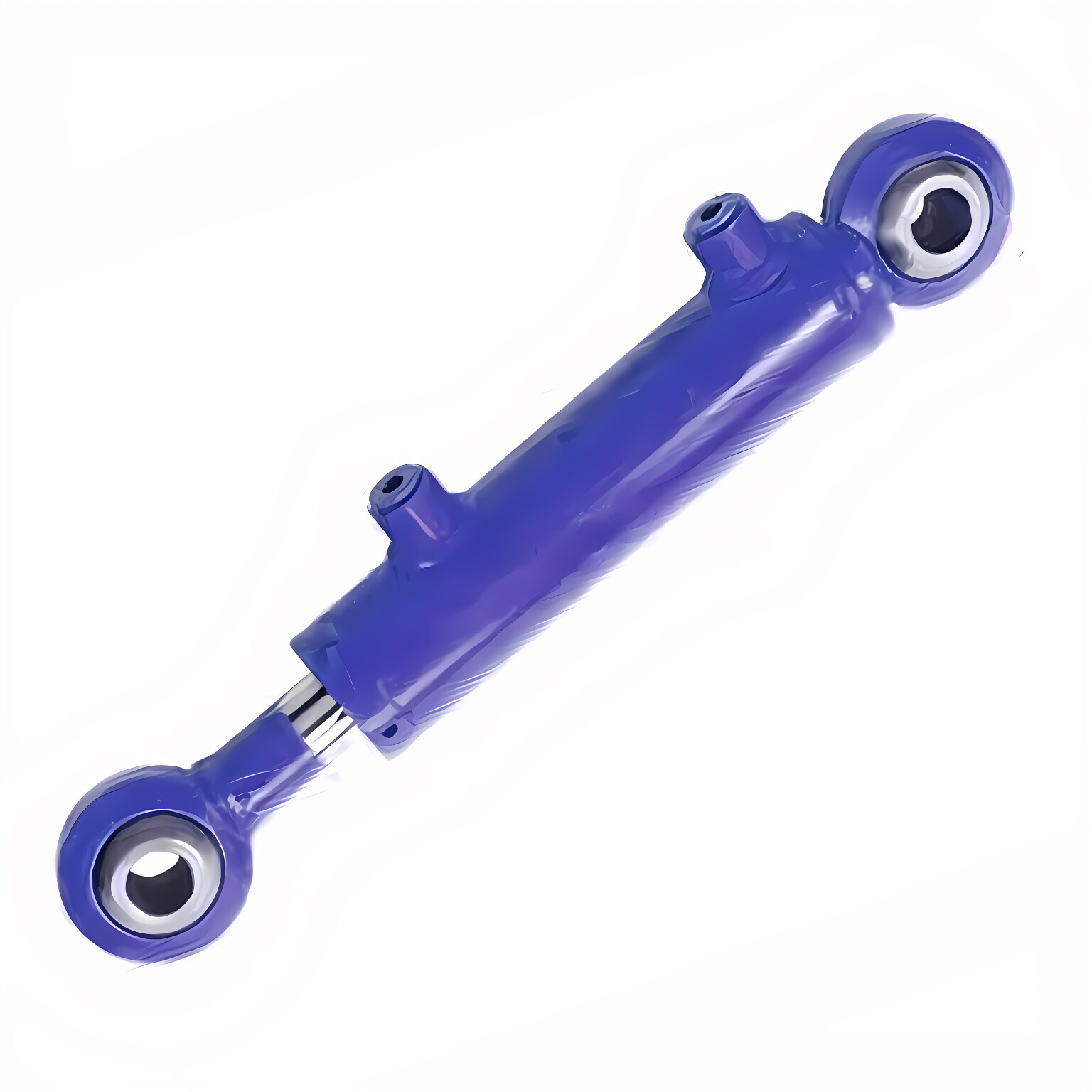
An arm cylinder is a type of hydraulic cylinder that is used to provide linear motion and force to various machinery arms, such as excavators, cranes, and mechanical arms. These cylinders are essential for achieving the movement and control of additional tools or tools.
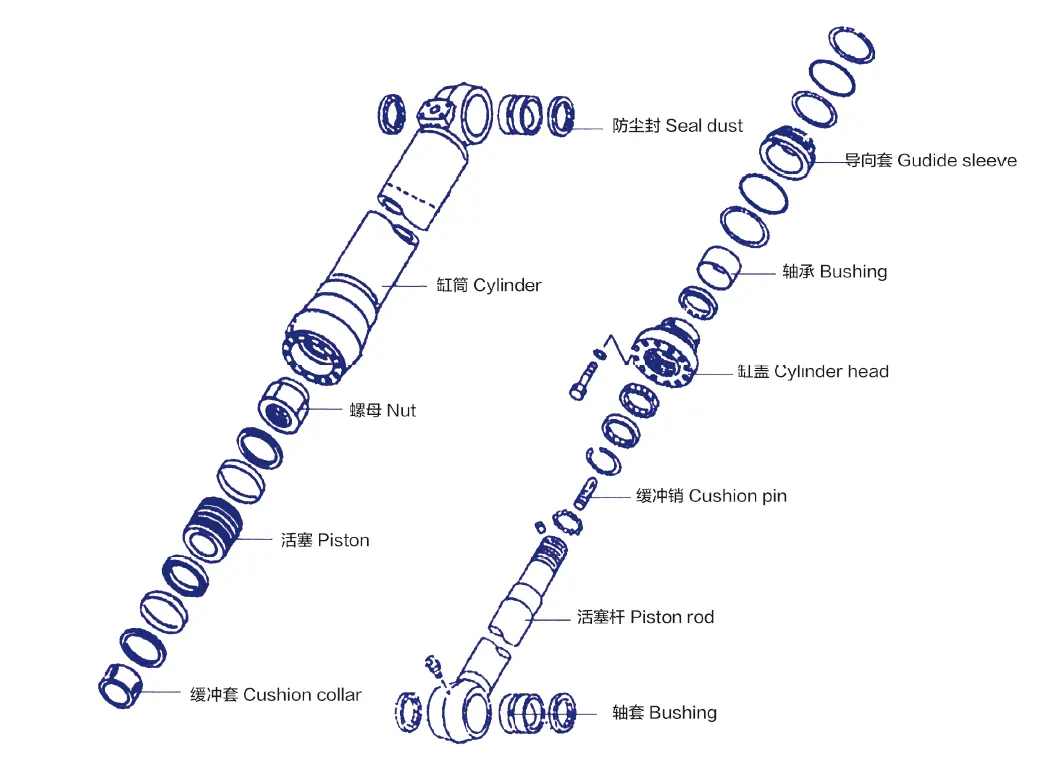
Arm cylinders are a type of hydraulic cylinder used in hydraulic systems. They are designed to provide linear motion and force to machinery arms, such as excavators, cranes, and mechanical arms. The cylinders are essential for achieving the movement and control of additional tools or tools.
The arm cylinders are an essential component of hydraulic systems. They play a crucial role in moving and controlling various types of machinery arms. Arm cylinders are used in various applications, such as construction equipment, agricultural machinery, and industrial equipment.
In excavators, arm cylinders are used for digging and lifting materials. They provide the force needed to move the arm and bucket to perform tasks such as digging, loading, and unloading. In cranes, arm cylinders are used to precisely position loads.
In agricultural machinery, arm cylinders are used in loaders and harvesters for manipulating tools and effectively collecting crops. They provide the force required for lifting, lowering, and positioning the equipment.
In industrial equipment, arm cylinders are used in assembly line mechanical arms. They provide precise movement and control for performing repetitive tasks.
The arm cylinders have several features that make them suitable for use in various applications. These features include:
The arm cylinders are usually made of high-strength steel or aluminum and can withstand high pressure and heavy loads. They are designed to be durable and can withstand harsh working environments. They are also designed to be wear-resistant and corrosion-resistant, extending their service life.
The arm cylinders use the pressure of hydraulic oil to achieve smooth extension and retraction movements. They respond quickly to control commands, providing robust pushing and pulling forces that are suitable for handling heavy loads and complex operations.
The arm cylinders are available in both single-acting and double-acting types, allowing them to be used in different hydraulic systems. Some models are telescoping, allowing for greater reach without increasing the external dimensions, making them suitable for applications where space is limited.
The arm cylinders provide precise control of the arm's angle and height, adapting to different working requirements. They can be combined with a hydraulic control system to achieve complex movements and higher operating flexibility.
Our product is an ideal replacement for these hydraulic cylinders.
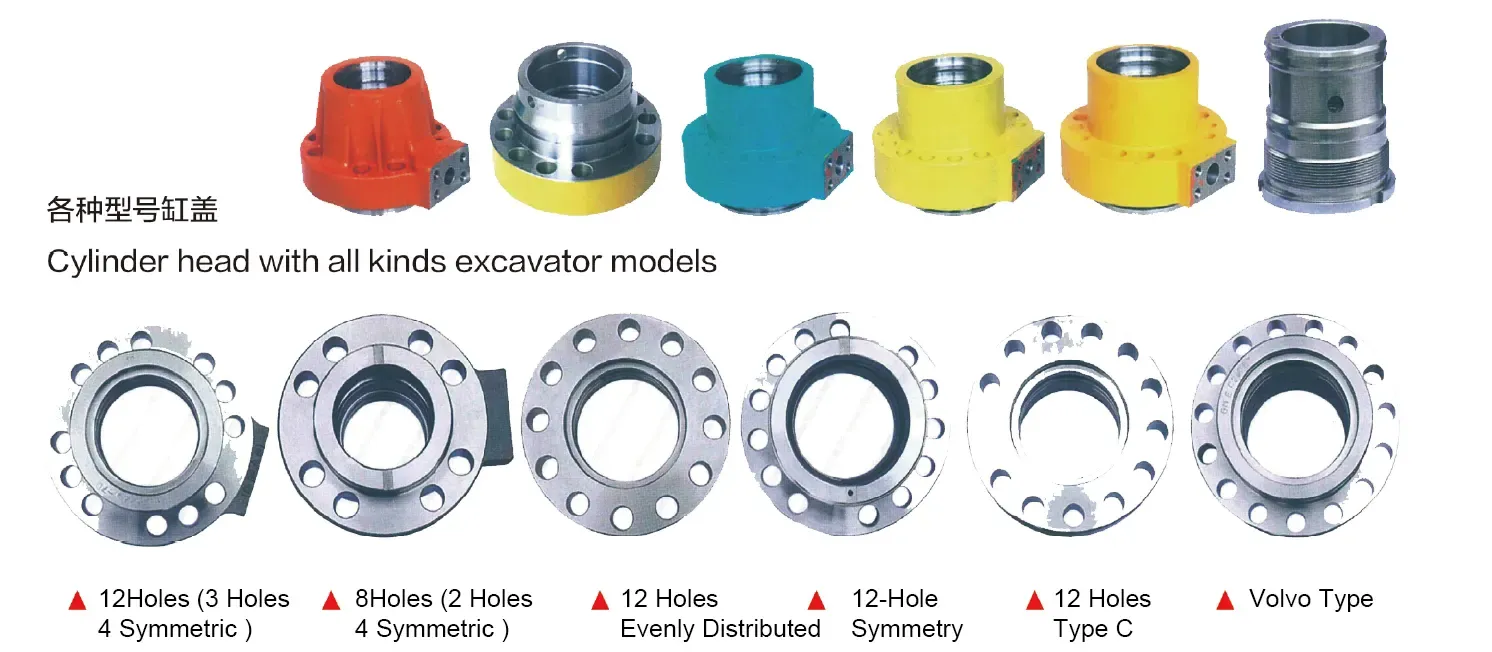
The arm cylinders are designed to meet specific requirements and standards. The design considerations and selection criteria of the arm cylinders include:
The arm cylinders must be designed to withstand the maximum load they will encounter during their operational life. The bearing capacity of the cylinder is critical in ensuring safe and efficient operation.
The arm cylinders must be designed to provide adequate sealing and durability to withstand the harsh working environments they will encounter. The cylinders must be designed to be wear-resistant and corrosion-resistant, extending their service life.
The arm cylinders must be designed to meet safety requirements and provide ease of maintenance. The cylinders must be designed with safety features to prevent accidental operation and provide easy access for maintenance and repair.
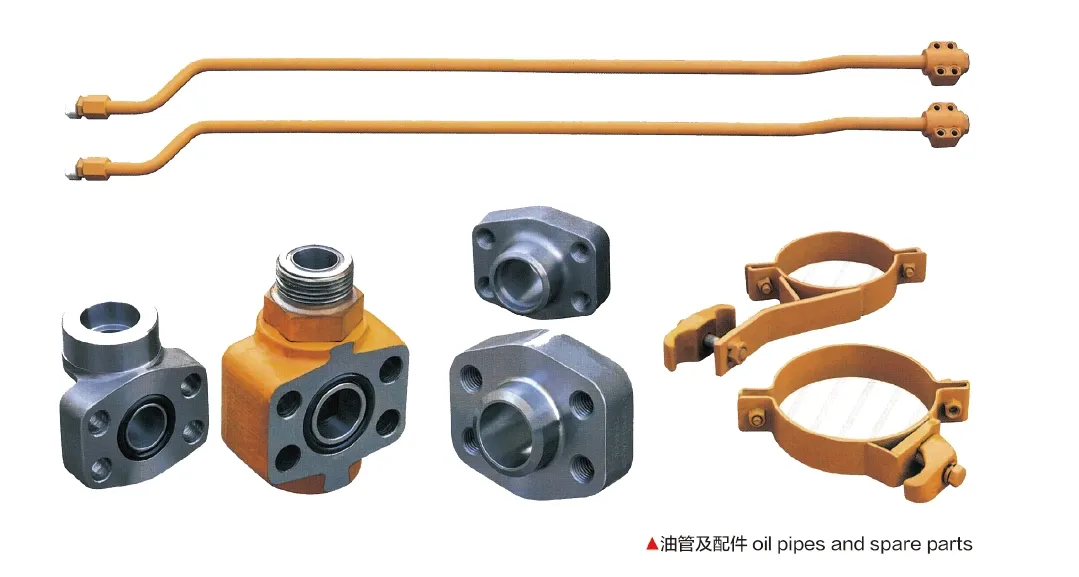
The arm cylinders require adequate sealing and lubrication to ensure proper operation and maintenance. The sealing and lubrication of the arm cylinders include:
The arm cylinders use various seals, such as piston seals, rod seals, and gland seals, to prevent hydraulic fluid leaks and maintain pressure. The seals are made of wear-resistant materials such as polyurethane and nitrile rubber.
The cylinder body and thread end surfaces are finely processed to improve wear resistance and durability.
The arm cylinders require regular lubrication with an appropriate amount of hydraulic oil to ensure proper operation and extend their service life.
The arm cylinders require regular maintenance and preventive measures to ensure proper operation and extend their service life. The maintenance and preventive measures include:
The arm cylinders require regular inspection to detect any signs of wear, damage, or malfunction. The inspection should include a visual inspection of the cylinder body, piston rod, and seals.
The arm cylinders require preventive maintenance to ensure proper operation and extend their service life. The preventive maintenance includes regular cleaning, lubrication, and replacement of worn or damaged seals.
The arm cylinders require correct installation to ensure proper operation and prevent damage. The installation should be carried out by a qualified technician who follows the manufacturer's instructions.
The arm cylinders require correct installation to ensure proper operation and prevent damage. The installation guide includes:
The pre-installation check should include ensuring that the cylinder is the correct model and size and confirming that the mounting brackets and bolts are the correct size and strength.
The cylinder should be mounted securely and correctly, ensuring that the mounting brackets are aligned and bolted tightly. The cylinder should be installed according to the manufacturer's instructions.
The hydraulic connections should be made according to the manufacturer's instructions, ensuring that the hoses and fittings are rated for the maximum operating pressure of the cylinder and compatible with the hydraulic fluid.
The arm cylinders require proper safety measures to ensure safe operation and minimize environmental impact. Safety considerations and environmental factors include:
The safety measures include ensuring that the cylinder is installed and operated correctly, following the manufacturer's instructions, and providing proper training for operators to prevent accidents or injuries.
The environmental impact of the arm cylinders should be minimized by following proper disposal procedures for hydraulic fluids and avoiding spills or leaks that can harm the environment.
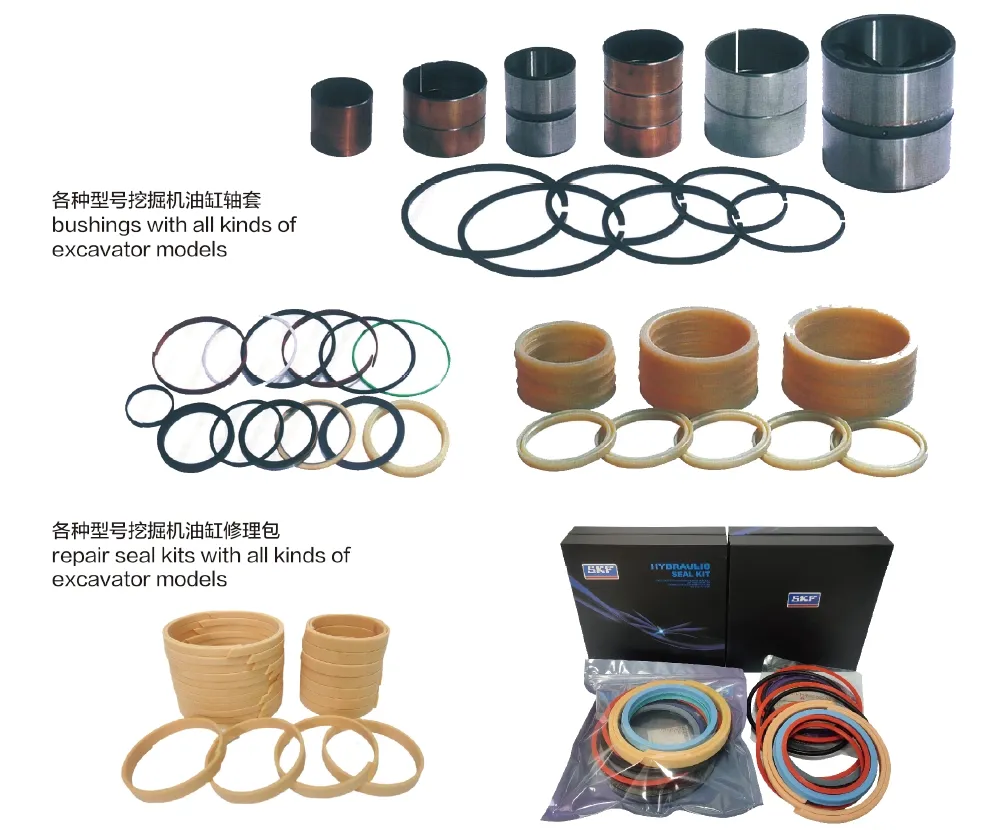
The arm cylinders may encounter common issues that can affect their performance and operation. The troubleshooting and common issues include:
A leaking cylinder can be caused by worn or damaged seals, a bent or damaged piston rod, or a damaged cylinder body. The issue should be inspected and repaired by a qualified technician.
A lack of movement can be caused by low hydraulic pressure, a damaged valve, or a blocked hydraulic line. The issue should be inspected and repaired by a qualified technician.
Excessive noise can be caused by a damaged piston rod, worn seals, or a loose mounting bracket. The issue should be inspected and repaired by a qualified technician.
The preventive measures include regular maintenance and inspection, following the manufacturer's instructions, and providing proper training for operators to prevent issues from occurring.
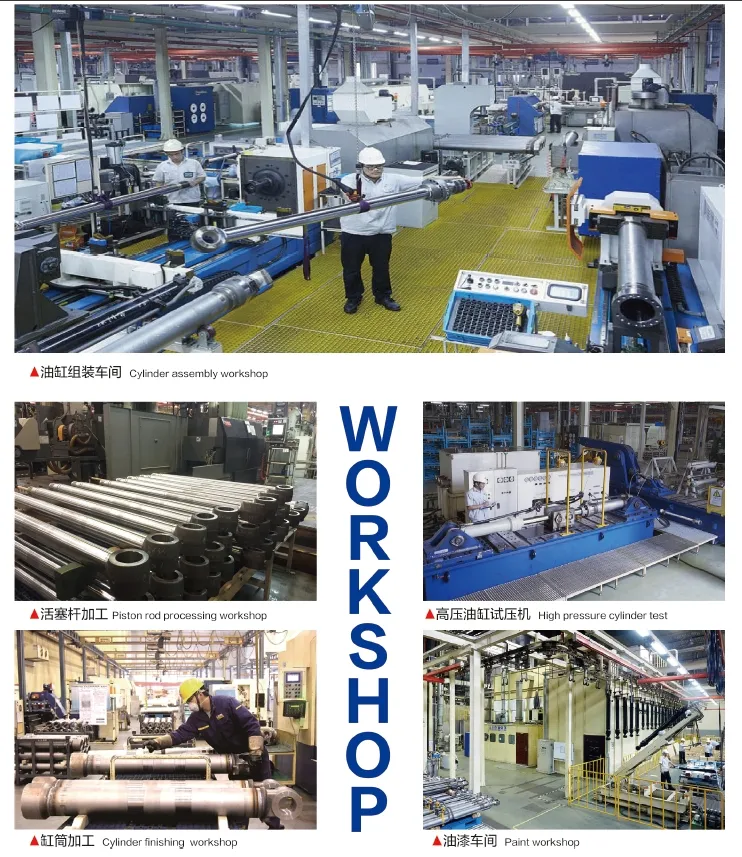
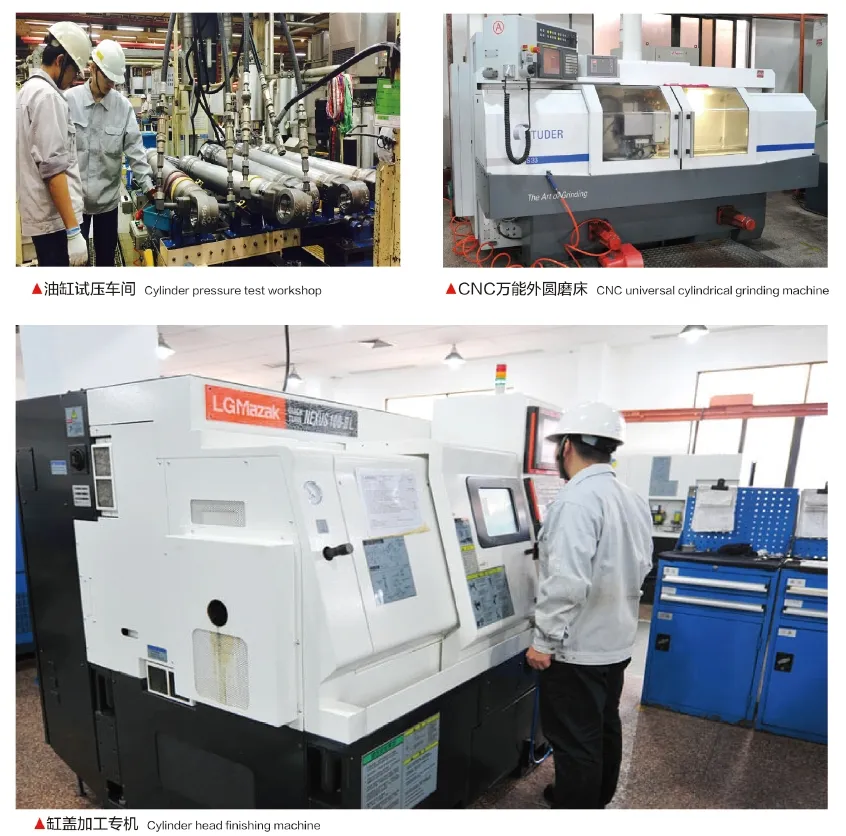
We are a manufacturer of hydraulic cylinders that can replace the traditional hydraulic cylinders. Our company offers a complete range of products and is one of the leading manufacturers and wholesale distributors of hydraulic cylinders in the domestic and international markets. We follow the principles of excellent quality and rely on the industrialized production management strategy of fine manufacturing workshops. Our company continues to improve its manufacturing platform by using technical talents, digital high-end manufacturing equipment, and professional testing systems. We have a strong creative ability and can meet the diverse needs of customers with high efficiency, high precision, and high quality.
Our company provides professional, international-certified, and customized services for our customers. Our company has advanced production equipment and a strong after-sales service team. We strive to provide our customers with high-quality products and services to meet their needs.

Author: lyl.
Address
Luotuo Industrial Area, Zhenhai District, Ningbo City, China
Tel

 Raydafon