
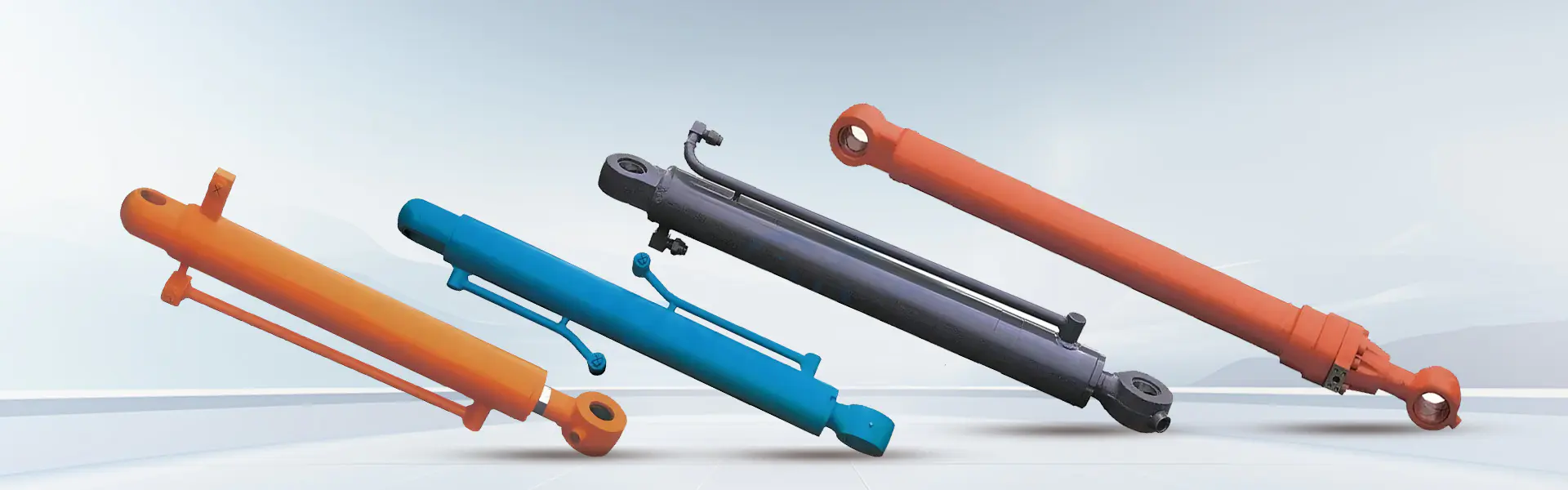
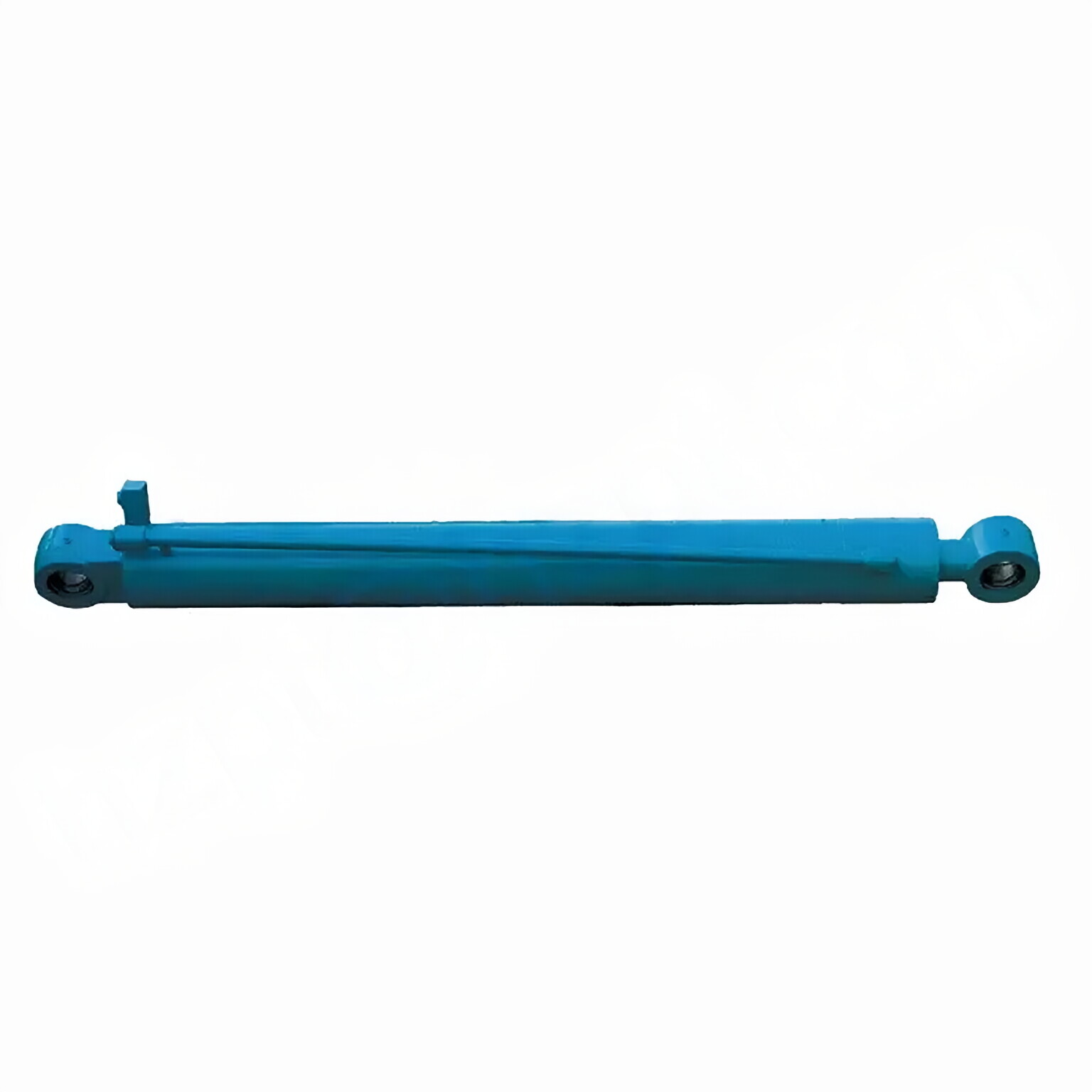
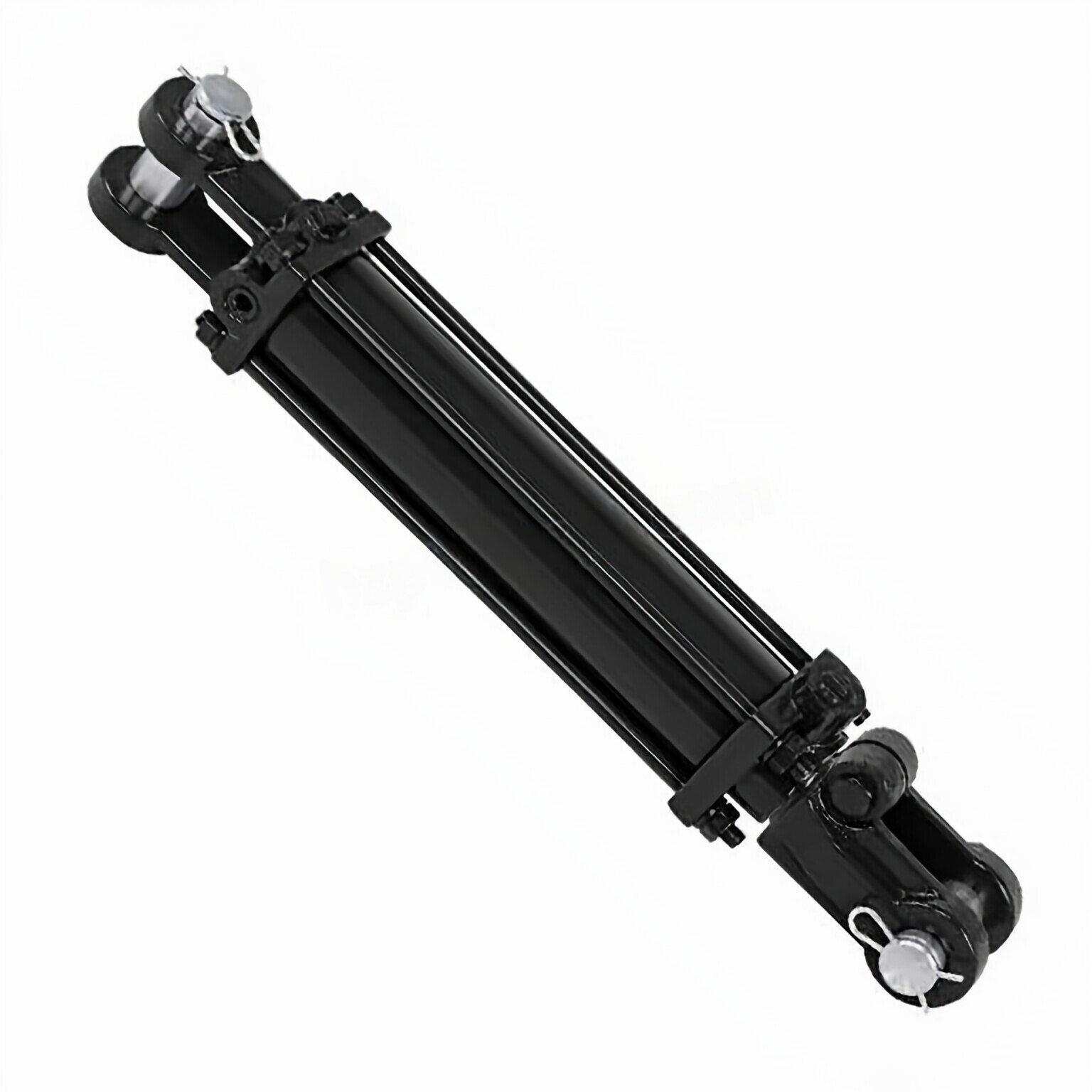
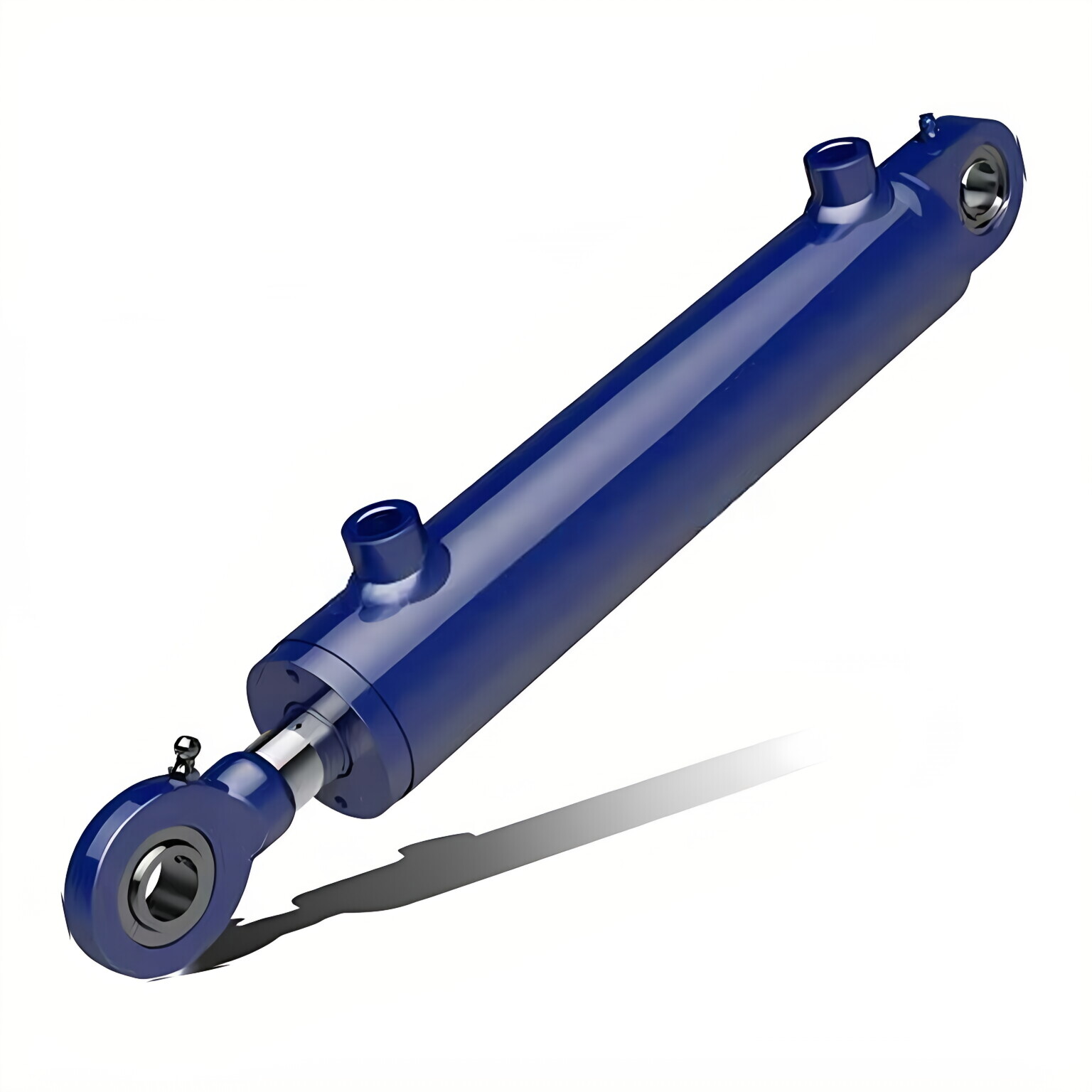
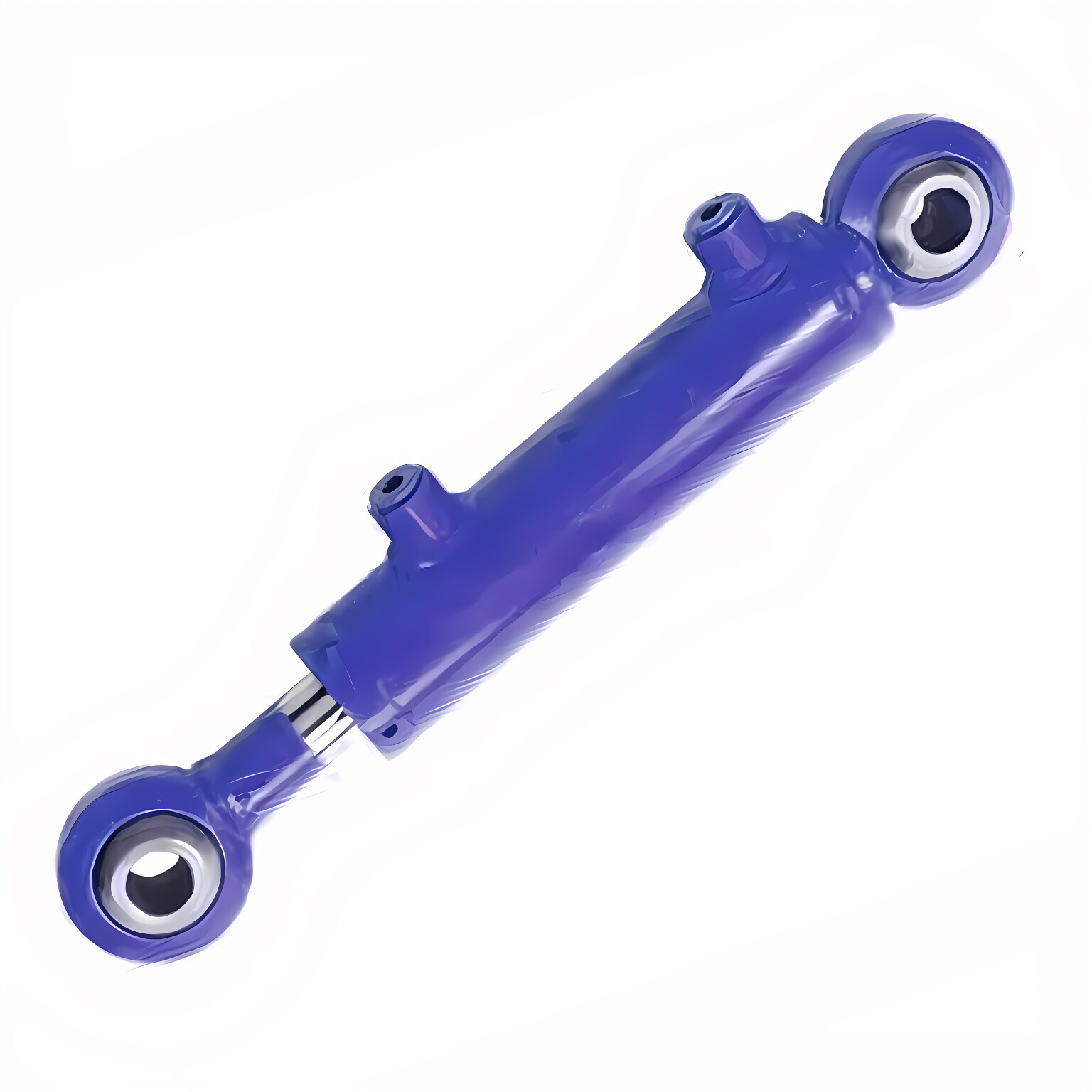
An arm cylinder is a type of hydraulic cylinder designed specifically to provide linear motion and force to various machines' arms, such as excavators, cranes, and robotic arms. These cylinders are crucial for moving and controlling additional tools or attachments.
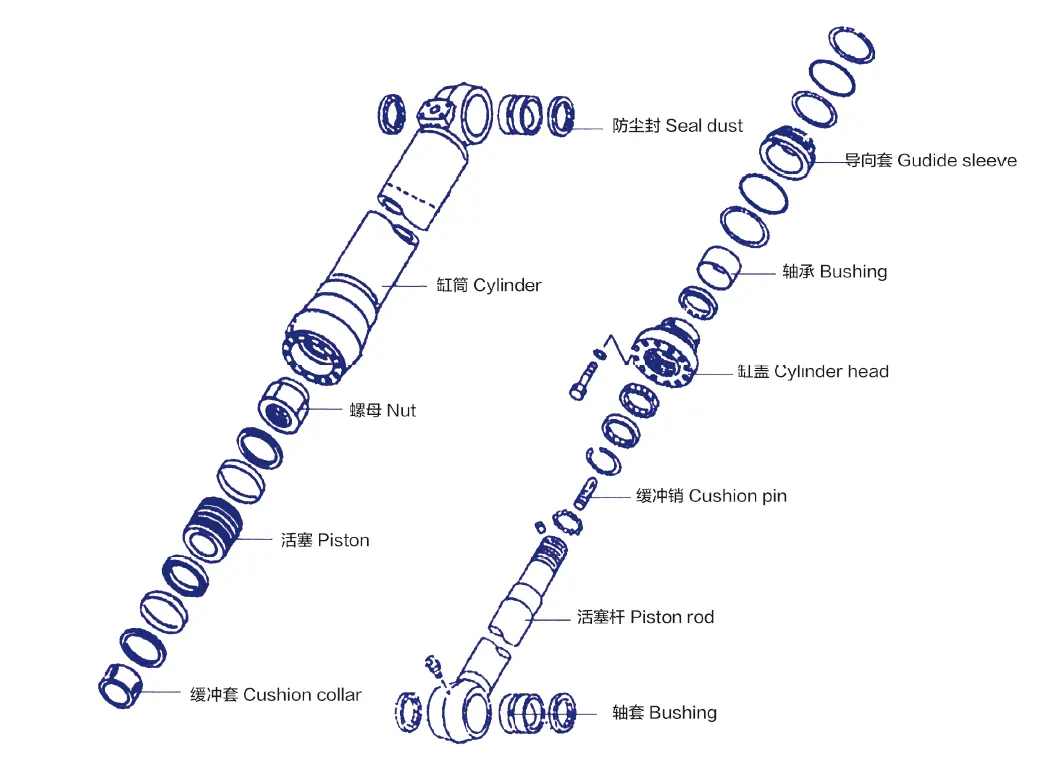
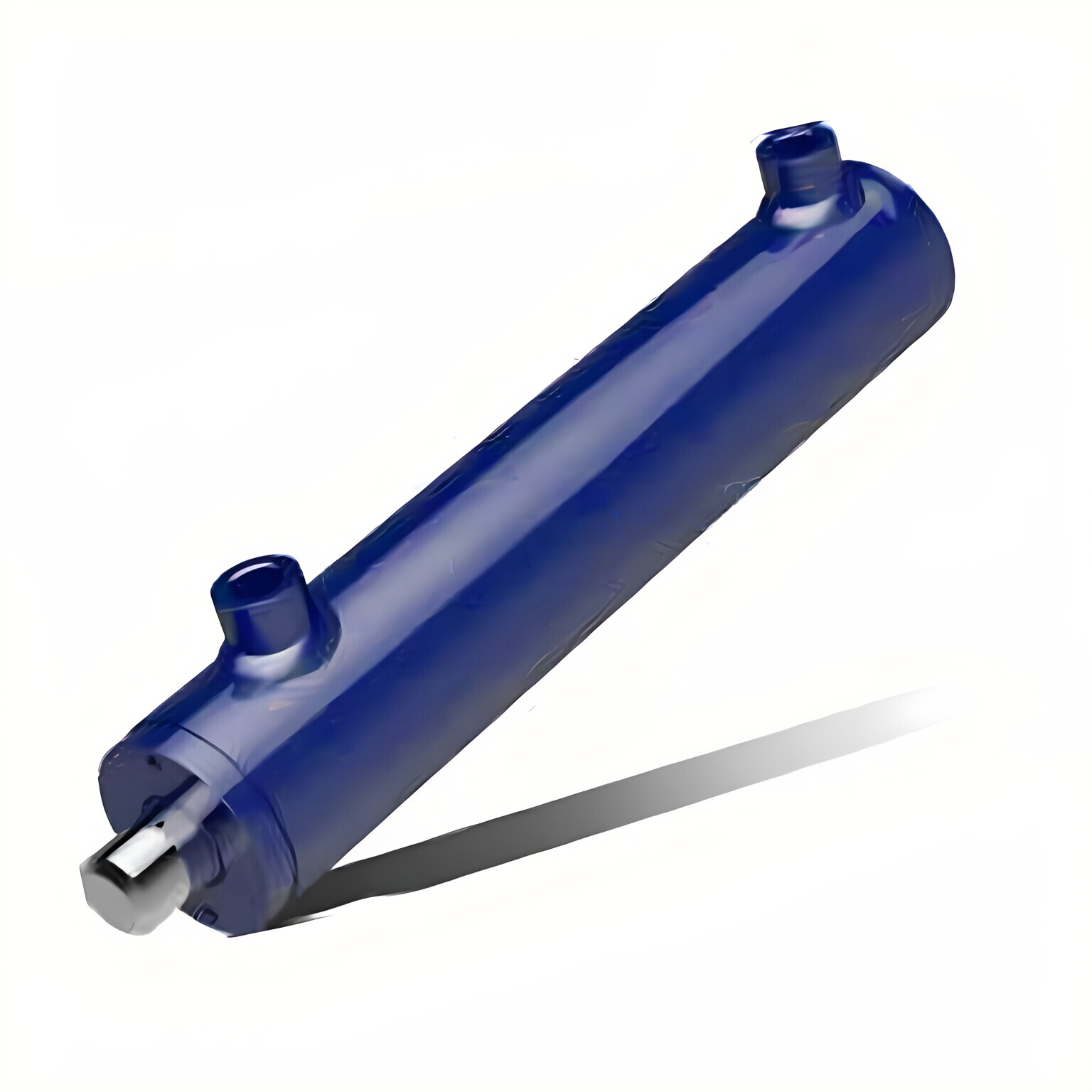
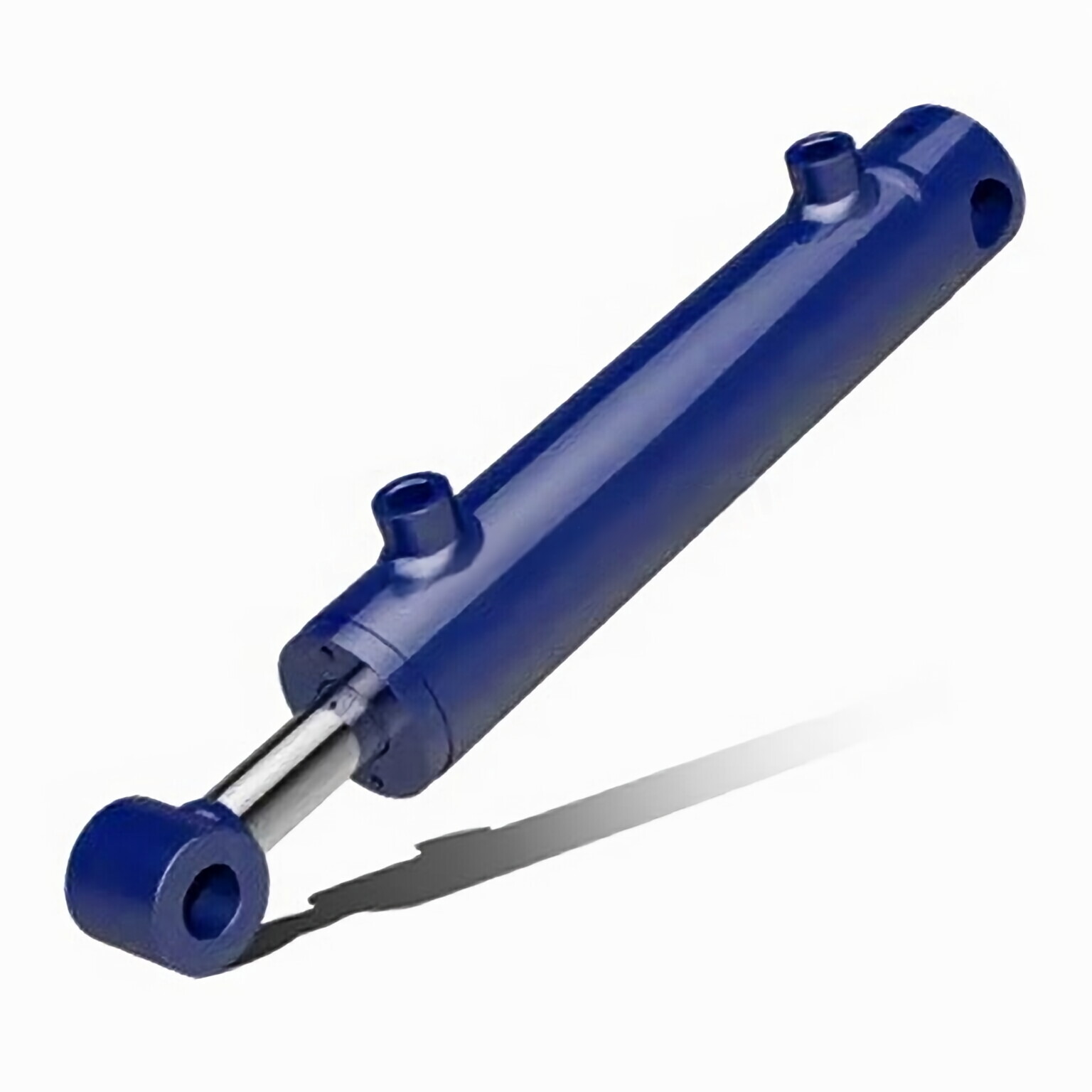
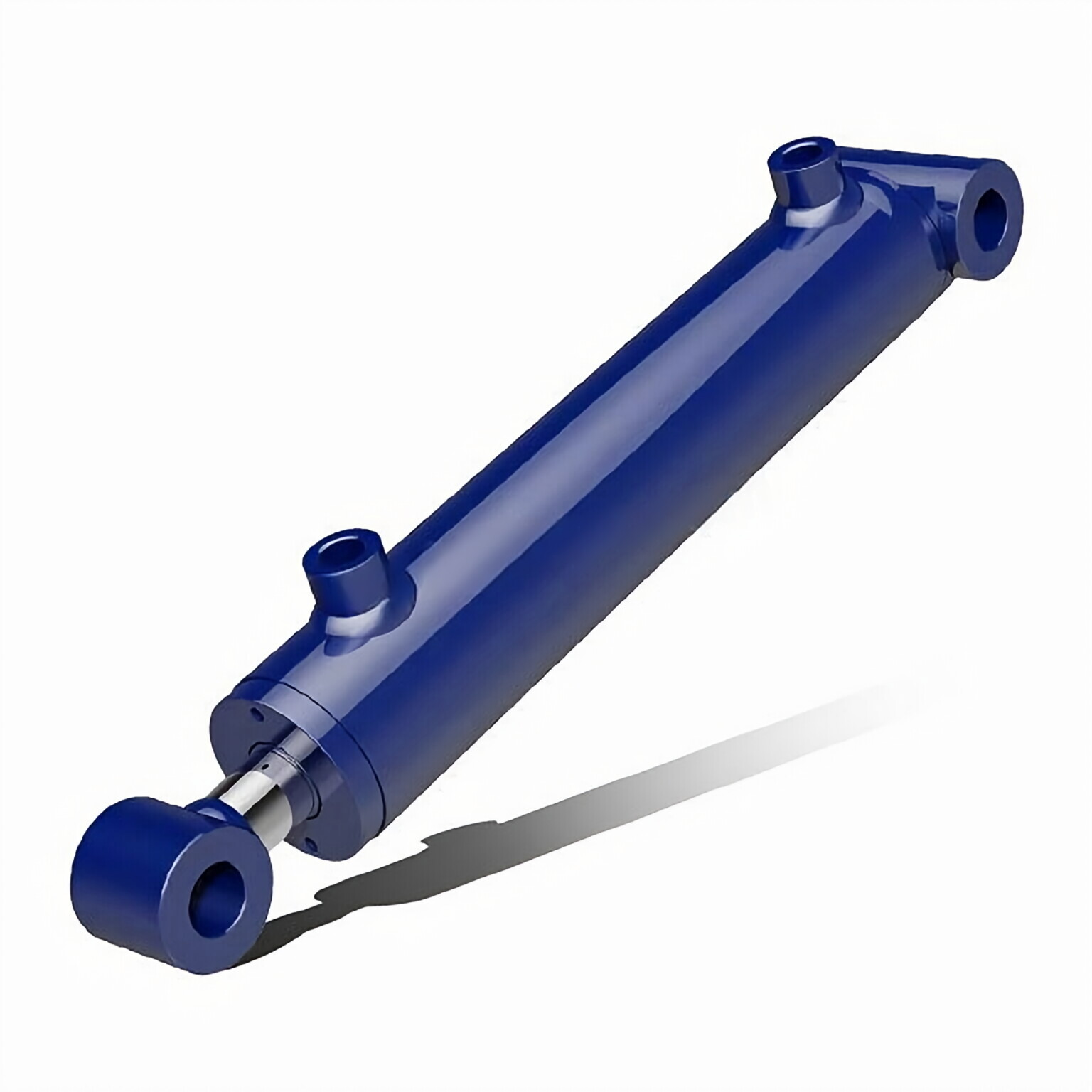
The arm cylinder is an essential component in hydraulic systems. It converts the hydraulic energy into linear motion for the machine's arm. The arm cylinder consists of a cylinder barrel, piston, piston rod, and end cap. When the hydraulic oil is pressurized and enters the cylinder barrel, it pushes the piston, which, in turn, moves the piston rod, providing the arm's linear motion.
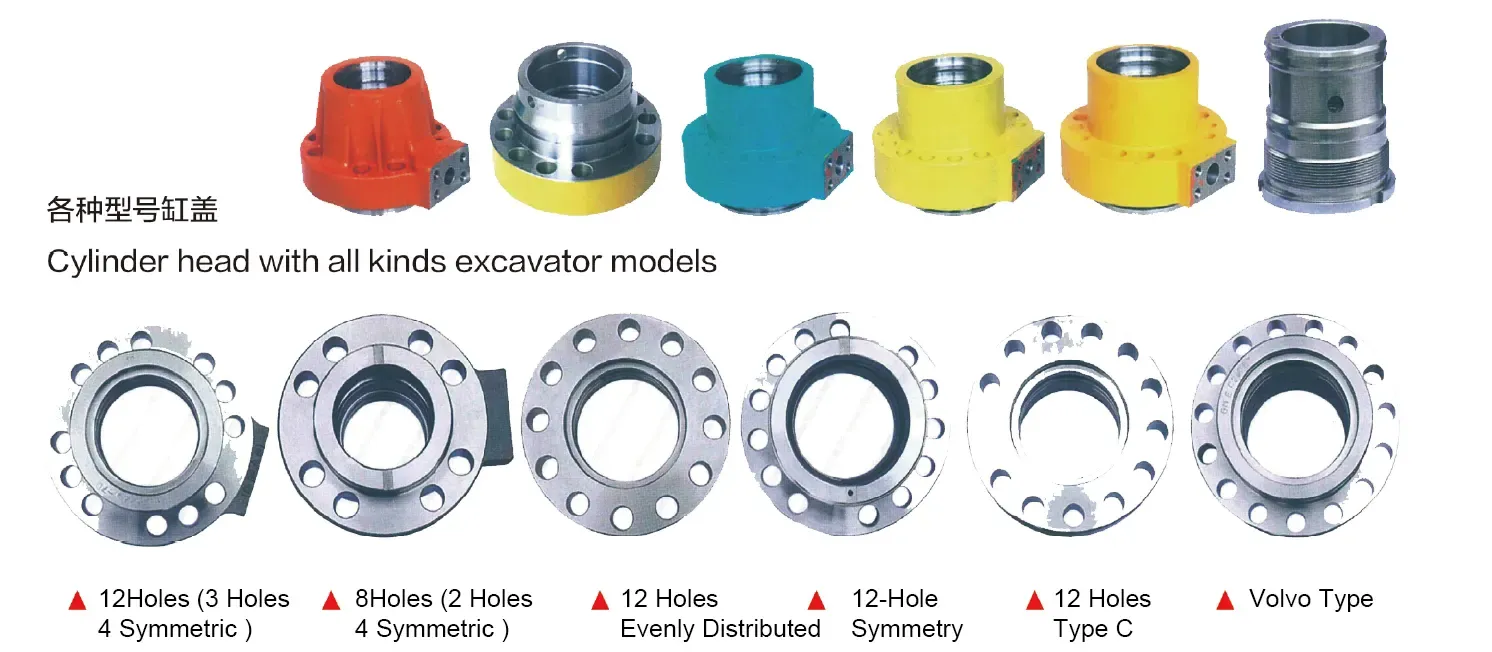
Arm cylinders have a wide range of applications in various industries:
In excavators, the arm cylinder is crucial for digging and lifting materials. In cranes, they can precisely position loads.
Used in loaders and harvesters, arm cylinders manipulate tools and efficiently collect crops.
Used in mechanical arms on assembly lines, arm cylinders can perform precise repetitive tasks.
When selecting an arm cylinder, the following design considerations should be taken into account:
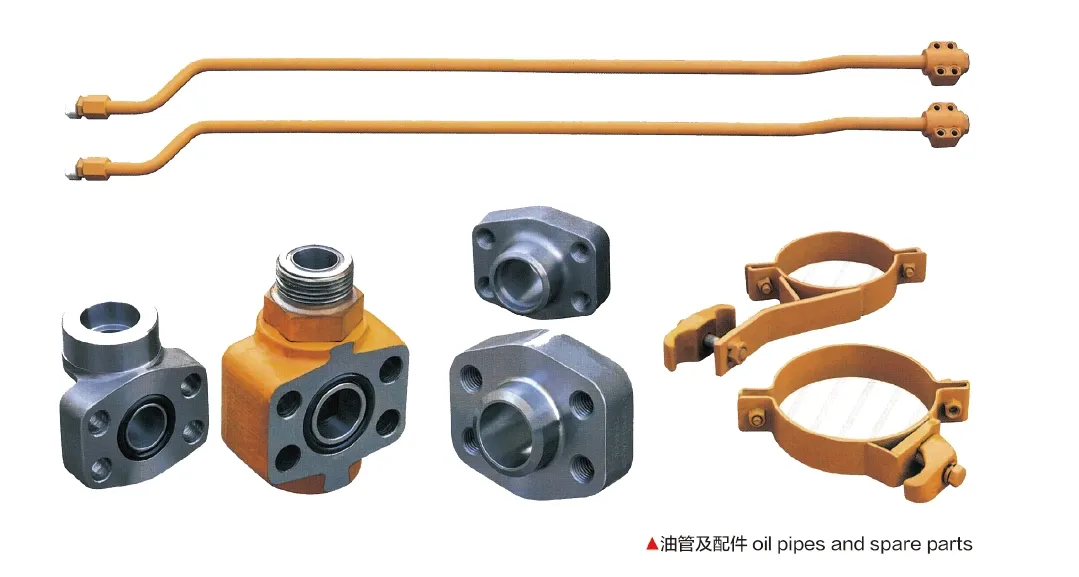
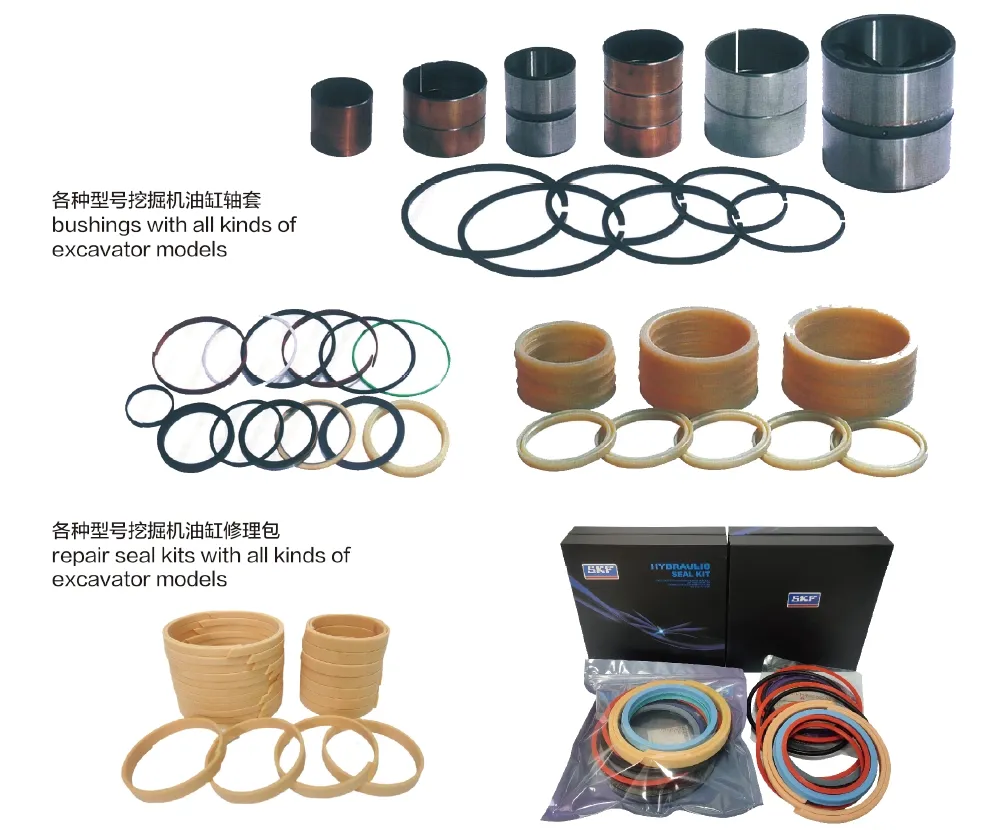
Arm cylinders use various sealing components, such as piston seals and rod seals, to prevent hydraulic oil leakage. These seals should be made of wear-resistant materials, such as polyurethane and nitrile rubber. The cylinder barrel and threaded end surfaces are finely processed to increase wear resistance. Regular lubrication with the appropriate amount of hydraulic oil is required for smooth operation and to prevent damage to the seals.
To ensure proper operation and prolong the service life of the arm cylinder, regular inspection and maintenance are required. Common problems that may occur with arm cylinders include leakage, insufficient force, and slow motion. Troubleshooting tips and solutions should be provided to help readers diagnose and resolve issues effectively. Preventive measures should be suggested to minimize potential problems.

Proper installation of the arm cylinder is crucial for its safe and efficient operation. The installation guide should provide detailed steps and precautions for installing the arm cylinder, including torque specifications for tightening threaded connections and recommendations for using appropriate tools.
Safety measures should be emphasized when operating and maintaining the arm cylinder, such as wearing protective equipment and following proper procedures. Environmental factors, such as hydraulic oil spills, should be considered, and proper measures, such as using oil-absorbing materials, should be taken to minimize the impact.
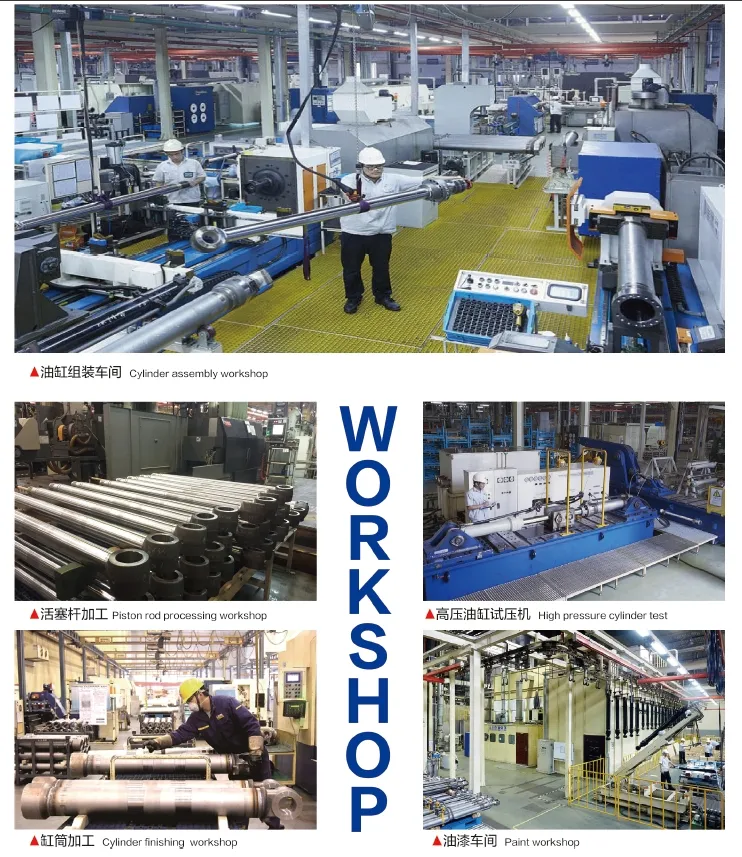
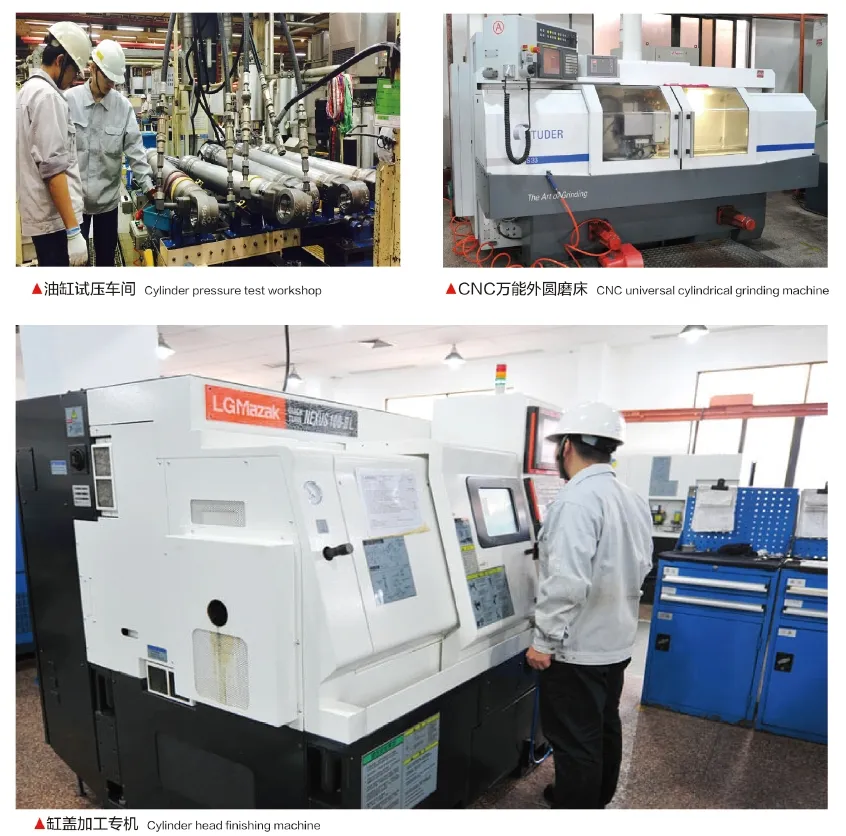
We are a leading manufacturer and wholesale distributor of hydraulic cylinders, specializing in replacing hydraulic cylinders. We have a complete range of products and have become one of the leading manufacturers and wholesale distributors of hydraulic cylinders in the domestic and international markets. Our company follows the strategy of excellent quality, relying on the industrialized production management of fine manufacturing workshops. We continuously improve our manufacturing platform, perfect product quality production routes, and have strong creative ability, with high efficiency, high precision, and high-quality principles to meet customers' multiple needs.
Our company provides professional services, international certifications, customized services, production equipment, and after-sales services.
We take pride in our commitment to quality and excellence in everything we do. We strive to provide our customers with the best possible products and services and look forward to serving you.
Author: lyl.
Address
Luotuo Industrial Area, Zhenhai District, Ningbo City, China
Tel

 Raydafon