
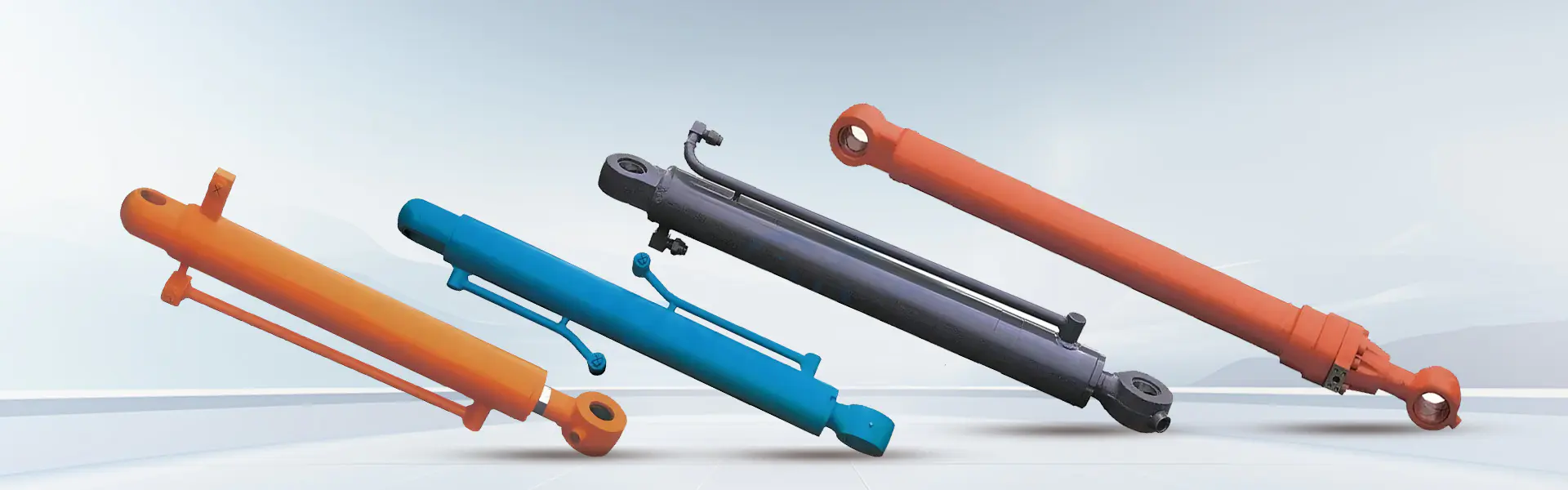
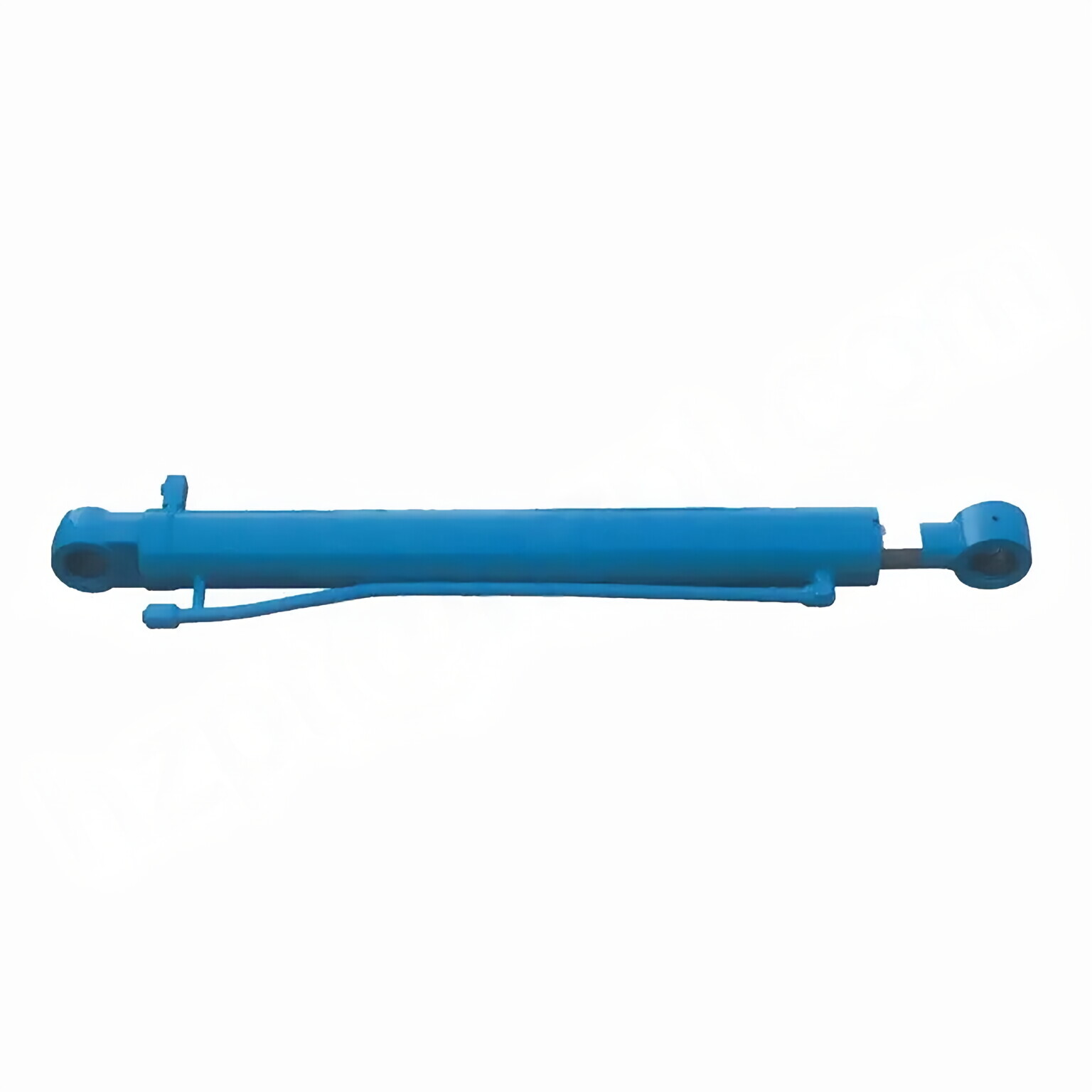
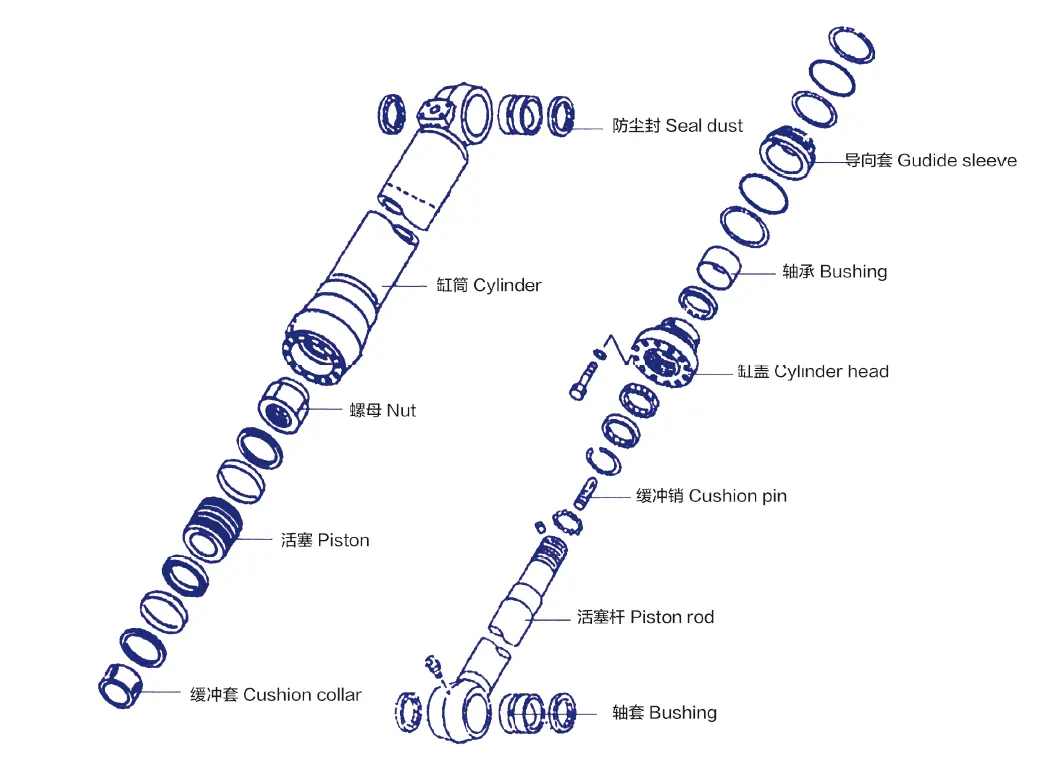
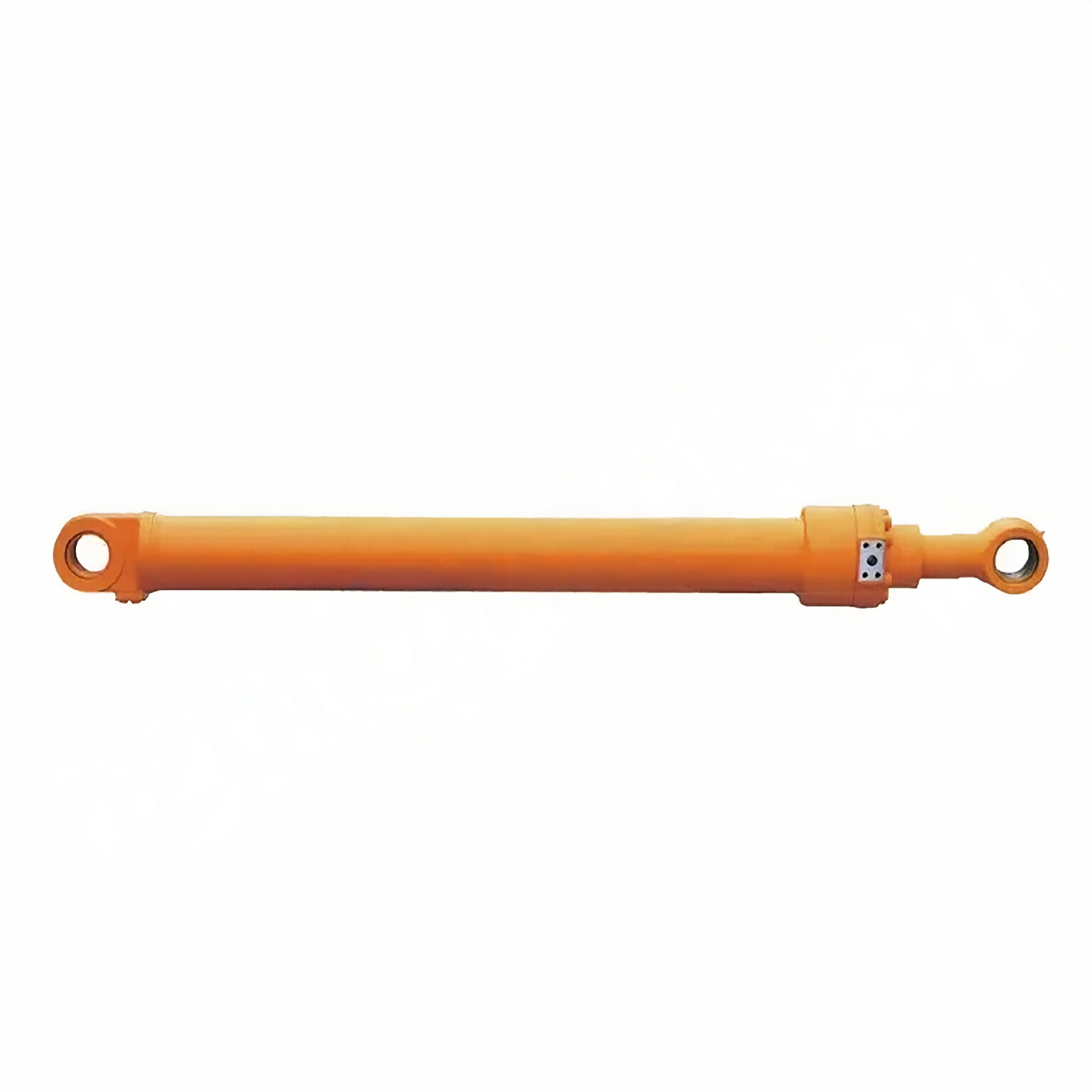
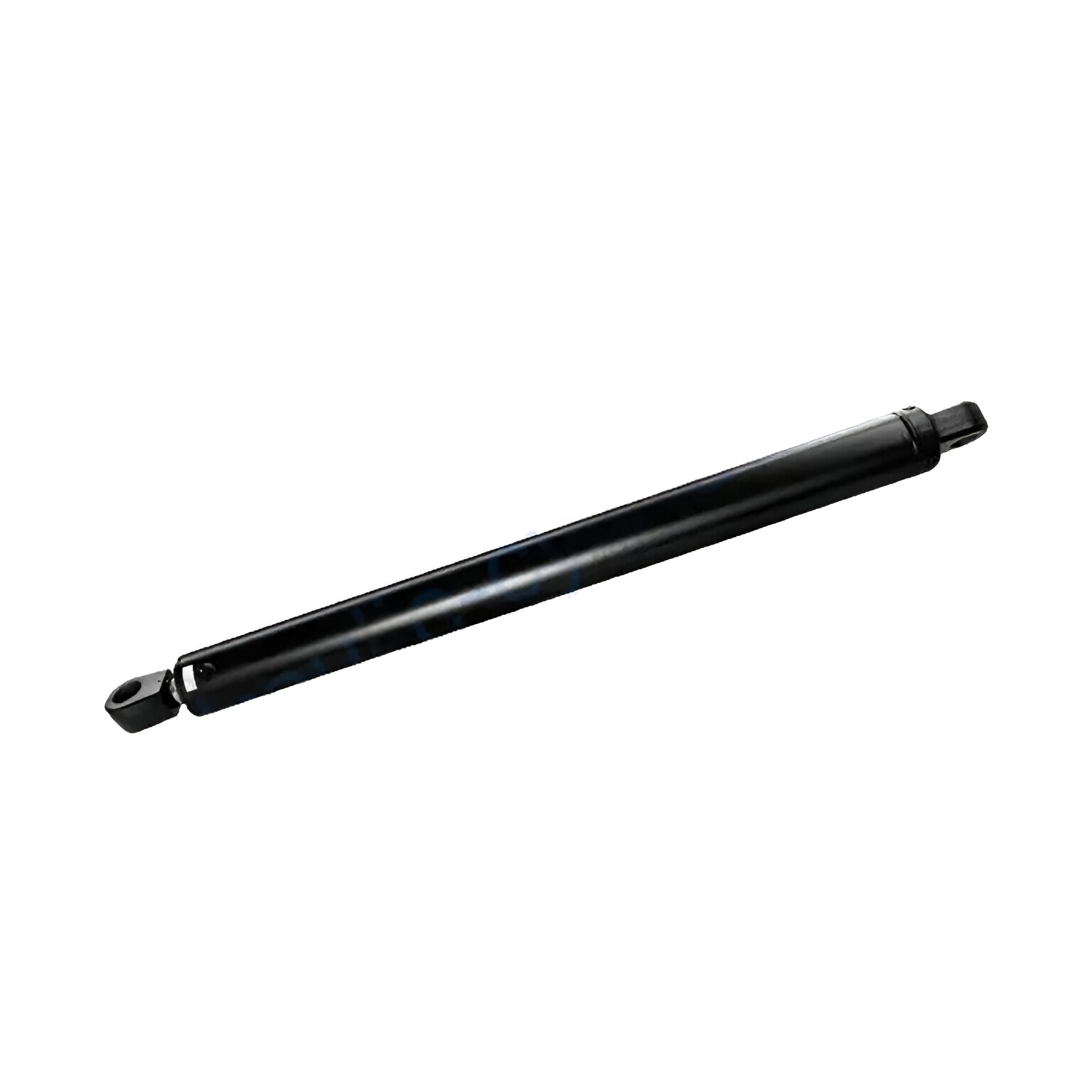
 Features1. High strength and durability: Arm cylinders are typically made of high-strength steel or aluminum, which can withstand high pressure and heavy loads. They are designed to be wear-resistant and corrosion-resistant to prolong their service life.2. Efficient hydraulic operation: Hydraulic pressure is used to achieve smooth extension and contraction actions, quickly respond to control commands, and provide powerful pushing and pulling force, making them suitable for handling heavy loads and complex operating tasks.3. Various types: Arm cylinders are available in single-acting (hydraulic is used in only one direction) or double-acting (hydraulic is used in both directions) types to meet different operational requirements. Some models are telescopic, allowing for greater extension without increasing external dimensions, making them suitable for limited space applications.4. Precise control: Arm cylinders provide precise control of the angle and height of the arms to adapt to different work requirements. They are combined with hydraulic control systems to achieve complex movements and higher operating flexibility.5. Perfect substitute: Our product can perfectly replace these hydraulic cylinders.
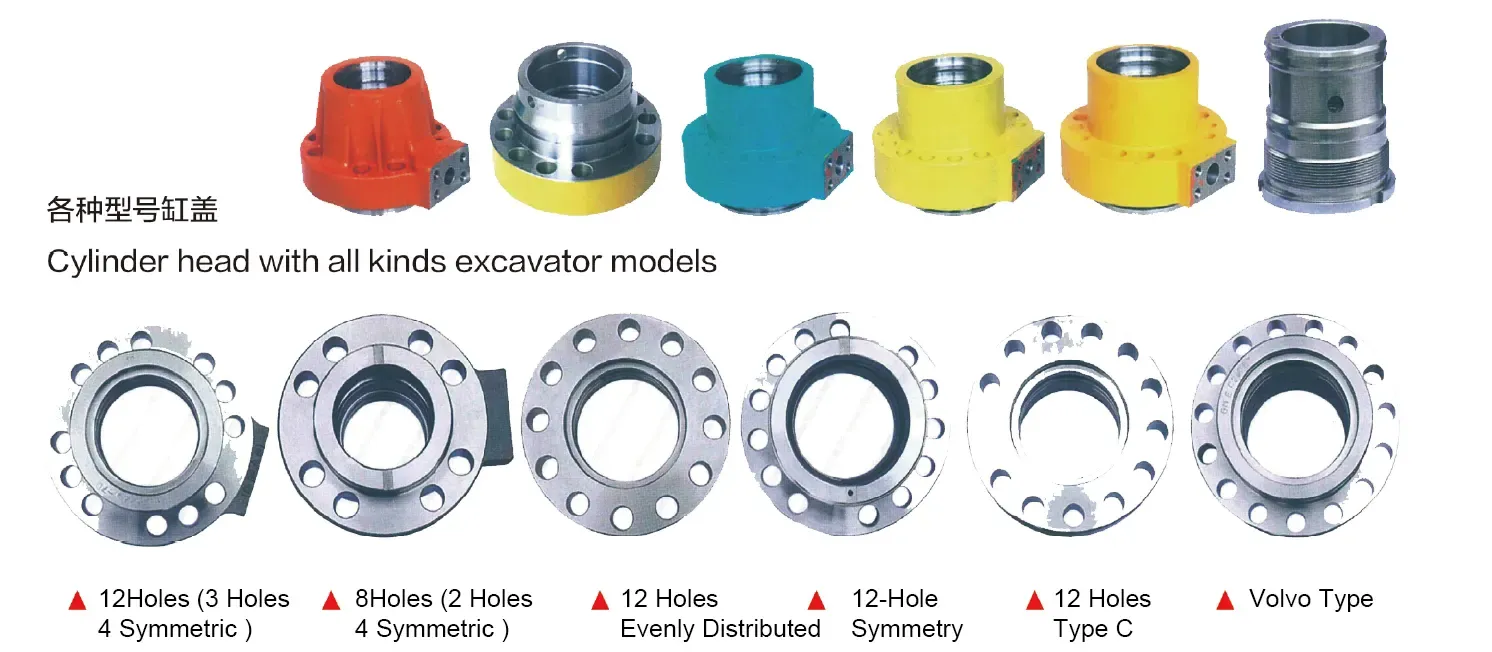 ApplicationsArm cylinders are used in various machines such as:1. Construction equipment: In excavators, arm cylinders are vital for digging and lifting materials. In cranes, they can precisely position loads.2. Agricultural machinery: They are used in loader and harvester machines to manipulate tools and efficiently collect crops.3. Industrial equipment: They are used in mechanical arms of the assembly line. They can accurately perform repetitive tasks.Design Considerations and Selection Criteria1. Load-bearing capacity: The cylinder must be designed to handle the load capacity of the machine.2. Sealing ability: Different types of seals are used such as piston seals, rod seals, etc. These seals should have excellent wear resistance and be made of materials such as polyurethane or nitrile rubber.3. Durability: The cylinder must be made of durable materials that can withstand harsh environmental conditions.4. Safety: The cylinder should be designed to prevent accidents and ensure safe operation.5. Maintainability: The cylinder should be easy to maintain and repair.
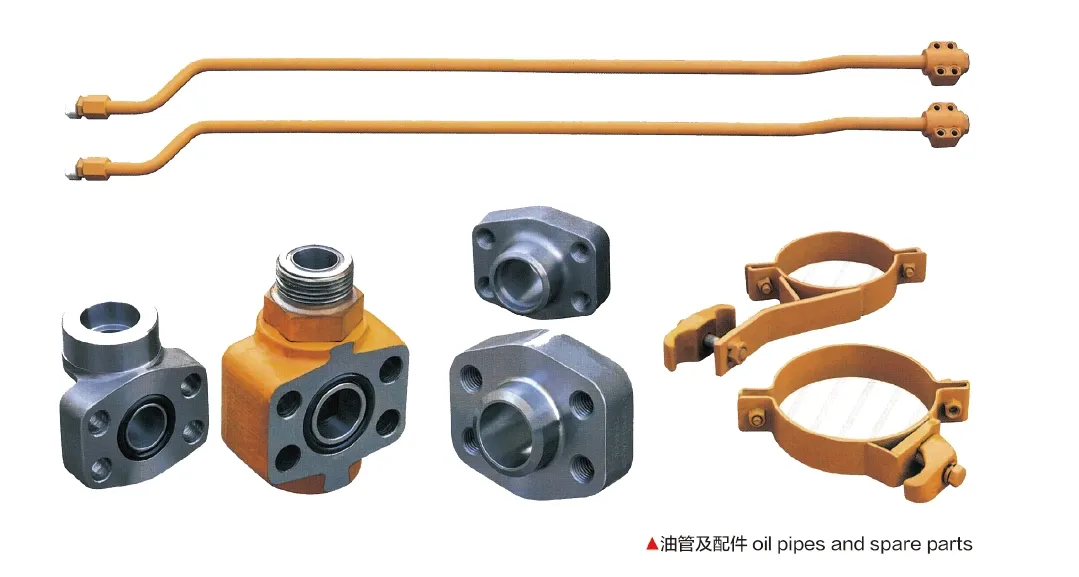 Sealing and LubricationArm cylinders use various sealing components such as piston seals, rod seals, etc. These seals should be made of wear-resistant materials such as polyurethane or nitrile rubber. The cylinder body and thread surface are finely processed to improve wear resistance. Regular lubrication is necessary to maintain the proper function of the cylinder.Preventive Maintenance and TroubleshootingTo ensure the proper functioning of the arm cylinder, regular inspection and preventive maintenance are necessary. Here are some tips for troubleshooting and maintaining the cylinder:1. Check for leaks and damaged seals regularly.2. Keep the cylinder clean and free of debris.3. Check for any signs of wear or damage to the cylinder.4. Always follow the manufacturer's maintenance schedules and guidelines.5. If you experience any issues, it's best to contact a professional technician for repairs.
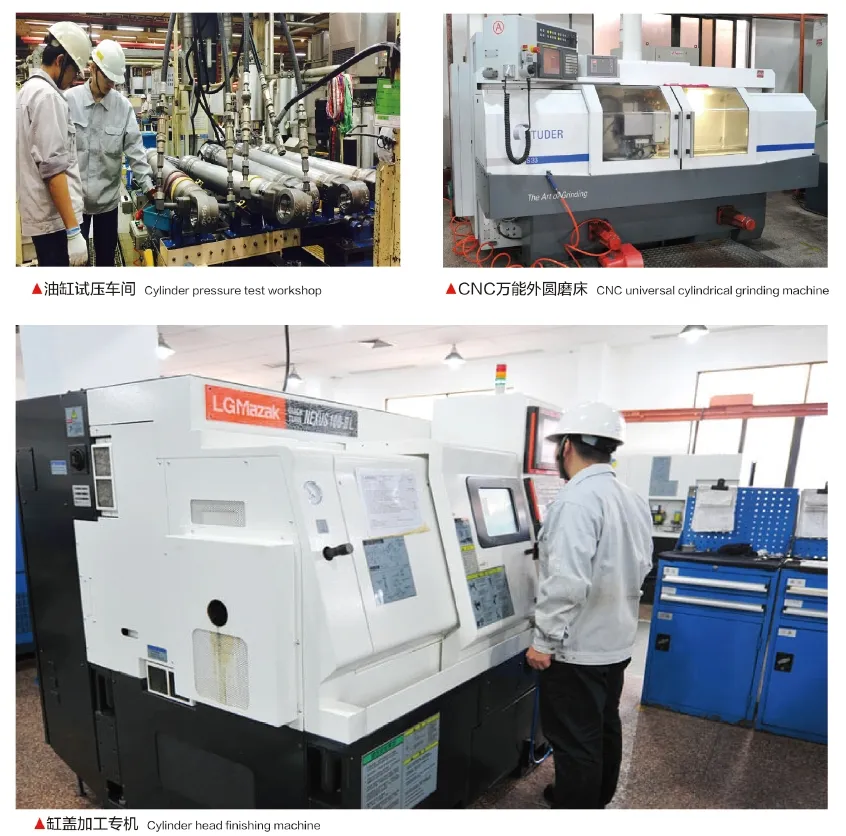
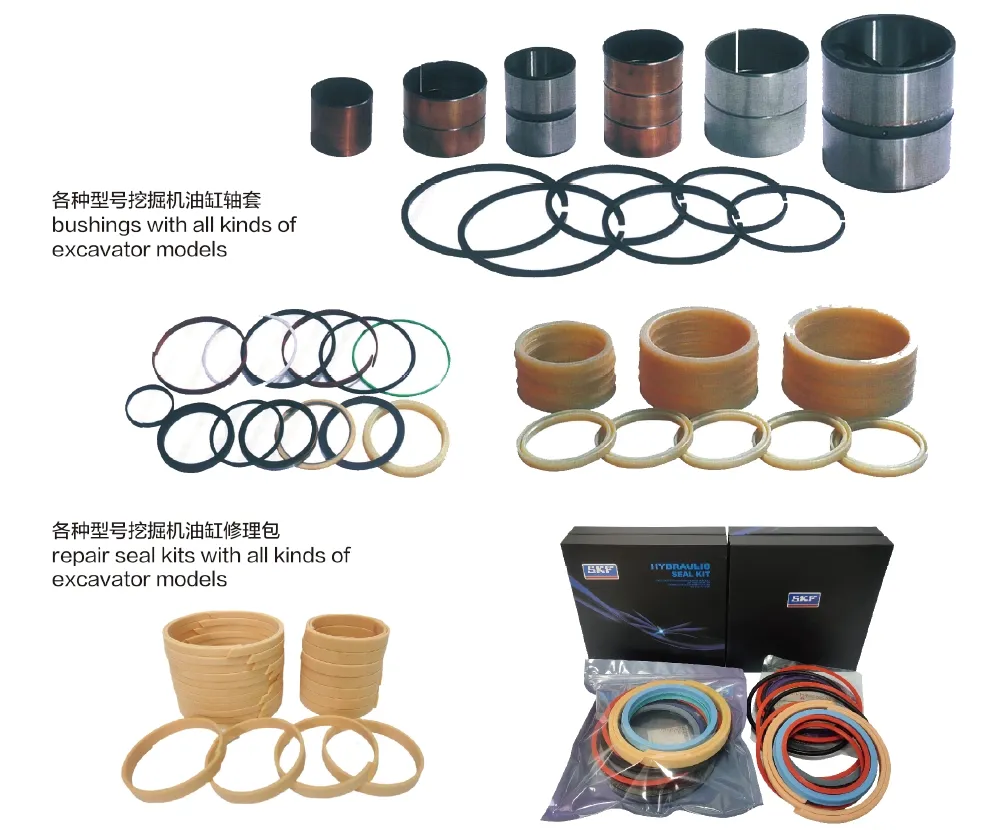 Installation GuideHere are some guidelines for installing the arm cylinder:1. Ensure the cylinder is compatible with the machine.2. Use the appropriate tools for installation.3. Follow the manufacturer's installation instructions.4. Make sure the cylinder is correctly aligned and securely installed.5. Test the cylinder to ensure proper function before use.Safety Considerations and Environmental FactorsSafety is crucial when using hydraulic equipment. Here are some safety measures to consider:1. Always follow the manufacturer's safety guidelines and instructions.2. Use personal protective equipment such as gloves, safety glasses, and hard hats.3. Ensure that the machine is properly locked out before performing maintenance or repairs.4. Properly dispose of any hydraulic waste materials.Fault Diagnosis and Common IssuesHere are some common issues that may arise with arm cylinders:1. Leakage of hydraulic fluid.2. Rough or jerky motion.3. Cylinder drift.4. Bent or damaged piston rods.To resolve these issues, you can follow these steps:1. Identify the problem by checking for signs of leakage or damage.2. Determine the cause of the problem.3. Take corrective measures such as replacing a damaged seal or repairing the cylinder.4. Follow the manufacturer's maintenance guidelines to prevent future issues.Our CompanyWe are a leading manufacturer and wholesaler of hydraulic cylinders, providing a wide range of products to meet the needs of domestic and international markets. We follow a policy of excellent quality and rely on the use of advanced technology, professional talent, and digital high-end manufacturing equipment, as well as professional testing systems to produce high-quality products. Our product range includes hydraulic cylinders for various applications, and we also offer customized services. We are an ISO 9001:2015 certified company, and our products are CE certified.From a professional standpoint, we offer customized services to meet the specific requirements of our clients. In terms of production equipment, we use the latest technology and modern machinery to ensure the highest level of precision and quality. We also offer excellent after-sales services to our customers.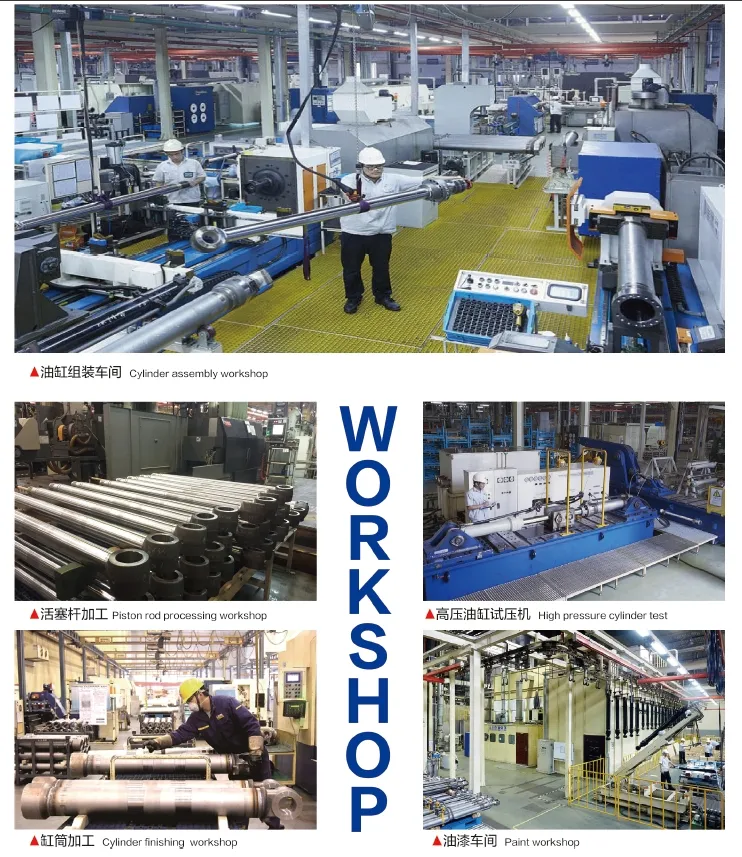
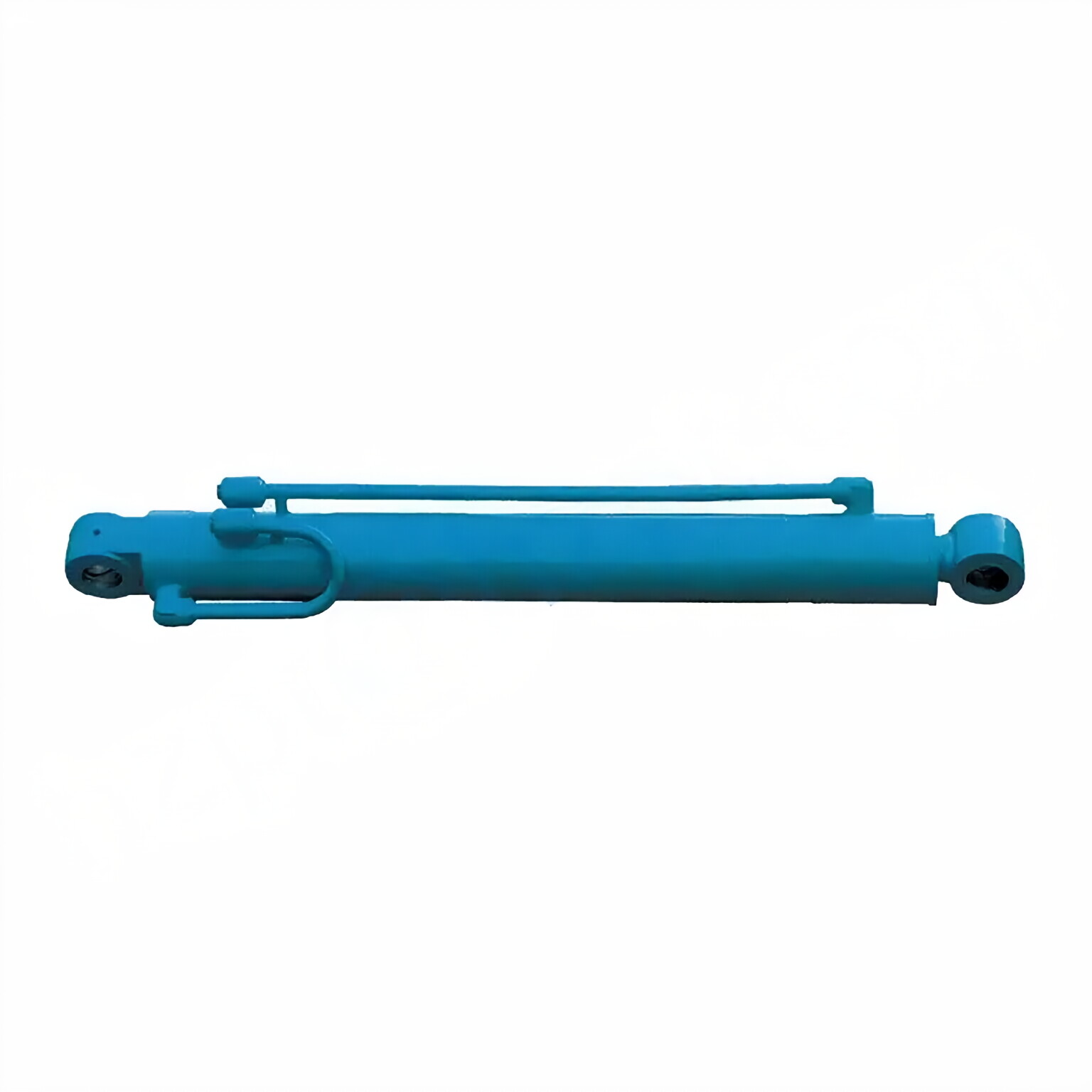
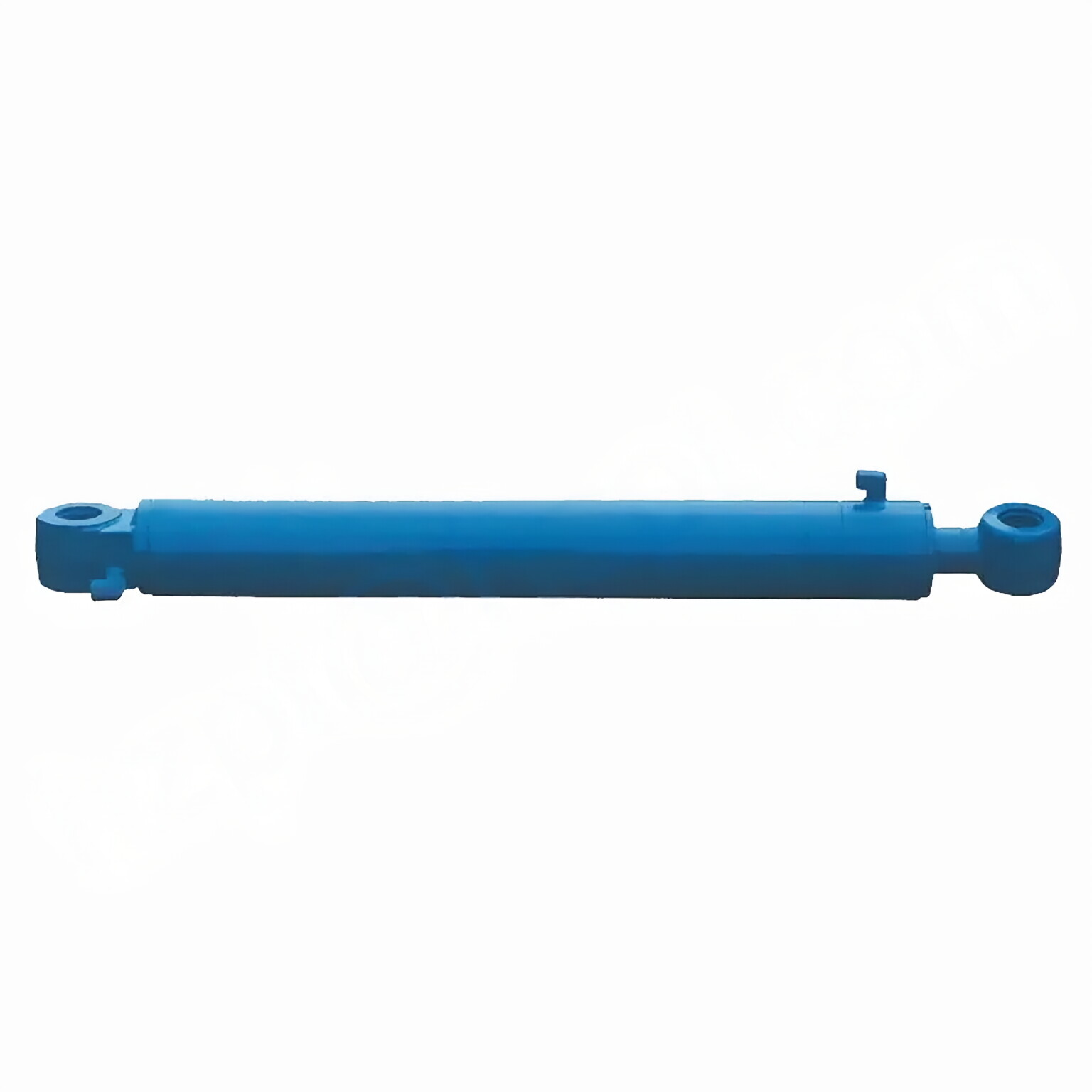
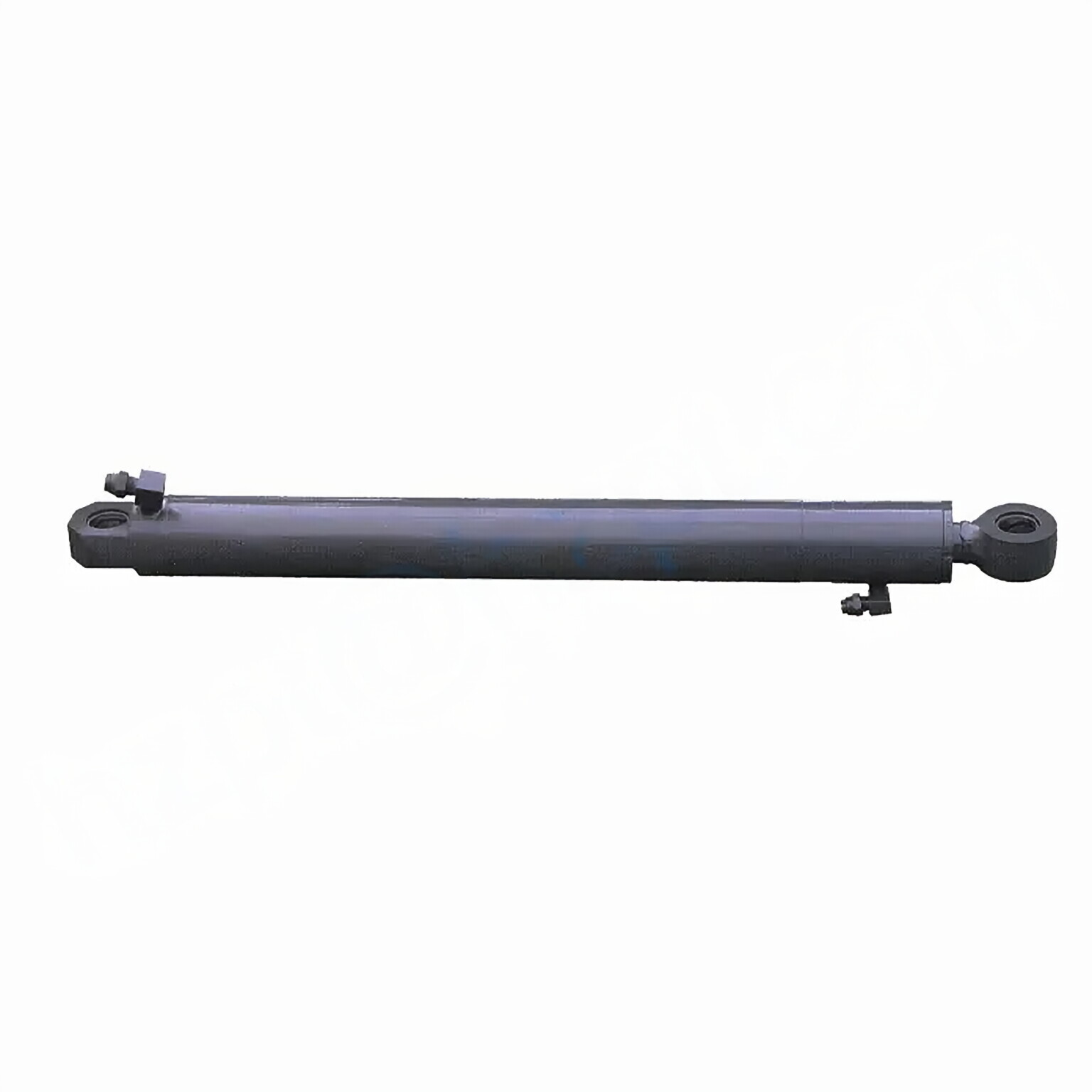
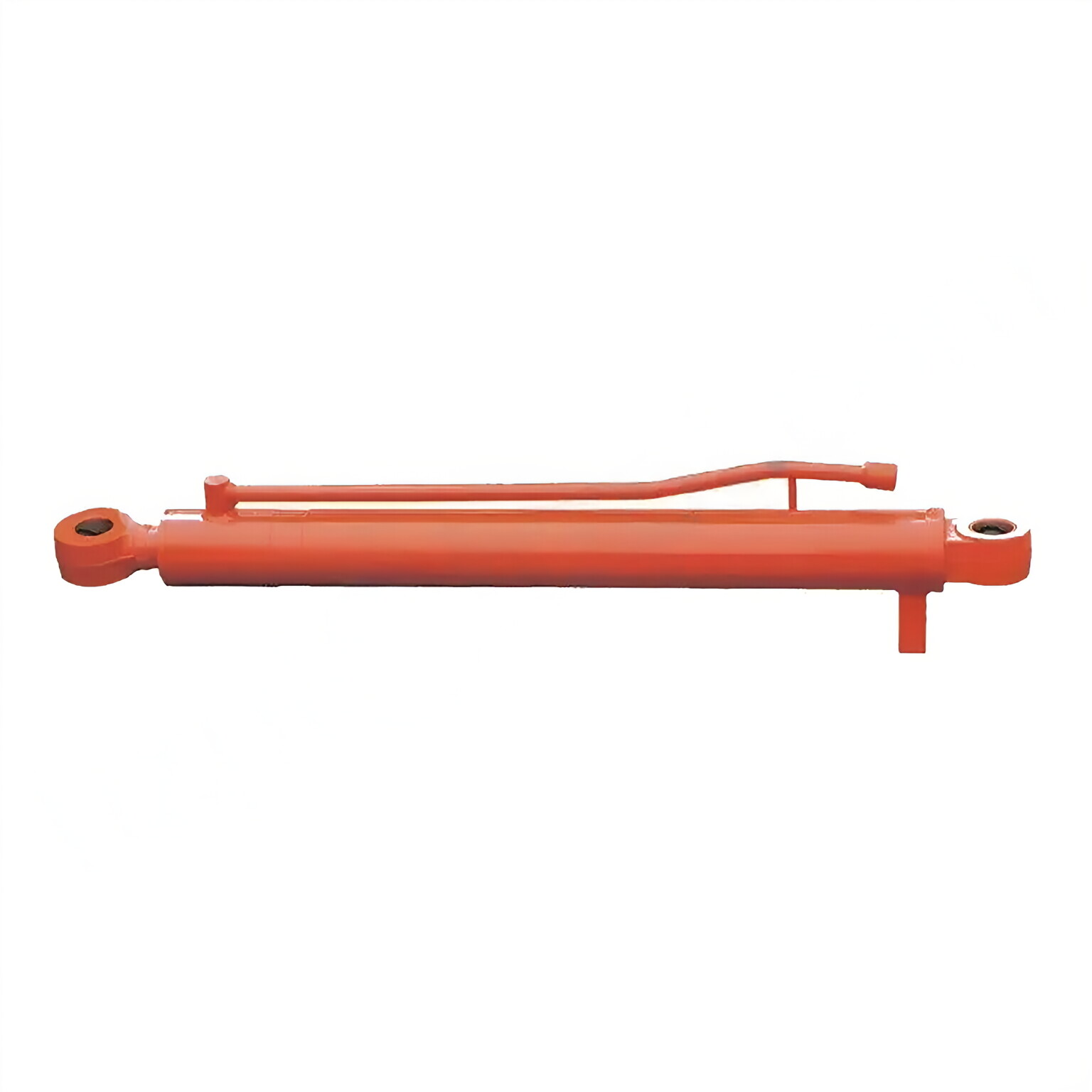
 In conclusion, Arm Cylinder For Kato Small Excavator HD250-7 is a crucial component that ensures smooth operation of the machine. Its features, applications, and design considerations were also discussed. Proper maintenance and troubleshooting were also highlighted. Lastly, our company's background, products, and services were introduced.
Address
Luotuo Industrial Area, Zhenhai District, Ningbo City, China
Tel

 Raydafon