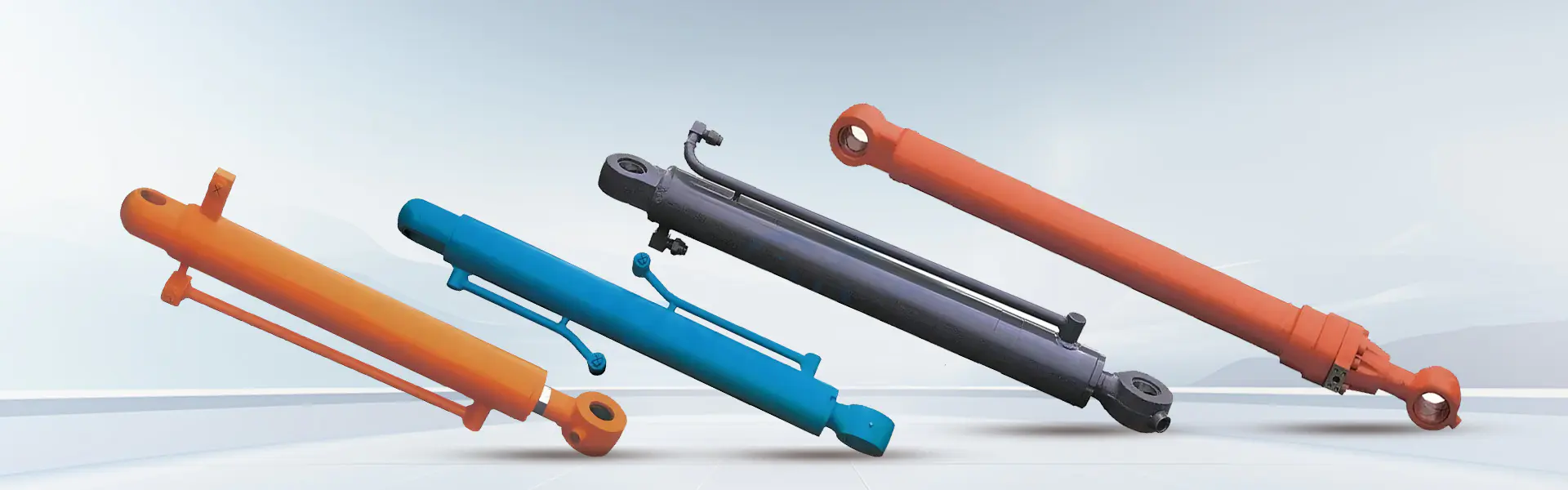
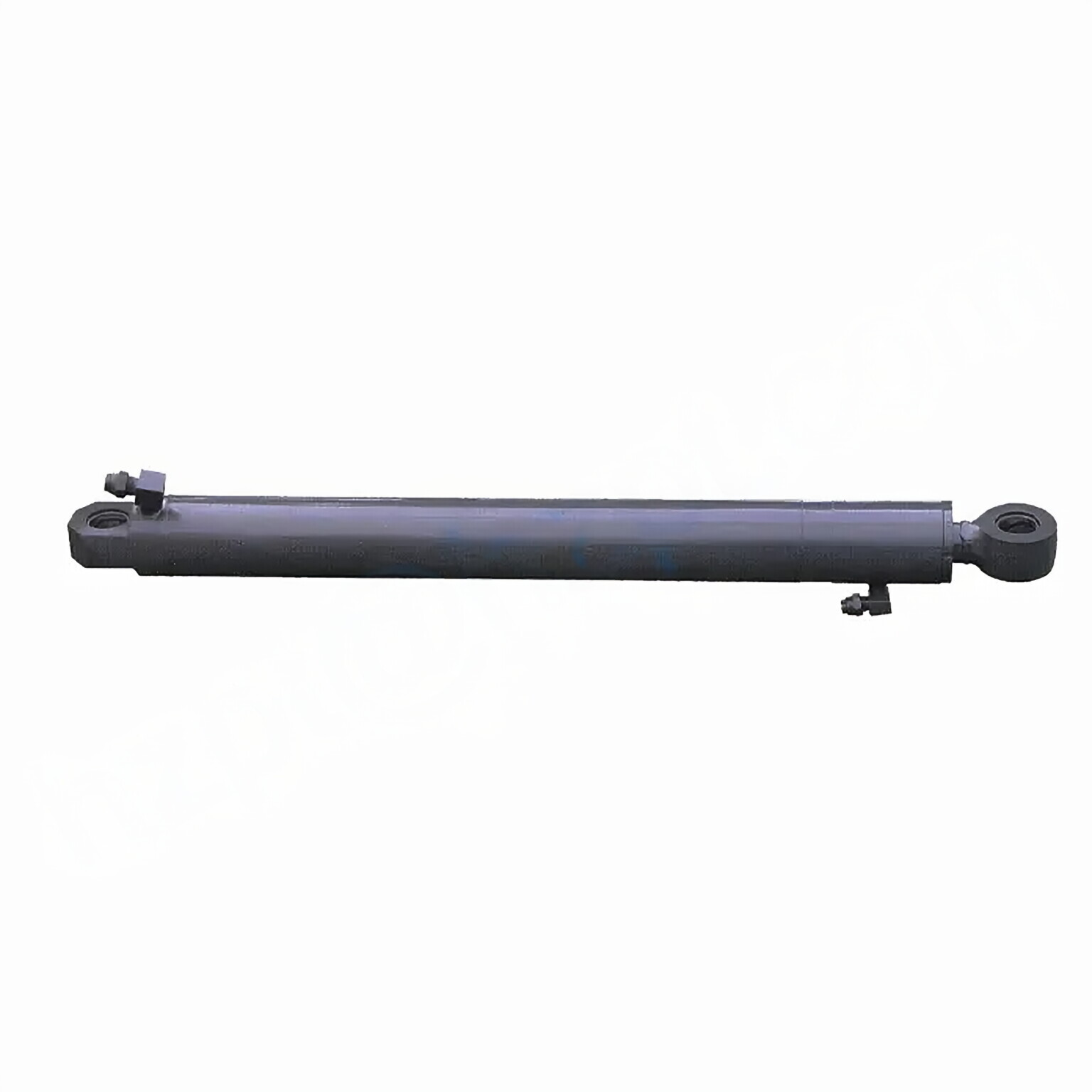
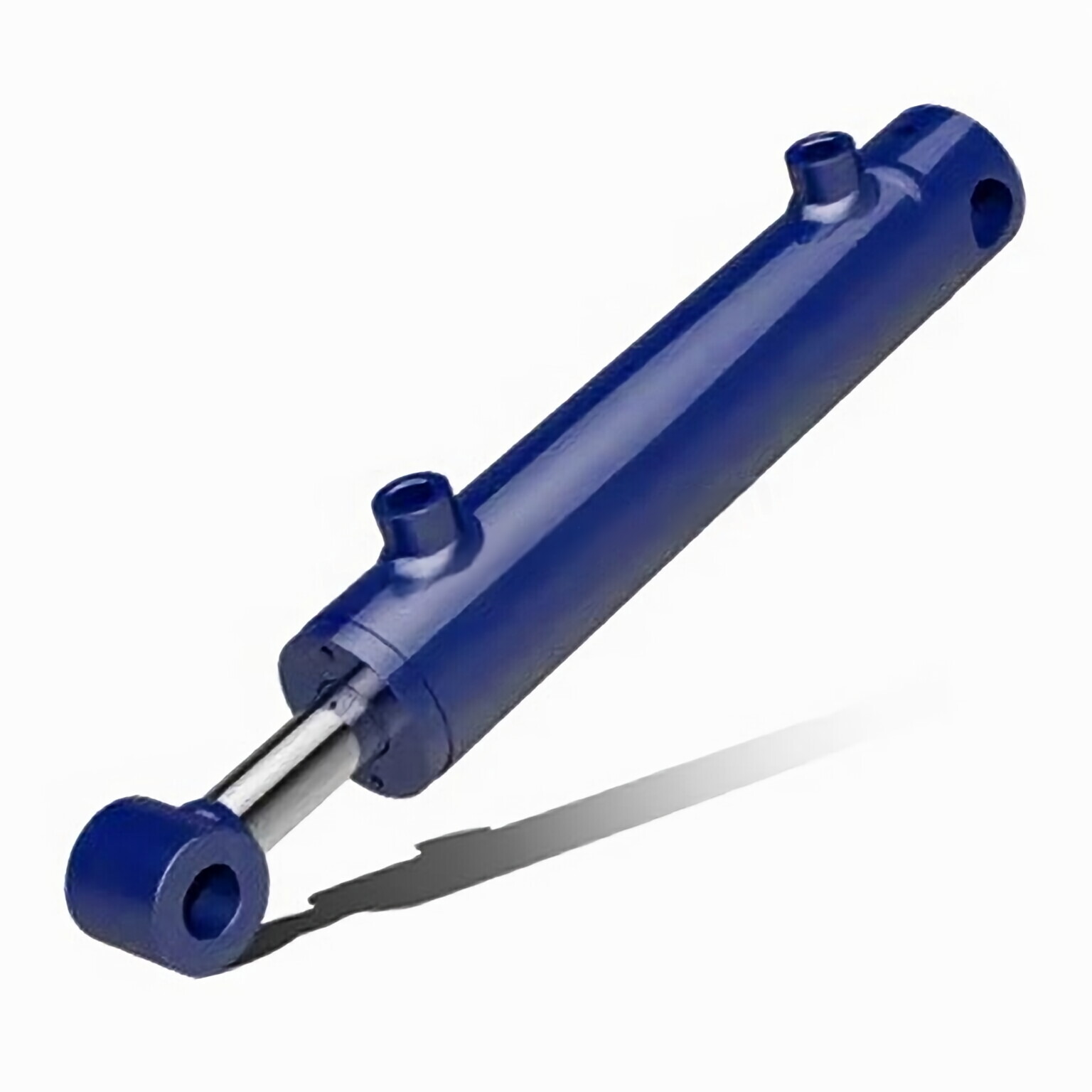
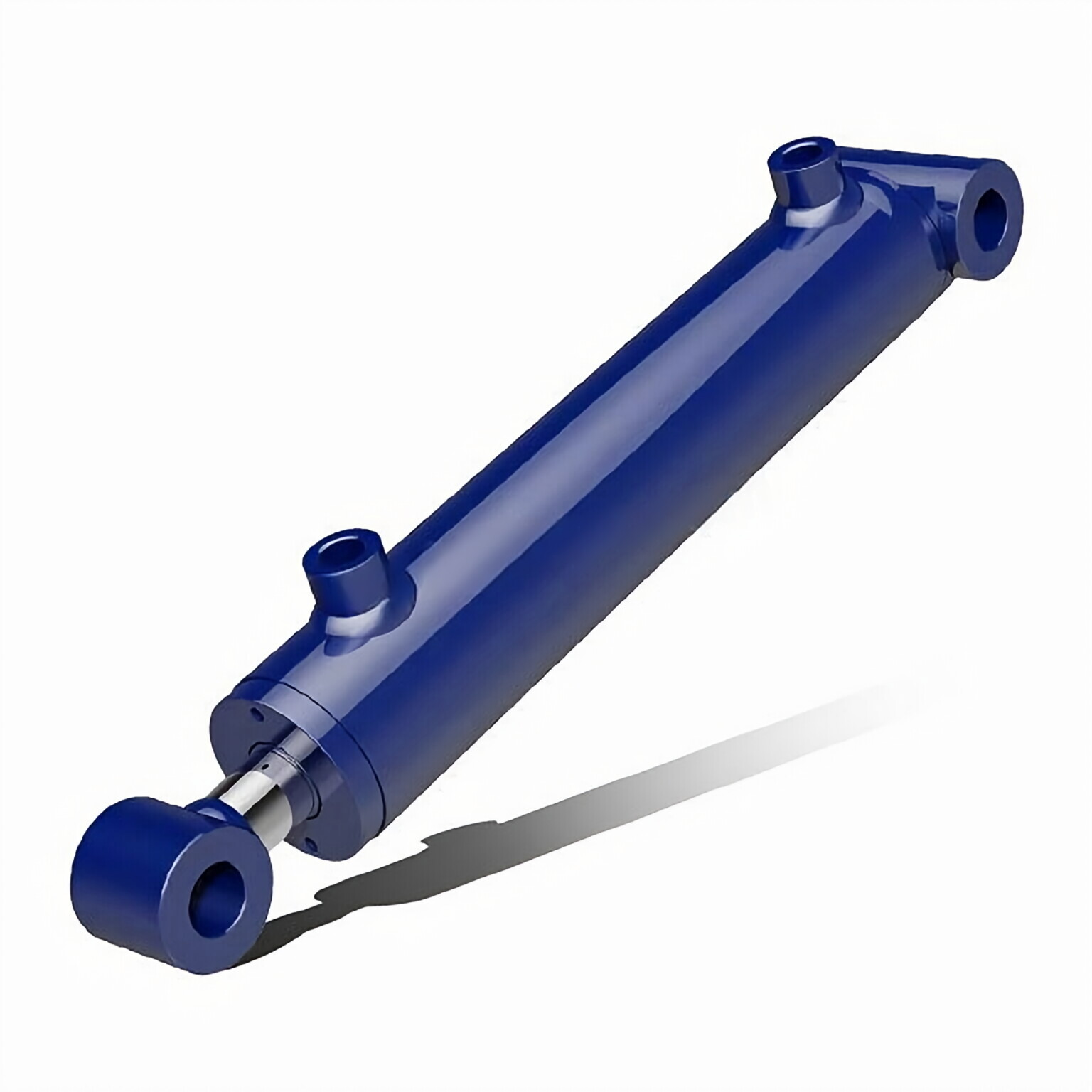
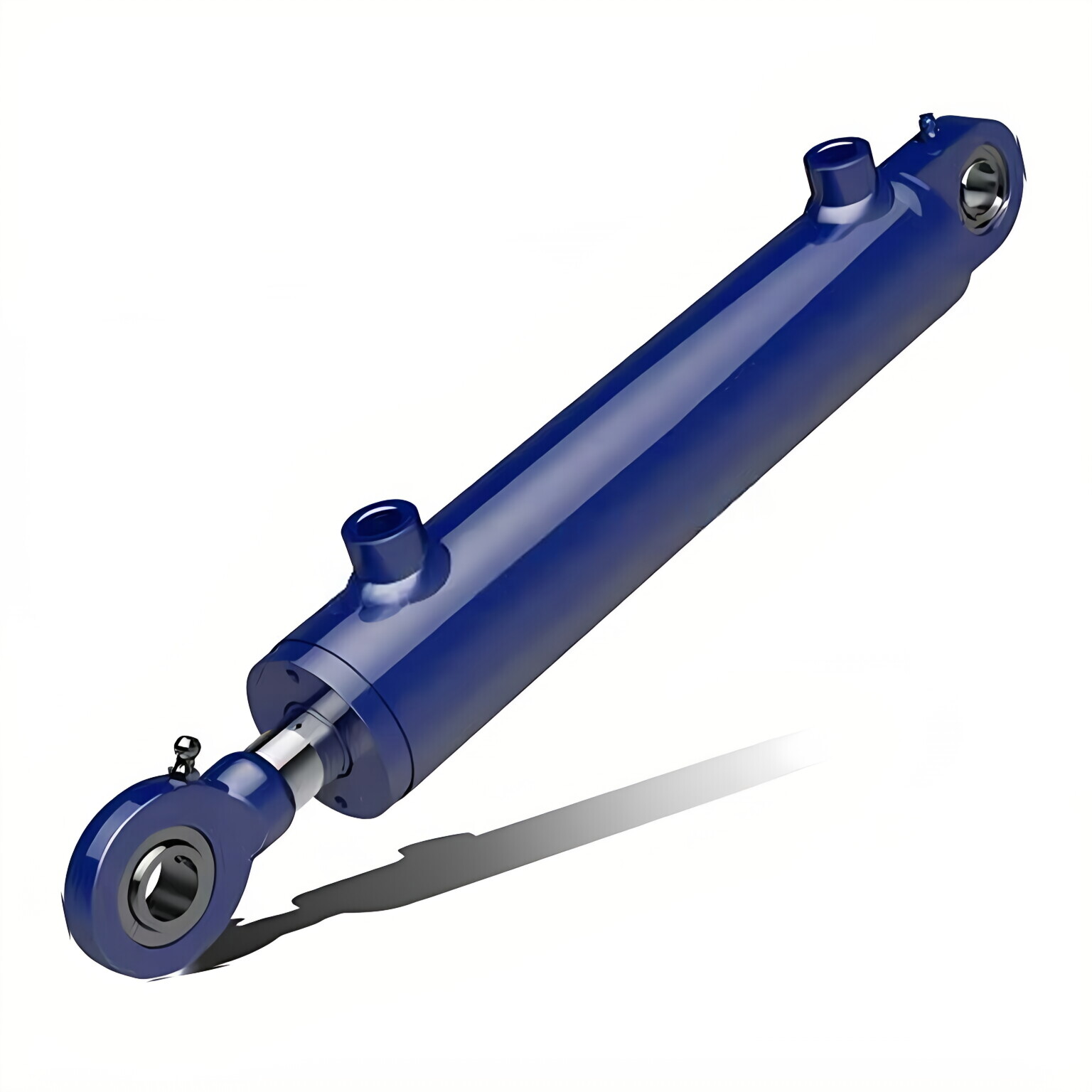
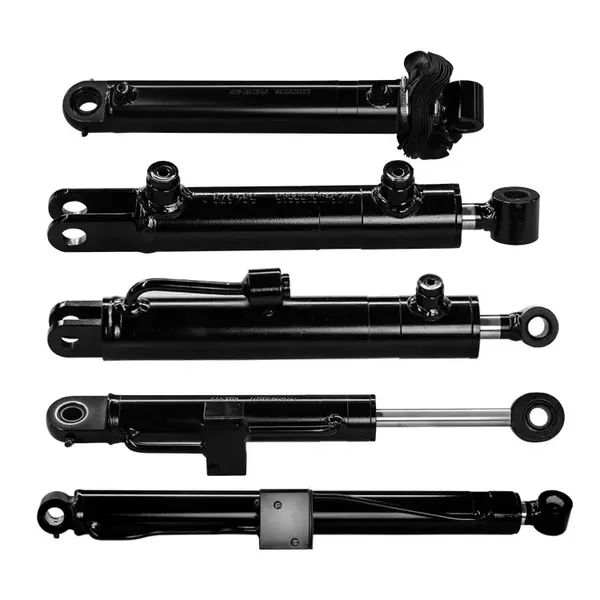
Raydafon Group's Arm Cylinder for Komatsu Large Excavator PC850-8 delivers superior hydraulic performance, enhancing digging efficiency with durable, precision-engineered materials. Ideal for construction professionals, it ensures reliability in demanding conditions, reducing downtime and boosting productivity. Experience unmatched strength and seamless integration that solve common hydraulic failures. Choose Raydafon for advanced design and long-term value.
Arm Cylinder For Komatsu Large Excavator PC850-8IntroductionAn arm cylinder is a type of hydraulic cylinder designed to provide linear motion and force to the arms of various machinery, including excavators, cranes, and robotic arms. These cylinders are crucial for the movement and control of attached tools or implements. In this article, we will explore the arm cylinder for Komatsu large excavator PC850-8, its features, applications, design considerations, installation guidelines, safety considerations, and troubleshooting.OverviewArm cylinders are hydraulic cylinders that provide direct linear motion to the arms of machinery. They are essential for the movement and control of attached tools or implements, such as buckets, blades, or grapples. The arm cylinder for Komatsu large excavator PC850-8 is designed to withstand high pressure and heavy loads and is made of high-strength steel or aluminum to withstand harsh working environments. It is also designed for durability and has considered wear resistance and corrosion resistance to extend its lifespan.Features1. High Strength and Durability: Arm cylinders are usually made from high-strength steel or aluminum and can withstand high pressure and heavy loads, making them suitable for harsh working environments. They are also designed for durability and have considered wear resistance and corrosion resistance to extend their lifespan.2. Efficient Hydraulic Operation: Arm cylinders use hydraulic oil pressure to achieve smooth extension and retraction, providing powerful pushing and pulling force suitable for handling heavy loads and complex tasks.3. Diverse Types: Arm cylinders come in a variety of types, including single-acting cylinders that use hydraulic pressure in only one direction and double-acting cylinders that use hydraulic pressure in both directions. Certain models are telescopic, allowing for greater extension without increasing external dimensions, making them suitable for applications with limited space.4. Accurate Control: Arm cylinders provide precise control over the angle and height of the arms, making it adaptable to different working requirements. Combined with hydraulic control systems, they can achieve complex movements and higher operational flexibility.5. Perfect Replacement: Our company can produce this product, and our product can perfectly replace these hydraulic cylinders.ApplicationsArm cylinders are widely used in various machinery, including:1. Construction Equipment: In excavators, arm cylinders are crucial for digging and lifting materials. In cranes, they can precisely position loads.2. Agricultural Machinery: Used in loaders and harvesters to manipulate tools and efficiently collect crops.3. Industrial Equipment: Used in robotic arms on assembly lines, they can perform precise repetitive tasks.Design ConsiderationsWhen designing arm cylinders, several critical factors should be considered, including load-bearing capacity, sealing effectiveness, durability, safety, and maintainability.1. Load-bearing capacity: Arm cylinders must be designed to withstand the loads they will be subjected to and must be constructed from high-strength materials.2. Sealing effectiveness: Various seals, such as piston seals and rod seals, must be used to prevent hydraulic leaks from the cylinder.3. Durability: Arm cylinders must be designed to withstand harsh environments and resistant to wear and corrosion.4. Safety: The arm cylinder must be designed to prevent accidents, including overload and sudden failure.5. Maintainability: The arm cylinder must be designed for ease of maintenance and repair.Installation GuidelinesWhen installing an arm cylinder, the following guidelines should be followed:1. Follow the manufacturer's installation instructions.2. Ensure that the cylinder is compatible with the equipment.3. Verify that the cylinder's seals and fittings are tight.4. Lubricate the cylinder with the recommended hydraulic fluid.5. Test the cylinder's operation before use.Safety ConsiderationsWhen working with arm cylinders, several safety measures should be observed, including:1. Wear protective gear, such as gloves and safety glasses.2. Do not exceed the cylinder's load capacity.3. Do not modify or repair the cylinder unless qualified to do so.4. Do not operate the equipment unless trained to do so.TroubleshootingArm cylinders may experience problems that require troubleshooting. Common issues include hydraulic leaks, insufficient pressure, and improper operation. To diagnose and resolve these issues, the following tips should be followed:1. Check for hydraulic leaks and repair them immediately.2. Verify that the cylinder is receiving sufficient hydraulic pressure.3. Inspect the cylinder for signs of damage or wear.4. Check the equipment's hydraulic system for problems.5. Follow the manufacturer's recommendations for maintenance and repair.ConclusionThe arm cylinder for Komatsu large excavator PC850-8 is an essential component for the movement and control of attached tools or implements. It is designed for durability, efficiency, and versatility and can be used in various machinery applications. When designing and installing arm cylinders, safety measures should be observed, and maintenance and troubleshooting guidelines should be followed. Our company provides high-quality arm cylinders that can replace various hydraulic cylinders, and we pride ourselves on our excellent quality, advanced manufacturing equipment, and professional services.Author: lyl.
Hot Tags: Komatsu PC850-8 arm cylinder, custom excavator arm cylinder, OEM hydraulic cylinder manufacturer
We use cookies to offer you a better browsing experience, analyze site traffic and personalize content. By using this site, you agree to our use of cookies.Privacy Policy


 Raydafon