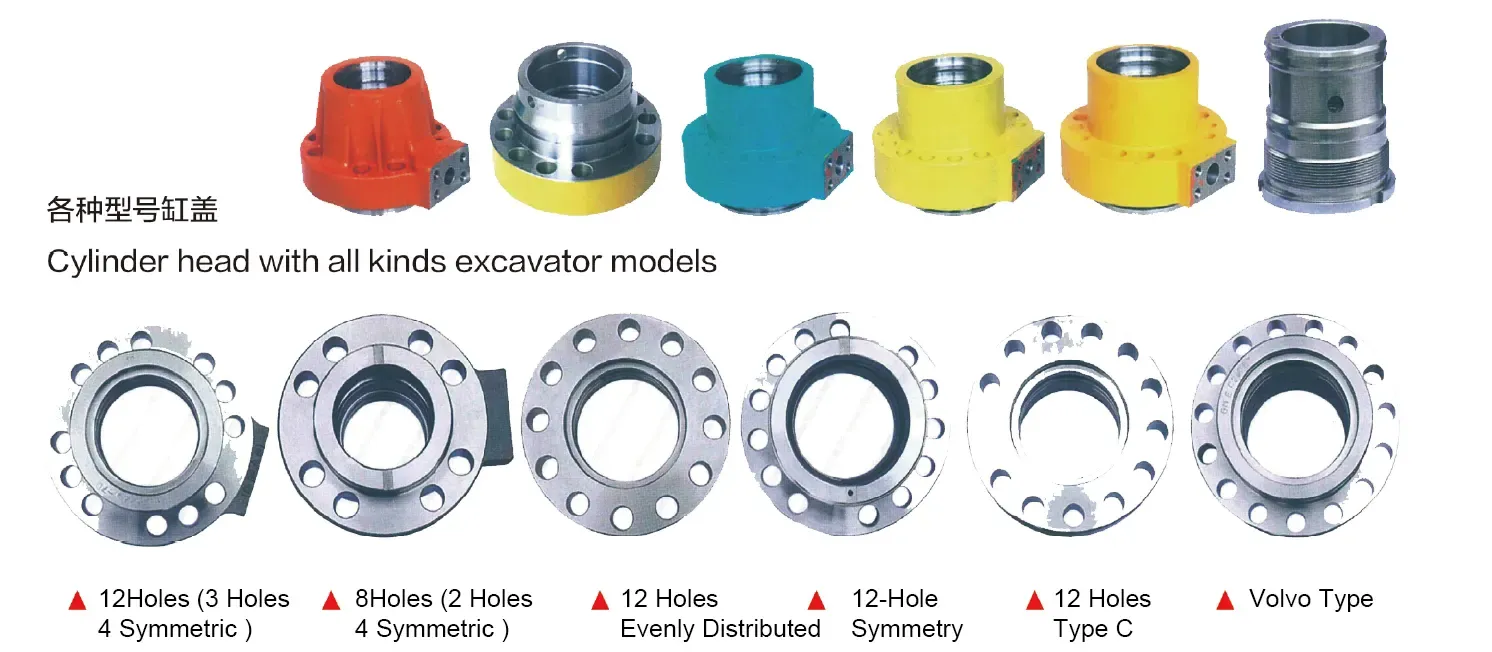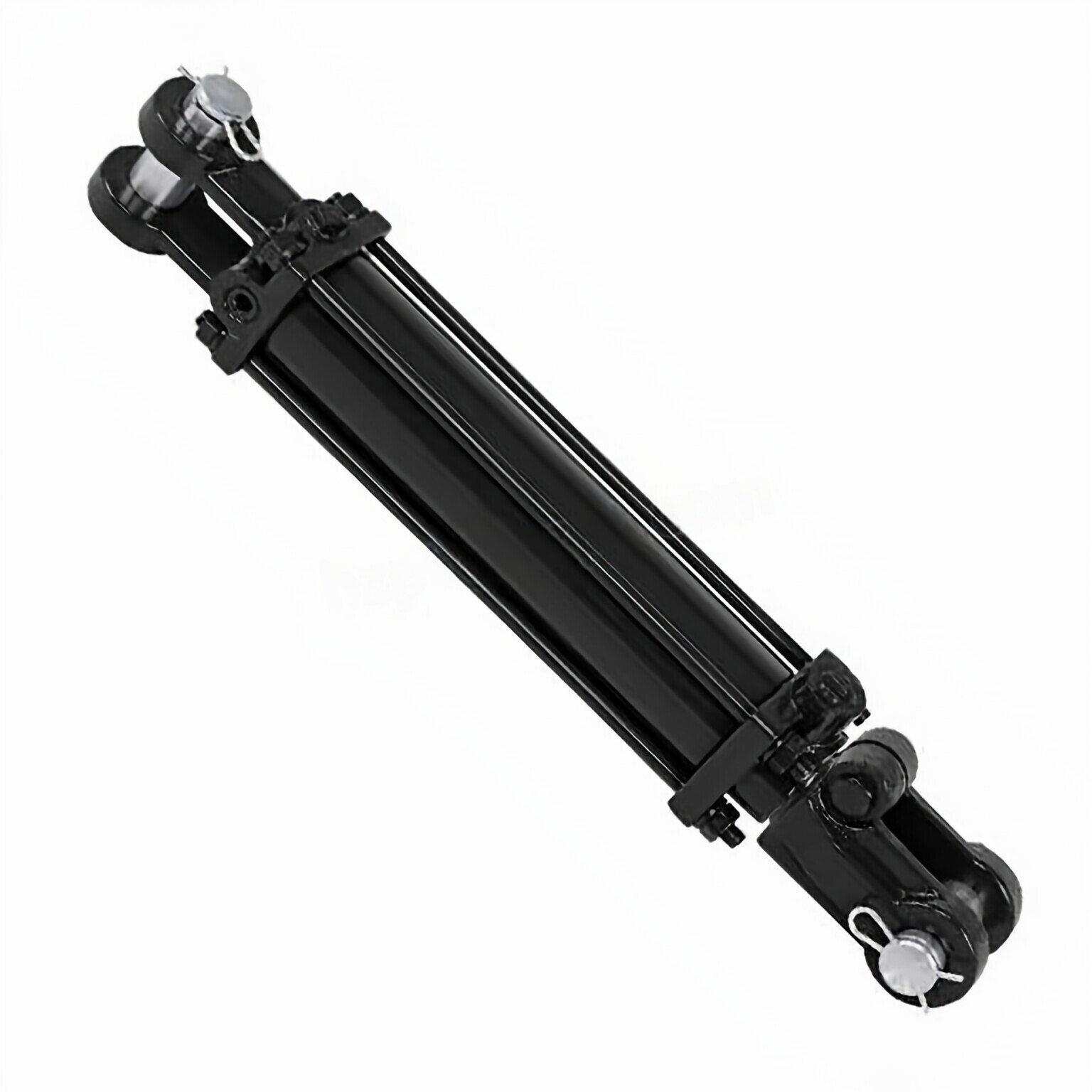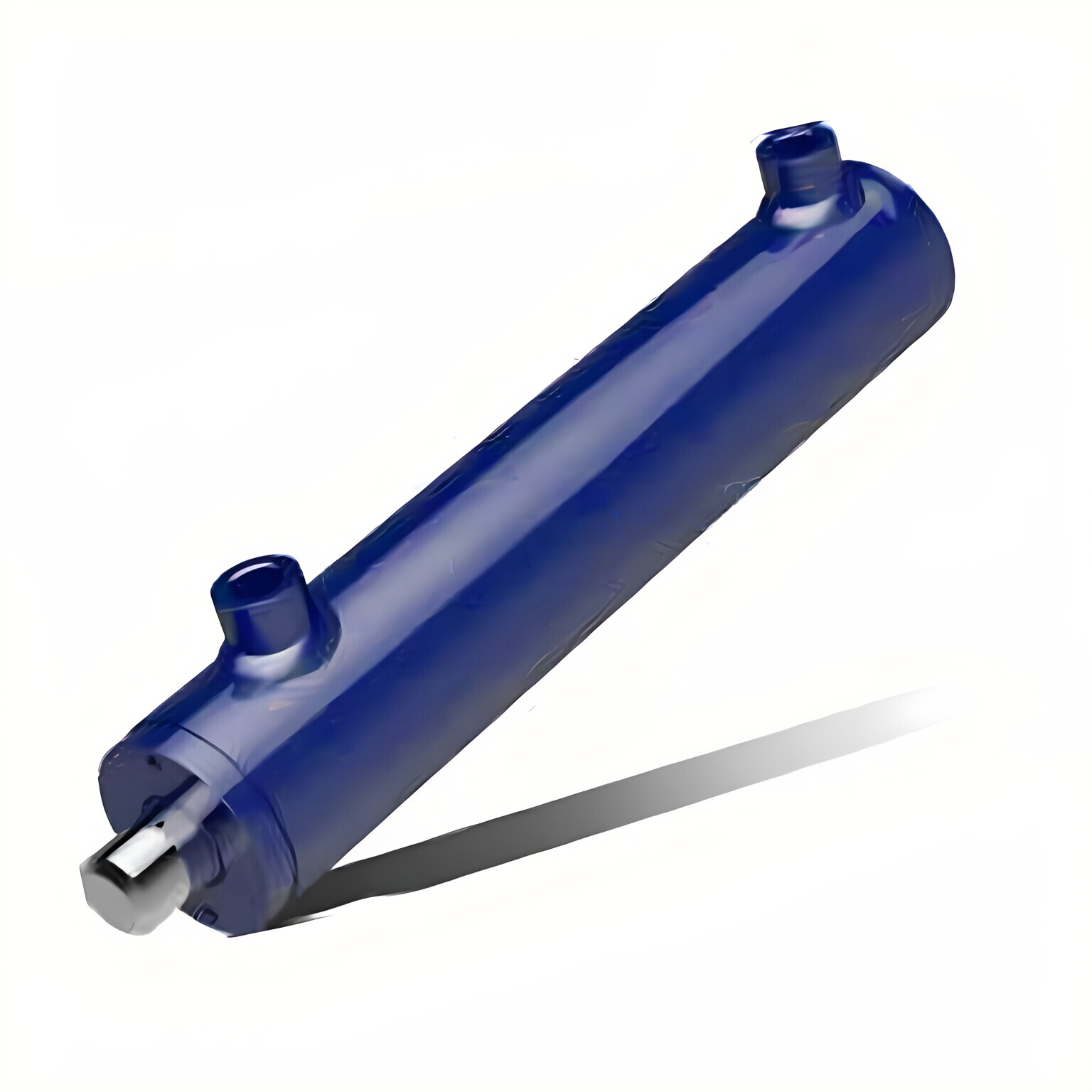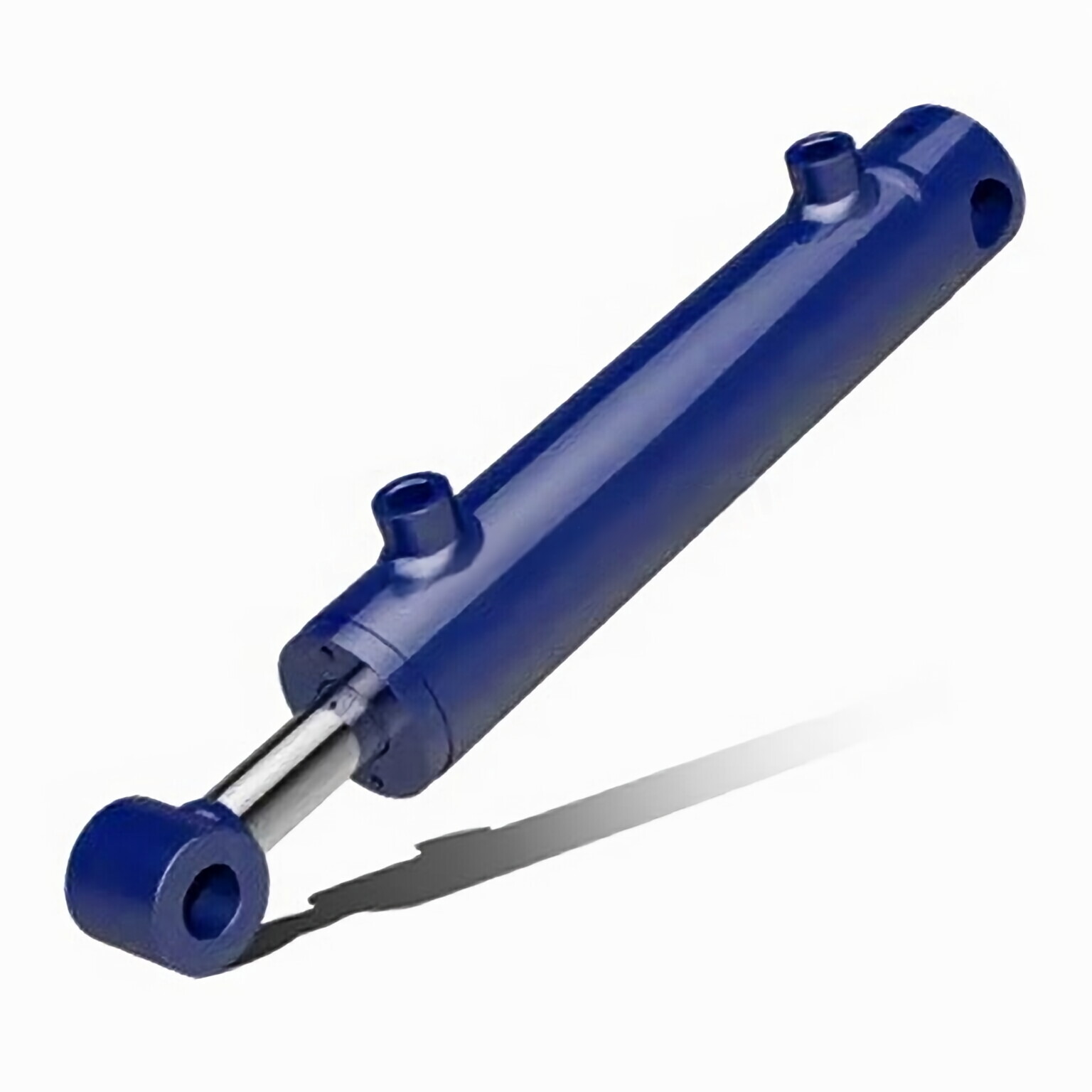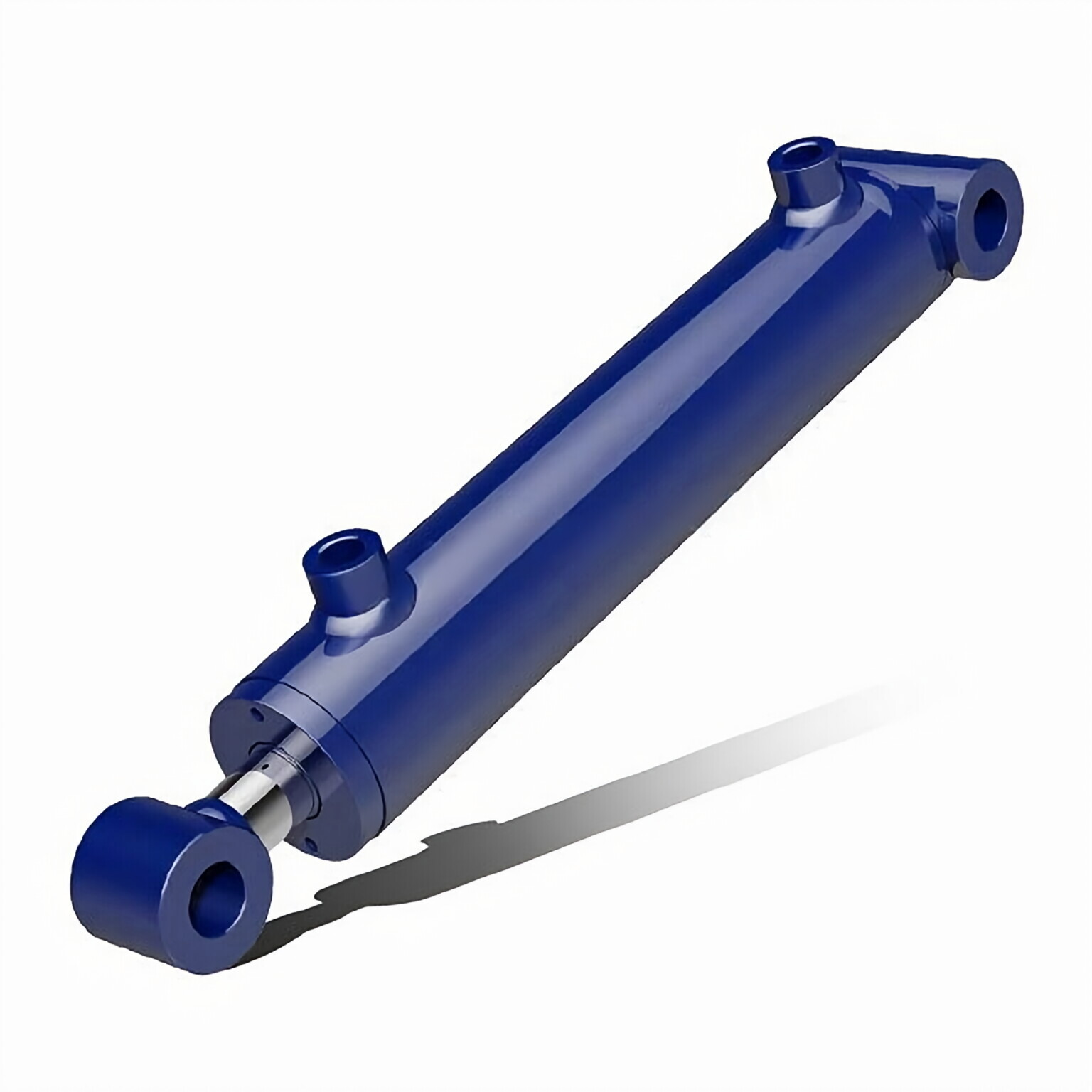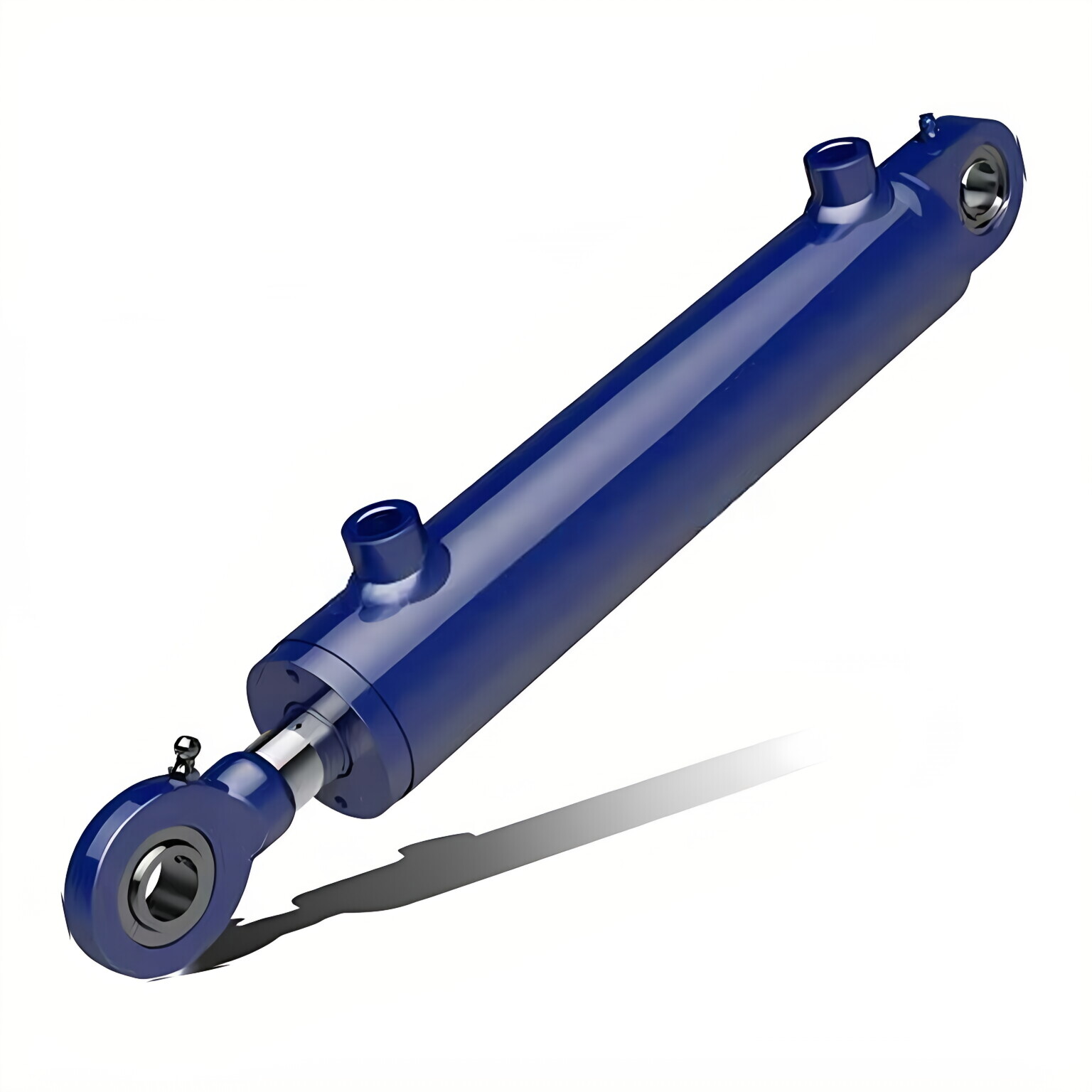
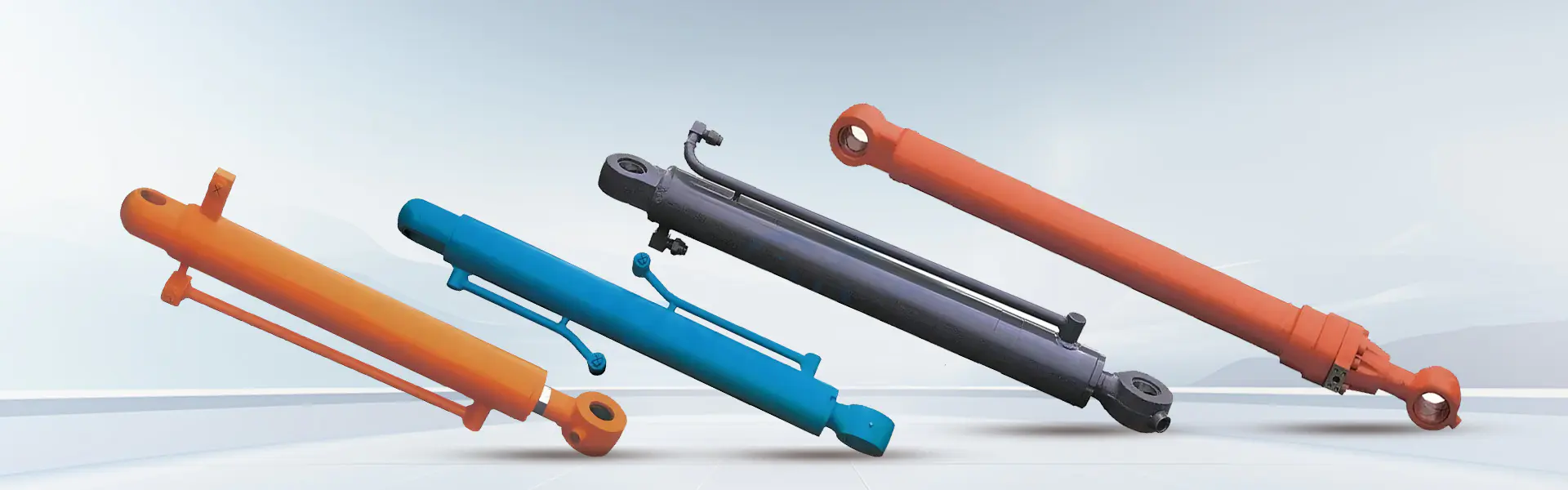
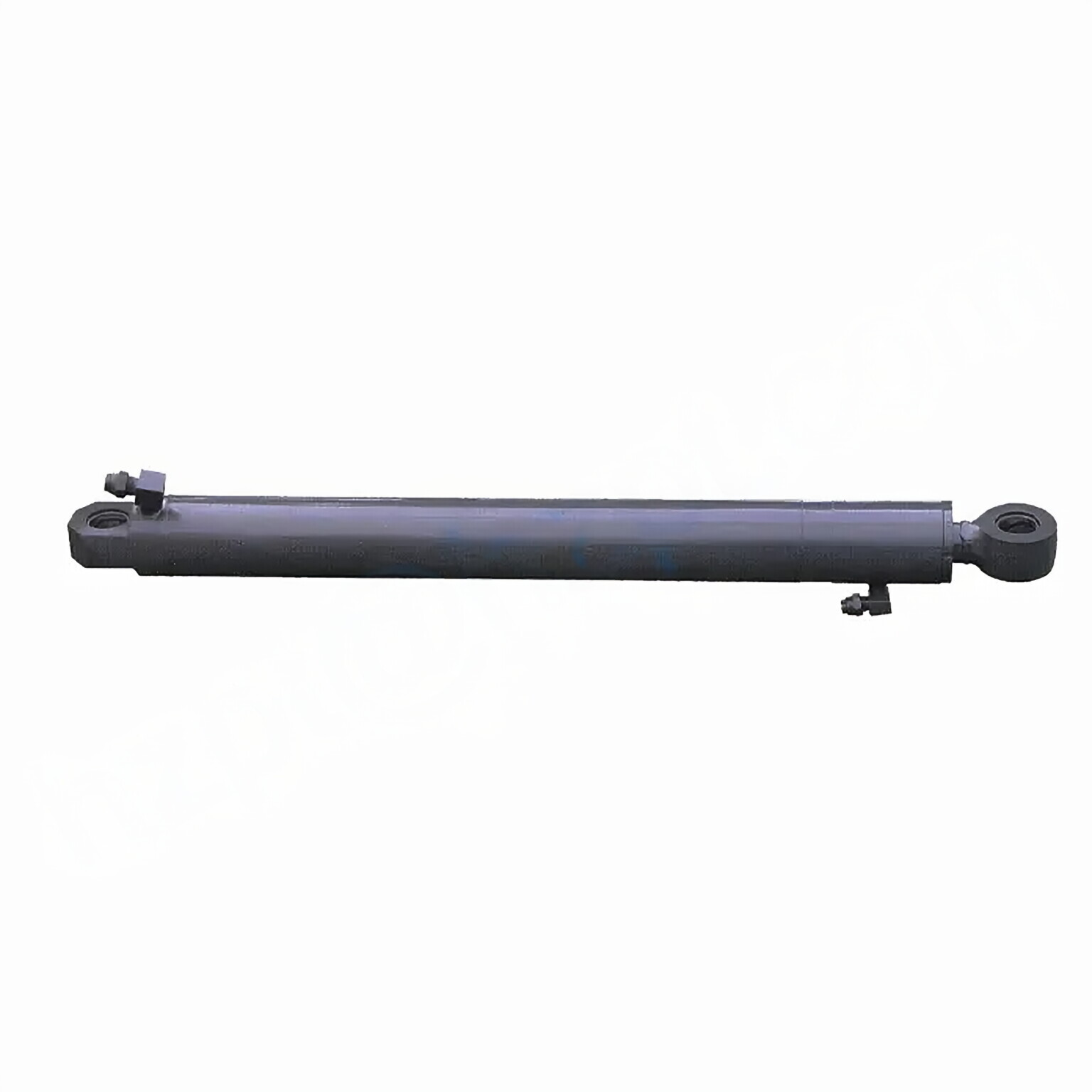
Arm Cylinder For Komatsu Small Excavator PC100-3-5-6
Raydafon Group's Arm Cylinder for Komatsu Small Excavator PC100-3-5-6 is a high-performance replacement part, crafted from durable materials for superior strength and longevity. Designed for owners and operators of these excavators, it ensures smooth, reliable operation on job sites, solving downtime issues with enhanced efficiency. Its precision engineering offers a perfect fit and improved control, setting it apart from generic alternatives—experience the difference with Raydafon Group today!
Arm Cylinder For Komatsu Small Excavator PC100-3-5-6
Introduction
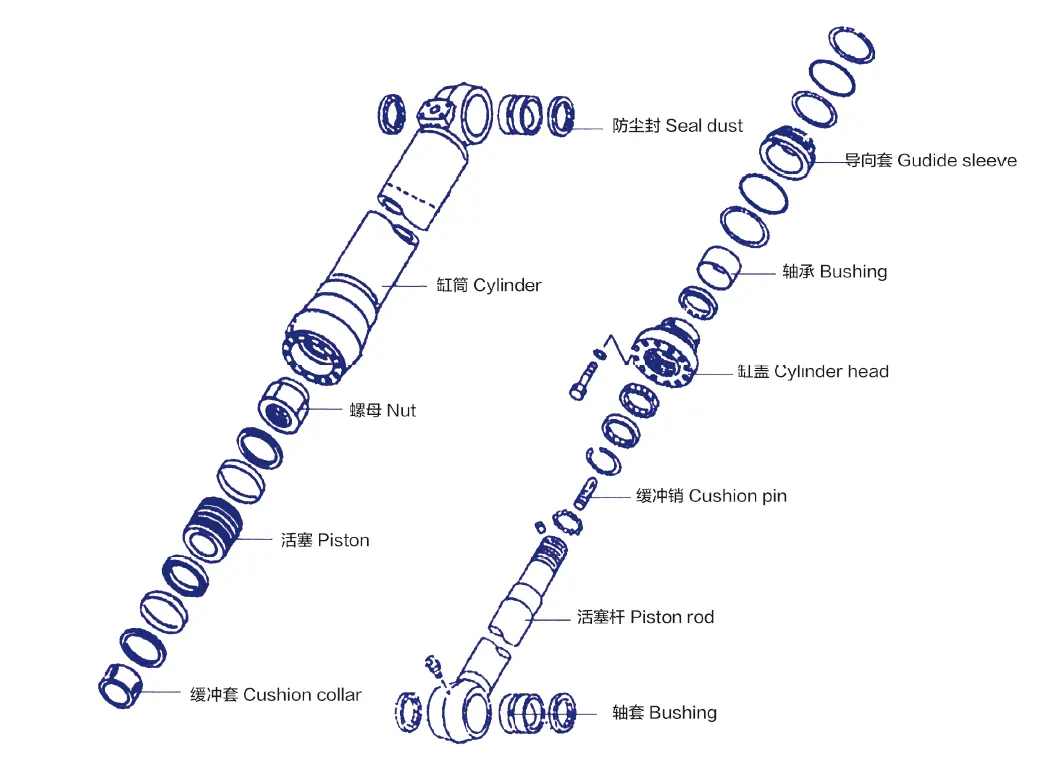
The Arm Cylinder is a type of hydraulic cylinder specifically designed to provide linear movement and force for various machines' arms, such as excavators, cranes, and mechanical arms. These cylinders are critical for moving and controlling additional tools or equipment.
Features
High strength and durability: Typically made of high-strength steel or aluminum, capable of withstanding high pressure and heavy loads, suitable for harsh working environments, designed with wear resistance and corrosion resistance in mind, extending their service life.
Efficient hydraulic operation: Utilizing the pressure of hydraulic oil to achieve smooth expansion and contraction movements, responding quickly to control commands, able to provide powerful pushing and pulling forces, suitable for handling heavy objects and complex tasks.
Variety of types: Single-acting (hydraulic used in one direction only) or double-acting (hydraulic used in two directions), can be chosen according to the requirements to meet different operational needs. Some models are telescopic, allowing for greater extension without increasing external dimensions, suitable for applications where space is limited.
Precise control: Providing precise control over the angle and height of the arm, adapting to different working requirements, combined with hydraulic control systems, capable of achieving complex movements and higher operating flexibility.
Can be used as a replacement for other hydraulic cylinders
Applications
Arm Cylinders are widely used in various industries, including:
Construction equipment: In excavators, the Arm Cylinder is crucial for digging and lifting materials. In cranes, they can be used to position loads accurately.
Agricultural machinery: Used in loaders and harvesters to manipulate tools and effectively collect crops.
Industrial equipment: Used in mechanical arms on assembly lines, they can perform precise, repetitive tasks.
Design Considerations and Selection Criteria
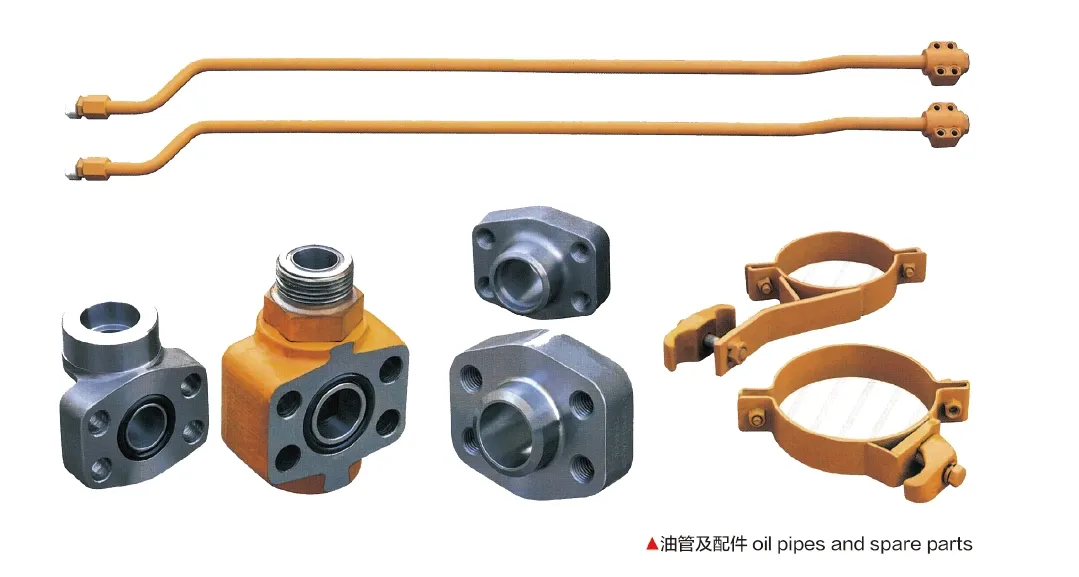
Arm Cylinder design considerations include:
Bearing capacity
Sealing properties
Durability
Safety
Maintainability
Sealing and Lubrication
Various sealing components such as piston seals and rod seals are used in Arm Cylinder design, made of wear-resistant materials such as polyurethane and nitrile rubber. The cylinder body and threaded end surfaces are finely processed to improve wear resistance. Regular addition of hydraulic oil is required to provide lubrication.
Maintenance and Preventative Measures
To ensure proper functioning, regular inspections and preventative maintenance measures should be taken, including:
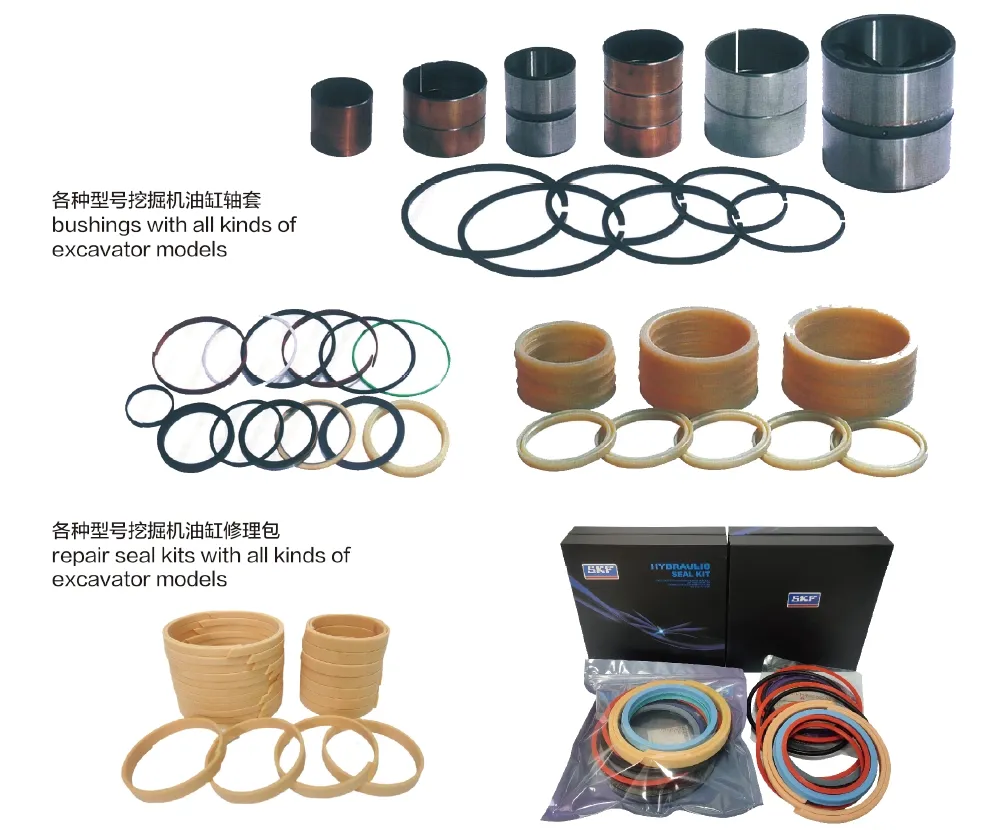
Regularly check the cylinder's seals and lubrication
Replace any worn-out seals or parts
Check hydraulic fluid levels regularly and replace as necessary
Ensure proper cylinder alignment and mounting
Installation Guide
Proper installation of the Arm Cylinder is critical for its safe and effective operation. Follow these guidelines:
Ensure proper alignment of the cylinder during installation
Use the correct mounting hardware and torque values
Ensure proper hydraulic line connections
Follow the manufacturer's instructions for hydraulic fluid selection and filling
Safety Considerations and Environmental Factors
When using hydraulic cylinders, safety measures should be taken to prevent accidents or injuries. These measures include:
Proper training of personnel using hydraulic cylinders
Adherence to proper operating procedures and safety guidelines
Use of appropriate personal protective equipment (PPE)
Proper disposal of hydraulic fluid and other waste materials in accordance with local regulations
Fault Diagnosis and Troubleshooting
Common issues with Arm Cylinders include leaking seals, damaged pistons, and bent rods. To diagnose and troubleshoot these issues, follow these steps:
Identify the symptoms of the problem
Check the cylinder's seals and lubrication
Inspect the piston and rod for damage
Check the hydraulic fluid level and quality
Preventative measures include regular maintenance and inspections.
About Us
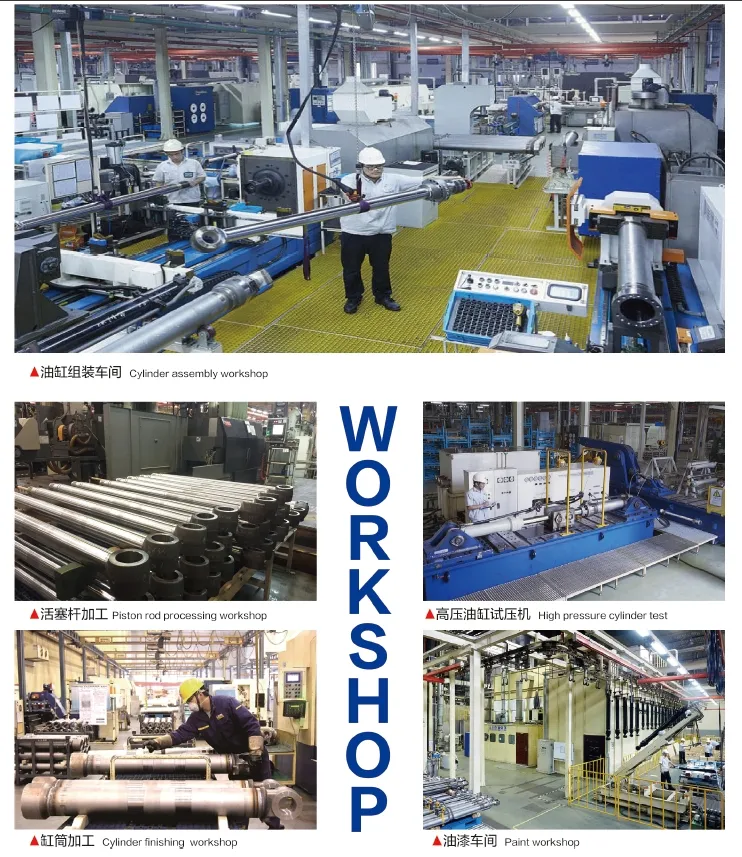
We are a manufacturer of hydraulic cylinders that can replace other hydraulic cylinders. Our company offers a wide range of products and has become one of the leading manufacturers and wholesalers of hydraulic cylinders in the domestic and international markets. We follow the principle of excellent quality and rely on the industrial production management strategy of fine manufacturing workshops. Our company continuously improves the manufacturing platform of the workshop and improves the product quality production route. We have a strong creation ability to meet the diverse needs of customers with high efficiency, high accuracy, and high quality.
Professionalism
We have a team of professionals with extensive technical skills and expertise in hydraulic cylinder production and design.
International Certification
Our company has obtained various certifications such as ISO 9001, CE, and SGS, ensuring the quality and reliability of our products.
Customization Services
We offer customization services for our hydraulic cylinders to meet the specific needs of our customers.
Production Equipment
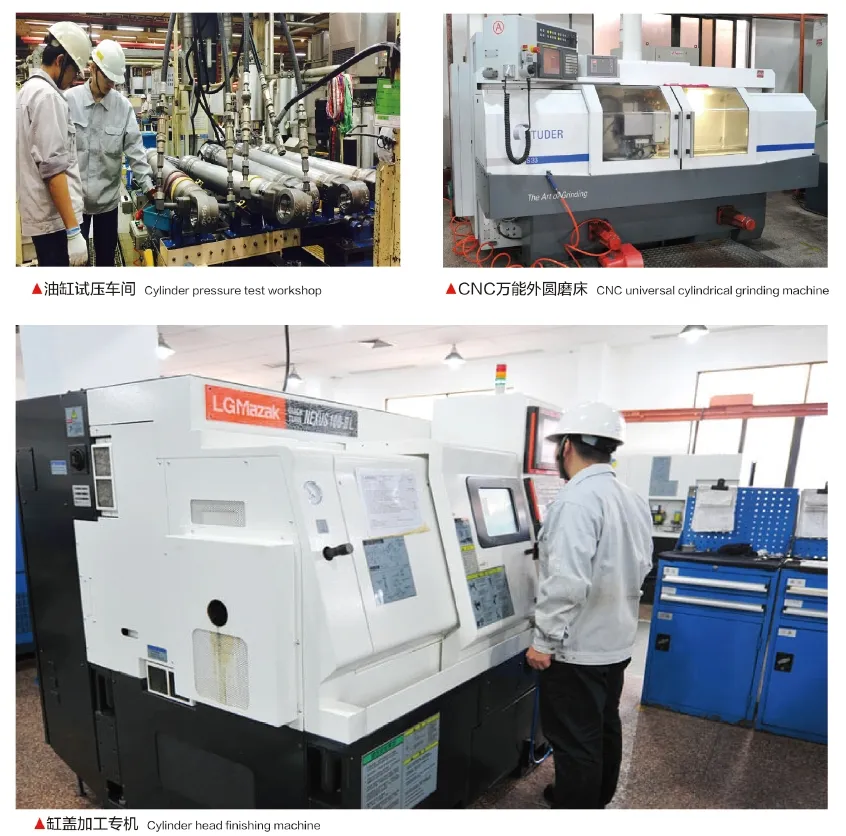
We use advanced digital manufacturing equipment to produce high-quality hydraulic cylinders.
After-Sales Service
We provide excellent after-sales service, including technical support and maintenance.
Author: lyl
Hot Tags: Komatsu excavator arm cylinder, PC100-3-5-6 hydraulic cylinder, compact excavator cylinder replacement
We use cookies to offer you a better browsing experience, analyze site traffic and personalize content. By using this site, you agree to our use of cookies.Privacy Policy