Raydafon Technology Group Co.,Limited
Products
Products
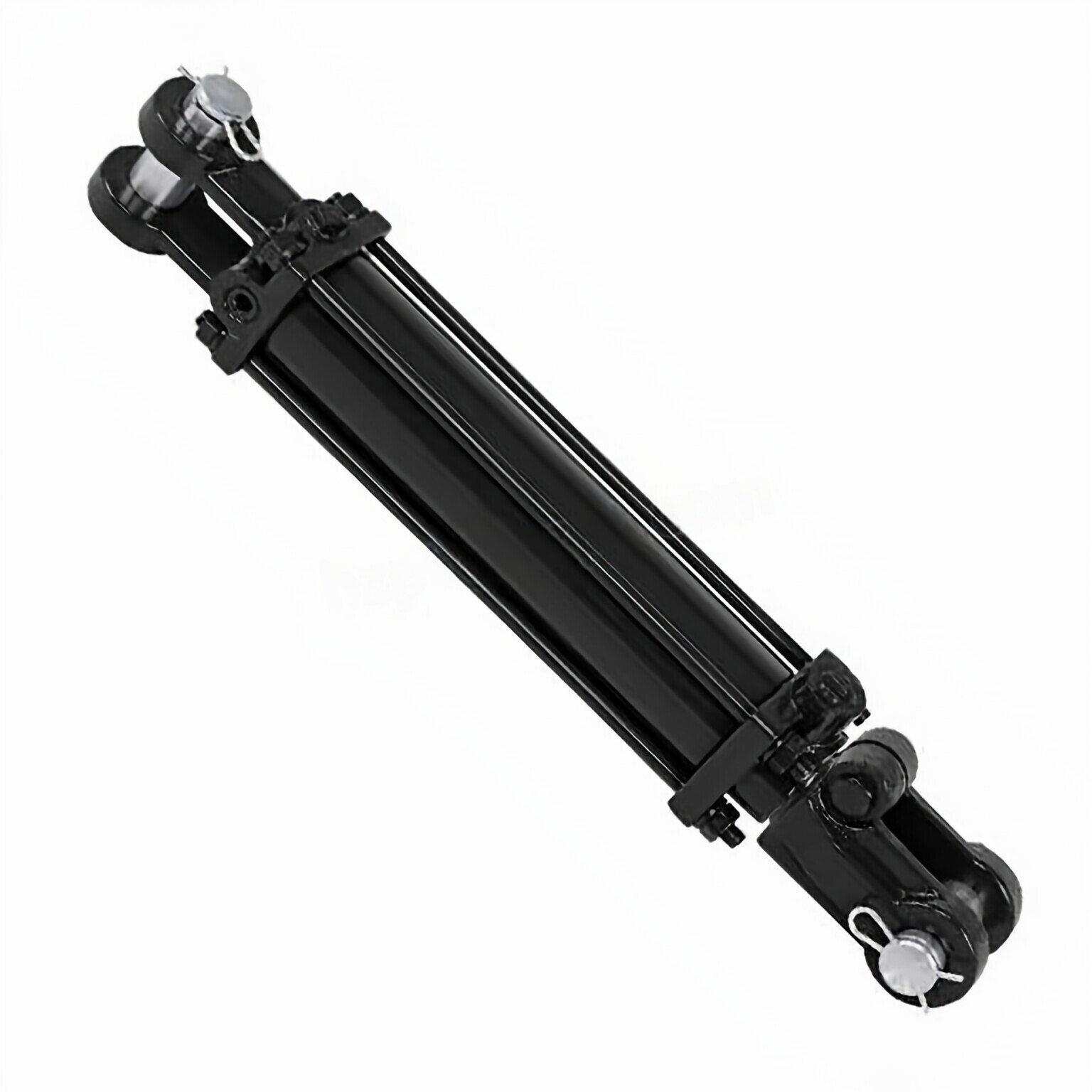
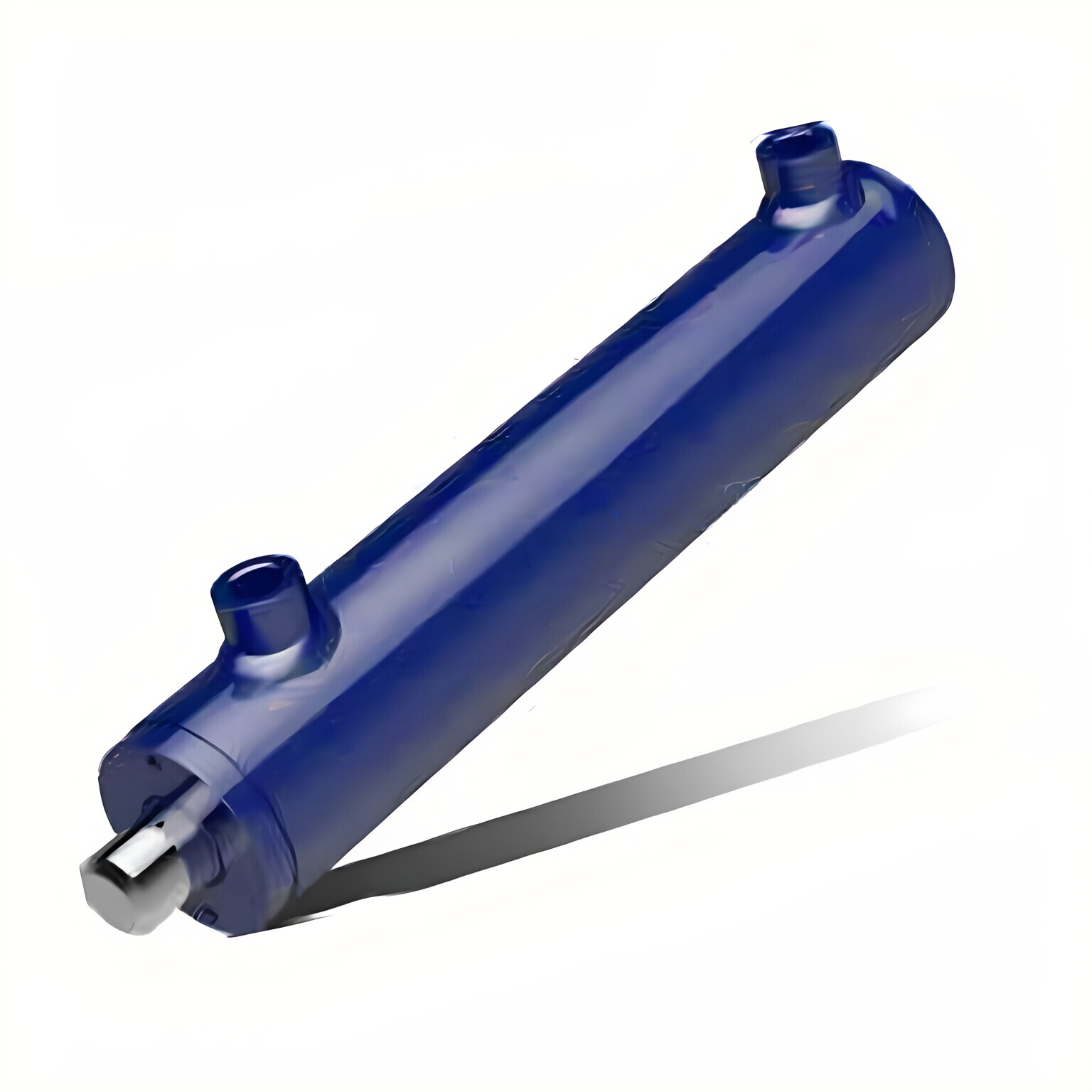
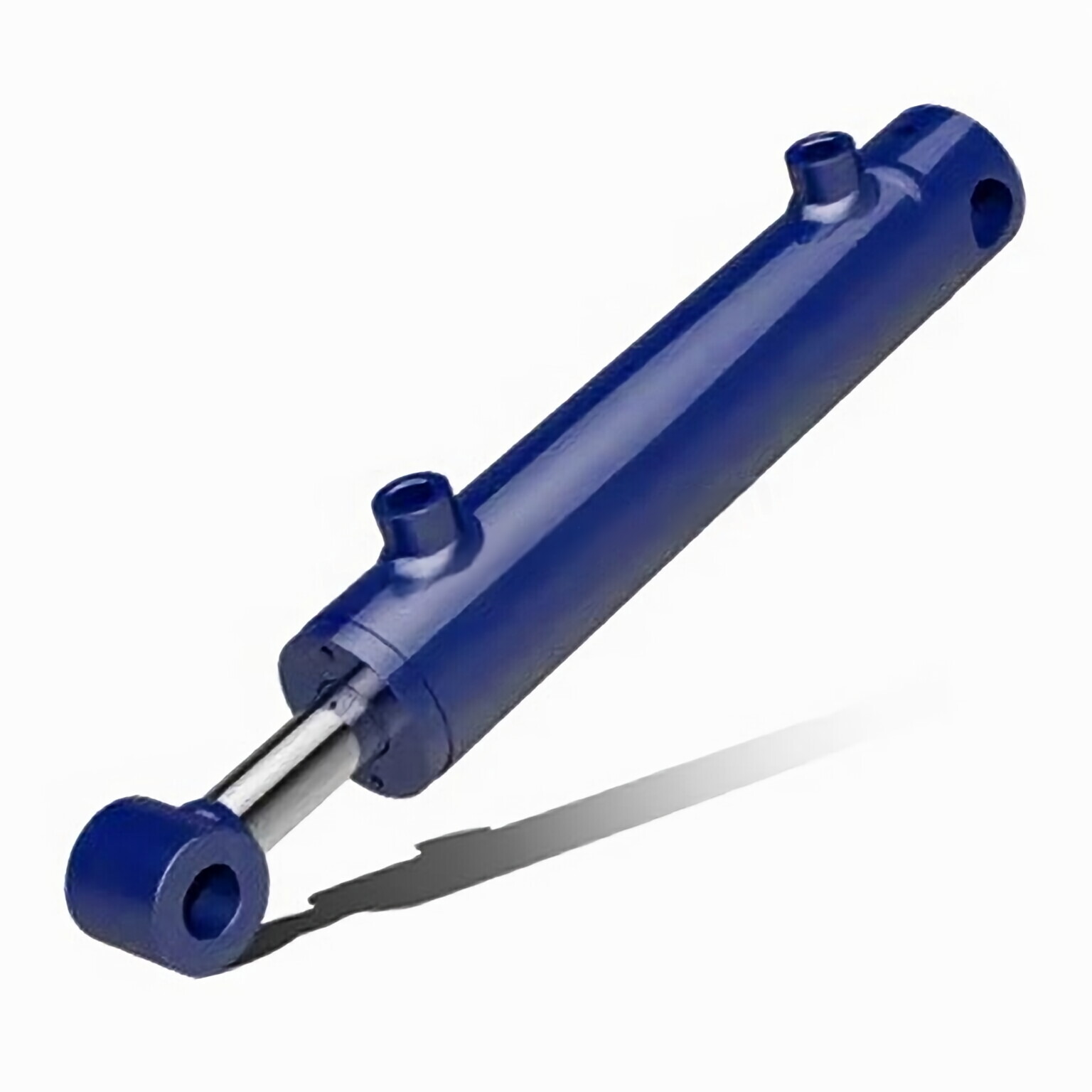
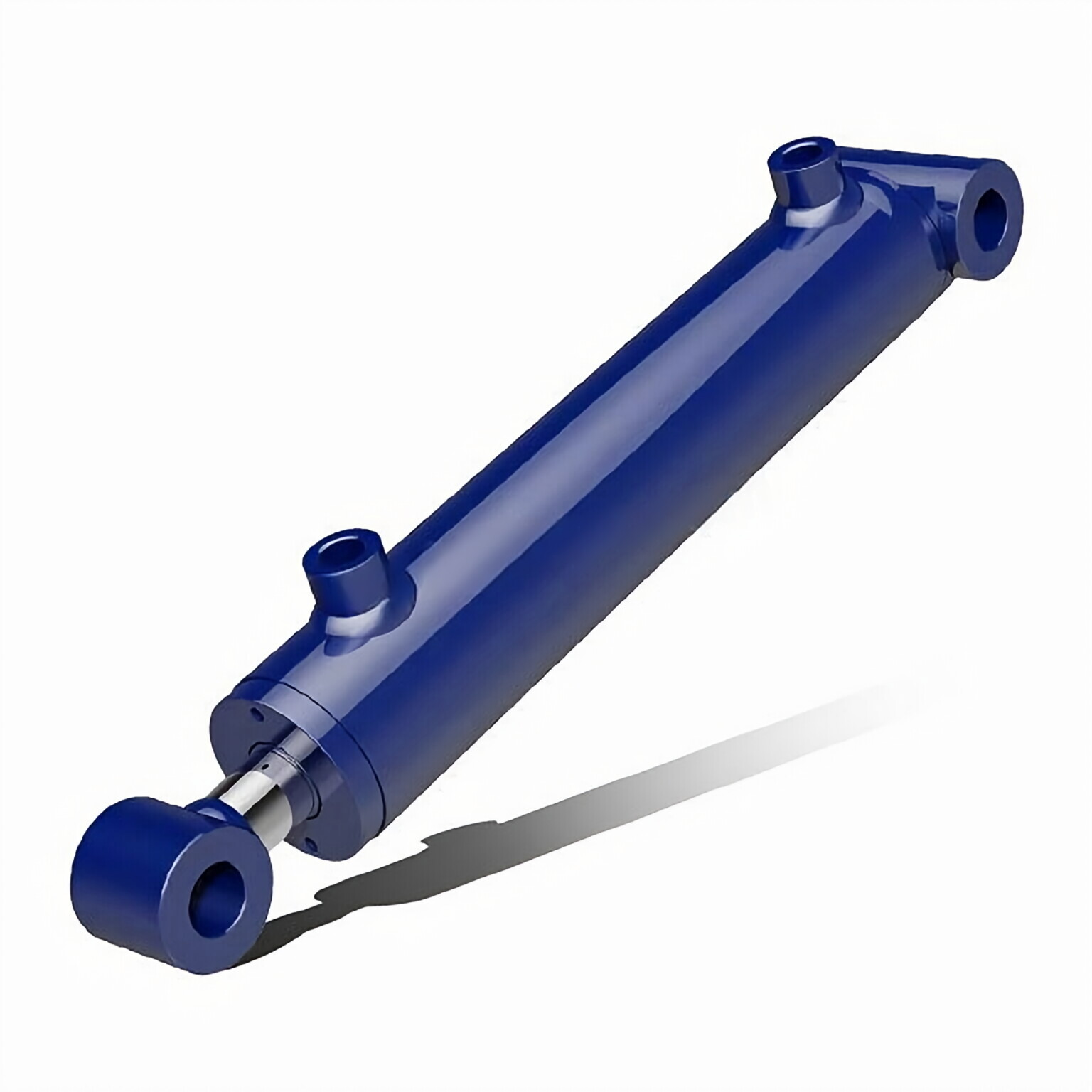
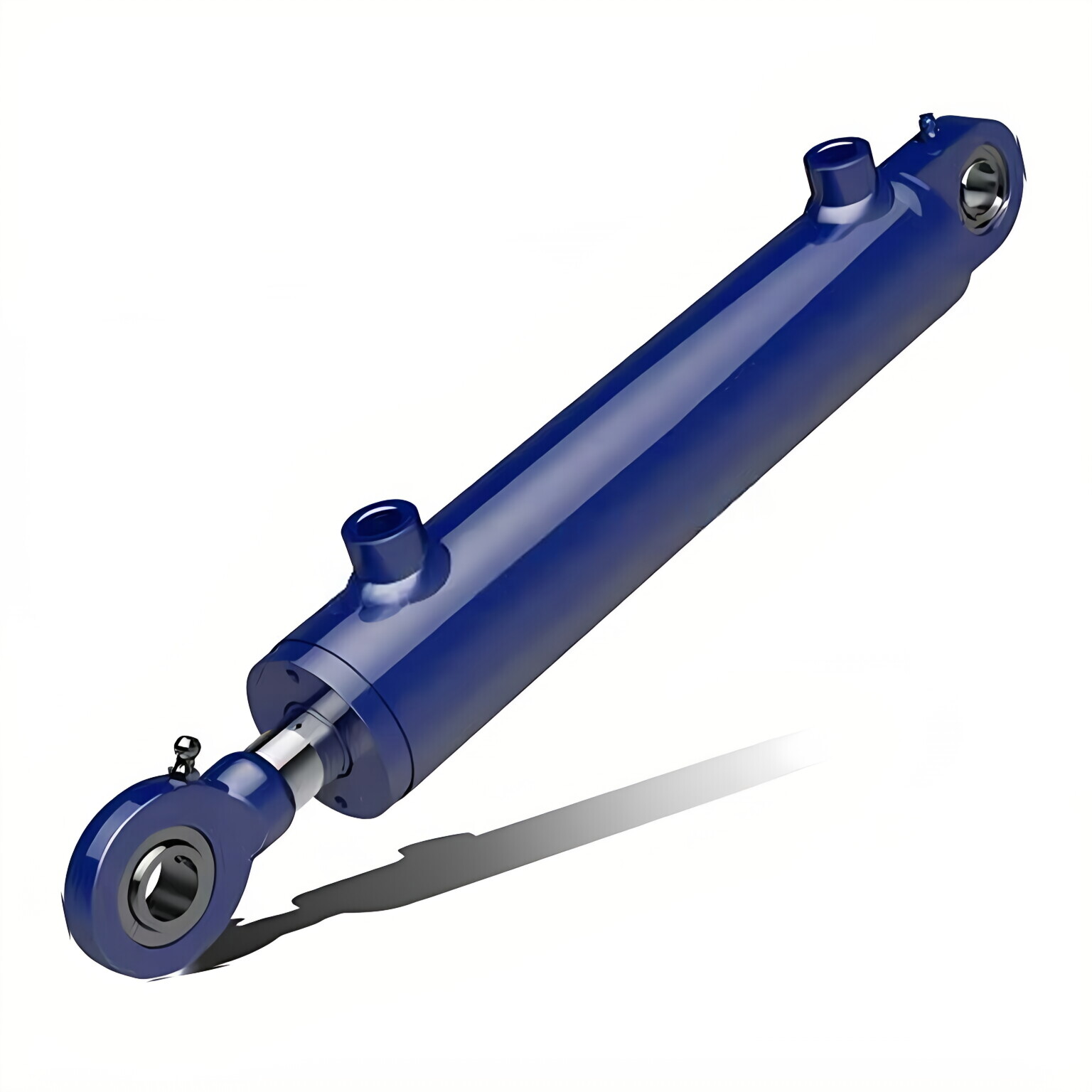
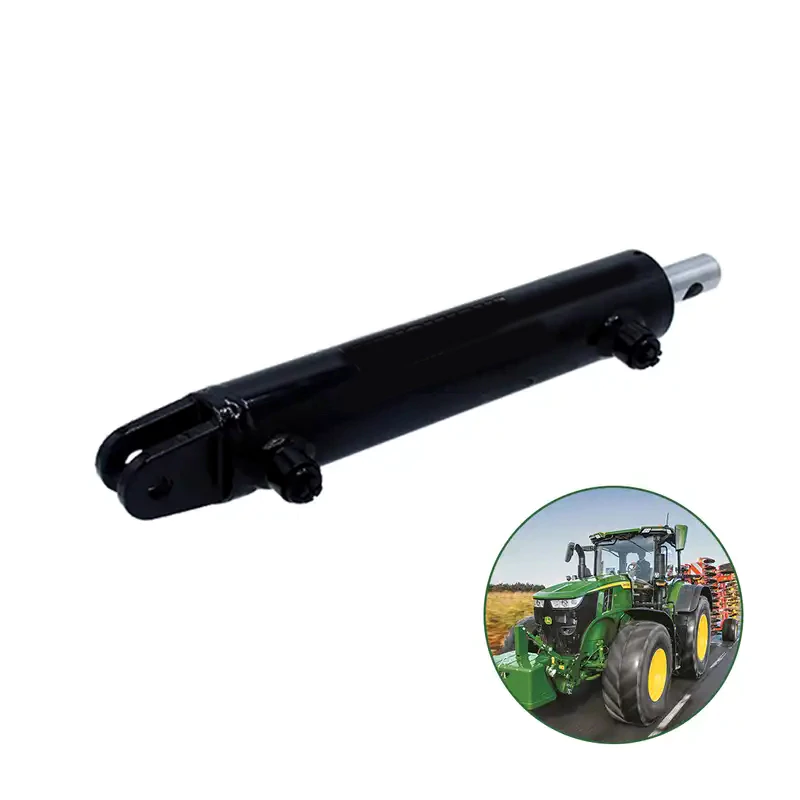
Arm Cylinder For KYM KY60A
  • Arm Cylinder For KYM KY60AArm Cylinder For KYM KY60A

Arm Cylinder For KYM KY60A

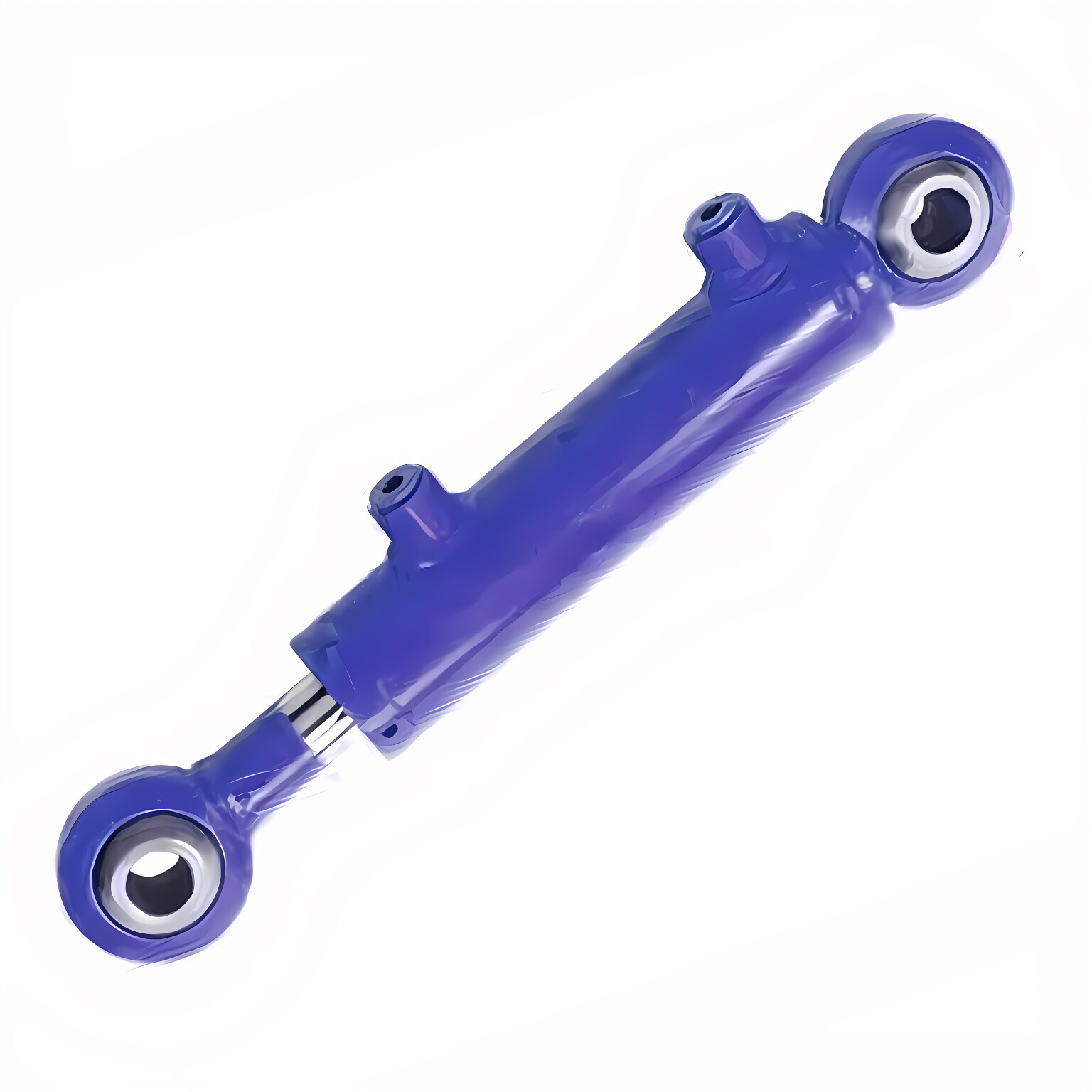
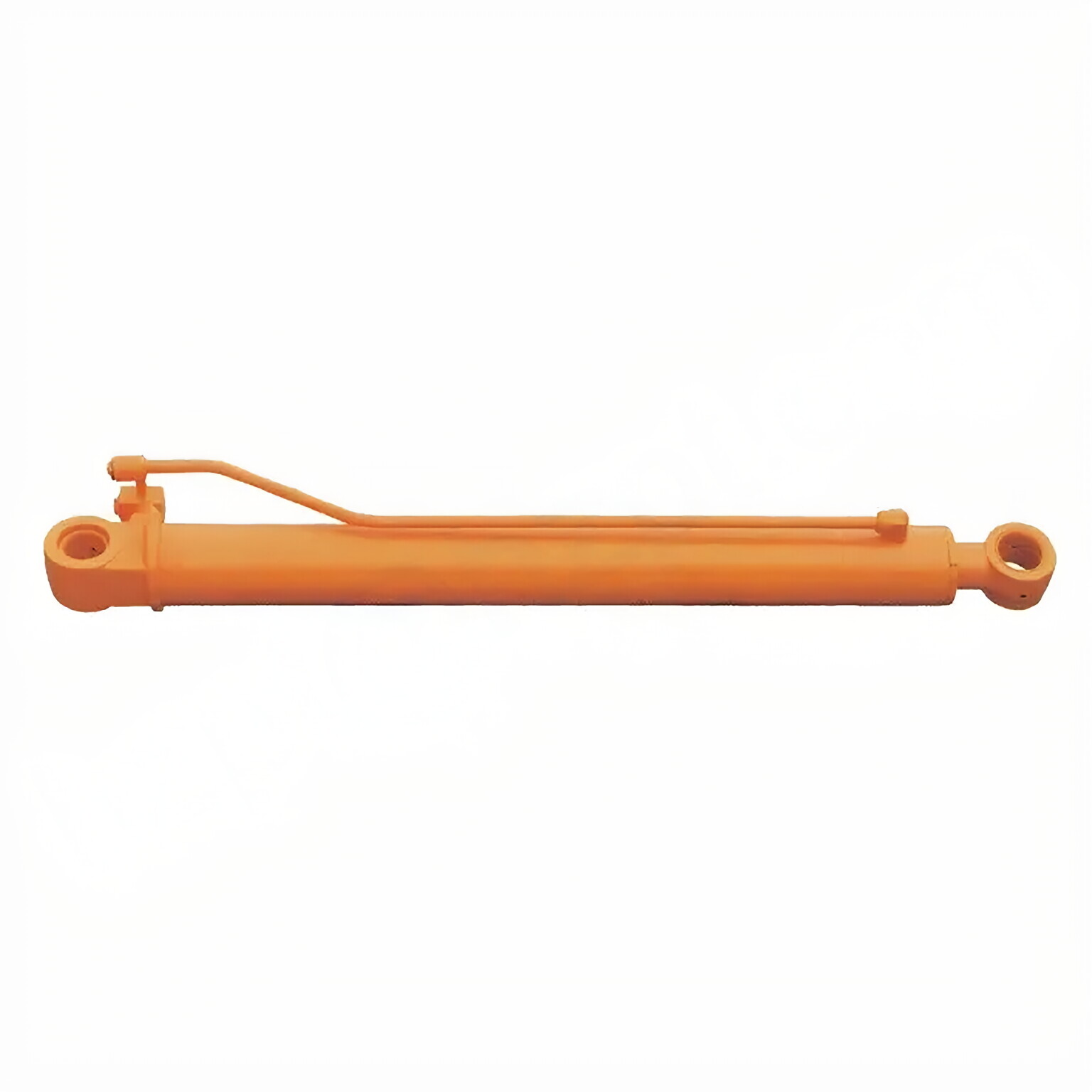
Discover the exceptional Arm Cylinder For KYM KY60A by Raydafon Group, engineered for precision performance in machinery applications. Crafted from premium materials, it combines durability with advanced design to enhance efficiency and reduce downtime. Ideal for industrial users, this reliable component ensures smooth operation and long-term reliability, solving common mechanical problems. Enjoy superior quality that sets it apart, backed by Raydafon Group's trusted expertise. Elevate your machinery's performance today.

Arm Cylinder For KYM KY60A


Introduction

An arm cylinder, also known as an arm oil cylinder, is a type of hydraulic cylinder specifically designed to provide linear motion and force to the arms of various machines, such as excavators, cranes, and robotic arms. These cylinders are essential for the movement and control of additional tools or attachments. In this article, we will explore the definition and overview of arm cylinders, their role in hydraulic systems, and their applications.


Overview

An arm cylinder, also referred to as an arm oil cylinder or hydraulic arm cylinder, is a hydraulic cylinder that enables the straight-line motion and force of various machine arms. It plays a crucial role in providing the necessary power for lifting, pushing, and pulling heavy loads in different applications. The arm cylinder is an integral component of hydraulic systems used in construction, agriculture, and industrial machinery.


Application of Arm Cylinders

Construction Equipment

In excavators, arm cylinders are essential for excavating and lifting materials. They enable precise positioning of the arm to perform various tasks efficiently.

Cranes

In cranes, arm cylinders enable accurate load positioning and lifting.

Agricultural Machinery

Arm cylinders are used in loaders and harvesters to manipulate tools and efficiently collect crops.

Industrial Equipment

Arm cylinders are employed in mechanical arms on assembly lines, enabling precise and repetitive tasks to be performed with flexibility.


Features of Arm Cylinders

  • High Strength and Durability: Typically constructed with high-strength steel or aluminum, arm cylinders can withstand high pressures and heavy loads, making them suitable for harsh working environments. They are designed with considerations for wear resistance and corrosion resistance, ensuring extended longevity.
  • Efficient Hydraulic Operation: By utilizing hydraulic oil pressure, arm cylinders provide smooth extension and retraction movements, enabling quick response to control commands. They deliver powerful pushing and pulling forces, making them ideal for handling heavy objects and complex operations.
  • Various Types: Arm cylinders are available in single-acting (hydraulic pressure applied in one direction) or double-acting (hydraulic pressure applied in both directions) options, allowing for versatility in meeting different operational requirements. Some models feature telescopic designs, allowing for greater extension without increasing the overall dimensions, making them suitable for applications with limited space.
  • Precise Control: Arm cylinders provide precise control over the angle and height of the arm, accommodating diverse job requirements. When integrated with hydraulic control systems, they enable complex movements and higher operational flexibility.

Our Products

Our company specializes in producing arm cylinders that are perfect replacements for various hydraulic cylinders. Our products are designed and manufactured to meet the highest standards of quality and performance. We offer a wide range of options to cater to different machine specifications and applications.


Applications of Arm Cylinders

Arm cylinders find extensive applications in various industries, including:

Construction Equipment

In construction equipment, arm cylinders are crucial for excavators, loaders, and other machinery used for digging, lifting, and material handling tasks. They provide the necessary power and control to perform these operations efficiently.

Agricultural Machinery

Arm cylinders are widely used in agricultural machinery such as tractors, harvesters, and sprayers. They facilitate the operation of attachments and implements, enabling efficient farming practices.

Industrial Equipment

In industrial settings, arm cylinders are employed in robotic arms, assembly lines, and other automated systems. They enable precise movement and positioning of tools and components, improving productivity and efficiency.


Design Considerations and Selection Criteria

When designing and selecting arm cylinders, several factors should be taken into account:

  • Load-Bearing Capacity: Arm cylinders should be designed to withstand the expected loads and forces encountered during operation.
  • Sealing and Leakage: The sealing system of the cylinder, including piston seals and rod seals, should be carefully chosen to ensure proper sealing and minimize leakage.
  • Durability: The materials used in the construction of arm cylinders should be resistant to wear and corrosion to ensure long-term reliability.
  • Safety: Considerations should be given to the safety features of the cylinder, such as pressure relief valves and safety locks, to prevent accidents and ensure operator safety.
  • Maintenance: Easy access to components, availability of spare parts, and ease of maintenance should be considered during the selection process.

Sealing and Lubrication

Arm cylinders incorporate various sealing components, such as piston seals and rod seals, to ensure effective sealing and prevent leakage. These seals are typically made from wear-resistant materials like polyurethane and nitrile rubber. Additionally, the cylinder body and threaded ends undergo precise surface treatments to enhance wear resistance. Regular lubrication with the appropriate hydraulic oil is necessary to ensure smooth operation and maximize the lifespan of the seals and other moving parts.


Maintenance and Preventive Measures

To maintain optimal performance and extend the lifespan of arm cylinders, the following preventive measures should be taken:

  • Regular Inspection: Perform routine inspections to identify any signs of wear, damage, or leakage. Address any issues promptly to prevent further damage and ensure safe operation.
  • Proper Lubrication: Follow the manufacturer's recommendations for lubrication intervals and use the correct hydraulic oil to maintain smooth operation and prevent premature wear.
  • Seal Replacement: If any seals show signs of wear or leakage, they should be replaced with suitable replacements to maintain proper sealing and prevent performance issues.
  • Correct Usage: Ensure the arm cylinder is operated within its specified parameters, including load capacity and operating pressure. Avoid overloading or subjecting the cylinder to excessive forces that may cause damage.

Installation Guide

Proper installation of arm cylinders is crucial for their optimal performance and longevity. Follow these steps:

  1. Prepare the mounting surface and ensure it is clean and free from any debris or contaminants.
  2. Position the arm cylinder in the desired location, aligning the mounting holes with the corresponding holes on the machine or equipment.
  3. Securely fasten the cylinder in place using appropriate bolts or fasteners, ensuring proper torque is applied.
  4. Connect the hydraulic hoses or tubing to the cylinder, following the manufacturer's recommendations for proper connection and sealing.
  5. Check for any leaks or abnormalities before operating the system.

Safety Considerations and Environmental Factors

When working with arm cylinders, it is essential to prioritize safety measures to prevent accidents or injuries. Some key safety considerations include:

  • Proper Training: Ensure operators are adequately trained in the safe operation and maintenance of arm cylinders.
  • Use of Safety Devices: Install safety features such as pressure relief valves, flow control valves, and limit switches to protect against overpressure or excessive forces.
  • Regular Inspections: Periodically inspect the arm cylinder and associated components for any signs of wear, damage, or malfunction.
  • Environmental Impact: Consider the environmental impact of hydraulic fluid leakage and take appropriate measures to prevent contamination.

Troubleshooting and Common Issues

Arm cylinders may encounter various issues during operation. Here are some common problems and their potential solutions:

Leakage

If a cylinder is experiencing fluid leakage, it may be due to worn-out seals or damaged components. Replace the faulty seals or repair the damaged parts to restore proper sealing.

Slow or Inconsistent Movement

If the arm cylinder exhibits slow or inconsistent movement, it may indicate a problem with the hydraulic fluid or a blocked flow. Check the fluid level, quality, and filters to ensure proper flow and lubrication.

Lack of Power

If the arm cylinder lacks power or fails to exert the required force, it may be due to insufficient hydraulic pressure or a worn-out piston. Check the hydraulic system for any issues and replace the piston or other worn-out components as necessary.


Preventive Measures

To minimize potential issues and maintain optimal performance, consider the following preventive measures:

  • Regular Maintenance: Follow a regular maintenance schedule, including inspections, lubrication, and component replacement as recommended by the manufacturer.
  • Proper Usage: Operate the arm cylinder within its specified parameters and avoid overloading or subjecting it to excessive forces.
  • Environmental Protection: Take measures to prevent hydraulic fluid leaks and spills to protect the environment.

Arm Cylinder For KYM KY60A Hot Tags: Arm Cylinder For KYM KY60A, KYM KY60A Arm Cylinder Supplier, Custom Arm Cylinder Manufacturer

Send Inquiry
Contact Info
Get customized quotes for transmission components, gearboxes, and machinery. Our engineers will respond within 24 hours.
Online
X
We use cookies to offer you a better browsing experience, analyze site traffic and personalize content. By using this site, you agree to our use of cookies. Privacy Policy
Reject Accept