
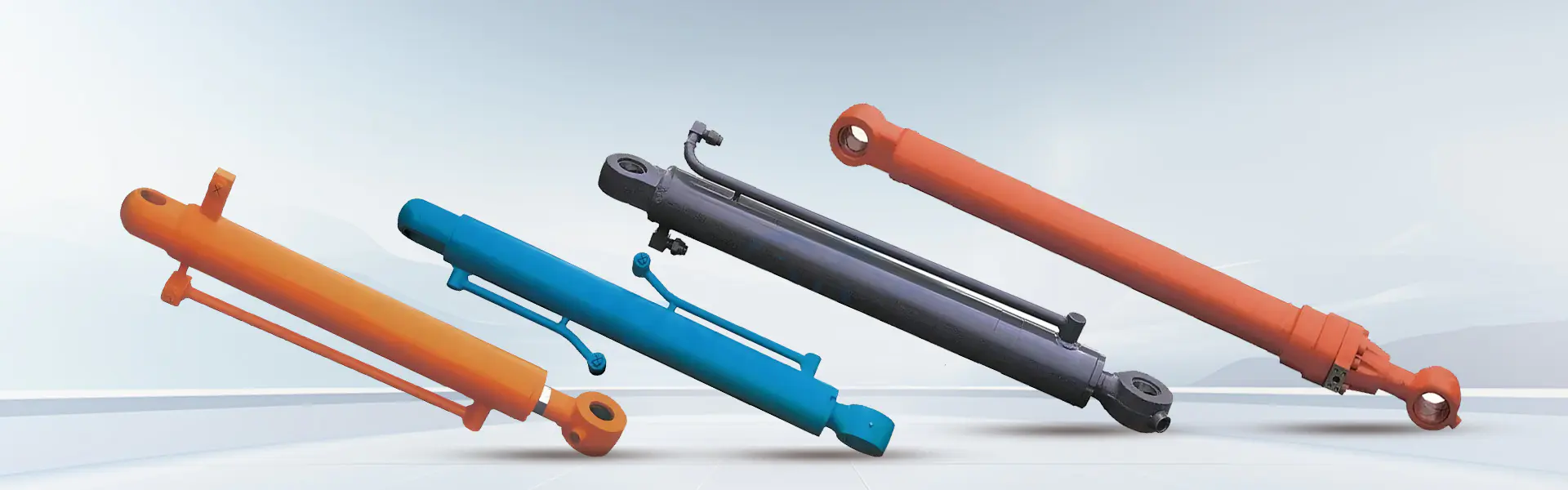
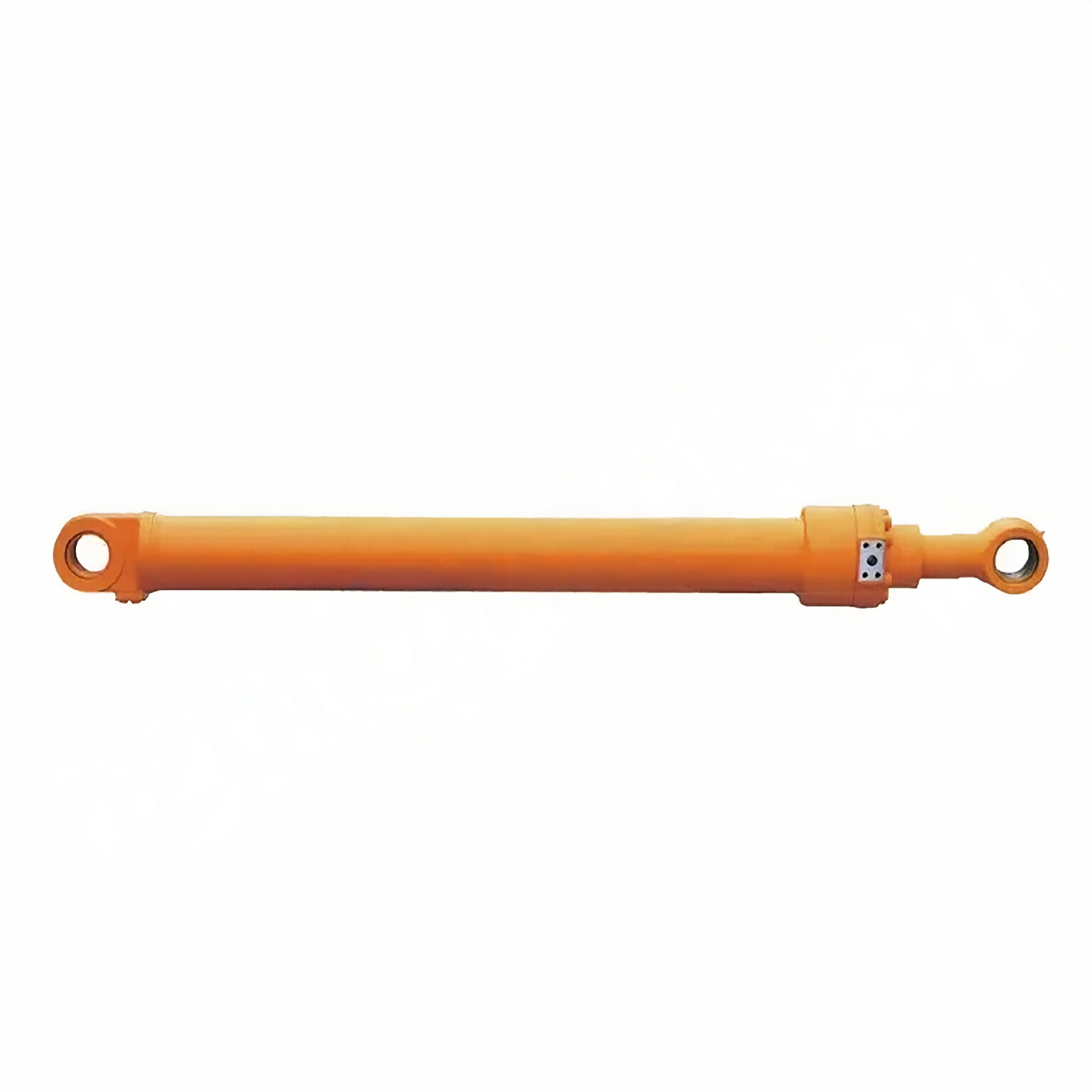
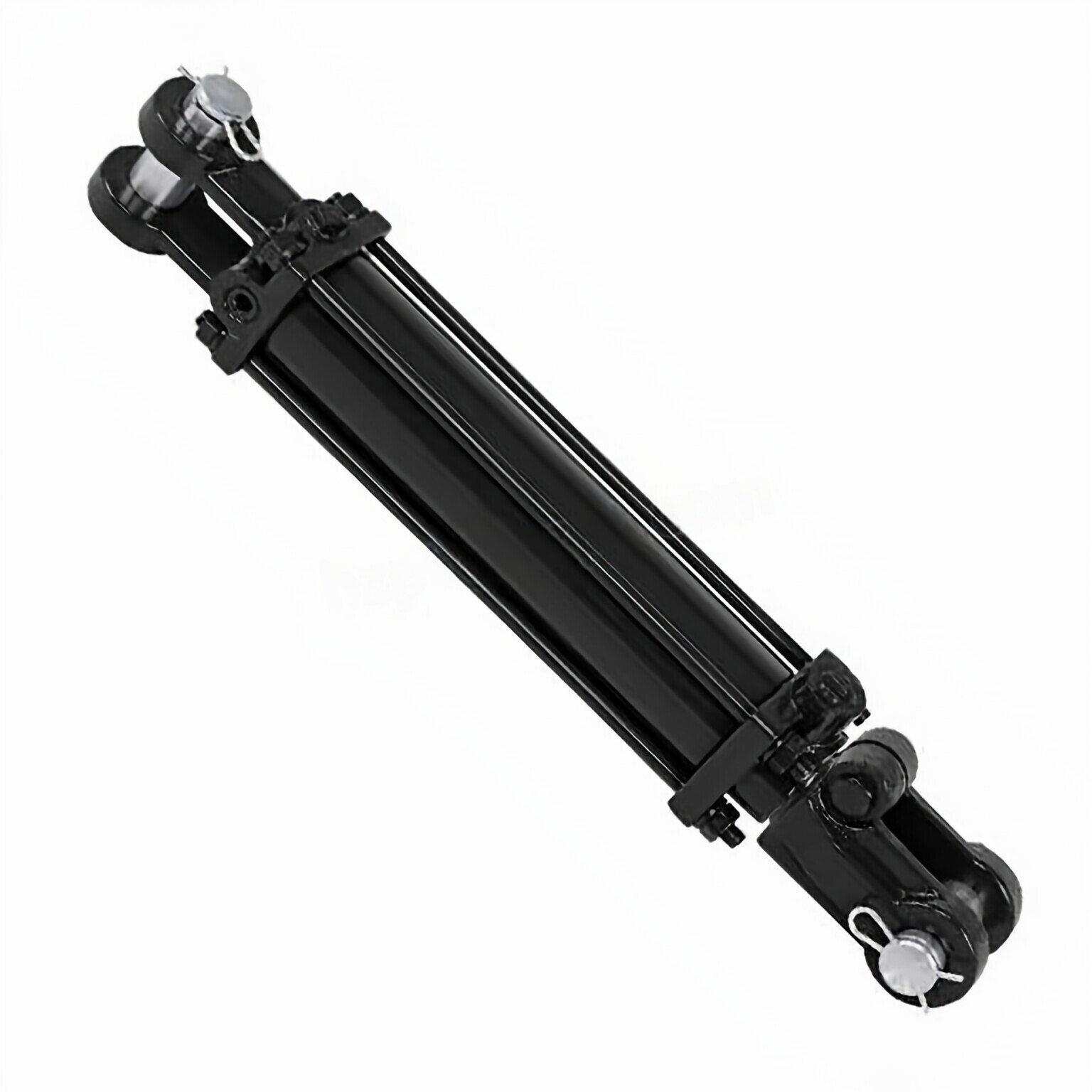
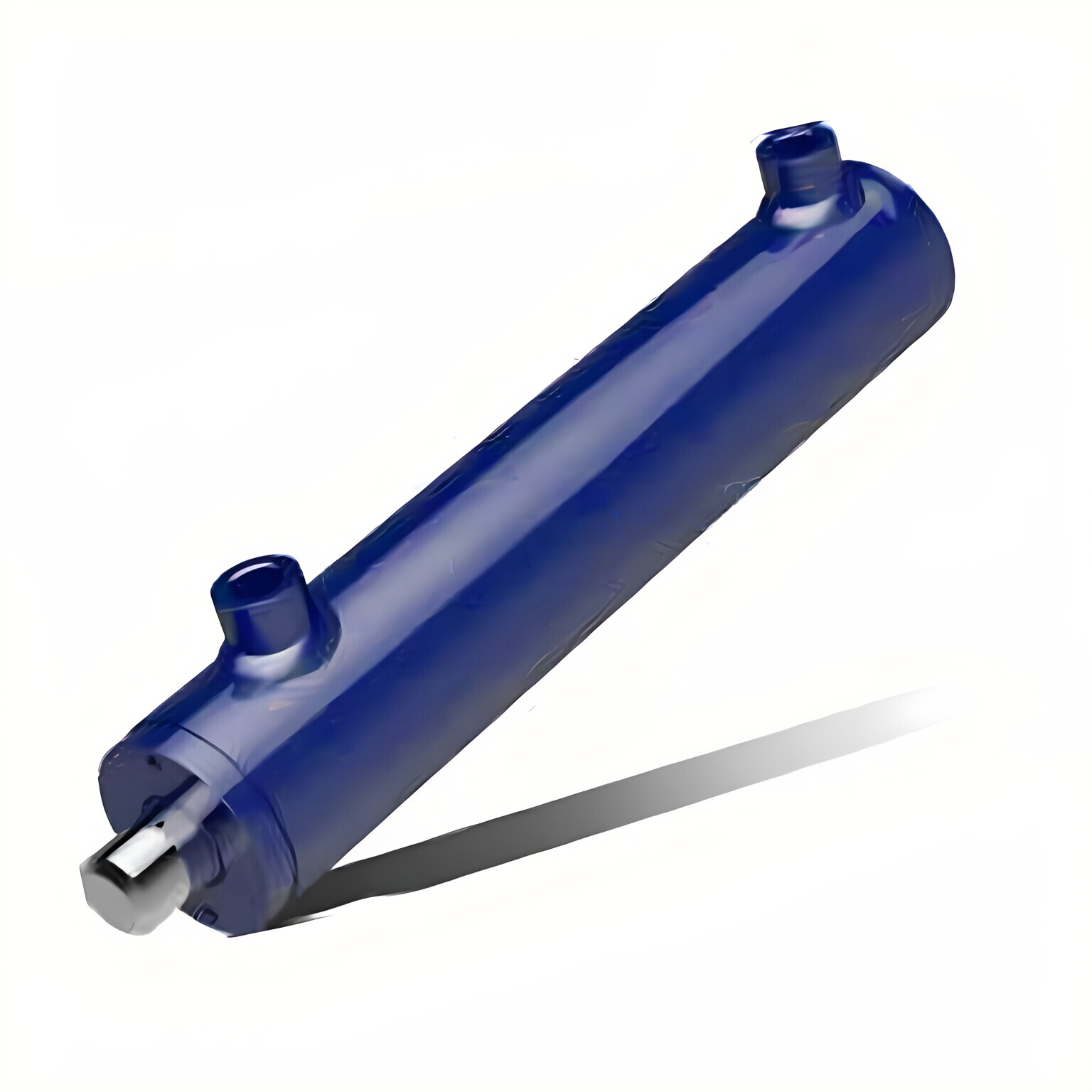
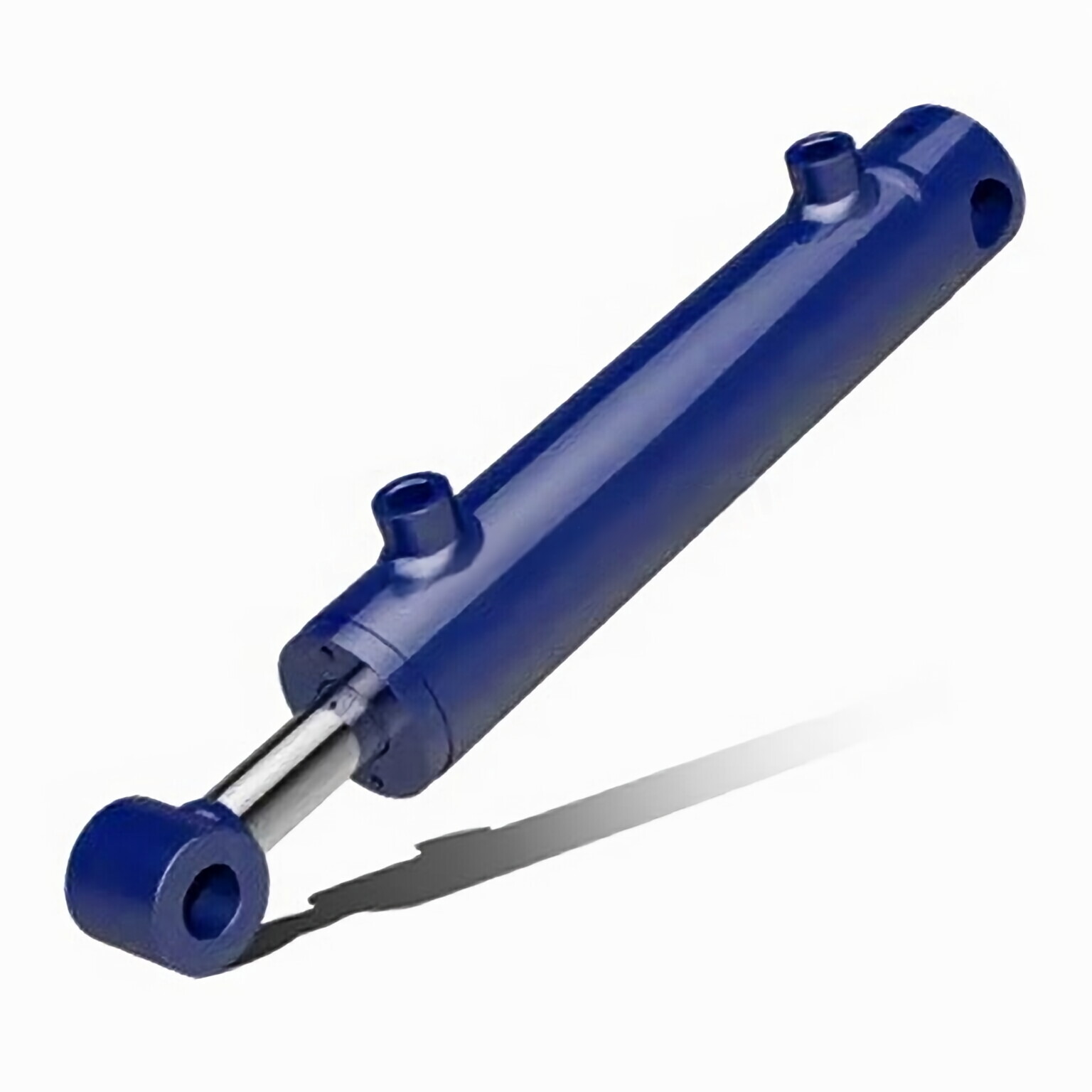
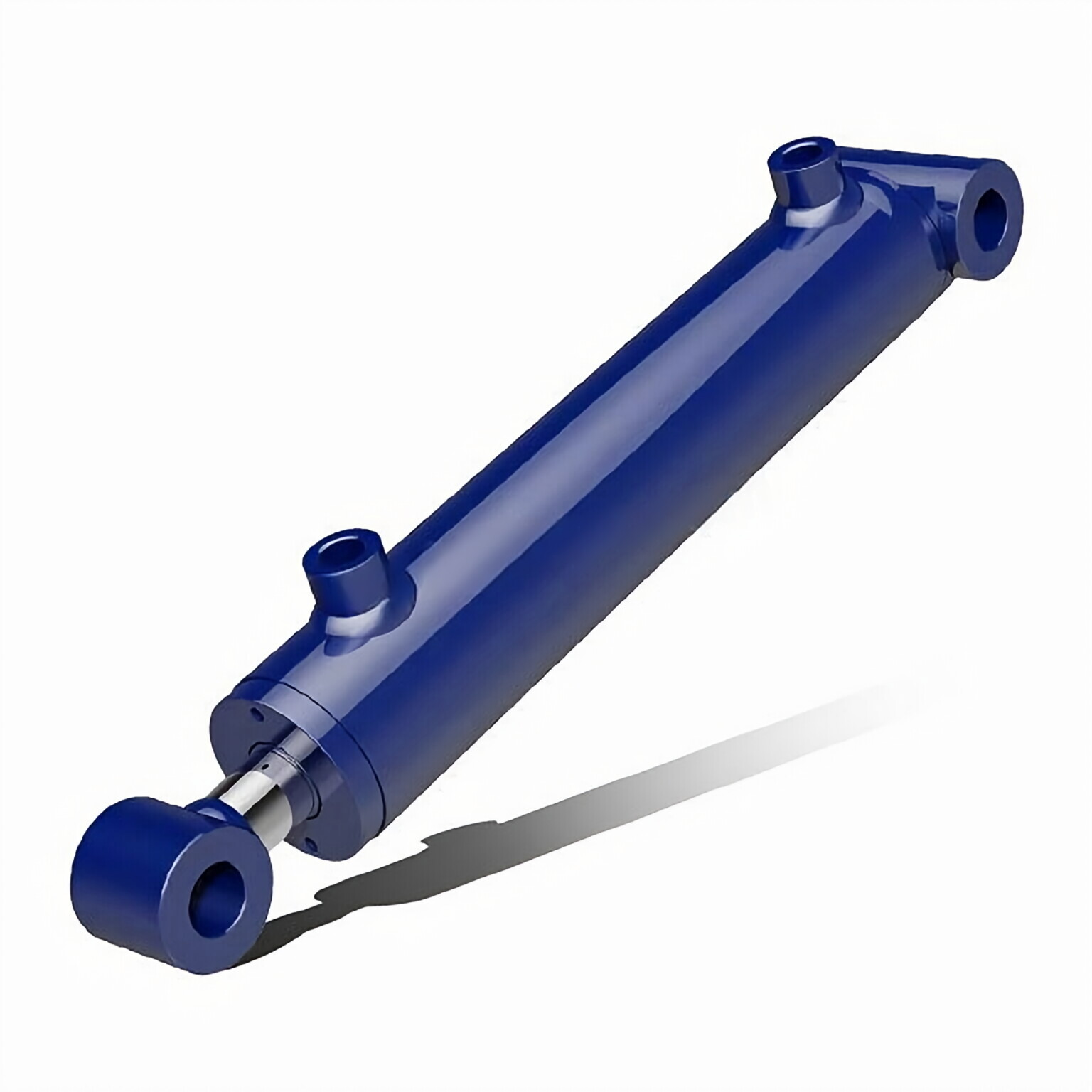
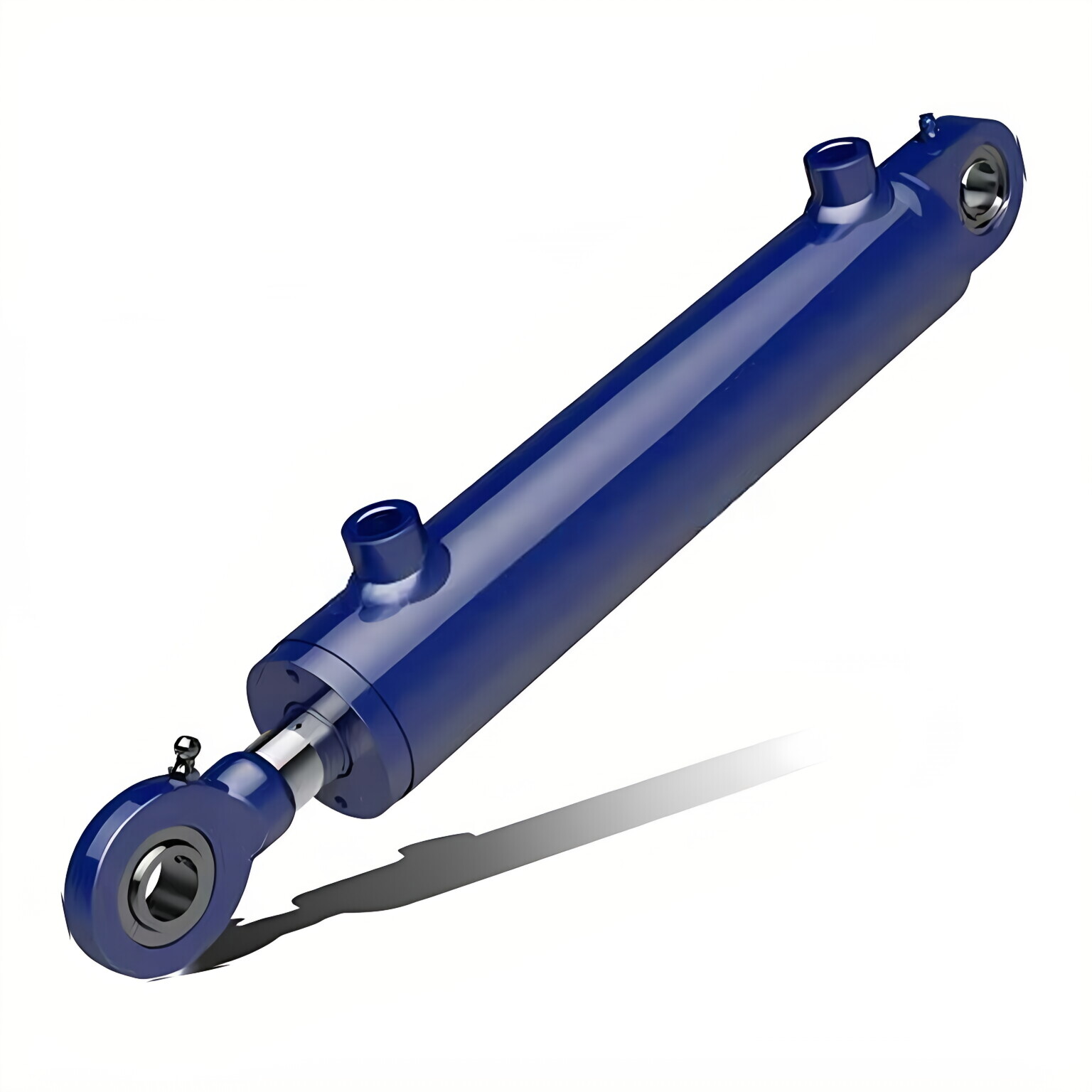
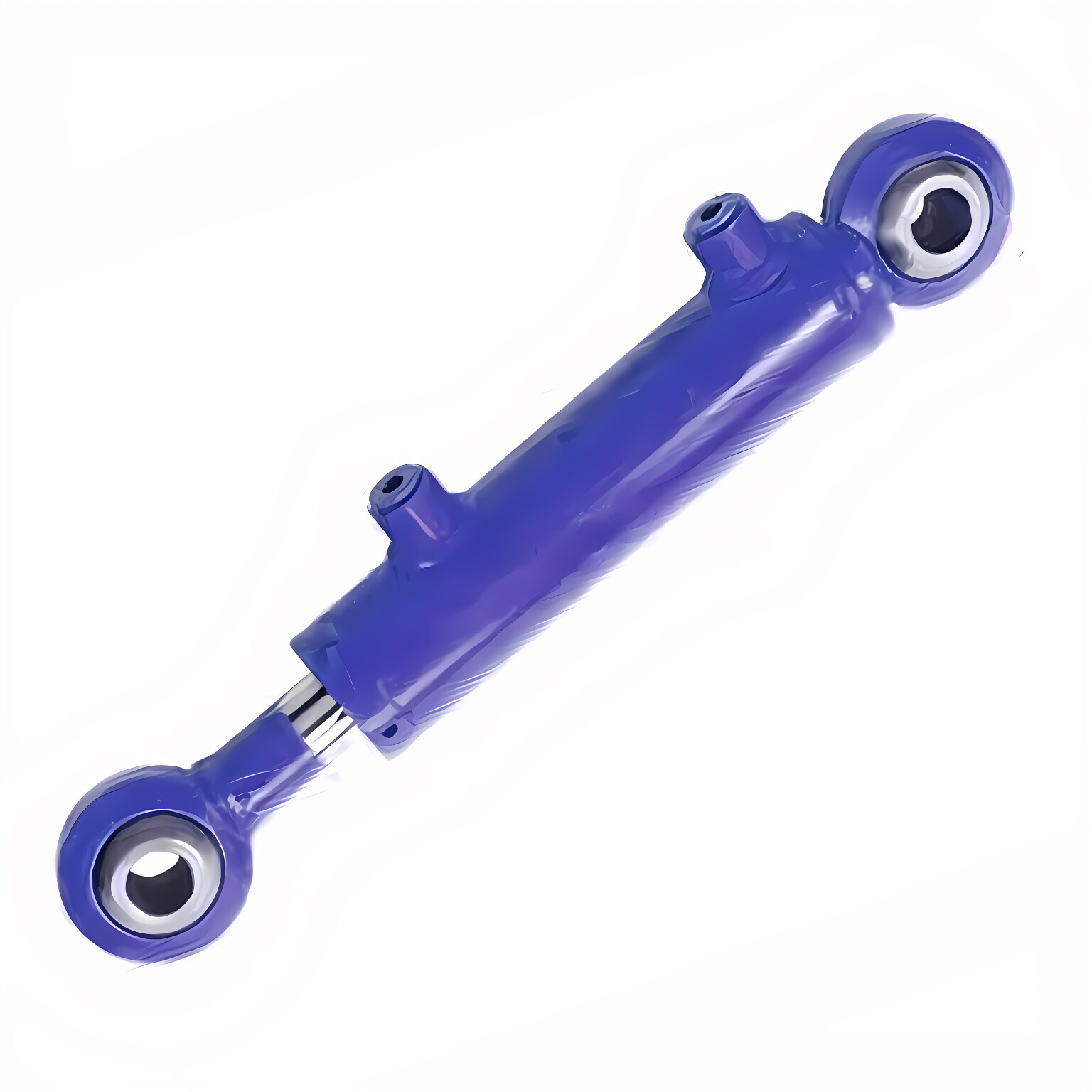
An arm cylinder is a type of hydraulic cylinder specifically designed to provide linear motion and force to various machines' arms, such as excavators, cranes, and mechanical arms. These cylinders are crucial for the movement and control of attached tools or implements.
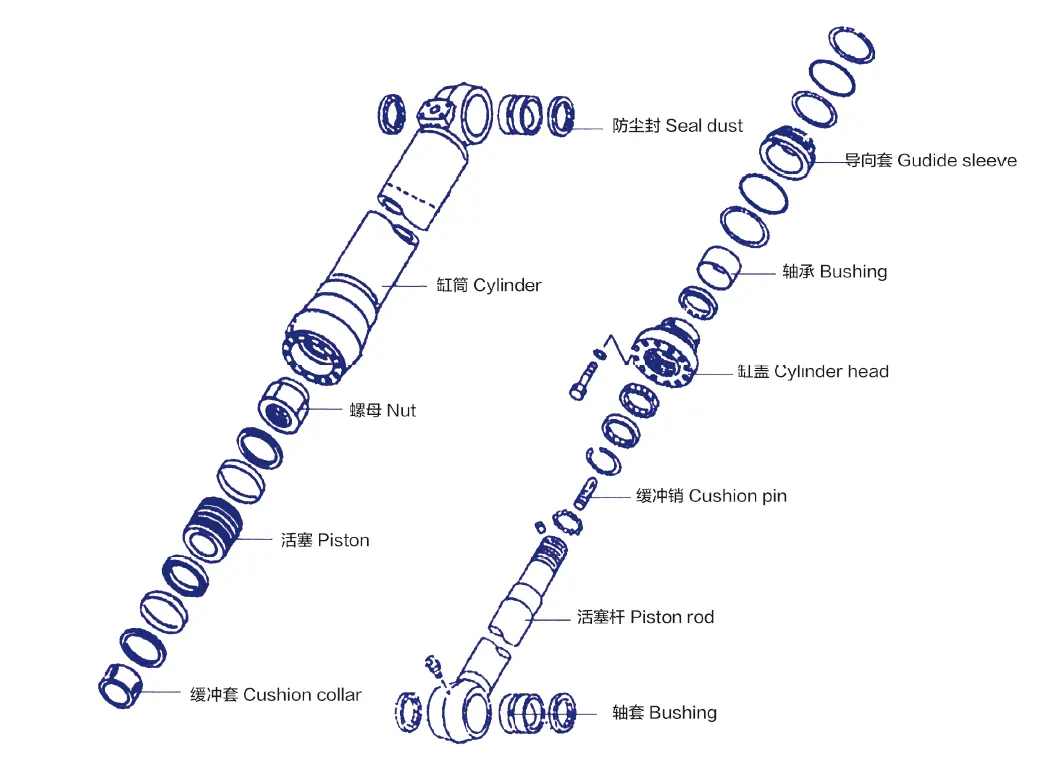
In hydraulic systems, an arm cylinder plays a crucial role in providing the necessary power and force to the arm for efficient operation. It ensures the precise movement of the arm and proper control of attached tools or implements. The arm cylinder is a single-acting or double-acting hydraulic cylinder that can extend and retract to provide linear motion. With a hydraulic control system, the cylinder can execute complex movements and provide greater operational flexibility.
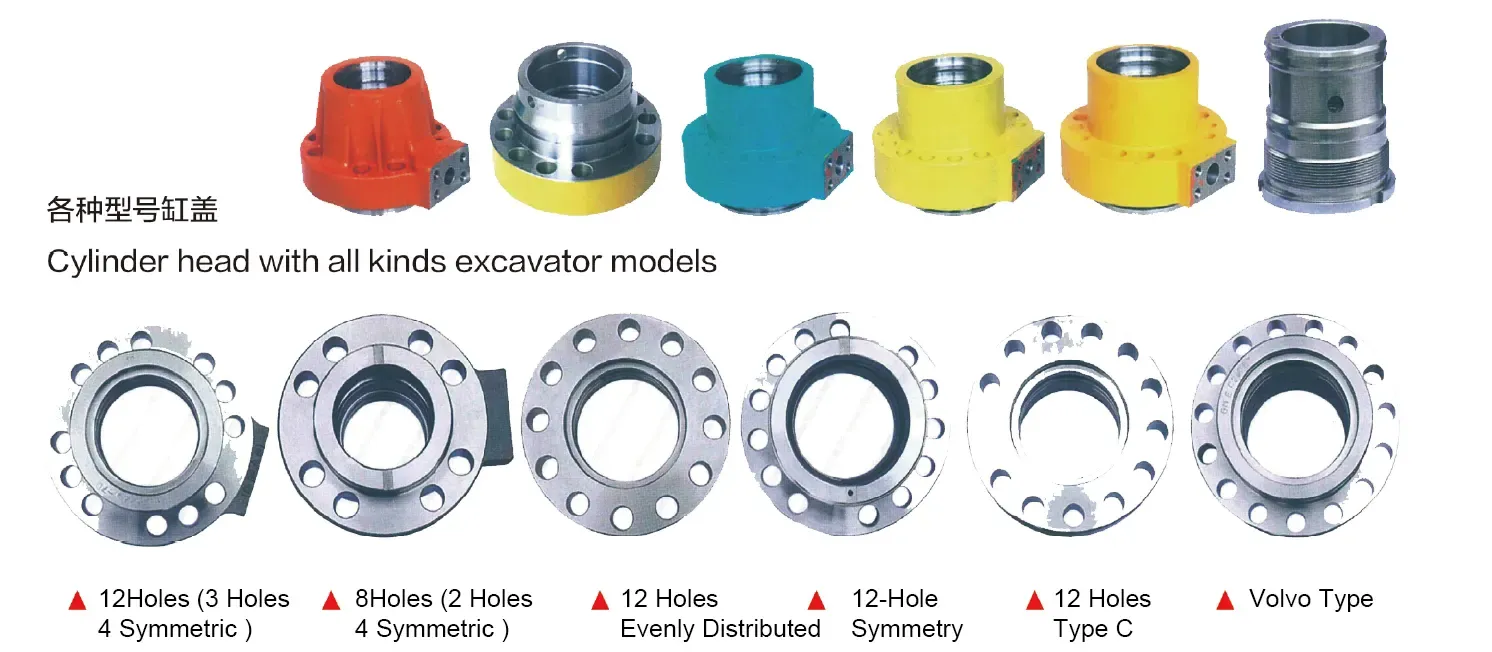
Arm cylinders have a wide range of applications in various industries:
The design and selection of arm cylinders involve the following considerations:
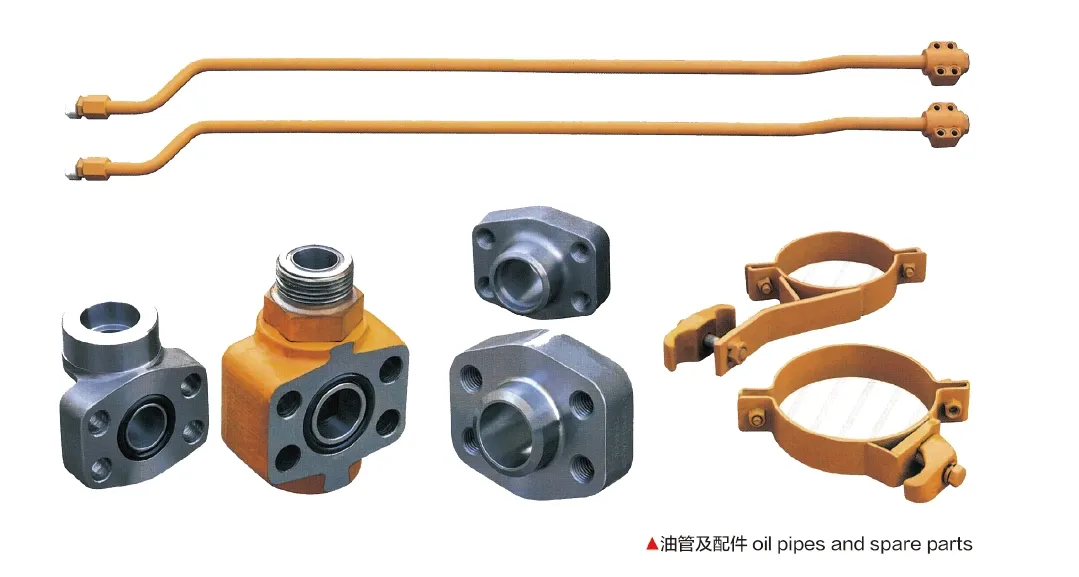
Arm cylinders use various sealing components to maintain tightness and prevent oil leakage. These components include piston seals, rod seals, and other wear-resistant materials such as polyurethane and nitrile rubber. Regularly adding the right amount of hydraulic oil is necessary to maintain proper lubrication for the cylinder.
Regular inspections and preventive maintenance measures are essential for the proper operation and long service life of the arm cylinder. These measures include cleaning, replacing worn seals and other components, and checking for oil leakage. Additionally, proper installation procedures and following the manufacturer's instructions can prevent potential problems and improve the cylinder's efficiency.
When installing the arm cylinder, it is necessary to ensure proper assembly and avoid oil leakage. The installation guide should include proper handling, installation, and connection of the cylinder, the oil pipeline, and other components. The guide should also provide instructions for hydraulic oil selection and filling procedures.
Arm cylinders operate under high pressure and require strict safety precautions during operation. Operators must follow all safety guidelines, such as wearing protective gear, implementing lockout/tagout procedures, and avoiding sudden movements that could cause accidents. Additionally, proper disposal of hydraulic oil and following environmental regulations can help reduce the impact on the environment.
Common problems with arm cylinders include oil leakage, insufficient force, and improper positioning. Troubleshooting these issues involves inspecting the cylinder for worn or damaged components, checking for proper hydraulic oil levels and quality, and ensuring proper installation and operation procedures. Solving these issues may involve repairing or replacing worn or damaged components, adjusting the hydraulic system's pressure, or correcting installation errors.
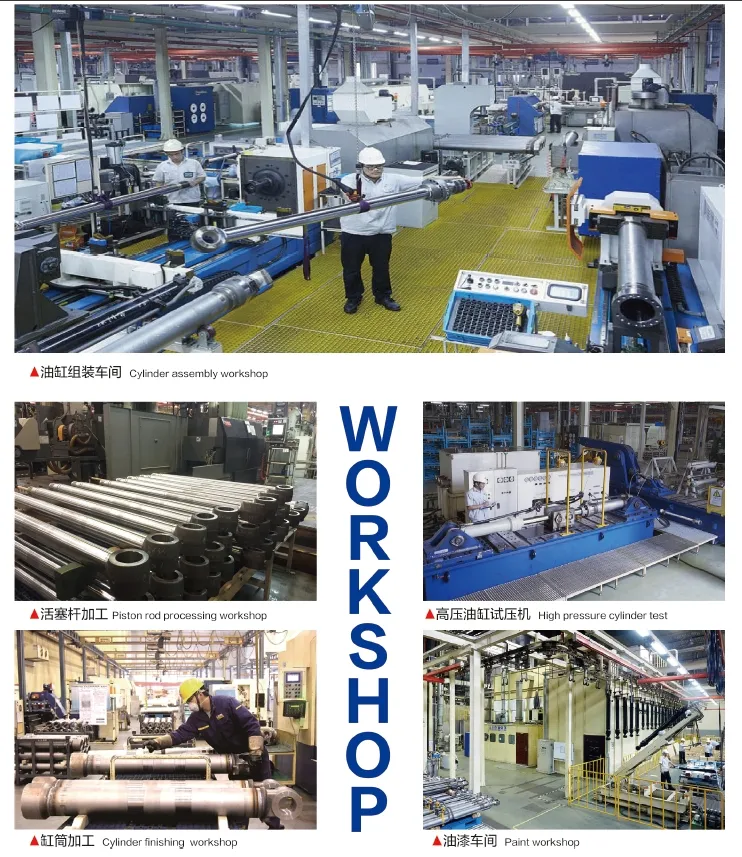
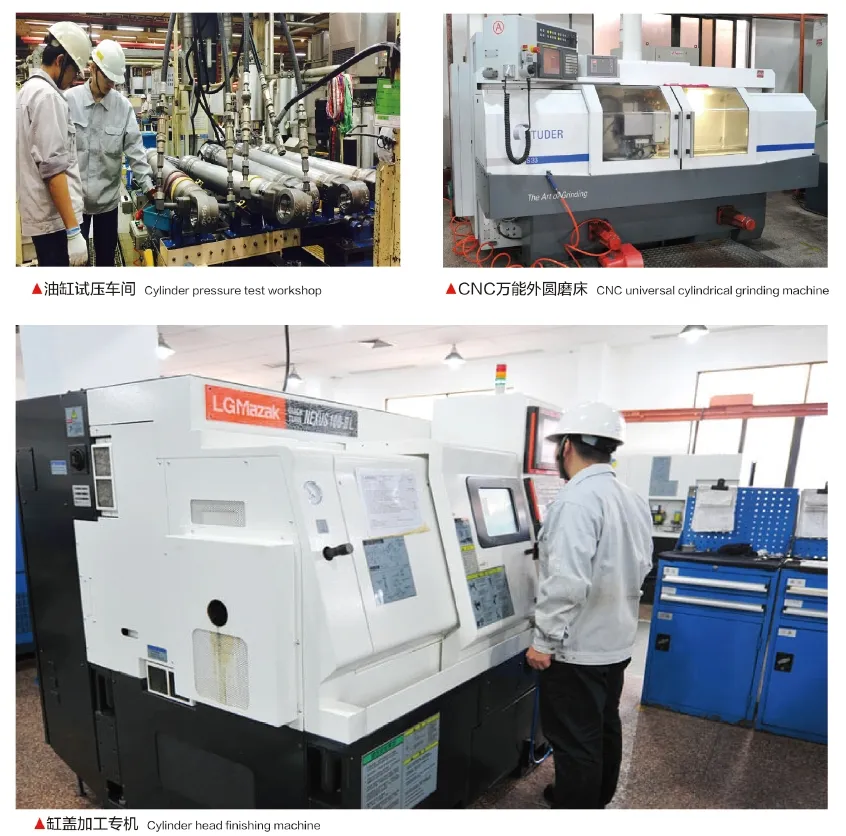
Our company is a leading manufacturer and wholesale distributor of hydraulic cylinders in the domestic and international markets, providing a complete range of products. We adhere to the principle of excellent quality, relying on the industrialized production management strategy of fine manufacturing workshops, continuously improving the manufacturing platform, perfecting the product quality production line, and have a strong creation ability. We provide high-efficiency, high-precision, and high-quality products to meet our customers' diverse needs.
We offer professional expertise, international certification, customized services, advanced production equipment, and excellent after-sales service, among other features.
Author: lyl

Address
Luotuo Industrial Area, Zhenhai District, Ningbo City, China
Tel

 Raydafon