
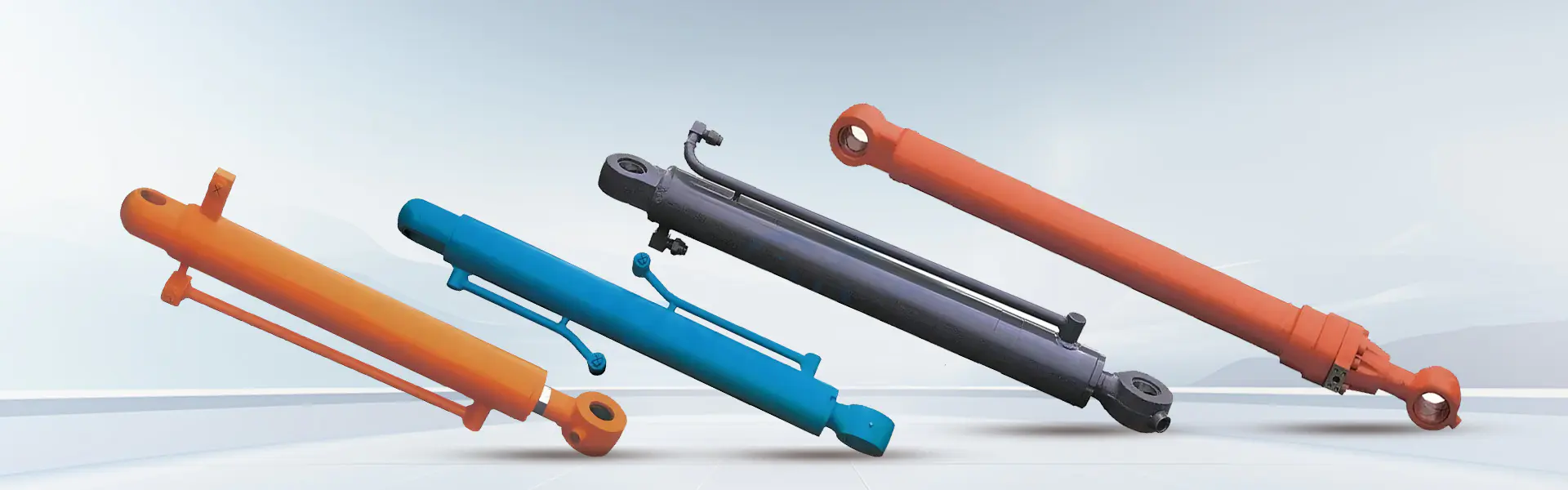
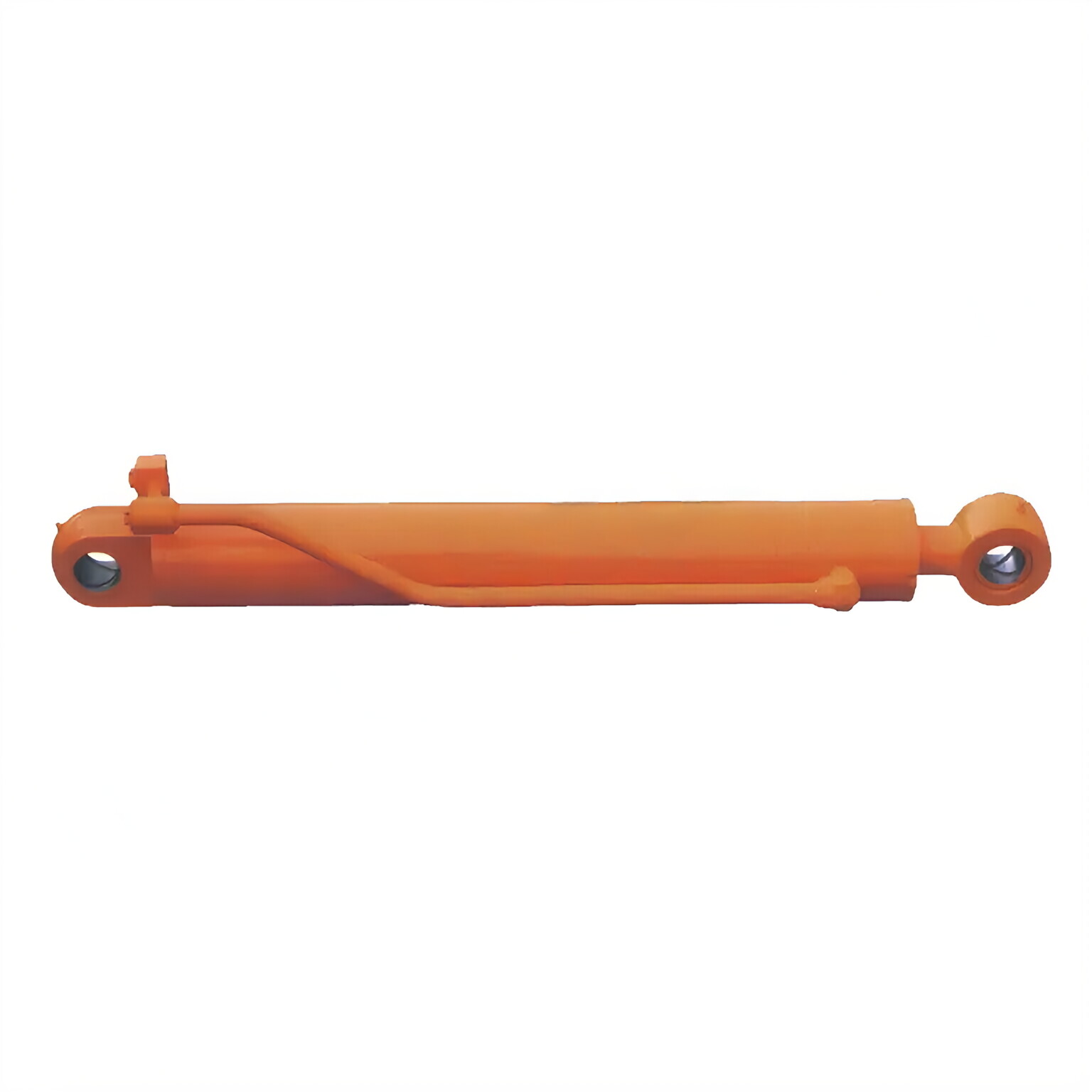
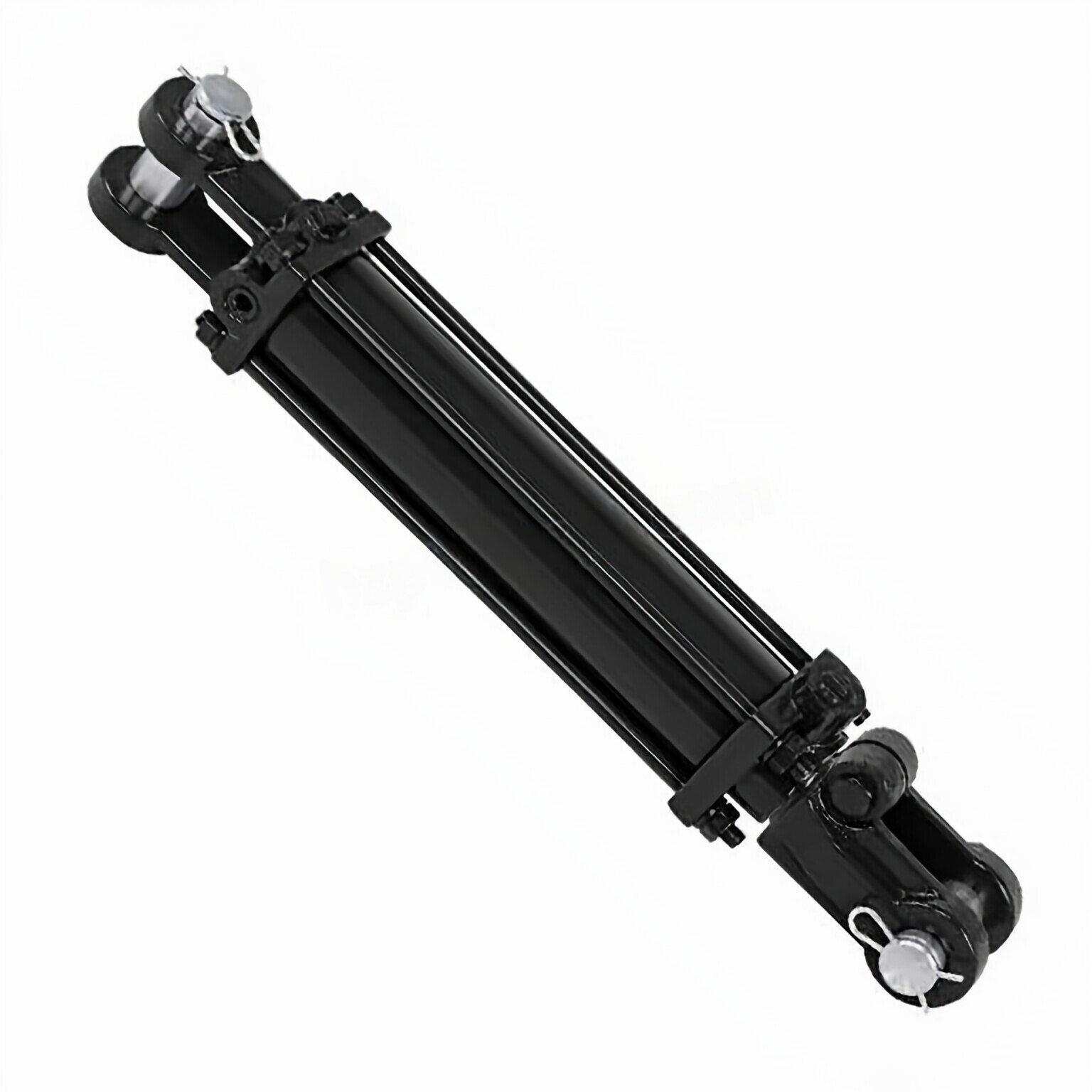
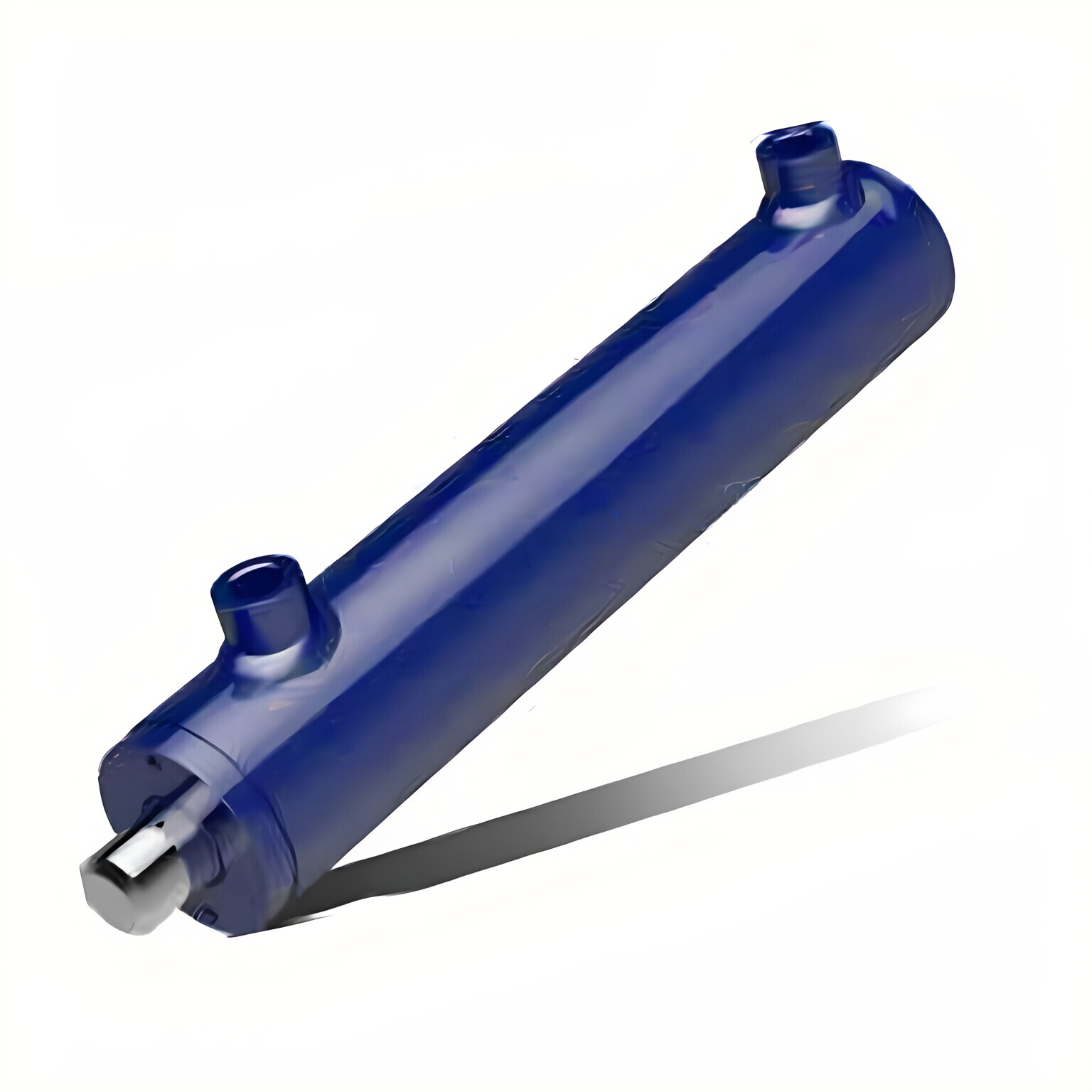
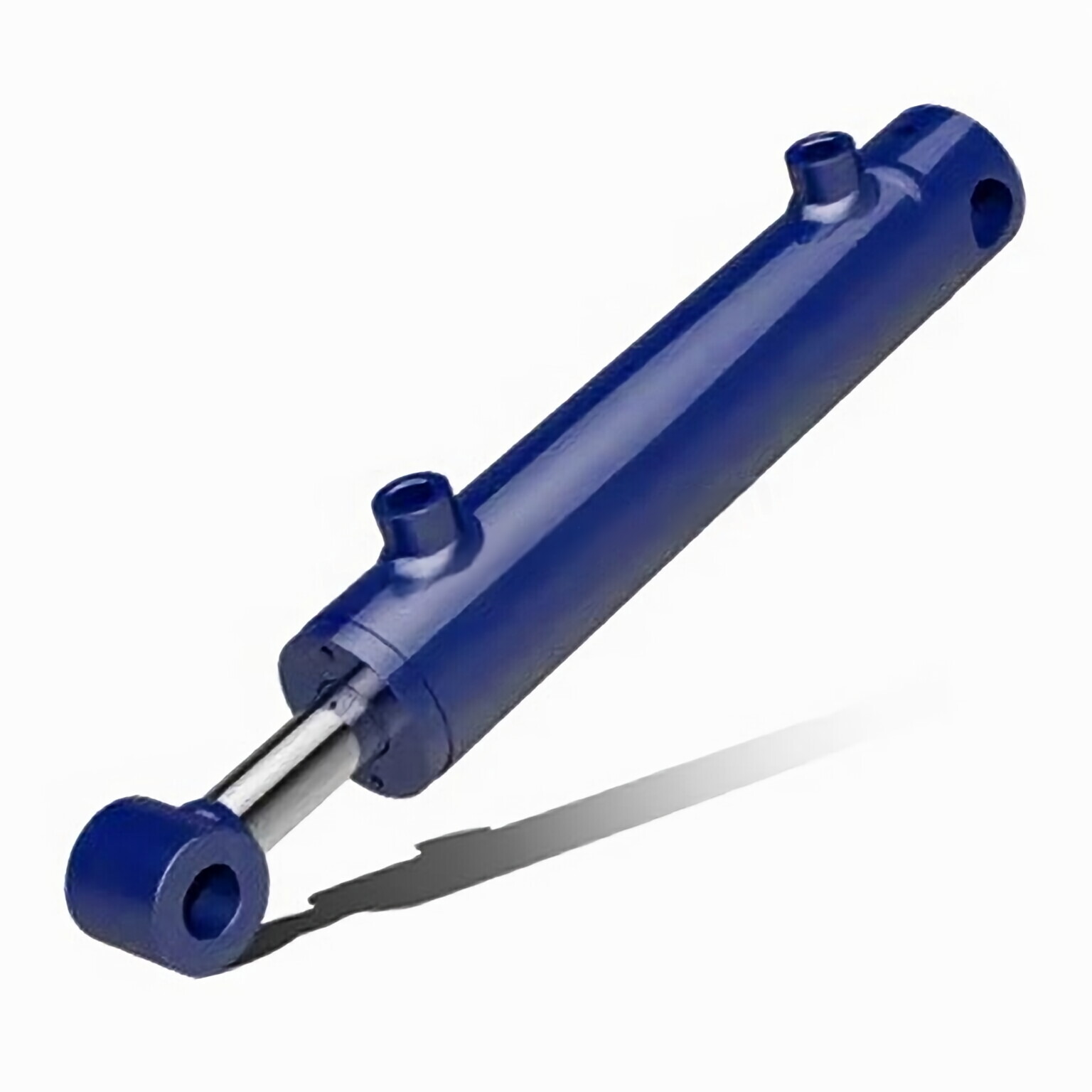
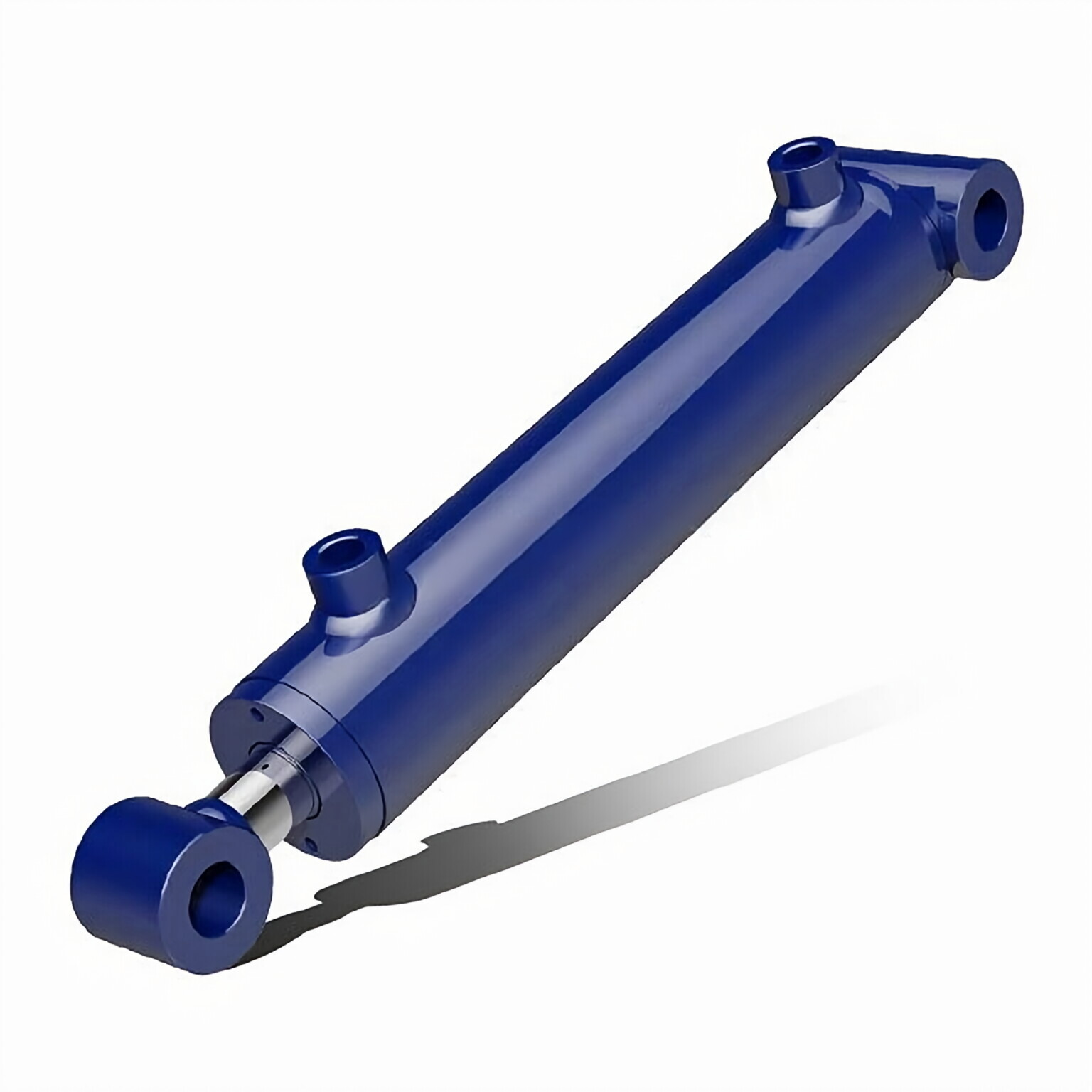
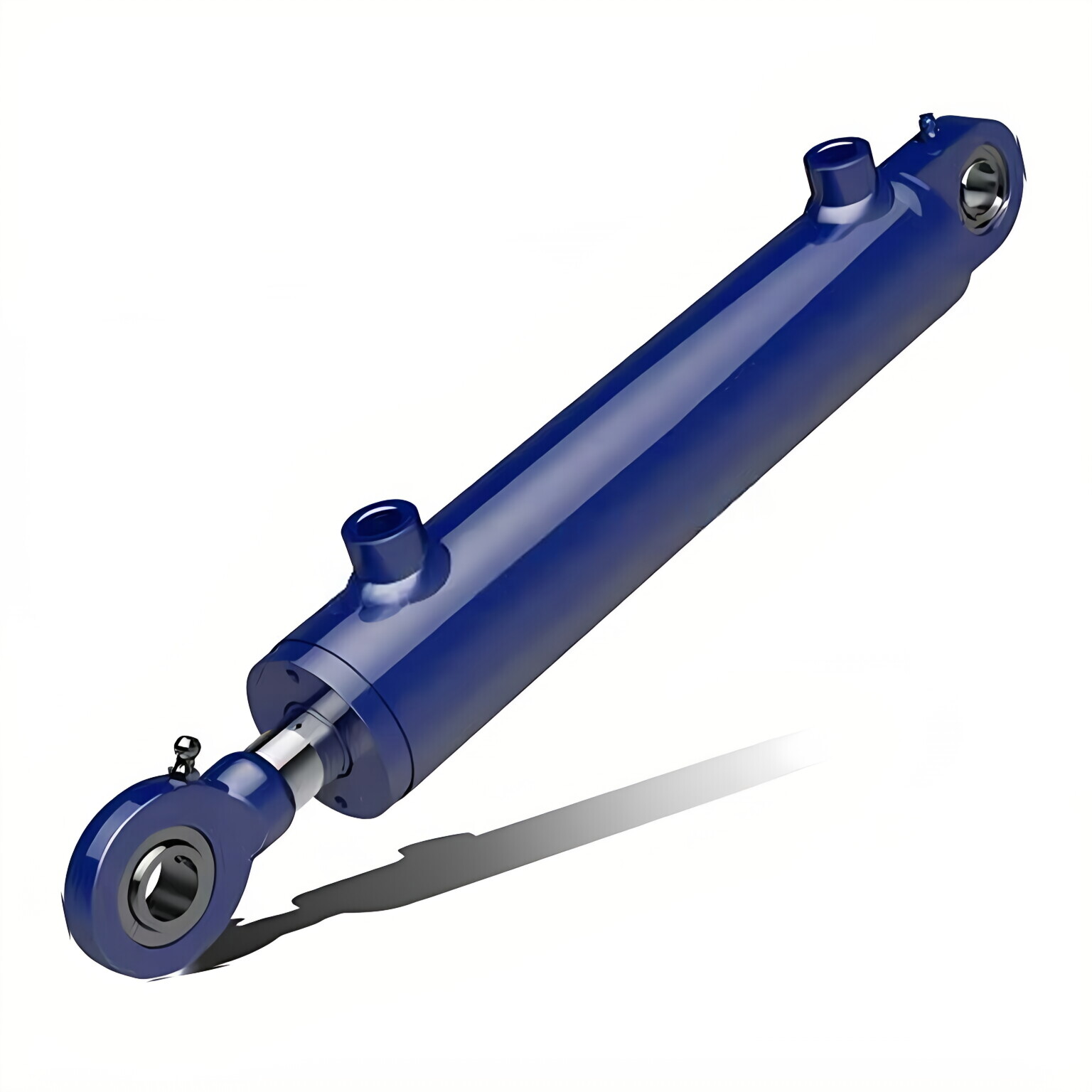
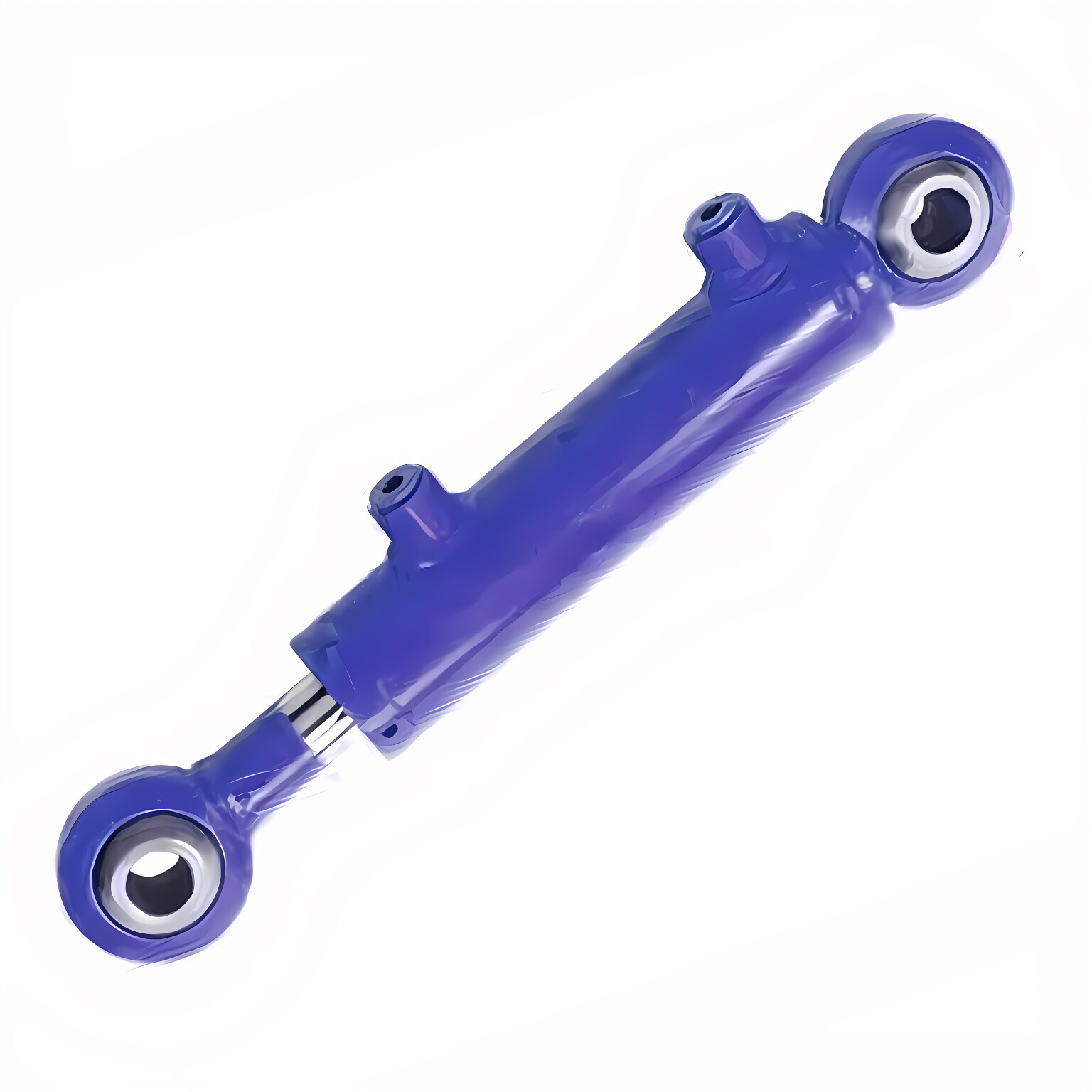
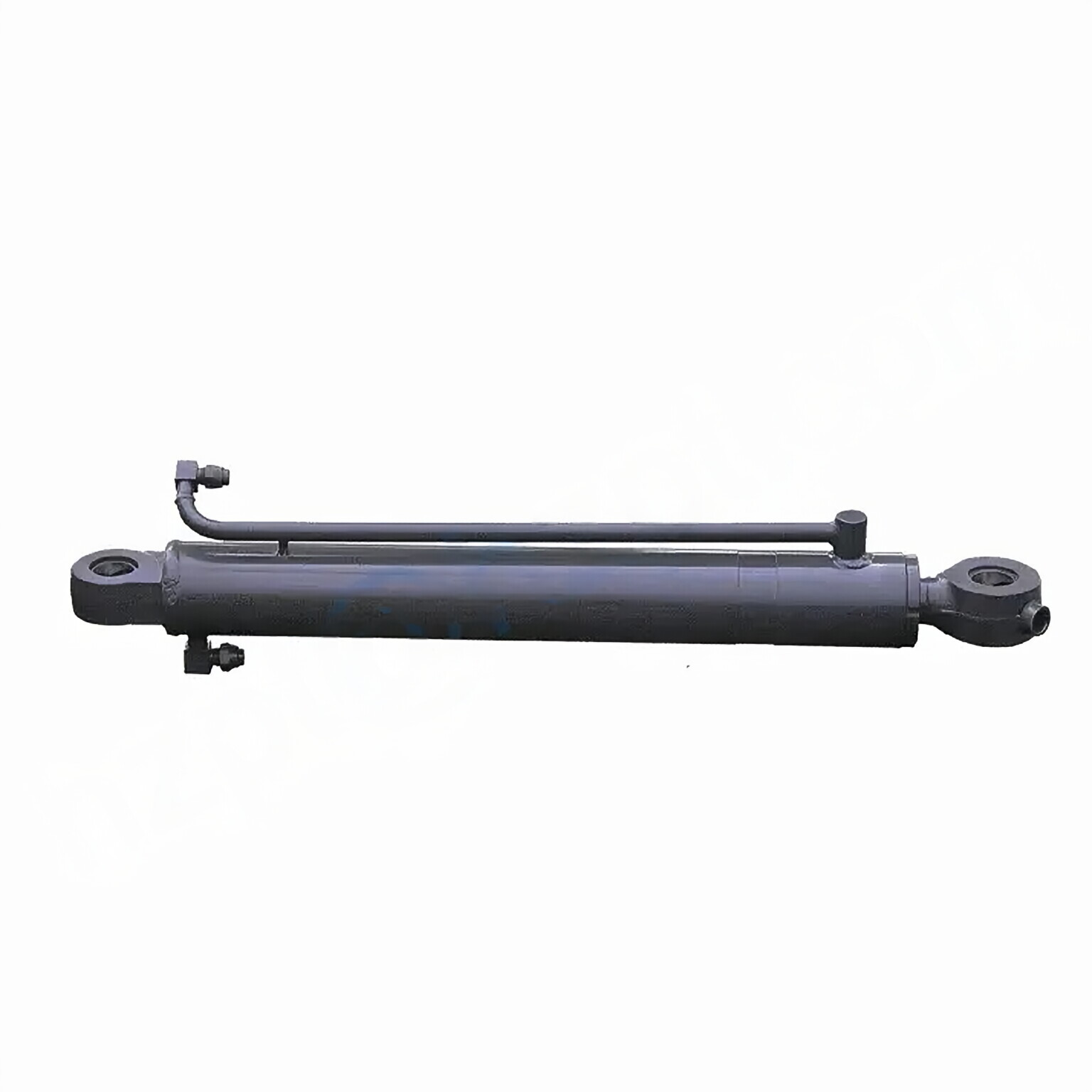
The arm cylinder is a type of hydraulic cylinder specifically designed to provide linear motion and force to the arms of various machinery, such as excavators, cranes, and mechanical arms. These cylinders are crucial for achieving the movement and control of additional tools or attachments.
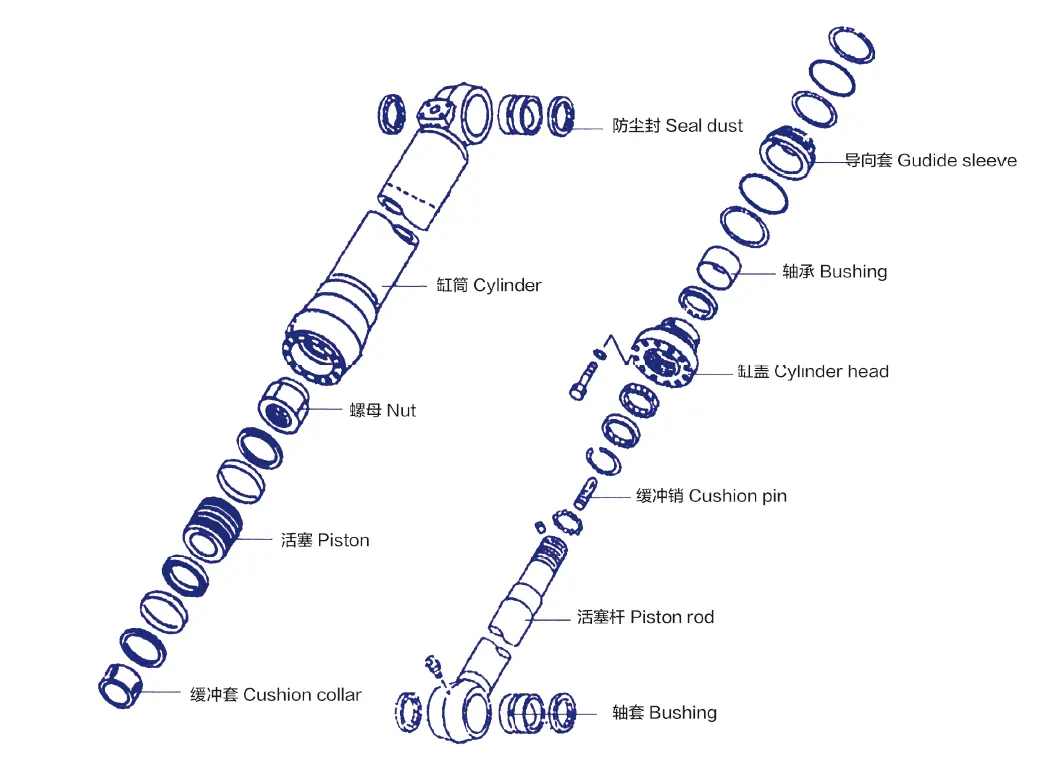
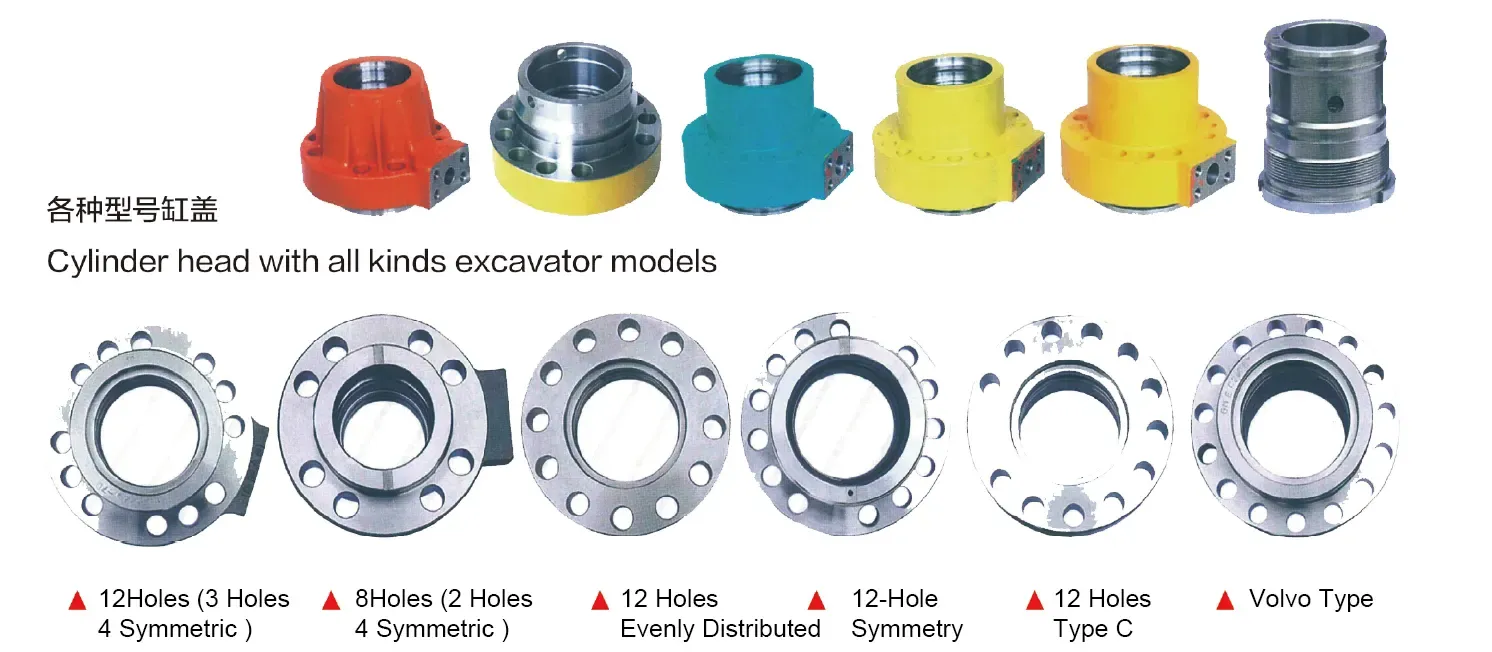
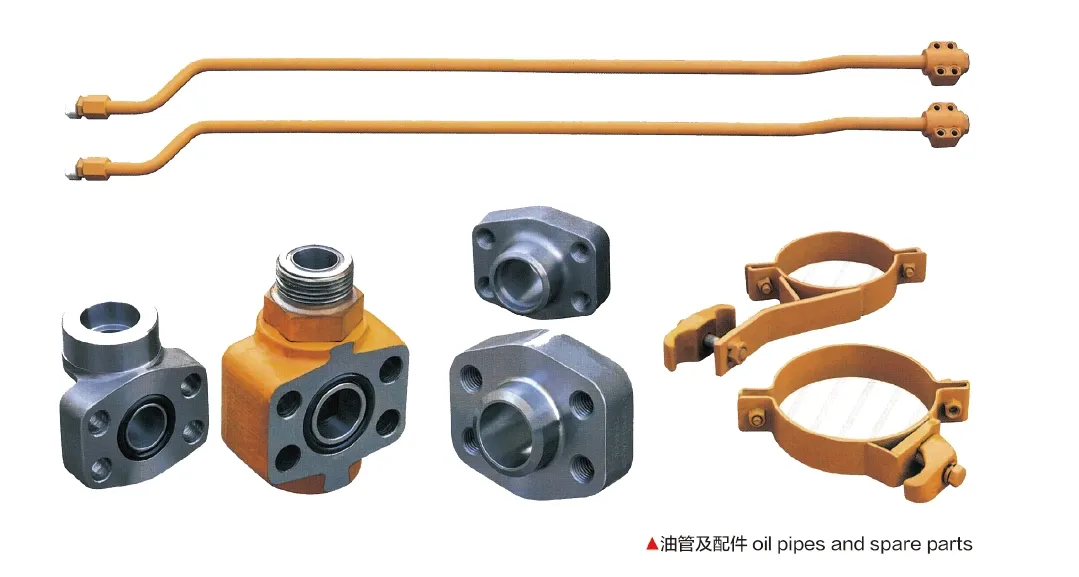
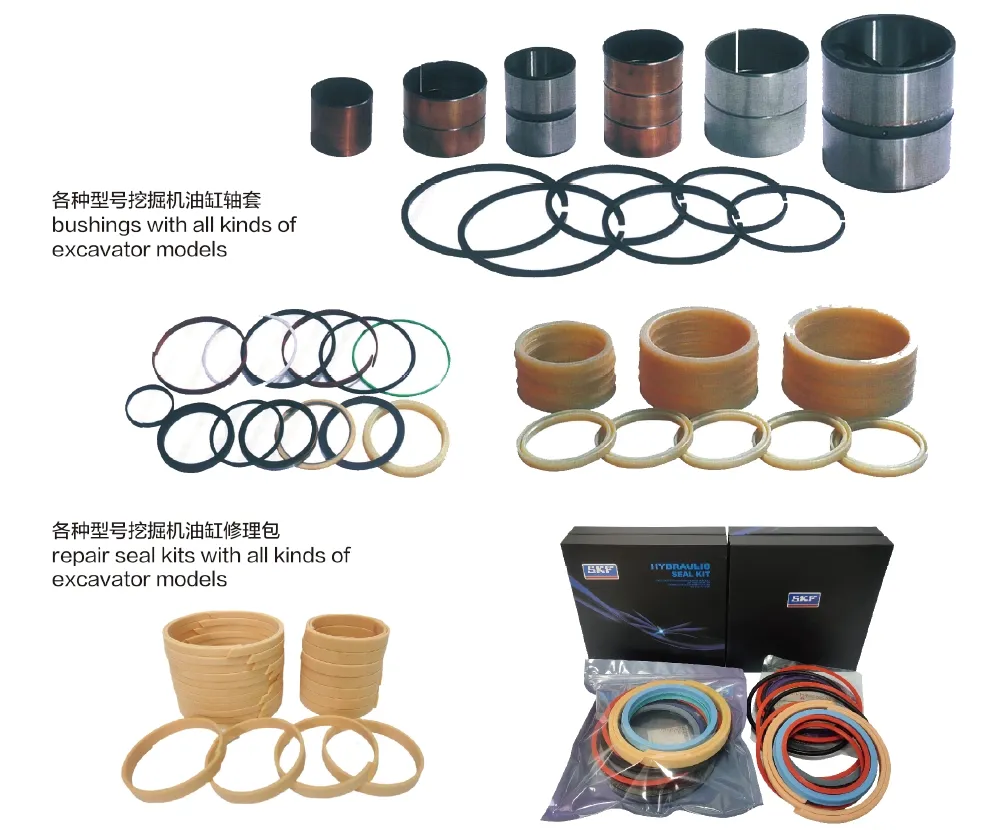
Various sealing components, such as piston seals and rod seals, are used to maintain effective sealing. These seals are made from wear-resistant materials, such as polyurethane and nitrile rubber. The cylinder body and threaded ends are finely treated to enhance wear resistance. Regular lubrication with appropriate hydraulic oil is necessary to ensure smooth operation.
1. Before installation, ensure that the equipment is turned off and all hydraulic pressure is relieved.
2. Carefully position the arm cylinder in the desired location, aligning it with the mounting points.
3. Securely fasten the arm cylinder using appropriate bolts and nuts, according to the equipment's specifications.
4. Connect the hydraulic hoses and ensure proper tightness and sealing.
5. Test the arm cylinder for smooth operation and any signs of leakage or abnormal behavior.
When using arm cylinders, it is essential to follow proper safety measures to prevent accidents and ensure the well-being of operators. This includes wearing appropriate protective gear, adhering to equipment operating guidelines, and regular maintenance to keep the cylinders in optimal condition. Additionally, environmental factors such as temperature and humidity should be considered to prevent any adverse effects on the cylinder's performance.
1. Leakage: Check for any signs of oil leakage from the cylinder body or connections. Inspect and replace seals if necessary.
2. Slow or Inconsistent Movement: Check the hydraulic system for any blockages or insufficient hydraulic pressure. Ensure proper fluid levels and check for any clogged filters.
3. Abnormal Noise: Unusual noises during operation may indicate mechanical issues or insufficient lubrication. Inspect the cylinder for any signs of damage or wear and lubricate as needed.
4. Cylinder Drift: If the cylinder slowly retracts or extends on its own, it may indicate internal leakage or faulty seals. Inspect and replace any worn or damaged seals.
5. Excessive Vibration: Excessive vibration during operation may indicate misalignment or imbalance. Check the mounting points and ensure proper alignment.
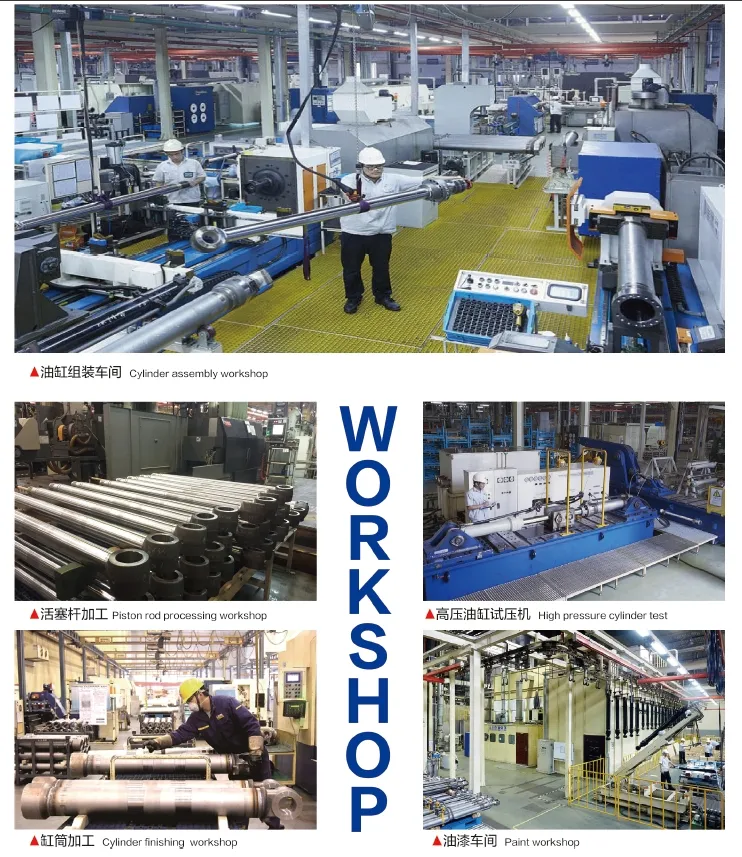
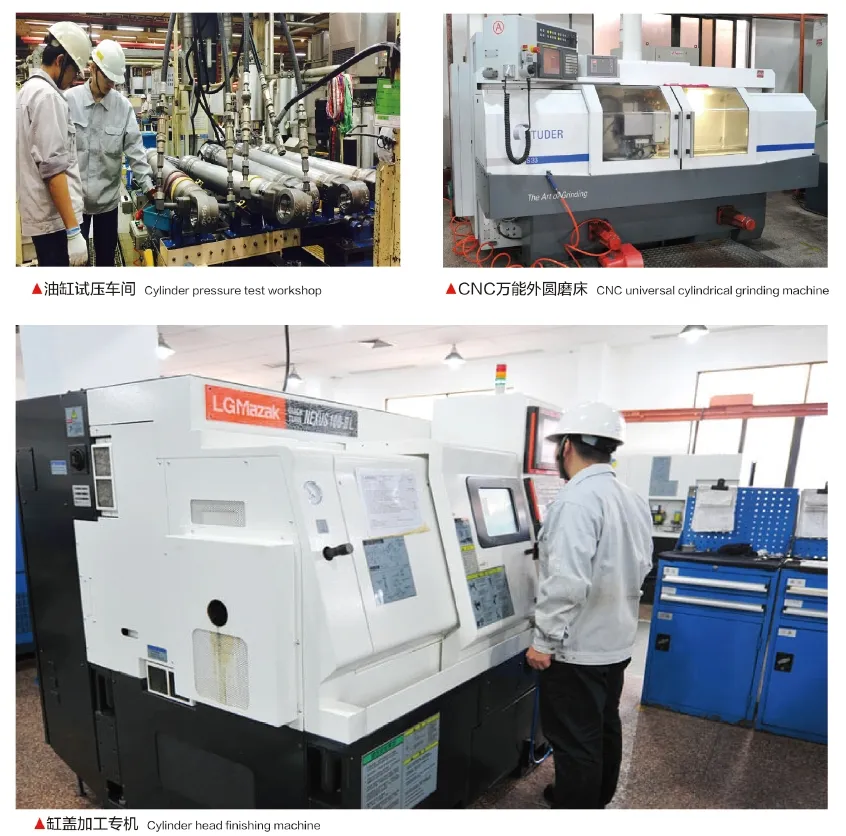
We are a manufacturer specializing in the production of replacement hydraulic cylinders. With a wide range of products, we have become one of the leading manufacturers and wholesale distributors of hydraulic cylinders in the domestic and international markets. We adhere to the principles of superior quality and rely on industrialized production management strategies in our refined manufacturing workshop. Our company continuously improves the manufacturing platform, perfects the production route of product quality, and has a strong innovative capability. We aim to meet the diverse needs of customers with high efficiency, precision, and high-quality products.
Author: lyl
Address
Luotuo Industrial Area, Zhenhai District, Ningbo City, China
Tel

 Raydafon