
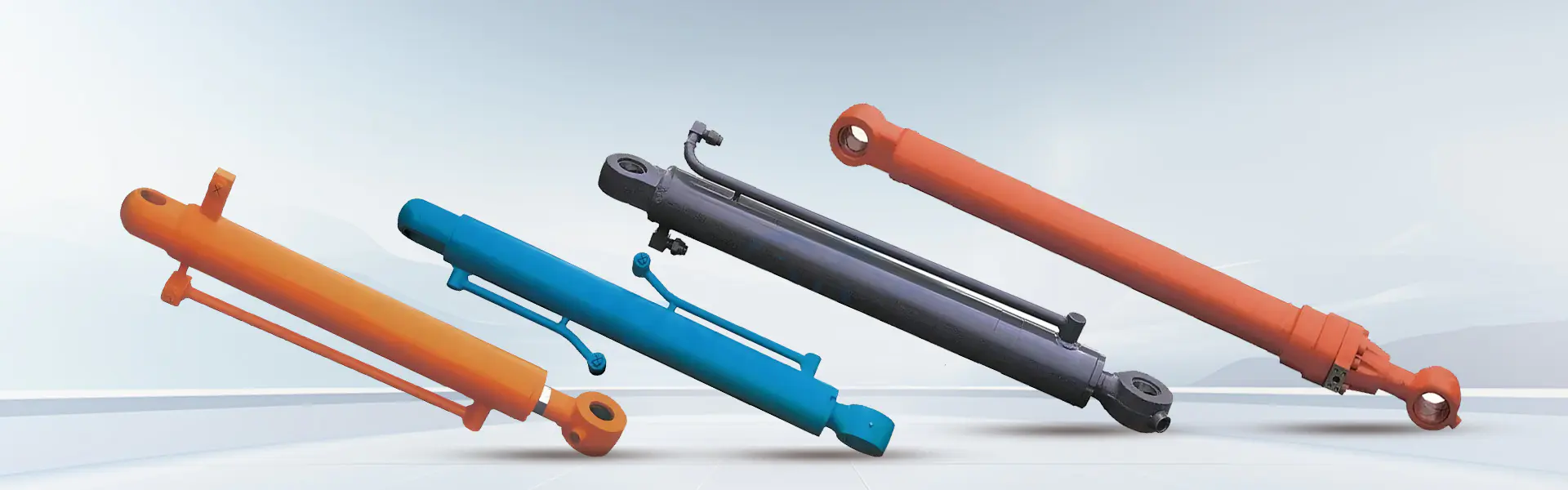
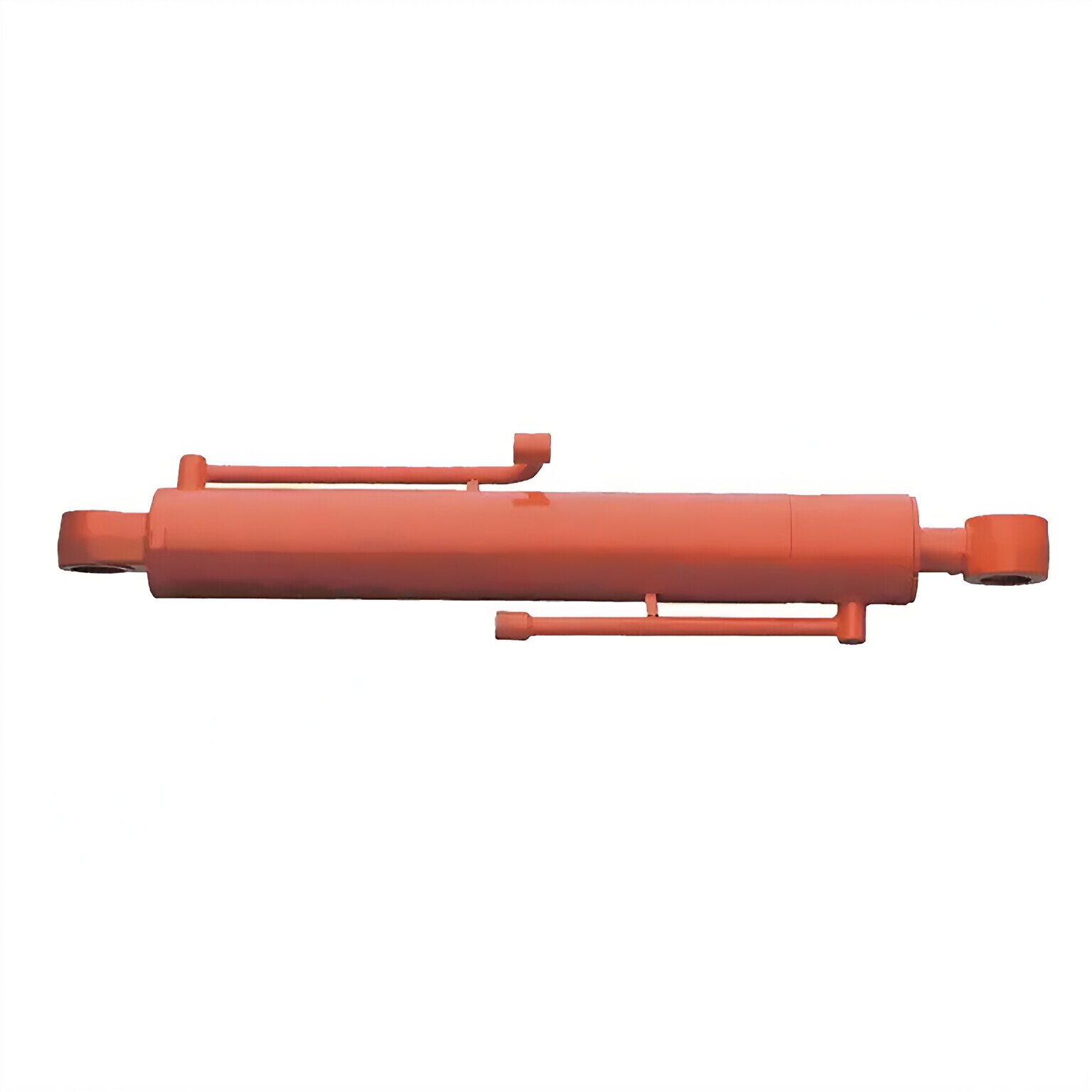
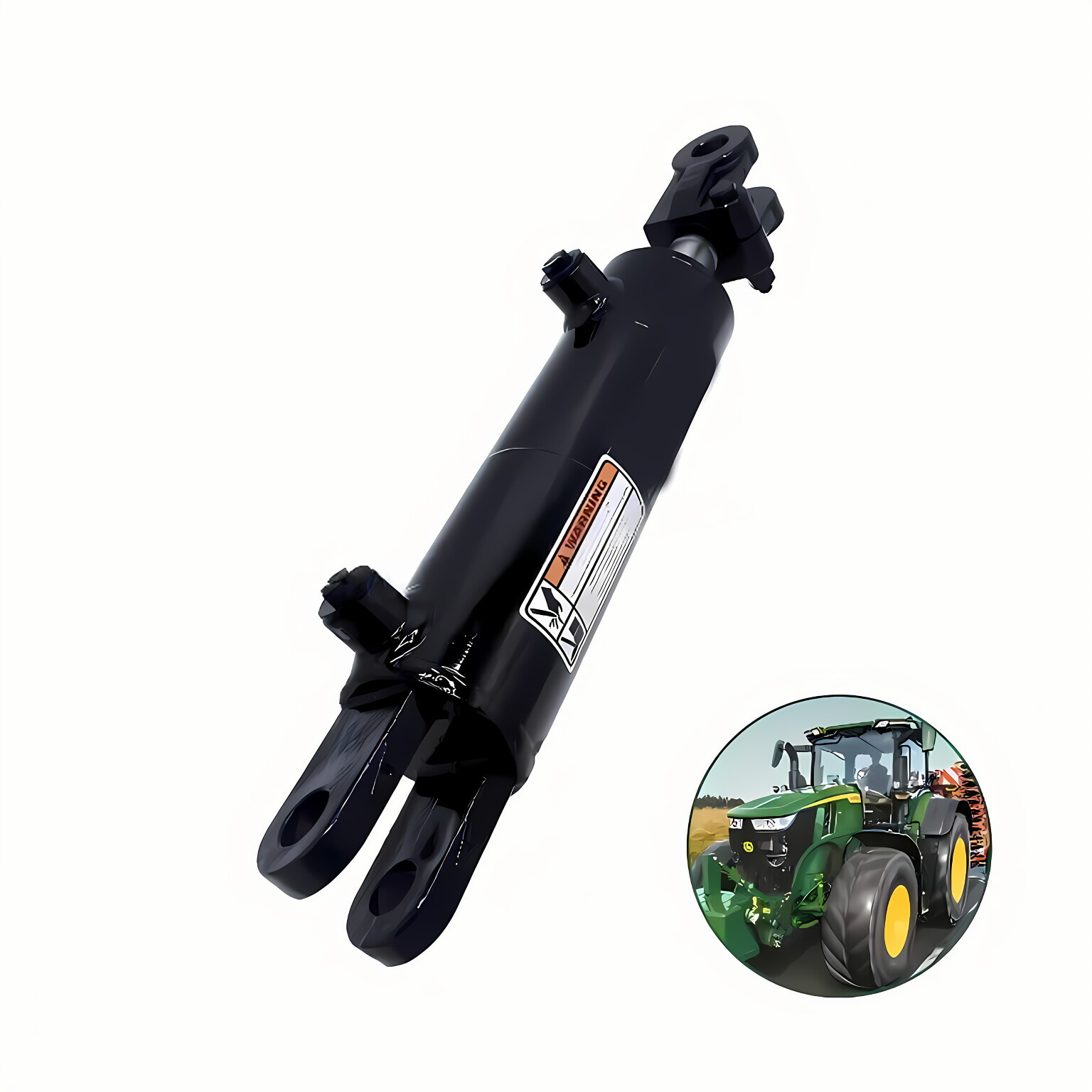
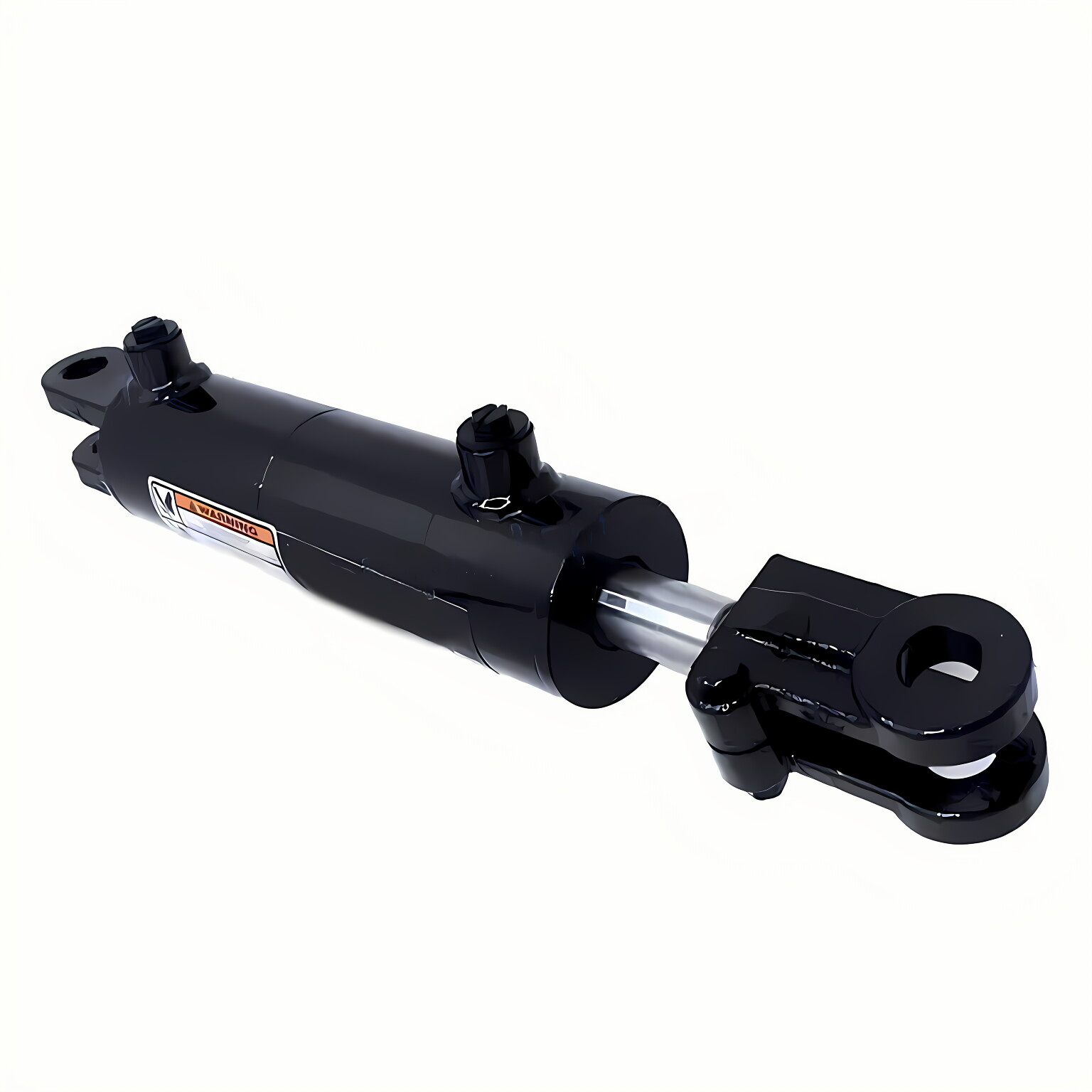
The boom cylinder for Volvo large excavator EC290B is an essential component of the hydraulic system. It plays a crucial role in the smooth operation and efficient performance of the excavator. In this article, we will explore the definition of boom cylinders, their function and application in hydraulic systems, and provide a comprehensive overview of this product.
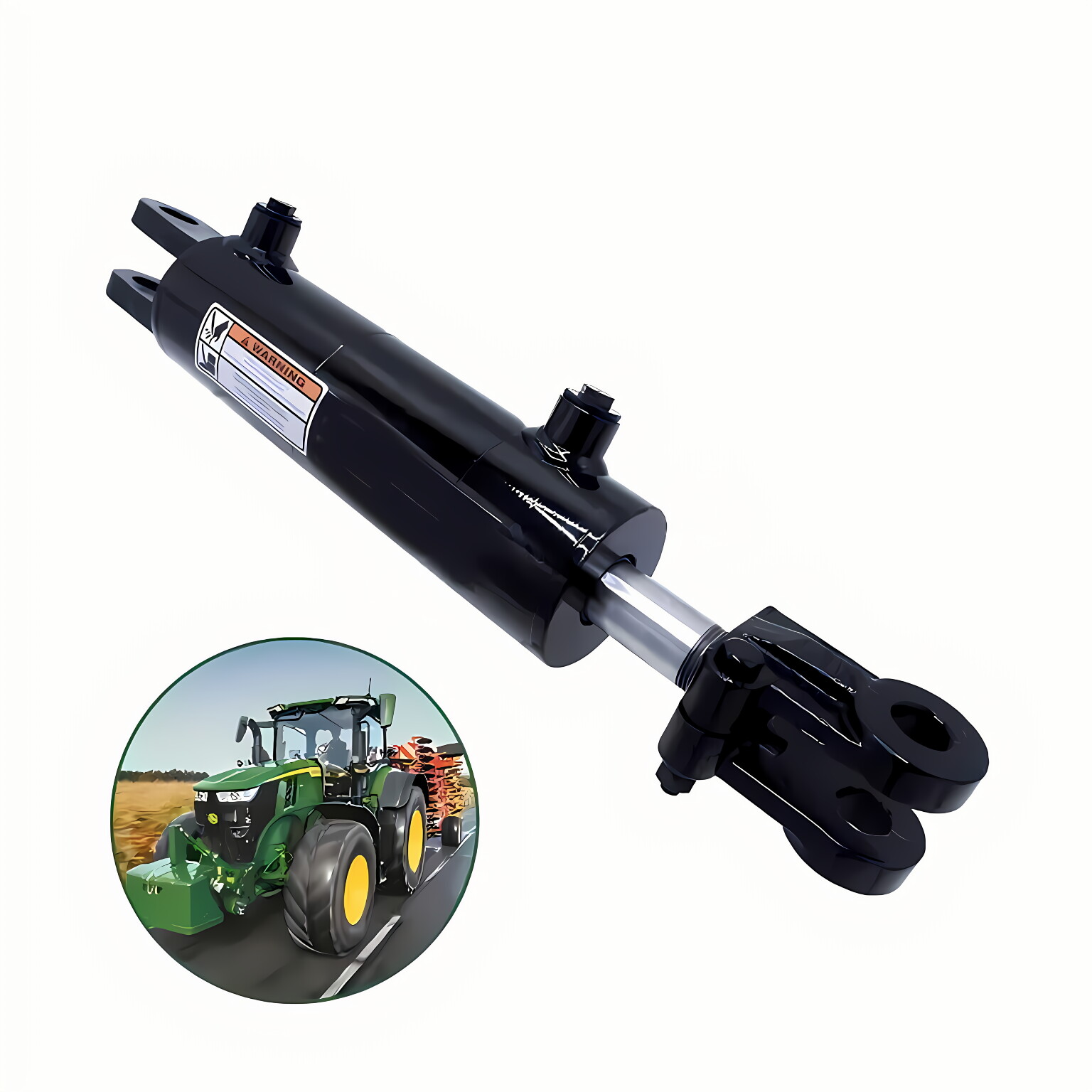
A boom cylinder is a hydraulic cylinder used in excavators to control the movement of the boom. It is responsible for extending and retracting the boom, allowing the excavator to reach different heights and distances. The boom cylinder is a vital part of the hydraulic system, providing the necessary power and control for the excavator's operation.
Boom cylinders find extensive applications in various industries, including:
Commonly used in cranes, excavators, and backhoe loaders for lifting and positioning materials.
Used in log loaders to extend the reach of the boom for picking up and moving logs.
In forklifts, the boom cylinder is used for lifting and lowering forks or attachments, improving efficiency in warehouses and loading docks.
Each application of boom cylinders provides enhanced functionality and increased productivity in their respective industries.
When designing and selecting boom cylinders, several key factors should be taken into account:
The boom cylinder should be able to withstand the maximum load it will encounter during operation, ensuring safe and reliable performance.
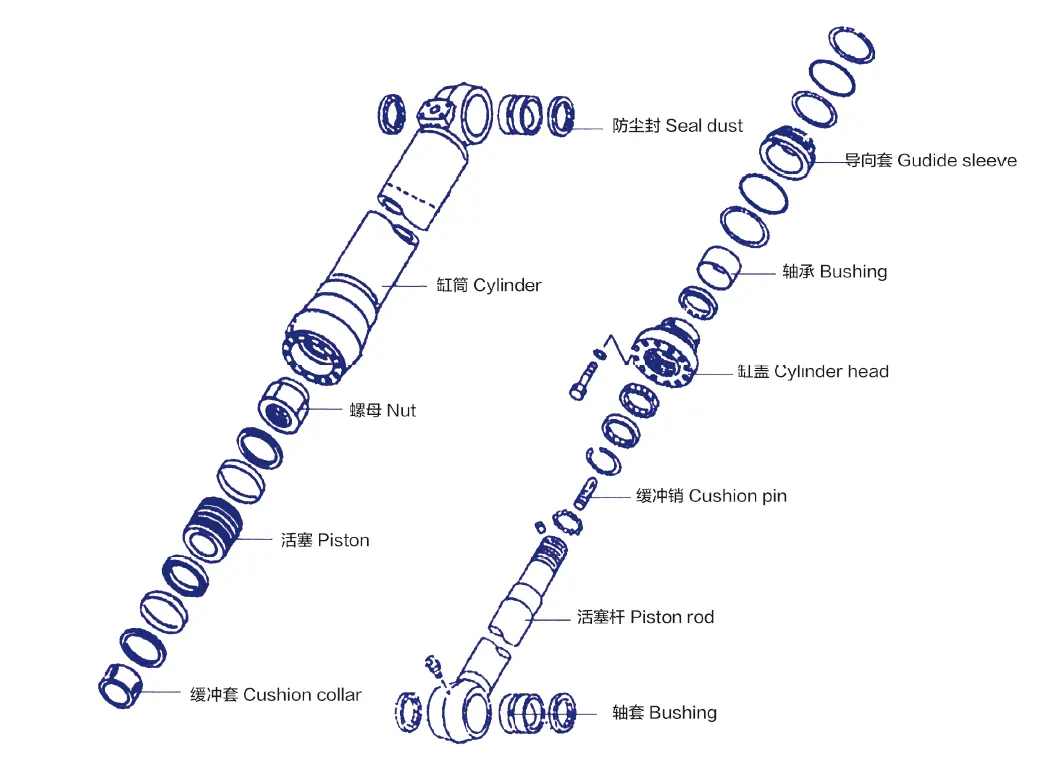
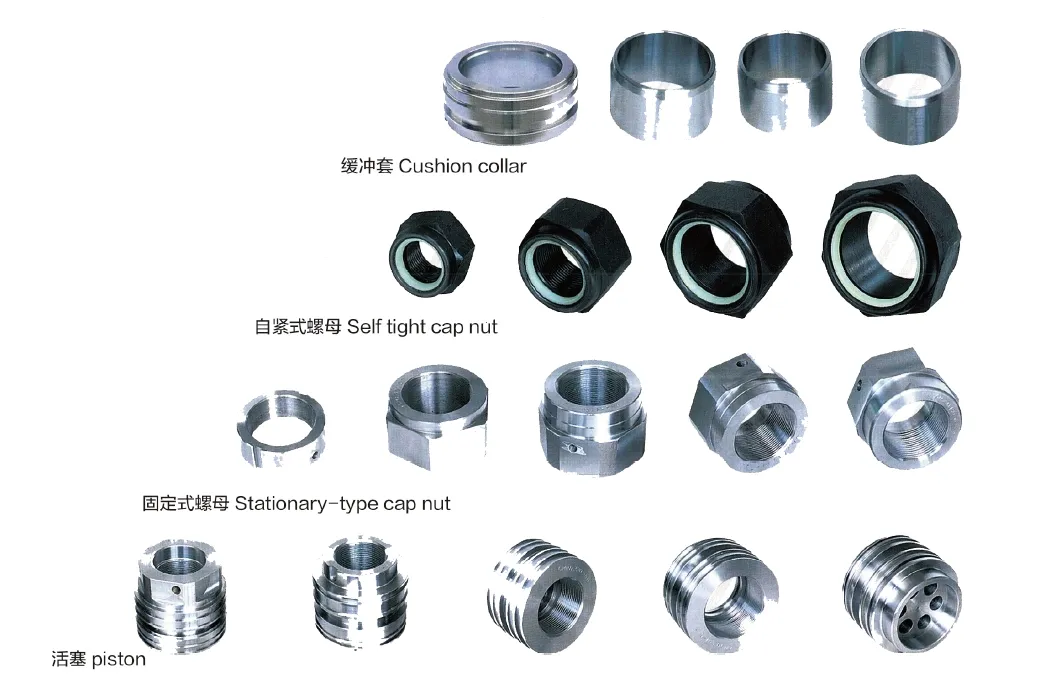
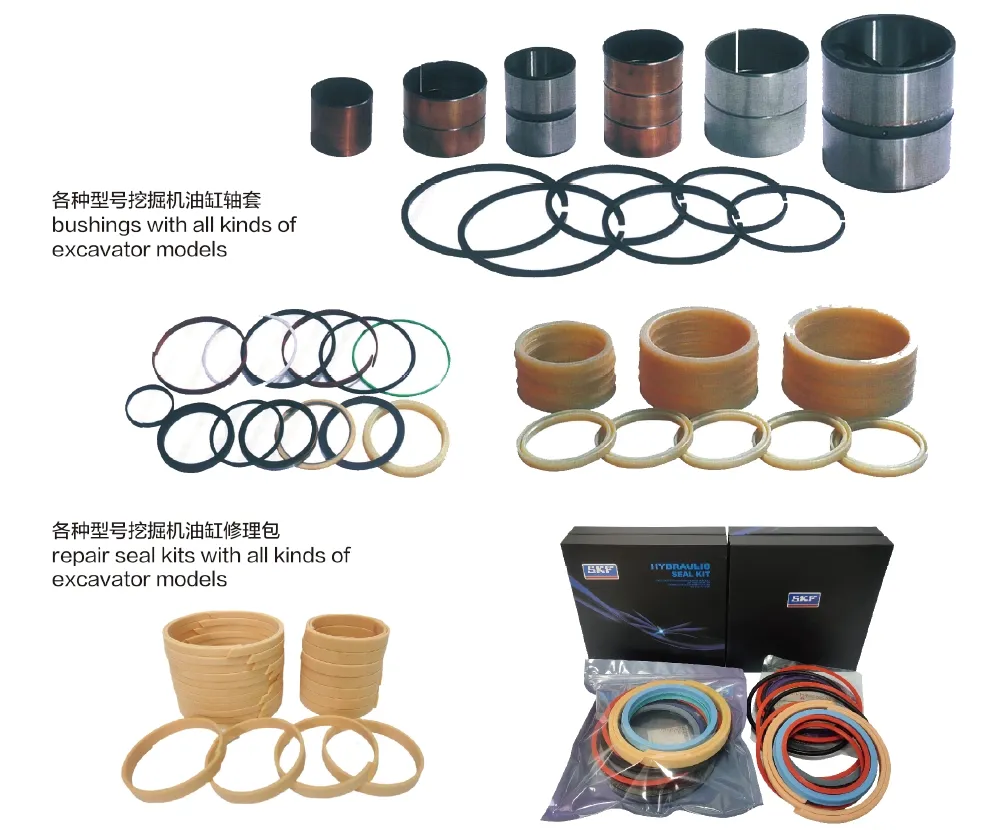
Proper sealing is crucial to prevent hydraulic fluid leakage and maintain the cylinder's efficiency. Various sealing components such as piston seals and rod seals, made of wear-resistant materials like polyurethane and nitrile rubber, are used to ensure effective sealing.
The boom cylinder should be designed to withstand the rigors of heavy-duty applications and resist wear and corrosion, ensuring a long service life.
Considerations should be made to ensure the safety of operators and prevent accidents during the operation of the boom cylinder. Safety features such as pressure relief valves and emergency stop systems should be incorporated.
The boom cylinder should be designed for easy maintenance and repair, with accessible components and clear guidelines for inspection, lubrication, and replacement.
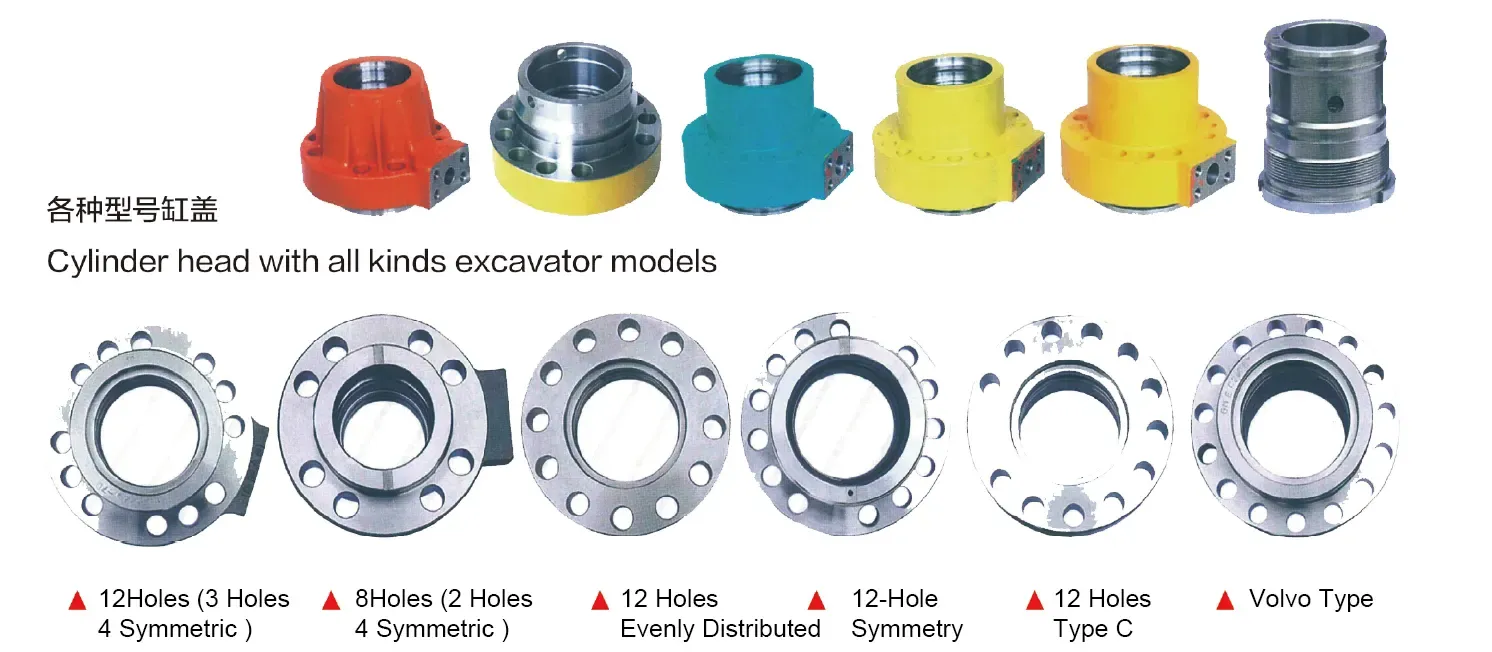
To ensure optimal performance and longevity, boom cylinders utilize various sealing components. These include piston seals, rod seals, and other seals made of wear-resistant materials such as polyurethane and nitrile rubber. The cylinder body and threaded end surfaces are finely treated to enhance wear resistance. Regular lubrication with the appropriate amount of hydraulic oil is essential to maintain smooth operation and prevent excessive wear.
Regular inspection and preventive maintenance are crucial to prolong the lifespan of boom cylinders. The following measures should be taken:
Periodically inspect the boom cylinder for any signs of wear, leakage, or damage. Pay attention to seals, connections, and moving parts.
Follow the manufacturer's guidelines for lubrication. Apply the recommended lubricant to ensure smooth operation and prevent premature wear.
If any seals show signs of wear or leakage, they should be promptly replaced to maintain optimal performance and prevent hydraulic fluid leaks.
Proper installation is essential for the effective functioning of the boom cylinder. Follow these steps to ensure correct installation:
Align the cylinder with the mounting points on the equipment, ensuring a proper fit.
Use suitable installation brackets to secure the cylinder in place, providing stability and support.
Follow the recommended procedures for inspection, repair, and replacement of boom cylinder components. This will help maintain the longevity and reliability of the system.
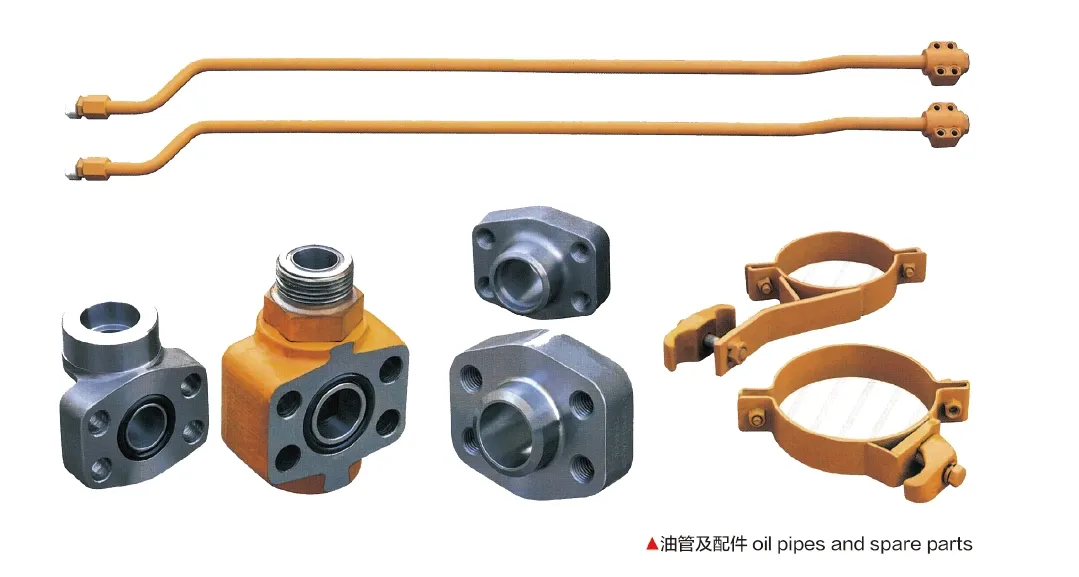
Rebuilding services and replacement parts are available to ensure the longevity and efficient performance of the boom cylinder.
When using boom cylinders, it is essential to prioritize safety measures. Operators should be trained and familiar with the proper operation and safety protocols. Furthermore, environmental factors such as temperature, humidity, and exposure to corrosive substances should be taken into account to ensure the longevity and performance of the boom cylinder.
Despite their durability, boom cylinders may encounter occasional issues. Here are some common problems and their possible solutions:
Solution: Inspect and replace worn or damaged seals. Ensure proper sealing and tighten connections.
Solution: Check hydraulic oil levels and ensure proper lubrication. Clean or replace clogged filters.
Solution: Check for any obstructions or damage to the cylinder and its components. Repair or replace as necessary.
To minimize potential issues, the following preventive measures are recommended:
Perform routine inspections and maintenance to identify and address any potential issues before they escalate.
Ensure the boom cylinder is properly lubricated according to the manufacturer's guidelines.
During installation, ensure the boom cylinder is aligned correctly to prevent undue stress and premature wear.
Organize the article logically, using subheadings for easy navigation. Incorporate relevant images or diagrams to enhance understanding. Ensure the content is clear, concise, and suitable for readers with varying technical knowledge levels.
We are a leading manufacturer and wholesaler of replacement hydraulic cylinders. With a wide range of products, we have become a trusted name in the domestic and international markets. Our company adheres to the principles of excellence, utilizing advanced manufacturing facilities and a highly skilled workforce. We strive to meet diverse customer demands with efficiency, precision, and superior quality.
Our company offers:
Address
Luotuo Industrial Area, Zhenhai District, Ningbo City, China
Tel

 Raydafon