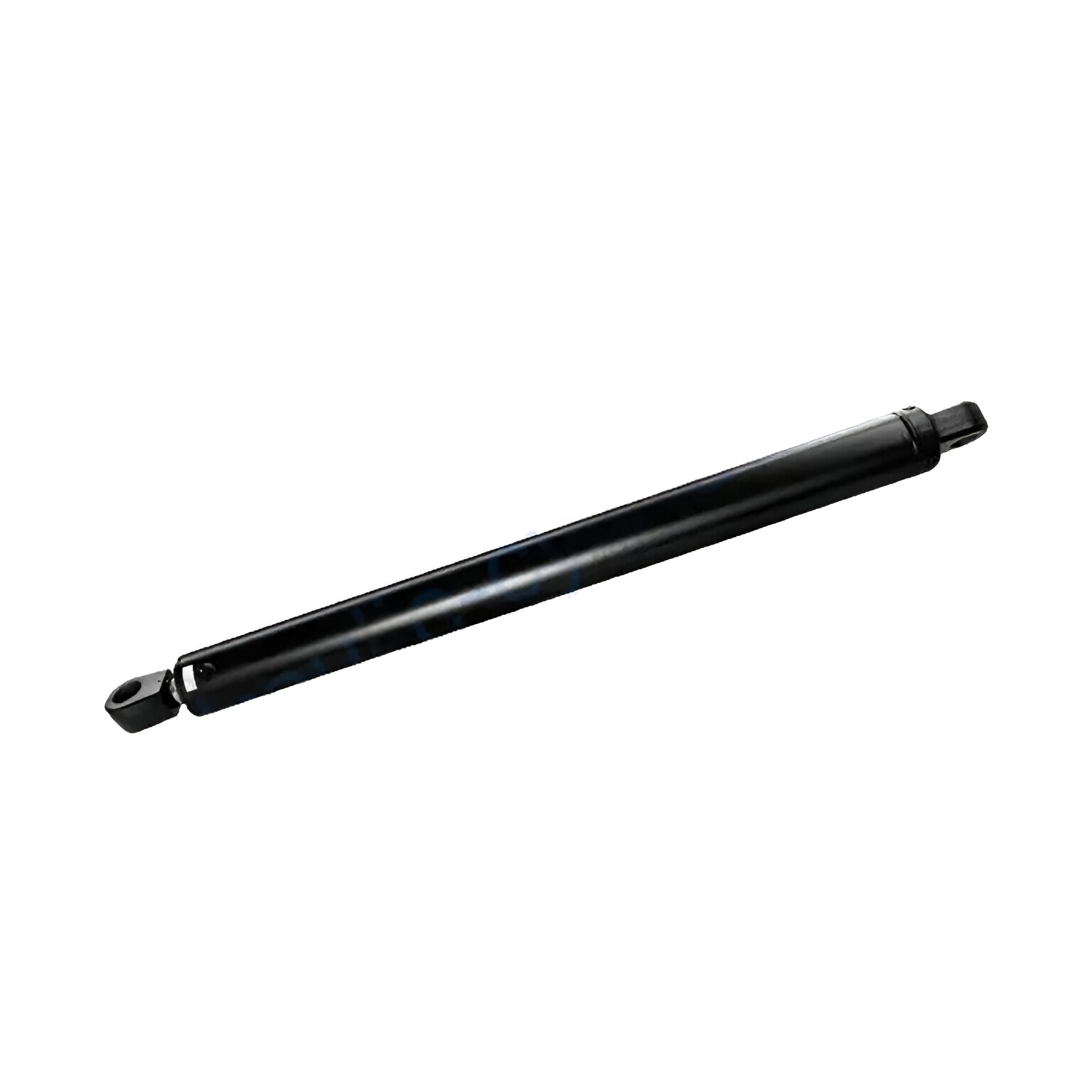
Pistion Rod End Is External Threaded Rod Head Earring Connection Engineering Hydraulic Cylinder
Raydafon Group's Pistion Rod End Is External Threaded Rod Head Earring Connection Engineering Hydraulic Cylinder delivers precision and durability for demanding applications. Crafted with superior materials and advanced technology, this hydraulic cylinder ensures reliable performance and longevity. Ideal for engineering professionals and industrial users, it solves connection challenges with ease, offering seamless integration and unmatched strength. Stand out with its unique threaded design and enhanced stability, making it a trusted choice for superior hydraulic solutions.
Pistion Rod End Is External Threaded Rod Head Earring Connection Engineering Hydraulic Cylinder
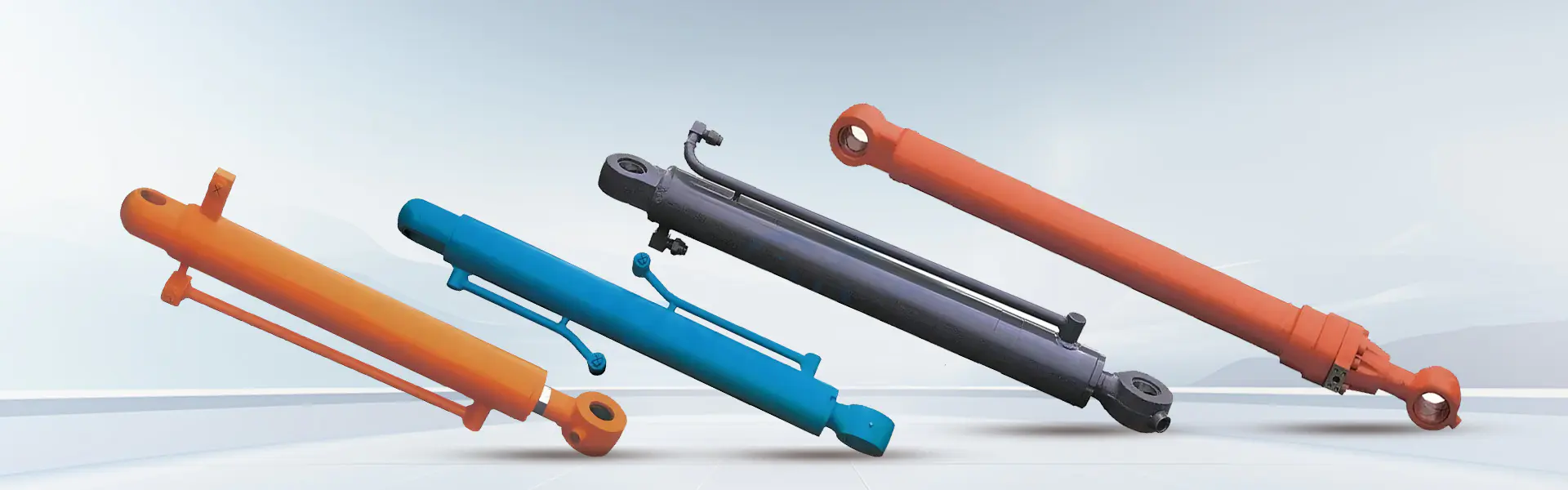
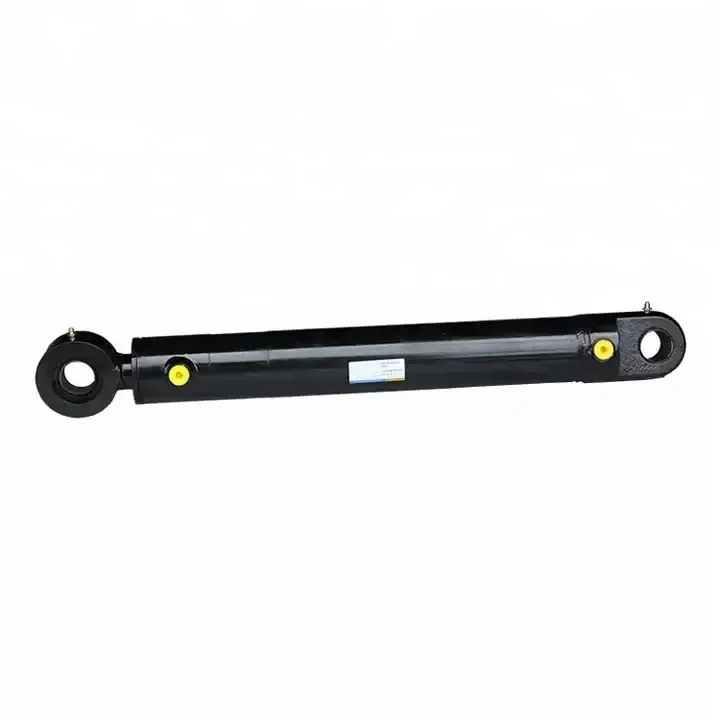
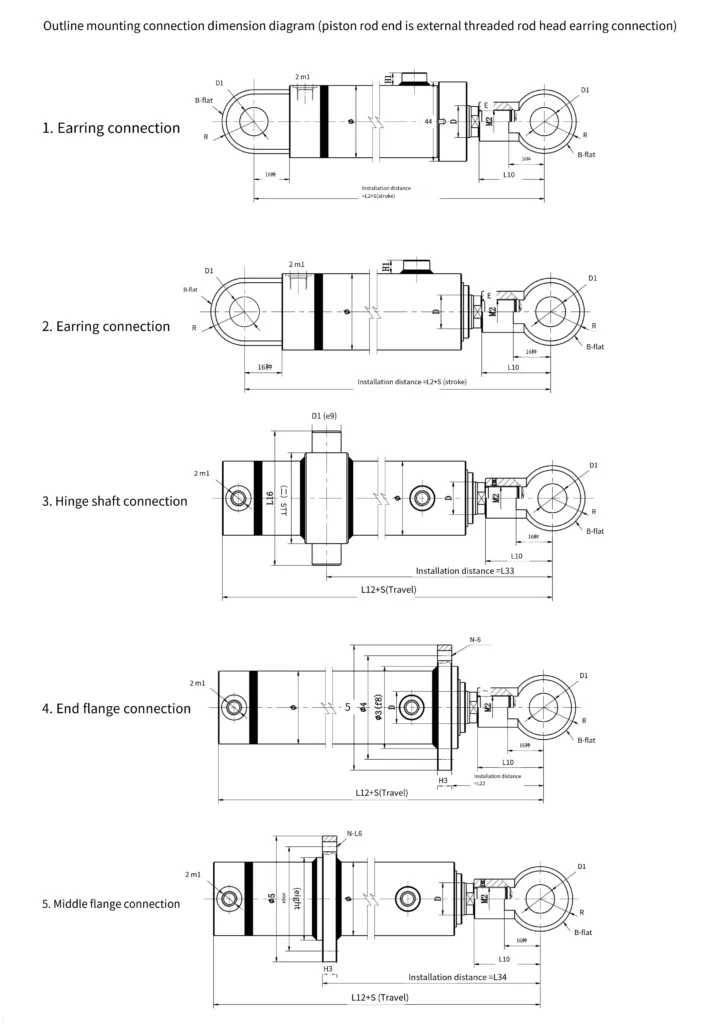
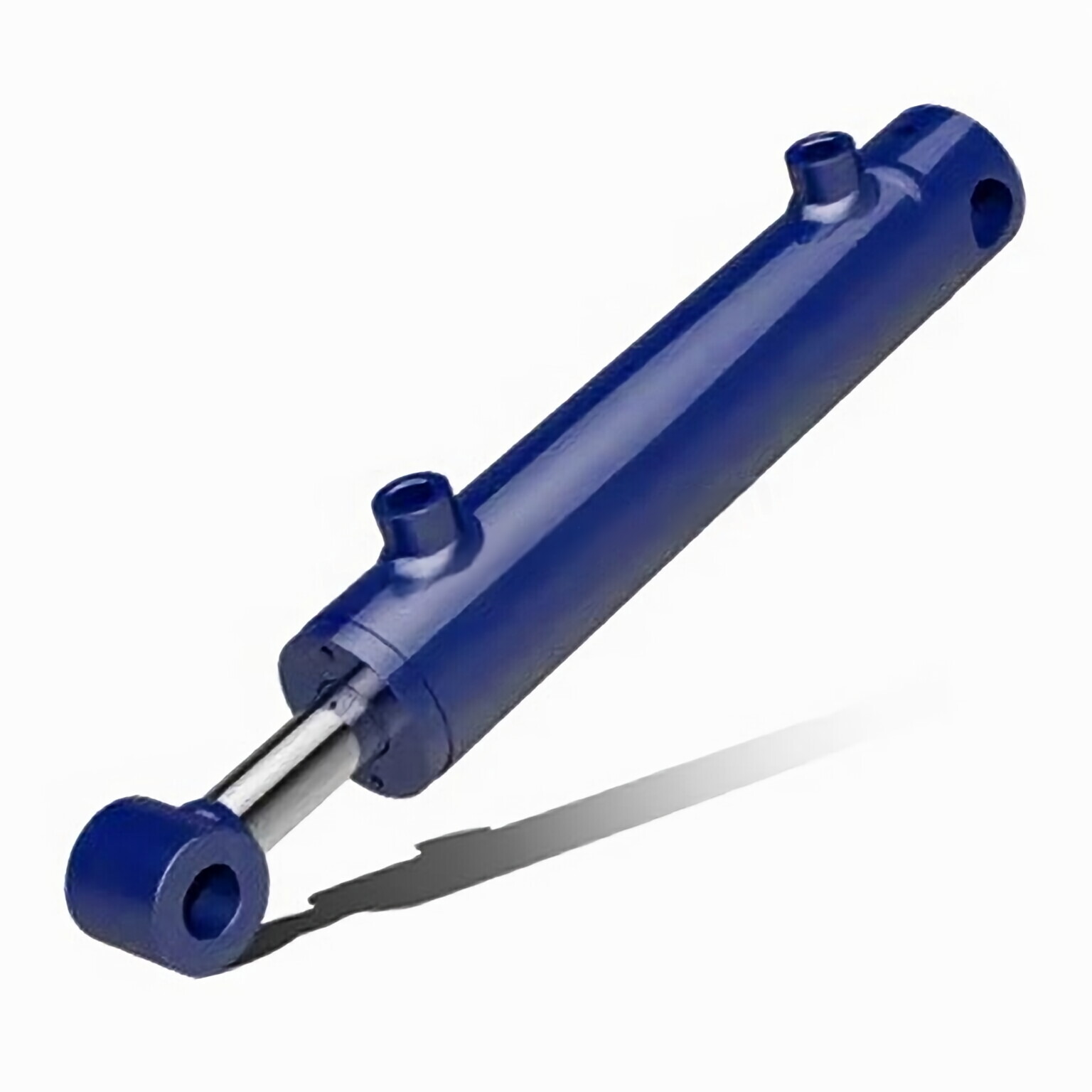
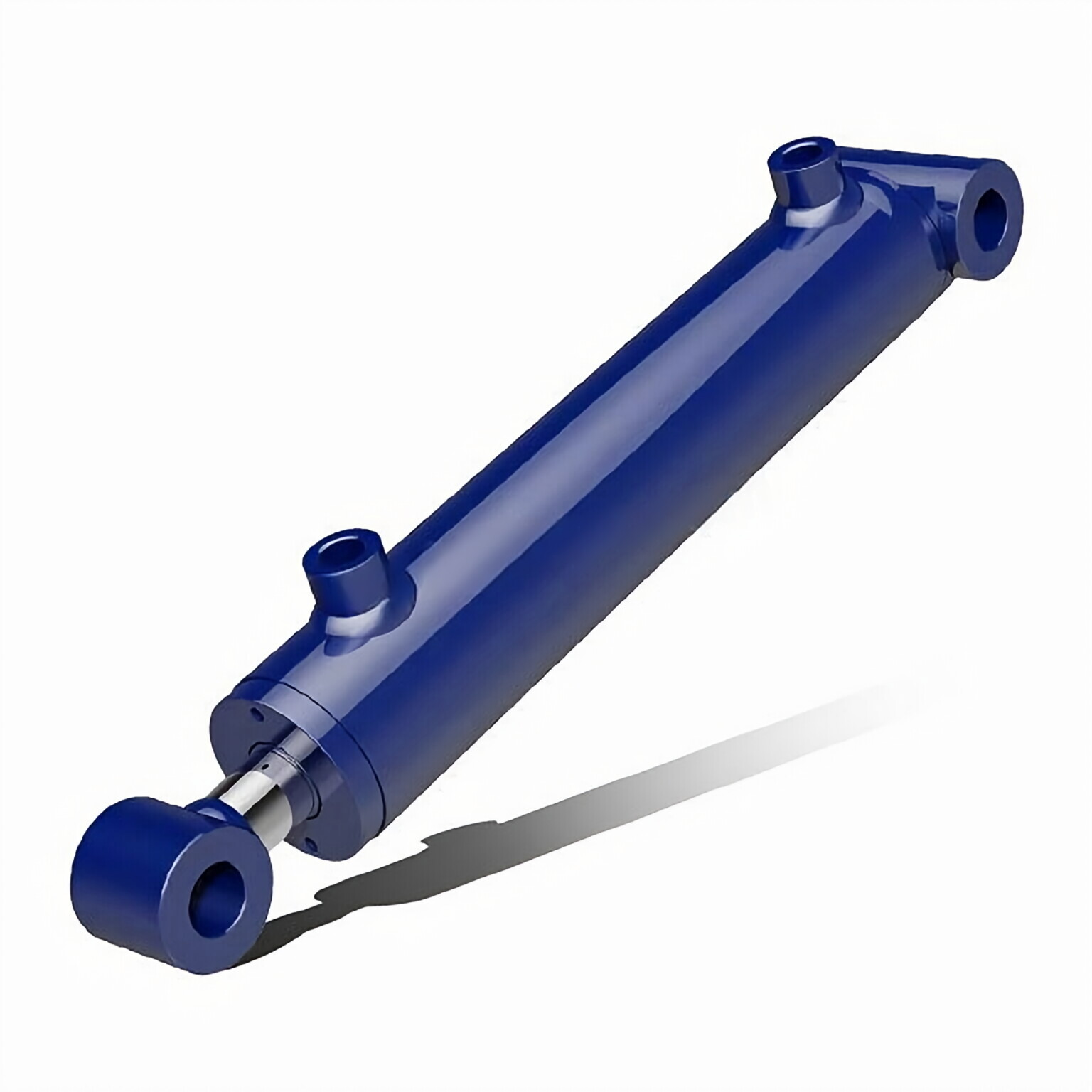
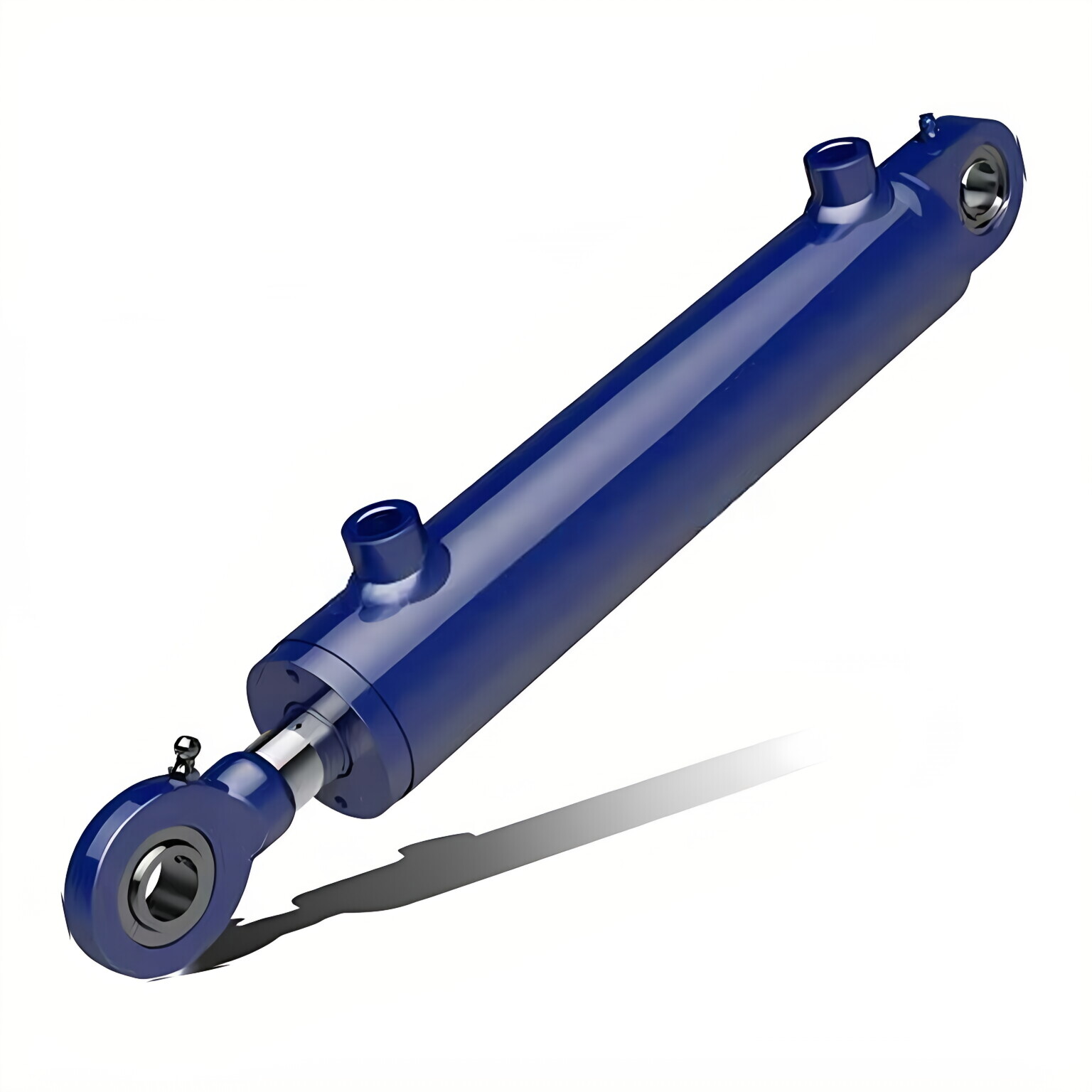
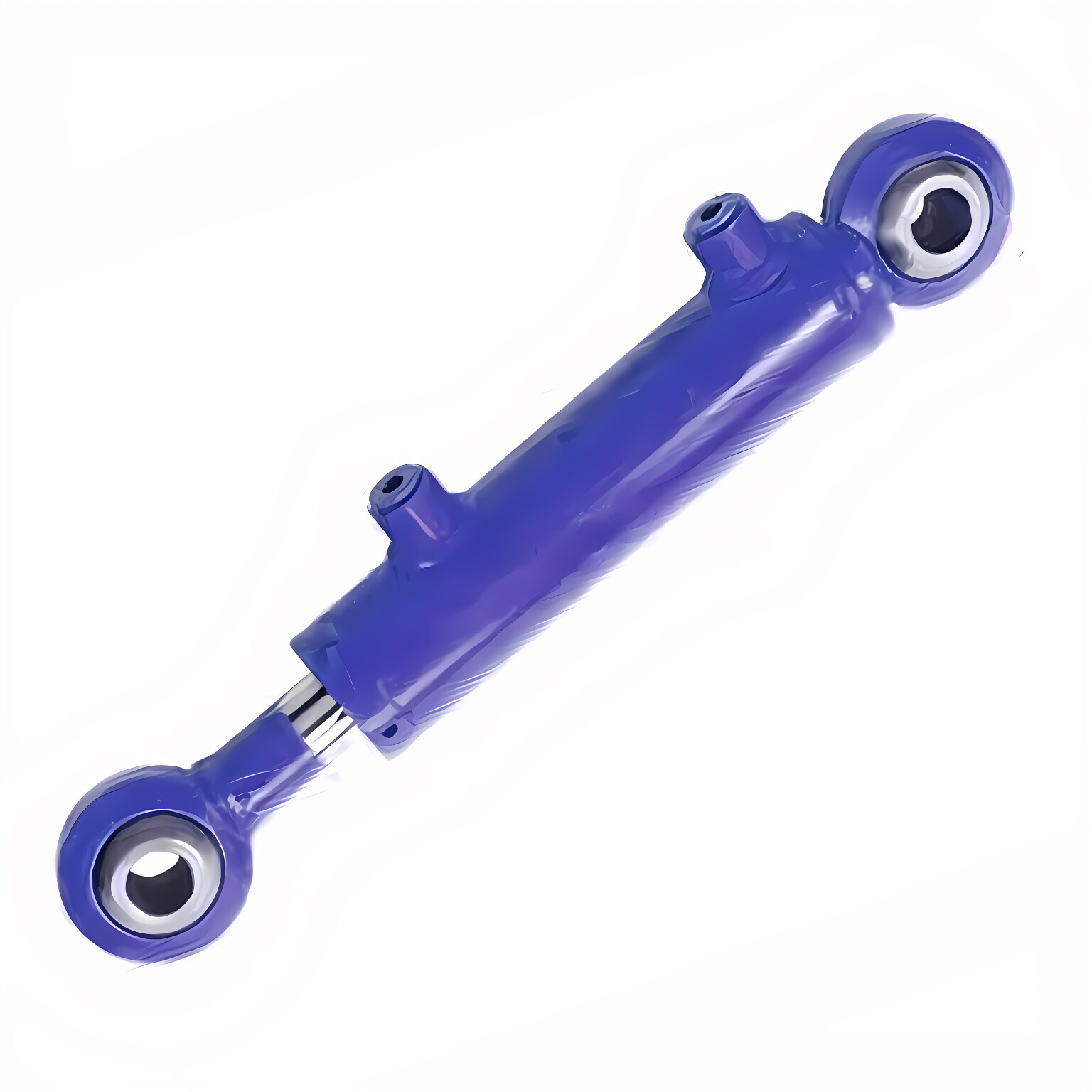
The piston rod end with an external threaded rod head earring connection typically consists of a threaded rod head at the end of the piston rod. The rod head has external threads that allow for the attachment of external components or load-bearing structures.HSG series engineering hydraulic cylinder is a double-acting piston rod hydraulic cylinder. The installation method adopts earring type; according to the connection method of cylinder head and cylinder block, there are three kinds of external thread connection, internal card critical connection, and flange connection. Engineering hydraulic cylinder is mainly used in construction, lifting, mining, and other hydraulic systems.
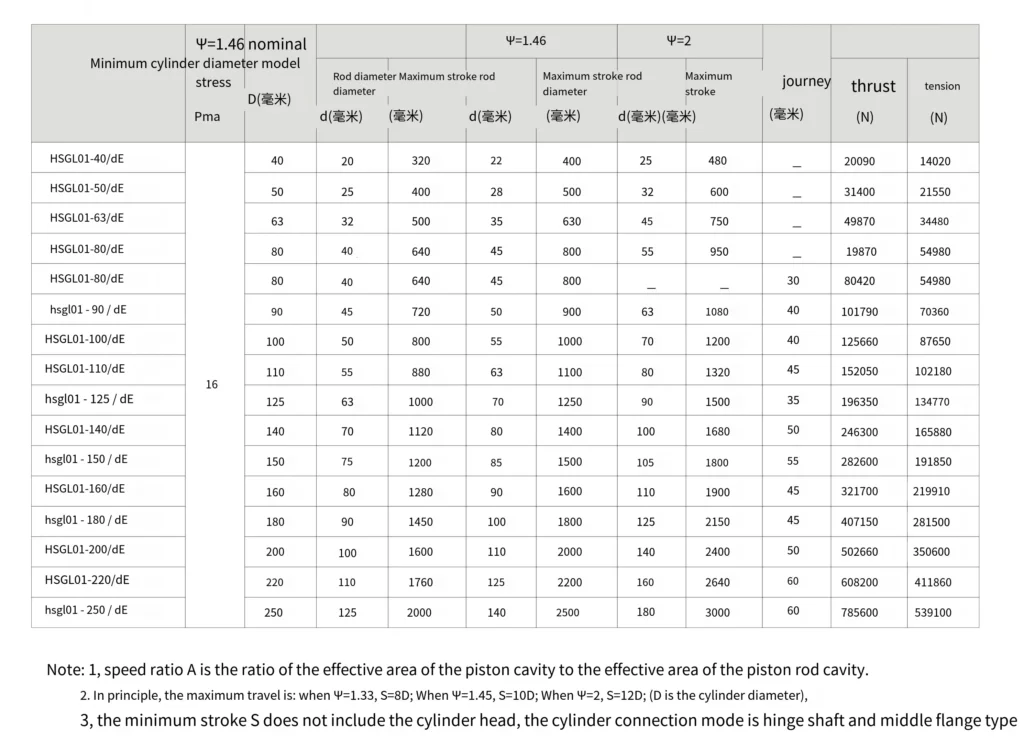
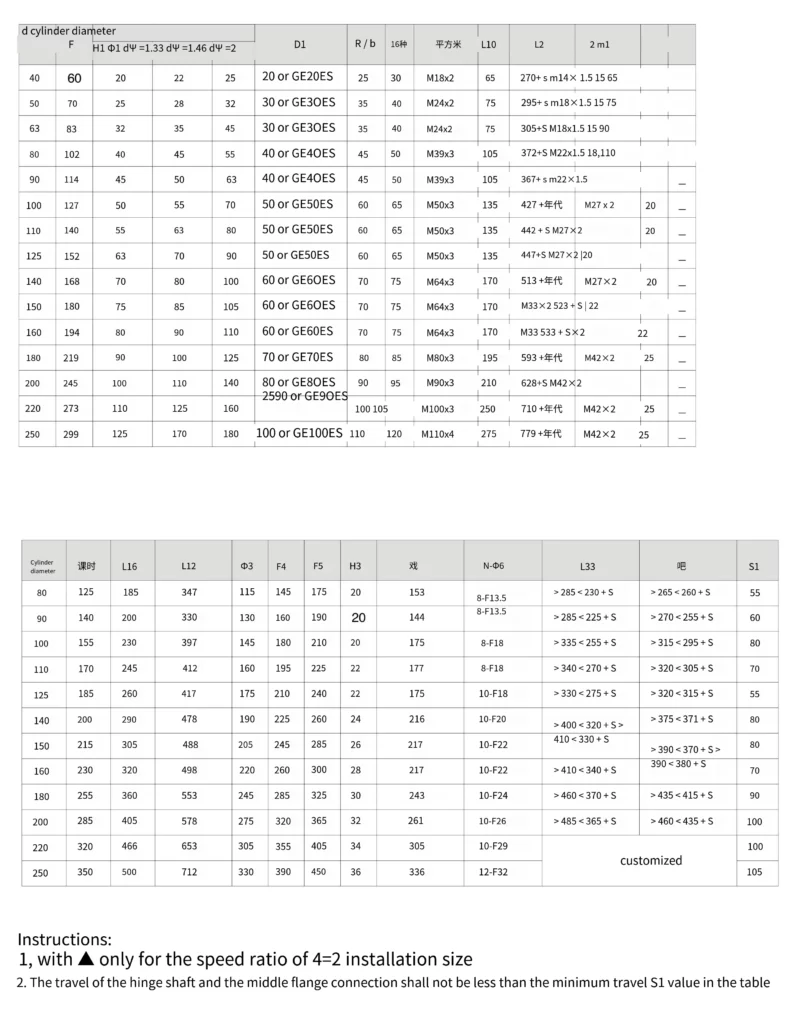
HSG Engineering Hydraulic Cylinder Parameter:
Advantages Of HSG Engineering Hydraulic Cylinder:
The piston rod end with an externally threaded rod head connection offers several advantages in engineering hydraulic cylinders:
Secure Fastening:
The threaded rod head connection provides a secure and reliable attachment, minimizing the risk of loosening or detachment during operation.
This enhances the safety and stability of the hydraulic cylinder assembly, particularly in applications with high loads or vibrations.
Ease of Installation and Replacement:
The externally threaded connection simplifies installing and replacing components or load-bearing structures.
It allows for quick disassembly and reassembly using threaded fasteners, facilitating maintenance, repair, or replacement tasks.
Adaptability:
The threaded rod head connection offers adaptability to different application requirements.
It allows for attaching various components or load-bearing structures using compatible threaded fasteners, providing versatility and customization options.
Engineering Applications:
Threaded Fastening:
The externally threaded rod head enables the direct fastening of components or load-bearing structures using nuts, bolts, or other threaded fasteners.
This threaded connection allows for a secure and reliable attachment, ensuring the stability and integrity of the hydraulic cylinder assembly.
Customization and Adjustment:
The threaded rod head connection provides flexibility in attaching different components or load-bearing structures.
It allows for customization and adjustment by selecting the appropriate threaded fasteners, allowing for adaptability to specific application requirements.
Load-Bearing Structures:
The threaded rod head connection enables the direct attachment of load-bearing structures, such as brackets, plates, or other supporting elements.
This configuration allows the hydraulic cylinder to exert force and support the weight of external objects or machinery, making it suitable for applications requiring load-bearing capabilities.
How To Repack A Hydraulic Cylinder?
Repacking a hydraulic cylinder involves replacing the seals and other components that may have worn out or damaged over time. Here's a general step-by-step guide on how to repack a hydraulic cylinder:
Preparation:
Ensure that the hydraulic system is depressurized and the cylinder is fully retracted.
Gather the necessary tools and replacement seals or seal kit for your cylinder model.
Consult the manufacturer's documentation or service manual for specific instructions or precautions.
Remove the Cylinder:
Disconnect any hydraulic lines or fittings connected to the cylinder.
Remove any mounting brackets or components that may be attached to the cylinder.
Carefully detach the cylinder from the equipment or machinery it is installed on.
Disassemble the Cylinder:
Securely hold the cylinder and remove the piston rod end cap or head using appropriate tools.
Extract the piston, piston rod, and related components from the cylinder barrel.
Inspect the components for any signs of wear, damage, or corrosion.
Remove Old Seals:
Locate and remove the old seals, including piston seals, rod seals, and any other seals present in the cylinder.
Carefully clean the seal grooves and internal surfaces of the cylinder barrel and piston rod.
Install New Seals:
Lubricate the new seals with a compatible hydraulic fluid or sealant as the manufacturer recommends.
Install the new seals in their grooves, ensuring proper orientation and alignment.
Use seal installation tools or suitable improvised methods to prevent sealing damage during installation.
Reassemble the Cylinder:
Reinstall the piston, piston rod, and related components into the cylinder barrel.
Apply a thin layer of hydraulic fluid or lubricant to the internal surfaces of the cylinder barrel and piston rod.
Carefully reattach the piston rod end cap or head, ensuring proper alignment and tightening to the manufacturer's specifications.
Test and Reinstall the Cylinder:
Reconnect any hydraulic lines or fittings to the cylinder.
Carefully reinstall the cylinder onto the equipment or machinery, ensuring proper alignment and mounting.
Slowly pressurize the hydraulic system and check for any leaks or abnormal operation.
Fully extend and retract the cylinder to ensure proper functionality.
Maintenance and Testing:
Regularly inspect and maintain the hydraulic cylinder to ensure optimal performance and prevent premature seal failure.
Monitor for any signs of leaks, excessive wear, or other issues and address them promptly.
Conduct periodic testing and adjustments as the manufacturer recommends or based on the specific application requirements.
China Hydraulic Cylinder Manufacturers:
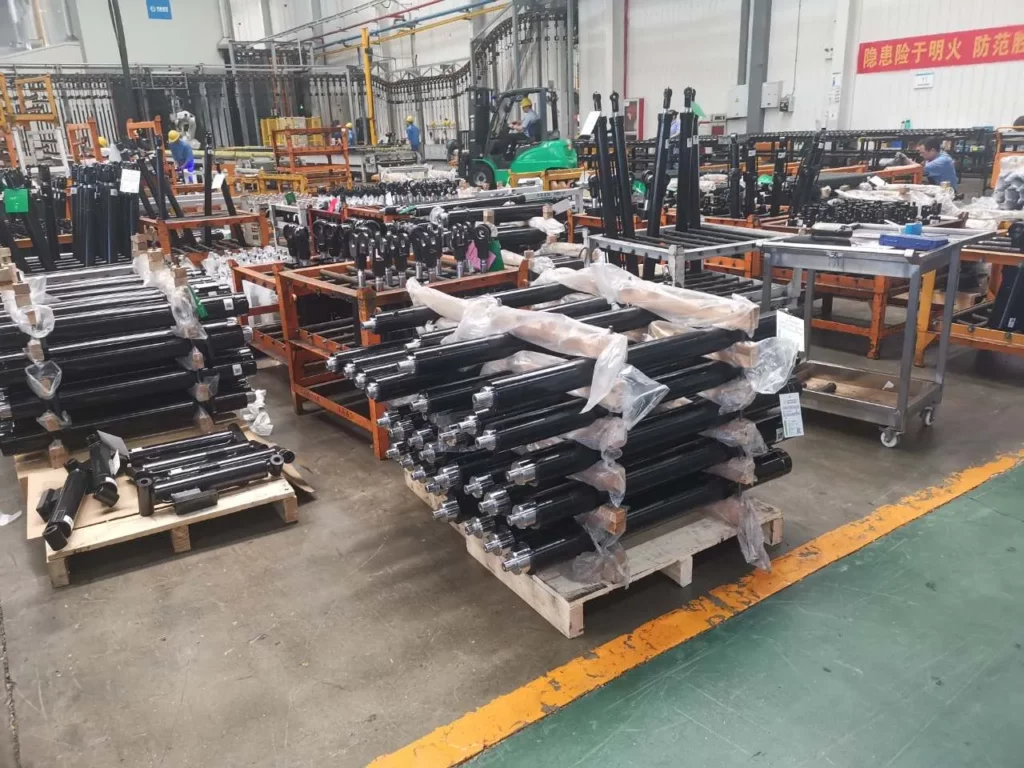
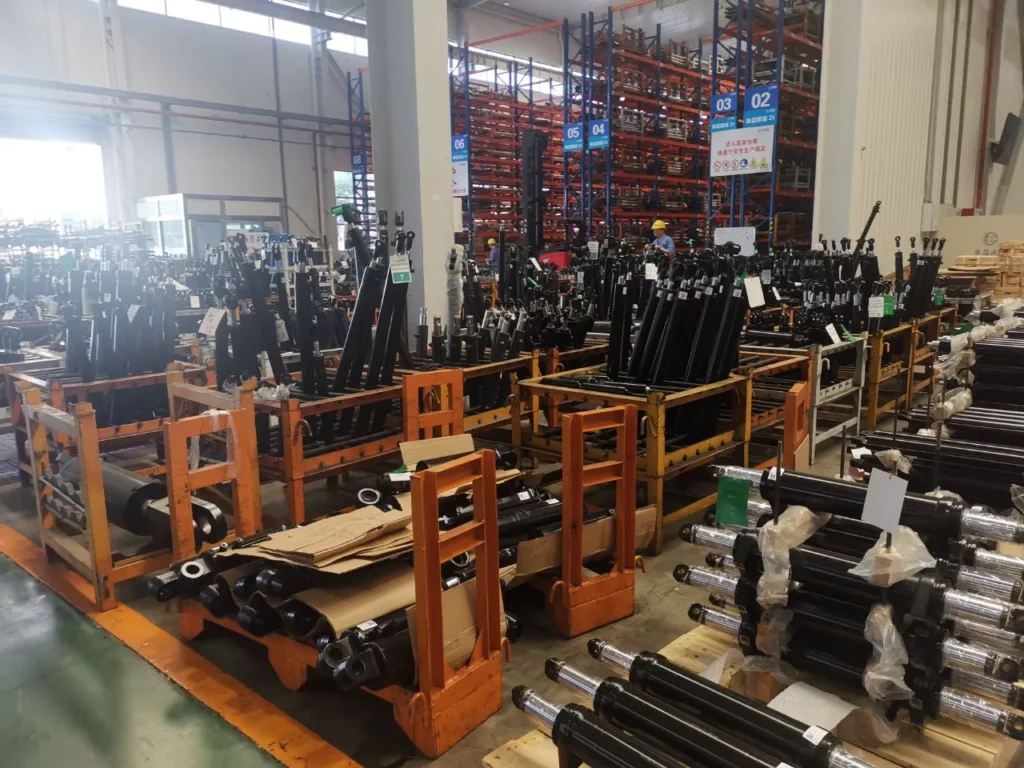
Raydafon is a company in the R&D and manufacture of engineering hydraulic cylinders. It maintains a leading position in China's market segment of hydraulic cylinders. In 2020, the domestic market share was around 29%. We produce Industrial vehicle engineering hydraulic cylinders, Aerial work vehicle Engineering hydraulic cylinders, Agricultural Machinery hydraulic cylinders, and Sanitation machinery hydraulic cylinders.We have a first-class independent R&D platform for assembly. The engineering hydraulic cylinder production workshop has four semi-automatic lifting cylinder assembly lines and one fully automatic tilting cylinder assembly line, with a designed annual production capacity of 1 million pieces; the special cylinder workshop is equipped with semi-automatic cleaning and assembly systems of various specifications, with a designed annual production capacity of 200,000 essays. It has famous CNC machining equipment, machining centers, special equipment for high-precision cylinder processing, robot welding machines, automatic cleaning machines, automatic cylinder assembly machines, and automatic paint production lines. We have more than 300 sets of critical equipment running. The optimized allocation and efficient utilization of equipment resources ensure the precision requirements of the products and meet the high standard quality requirements of the products.
Hot Tags: External Threaded Piston Rod End, Hydraulic Cylinder Rod Earring Connection, Threaded Rod Head Engineering Component
We use cookies to offer you a better browsing experience, analyze site traffic and personalize content. By using this site, you agree to our use of cookies.Privacy Policy


 Raydafon