
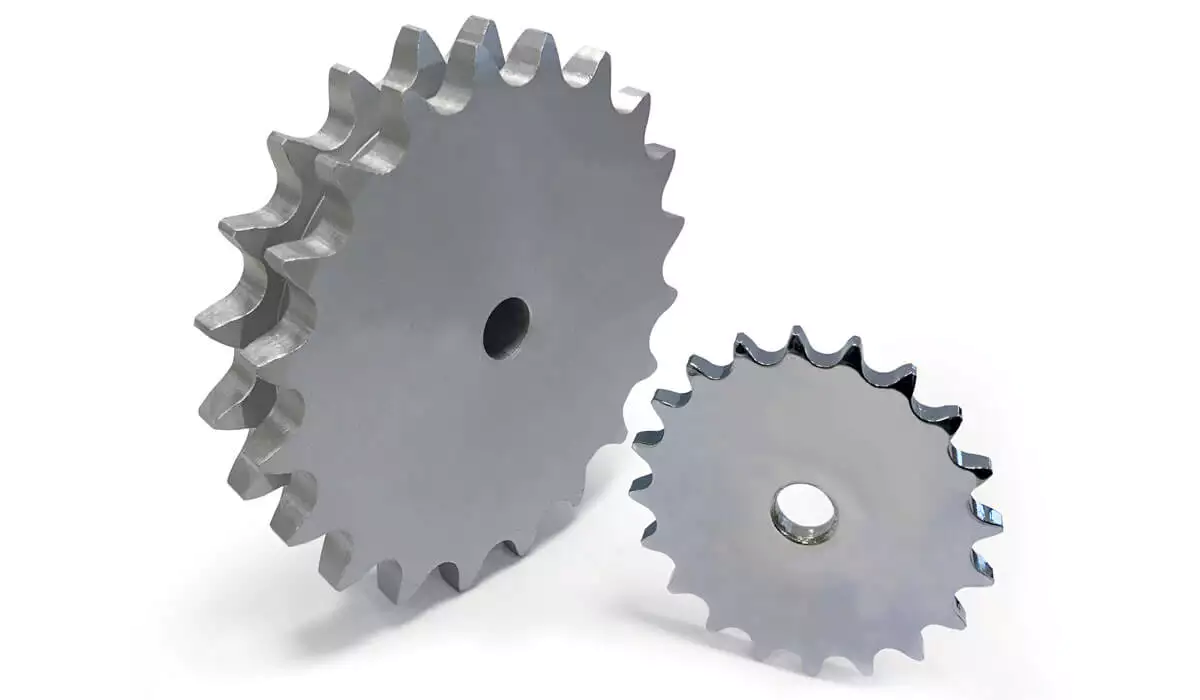
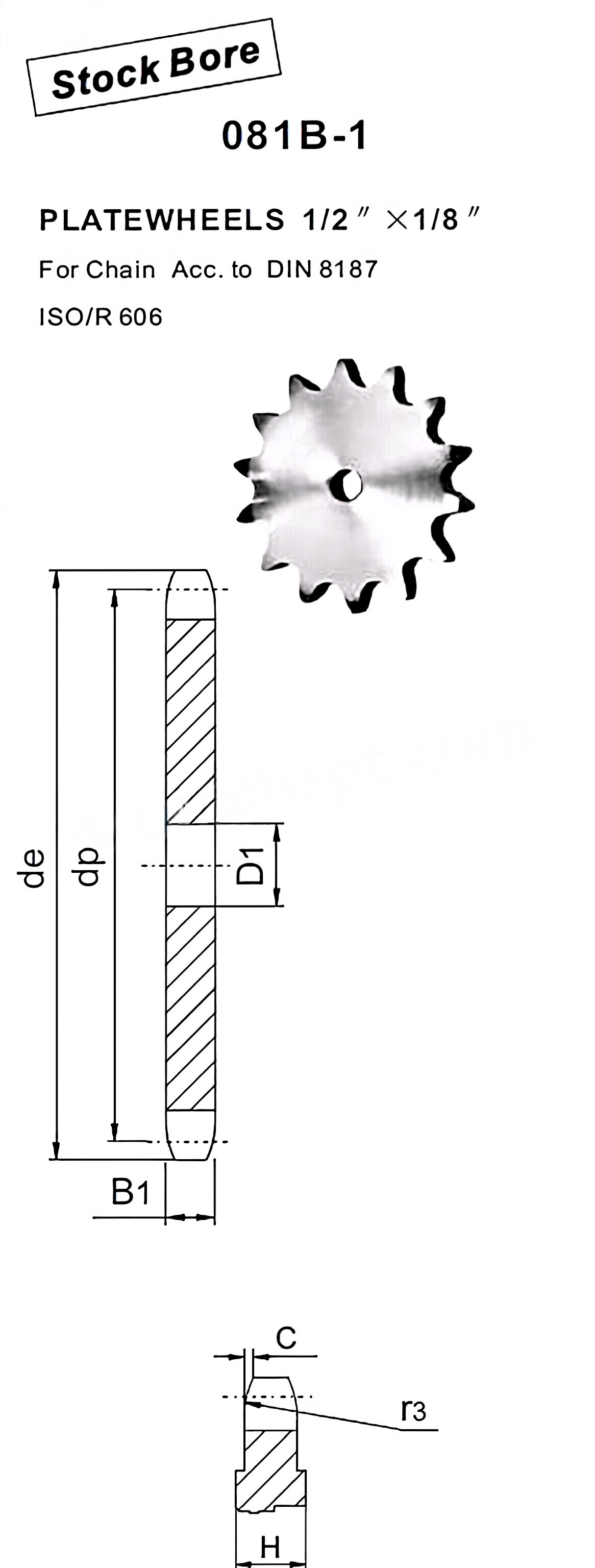
Plate Wheel 10B-1-2-3 is a type of sprocket used in a chain drive system. A sprocket is a wheel with teeth that meshes with a chain or track. In a chain drive system, the chain transfers the power from one component to another, and the sprocket is used to transmit this power to the next component. The plate wheel sprocket is made up of plates that are bolted or riveted together to form the sprocket body and teeth.
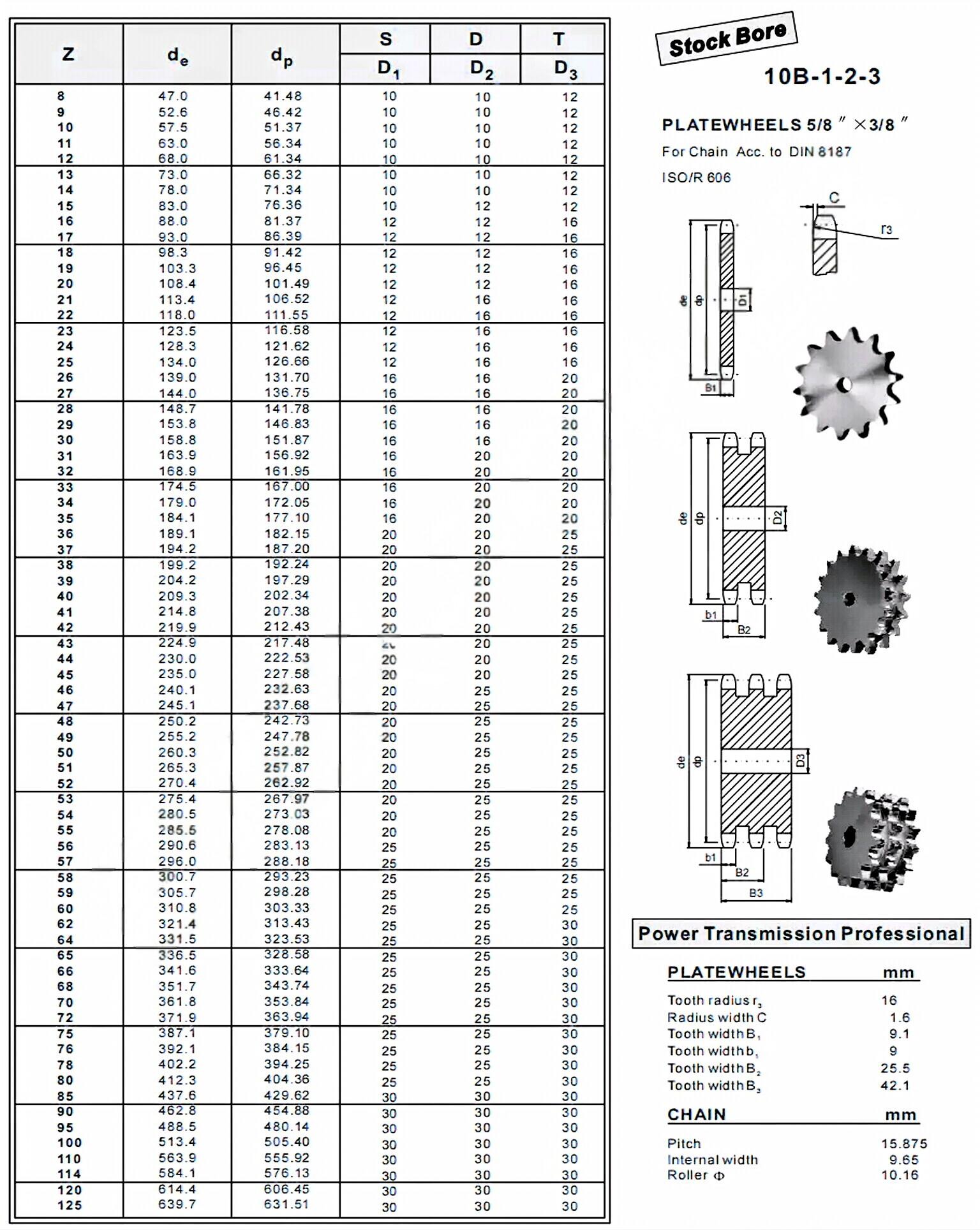
There are three main types of plate wheel sprockets: single strand, double strand, and multiple strand. Single strand sprockets have one set of teeth, double strand sprockets have two sets of teeth, and multiple strand sprockets have three or more sets of teeth. The type of sprocket used in a chain drive system depends on the application and the power requirements.
Our platewheel sprockets are made from high-quality materials that offer superior corrosion resistance, wear resistance, and strength. They are designed to be lightweight and precision manufactured to ensure maximum performance. The surface treatment provides additional rust-proofing and durability.
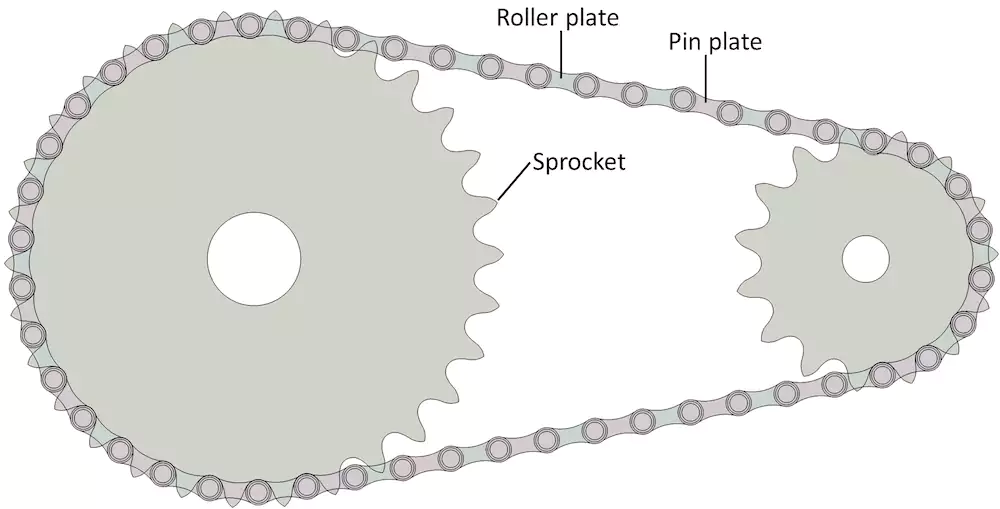
The materials used in our platewheel sprockets offer several advantages over other materials. They are highly resistant to corrosion, which means they can withstand exposure to harsh environments without deteriorating. They are also highly wear-resistant, which means they can last longer than other materials. Finally, they have a high strength-to-weight ratio, which means they are strong and durable without being heavy or bulky.
Our platewheel sprockets are designed to be lightweight and precision manufactured to ensure maximum performance. They are made with high-quality materials and are designed to last longer than other sprockets. They are also treated with a surface treatment to provide additional rust-proofing and durability.
We offer a variety of services to our customers, including custom design and fabrication, material selection, surface treatment, hardening, and custom packaging. Our experienced team can help you select the right materials and design for your application, and we can provide you with a customized solution that meets your specific needs.
We can design and fabricate platewheel sprockets to meet your specific requirements. Our team of experienced professionals will work with you to create a customized solution that meets your needs.
We can help you select the right materials for your platewheel sprocket. We offer a variety of materials, including stainless steel, aluminum, and carbon steel, to meet your specific needs.
We can provide a surface treatment to your platewheel sprocket to improve its corrosion resistance and durability. Our surface treatments include anodizing, plating, and painting.
We can harden your platewheel sprocket to increase its durability and strength. Our hardening services include heat treatment and induction hardening.
We can provide custom packaging for your platewheel sprocket to ensure it arrives at your location safely and securely. Our packaging options include custom boxes, crates, and pallets.
Our plate wheel sprockets go through a rigorous manufacturing process to ensure they meet our high-quality standards. The manufacturing process includes forging, machining, hobbing, teeth heating, treated on quenching, surface treatment/rust-proof treatment, quality inspection, packing, and shipping.

The first step in the manufacturing process is forging. The metal is heated and then pressed into shape using a forging press.
The next step is machining. The sprocket is machined to remove any excess material and create the precise shape and size required for the application.
The teeth on the sprocket are created using a hobbing machine. The hobbing machine is used to cut the teeth into the sprocket with precision and accuracy.
The teeth on the sprocket are heated to ensure they are properly hardened. This process helps to increase the durability and strength of the sprocket teeth.
The sprocket is then treated on quenching. This process helps to further harden the sprocket and increase its strength and durability.
The surface of the sprocket is treated with a surface treatment to improve its corrosion resistance and durability. This process helps to protect the sprocket from rust and other forms of corrosion.
The sprocket is inspected to ensure it meets our high-quality standards. This includes checking the dimensions, hardness, and surface finish of the sprocket.
The sprocket is then packed and shipped to the customer. Our packaging options include custom boxes, crates, and pallets to ensure the sprocket arrives safely and securely.
Proper maintenance of your plate wheel sprocket is essential to ensure it performs properly and lasts a long time. This includes daily inspections, cleaning, lubrication, and replacement.
You should inspect your plate wheel sprocket daily to ensure it is not damaged or worn. This includes checking for cracks, chips, and other signs of wear.
You should clean your plate wheel sprocket regularly to prevent dirt and debris from building up. This can be done using a soft brush and a mild detergent.
You should lubricate your plate wheel sprocket regularly to ensure it operates smoothly and efficiently. This can be done using a high-quality lubricant.
You should replace your plate wheel sprocket when it becomes worn or damaged. This will help to ensure your chain drive system operates properly and safely.
Plate wheel sprockets are typically made from high-quality materials such as stainless steel, aluminum, and carbon steel.
Plate wheel sprockets are treated with a surface treatment to improve their corrosion resistance and durability. This can include anodizing, plating, or painting.
You should lubricate your plate wheel sprocket regularly to ensure it operates smoothly and efficiently. The frequency of lubrication will depend on the application and the operating conditions.
You should replace your plate wheel sprocket when it becomes worn or damaged. Signs of wear include cracks, chips, and other damage.
Yes, we offer custom design and fabrication services for plate wheel sprockets. Our experienced team can help you create a customized solution that meets your specific needs.
Author: MiyaAddress
Luotuo Industrial Area, Zhenhai District, Ningbo City, China
Tel

 Raydafon