
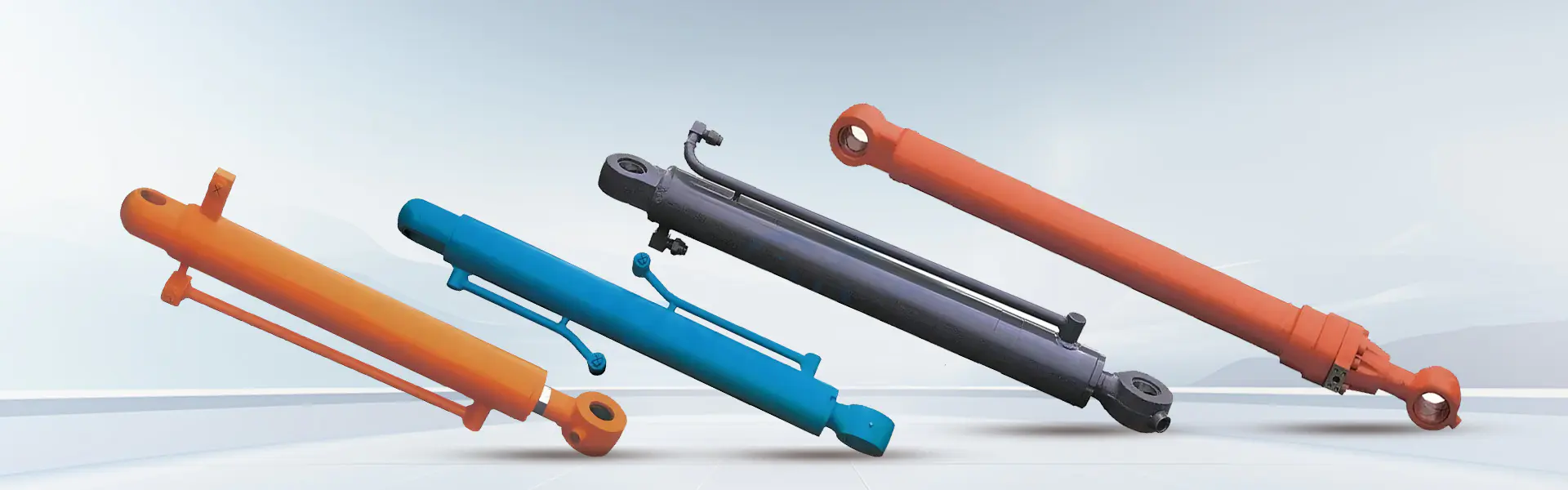
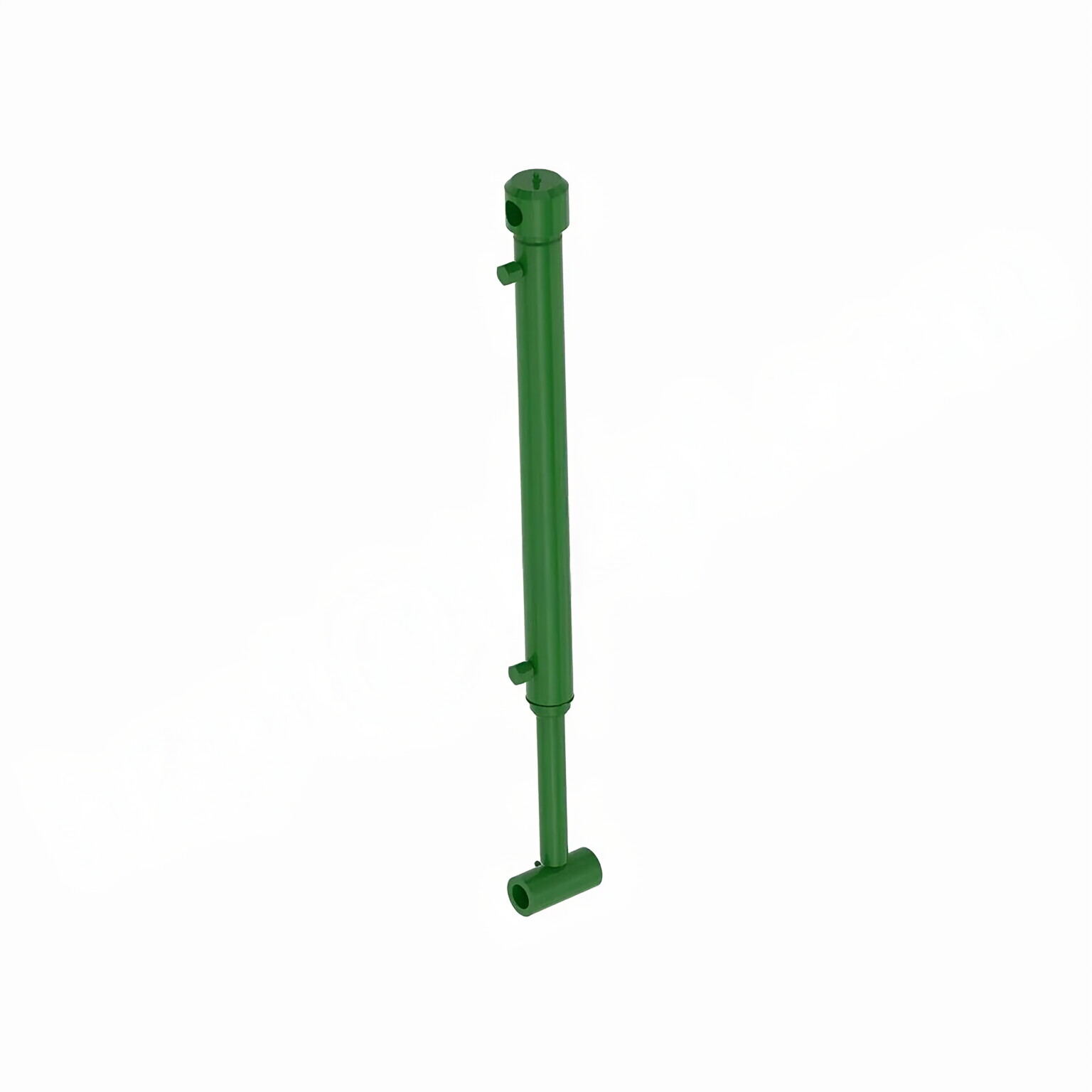
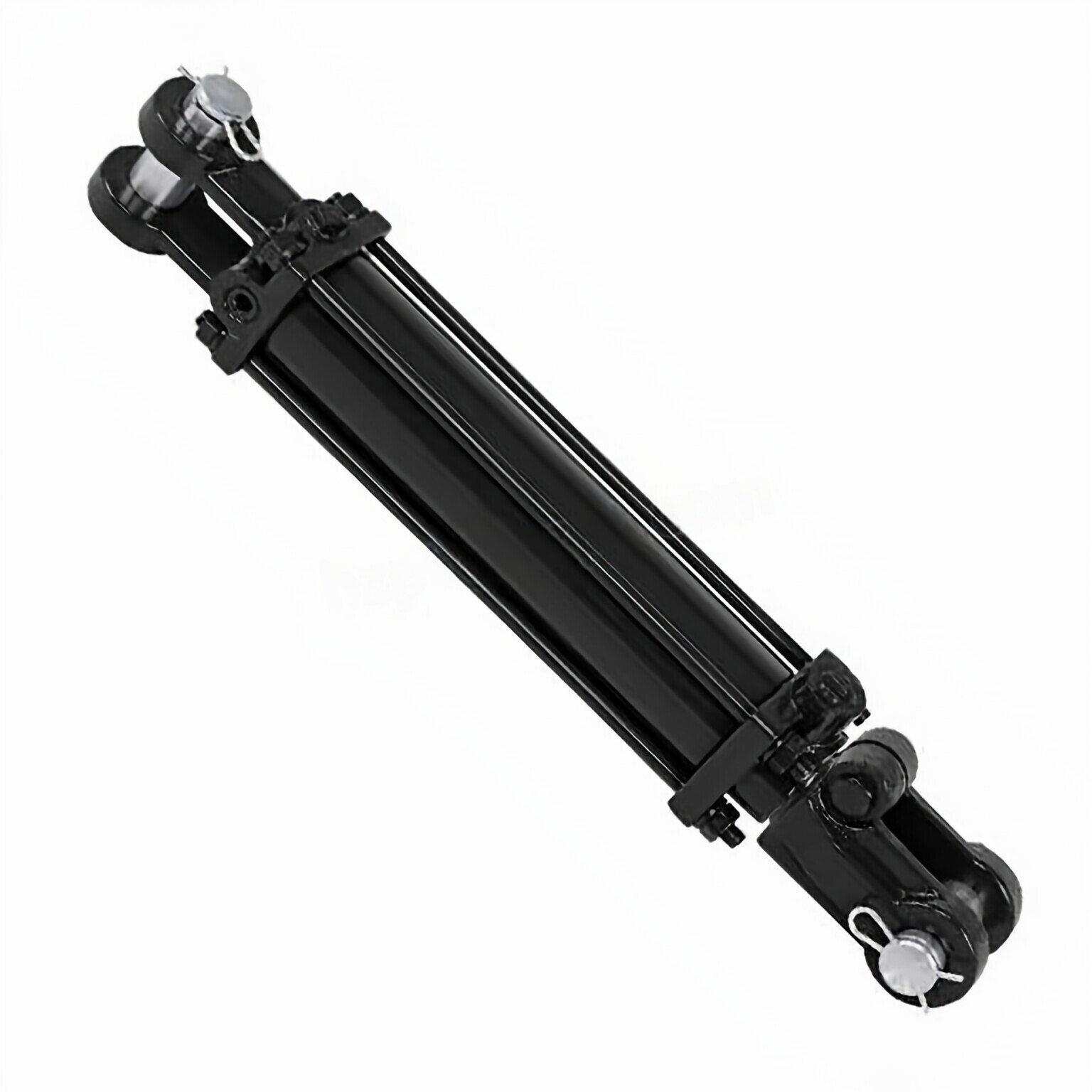
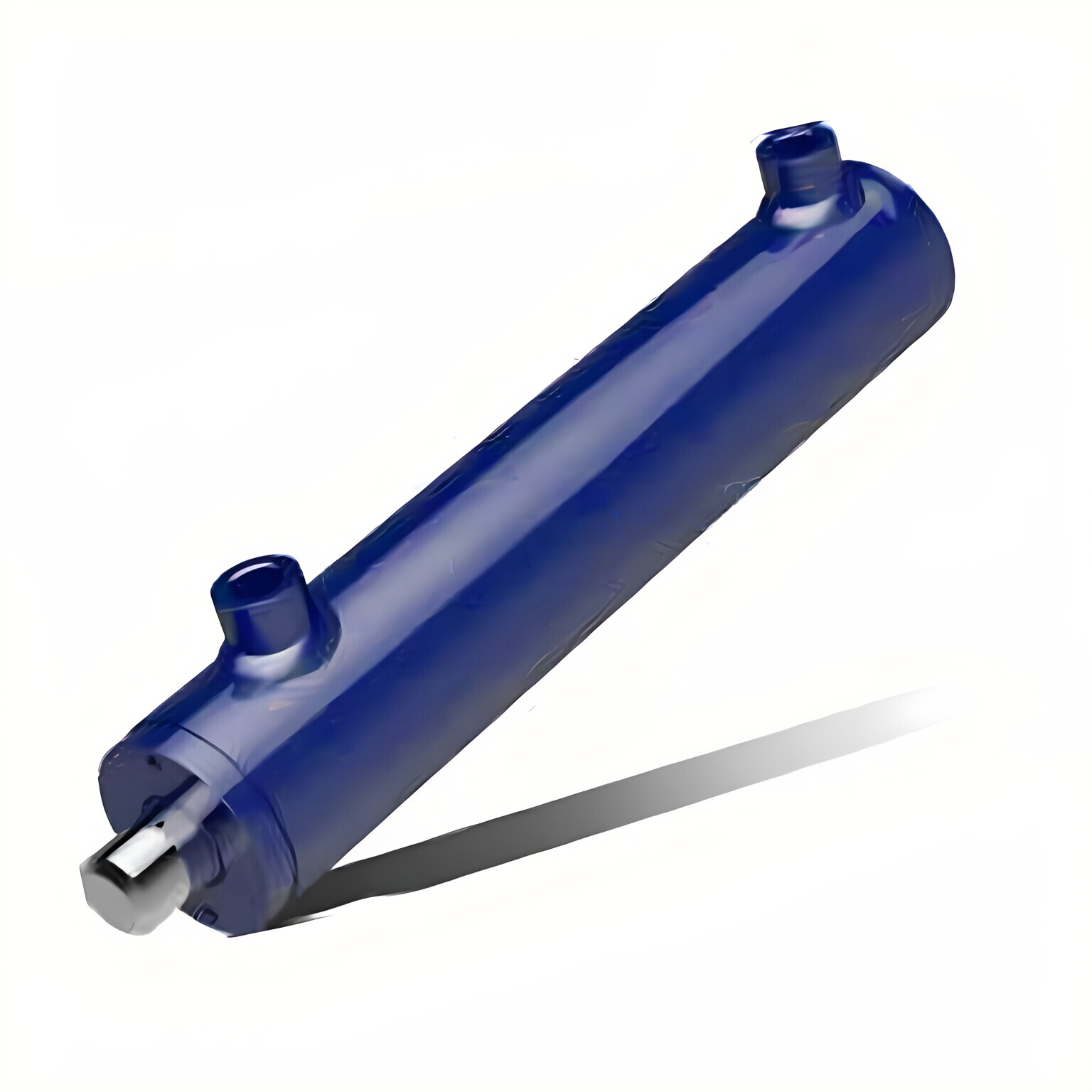
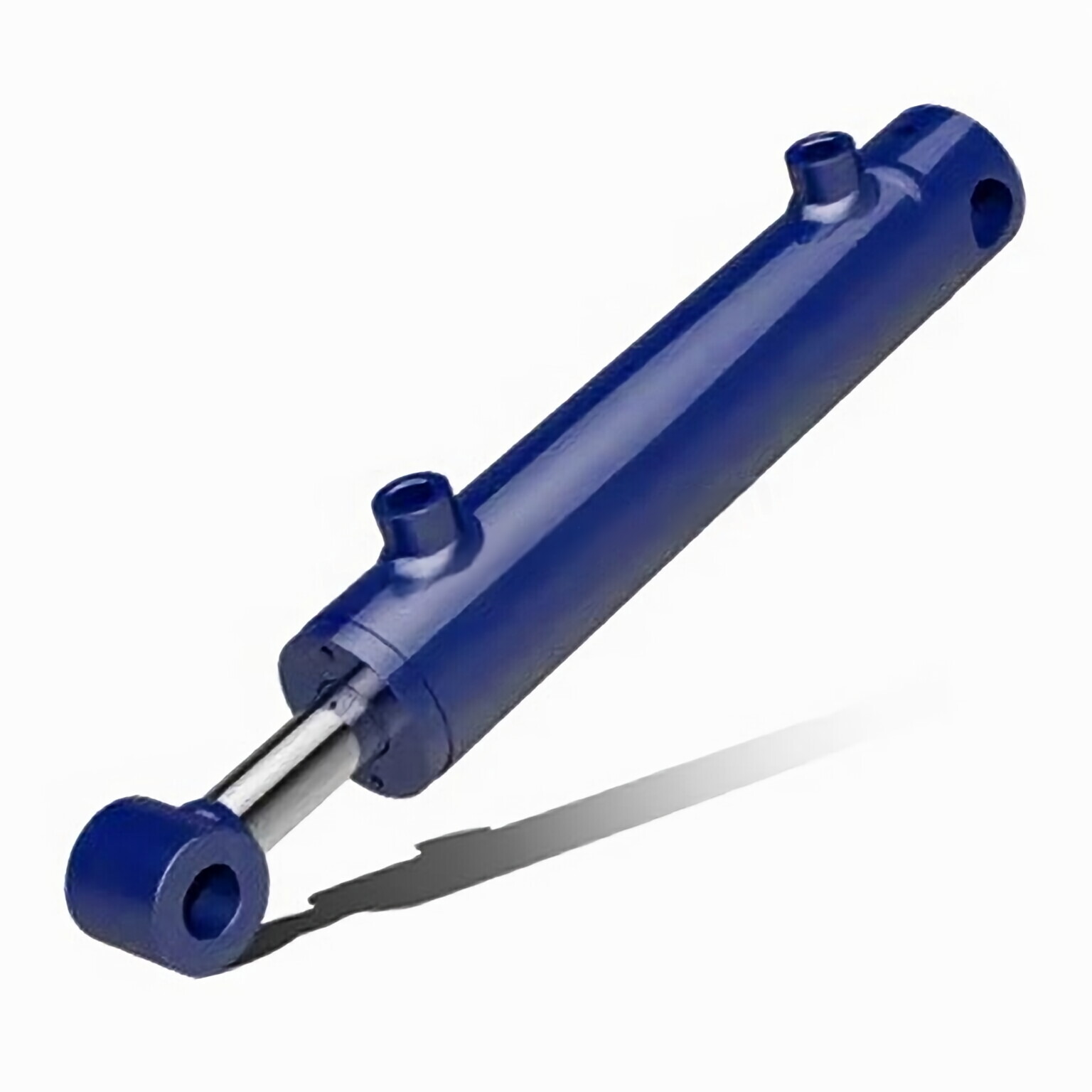
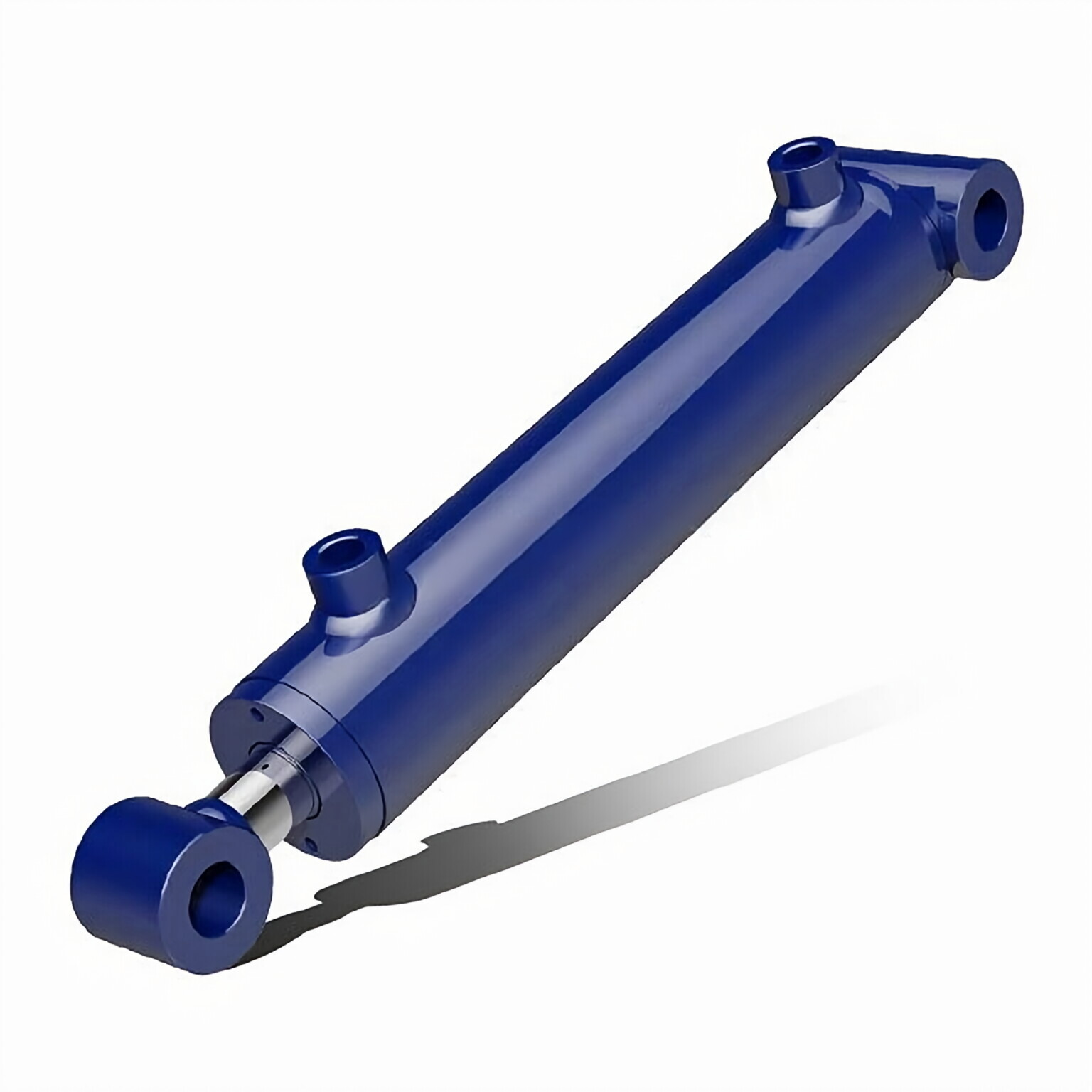
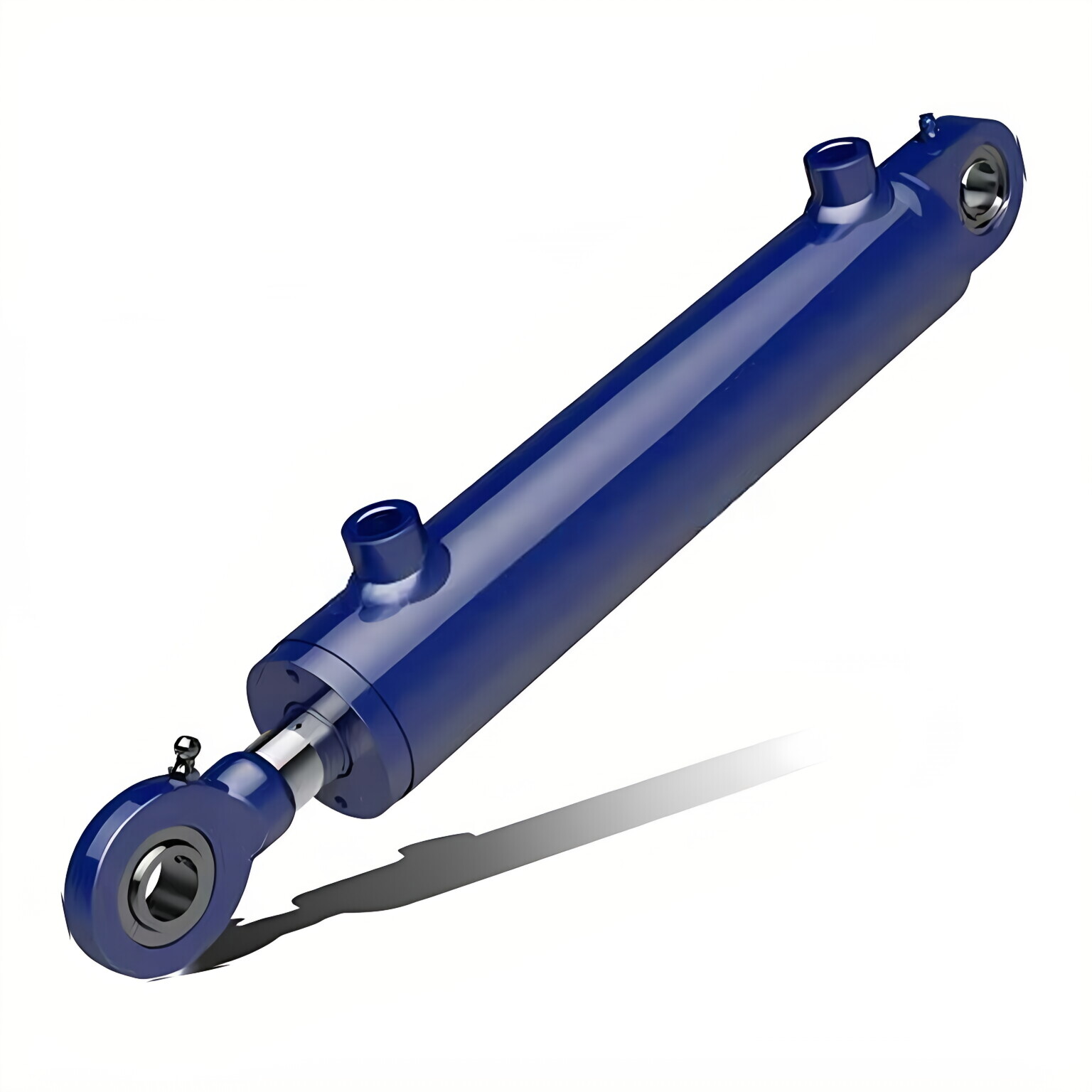
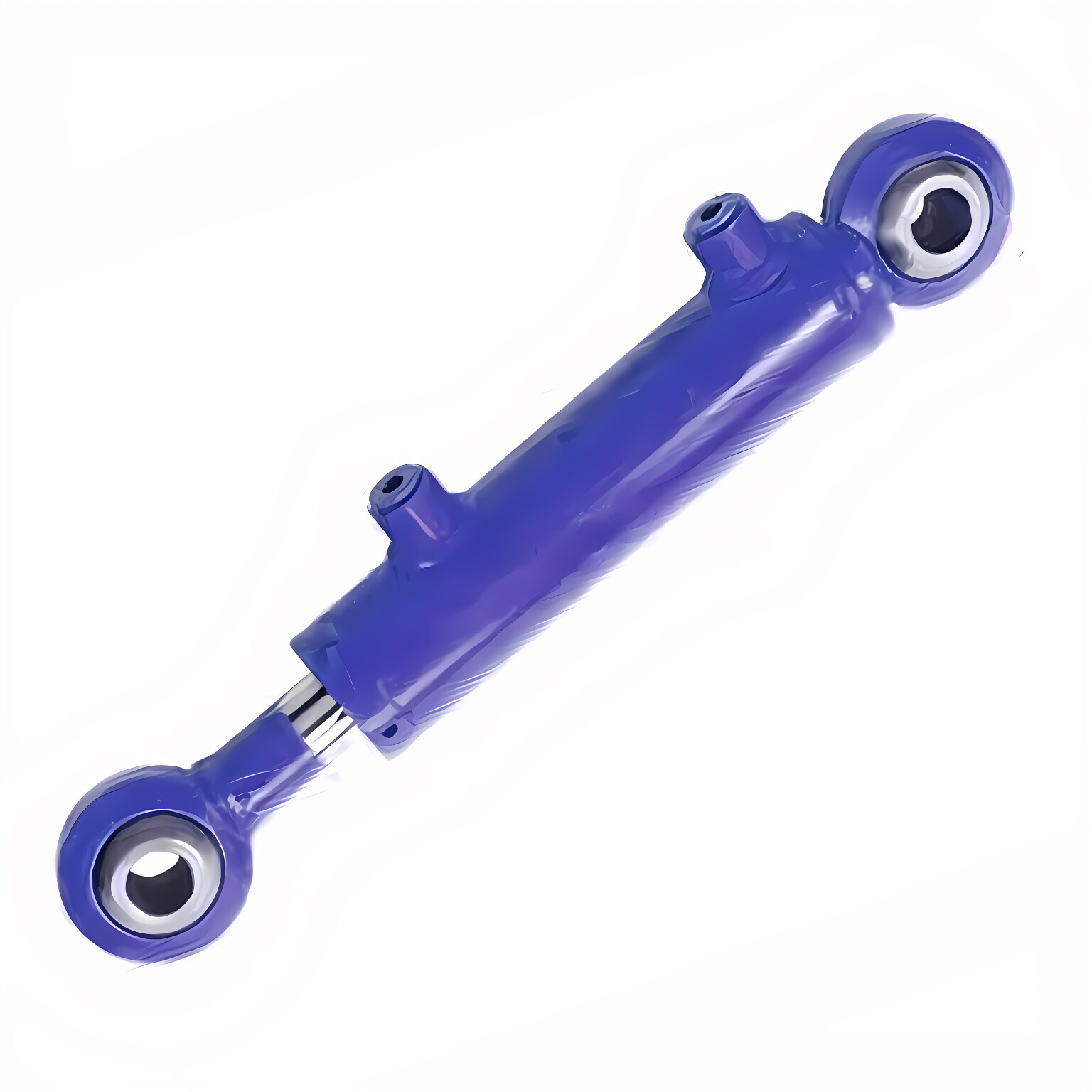
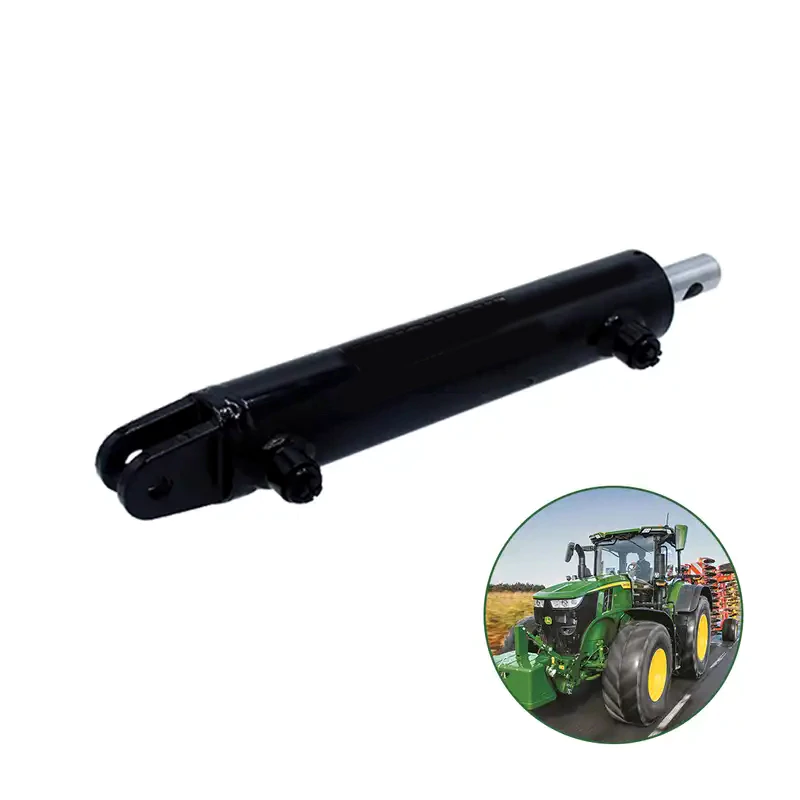
The replacement of AH176398 hydraulic cylinder is a hydraulic actuator that is used to produce force in a linear motion. It is a critical component in a wide range of applications, including construction, manufacturing, transportation, and aviation. This article will provide an overview of the replacement hydraulic cylinder, its specifications, models, features, and applications.
The replacement hydraulic cylinder has a weight of 16 lb, a height of 2.5 in, a width of 3.5 in, and a length of 34 in. It is compatible with machine models 410, 419, 420, 430, and 460. These specifications make it suitable for a wide range of applications.
Our company produces high-quality replacement hydraulic cylinders that are suitable for a wide range of applications. Our products can perfectly replace the existing hydraulic cylinders in the market.
The replacement hydraulic cylinder is commonly used in construction equipment, such as cranes, hoists, and elevators, to secure heavy objects in place.
The replacement hydraulic cylinder is used in presses to form materials under high pressure, where it is necessary to hold the material in place.
The replacement hydraulic cylinder is used in vehicle stabilizers and jacks to ensure safety during repair or transportation.
The replacement hydraulic cylinder is used in the landing gear system of aircraft to secure the landing gear in the correct position during takeoff and landing.
The design of the replacement hydraulic cylinder considers several factors, including load-bearing capacity, sealing, durability, safety, and maintainability. The cylinder is designed to withstand extreme operating environments and provide reliable performance over a long service life.
The replacement hydraulic cylinder should have the necessary load-bearing capacity to support the application. It must be able to withstand the maximum force that it will encounter during operation.
The cylinder should have high-quality seals to prevent oil leakage and ensure long-term performance. The seals must be designed to withstand the high pressure and temperature of the hydraulic system.
The cylinder must be made of high-quality materials that can withstand harsh operating environments. It should be resistant to corrosion, wear, and impact.
The cylinder should be designed with safety features to prevent accidents and ensure operator safety. Safety features may include pressure relief valves, emergency stop switches, and protective covers.
The cylinder should be designed for easy maintenance and repair. It should be easy to disassemble, and replacement parts should be readily available.
The replacement hydraulic cylinder should be sealed using high-quality seals, such as piston seals and rod seals. These seals should be made of wear-resistant materials, such as polyurethane or nitrile rubber, to ensure long-term performance.
The cylinder should be lubricated with the appropriate hydraulic oil to reduce friction and wear. The oil should be added regularly to ensure proper lubrication and prevent damage to the cylinder.
Regular maintenance and repair are critical to ensuring the long-term performance of the replacement hydraulic cylinder. Common maintenance tasks include checking for leaks, lubricating moving parts, and replacing worn or damaged seals.
Proper installation, lubrication, and adjustment are essential to the safe and efficient operation of the cylinder. It is important to follow the manufacturer's installation instructions carefully and use appropriate tools and equipment.
When using the replacement hydraulic cylinder, it is important to follow all safety procedures to avoid accidents and injuries. Safety procedures may include wearing protective equipment, following proper lifting techniques, and ensuring that the cylinder is securely mounted.
The cylinder should be disposed of properly, according to local environmental regulations. The hydraulic oil should be drained and recycled, and the cylinder should be disposed of at a licensed recycling facility.
The most common problems associated with the replacement hydraulic cylinder include leaks, failure to extend or retract, and excessive noise or vibration. These problems may be caused by worn or damaged seals, low hydraulic oil levels, or improper adjustment.
To diagnose and solve these problems, it is important to follow the manufacturer's troubleshooting guide carefully. This may involve checking for leaks, replacing worn or damaged seals, adding hydraulic oil, or adjusting the cylinder's position or pressure.
The replacement hydraulic cylinder should be installed according to the manufacturer's instructions, using appropriate tools and equipment. It is important to ensure that the cylinder is correctly aligned and securely mounted.
During installation, it may be necessary to use a support bracket to hold the cylinder in place. It is important to follow the manufacturer's instructions carefully and use the appropriate support bracket for the application.
In conclusion, the replacement hydraulic cylinder is a critical component in many different applications. Our company produces high-quality replacement hydraulic cylinders that are suitable for a wide range of applications. Our products are designed to be durable, reliable, and easy to maintain. We are committed to providing our customers with the highest level of service and support, and we look forward to serving your hydraulic cylinder needs.
Author: lyl
Address
Luotuo Industrial Area, Zhenhai District, Ningbo City, China
Tel

 Raydafon