
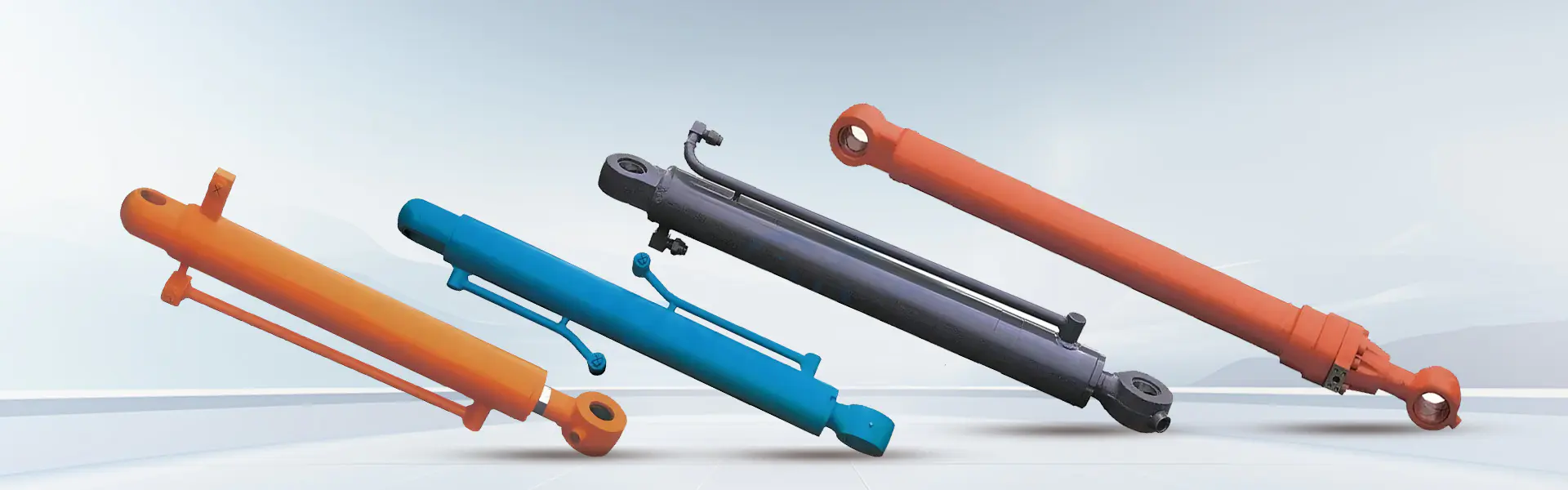
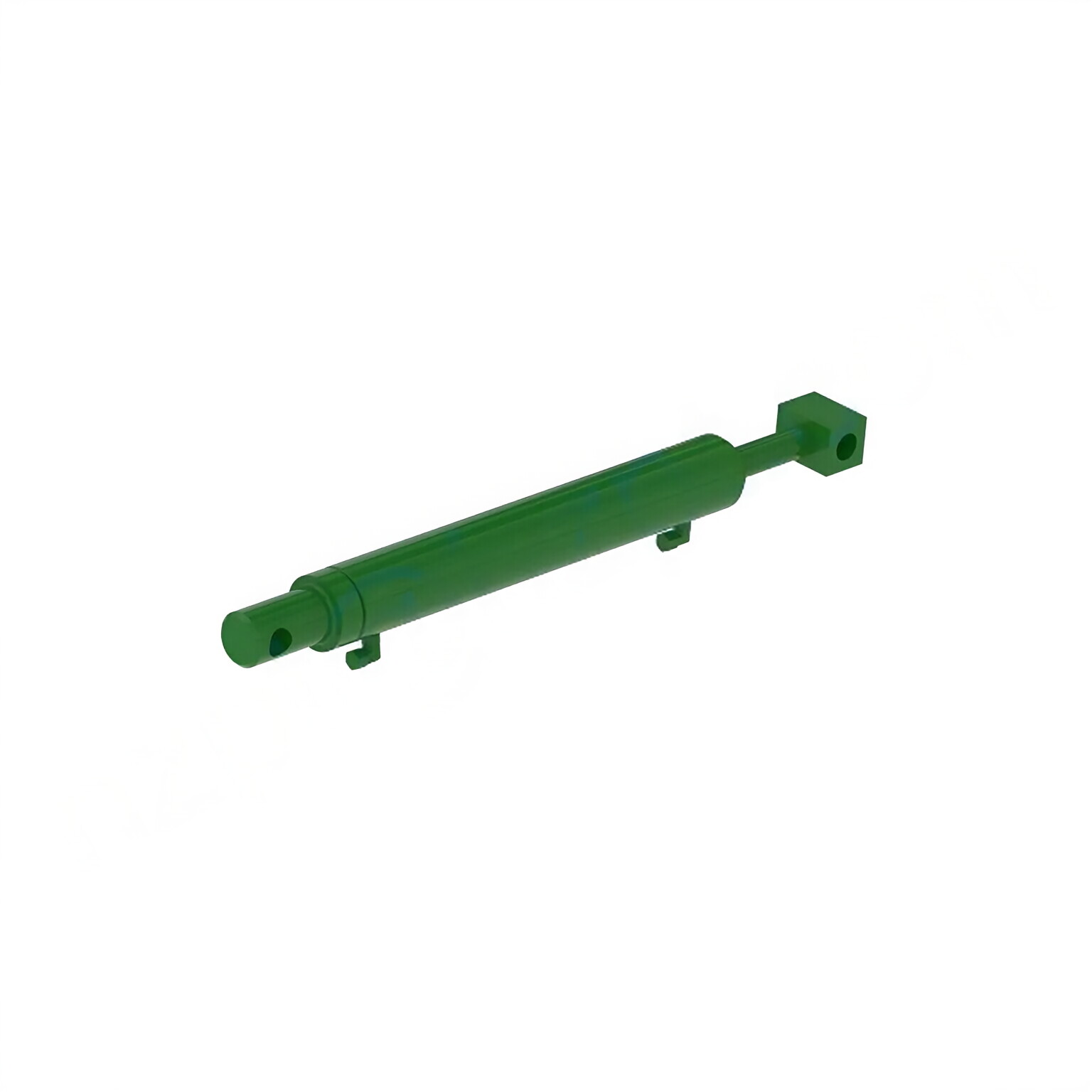
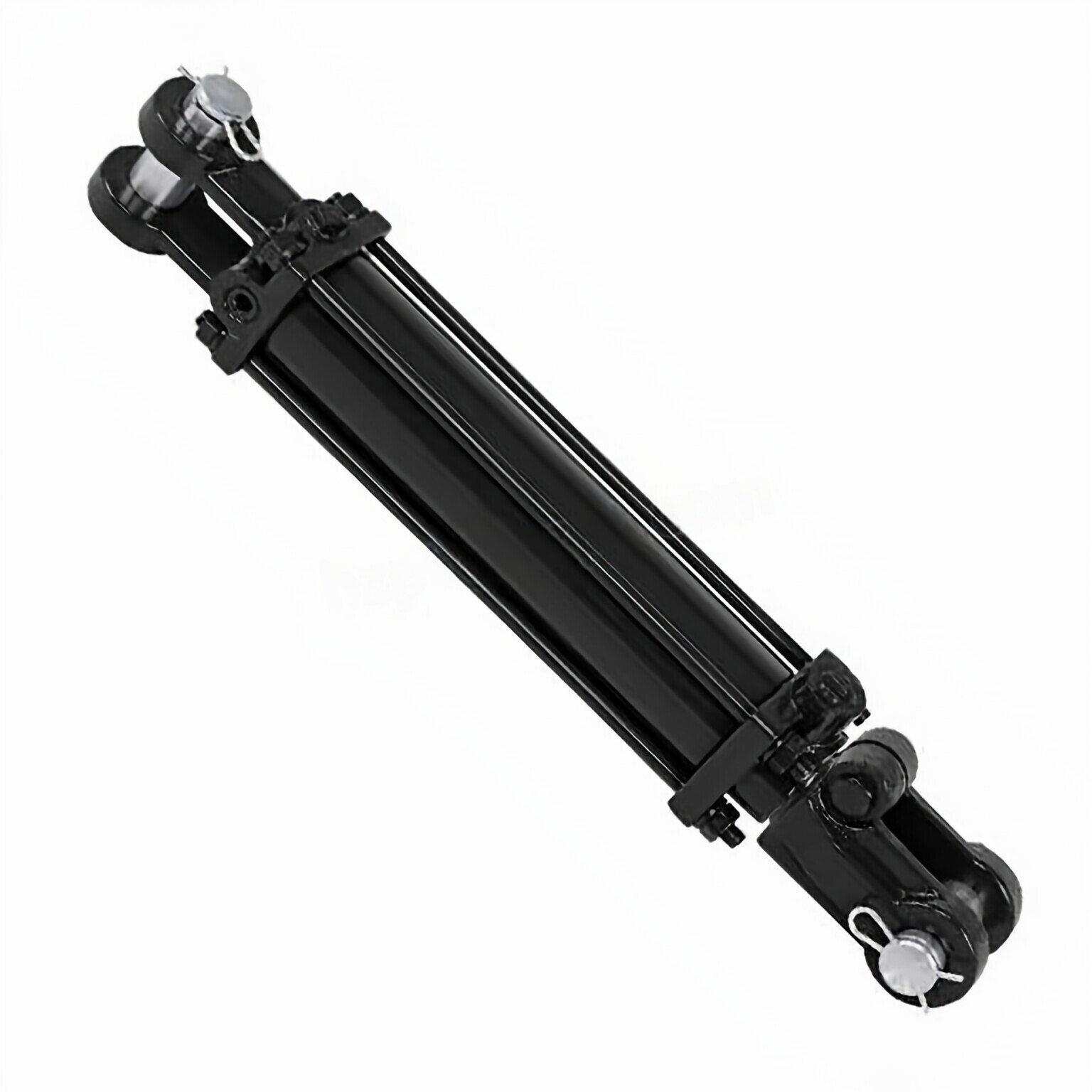
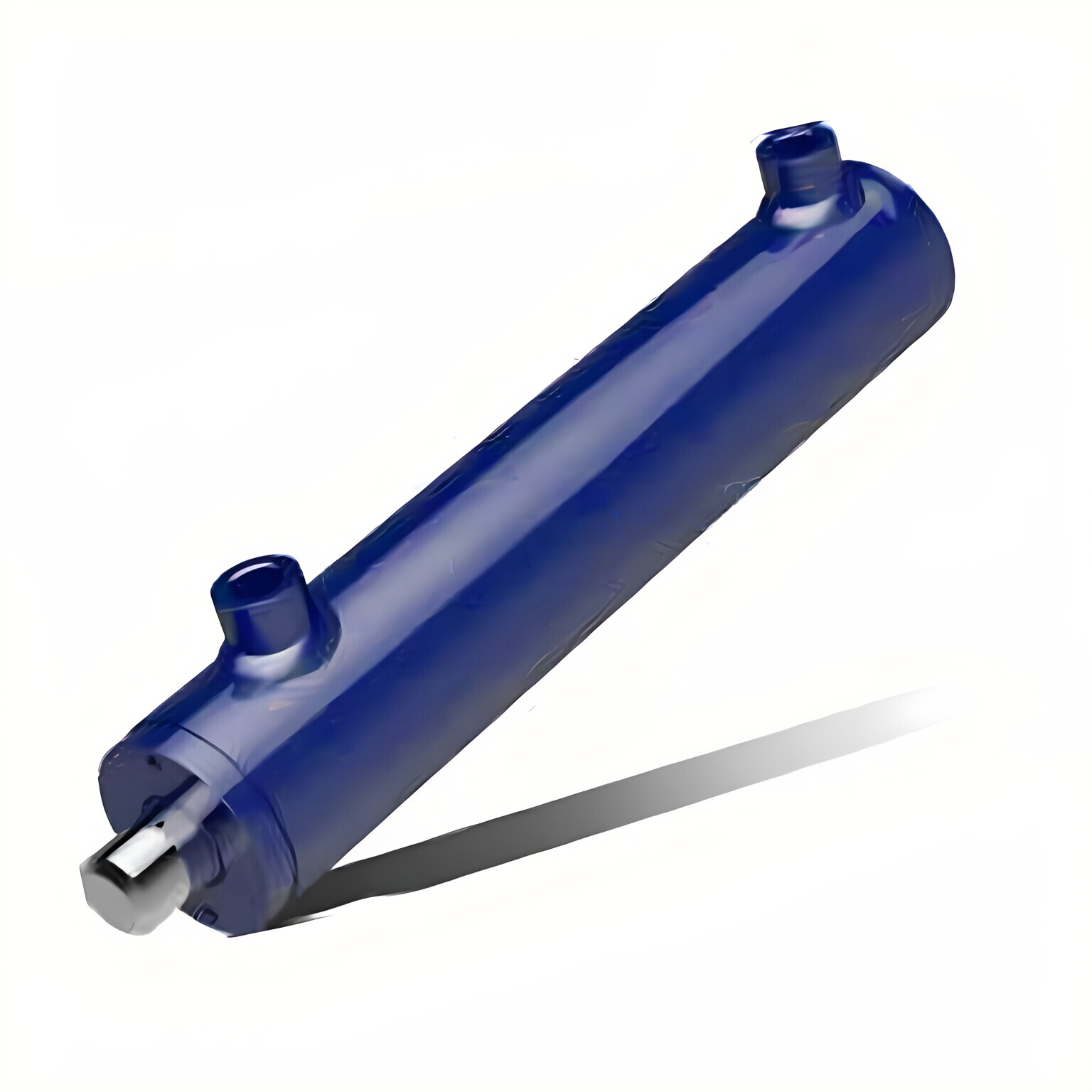
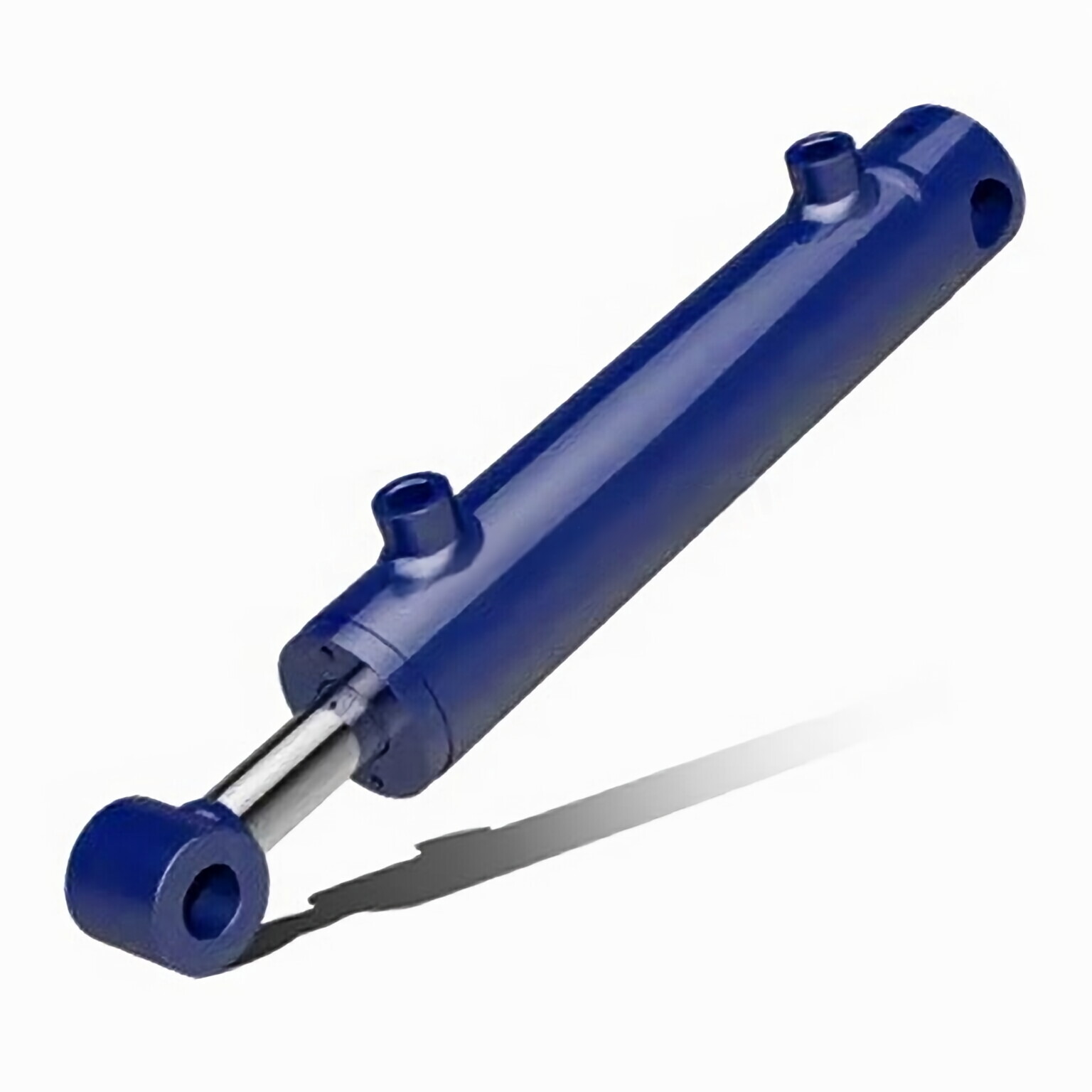
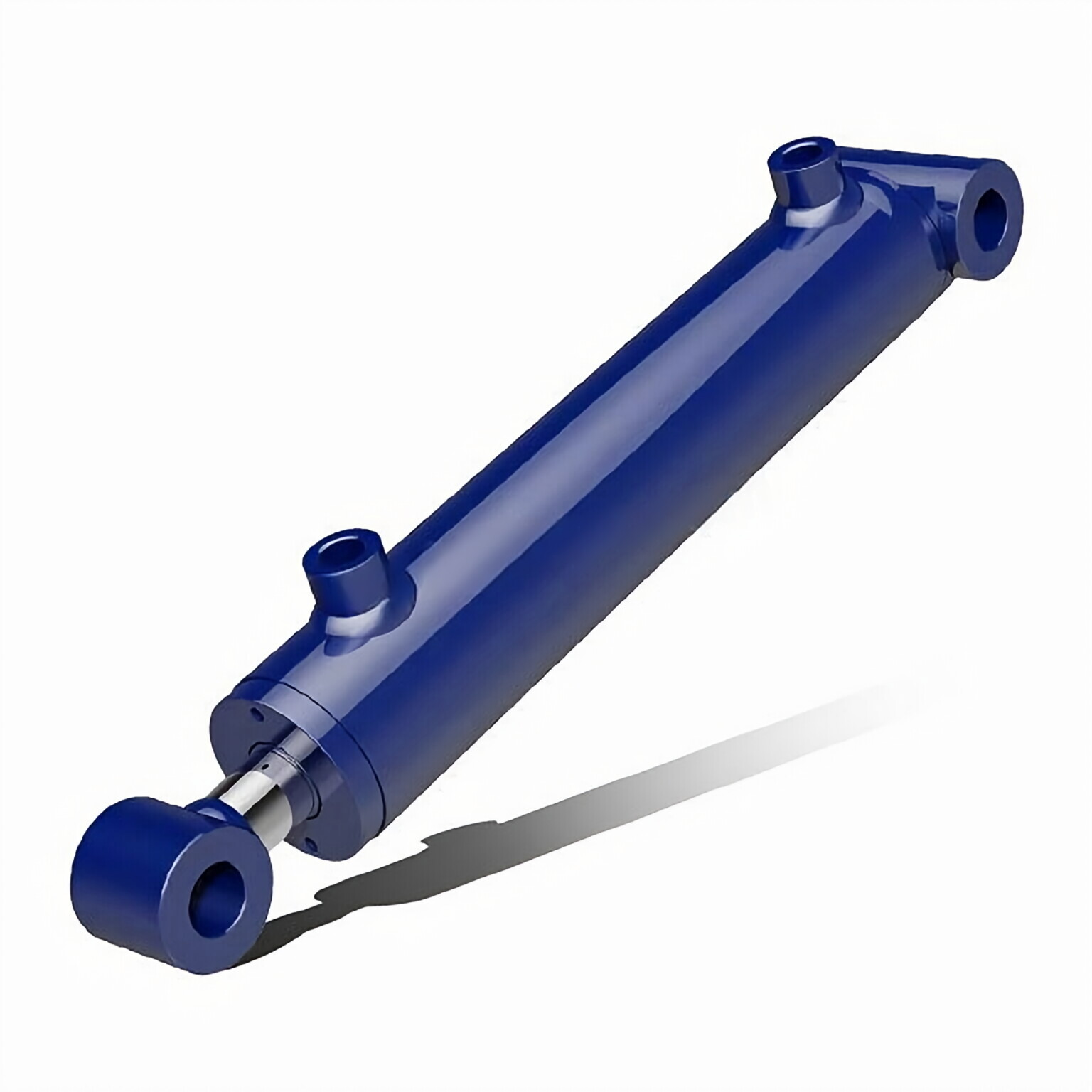
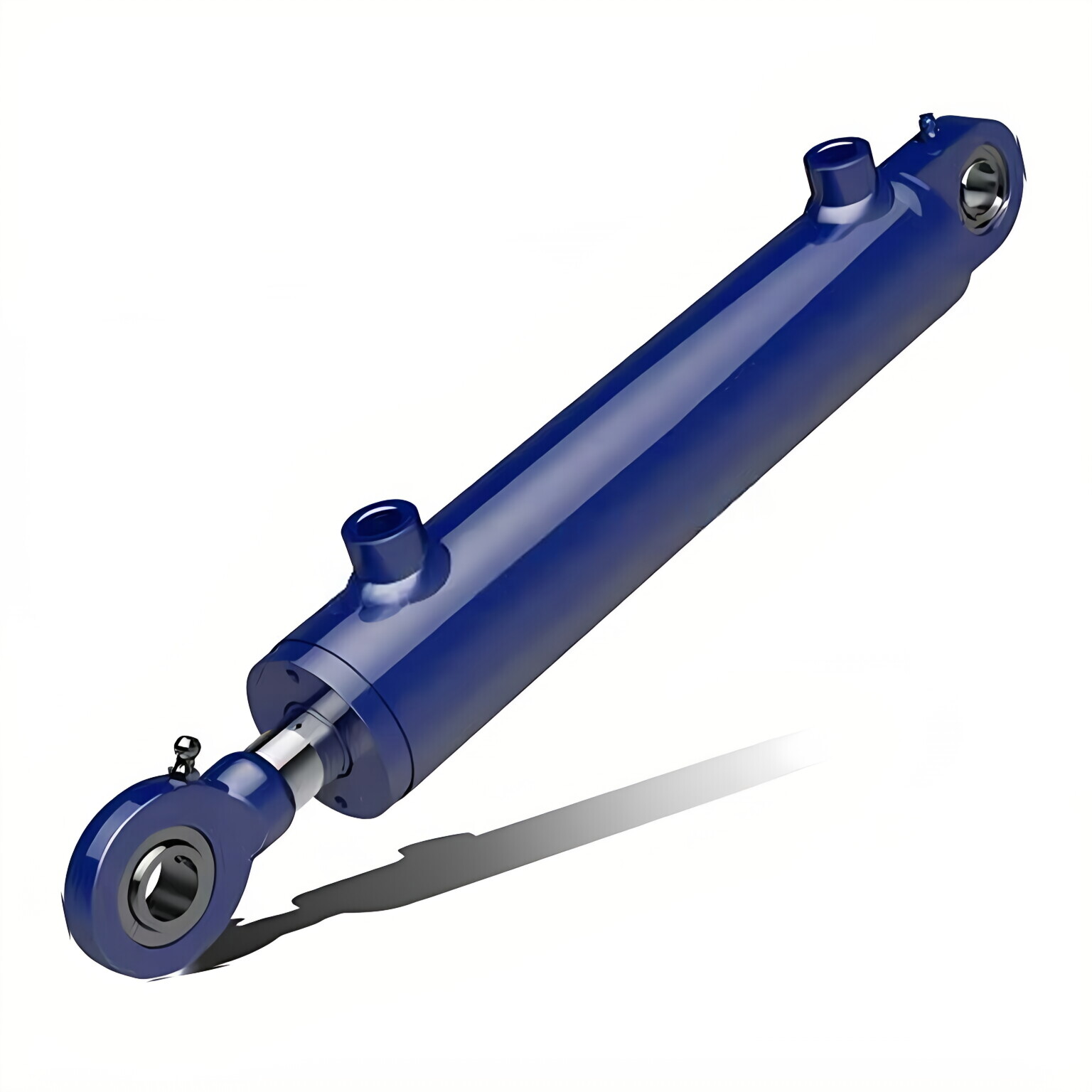
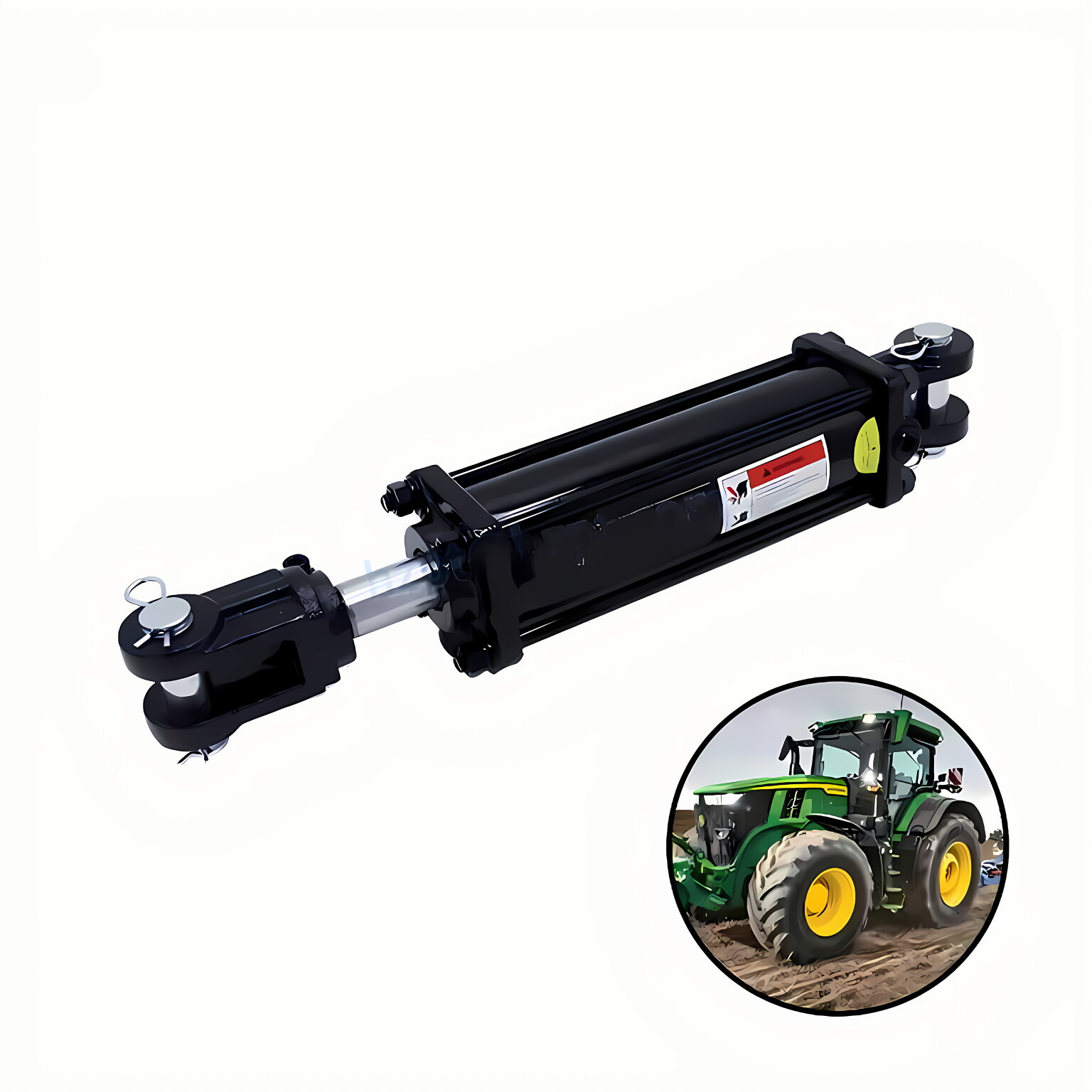
Periodic inspection of the hydraulic cylinder is essential to ensure its proper functioning. It is recommended to inspect the cylinder on a regular basis, and any damage or worn-out parts should be replaced immediately. The inspection should include checking for any leaks or cracks in the cylinder body and rod, as well as the seals, gaskets, and bearings.
Proper lubrication of the hydraulic cylinder is crucial to ensure its smooth operation. It is recommended to lubricate the cylinder at regular intervals, depending on the operating conditions, to prevent wear and tear of the moving parts. The lubrication points should be identified and lubricated with the recommended grease or oil according to the manufacturer's instructions.
The seals and gaskets of the hydraulic cylinder should be checked periodically and replaced if they are damaged or worn out. It is also important to check the calibration of the cylinder to ensure its accuracy. Calibration checks should be carried out by qualified personnel using the appropriate equipment and procedures.
Proper installation, lubrication, and adjustment of the hydraulic cylinder are crucial to its performance and longevity. The cylinder should be properly aligned during installation, and the use of appropriate installation jigs is recommended to avoid damage to the cylinder. The cylinder should also be lubricated regularly to prevent wear and tear of the moving parts. Proper adjustment of the cylinder is necessary to ensure its accuracy and prevent damage to the equipment.
In case of any damage to the hydraulic cylinder, it is recommended to follow the manufacturer's guidelines for inspection, repair, and replacement. The damaged parts should be replaced with genuine parts to ensure the proper functioning of the cylinder. The manufacturer may also provide rebuilding services for the cylinder if required.
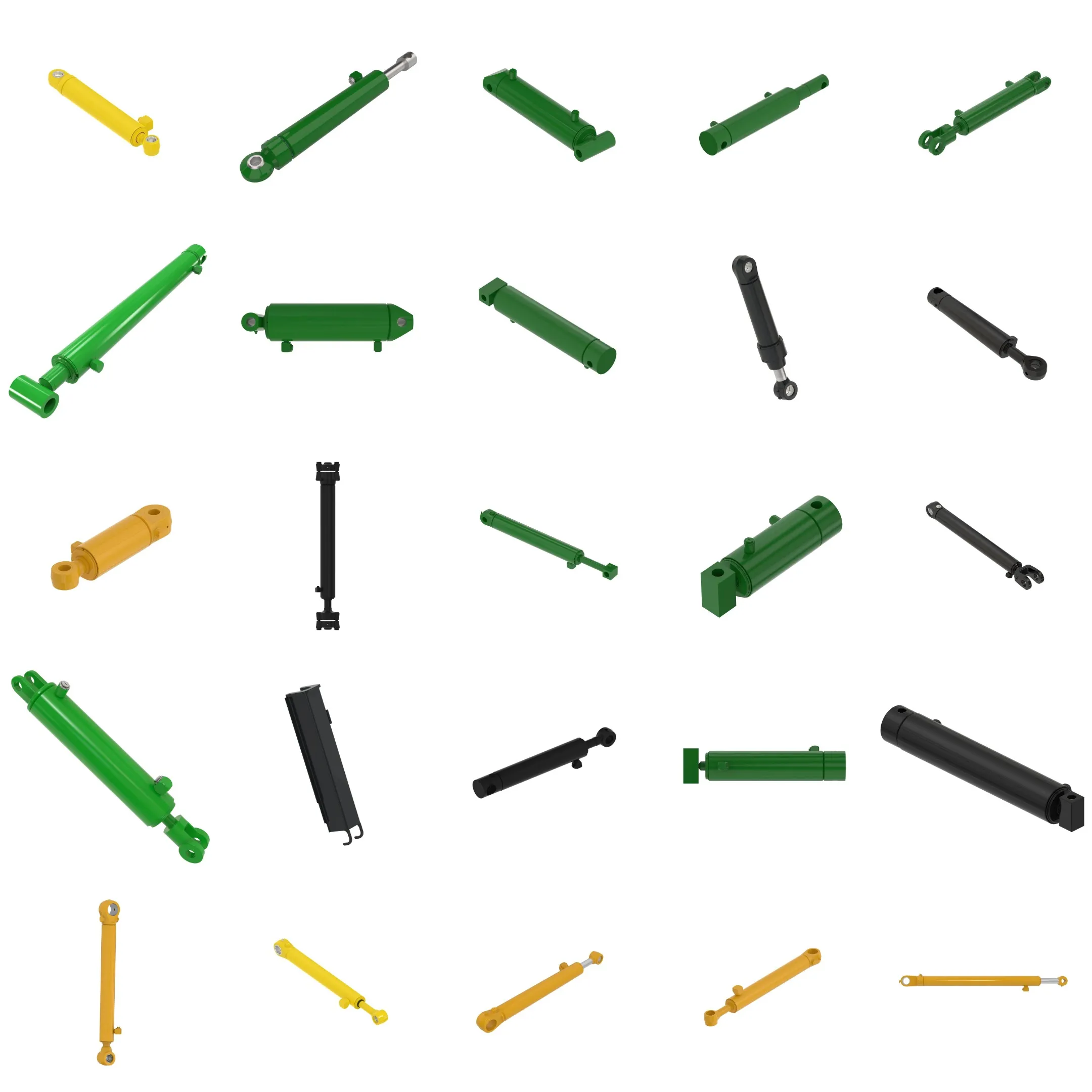
When working with hydraulic cylinders, it is important to follow the safety guidelines provided by the manufacturer. Proper training and personal protective equipment should be used to avoid accidents and injuries. It is also important to consider the environmental impact of the hydraulic cylinder, and precautions should be taken to prevent oil spills and leaks.
Common issues with hydraulic cylinders include leaks, loss of pressure, and misalignment. If the cylinder is leaking, it may be due to damaged seals or gaskets, and they should be replaced immediately. Loss of pressure may be due to a damaged piston or cylinder wall, and they should also be replaced. Misalignment may lead to uneven wear and tear, and proper alignment using installation jigs is recommended to prevent this issue.
To prevent potential issues with the hydraulic cylinder, it is recommended to follow the maintenance tasks and inspection procedures outlined by the manufacturer. Regular inspection and lubrication can help prevent wear and tear of the moving parts, and replacement of damaged or worn-out parts can prevent further damage to the equipment. Proper installation and alignment can also prevent misalignment and uneven wear and tear.
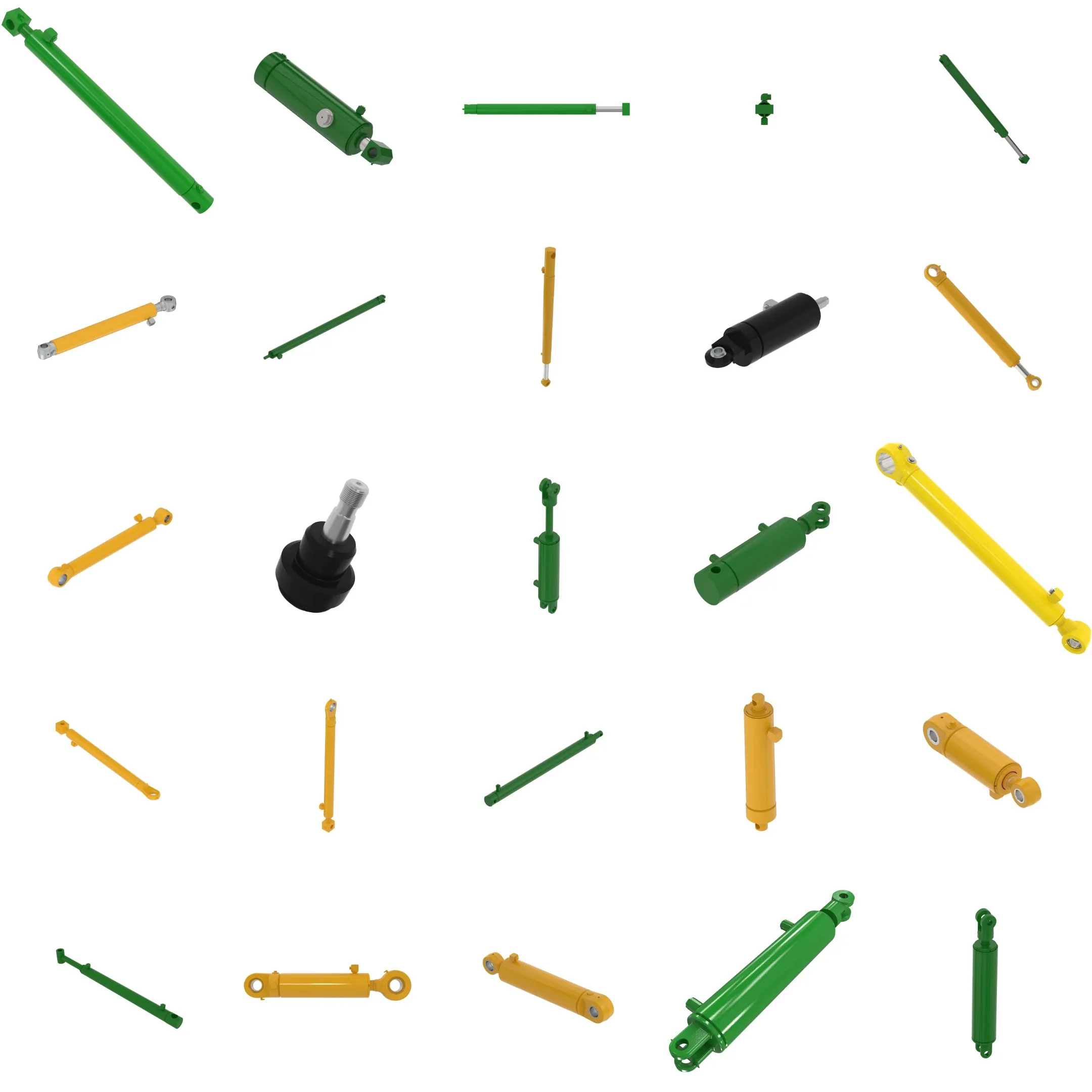
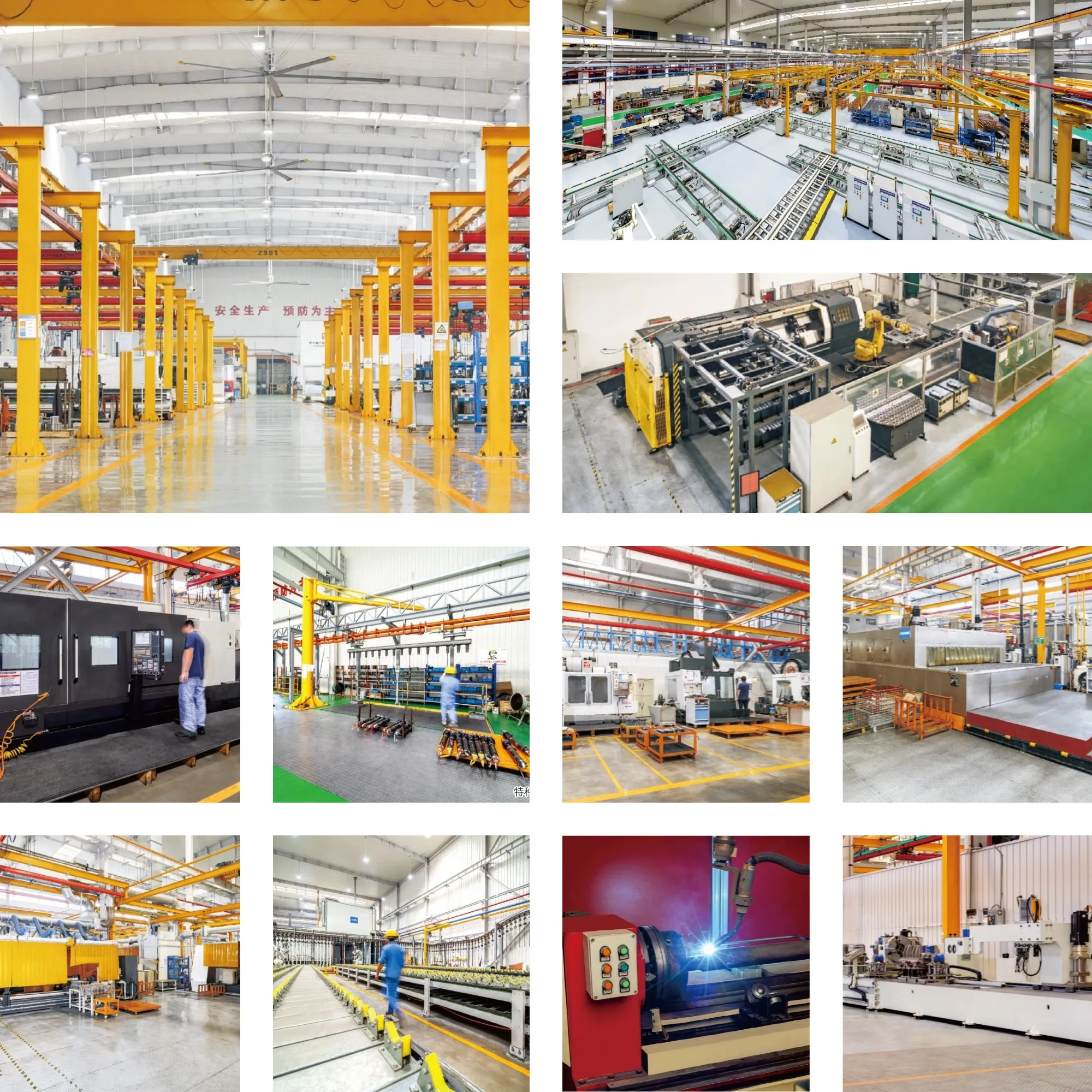
We are a manufacturer of replacement hydraulic cylinders with a wide range of products, and have become one of the leading manufacturers and wholesalers in the domestic and international markets. Our company is known for its professionalism, international certifications, custom services, advanced production equipment, and after-sales services.
Address
Luotuo Industrial Area, Zhenhai District, Ningbo City, China
Tel

 Raydafon