
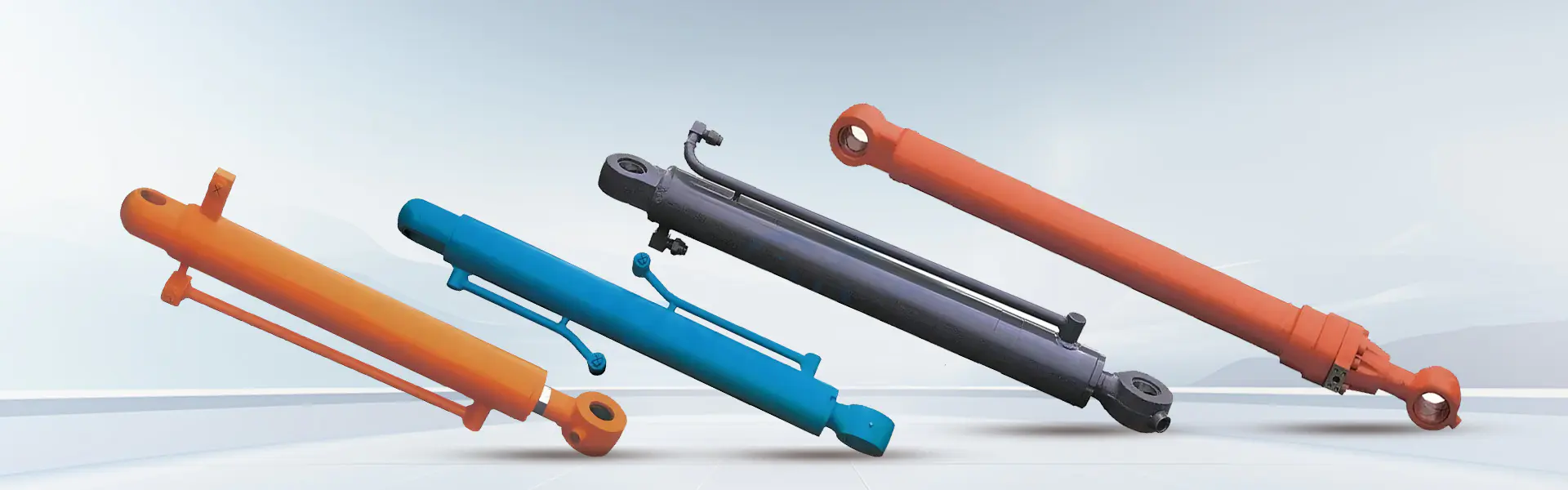
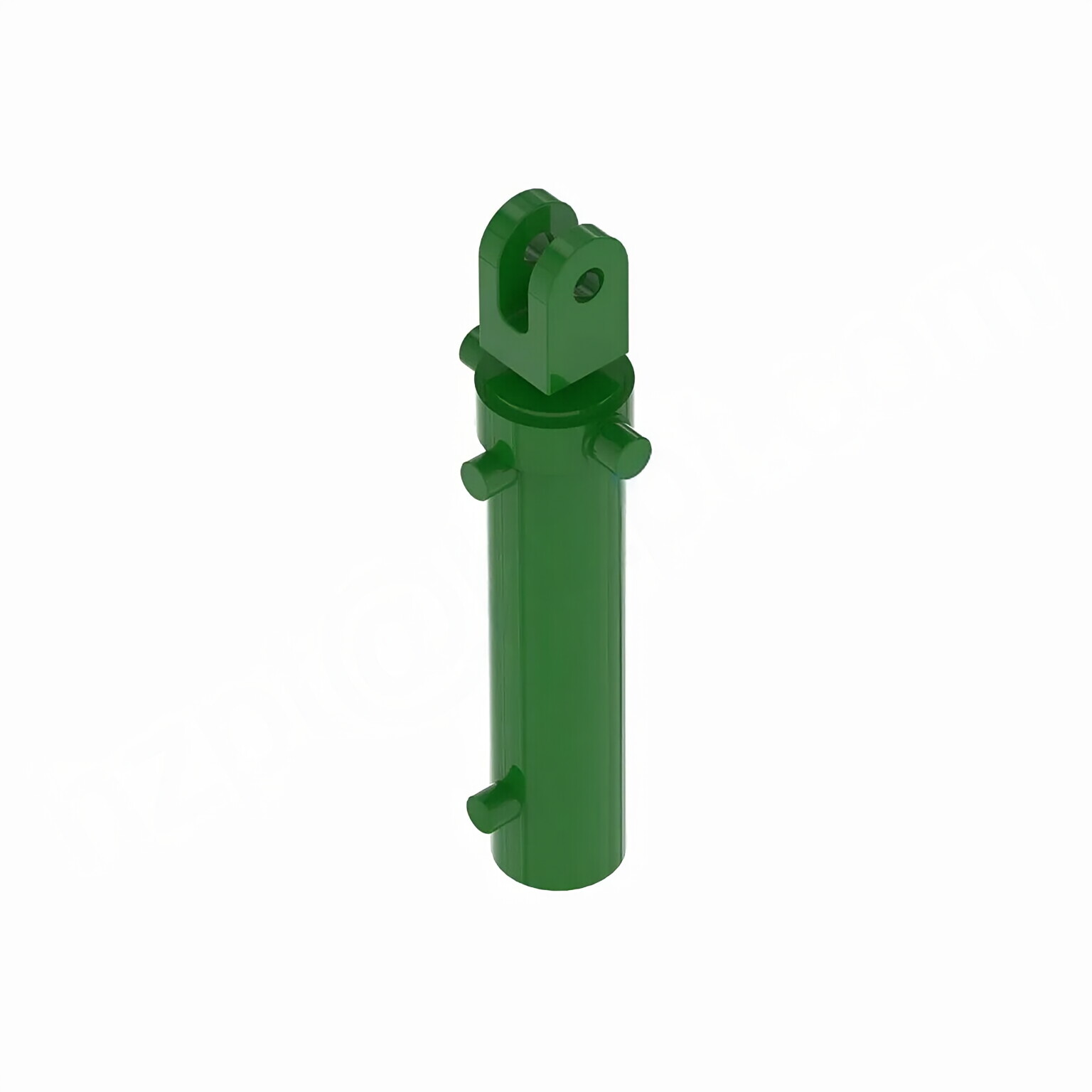
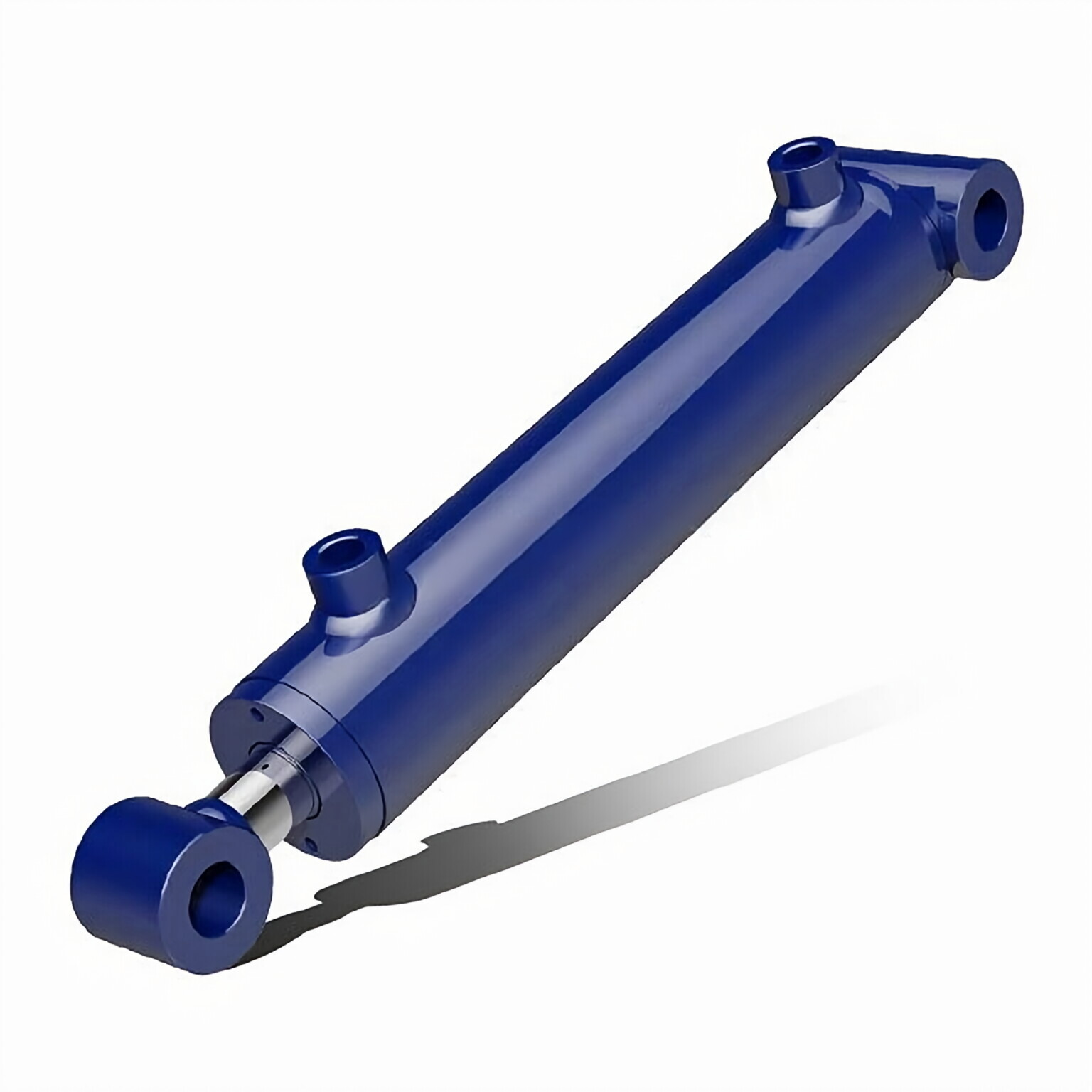
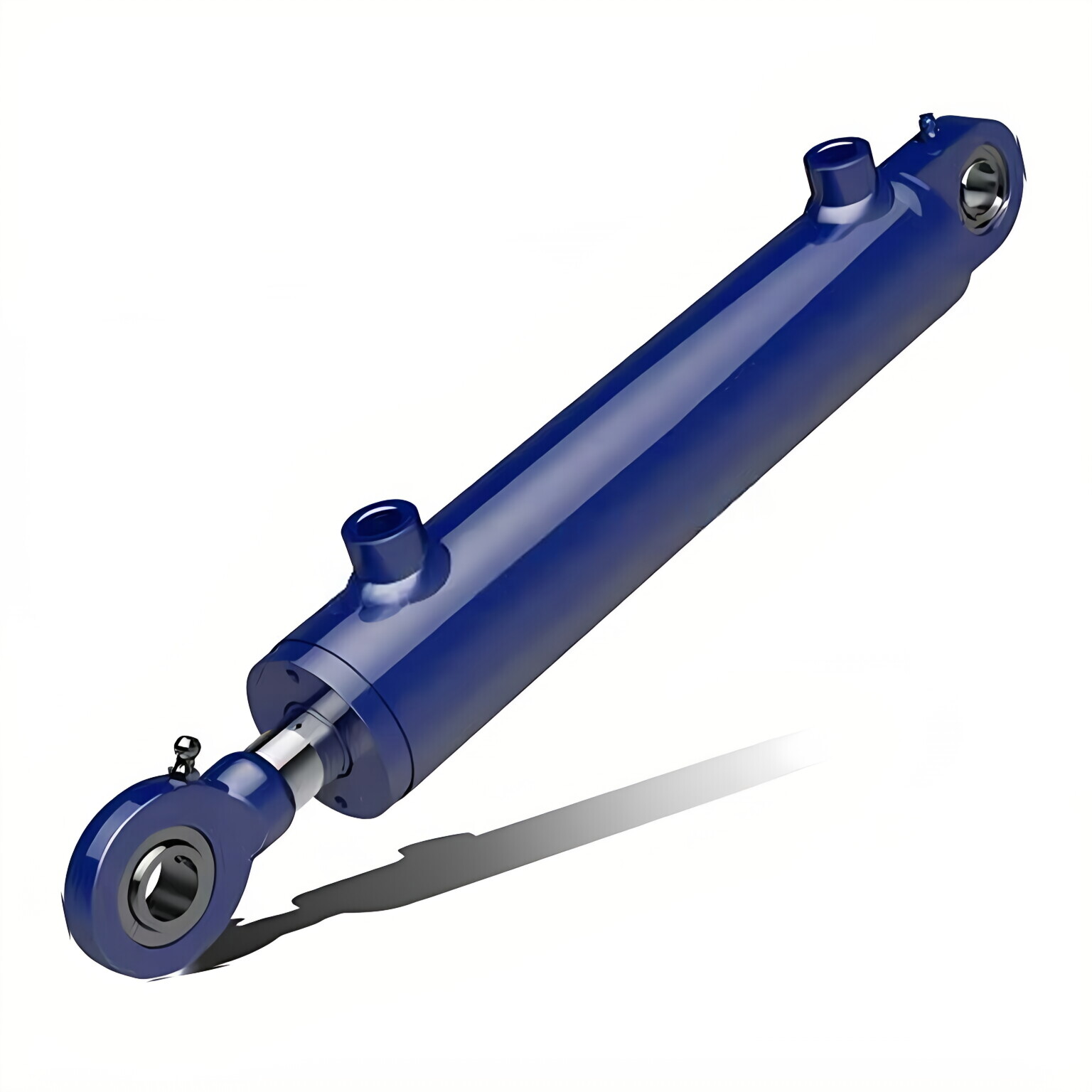
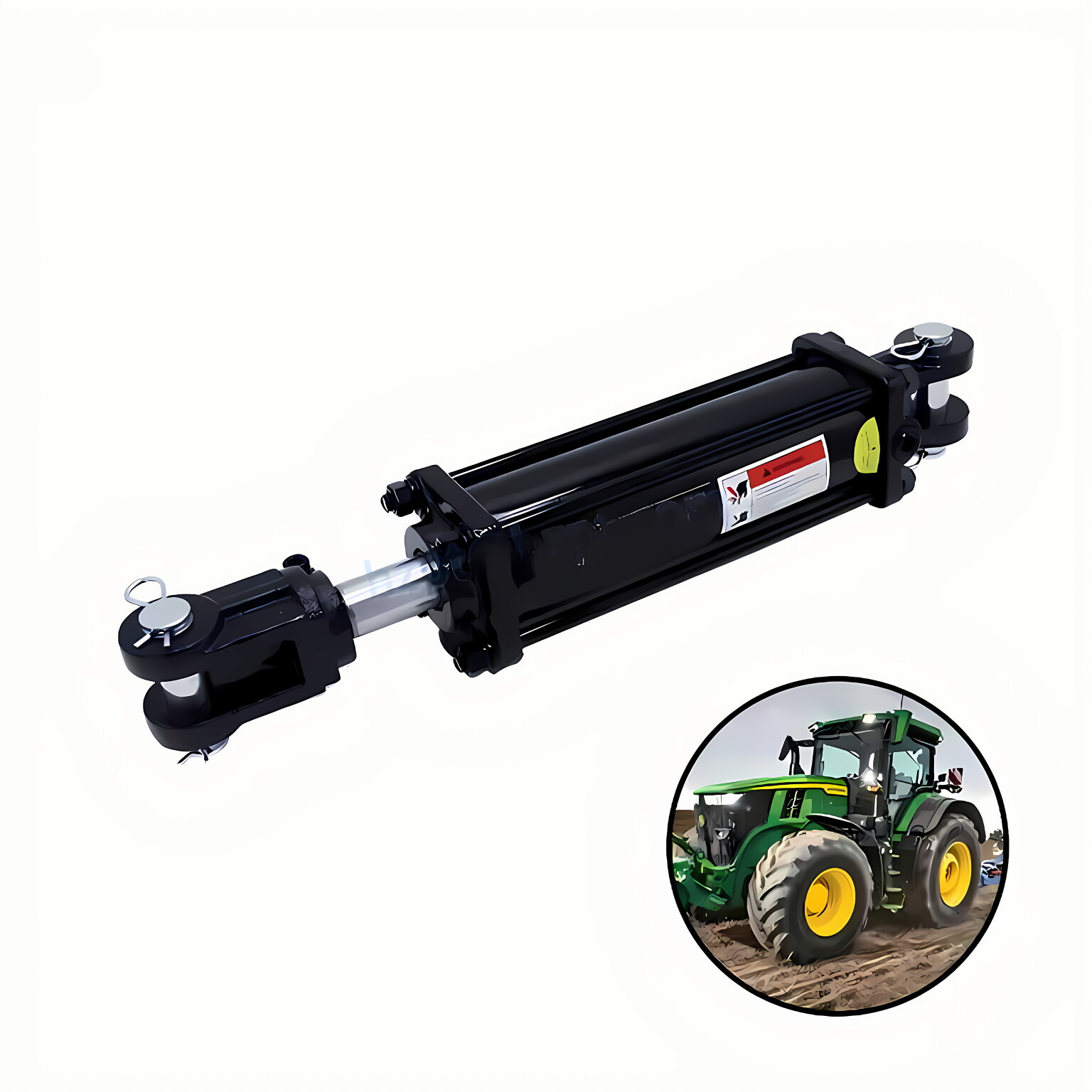
Regular inspections are crucial to ensure the proper functioning of the hydraulic cylinder. Inspect for any signs of wear, leakage, or damage.
Applying appropriate lubrication to the hydraulic cylinder helps to minimize friction and extend its lifespan. Follow the manufacturer's recommendations for lubrication intervals and use high-quality lubricants.
Replacing worn or damaged seals is necessary to prevent hydraulic fluid leaks and maintain the cylinder's performance. Regularly check and replace seals as needed.
Periodically calibrate the hydraulic cylinder to ensure accurate operation. Follow the manufacturer's guidelines for calibration procedures.
Proper installation, lubrication, and adjustment are vital for the hydraulic cylinder's optimal performance and longevity. Incorrect alignment during installation can lead to premature wear and damage. Use proper alignment techniques and consider using installation brackets for added stability.
When faced with issues or malfunctions, follow these recommended steps:
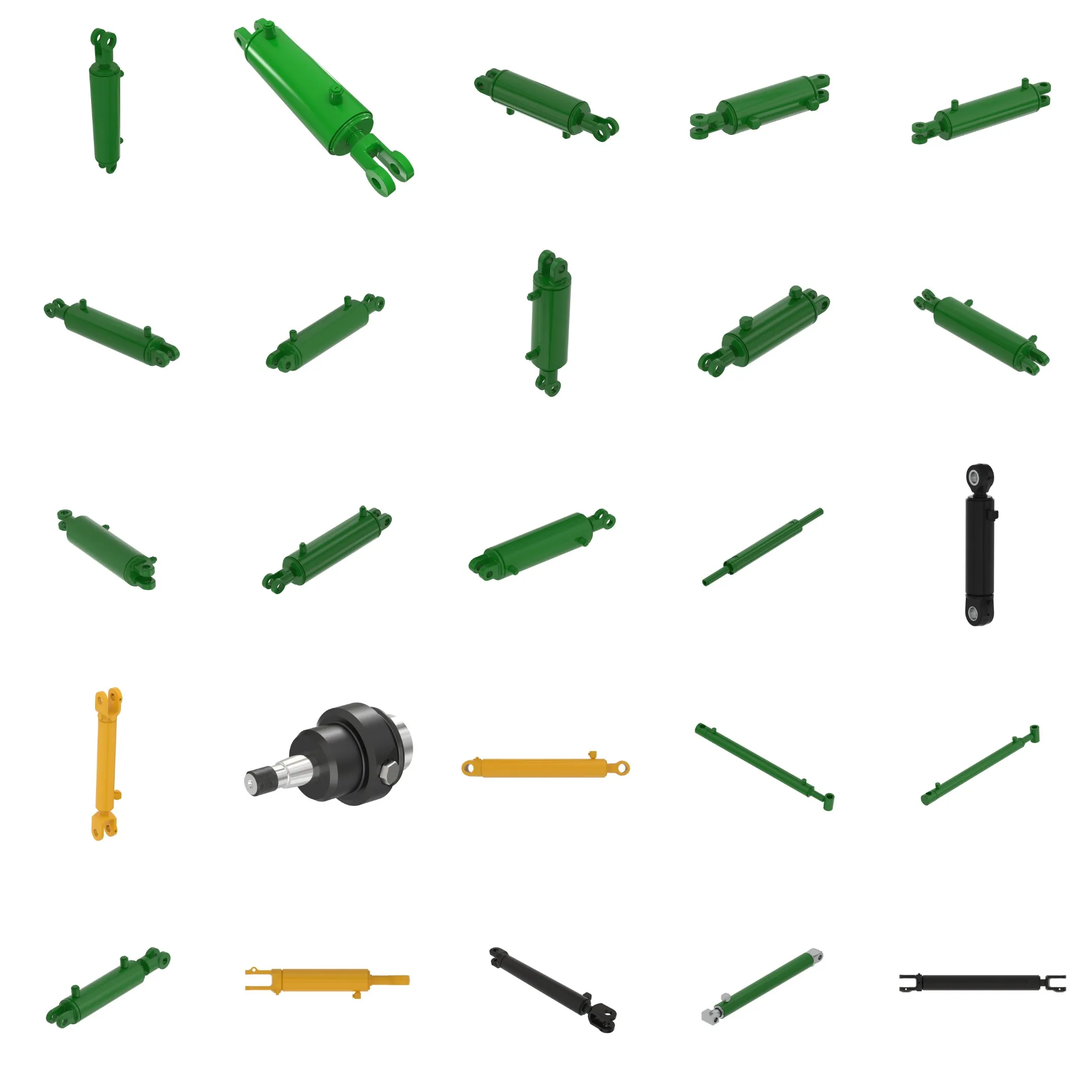
When handling hydraulic cylinders, it is essential to prioritize safety measures. Proper training, the use of personal protective equipment, and following safety guidelines are crucial to avoid accidents and injuries. Additionally, considering environmental factors such as temperature, humidity, and exposure to corrosive substances can help maintain the cylinder's performance and integrity.
Here are some common issues that may arise with hydraulic cylinders:
To address these problems:
Prevention is key to minimizing potential issues with hydraulic cylinders. Consider the following preventive measures:
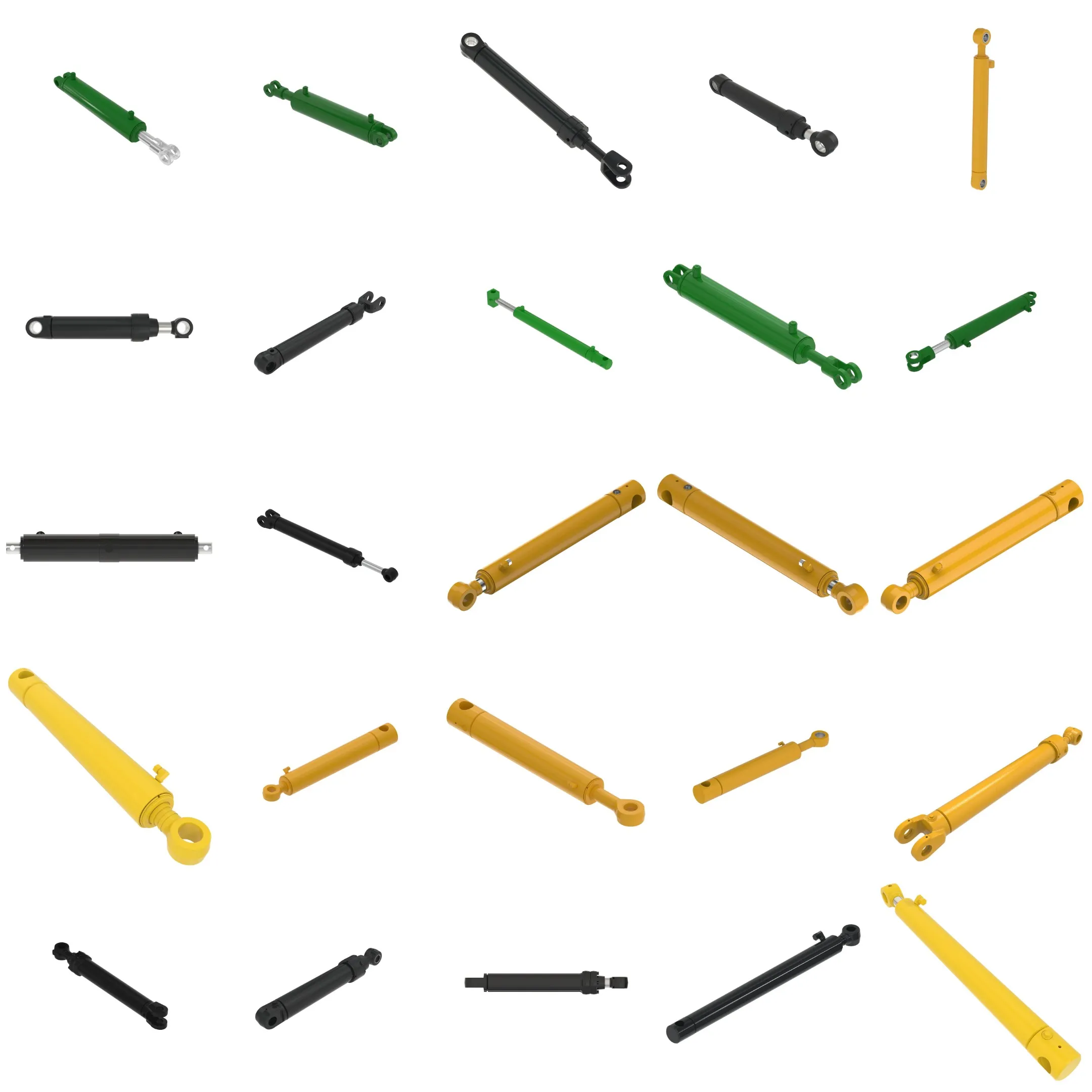
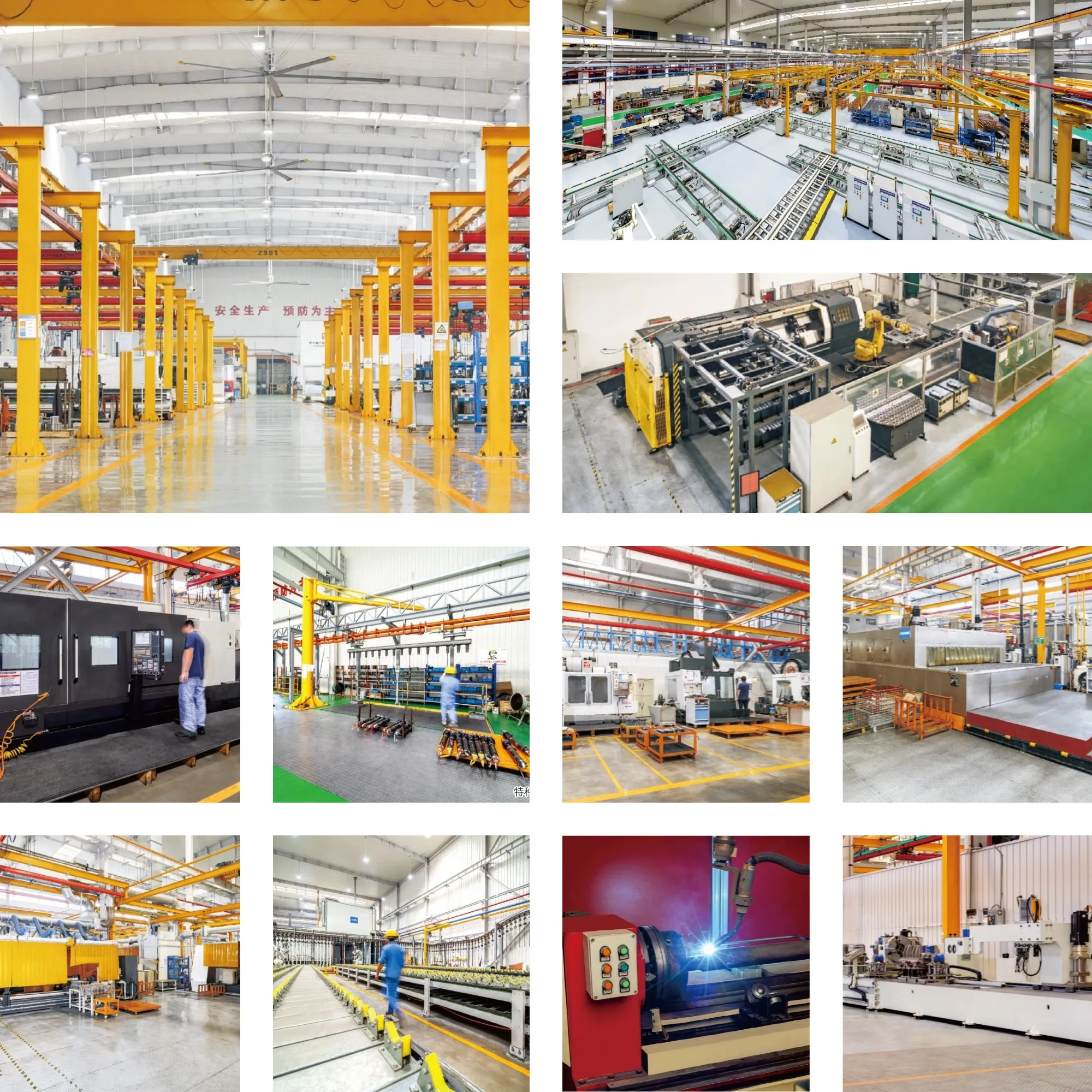
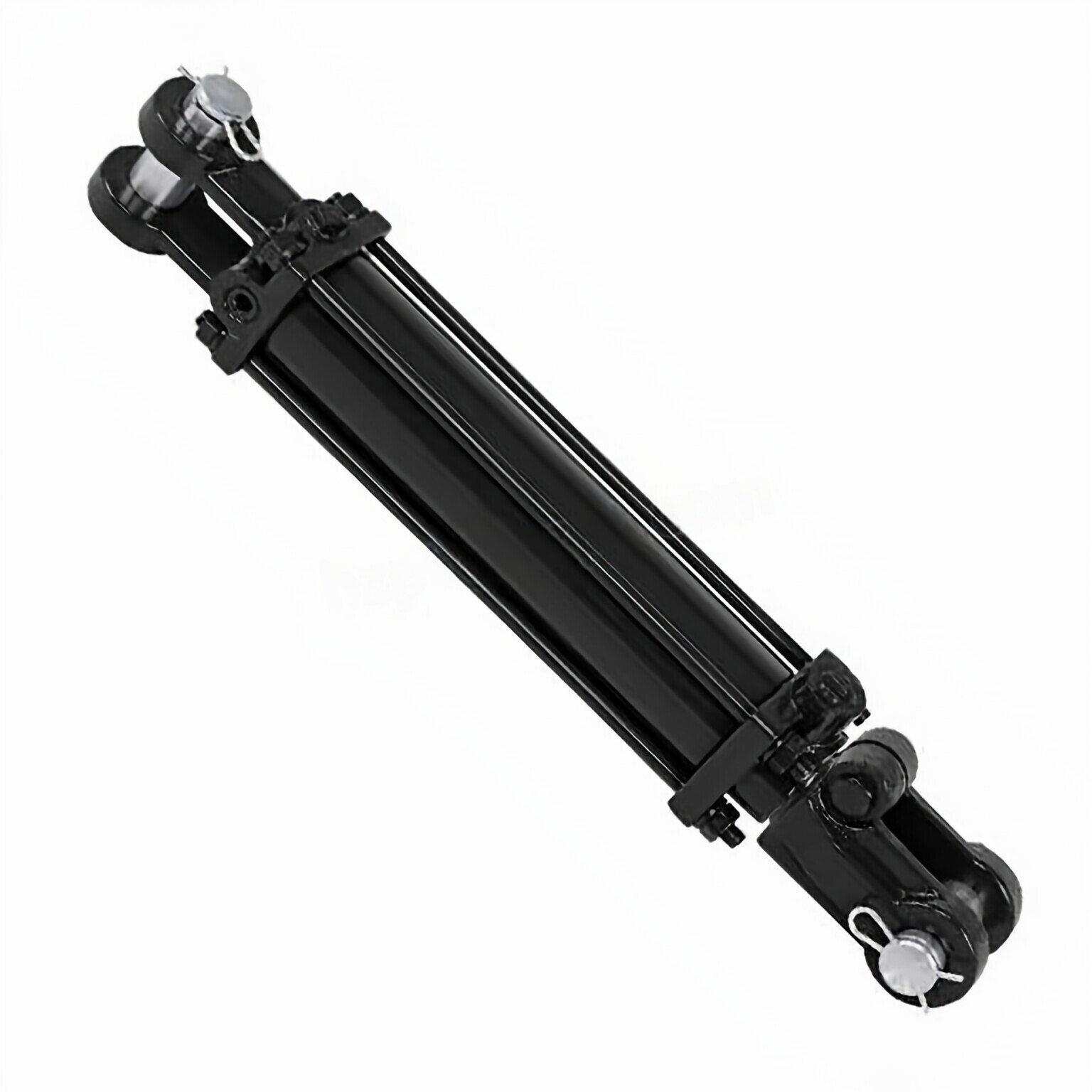
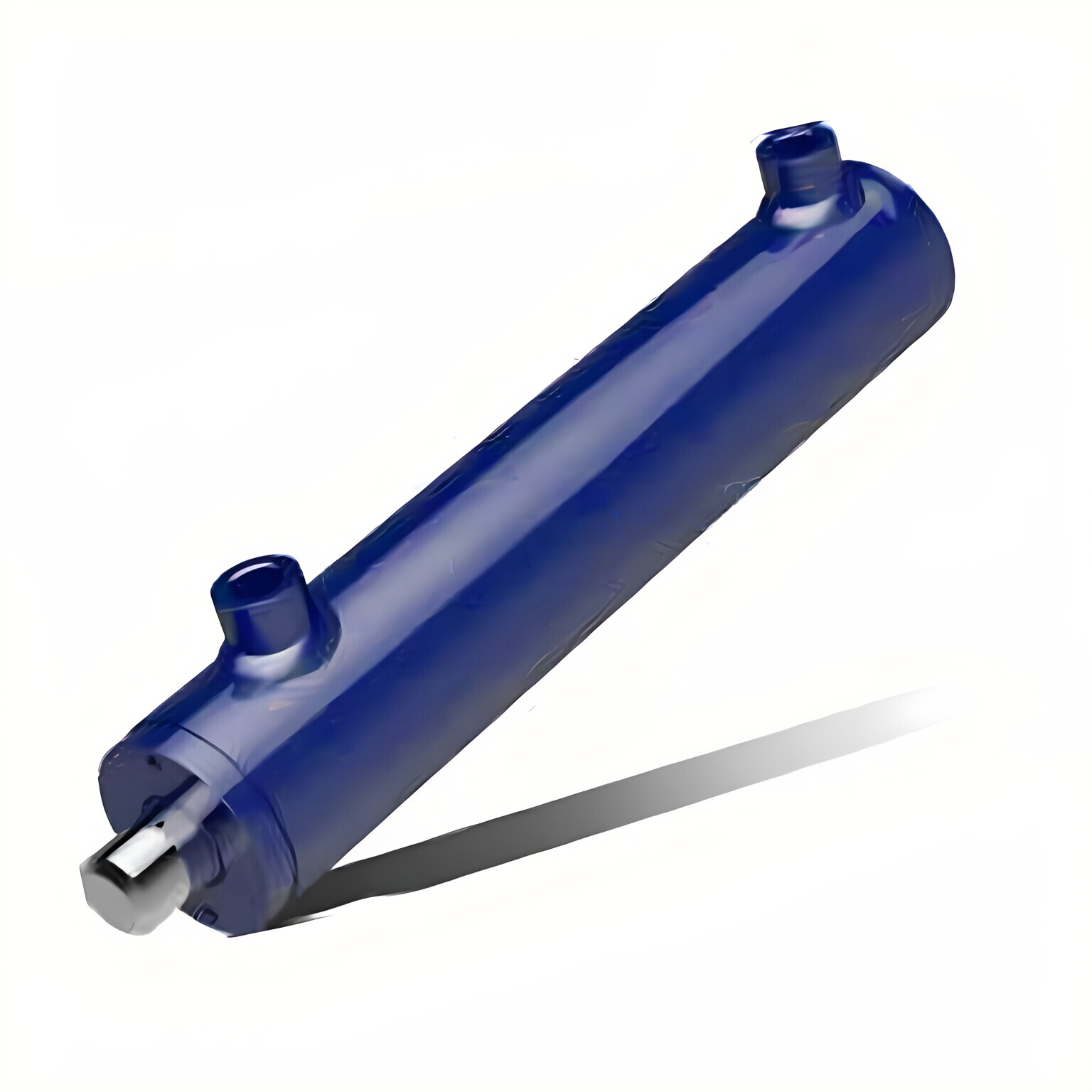
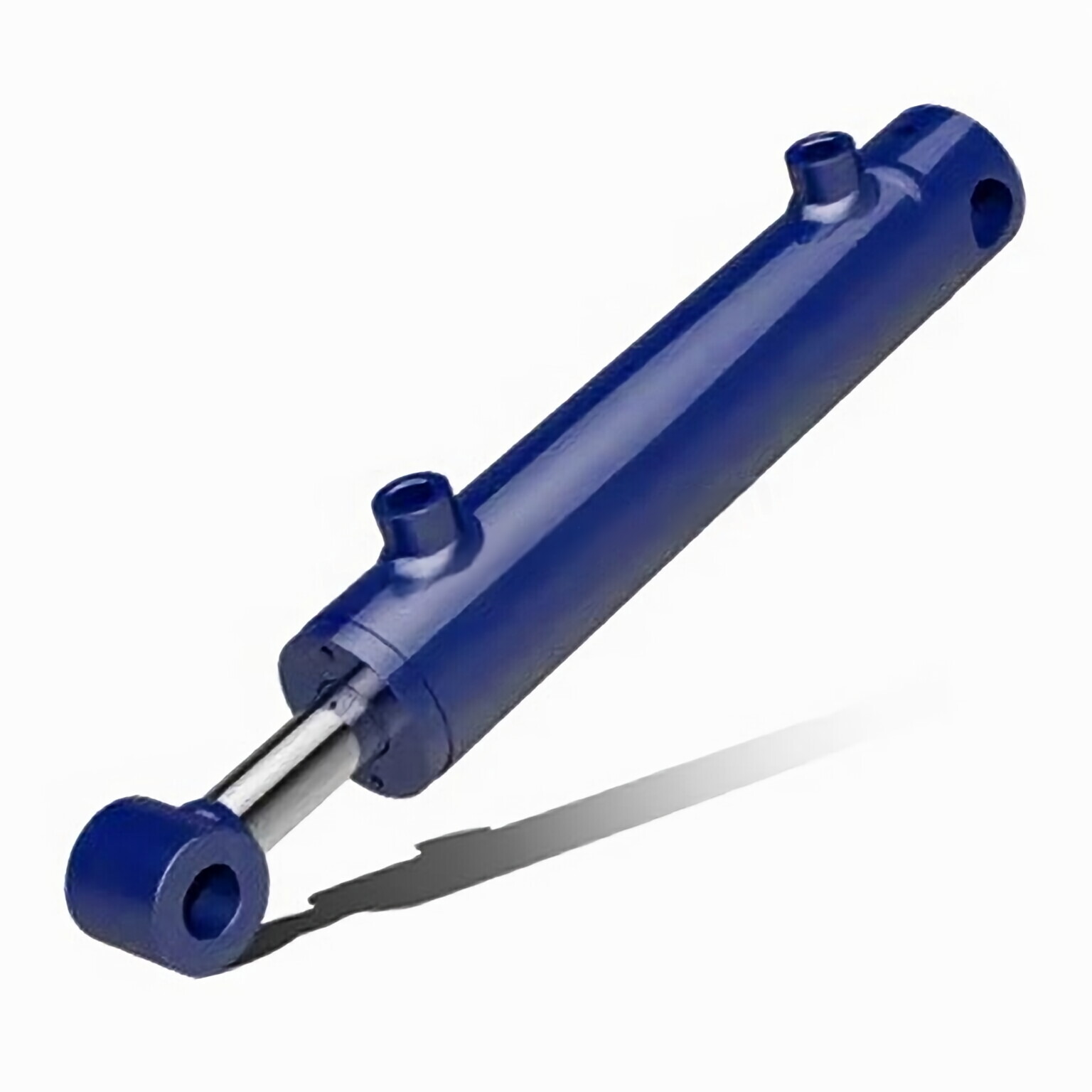
We are a leading manufacturer and wholesale distributor of replacement hydraulic cylinders. Our extensive range of products makes us a trusted supplier in both domestic and international markets.
Author: lyl
Address
Luotuo Industrial Area, Zhenhai District, Ningbo City, China
Tel

 Raydafon