
Introduction:
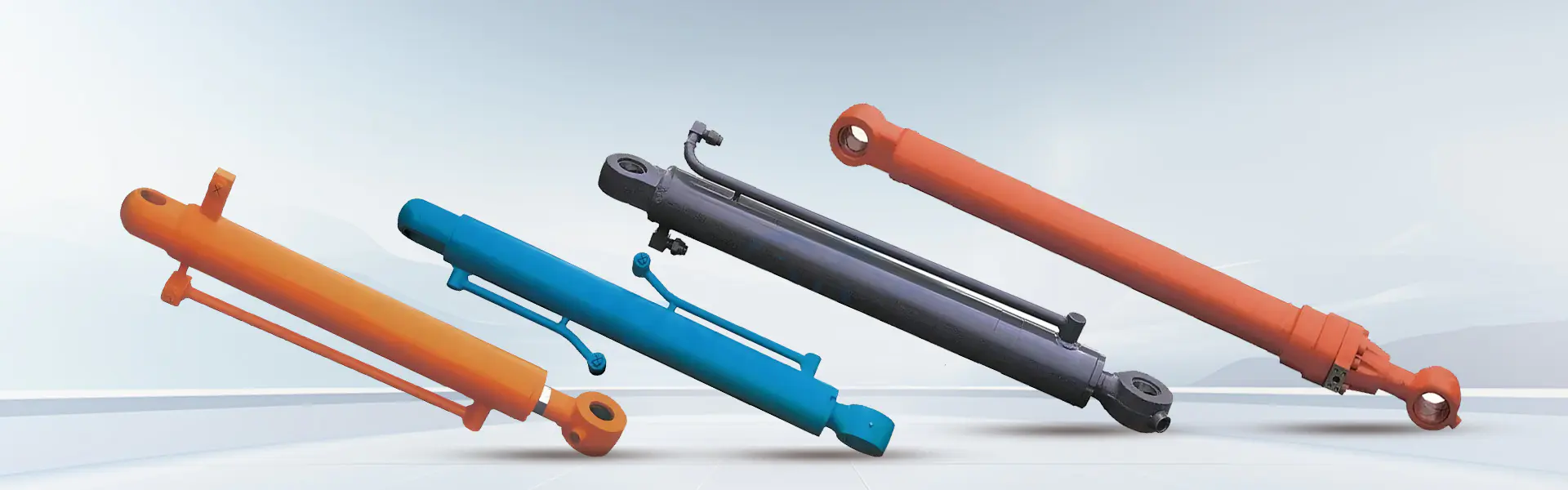
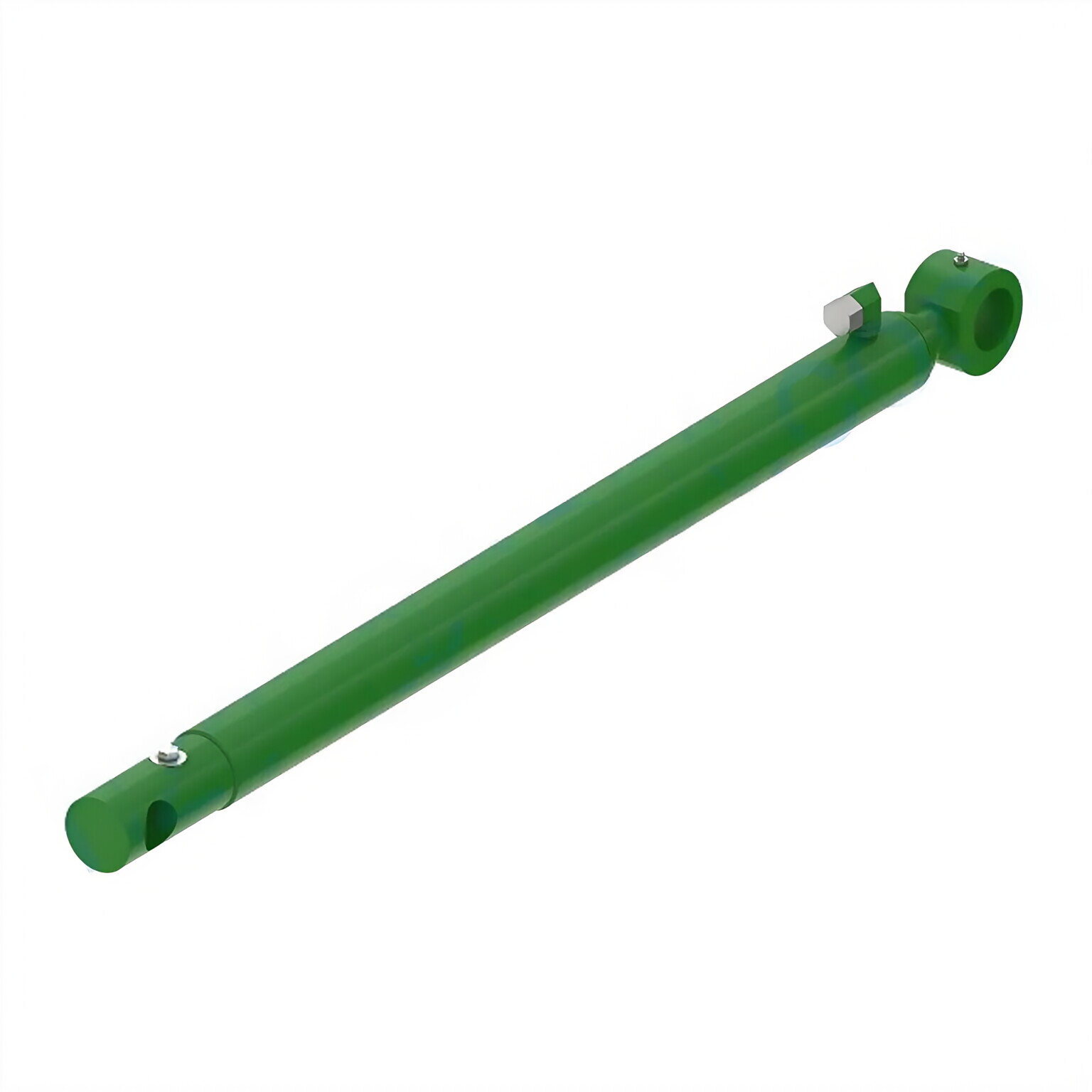
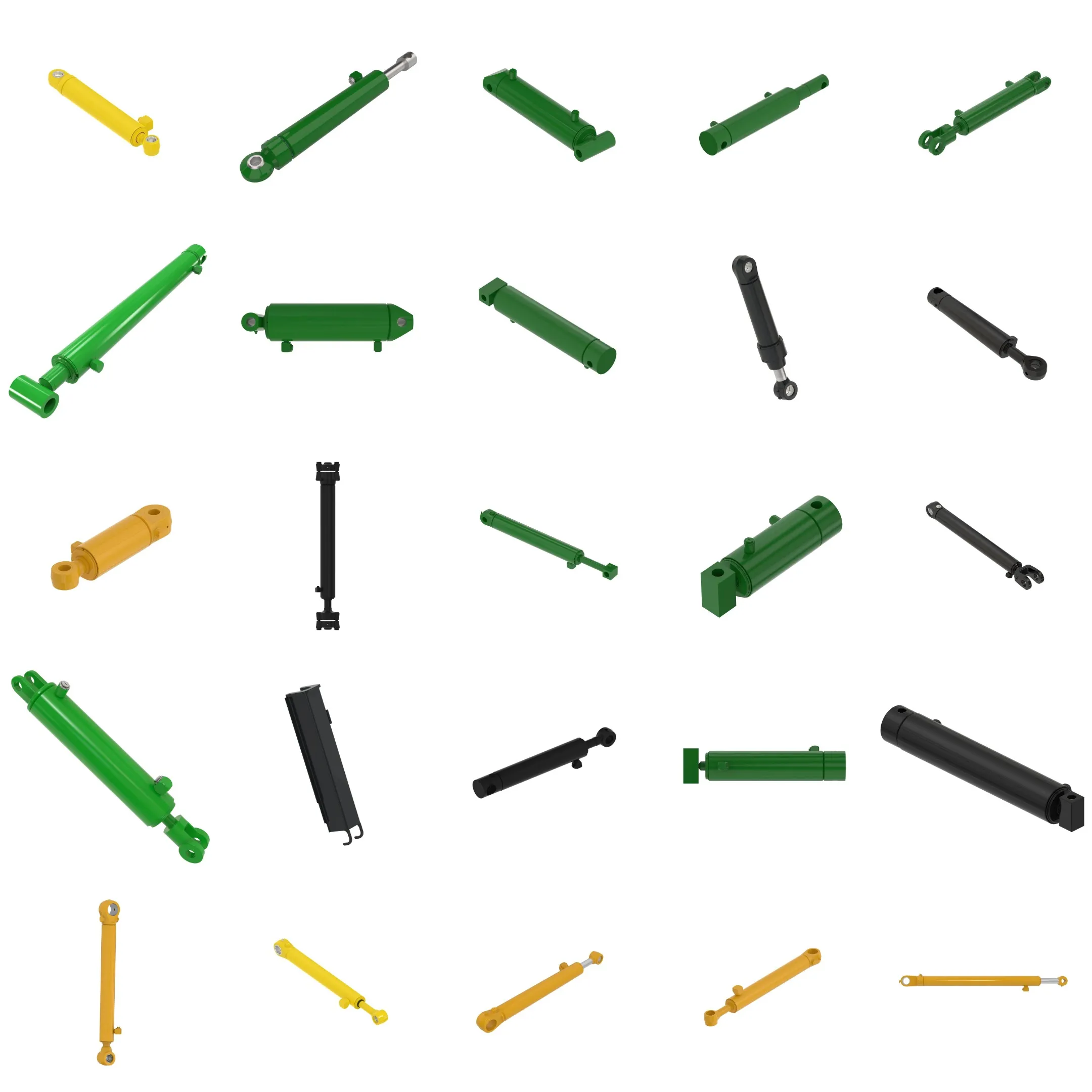
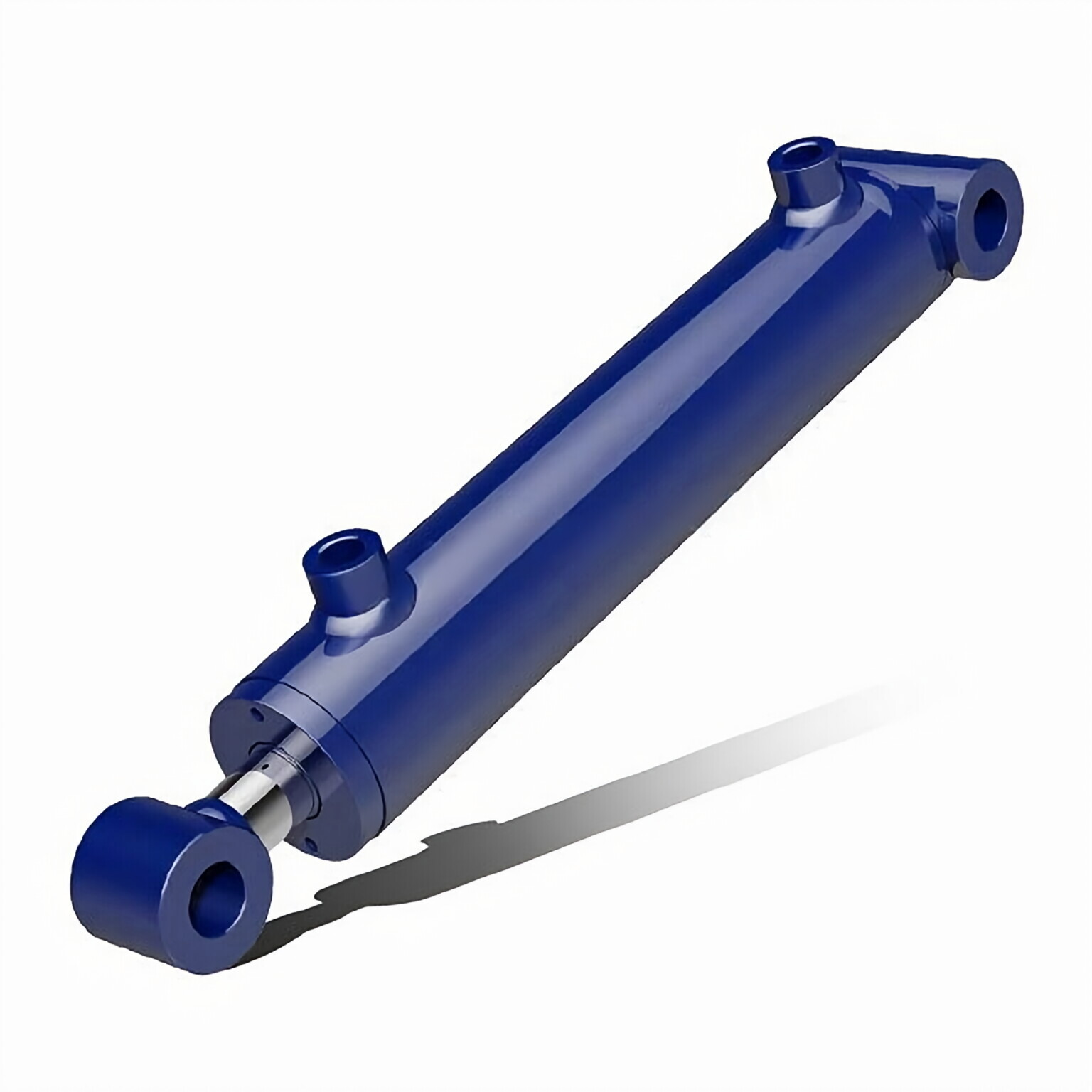
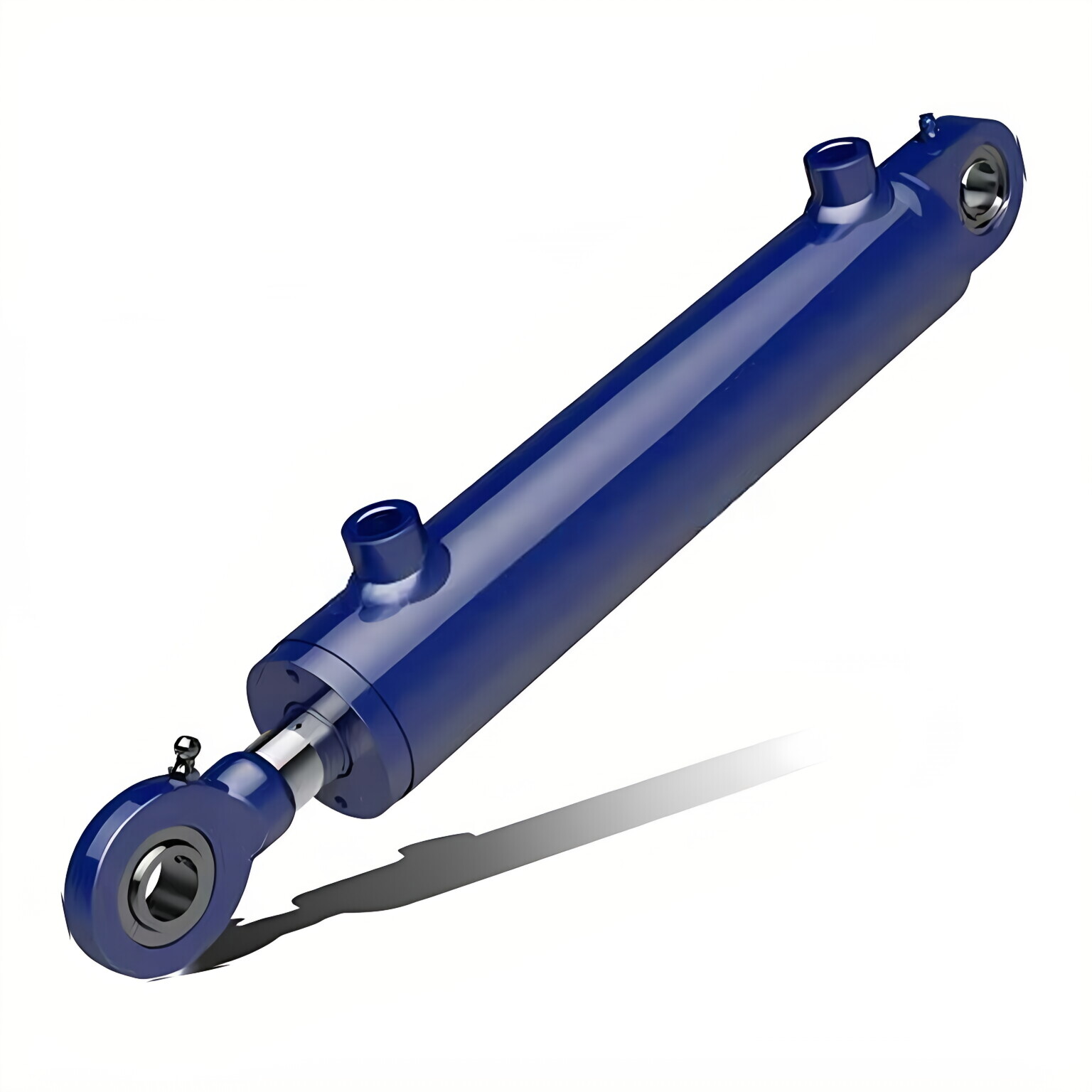
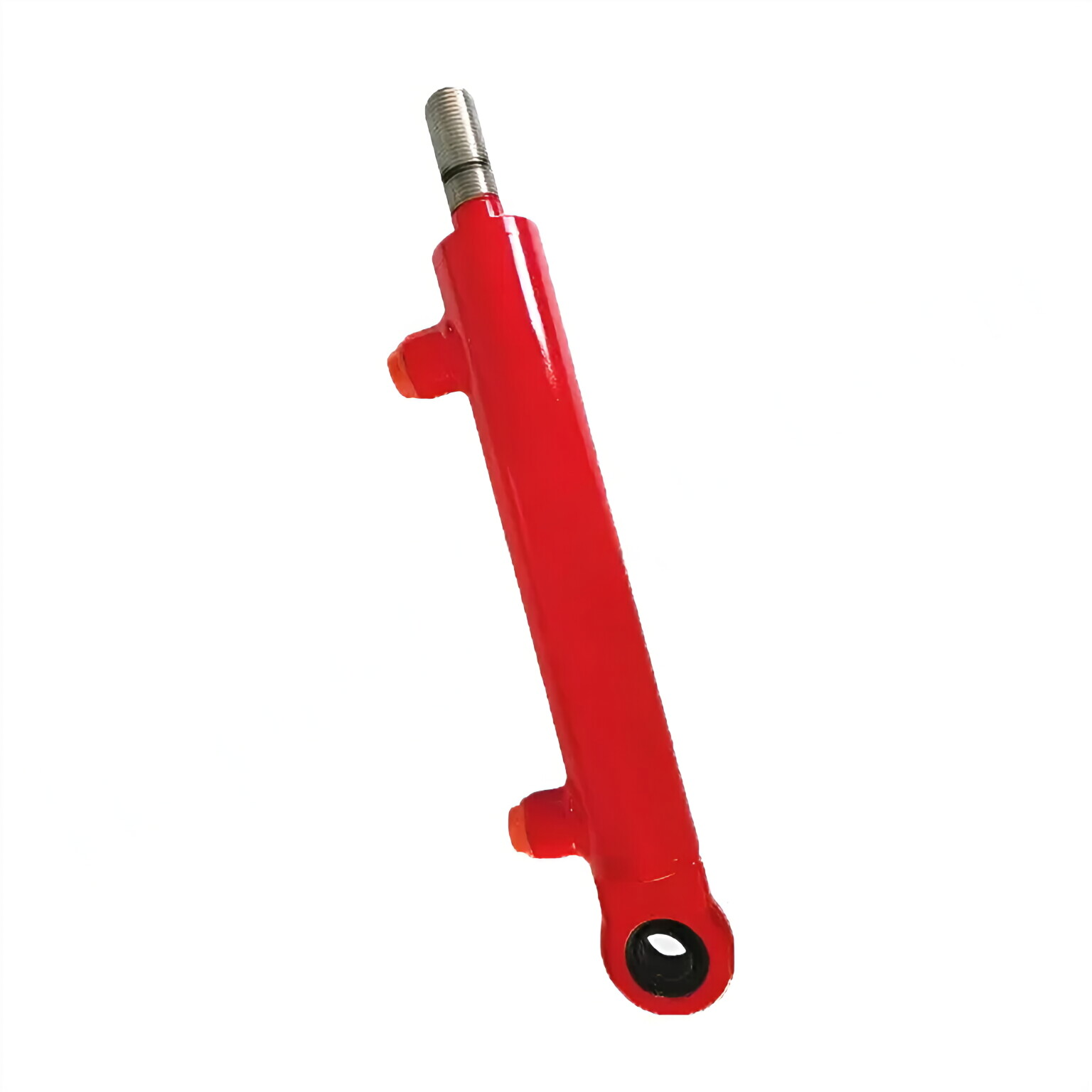
The AHC18593 Boom Hydraulic Cylinder is a hydraulic cylinder used in various models such as 330 P, 330G, 331 P, and 331G. It is an essential component in heavy machinery, providing stability and support for lifting, hoisting, and elevating operations.
Weight: 64.15 lb
Height: 2.5 in
Width: 6 in
Length: 50 in
Models: 330 P, 330G, 331 P, 331G
Construction:
The hydraulic cylinder is commonly used in construction equipment such as cranes, hoists, and elevators, where a secure and robust attachment of heavy loads is required.
Manufacturing:
It is utilized in presses where materials undergo shaping under high pressure and require a stable fixation during the manufacturing process.
Transportation:
Used in vehicle stabilizers and jacks, the hydraulic cylinder ensures safety during maintenance or transportation processes.
Aviation:
Applied in the landing gear system, the hydraulic cylinder securely locks the landing gear in the appropriate position during takeoff and landing.
Load-bearing capacity:
The hydraulic cylinder is designed to withstand heavy loads and provide reliable support for various applications.
Sealing:
Utilizes various seals, such as piston seals and rod seals, made of wear-resistant materials like polyurethane and nitrile rubber. The cylinder body and threaded end surfaces are finely treated to enhance wear resistance. Regular lubrication with hydraulic oil is necessary for smooth operation.
Proper installation is crucial for the optimal functioning of the hydraulic cylinder. Follow these steps:
When working with hydraulic cylinders, it is essential to prioritize safety measures to prevent accidents and ensure a secure working environment.
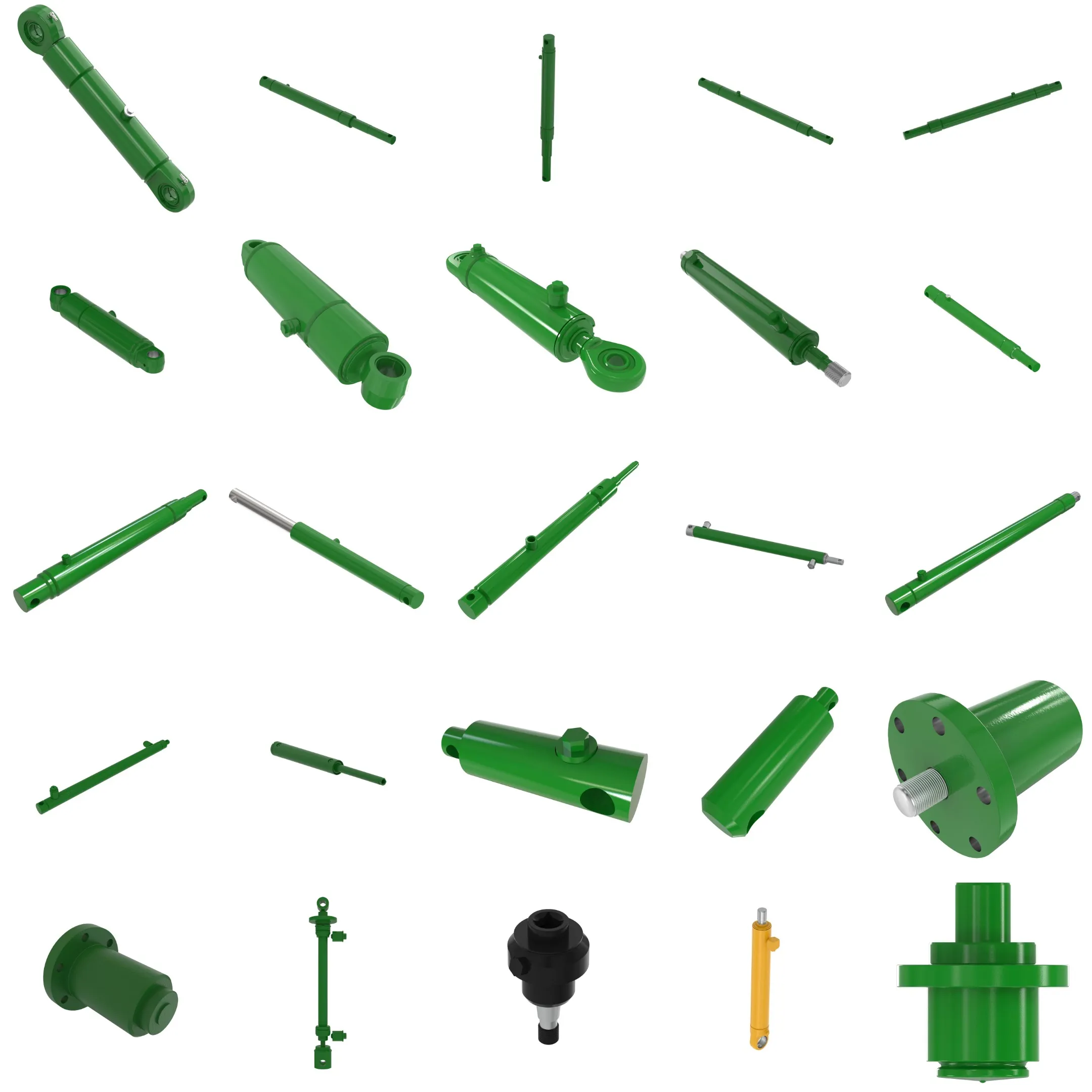
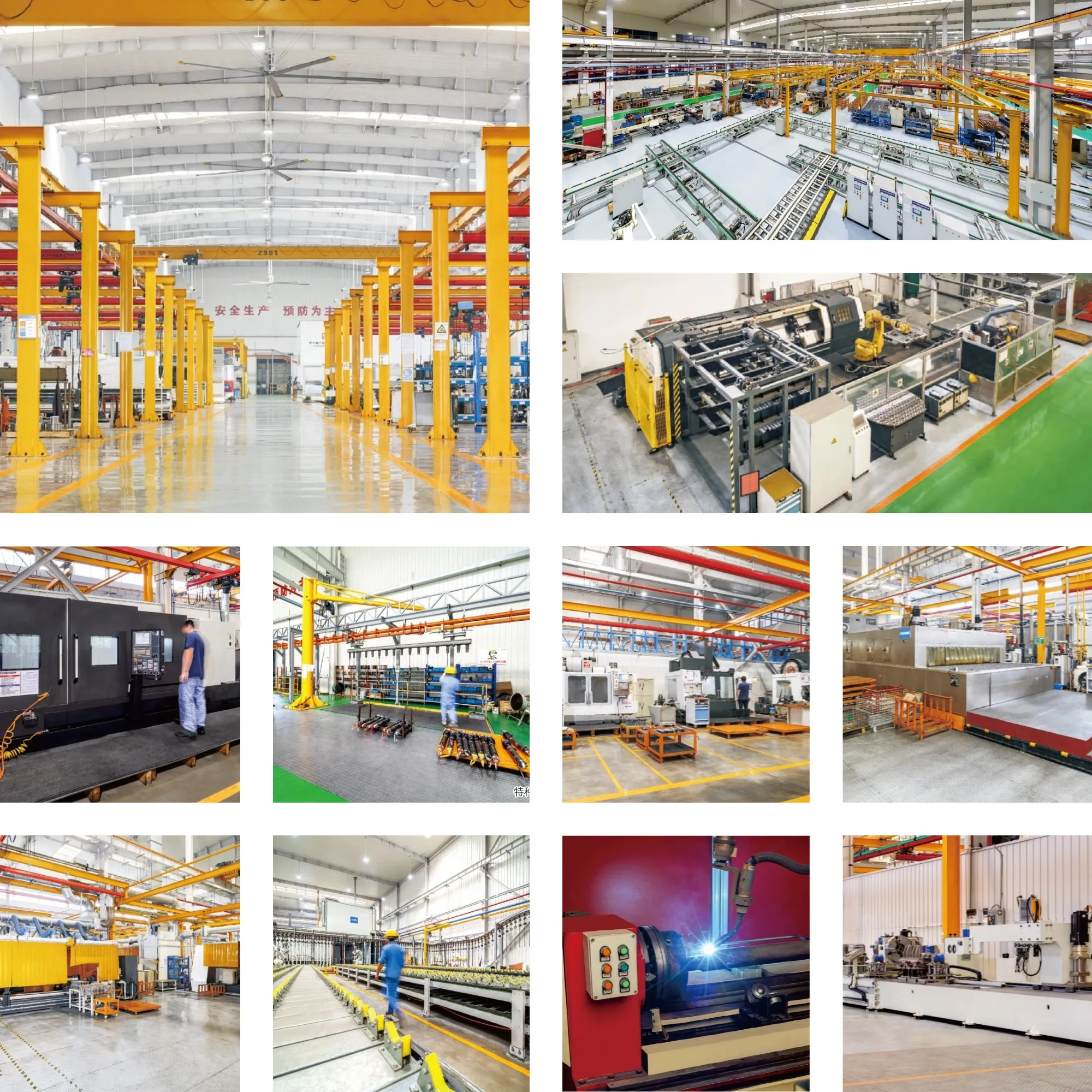
Our company is a leading manufacturer and wholesale distributor specializing in replacement hydraulic cylinders. We offer a comprehensive range of products and have established ourselves as a trusted supplier in both domestic and international markets.
Key Highlights:
Author: lyl
 Remember to organize the article logically, use subheadings for easy navigation, incorporate relevant images or charts for enhanced understanding, and ensure the content is clear, concise, and suitable for readers with different levels of technical knowledge.
Address
Luotuo Industrial Area, Zhenhai District, Ningbo City, China
Tel

 Raydafon