
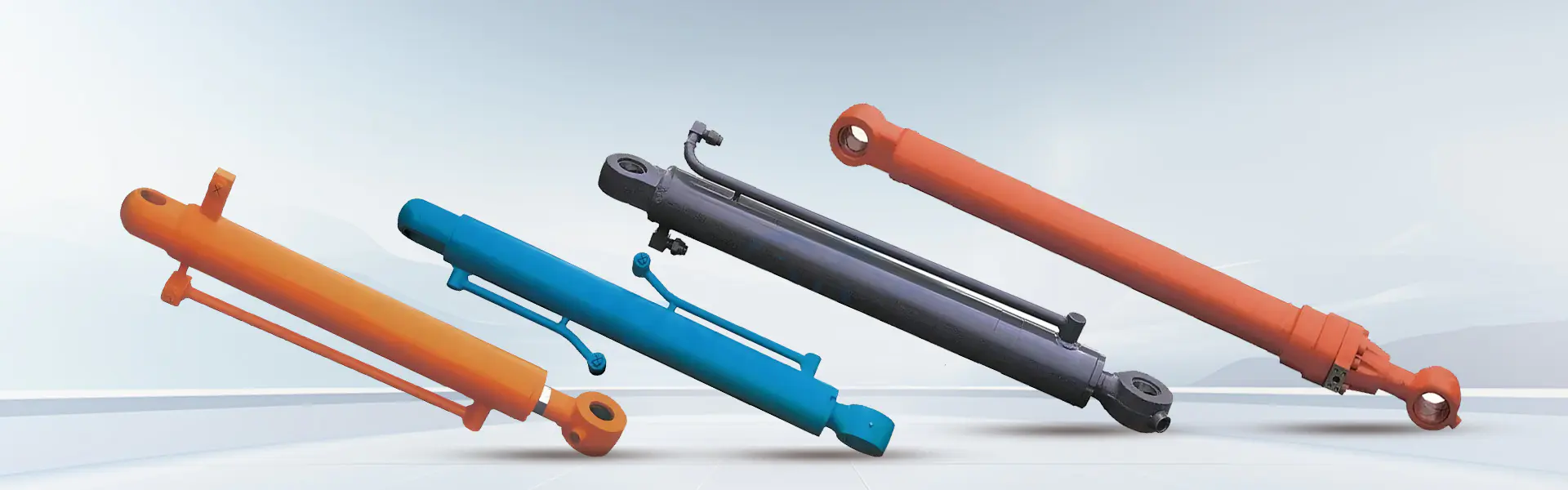
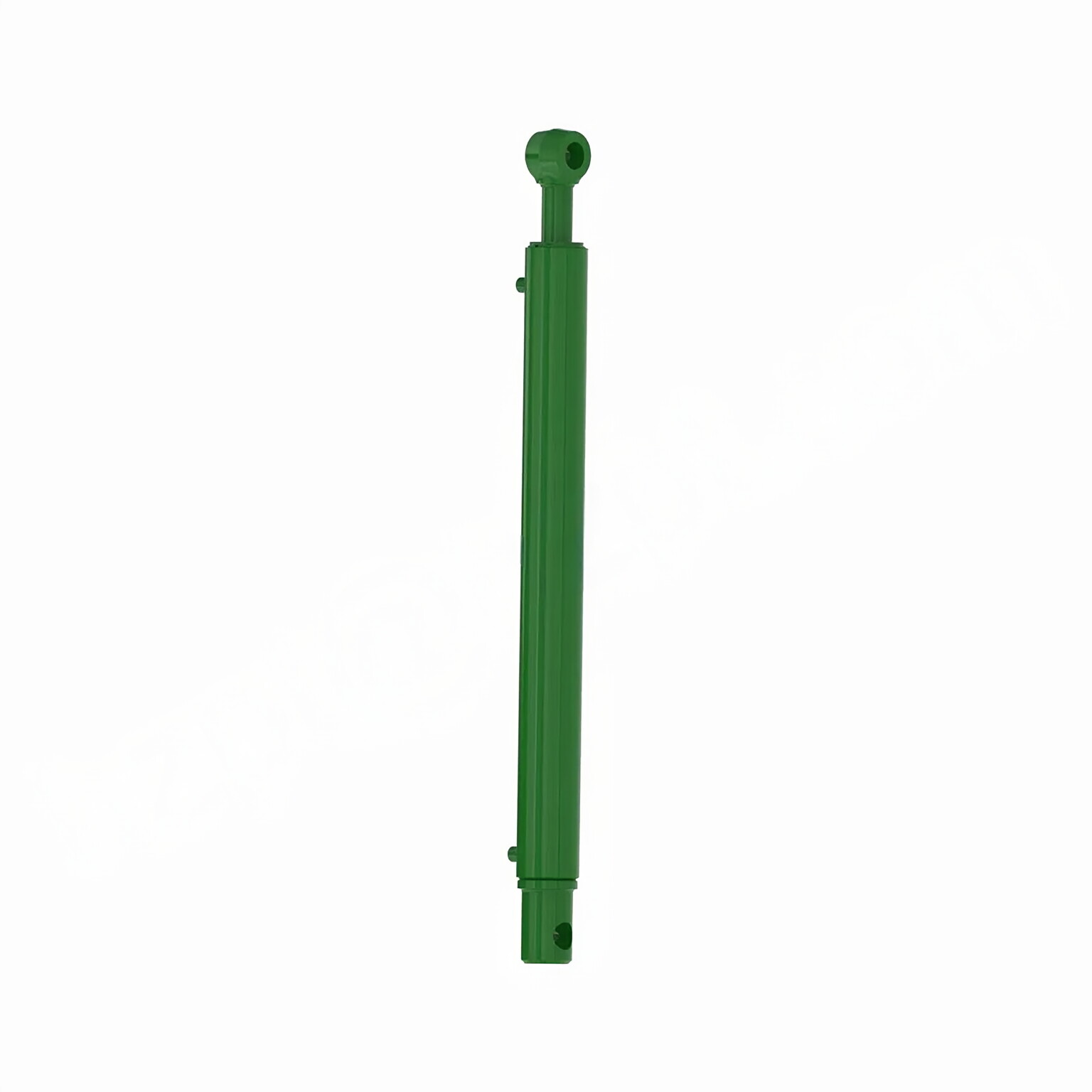
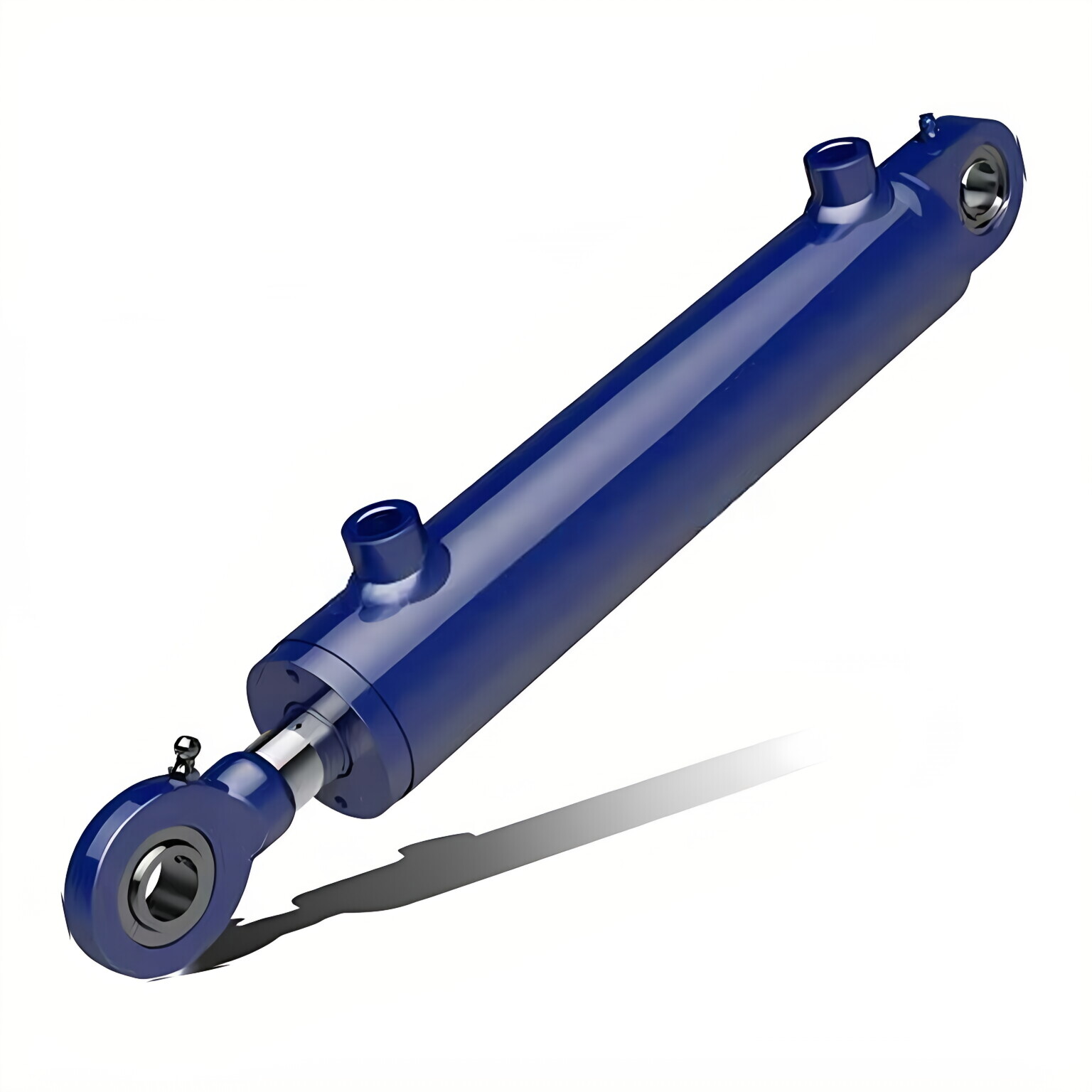
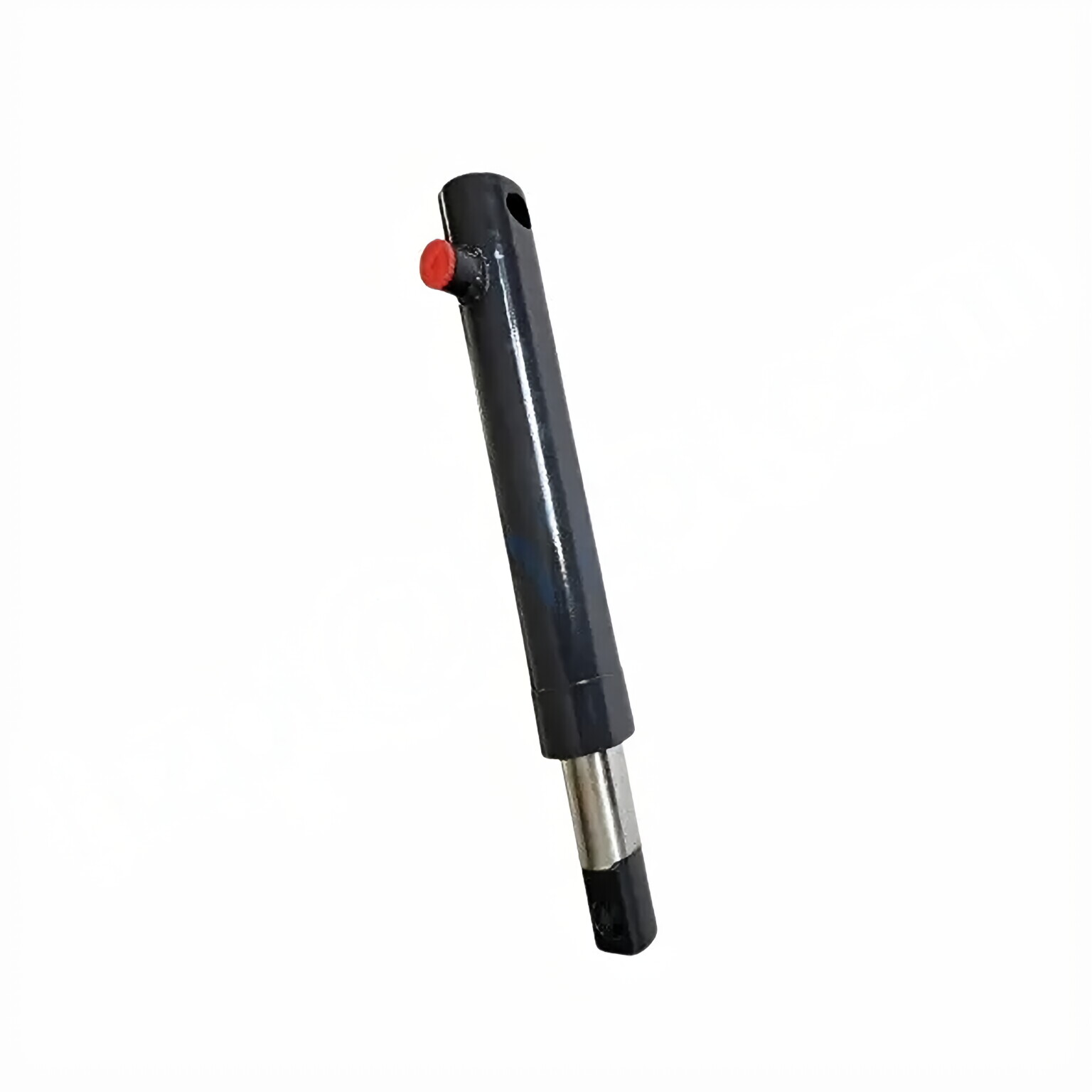
Regularly inspect the hydraulic cylinder to identify any signs of wear or damage. Check for leaks, dents, or other abnormalities that may indicate the need for replacement or repair.
Ensure that the hydraulic cylinder is properly lubricated to reduce friction and extend its lifespan. Follow the manufacturer's recommendations for lubrication intervals and use the appropriate lubricant.
Periodically replace worn or damaged seals to maintain optimal performance. Additionally, perform calibration checks to ensure the hydraulic cylinder is operating within the specified parameters.
Proper installation, lubrication, and adjustment are crucial for the performance and longevity of the hydraulic cylinder. Incorrect alignment during installation can lead to premature wear and damage. Using appropriate installation fixtures to secure the cylinder is highly recommended.
Regular inspection, repair, and replacement procedures should be followed to address any issues promptly. Replacement parts and rebuilding services are available to improve the lifespan of the hydraulic cylinder.
Furthermore, it is essential to utilize proper techniques to maximize the usage lifespan of the hydraulic cylinder.
When using keywords, it is important to prioritize safety measures. Following safety guidelines and instructions is crucial to prevent accidents, injuries, and environmental hazards.
1. Leakage: If there is visible fluid leakage from the hydraulic cylinder, it may indicate a seal or piston problem. Inspect and replace the faulty components as needed.
2. Slow or Erratic Operation: If the hydraulic cylinder operates slowly or erratically, it could be due to insufficient lubrication, air in the system, or a worn-out piston. Check and address these issues accordingly.
3. Excessive Noise or Vibration: Unusual noise or vibration during the operation of the hydraulic cylinder can indicate loose components, misalignment, or worn-out parts. Conduct a thorough inspection and take appropriate measures to resolve the problem.
To effectively diagnose and resolve problems, consider the following tips:
1. Ensure the hydraulic system is properly pressurized and free of air bubbles.
2. Check and tighten all connections to eliminate any potential leaks.
3. Inspect and replace worn-out seals, pistons, or other damaged components.
4. Regularly clean and maintain the hydraulic cylinder to prevent debris or contaminants from affecting its performance.
5. If the problem persists or is beyond your expertise, consult a qualified technician for assistance.
Implementing preventive measures can help minimize potential issues and ensure the smooth operation of the hydraulic cylinder.
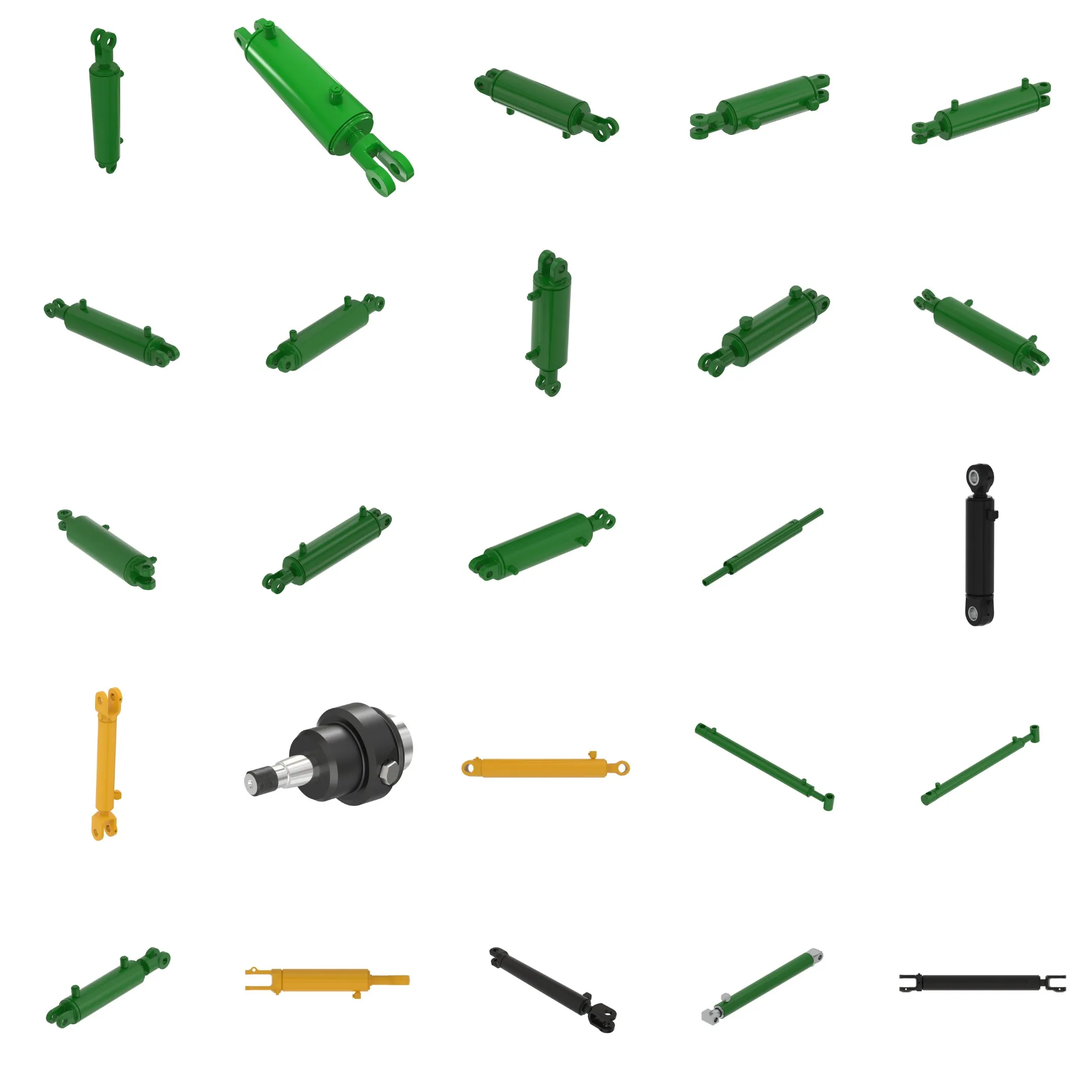
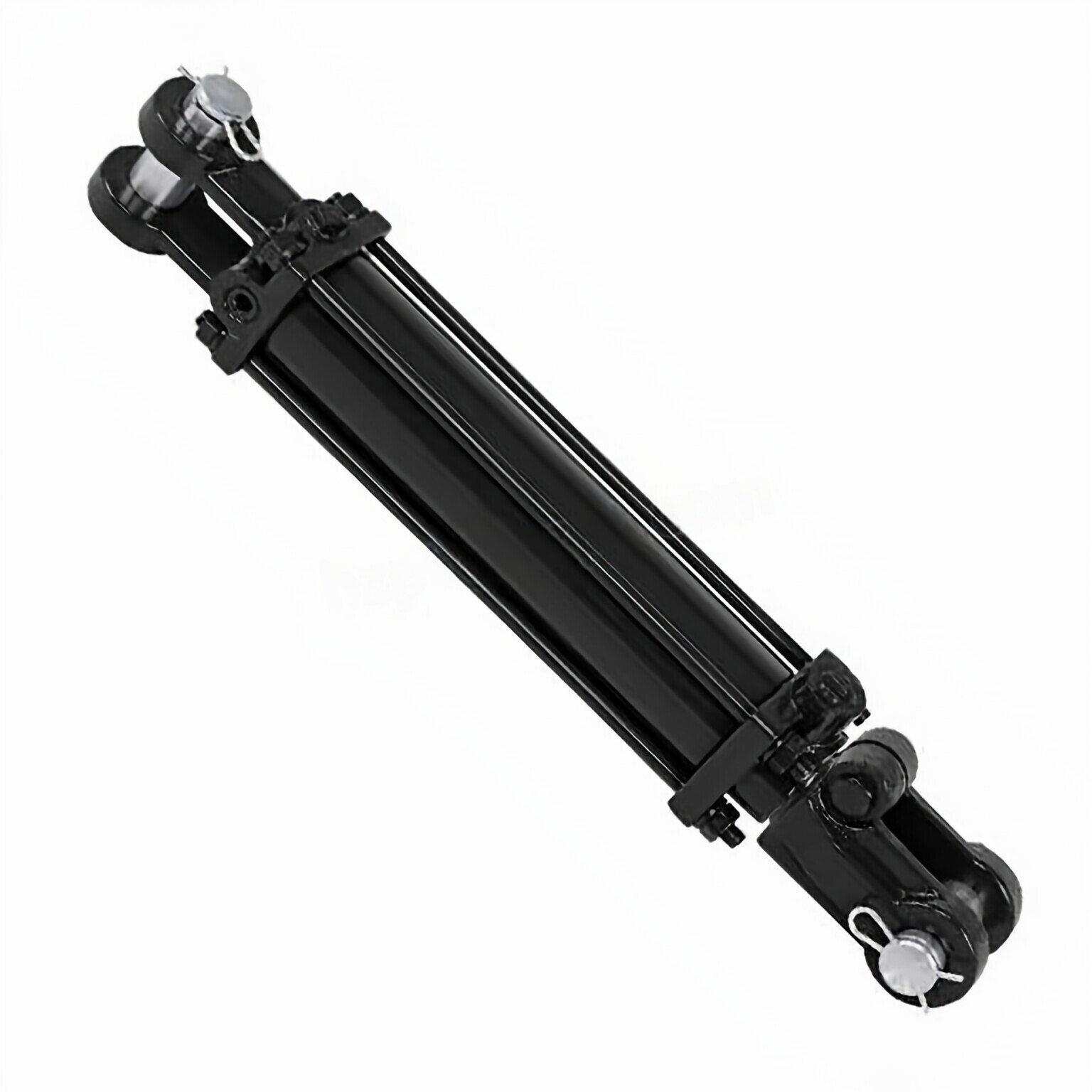
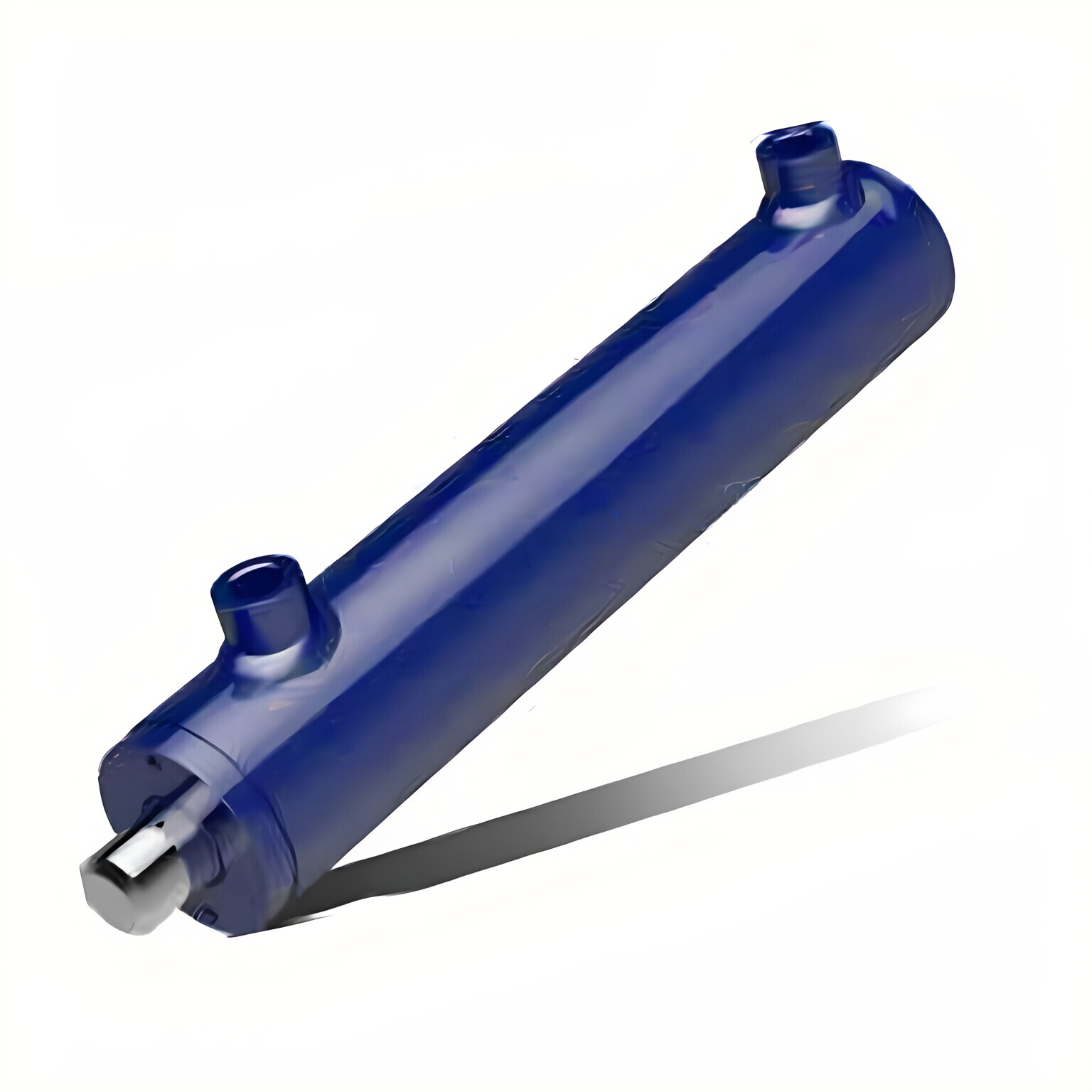
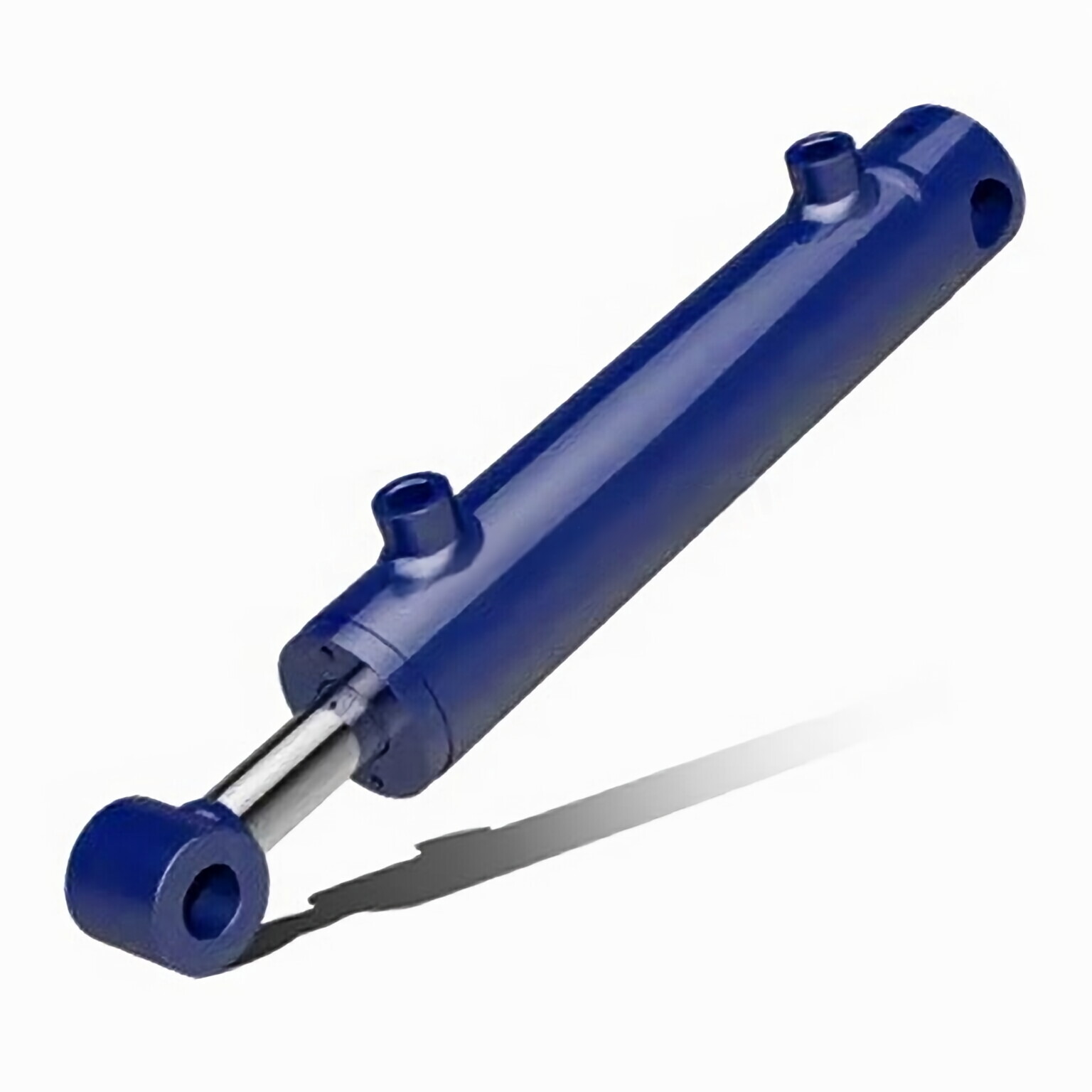
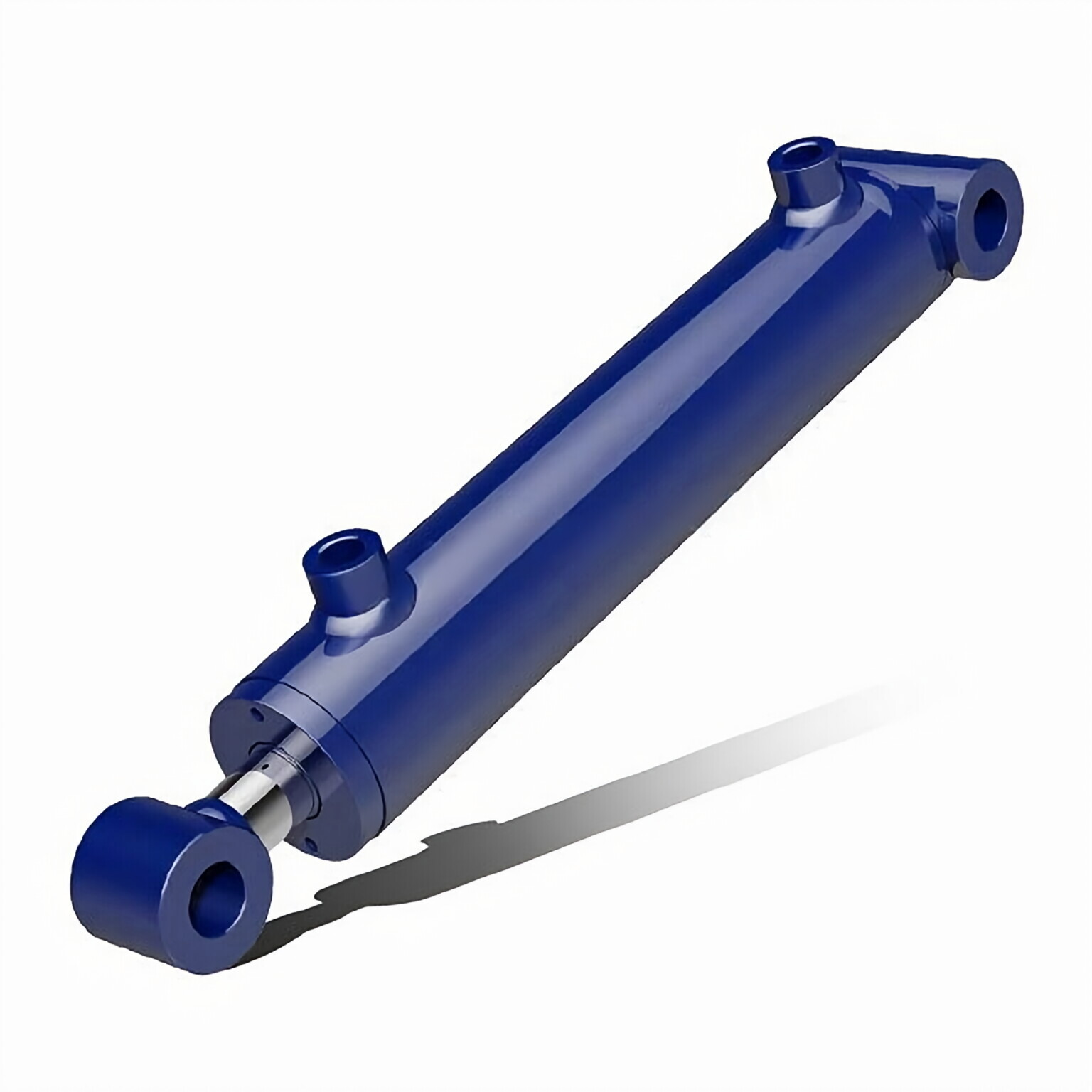
We are a manufacturer of replacement hydraulic cylinders, offering a comprehensive range of products. We have become one of the leading manufacturers and wholesale distributors in the domestic and international markets.
Our company prides itself on:

Author: lyl
In the middle of the article, insert an image with the following URL: 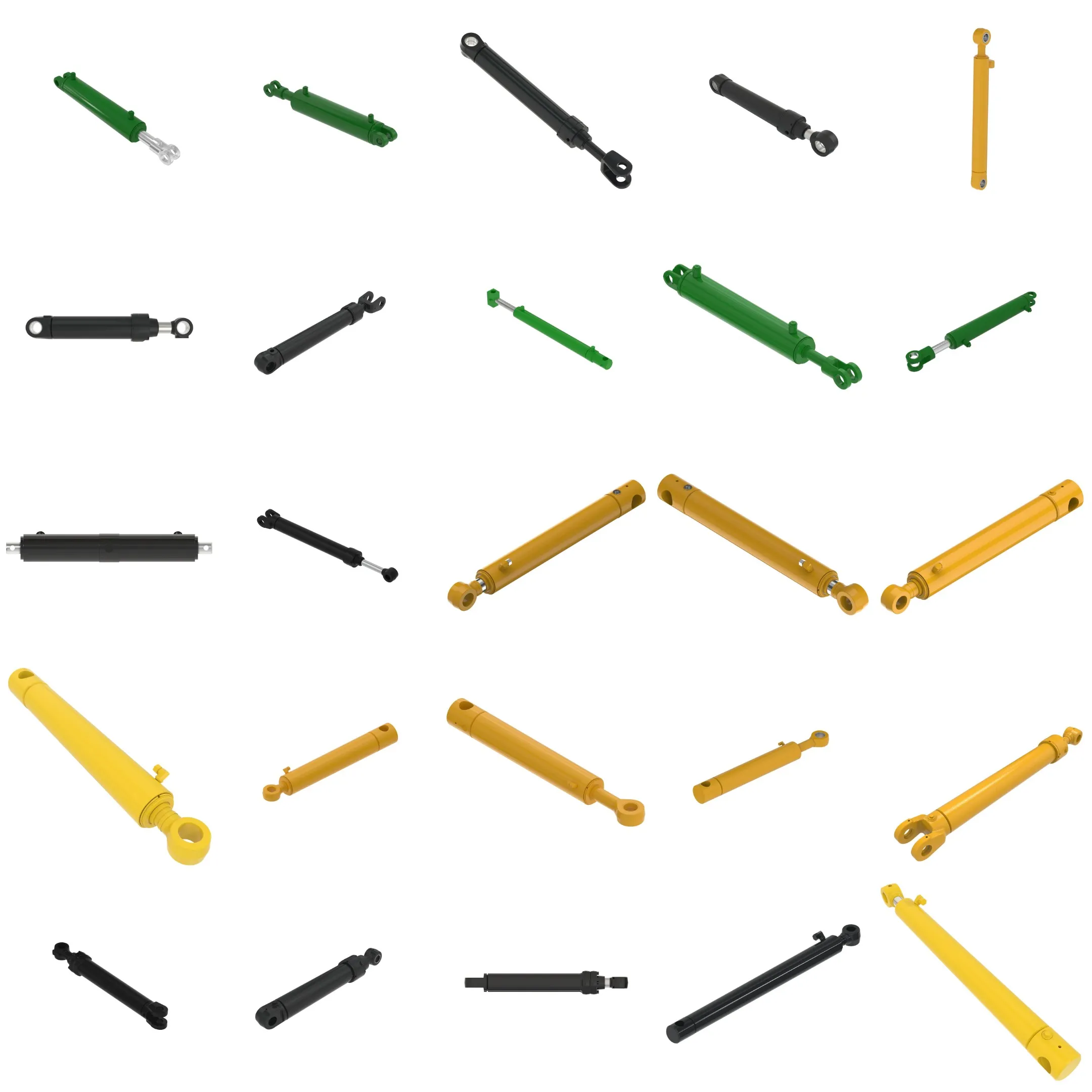
Address
Luotuo Industrial Area, Zhenhai District, Ningbo City, China
Tel

 Raydafon