
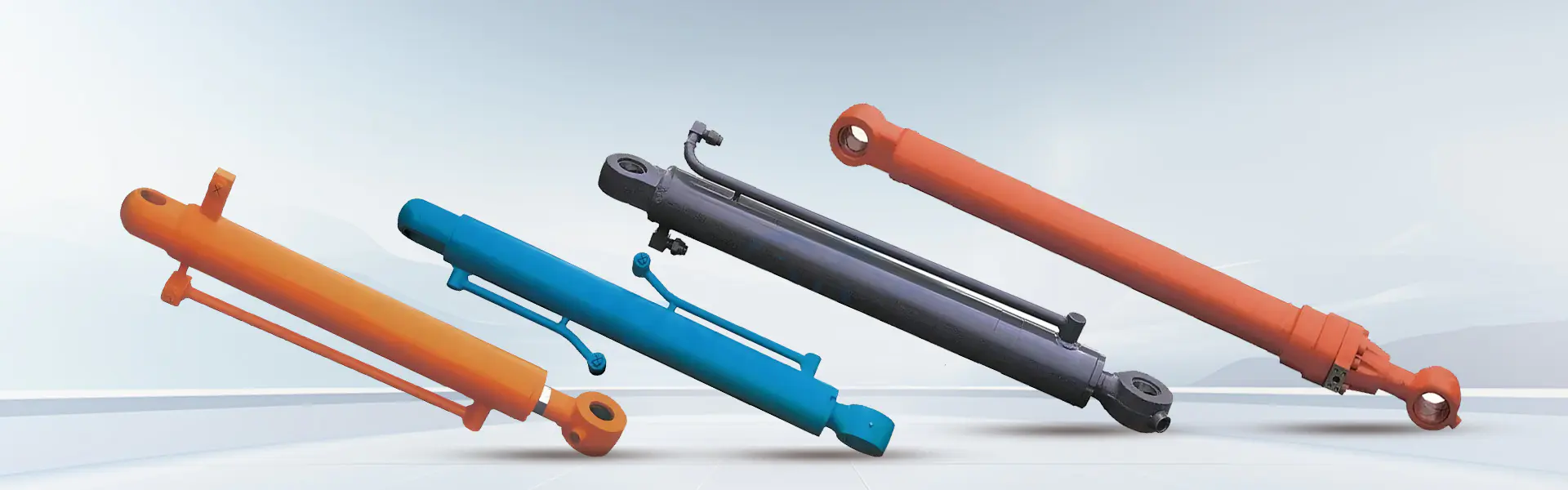
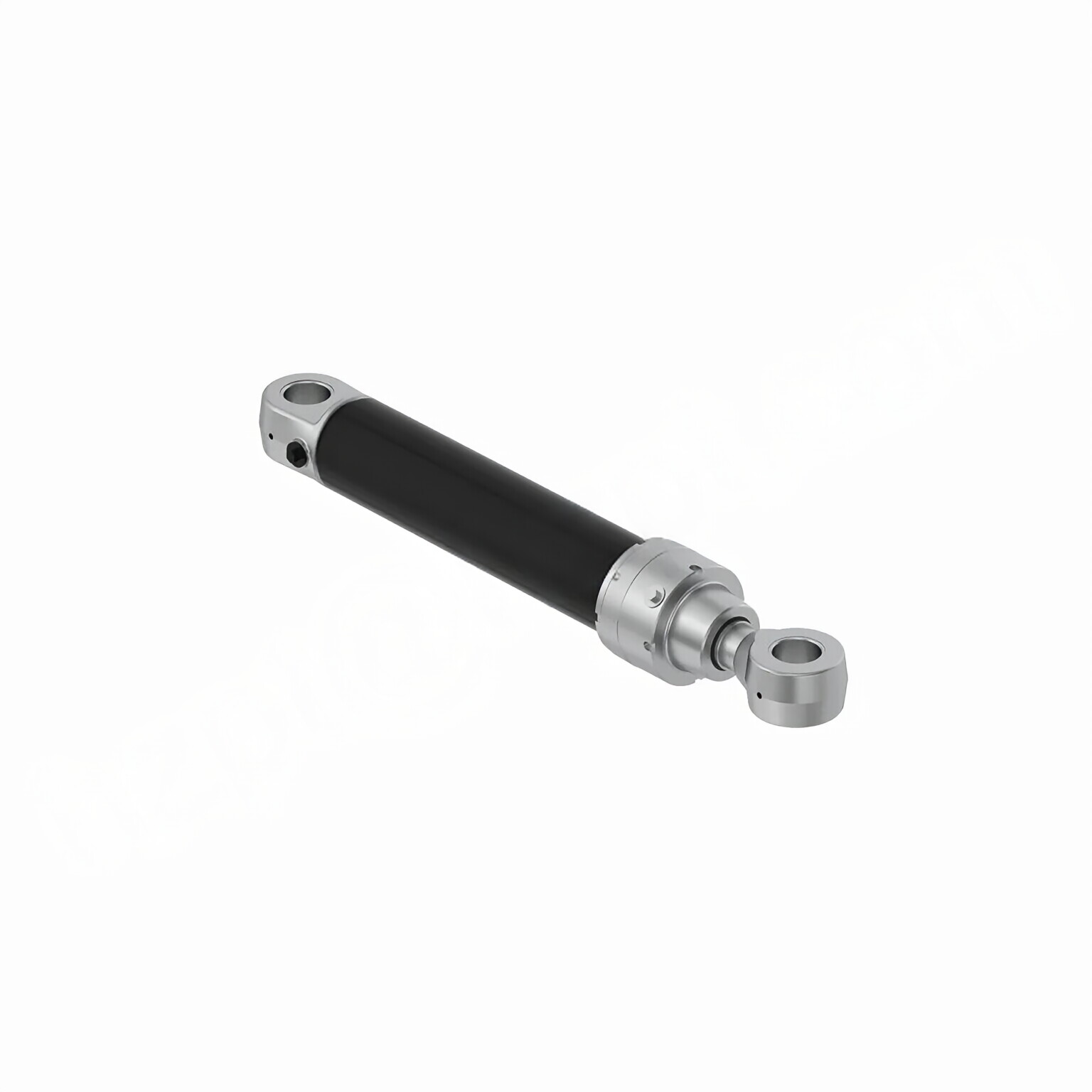
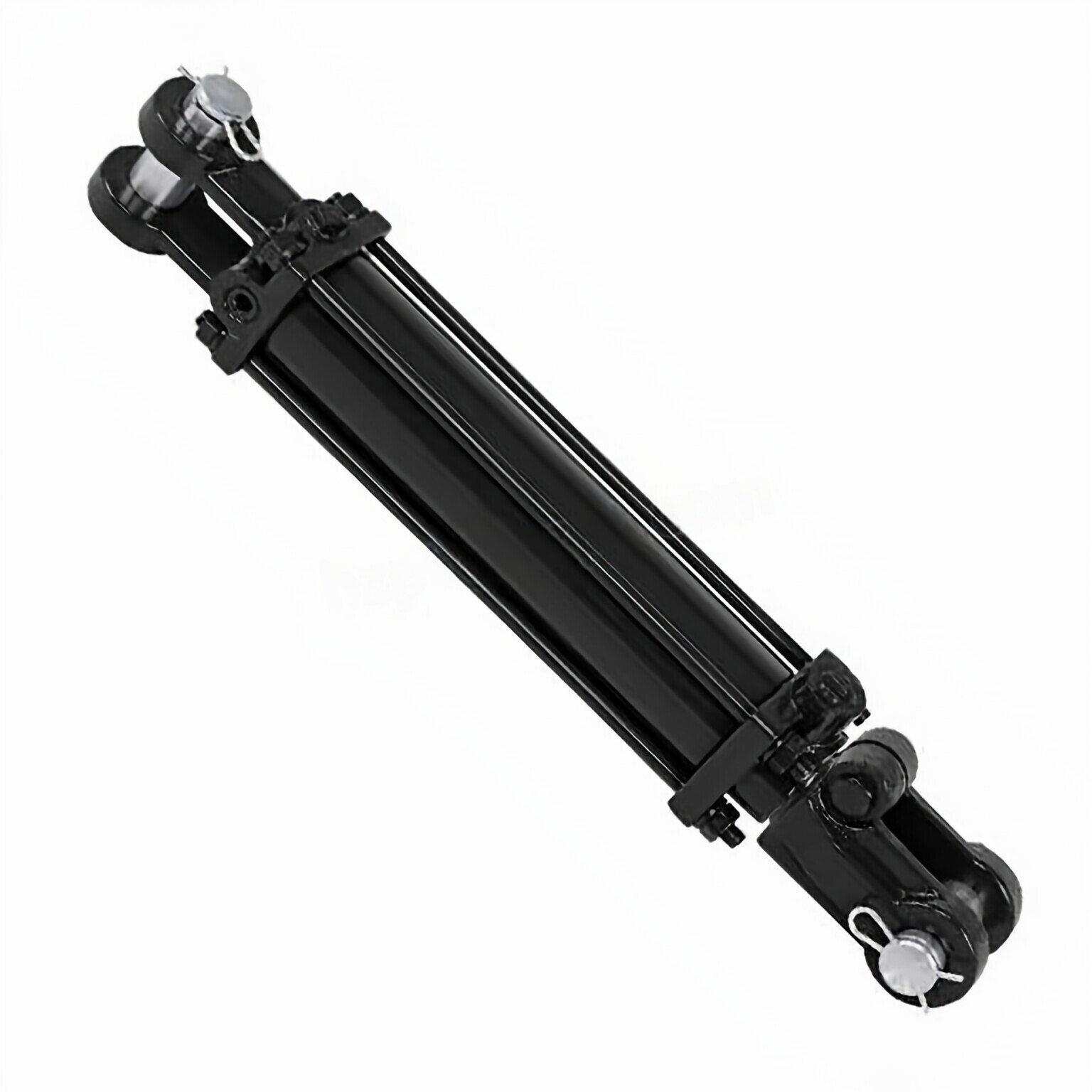
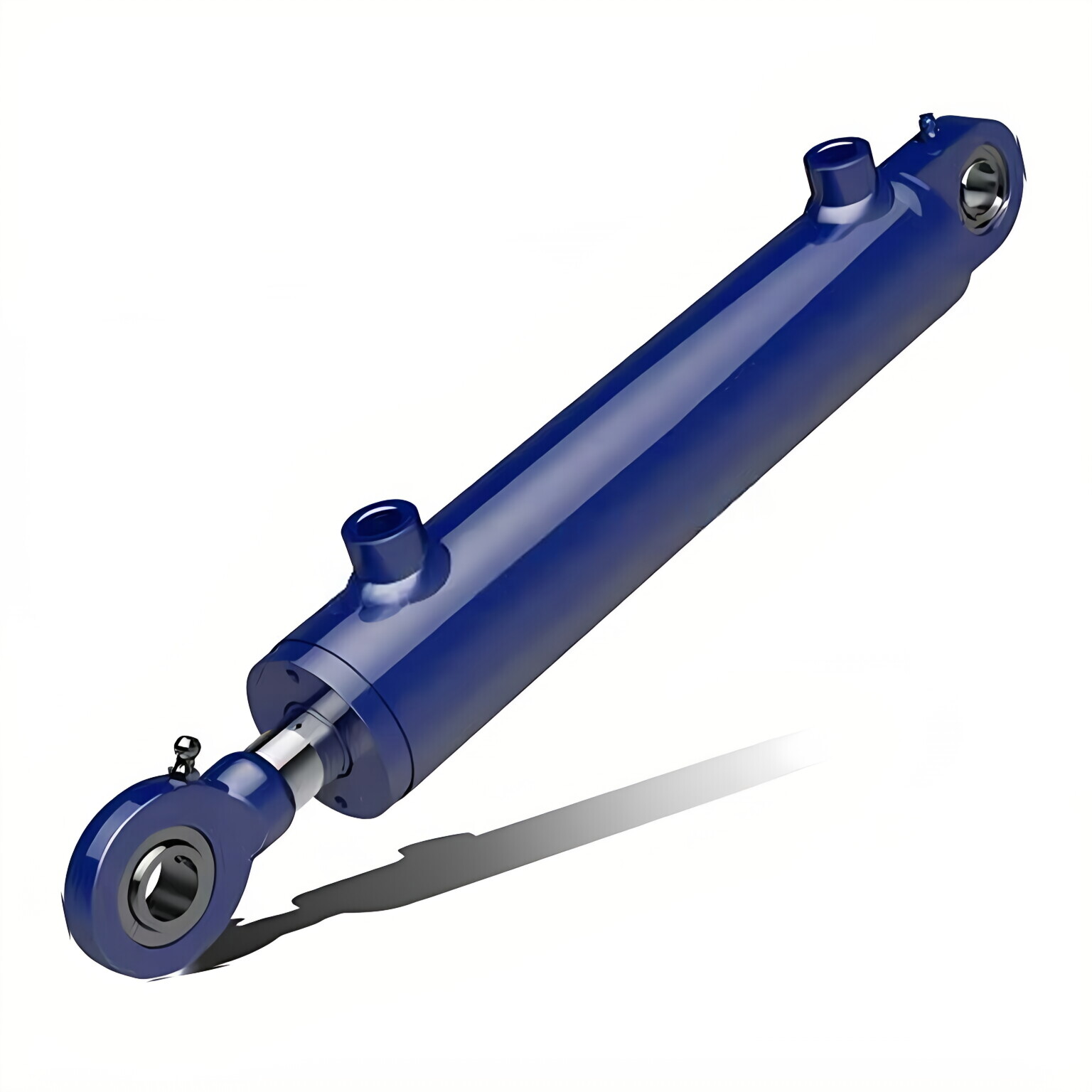
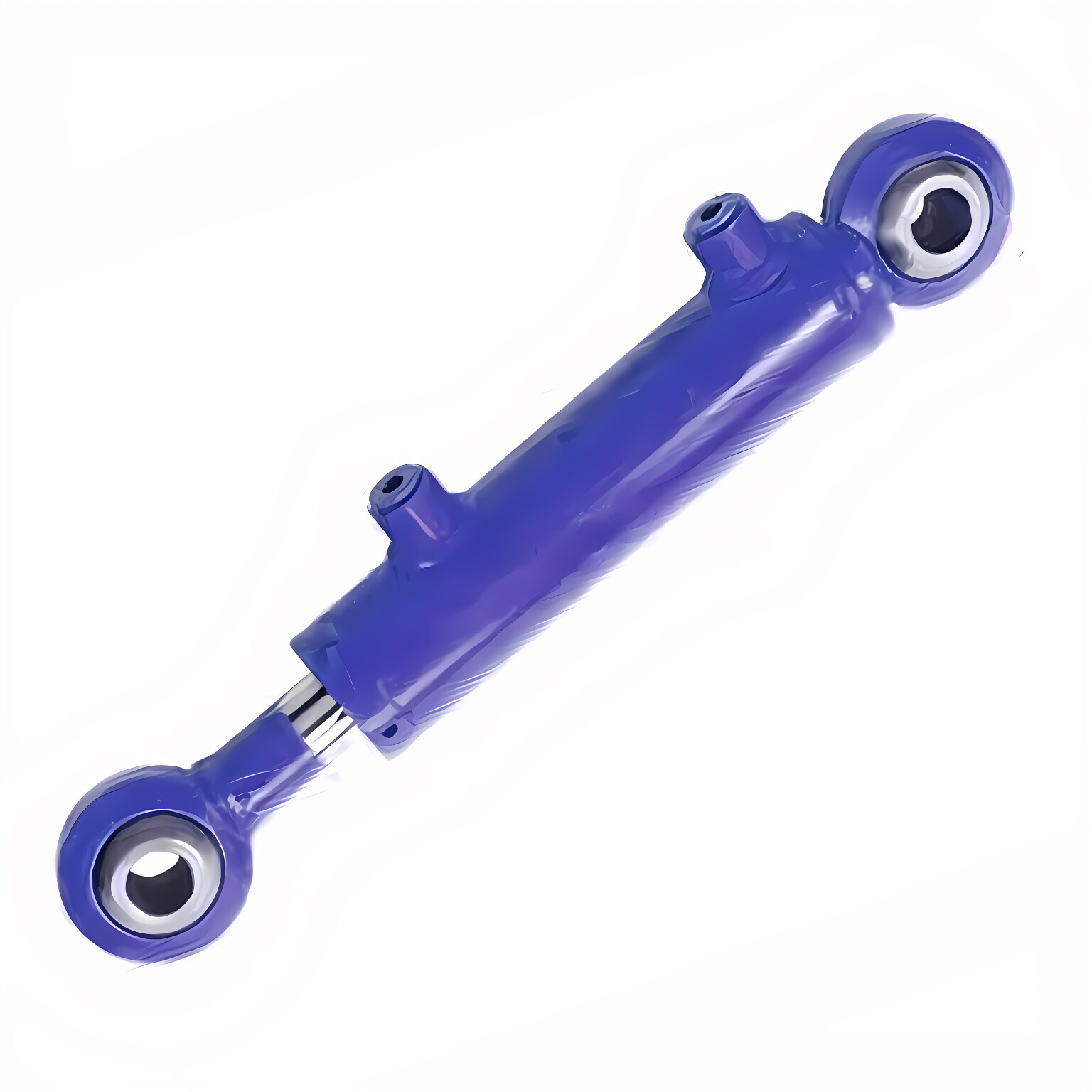
In this article, we will discuss the replacement and maintenance guidelines for the AHC19448 hydraulic cylinder. Proper installation, lubrication, and adjustment are crucial for optimal performance. We will provide step-by-step instructions on cylinder alignment, recommend the use of appropriate installation brackets for stability, and suggest regular inspection, lubrication, sealing replacement, and calibration checks.
Regularly inspect the hydraulic cylinder for any signs of wear, leakage, or damage. Pay attention to the piston rod, seals, and mounting points.
Ensure that the hydraulic cylinder is properly lubricated according to the manufacturer's recommendations. Use high-quality lubricants to prevent excessive friction and extend the lifespan of the cylinder.
Periodically replace the seals to maintain optimal sealing performance. Additionally, perform calibration checks to ensure the cylinder operates within specified tolerances.
When working with hydraulic cylinders, it is essential to prioritize safety measures. Proper handling, use of personal protective equipment, and adherence to safety guidelines minimize the risk of accidents. Additionally, be mindful of environmental factors such as preventing oil spills and disposing of used components responsibly.
Below are some common issues that may arise with hydraulic cylinders:
If you notice oil leaks, check the seals and connections. Replace any damaged components and ensure proper tightening.
If the cylinder's movement is slow or erratic, check for insufficient lubrication, misalignment, or damaged piston rods. Lubricate, realign, or replace the affected parts accordingly.
If the cylinder fails to extend or retract, inspect the hydraulic system for blockages, check valve malfunctions, or insufficient pressure. Clear any obstructions, repair or replace faulty valves, and ensure proper hydraulic pressure.
Here are some tips and solutions to help diagnose and resolve common problems:
If the cylinder lacks sufficient force, check for low hydraulic pressure, a clogged filter, or worn-out seals. Increase the hydraulic pressure, clean or replace the filter, and install new seals as needed.
If you encounter excessive noise during cylinder operation, inspect the mounting brackets, bolts, and connections. Tighten any loose components and ensure proper alignment.
If the cylinder drifts when in a locked position, inspect the control valve, seals, and piston rod for damage or wear. Repair or replace any faulty parts to eliminate drift.
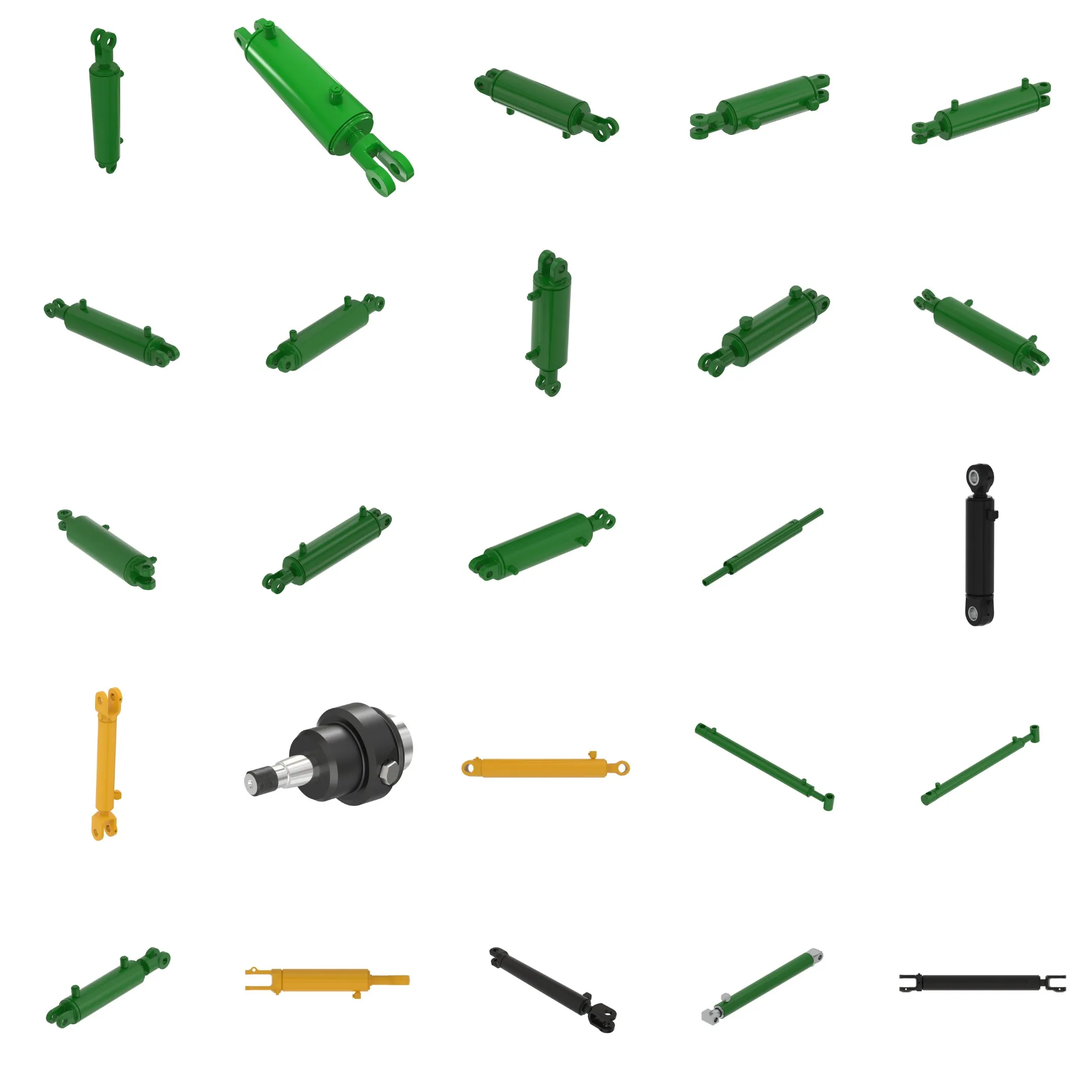
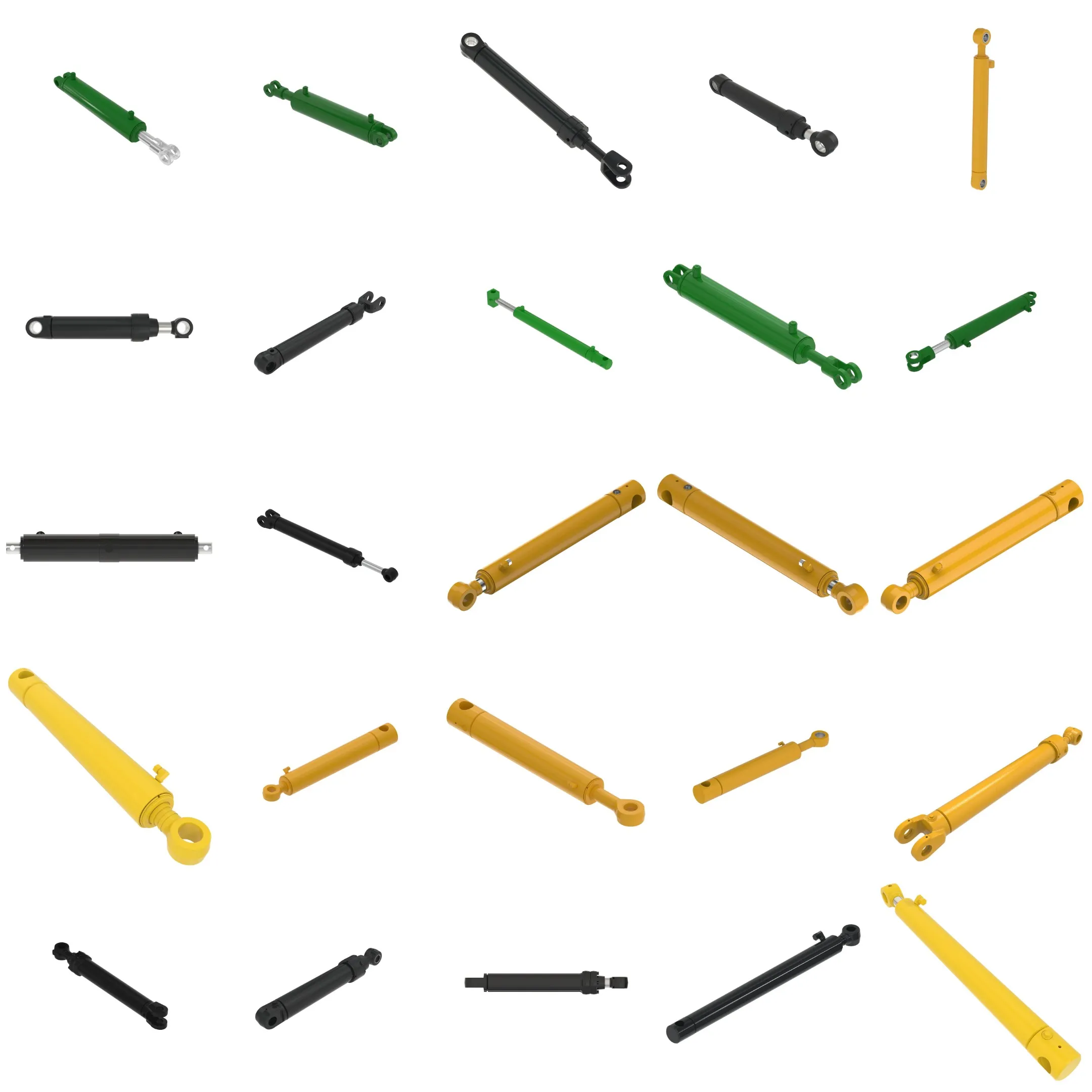
We are a leading manufacturer and wholesale distributor of replacement hydraulic cylinders. Our wide range of products caters to both domestic and international markets. As a company, we prioritize professionalism, international certifications, customized services, state-of-the-art production equipment, and exceptional after-sales support.

Author: lyl
Address
Luotuo Industrial Area, Zhenhai District, Ningbo City, China
Tel

 Raydafon