
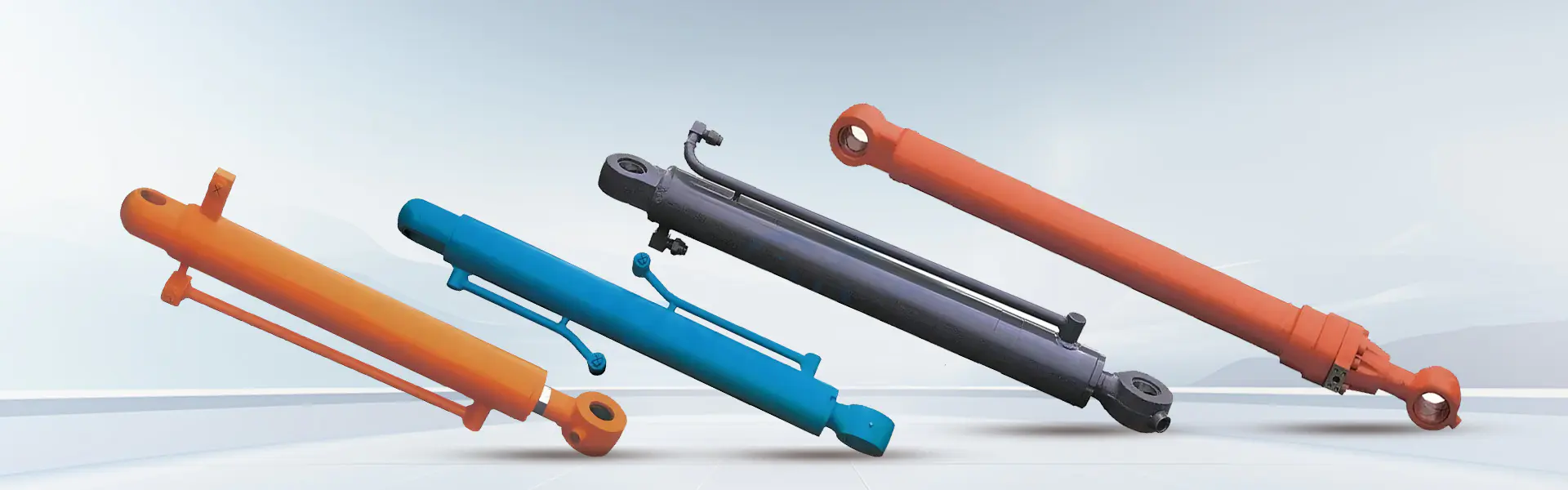
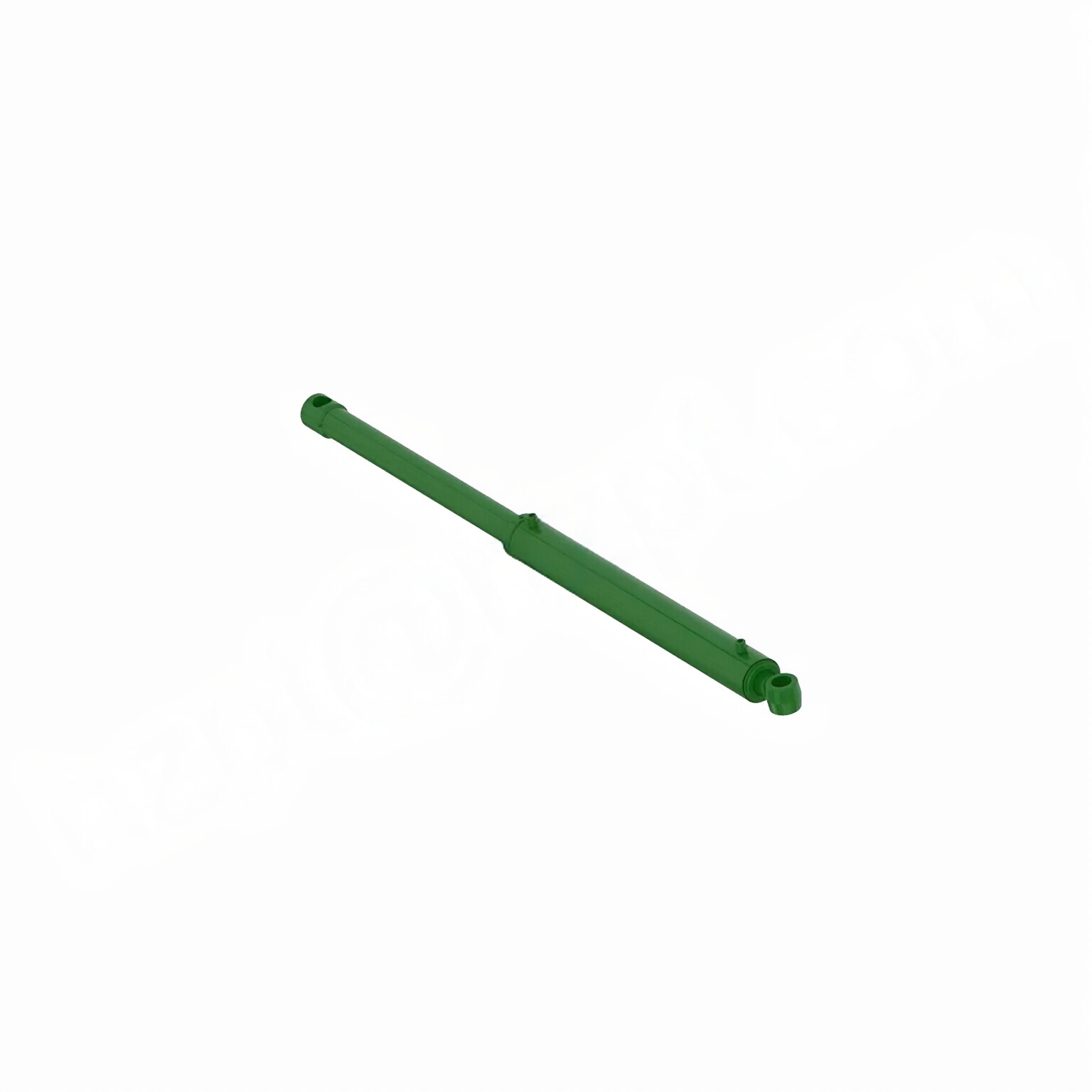
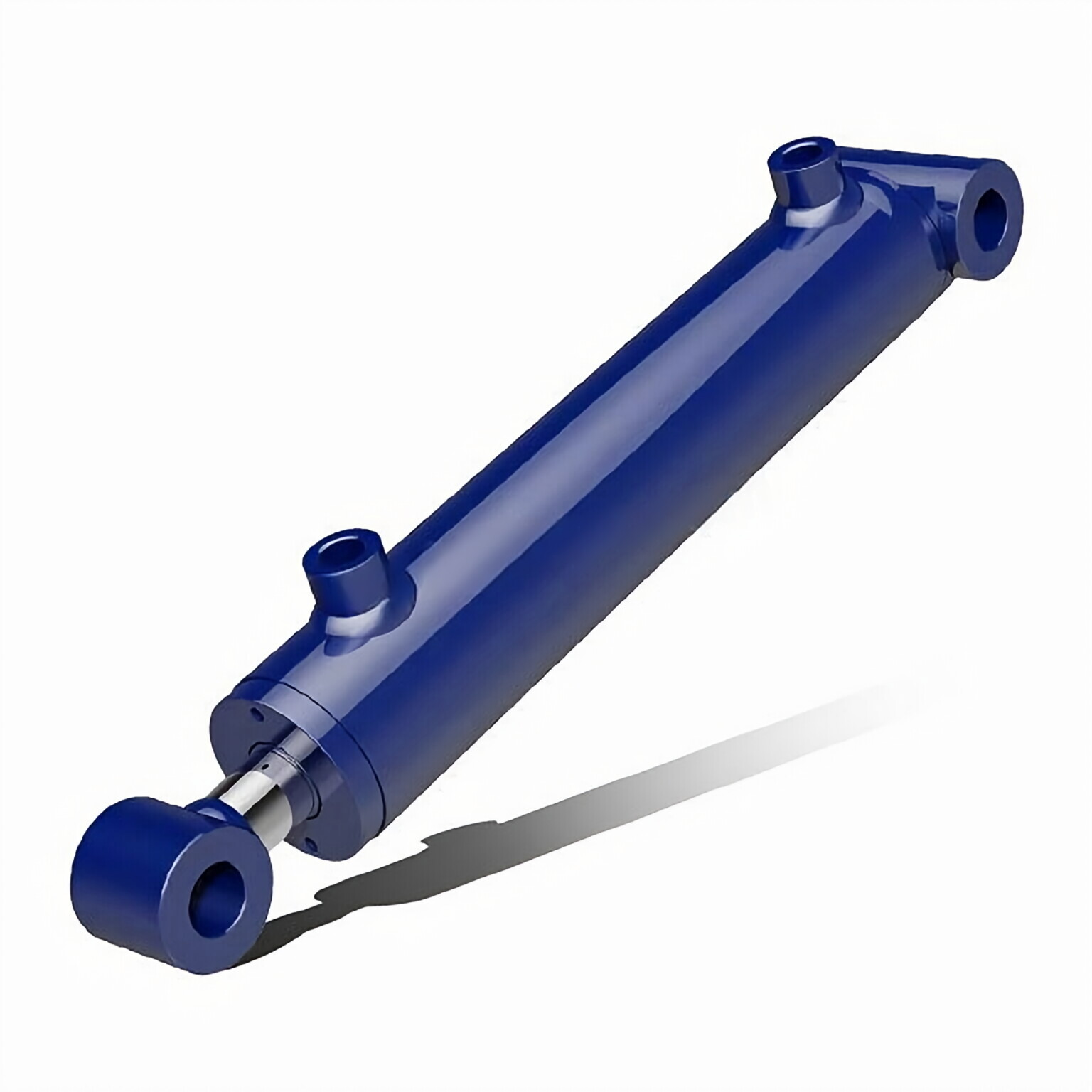
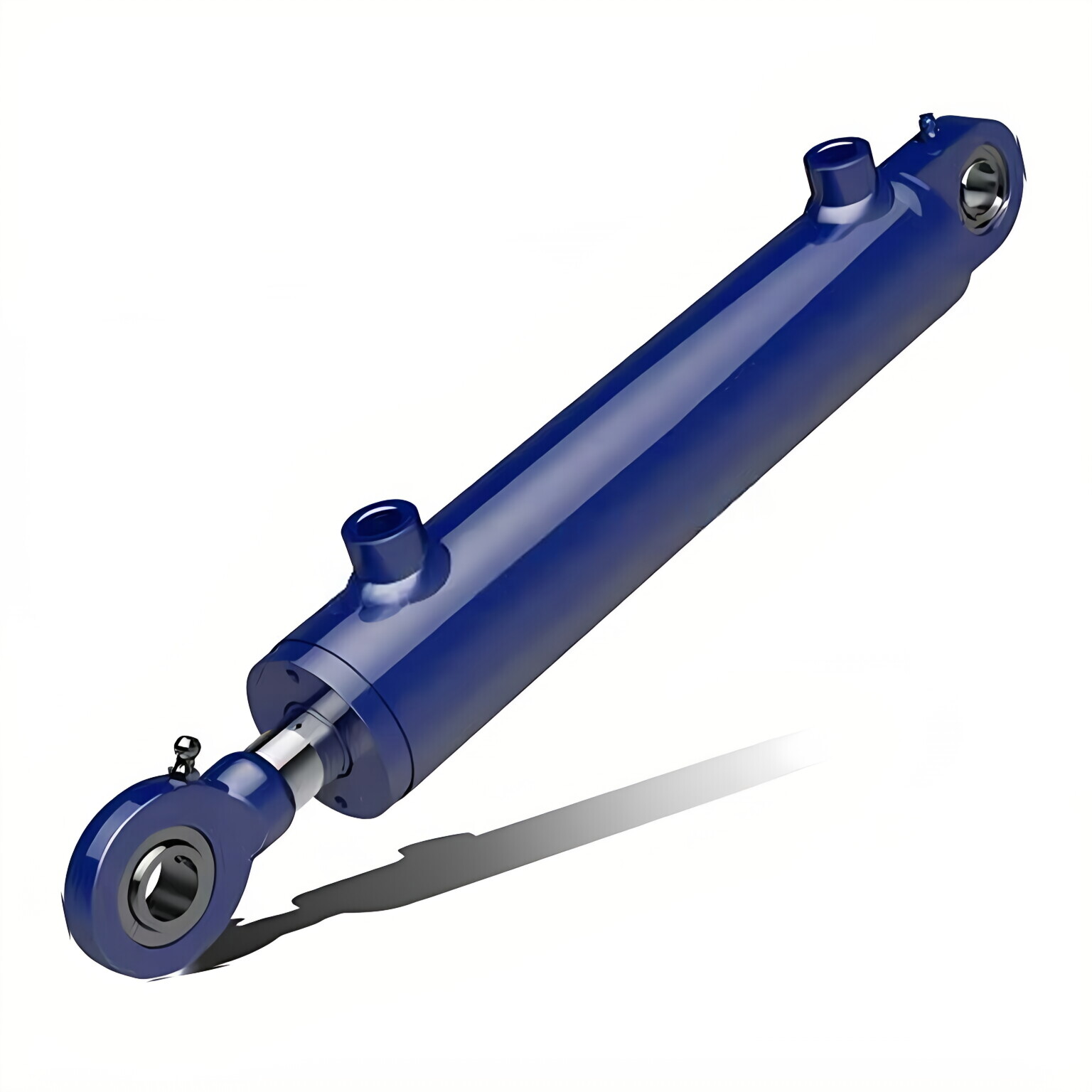
The Replacement Of AHC19644 Hydraulic Cylinder is a crucial component in various machinery. It is essential to understand the maintenance, safety considerations, and troubleshooting associated with this hydraulic cylinder to ensure its optimal performance.
Perform regular inspections to identify any signs of wear and tear, leaks, or other issues. Inspect all hydraulic connections, seals, and components for any damage or abnormalities.
Ensure the hydraulic cylinder is adequately lubricated to reduce friction and extend its lifespan. Use the recommended lubricants as specified in the manufacturer's guidelines.
Replace seals as needed to maintain the integrity of the hydraulic cylinder. Inspect seals regularly and replace any damaged or worn-out seals promptly.
Periodically check the calibration of the hydraulic cylinder to ensure it meets the required specifications. Make necessary adjustments if any deviations are detected.
Proper installation of the hydraulic cylinder is crucial to ensure its efficient operation. Align the cylinder correctly during the installation process and provide guidance on aligning the cylinder accurately. It is advisable to use appropriate installation fixtures to secure the cylinder firmly.
Applying the recommended lubrication techniques enhances the performance and lifespan of the hydraulic cylinder. Following the correct lubrication procedures as outlined in the manufacturer's guidelines is essential.
Accurate adjustment of the hydraulic cylinder ensures optimal functionality. Regularly check and adjust the cylinder to maintain its proper alignment and prevent any potential issues.
For inspection, repair, or replacement of the hydraulic cylinder, follow these recommended procedures:
By following these procedures, you can maintain the hydraulic cylinder's longevity and avoid potential malfunctions.
When working with the hydraulic cylinder, it is essential to prioritize safety measures. Some key safety considerations include:
In addition to safety, considering environmental factors is crucial. Proper disposal of used hydraulic fluids and adherence to environmental regulations are essential to minimize any negative impact.
Listed below are some common troubleshooting scenarios and their respective solutions:
Possible causes of leakage include damaged seals, loose connections, or excessive pressure. To resolve this issue:
If the hydraulic cylinder fails to perform optimally, consider the following steps:
To minimize potential issues and ensure the hydraulic cylinder's reliability, consider the following preventive measures:
By following these preventive measures, you can avoid unnecessary downtime and extend the lifespan of the hydraulic cylinder.
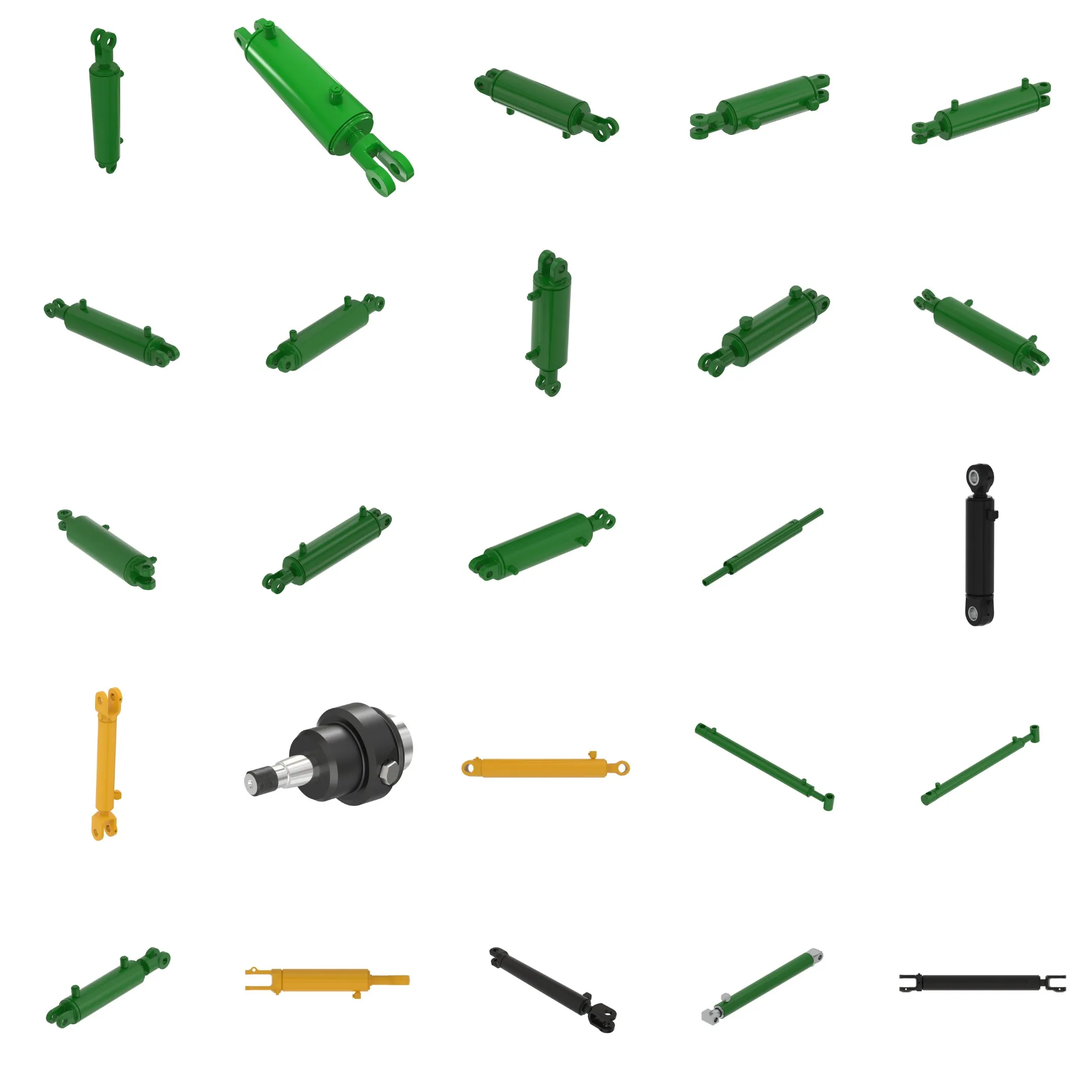
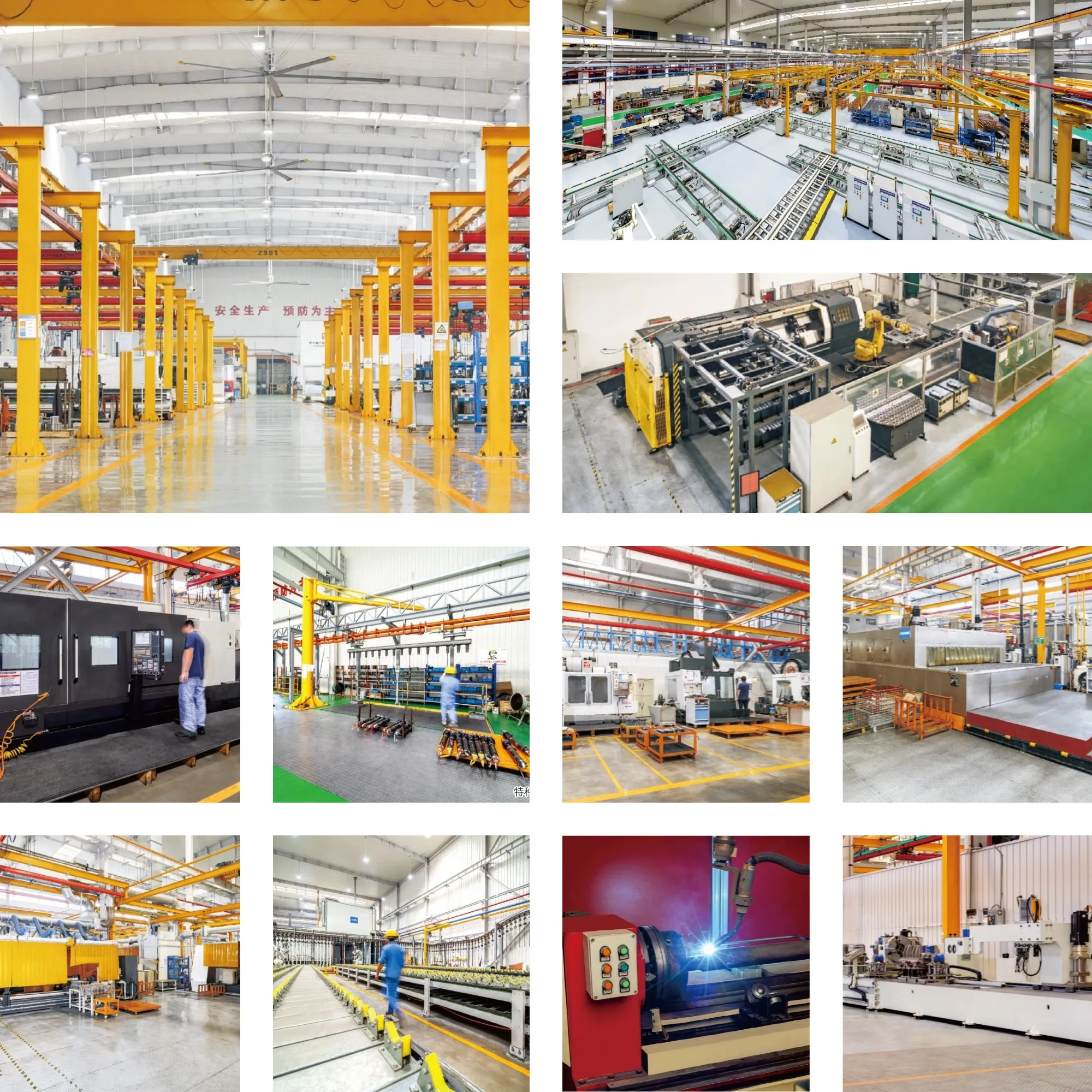
We are a leading manufacturer and wholesale distributor of replacement hydraulic cylinders. With a comprehensive range of products, we have established ourselves as one of the leading manufacturers and distributors in the domestic and international markets.
Our company stands out due to the following features:
Author: lyl
Address
Luotuo Industrial Area, Zhenhai District, Ningbo City, China
Tel

 Raydafon