
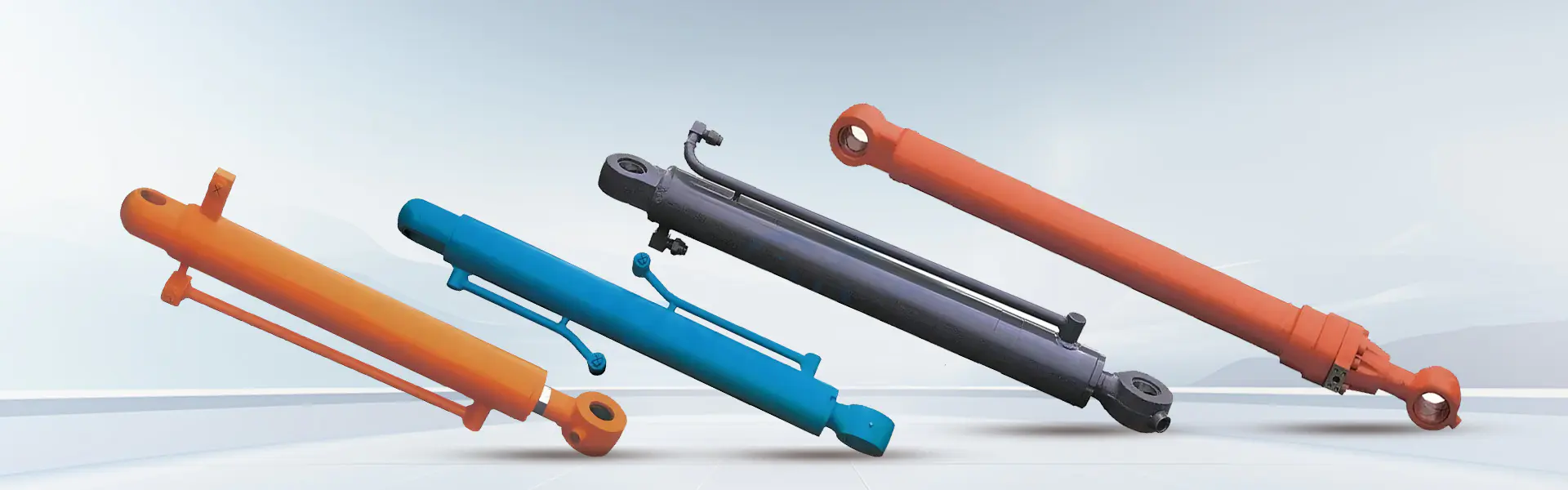
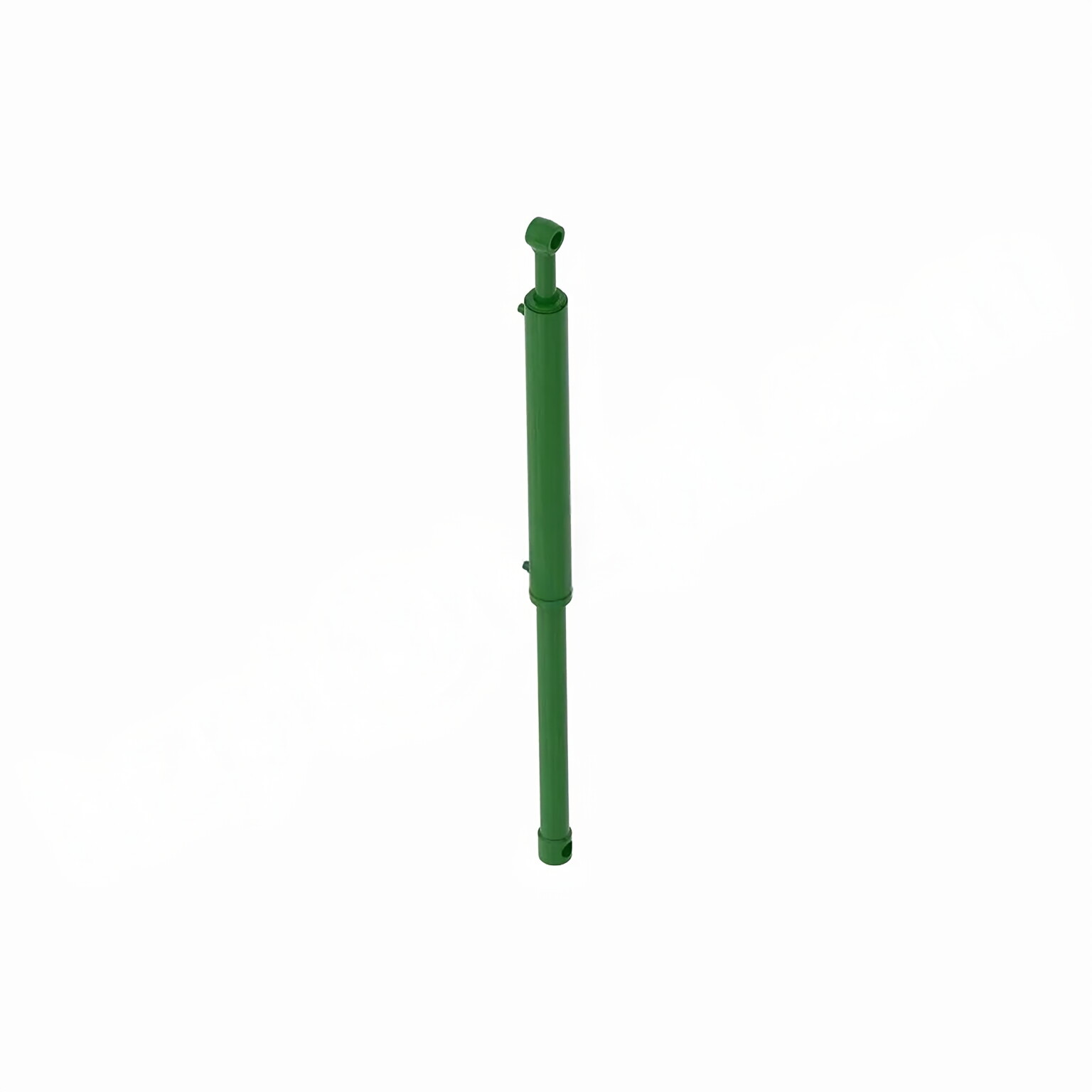
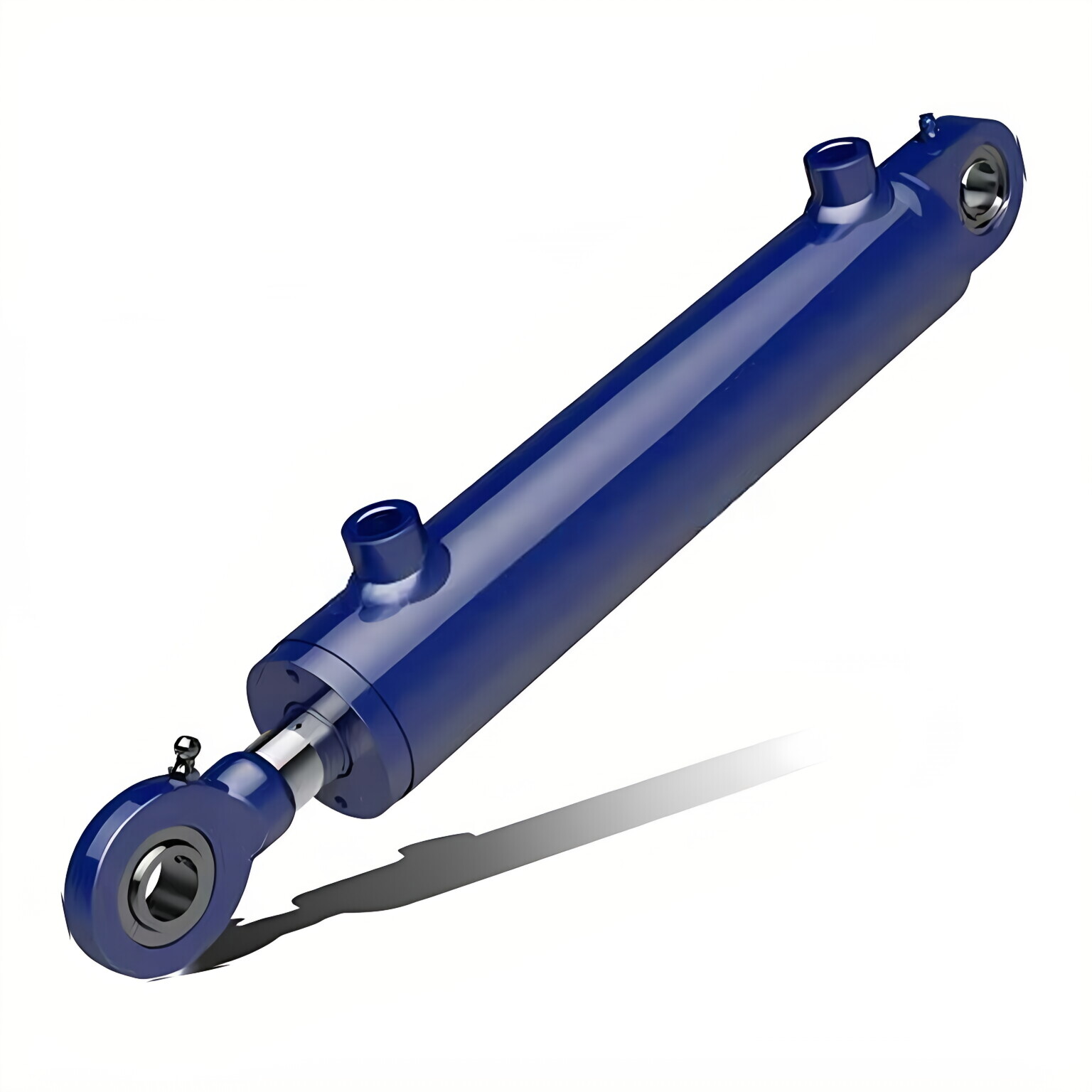
Regularly inspect the hydraulic cylinder to ensure proper functioning and identify any potential issues.
Proper lubrication is essential for the hydraulic cylinder's performance and longevity. Follow the manufacturer's guidelines for lubrication intervals and use the recommended lubricant.
Over time, seals may wear out and need replacement. Regularly check the seals and replace them if necessary to prevent leaks and maintain optimal performance.
Periodically check the calibration of the hydraulic cylinder to ensure accurate operation. Calibration may be necessary if there are any deviations from the required specifications.
Proper installation, lubrication, and adjustment are crucial for the hydraulic cylinder's performance and longevity. Incorrect installation can lead to misalignment and decreased efficiency. Ensure the cylinder is aligned correctly during installation and consider using appropriate installation brackets for stability.
Regular lubrication helps reduce friction, wear, and corrosion, ensuring smooth operation. Proper adjustment guarantees optimal performance and prevents unnecessary strain on the cylinder.
When inspecting the hydraulic cylinder, pay attention to any signs of damage, wear, or leaks. If any issues are identified, follow the manufacturer's recommended repair procedures or consider replacing the damaged parts.
If replacement is necessary, our company provides a wide range of replacement parts and rebuilding services to extend the lifespan of your hydraulic cylinder.
When working with hydraulic cylinders, it's essential to prioritize safety. Use the appropriate safety measures, such as wearing protective gear and following proper lockout/tagout procedures. Safety precautions are crucial to prevent accidents and injuries.
Consider the environmental impact of hydraulic cylinder maintenance. Dispose of any used lubricants or worn-out parts responsibly, following local regulations and guidelines.
1. Leakage: Check for any visible leaks and inspect the seals. Replace damaged or worn-out seals to prevent further leakage.
2. Slow or Inconsistent Operation: Inspect the hydraulic fluid level and check for any clogs or blockages in the hydraulic system. Clean or replace any clogged filters or components.
3. Excessive Noise or Vibrations: Check for loose or worn-out mounting bolts or brackets. Tighten or replace them as needed. Inspect the hydraulic fluid for any contaminants that may cause noise or vibrations.
1. If there is a leak, isolate the affected area and repair or replace the damaged seals or components.
2. If the cylinder operates slowly or inconsistently, check the hydraulic fluid level and refill or replace it if necessary. Inspect the hydraulic lines and components for any blockages or damage.
3. To address excessive noise or vibrations, tighten any loose mounting bolts or brackets. If the issue persists, inspect the hydraulic fluid for contaminants and flush the system if needed.
Regular maintenance is key to preventing potential issues with your hydraulic cylinder. Follow the recommended inspection and lubrication schedules, and address any problems promptly. Properly train personnel working with hydraulic cylinders to minimize the risk of improper handling or installation.
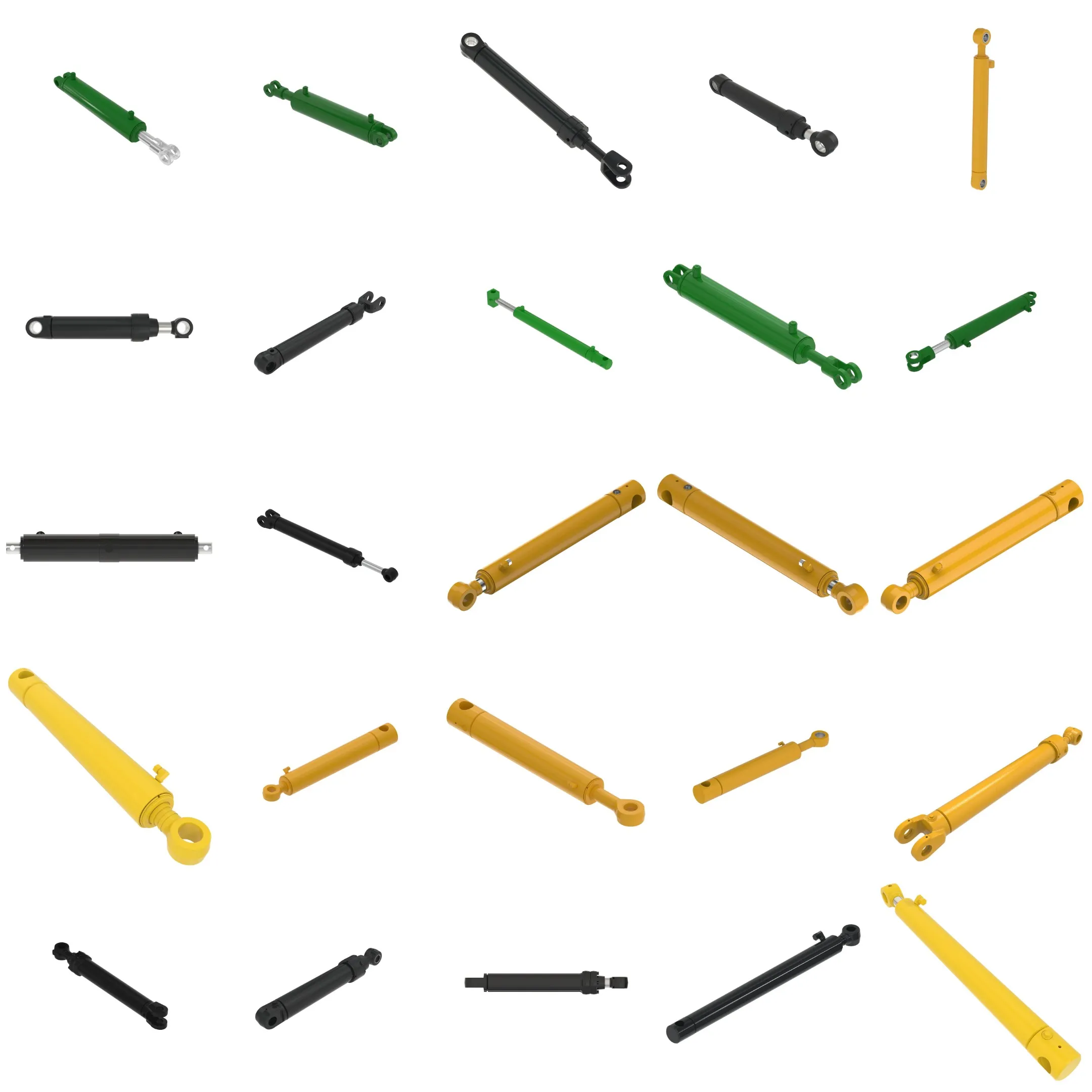
We are a leading manufacturer and wholesale distributor of replacement hydraulic cylinders. Our company offers a comprehensive range of hydraulic cylinders, making us a trusted provider in both domestic and international markets.
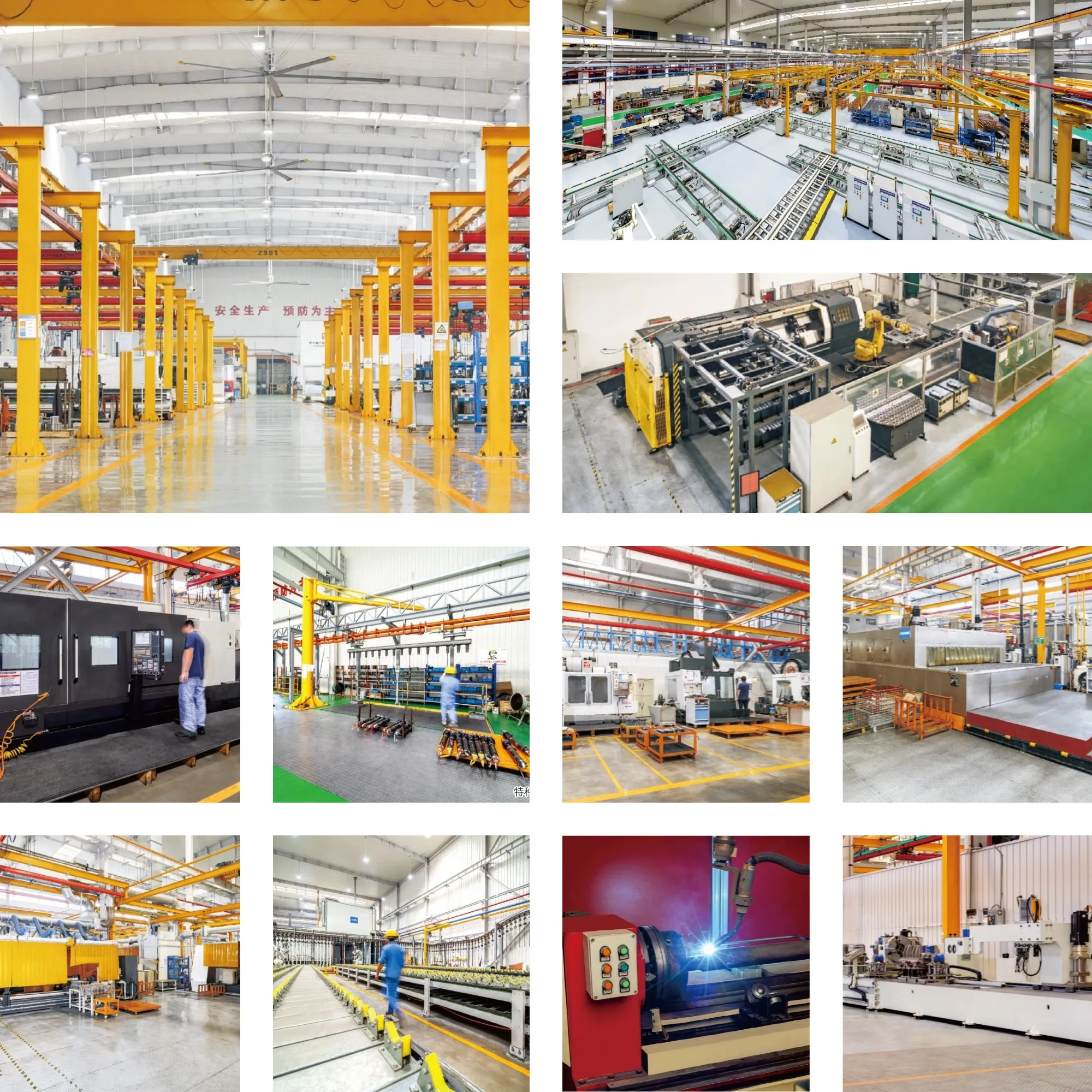
Our company stands out for its professionalism, international certifications, customized services, state-of-the-art production equipment, and exceptional after-sales support.
Author: lyl
Address
Luotuo Industrial Area, Zhenhai District, Ningbo City, China
Tel

 Raydafon