
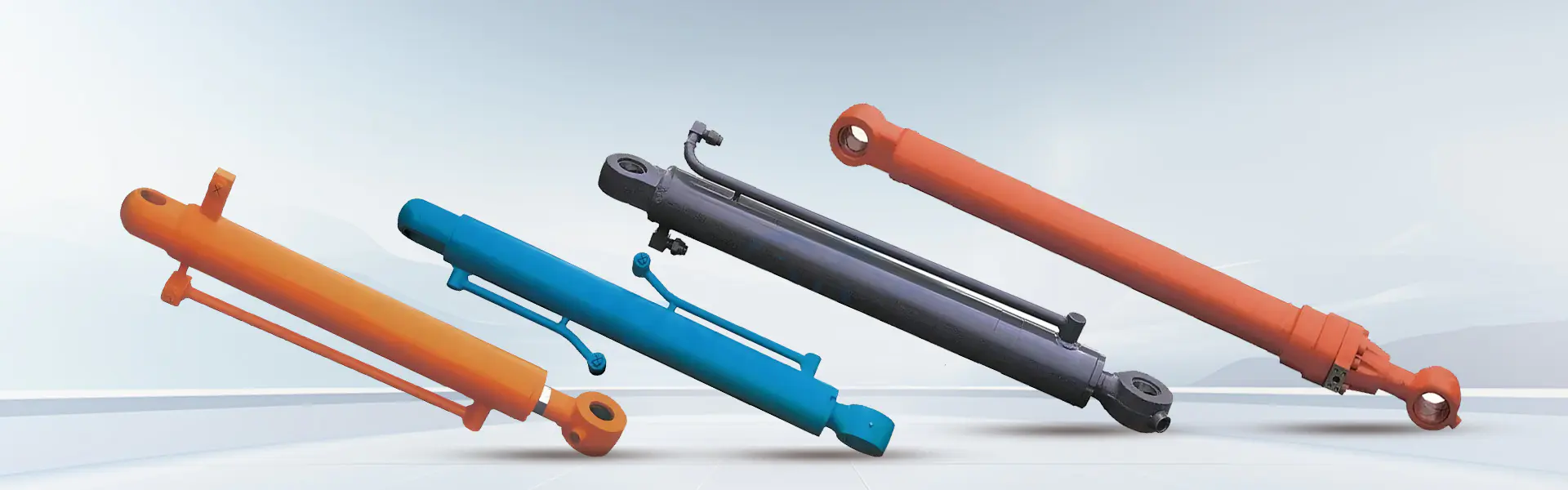
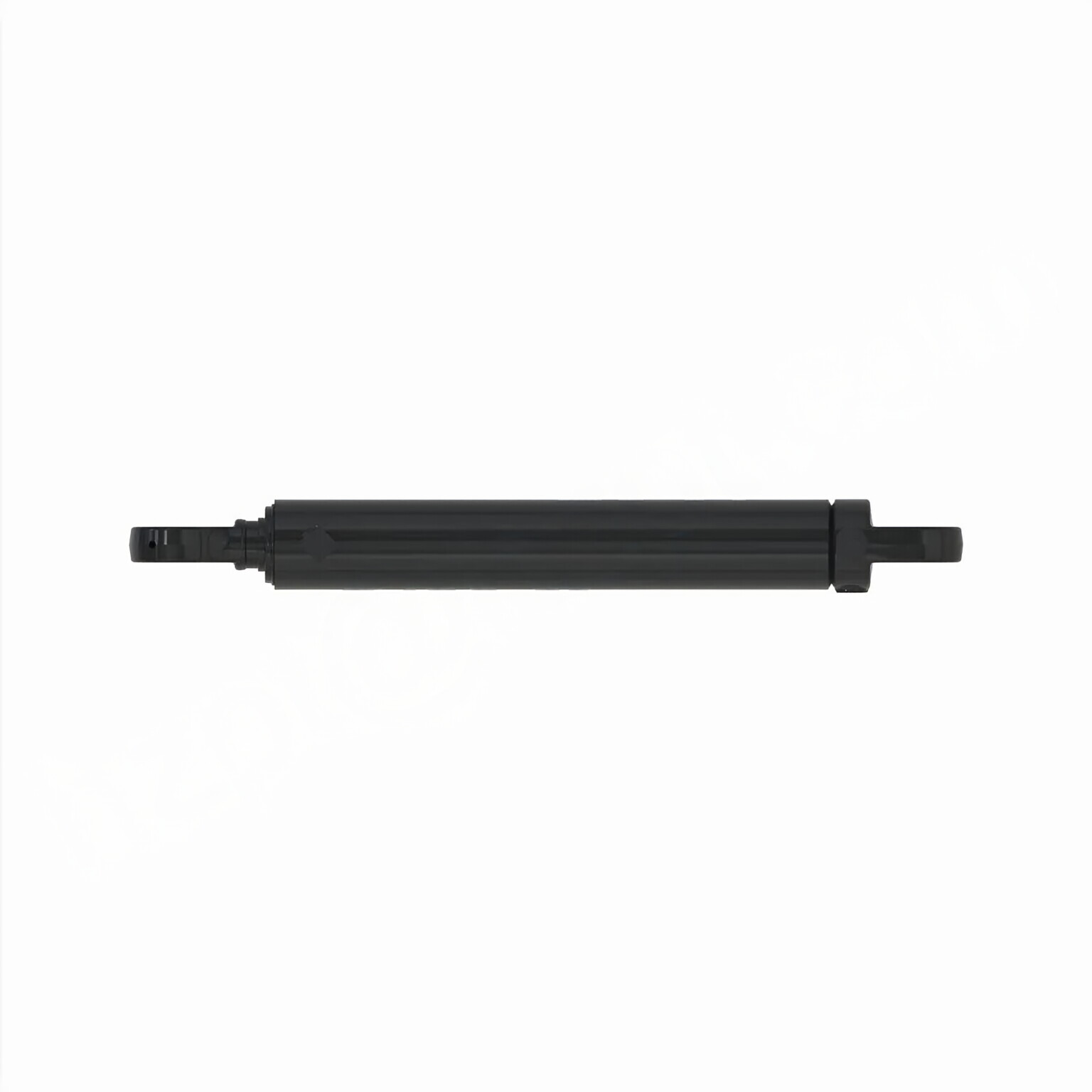
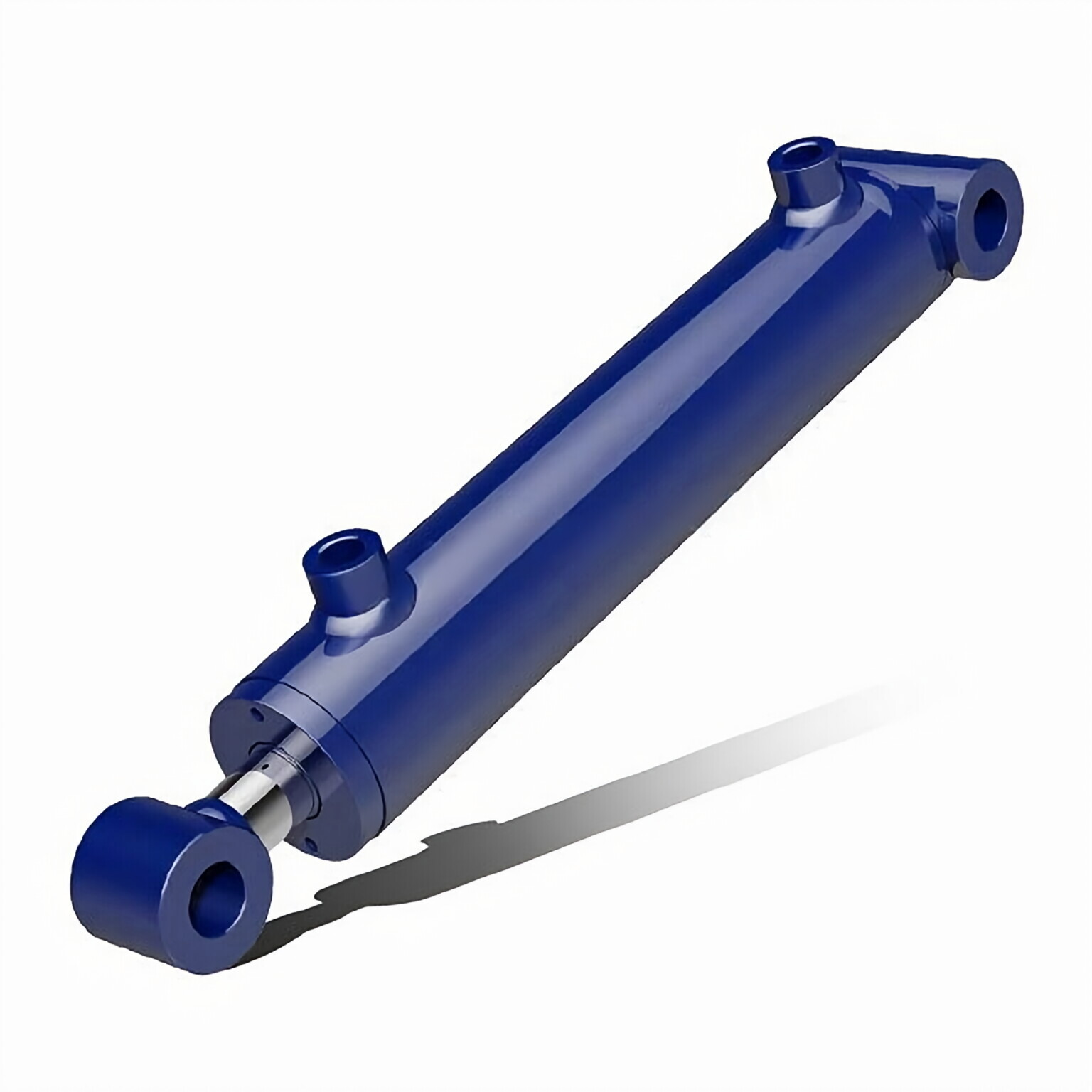
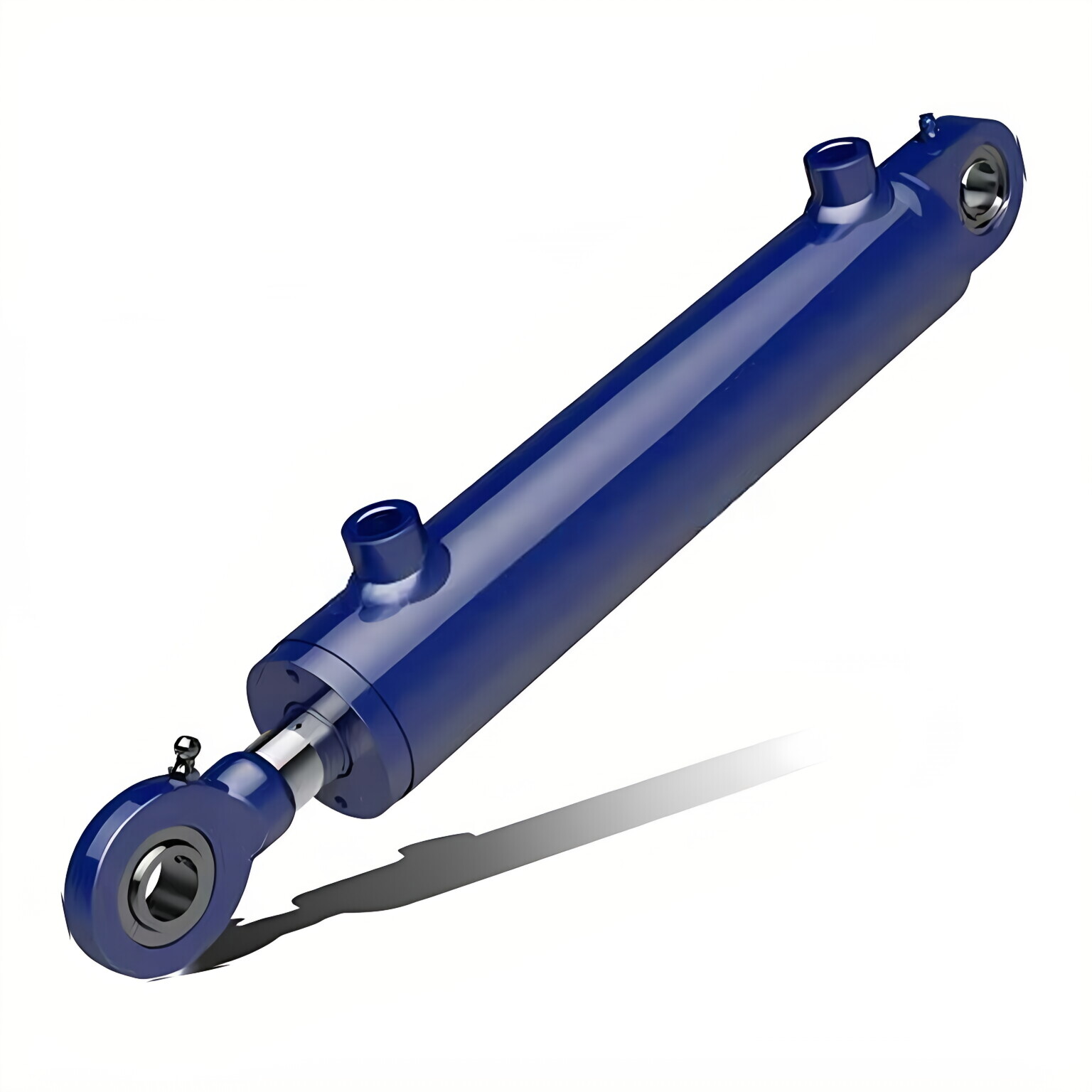
Regularly inspect the hydraulic cylinder for any signs of damage or wear. Check for leaks, cracks, or loose connections. It is essential to identify any issues early on to prevent further damage.
Ensure that the hydraulic cylinder is appropriately lubricated. Use the recommended lubricant and follow the manufacturer's instructions for lubrication intervals. Proper lubrication helps reduce friction and wear, extending the lifespan of the cylinder.
Periodically inspect the seals of the hydraulic cylinder. If any seals are damaged or worn, replace them promptly to prevent fluid leaks. Additionally, perform calibration checks to ensure the cylinder operates within the specified parameters.
Proper installation of the hydraulic cylinder is crucial for its optimal performance. The cylinder should be aligned correctly during the installation process. It is recommended to use appropriate installation supports to secure the cylinder in place.
Regular lubrication helps reduce friction and heat buildup, ensuring smooth operation. Adequate lubrication also prevents premature wear and extends the life of the cylinder.
Adjustments should be made as needed to maintain the cylinder's performance. Proper alignment and calibration contribute to the cylinder's efficiency and longevity.
When inspecting the hydraulic cylinder, pay attention to any signs of damage, leaks, or abnormal operation. If an issue is identified, follow these recommended procedures:
By following these procedures, you can effectively address any issues and ensure the continued performance of the hydraulic cylinder.
When working with hydraulic cylinders, it is essential to prioritize safety. Follow these safety measures:
Considering environmental factors, it is crucial to prevent hydraulic fluid leaks and spills. Regular inspections and maintenance help identify potential issues and prevent environmental contamination.
Here are some common troubleshooting tips and solutions for hydraulic cylinder issues:
Possible Causes:
Solution:
Possible Causes:
Solution:
Possible Causes:
Solution:
To minimize potential issues, consider implementing the following preventive measures:
By taking these preventive measures, you can reduce the likelihood of hydraulic cylinder problems and ensure the smooth operation of your equipment.
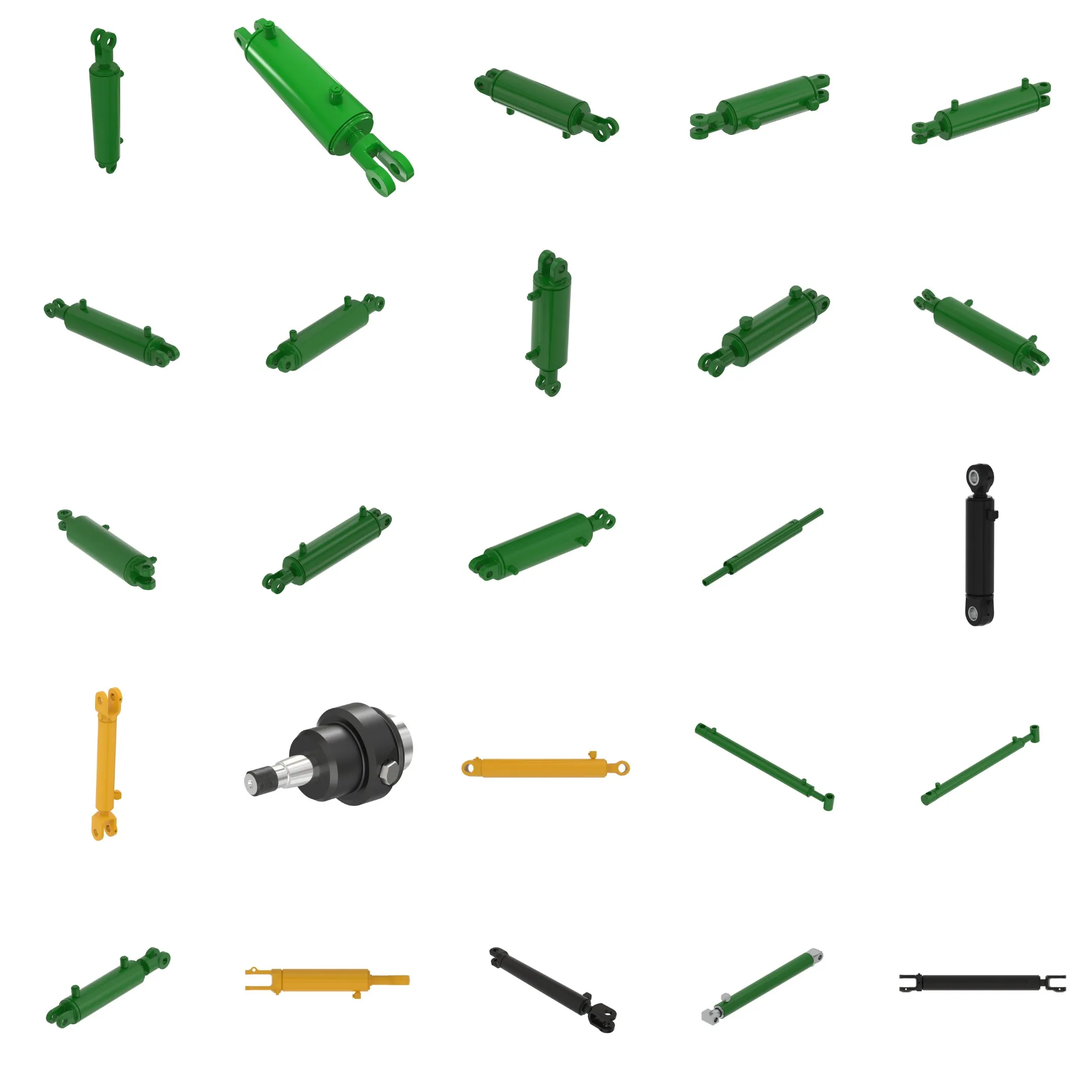
We are a leading manufacturer and wholesaler of replacement hydraulic cylinders. Our company offers a wide range of hydraulic cylinders, making us a trusted provider in both domestic and international markets.
Key Highlights:
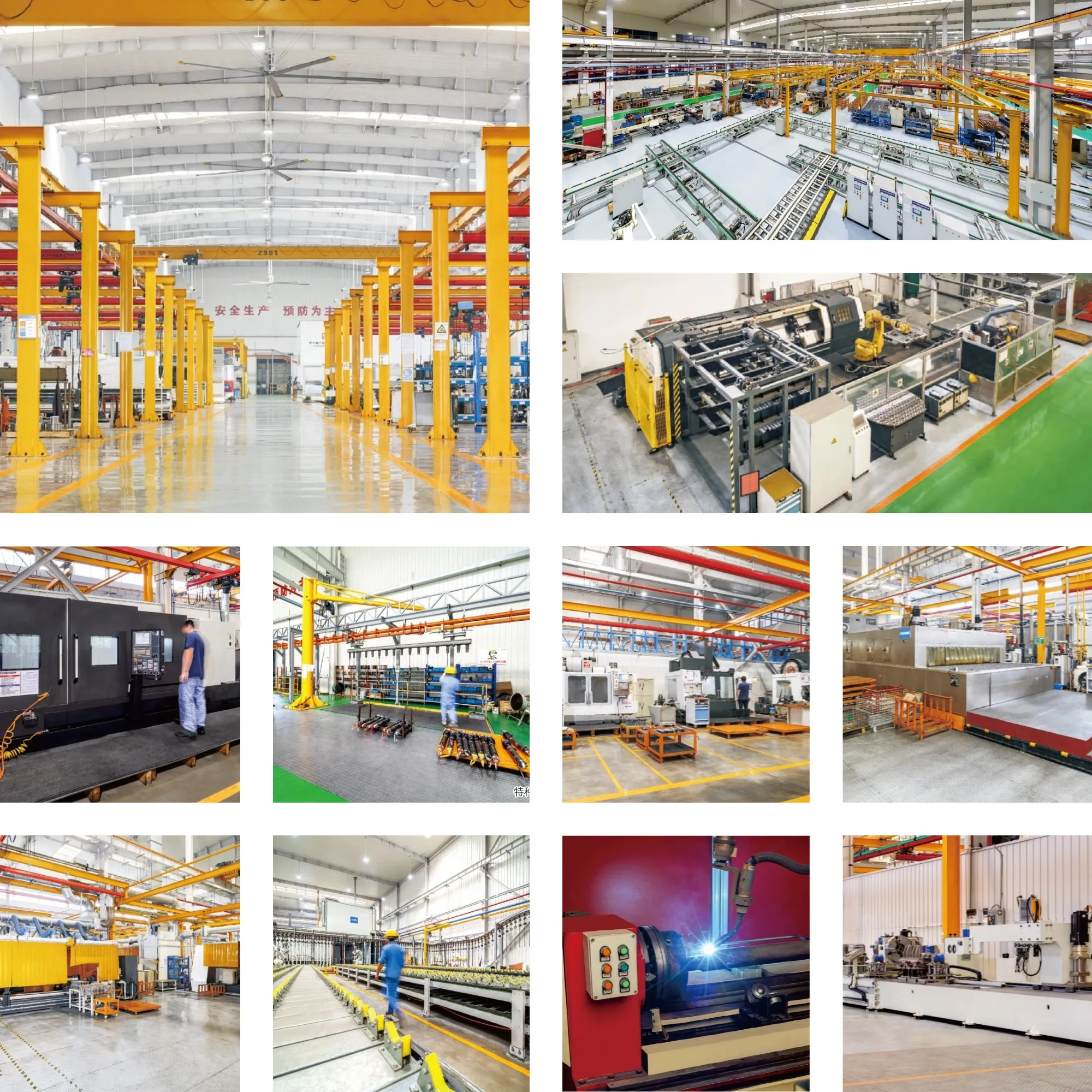
With a focus on professionalism, quality, and customer satisfaction, our company strives to meet the diverse needs of our clients. We are committed to providing high-quality hydraulic cylinders and exceptional service.
Author: lyl
Address
Luotuo Industrial Area, Zhenhai District, Ningbo City, China
Tel

 Raydafon