
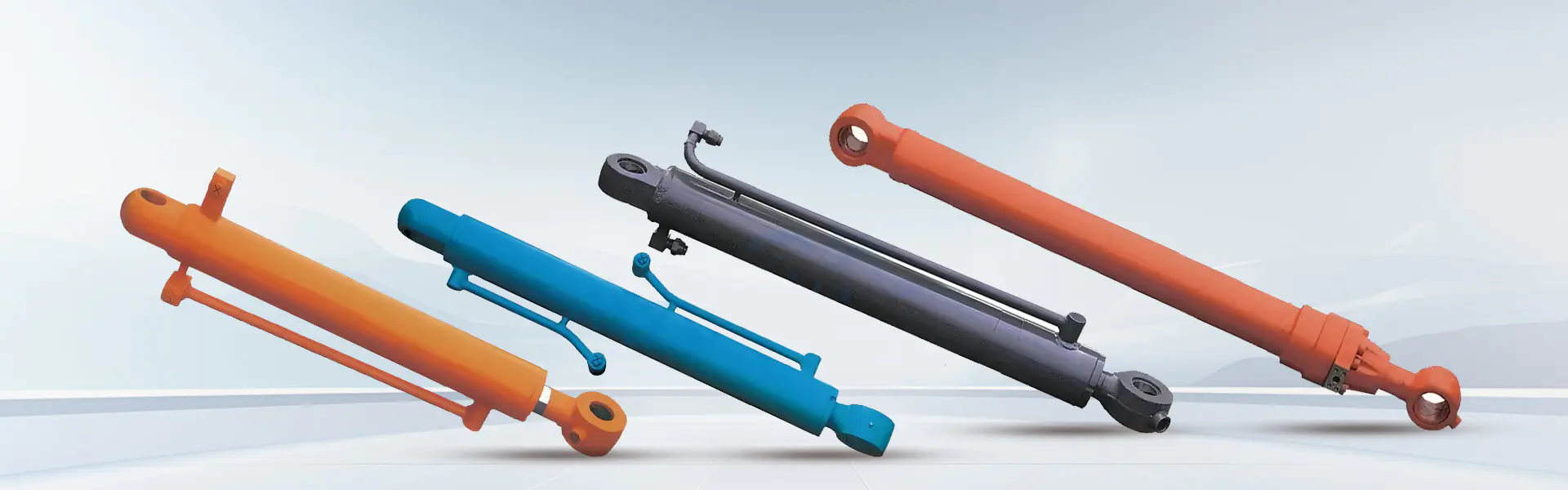

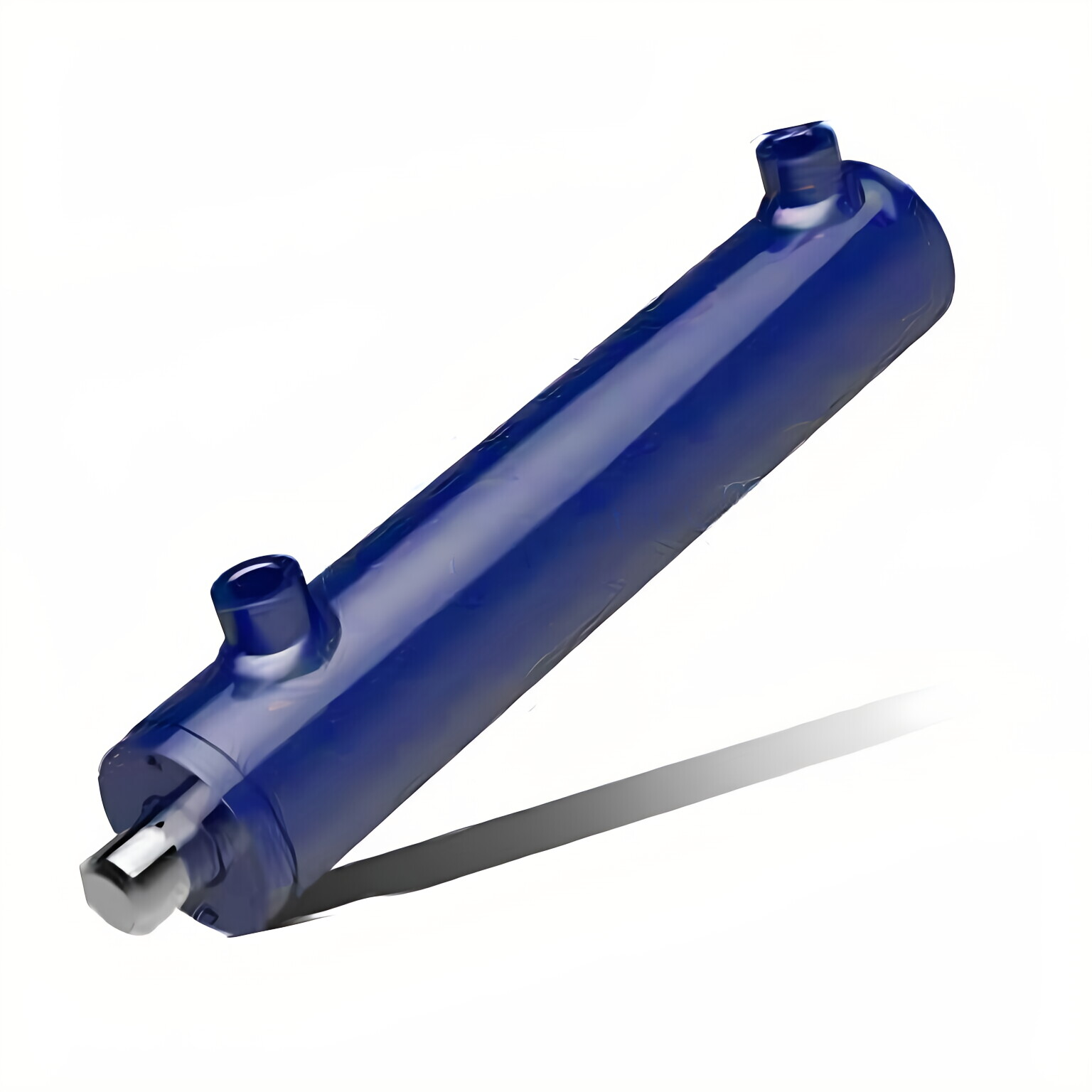
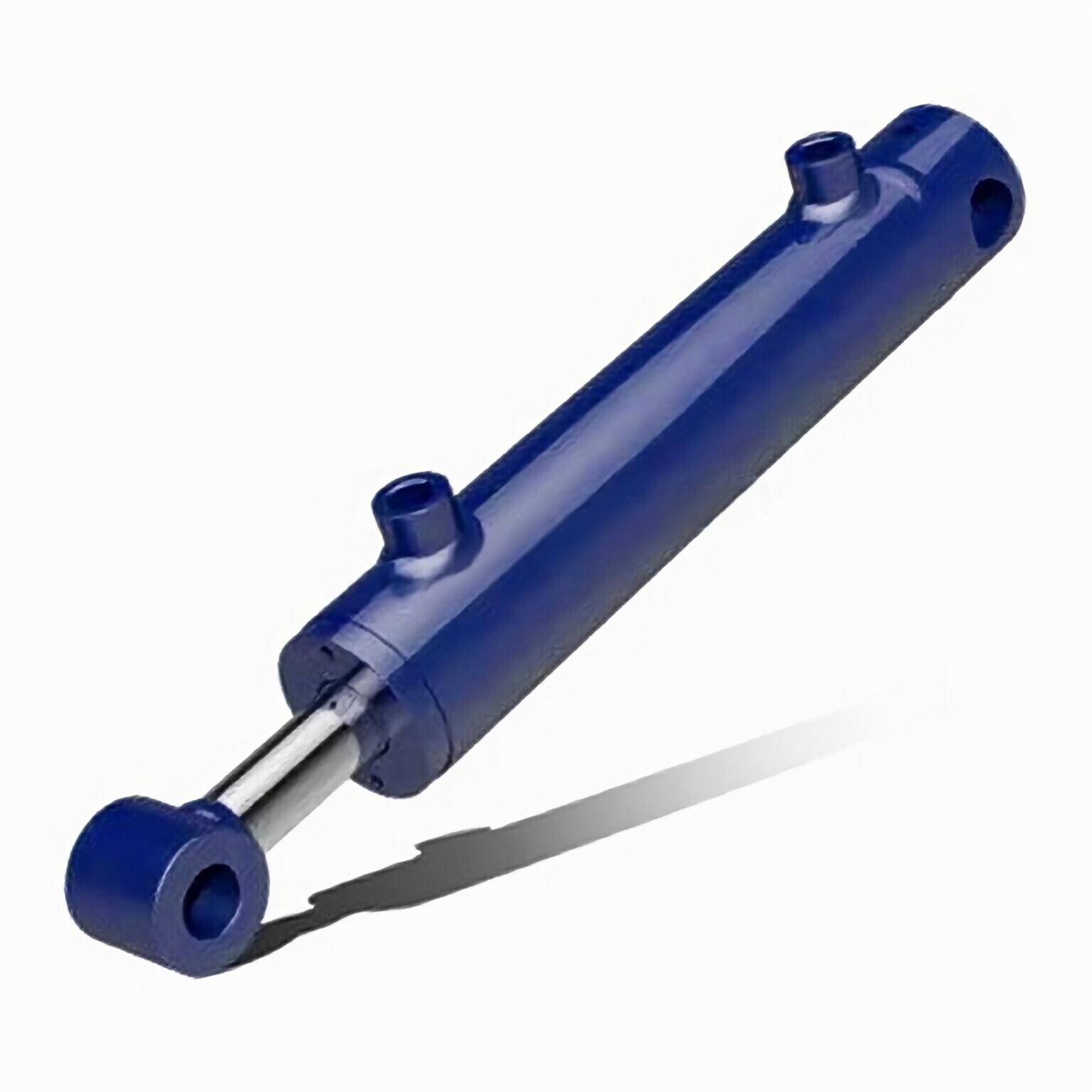
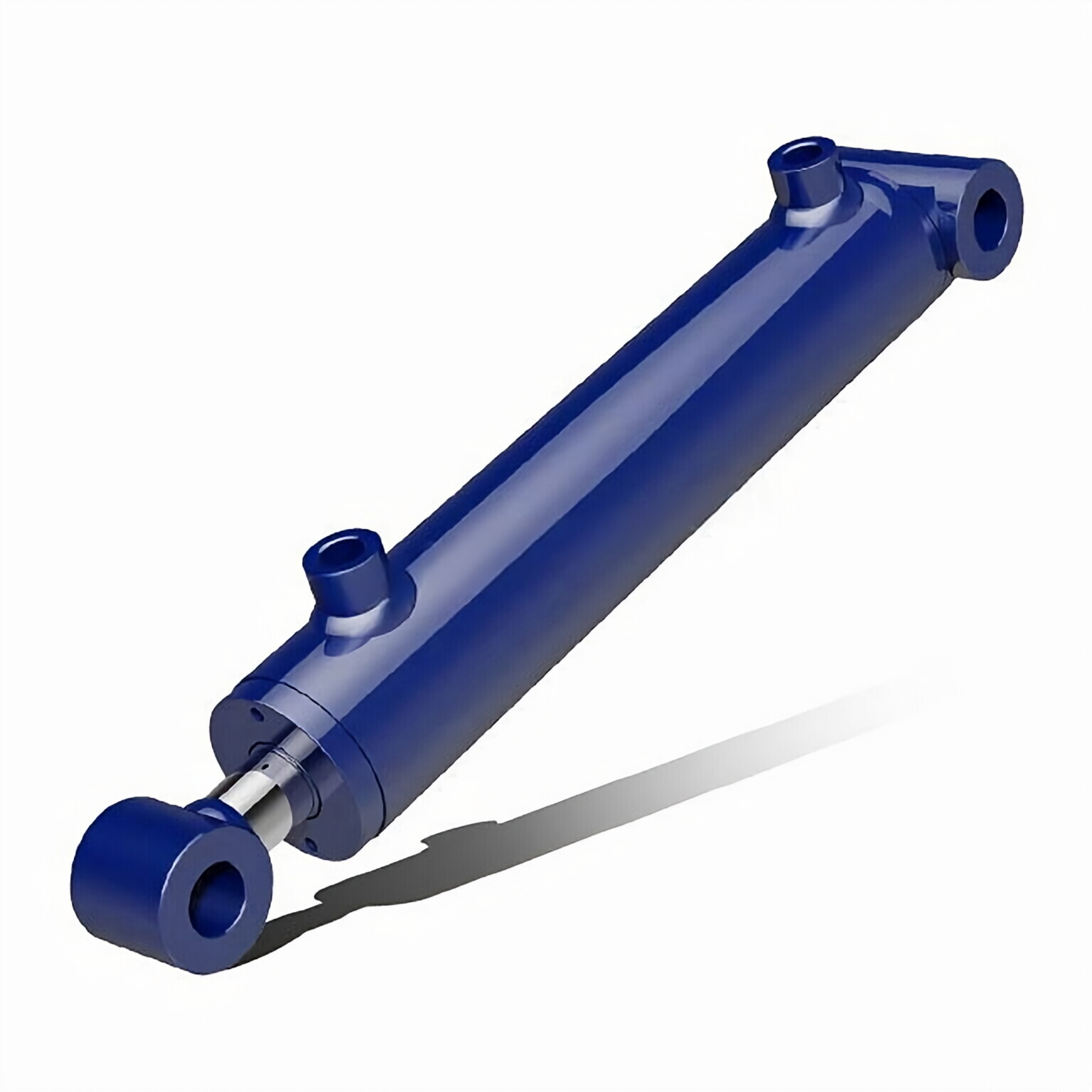
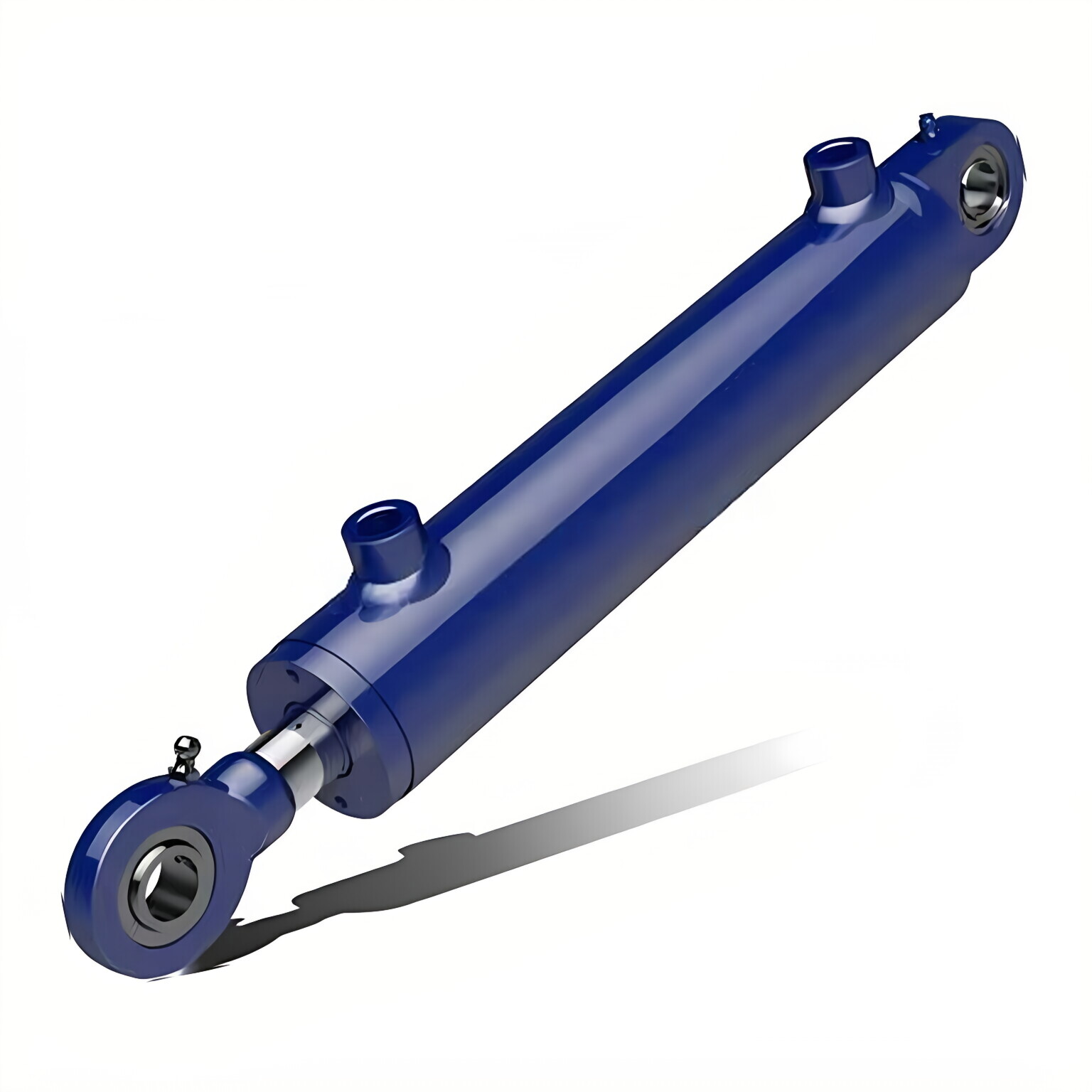
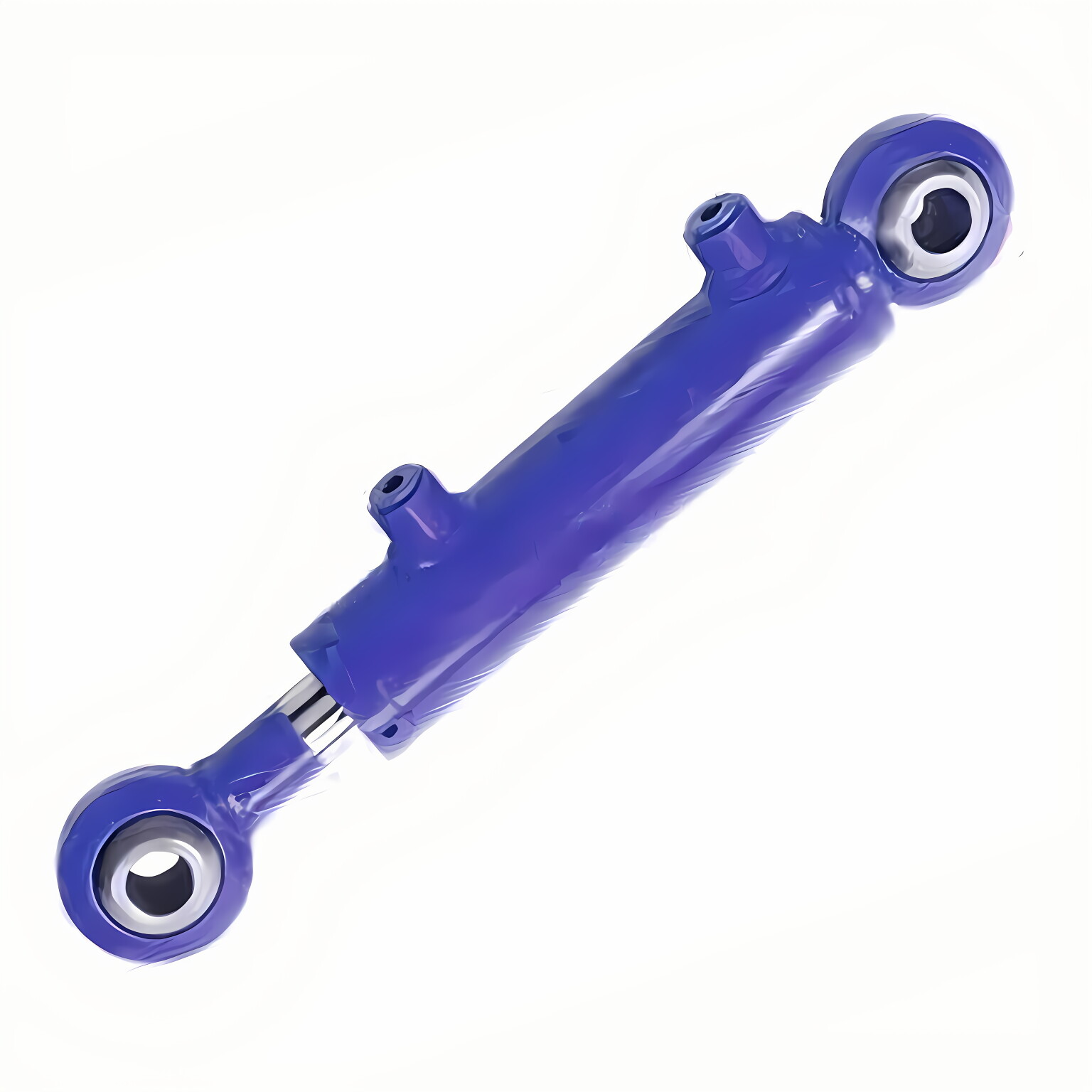
The Replacement of AN209619 Boom Levelling Hydraulic Cylinder is a hydraulic cylinder that serves the purpose of leveling the boom of the equipment. This cylinder is designed to handle heavy loads and maintain stability while operating.
The Replacement of AN209619 Boom Levelling Hydraulic Cylinder is compatible with the following equipment models:
Our Replacement of AN209619 Boom Levelling Hydraulic Cylinder has the following features:
Our hydraulic cylinders are designed to meet or exceed OEM specifications. We use high-quality materials and advanced manufacturing techniques to ensure that our products are reliable and long-lasting. Our hydraulic cylinders can be used in a wide range of applications, including construction, manufacturing, transportation, and aviation.
Here is a breakdown of the various applications:
Our hydraulic cylinders are commonly used in construction equipment such as cranes, hoists, and elevators. They provide robust support for heavy loads and ensure stability during operation.
Our hydraulic cylinders are used in press machines and other manufacturing applications where materials are formed under high pressure. These cylinders are designed to withstand the extreme loads and conditions of manufacturing environments.
Our hydraulic cylinders are used in stabilizers and jacks for vehicles, ensuring safety during maintenance and transportation.
Our hydraulic cylinders are used in landing gear systems, providing secure and reliable support during takeoff and landing.
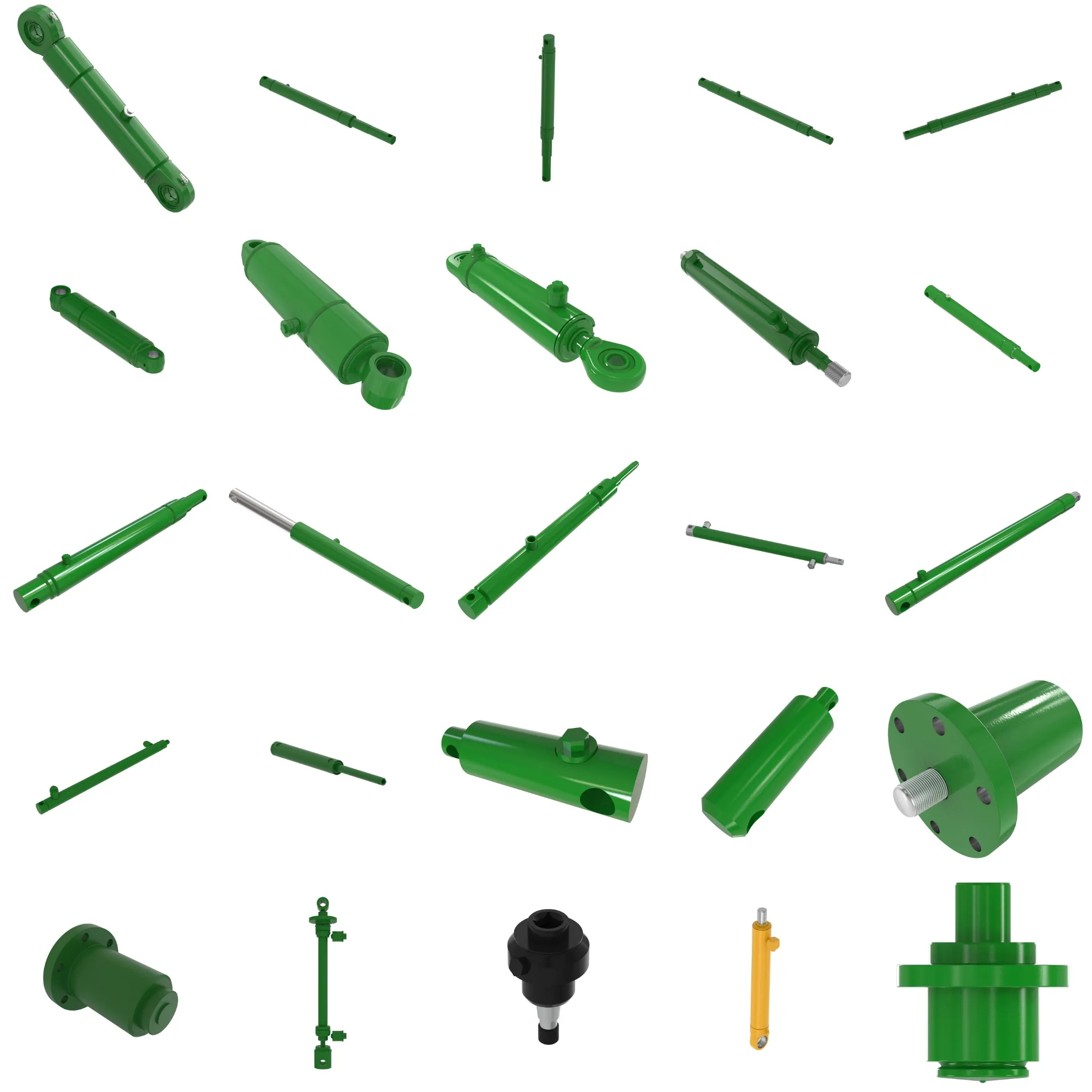
Our hydraulic cylinders are designed with several key considerations in mind:
For load capacity, we use high-strength materials and precision engineering to ensure that our hydraulic cylinders can handle heavy loads without failure. For sealing performance, we use high-quality seals and other components to prevent leakage and maintain a consistent level of pressure. For durability, we use high-quality materials and advanced manufacturing techniques to ensure that our hydraulic cylinders are long-lasting and reliable. For safety, we design our cylinders with features such as pressure relief valves and other safety mechanisms to prevent accidents. Finally, for maintainability, we design our cylinders with easy-to-access components and simple maintenance procedures to minimize downtime and ensure reliable operation.
Our hydraulic cylinders use a variety of seals, including piston seals and rod seals, made from materials such as polyurethane and nitrile rubber to ensure proper sealing and prevent leakage. We also ensure that the cylinder body and threaded end surfaces are finely processed to improve wear resistance and durability. Regular lubrication is necessary to maintain optimal performance, and we recommend using appropriate hydraulic oil for this purpose.
Regular inspection and preventive maintenance are essential for ensuring the longevity and reliability of our hydraulic cylinders. We recommend regular checks of the cylinder for any signs of wear or damage, and replacement of seals and other components as necessary. Proper installation is also crucial to ensure optimal performance, and we recommend using appropriate installation tools and techniques to ensure that the cylinder is installed correctly.
When installing our hydraulic cylinders, it is essential to follow the correct procedures to ensure proper installation and optimal performance. We recommend using appropriate installation tools and techniques to ensure that the cylinder is installed correctly and aligned properly. We also recommend using appropriate installation supports to secure the cylinder in place. The following steps outline the recommended installation procedure:
Some common maintenance tasks for our hydraulic cylinders include:
Proper installation, lubrication, and calibration are essential for ensuring optimal performance and extending the lifespan of our hydraulic cylinders.
When using our hydraulic cylinders, it is essential to follow proper safety procedures to prevent accidents and injuries. We recommend using appropriate personal protective equipment when handling our cylinders, and following proper safety procedures for installation and maintenance. Environmental factors such as temperature and humidity can also affect the performance and lifespan of our hydraulic cylinders, and we recommend storing and using our cylinders within the recommended temperature and humidity range.
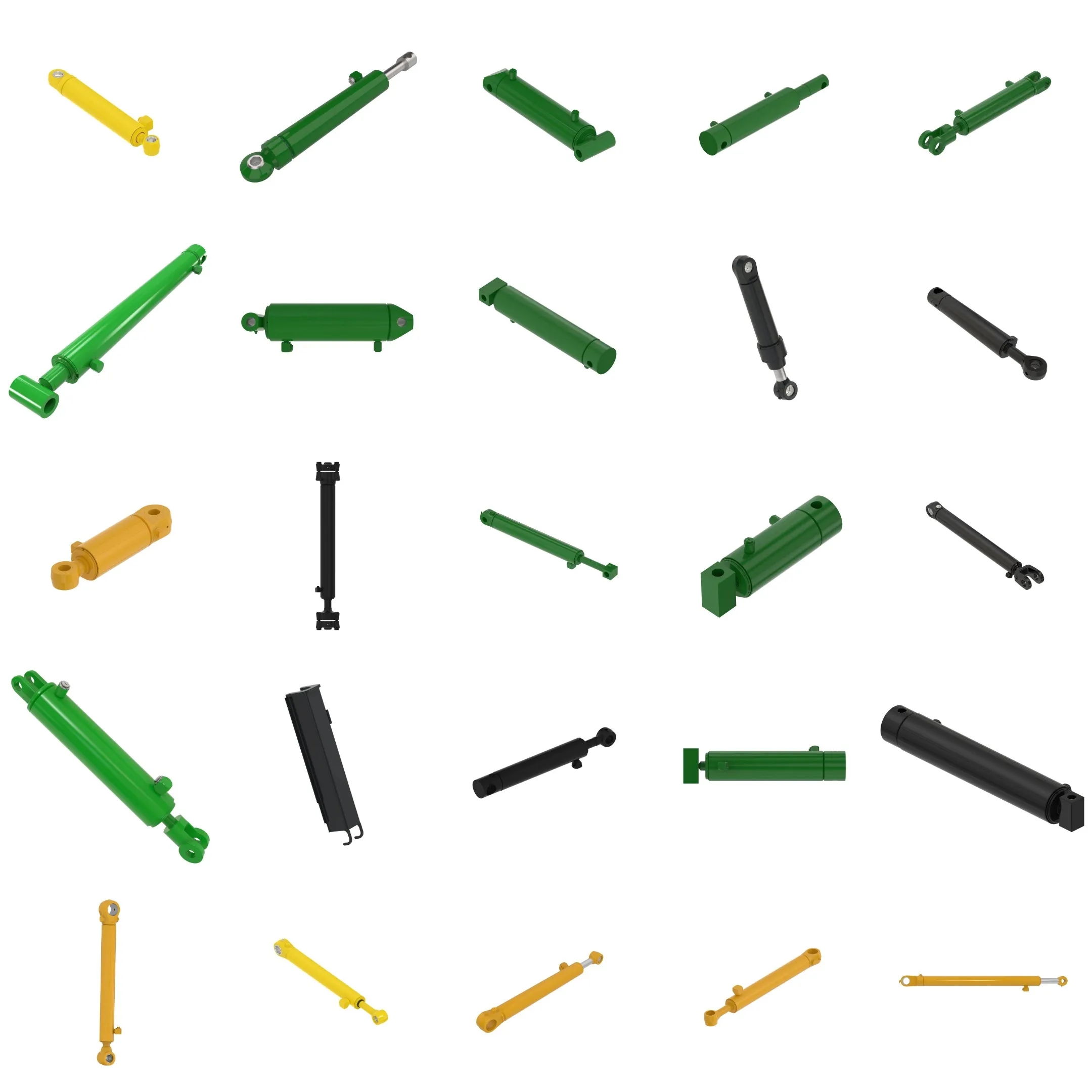
Some common problems that may arise with our hydraulic cylinders include leaks, reduced performance, and damage to the cylinder body or components. If you notice any of these issues, it is essential to take prompt action to prevent further damage or failure. We recommend consulting the product manual and contacting our customer support team for assistance with troubleshooting and resolving any issues that may arise.
Regular inspection and preventive maintenance can help prevent many of these problems from occurring, and we recommend following the recommended maintenance schedule to keep our hydraulic cylinders in optimal condition.
Address
Luotuo Industrial Area, Zhenhai District, Ningbo City, China
Tel

 Raydafon