
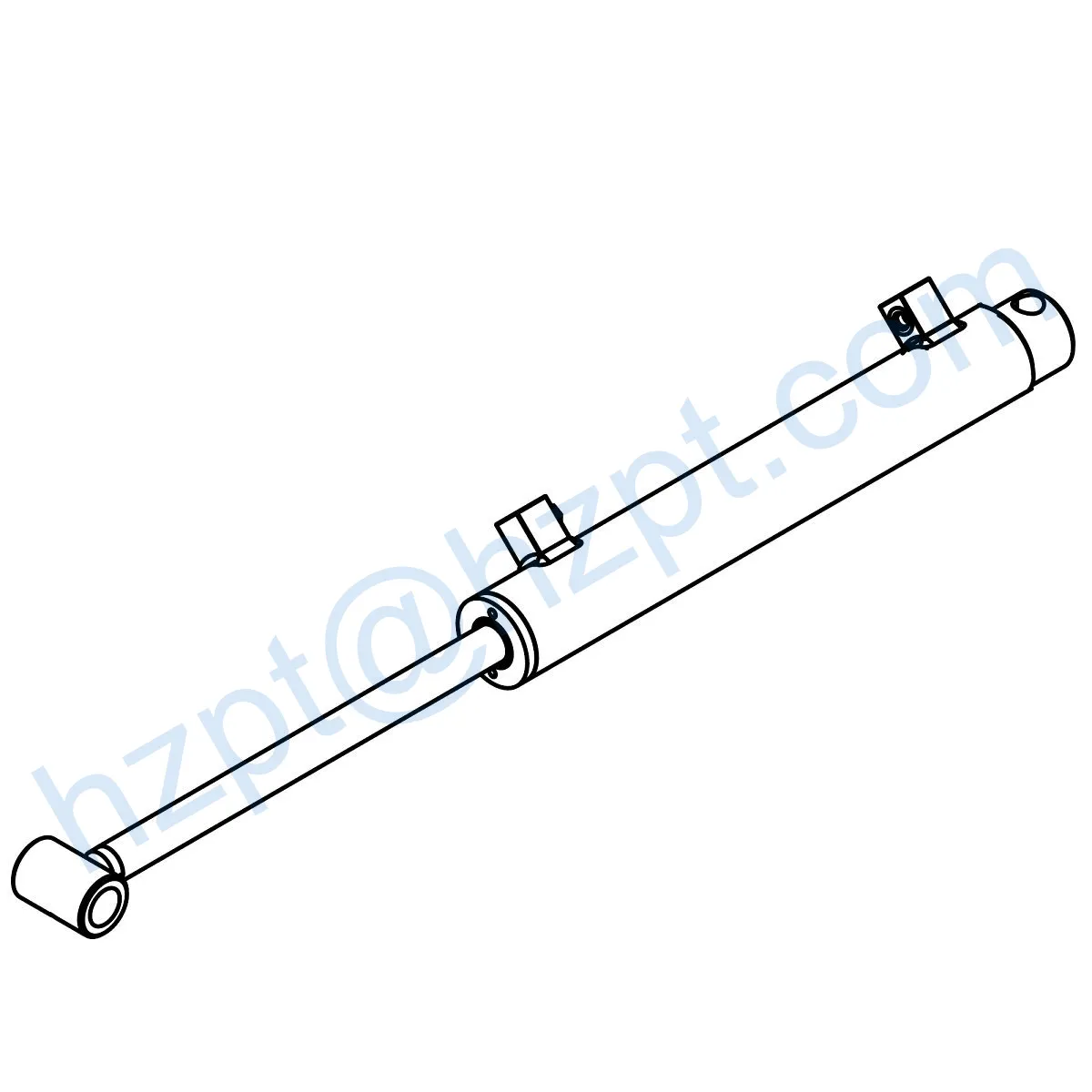
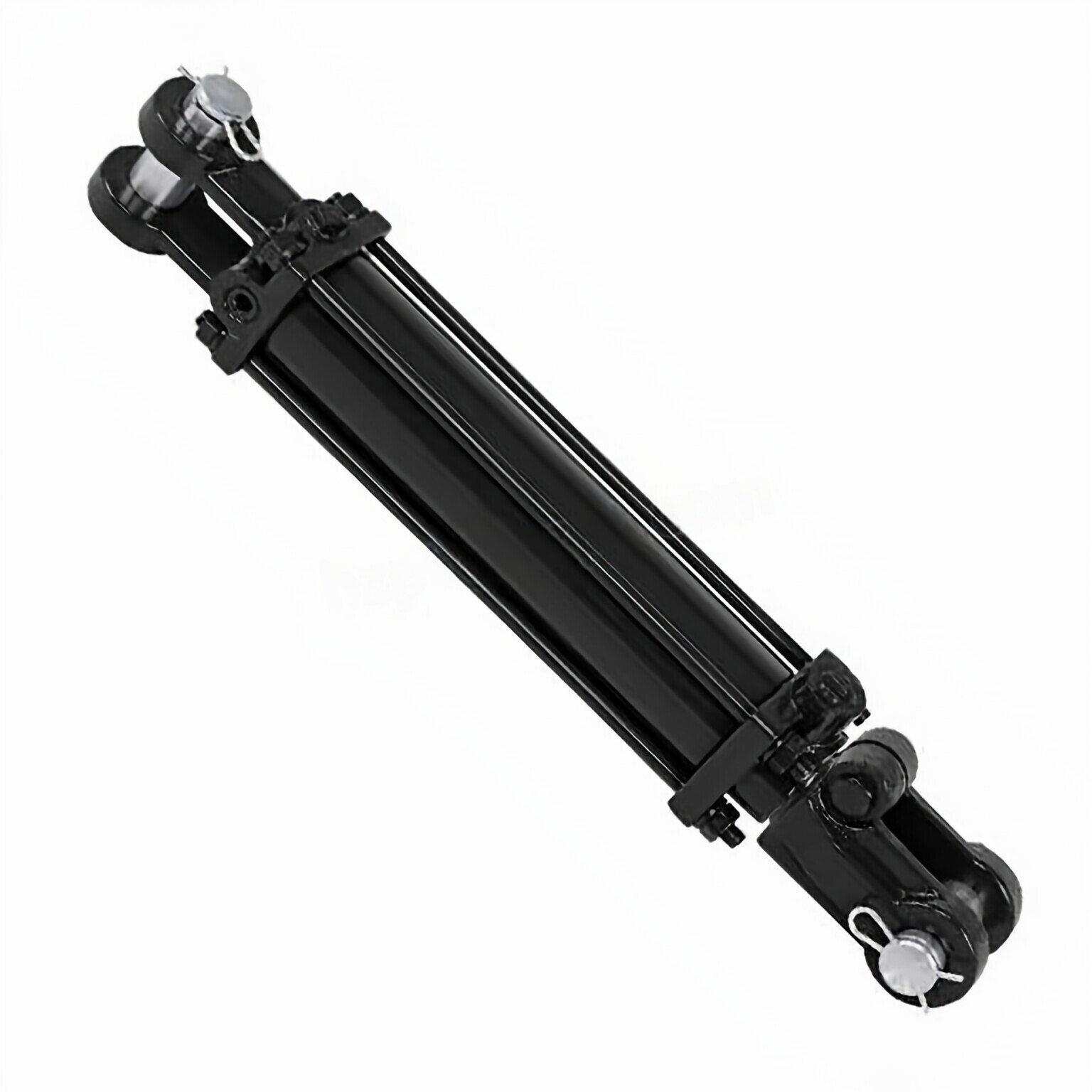
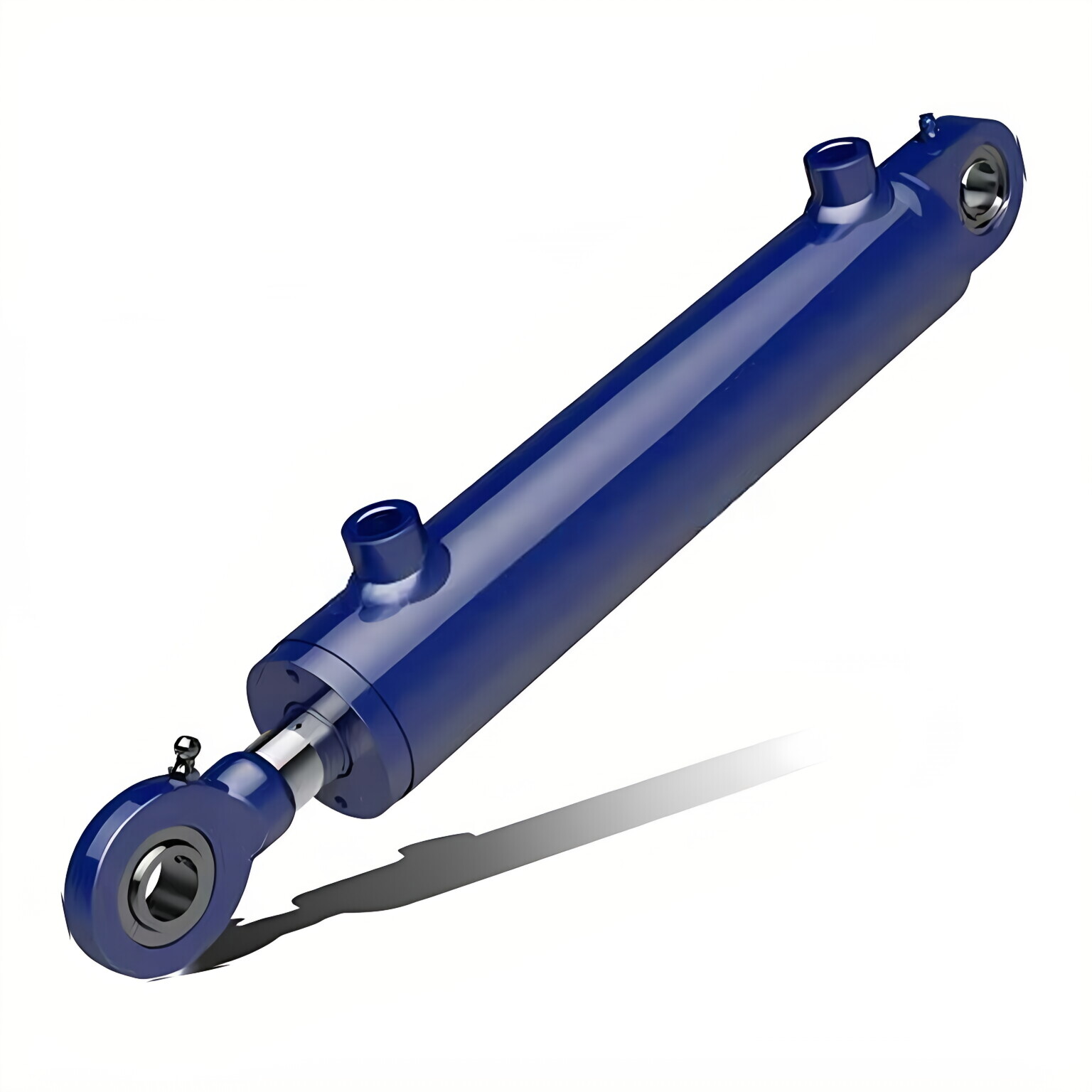
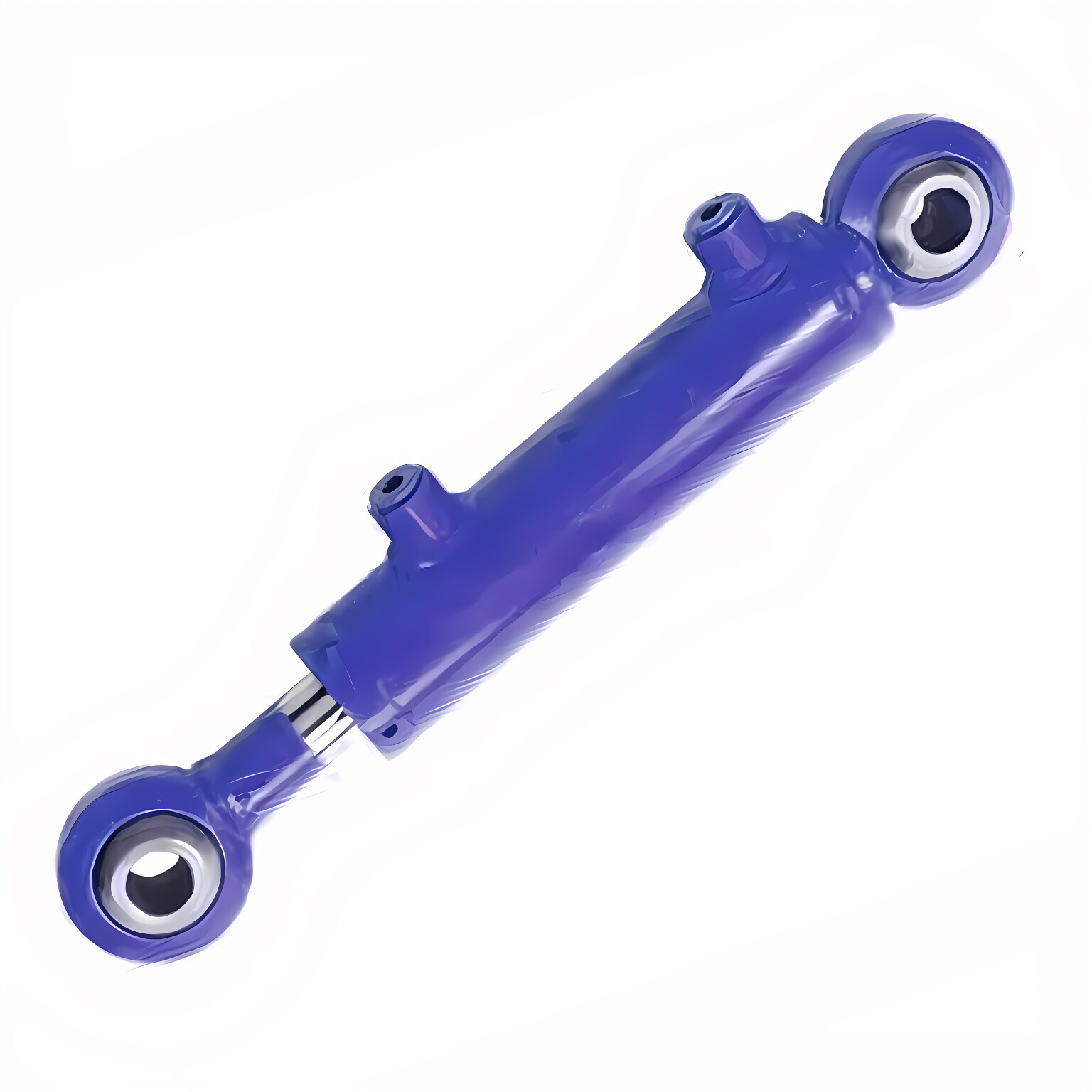
This product is a hydraulic cylinder designed as a replacement for the John Deere LVA23060 stabilizer hydraulic cylinder. It weighs 18.76 lb and has dimensions of 3 in height, 5 in width, and 22.1 in length. It is compatible with the following models: 46, 47, 48, 260, 270A, 270B, 370B, 375, 375A, 385A, 447, 448, 485, 485A, 1025R, and 2025R.
The hydraulic cylinder is a vital component used in various applications. It serves the purpose of stabilizing and providing hydraulic power to certain equipment. It ensures the proper functioning and control of machinery by converting hydraulic energy into mechanical force.
The replacement hydraulic cylinder has a weight of 18.76 lb, a height of 3 in, a width of 5 in, and a length of 22.1 in. It is compatible with the following machine models: 46, 47, 48, 260, 270A, 270B, 370B, 375, 375A, 385A, 447, 448, 485, 485A, 1025R, and 2025R.
These characteristics make our hydraulic cylinder a perfect replacement for the mentioned models. We pride ourselves on producing high-quality products that meet or exceed the specifications of the original equipment.
The hydraulic cylinder is commonly used in construction equipment such as cranes, hoists, and elevators, where secure fixation of heavy objects is required.
It is utilized in press machines for forming materials under high pressure, where a stable and secure hold is necessary during the manufacturing process.
The cylinder finds application in stabilizers and jacks of vehicles, ensuring safety during maintenance or transportation processes.
Within the aviation industry, it plays a crucial role in the landing gear system, securely fixing the landing gear in the appropriate position during takeoff and landing.
When designing the hydraulic cylinder, several factors are taken into consideration:
The hydraulic cylinder utilizes various sealing components, including piston seals and rod seals, to ensure proper sealing and prevent fluid leakage. These seals are made from durable materials such as polyurethane and nitrile rubber, known for their excellent wear resistance. Additionally, the cylinder body and threaded ends undergo fine surface treatment to improve wear resistance. Regular lubrication with the appropriate amount of hydraulic oil is necessary to ensure smooth operation and extend the lifespan of the cylinder.
Proper installation of the hydraulic cylinder is crucial for its efficient operation. Follow these steps:
Regular maintenance tasks for the hydraulic cylinder include:
Ensuring proper installation, lubrication, and adjustment is crucial for optimal performance. Providing guidance on aligning the cylinder correctly during installation and recommending the use of suitable installation brackets can significantly enhance the lifespan of the hydraulic cylinder. We also offer inspection, repair, and component replacement services to further extend the cylinder's usability.
When working with hydraulic cylinders, adhering to safety measures is of utmost importance. Proper training and following safety protocols minimize the risk of accidents and injuries. Additionally, considering environmental factors during the design and manufacturing process helps reduce the impact on the environment.
Common issues and troubleshooting for hydraulic cylinders include:
By providing troubleshooting tips and solutions, readers can effectively diagnose and resolve problems related to the hydraulic cylinder. Additionally, suggesting preventive measures can help minimize potential issues.
Author: lyl
Our Company:
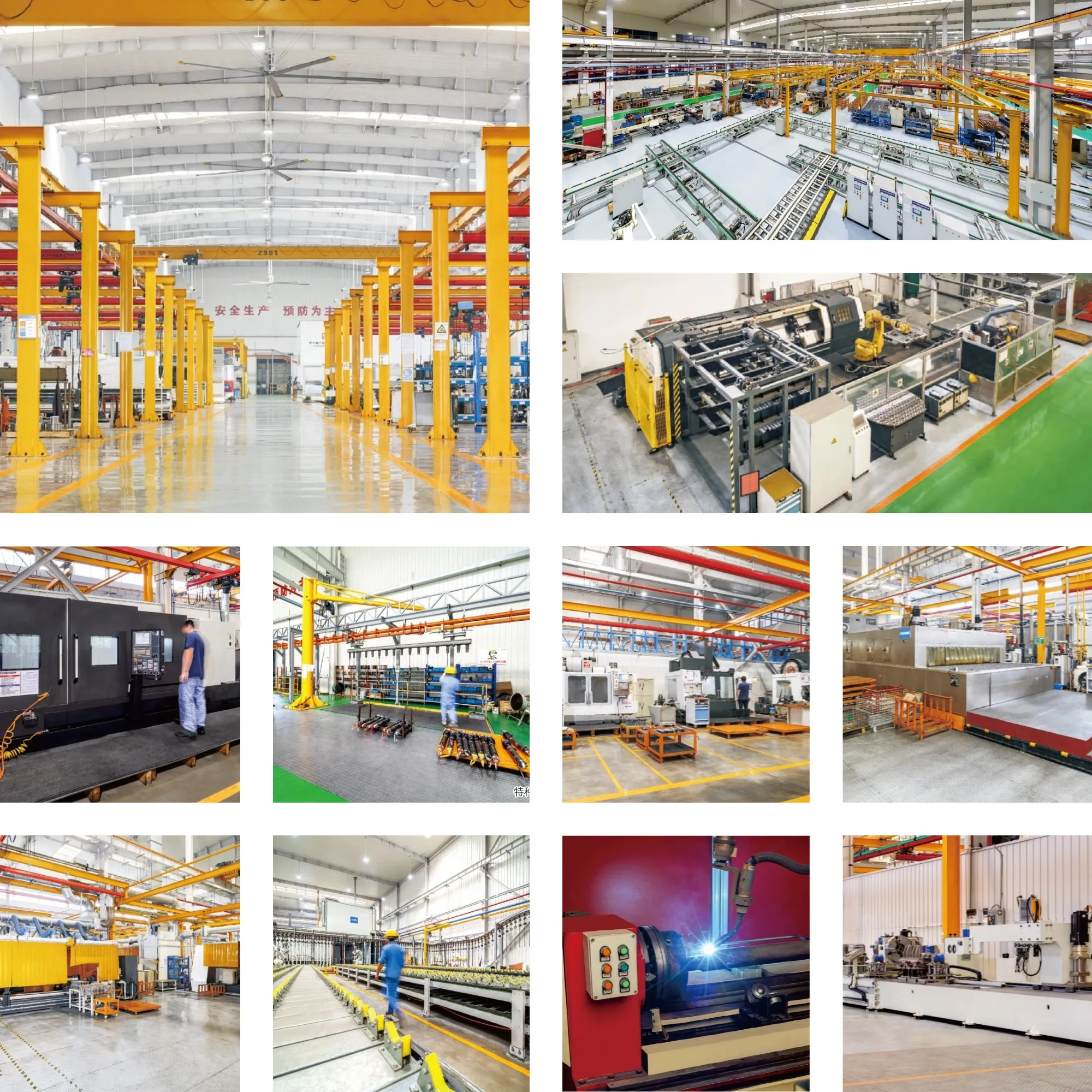
We are a leading manufacturer and wholesale distributor of hydraulic cylinders, specializing in replacement cylinders. With a wide range of products, we have become a prominent player in both domestic and international markets. Our company is known for its professionalism, international certifications, custom service, state-of-the-art production equipment, and exceptional after-sales support.
Note: Logic has been followed to organize the article, utilizing subheadings for easy navigation. Relevant images have been included to enhance understanding. The content is clear, concise, and suitable for readers with varying levels of technical knowledge.
Address
Luotuo Industrial Area, Zhenhai District, Ningbo City, China
Tel

 Raydafon