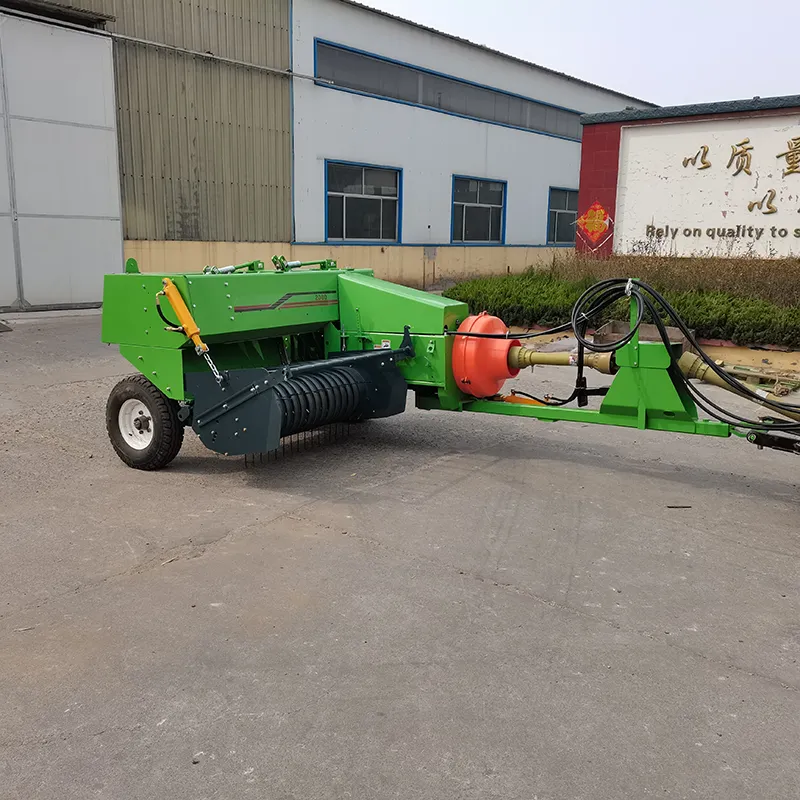
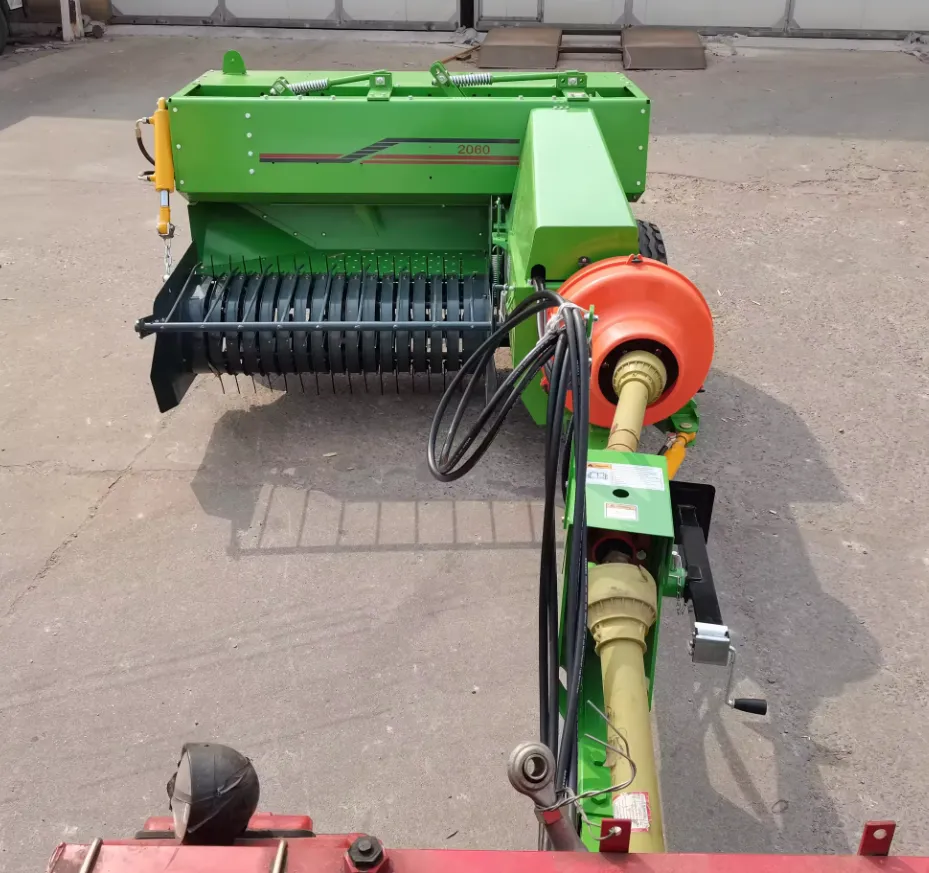
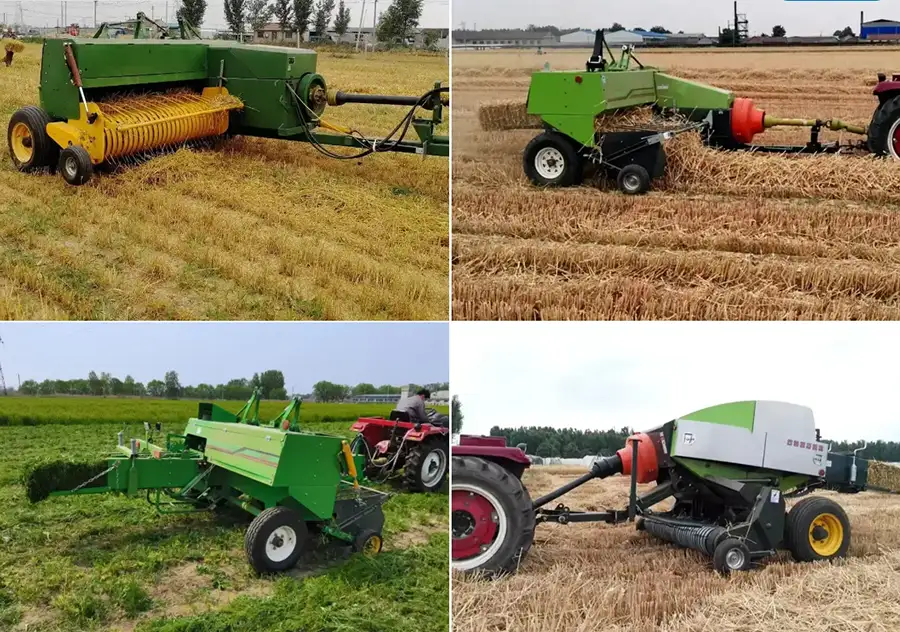
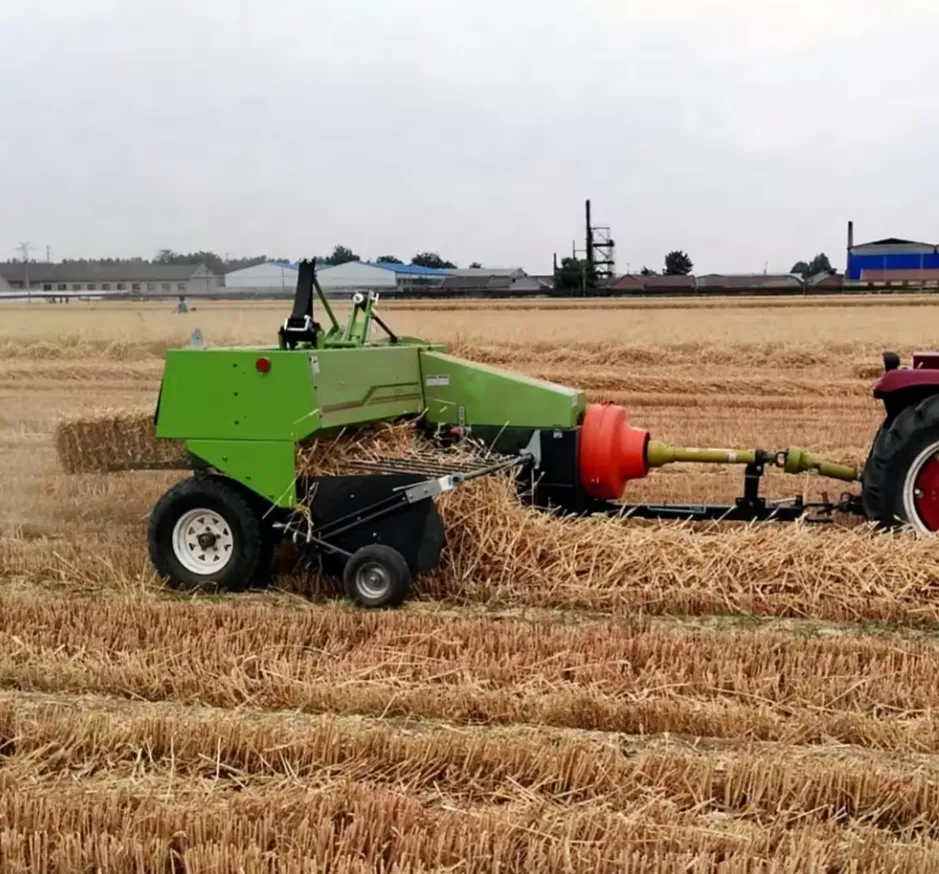
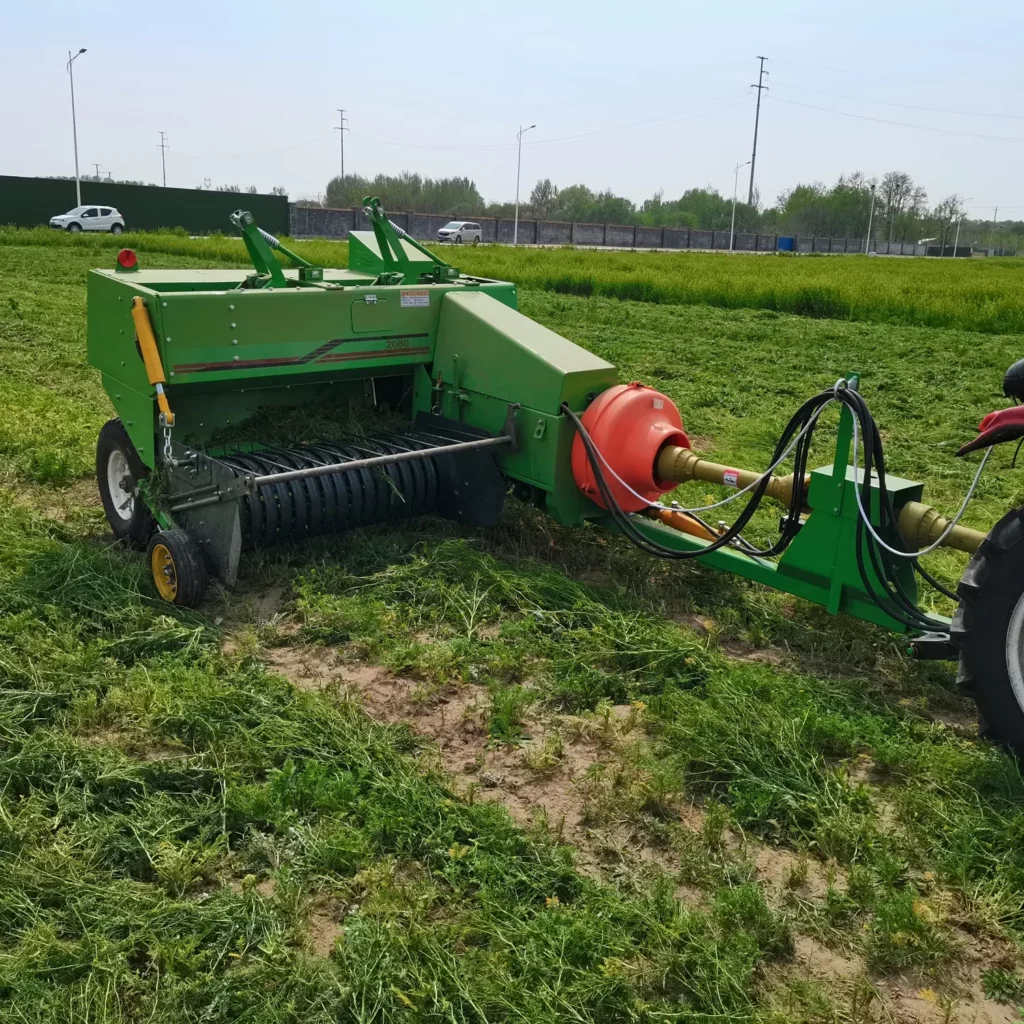
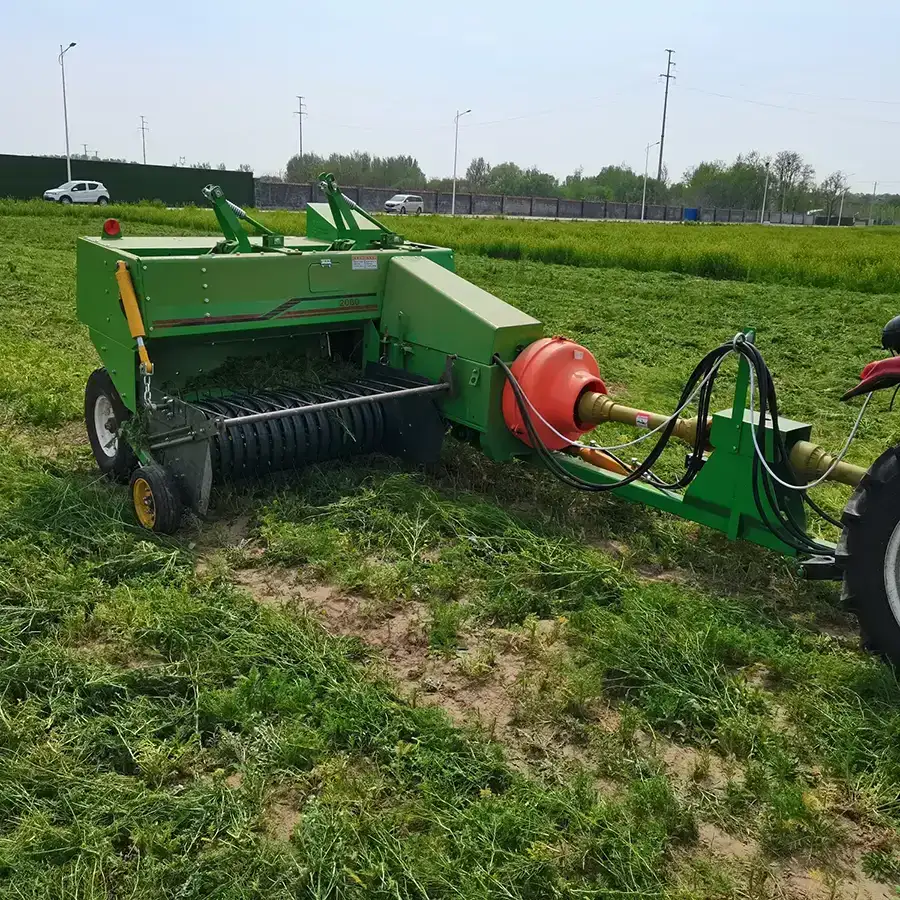
Discover the Raydafon Group RXFK2060 Small Square Baler for Farm Hay Baling, a compact and efficient solution for farmers seeking reliable hay management. Its durable build and advanced technology ensure easy operation and consistent square bales, saving time and labor in fields. Perfect for small to mid-sized farms, it transforms tedious tasks into seamless workflows, offering peace of mind with every harvest. Stand out with its superior design and trusted quality—experience the difference today!
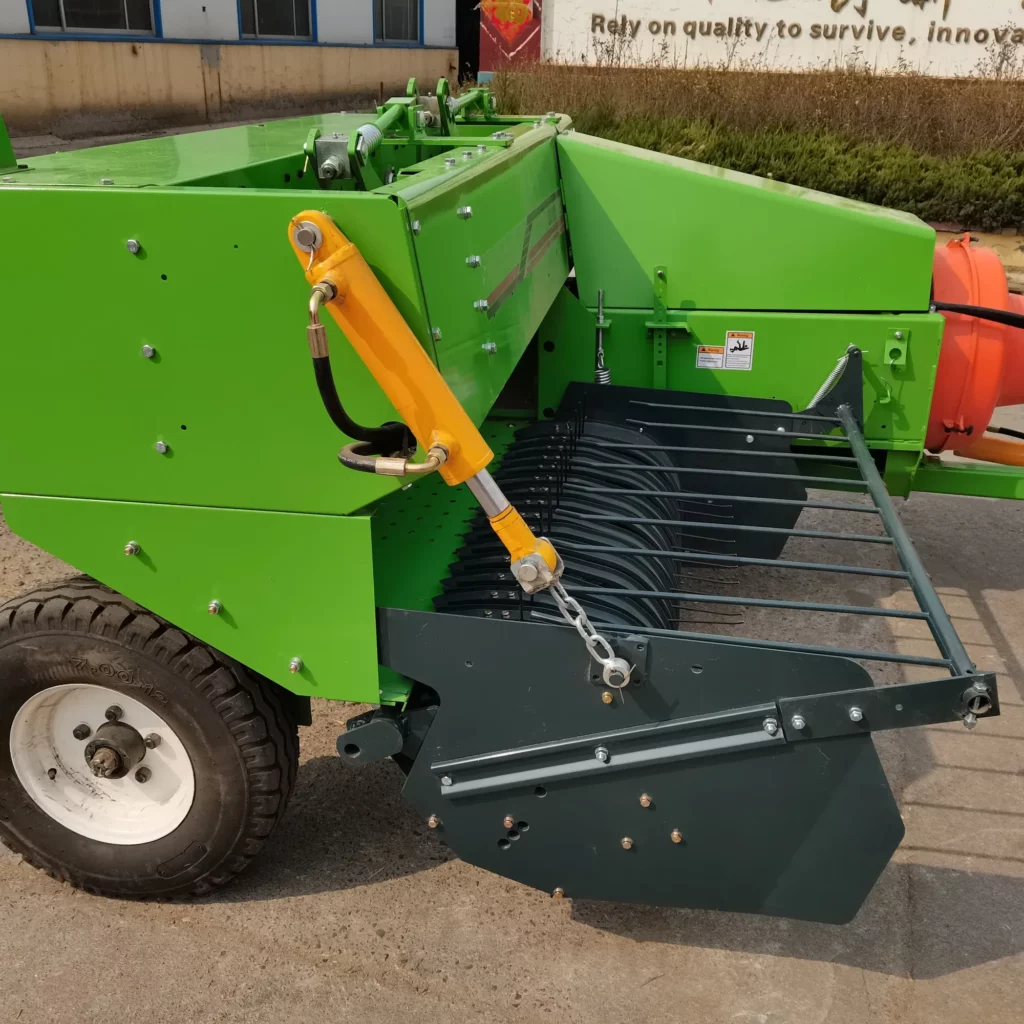
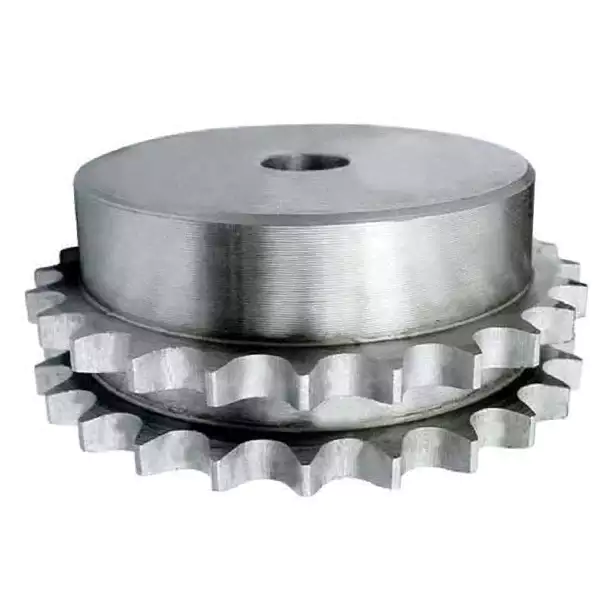
The RXFK2060 Small Square Baler is a hot product in 2019, designed specifically for farms. It's a new type of square hay baler, with its core components being the gear. This machine is easy to operate and comes with a one-year warranty on core components. It's applicable to a variety of crops, including hay, wheat, rice, maize, and Alfalfa. With a weight of 1030 KG and dimensions of 410x215x130cm, it is a compact but powerful machine. The machine is engineered to work with a 25-80HP tractor, has a working width of 1.4m, and produces bale densities of 70-180kgs/cbm. The bales it creates are sized (30-100)x42x32cm.
Advantages of the RXFK2060 Small Square Baler
The RXFK2060 is an efficient and versatile machine. Here are some key advantages:
1. Efficiency: With its larger working width and the ability to strap and eject bales while the tractor is moving, the baler offers higher efficiency than round balers.
2. Versatility: It can be used with a variety of crops, including hay, wheat, rice, corn, soybean, and alfalfa.
3. Compact Size: Its small size makes it easy to transport and store.
4. Adjustability: The baler allows for adjustable bale length and density, offering flexibility based on the user's needs.
5. Power Matching: It can work with tractors ranging from 25-80HP.
6. Safety: The baler reduces the area of straw storage, improves transport capacity, and reduces the possibility of fire accidents.
Applications of the RXFK2060 Small Square Baler
The RXFK2060 can be used in a variety of applications:
1. Farming: It can be used for baling hay, wheat, rice, maize, and Alfalfa, among other crops.
2. Livestock Feed: The bales produced by the baler can be used as feed for livestock.
3. Transportation: The compact size of the bales makes them easier to transport.
4. Storage: The bales' size and shape make them easy to store.
5. Paper-making Industry: The bales can be used in the paper-making industry.
6. Biomass Fuel: The bales can be used as biomass fuel in power plants.
How Does the Tractor Mounted Hay Square Baler Work?
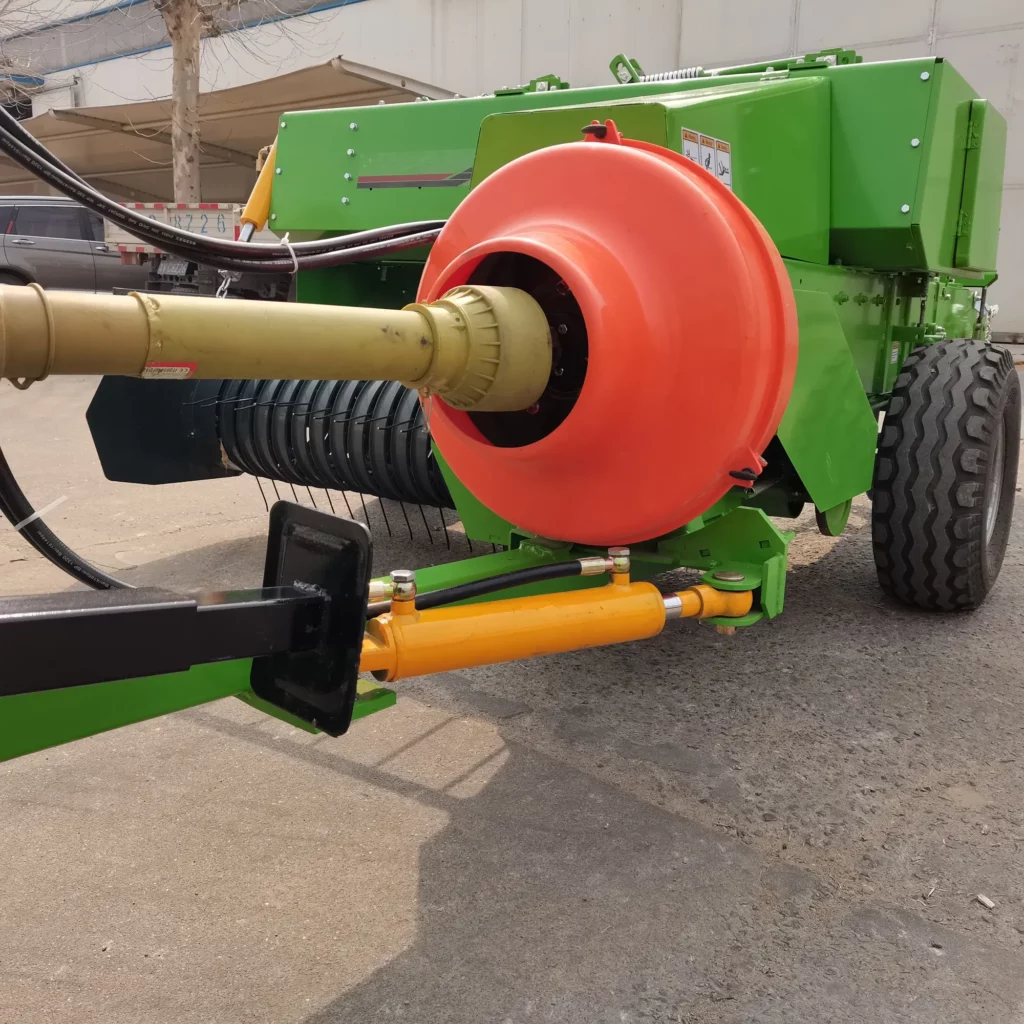
A tractor-mounted hay square baler is a type of baler that is attached to a tractor using the tractor's PTO system. It works in conjunction with the tractor's hydraulic system to gather, compress, and tie hay or straw into square bales. Here's a step-by-step overview of how a tractor-mounted hay square baler typically operates:
1. Attachment to the Tractor: The baler is connected to the tractor using a three-point hitch or a specific mounting system designed for that particular baler model. The PTO shaft of the baler is connected to the PTO output of the tractor, which provides the power to drive the baler's components.
2. Pickup and Feeding: The baler's pickup is lowered to the ground, and the tractor is driven forward over the cut hay or straw. The pickup consists of teeth or tines that gather the material and convey it into the baling chamber. The hay or straw is fed into the baler in a continuous stream.
3. Baling Chamber: Inside the baler, the baling chamber consists of a moving plunger and stationary walls. The plunger moves back and forth, exerting pressure on the material and compressing it into a rectangular shape. The walls of the baling chamber guide and contain the material as it is being compressed.
4. Knotter or Baler Twine System: Once the material is compressed into a bale, it reaches the knotter or twine system. In the case of a knotter system, twine is fed into the baler, and the knotter creates a series of knots that secure the bale. In a twine system, the twine is wrapped around the bale and tied off.
5. Bale Ejection: Once the bale is securely tied, it moves out of the baling chamber. The baler usually has a bale ejection system that pushes the bale out of the baler and onto the ground. Some balers may have additional features like a bale kicker or a bale accumulator for more efficient bale handling.
6. Bale Collection: The tractor operator can stop the tractor and collect the completed bales from the field. The bales are typically stacked or loaded onto a trailer for transportation and storage.
How to Install the Hay Square Baler to Tractor?
Installing a hay square baler to a tractor is a critical process that requires attention to detail to ensure safety and operational efficiency. Here is a step-by-step guide on how to properly attach a hay square baler to a tractor. Always refer to the specific manuals for your baler and tractor for any model-specific instructions or safety warnings.
1. Position the Tractor: Park the tractor on a level surface, ensuring that it is turned off, the parking brake is engaged, and the PTO is disengaged.
2. Align the Baler: Position the baler behind the tractor so that the hitch points align with the tractor's three-point hitch or mounting system. Ensure that the baler is centered and properly aligned with the tractor.
3. Connect the Hitch: Lower the tractor's three-point hitch or use the appropriate mounting system to align and attach the baler to the tractor. Follow the specific instructions provided by the baler manufacturer for hitch connection.
4. Secure the Hitch: Once the baler is properly aligned with the tractor's hitch, secure it by engaging the locking mechanisms or fastening the bolts, pins, or latches provided with the baler. Ensure that the hitch is securely attached to the tractor and there is no excessive movement.
5. Connect the PTO Shaft: Attach the PTO shaft of the baler to the PTO output of the tractor. Align the splines on the shafts and push them together until they engage. Secure the connection by locking the PTO shaft's collar in place.
6. Check Hydraulic Connections (if applicable): If your baler requires hydraulic connections to the tractor, ensure that the hydraulic hoses are properly connected to the tractor's hydraulic ports. Follow the baler manufacturer's instructions for specific hydraulic connections.
7. Test the Connection: Before operating the baler, start the tractor's engine and engage the PTO. Check for any unusual noises, vibrations, or misalignments in the baler's components. Ensure that the PTO shaft is spinning smoothly and that all connections are secure and functioning correctly.
Common Troubleshooting for RXFK2060 Small Square Baler
Troubleshooting common issues with a hay square baler involves diagnosing and addressing problems that can arise during its operation. Here is a guide to some of the most frequent issues encountered with hay square balers and how to potentially resolve them:
1. Baler Not Forming Bales Properly: This could be due to incorrect tension settings, insufficient hay, or issues with the pickup mechanism. Adjust the baler's tension settings according to the manual. Ensure there's enough material being fed into the baler. Check the pickup mechanism for clogs or damage and clear or repair as necessary.
2. Bales Too Loose or Too Tight: This could be due to tension settings not properly adjusted for the current conditions or material. Refer to the baler's manual to adjust the density settings. This might involve tightening or loosening the tension on the bales.
3. Baler Knots Not Tying: This could be due to incorrect twine tension, twine running out, or issues with the knotter mechanism. Check and adjust the twine tension. Replace the twine spool if it's running low. Clean and lubricate the knotter mechanism, and check for worn parts that may need replacing.
4. Irregular Bale Shape: This could be due to uneven feeding of material or issues with the plunger alignment. Ensure the windrow is evenly distributed before baling. Check the plunger for proper alignment and adjust according to the manufacturer's instructions.
5. Baler Pickup Not Working Efficiently: This could be due to worn or broken pickup tines, incorrect pickup height, or obstructions in the pickup area. Replace any worn or broken tines. Adjust the pickup height for optimal performance. Remove any obstructions from the pickup area.
6. Excessive Vibration During Operation: This could be due to loose bolts or parts, damaged driveline, or imbalance in the flywheel. Check and tighten all bolts and parts. Inspect the driveline for damage and replace if necessary. Check the flywheel for balance and make adjustments as needed.
Why Choose Raydafon's Small Square Baler for Hay Baling?
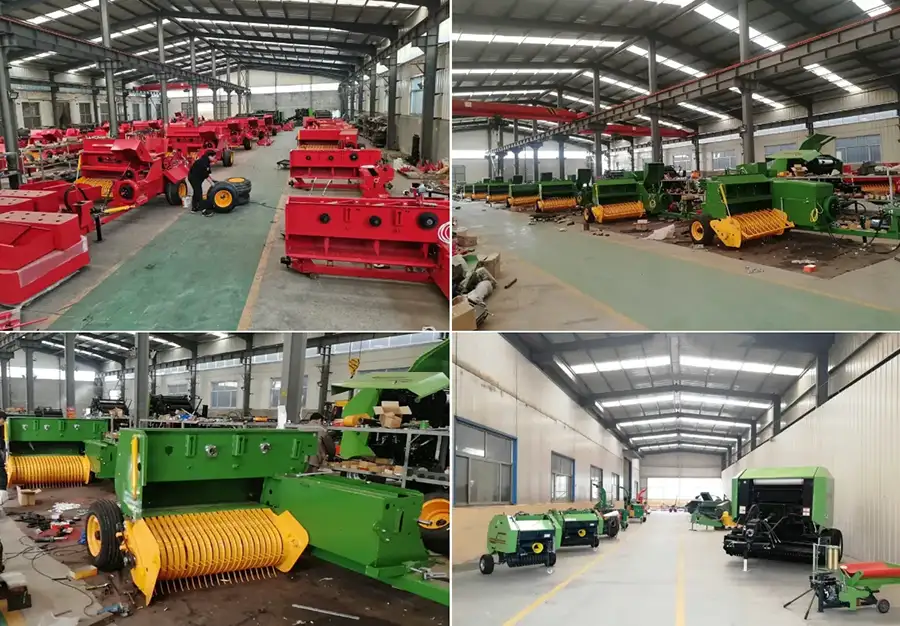
Choosing Raydafon Agricultural Machinery Co., Ltd. for your large round baler for hay baling gives you access to a team of professionals with over 20 technical staff and five senior R&D personnel. Our company is equipped with advanced casting, forging, machining, heat treatment, and lacquering production lines, and uses CAD for computer-aided designs.
Our company has been engaged in the research and development of agricultural machinery for over 10 years, producing a wide range of farming machinery, planting machinery, harvesting machinery and its accessories. Our products are complete in specifications, excellent in performance, and reliable in quality. They are sold all over the country and are exported to many countries and regions in Europe, America, Africa, the Middle East, and Southeast Asia all year round.
We pride ourselves on our professionalism, international certifications, customized services, production facilities, and after-sales services. Watch the video below to learn more about our products and services.
[embed]https://youtu.be/8UUrZLRNuDg[/embed]
Author: Yjx.
Hot Tags: Small Square Baler Manufacturer, Hay Baling Machinery Supplier, Farm Baling Equipment Factory
We use cookies to offer you a better browsing experience, analyze site traffic and personalize content. By using this site, you agree to our use of cookies.Privacy Policy


 [embed]https://youtu.be/8UUrZLRNuDg[/embed]
Author: Yjx.
[embed]https://youtu.be/8UUrZLRNuDg[/embed]
Author: Yjx.

 Raydafon